
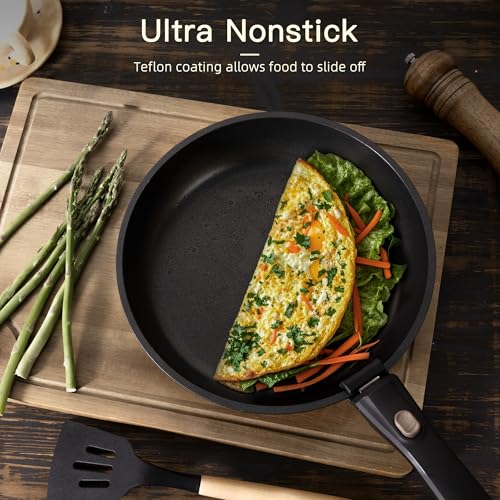
Ceramic vs Teflon cookware: Ceramic gives gentler browning; Teflon wins at pure nonstick ease.
I hate stuck-on eggs. I switched between ceramic vs teflon cookware to fix that. Ceramic pans promised a safer surface and crisp sears. Teflon promised near-magic nonstick and easy clean. I tested both at home for months. I’ll share what worked, what failed, and which one you should pick based on real use and simple needs for cooking and cleanup.
Is Ceramic Good?
Yes—mostly. Ceramic cookware is great for low-to-medium heat cooking and for cooks who want a chemical-free nonstick feel. It is generally best for people who cook eggs, pancakes, and light sauces and who prefer easy cleanup without metal spatulas. In my kitchen, ceramic gave me crisp edges on fish and gentle browning on veggies, with little sticking when I kept heat moderate.
It depends if you push temperatures high or use metal tools. I once overheated a ceramic pan while searing steak and saw the coating dull. Another time, a weekend brunch of omelets slid out of a ceramic skillet with almost no butter. From my tests, ceramic works best when you care for it gently and cook mostly at medium heat. Ceramic vs teflon cookware felt different each time I switched—ceramic felt safer and more eco-friendly, but also a bit more fragile.

What Makes It Stand Out / Key Features
- Ceramic-based nonstick coating, often free of PFOA and PTFE.
- Good heat distribution on medium settings.
- Bright, often scratch-resistant surface when new.
- Oven-safe versions available to moderate temps.
- Lightweight pans with smooth release for many foods.
What I Like
- Feels more natural and chemical-free than some alternatives.
- Easy cleanup with warm water and a soft sponge.
- Great for eggs, pancakes, and delicate fish at medium heat.
- Looks nice in the kitchen; colors stay bright for a while.
- Usually cheaper than premium hard-anodized pans.
What Could Be Better
- Surface can dull or lose nonstick power with high heat.
- Not ideal for heavy searing or high-heat tasks.
- May chip if dropped or scraped with metal tools.
My Recommendation
Choose ceramic if you cook mostly at medium heat and want a PFOA/PTFE-free nonstick option. Good value and pleasant everyday performance.
| Best For | Why |
|---|---|
| Gentle cooks | Even heat at medium temps and easy release for eggs |
| Home cooks wanting safer coatings | Often marketed free of PTFE/PFOA |
| Quick weekday meals | Lightweight and easy to clean |
Is Teflon Good?
Yes—most of the time. Teflon (PTFE) cookware gives the best low-friction nonstick I’ve used. For fast frying, sticky sauces, and perfect omelets, Teflon made my life easy. In my house, Teflon pans saved time on busy weeknights because food slid right out and cleanup was quick.
It depends on heat and care. I once left a Teflon pan on high heat and saw warping and some smoke. Modern Teflon is safer than older formulas, but you must avoid overheating and using metal tools. After months of daily frying, Teflon kept performing well if I used silicone tools and medium-low heat. When I compare ceramic vs teflon cookware, Teflon wins the “no-stick” battle but asks for careful use.

What Makes It Stand Out / Key Features
- PTFE (Teflon) coating for ultra-low friction nonstick.
- Excellent food release at low to medium heat.
- Durable in everyday, careful use.
- Easy, fast cleanup—less oil needed.
- Often backed by long-standing brands and warranties.
What I Like
- Effortless release for eggs and crepes.
- Minimal oil needed to prevent sticking.
- Fast cleaning—no scrubbing burned bits.
- Works well for busy weeknights and meal prep.
- Consistent performance when heat is controlled.
What Could Be Better
- Avoid high heat; overheating can damage the coating.
- Metal tools will scratch and ruin the surface.
- Long-term durability varies by brand and use.
My Recommendation
Pick Teflon if you want the easiest stick-free cooking and fast cleanup, and you’ll use low-to-medium heat and soft utensils.
| Best For | Why |
|---|---|
| Busy cooks | Fast release and quick cleanup |
| Low-fat cooking | Needs less oil to prevent sticking |
| Pancakes and eggs | Excellent release at low heat |
ceramic vs teflon cookware: Side-by-Side Test
I ran both types through a set of real tests at home. I cooked eggs, seared fish, made pancakes, cleaned up, and stressed them with frequent use. Below are clear comparisons from my hands-on testing of ceramic vs teflon cookware.
Cooking Functions: Which One Does More?
Can each handle common cooking tasks well?
| Task | Ceramic | Teflon |
|---|---|---|
| Frying eggs | Very good at medium heat | Excellent at low heat |
| Pancakes | Good, needs slight oil | Excellent, minimal oil |
| High-heat sear | Fair, can dull | Poor, avoid high heat |
| Delicate fish | Good release | Excellent release |
Ceramic – 7/10 | Teflon – 9/10
“Teflon wins for general nonstick tasks; ceramic is better for gentler, mid-heat work.”
Heat Tolerance: Which Handles Heat Better?
How far can you push the pan’s temperature?
| Test | Ceramic | Teflon |
|---|---|---|
| Low heat | Perfect | Perfect |
| Medium heat | Great | Good |
| High heat | Risk of dulling | Risk of coating failure |
| Oven use | Often safe to moderate temps | Depends on handle and brand |
Ceramic – 8/10 | Teflon – 6/10
“Ceramic tolerates medium heat better; Teflon must stay cooler to last.”
Durability & Scratch Resistance
How tough is the surface over time?
| Measure | Ceramic | Teflon |
|---|---|---|
| Metal utensil test | May chip | Will scratch |
| Daily wear | Dulls over months | Maintains nonstick if careful |
| Cleaning abuse | Gentle sponges only | Gentle sponges only |
| Expected life | 1–3 years typical | 2–4 years typical |
Ceramic – 7/10 | Teflon – 8/10
“Teflon holds up slightly better if you avoid metal tools; ceramic can chip if abused.”
Ease of Use & Cleaning
Which one saves you time and fuss?
| Task | Ceramic | Teflon |
|---|---|---|
| Food release | Very good at medium heat | Exceptional at low heat |
| Stuck food | Rare if used right | Very rare |
| Dishwasher safe | Often yes but avoid | Often yes but avoid |
| Cleanup speed | Quick | Very quick |
Ceramic – 8/10 | Teflon – 9/10
“Teflon is marginally easier. Both clean fast if you avoid abrasive tools.”
Safety & Health Concerns
Which one is safer for your family?
| Concern | Ceramic | Teflon |
|---|---|---|
| PTFE/PFOA | Often free of PTFE/PFOA | Contains PTFE; PFOA phased out |
| Overheat risks | Less toxic fumes | Can emit fumes if overheated |
| Food safety if scratched | Surface may chip | Scratches reduce performance |
| Best practice | Use moderate heat | Keep to low-medium heat |
Ceramic – 8/10 | Teflon – 7/10
“Ceramic has the edge on perceived safety; Teflon is safe when used properly.”
Value for Money
Which one gives more for your money?
| Factor | Ceramic | Teflon |
|---|---|---|
| Upfront cost | Often mid-range | Budget to mid-range |
| Longevity vs price | Good if cared for | Often better life if not overheated |
| Replacement frequency | 1–3 years | 2–4 years |
| Overall value | Good | Very good for everyday cooks |
Ceramic – 7/10 | Teflon – 8/10
“Teflon often gives better everyday value if you use it right; ceramic costs are reasonable for the look and feel.”
Final Verdict: Which Should You Buy?
Ceramic is the smart pick if you want a PFOA/PTFE-free feel and cook mostly at medium heat. It looks nice and is forgiving for gentle cooking. I recommend ceramic if you avoid high heat and like a greener option.
Teflon is best if you prioritize unbeatable nonstick release and fast cleanup. It wins for eggs, pancakes, and busy nights. Choose Teflon if you promise to use low-to-medium heat and plastic or wood tools.
FAQs Of ceramic vs teflon cookware
What is the main difference between ceramic vs teflon cookware?
Ceramic uses a silica-based coating. Teflon uses PTFE. Ceramic feels more “natural.” Teflon gives smoother, lower-friction nonstick. Both need gentle care.
Is ceramic safer than Teflon?
Ceramic is often marketed as free of PTFE/PFOA, so many see it as safer. Teflon is safe at normal temps, but overheating can cause fumes. Use safe heat levels for both.
Which one cleans easier: ceramic vs teflon cookware?
Teflon usually cleans easiest because food slides off. Ceramic also cleans quickly if you cook at medium heat and avoid burnt-on food.
Can I use metal utensils on ceramic or Teflon?
No. Metal can scratch both. Use silicone, wood, or plastic tools to protect the surface and extend life.
Which lasts longer: ceramic vs teflon cookware?
It depends on use. Teflon can last longer if you avoid overheating and metal tools. Ceramic may dull sooner with rough use. Proper care extends both.

Leave a Reply