
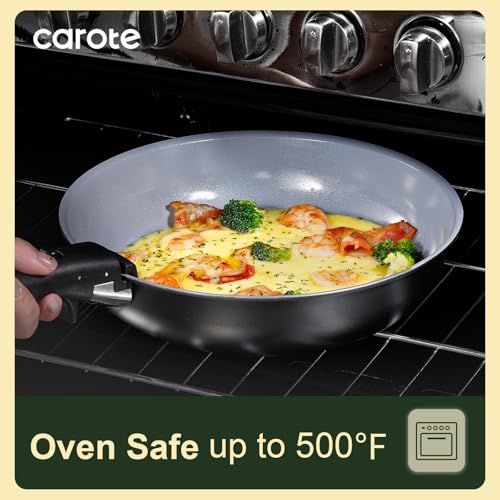
Ceramic is gentler and budget-friendly; titanium is tougher, lighter, and built for heavy use.
I remember burning scrambled eggs on a cheap pan and swearing I'd upgrade. That led me to test ceramic vs titanium cookware in my own kitchen. Ceramic cookware felt smooth and forgiving; titanium cookware felt rock-solid and quick to heat. I used both for weeks, cooking eggs, stir-fries, sauces, and weekend roasts, and I’ll share what worked, what didn’t, and which suit different cooks. My goal is to help you pick the right cookware for your needs.
Is Ceramic Cookware Good?
Yes — ceramic cookware is excellent for cooks who want an easy, non-stick surface without Teflon. It’s great for everyday low- to medium-heat cooking, like eggs, pancakes, and gentle sauces. It is generally more affordable than high-end metals and often comes in attractive sets. For people who prefer lighter pans with a soft release, ceramic is a clear yes. For chefs who sear at very high heat every day, the answer might be “it depends.”
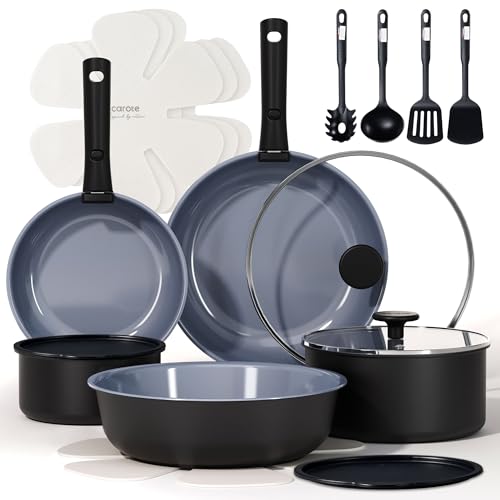
I used a CAROTE ceramic set for two months. I loved how eggs slid out with almost no oil. I also simmered tomato sauce for forty minutes without any metallic taste. Once, I accidentally overheated a pan and saw some dull spots; it still worked, but I treated it gentler after that. Those small mistakes taught me ceramic cookware rewards low-to-moderate heat and careful handling.
What Makes It Stand Out / Key Features
- Non-stick ceramic coating for low-fat cooking.
- Often PFAS/PFOA-free and marketed as non-toxic.
- Bright finishes and lightweight construction.
- Good heat distribution for gentle cooking.
- Compatible with many stovetops, some sets work on induction.
What I Like
- Food releases easily; less oil needed for eggs and pancakes.
- Cleaning is quick — most stains wash out with a soft sponge.
- Lightweight pans are easy to maneuver for quick dinners.
- Good-looking surfaces that keep the kitchen bright.
- Affordable sets let you replace many pieces without a big cost.
What Could Be Better
- Coating can dull or chip with high heat or metal utensils.
- Not ideal for heavy searing or very high-heat tasks.
- Durability varies by brand; some sets wear faster.
My Recommendation
If you cook at low to medium heat and want easy cleanup, ceramic cookware is a smart, budget-friendly pick.
| Best For | Why |
|---|---|
| Beginner cooks | Easy release and low maintenance make cooking less stressful. |
| Low-fat cooking | Non-stick surface reduces oil needs. |
| Budget buyers | Affordable full sets with decent performance. |
Is Titanium Cookware Good?
Yes — titanium cookware is excellent for people who want strength, light weight, and fast heating. It withstands higher heat and rougher use. Titanium pans often suit pros or home cooks who sear and deglaze a lot. They cost more but last longer. For those wanting durable cookware that tolerates metal utensils and frequent use, titanium cookware is a strong yes.
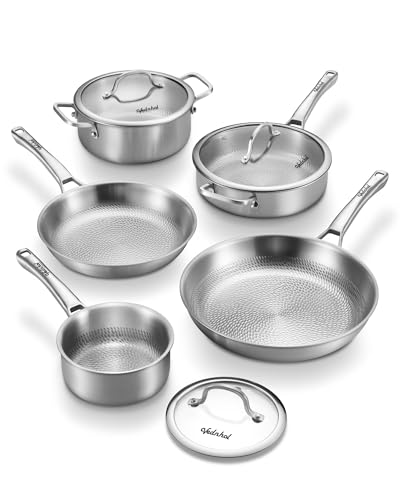
I used a VEDNHOL titanium set for several weeks. I seared steaks and tossed stir-fries at high heat without worrying about warping. The pans felt light in my hands yet tough under a spatula. Once I took a pan straight from fridge to stove and it held up perfectly. The quick heat response saved me time on busy weeknights. My routine became faster and cleaner with these pans.
What Makes It Stand Out / Key Features
- Pure titanium construction or titanium-infused coating for durability.
- Very light weight with high strength.
- Fast, even heat response and good heat retention.
- Often PFAS/PFOA/PTFE-free and suitable for high-heat cooking.
- Dishwasher and oven-safe in many models.
What I Like
- Handles high heat without damage — great for searing.
- Lightweight design makes flipping and tossing easy.
- Durable: I used metal tools without worry.
- Fast heating saved time on weeknight meals.
- Minimal warping and long-term resilience.
What Could Be Better
- Higher price point than ceramic alternatives.
- Some titanium pans need a learning curve for perfect non-stick use.
- Finish can be glossy and show smudges or streaks.
My Recommendation
Choose titanium cookware if you want durable, fast-heating pans that hold up to heavy use and higher heat.
| Best For | Why |
|---|---|
| Serious home cooks | Handles high heat and frequent use. |
| Lightweight lovers | Easy to flip and move while cooking. |
| Long-term value shoppers | Durability offsets the higher cost. |
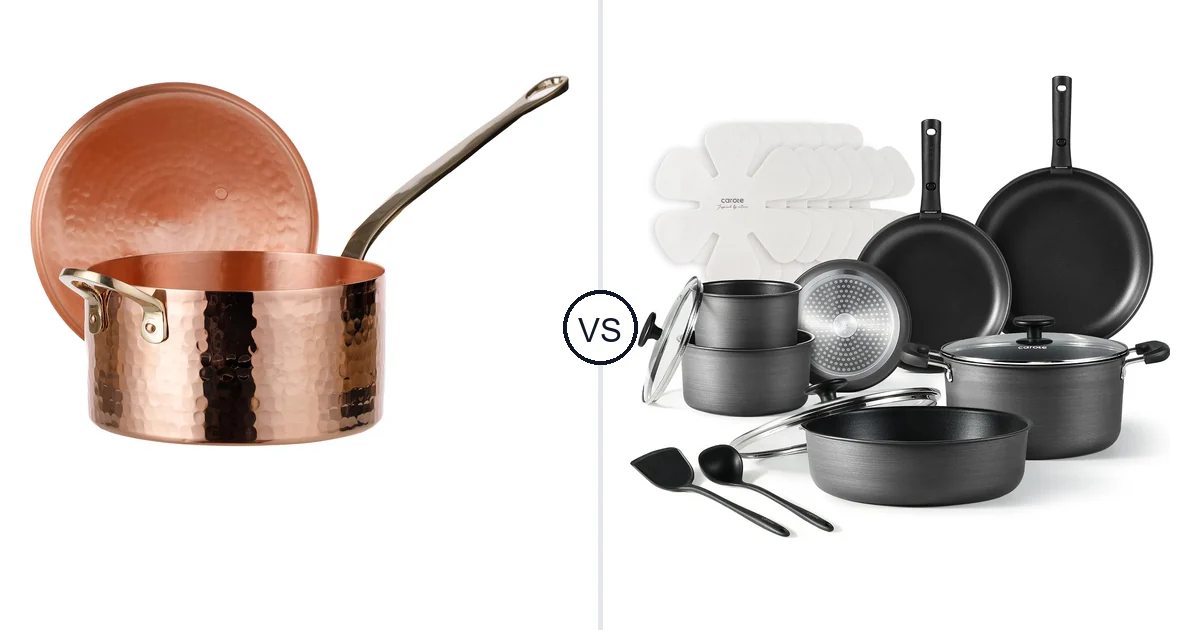
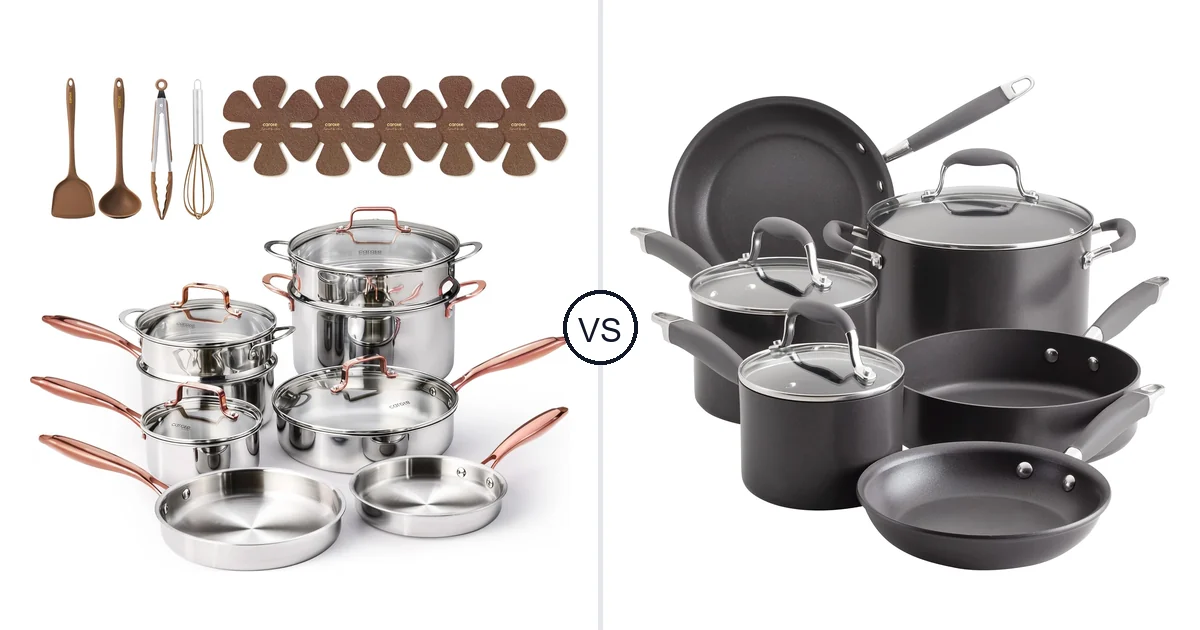
ceramic vs titanium cookware: Side-by-Side Test”
I ran both through the same kitchen tasks to see how ceramic vs titanium cookware compare. Below are clear categories based on my hands-on tests.
Cooking Functions: Which One Does More?
Both pans cover basic tasks, but their strengths differ by heat level.
| Function | Ceramic | Titanium |
|---|---|---|
| Low-heat cooking (eggs, sauces) | Excellent | Very good |
| High-heat searing | Poor to fair | Excellent |
| Stir-frying | Good | Excellent |
| Braising & simmering | Very good | Very good |
Rating: Ceramic – 8/10 | Titanium – 9/10
“Titanium wins for high-heat work; ceramic shines at gentle cooking.”
Heat Conductivity & Control
How quickly and evenly each pan heats.
| Aspect | Ceramic | Titanium |
|---|---|---|
| Time to heat | Moderate | Fast |
| Heat spread | Even for low heat | Very even |
| Hot spots | Rare | Rare |
| Temperature tolerance | Lower max safe temp | Higher max safe temp |
Rating: Ceramic – 7/10 | Titanium – 9/10
“Titanium offers speed and control for high-heat cooks.”
Non-stick Performance & Food Release
Which pan makes food come off easiest?
| Task | Ceramic | Titanium |
|---|---|---|
| Eggs | Excellent | Very good |
| Pancakes | Excellent | Very good |
| Sauces | Very good | Very good |
| After heavy use | May decline | Stable |
Rating: Ceramic – 8/10 | Titanium – 8/10
“Ceramic is immediately slick; titanium keeps steady performance longer.”
Durability & Longevity
Will the cookware last under real use?
| Metric | Ceramic | Titanium |
|---|---|---|
| Scratch resistance | Moderate (avoid metal) | High (handles metal) |
| Warping | Possible with high heat | Rare |
| Coating lifespan | Variable | Long |
| Overall life | 3–5 years typical | 5–10+ years typical |
Rating: Ceramic – 6/10 | Titanium – 9/10
“Titanium clearly wins for long-term durability and rugged use.”
Cleaning & Care
How easy are they to keep clean?
| Care Task | Ceramic | Titanium |
|---|---|---|
| Dishwasher safe | Often yes | Often yes |
| Stain removal | Easy with gentle scrub | Easy; durable finish |
| Maintenance | Avoid high heat & metal | Low; robust |
| Long-term looks | Can dull over time | Stays good longer |
Rating: Ceramic – 8/10 | Titanium – 9/10
“Both clean well, but titanium needs less careful handling.”
Price & Value
Which is the better buy over time?
| Cost Aspect | Ceramic | Titanium |
|---|---|---|
| Initial cost | Lower | Higher |
| Cost per year | Lower short term | Lower long term |
| Value for money | Great if used gently | Top value if you cook a lot |
| Warranty & replace | Varies by brand | Often stronger warranty |
Rating: Ceramic – 8/10 | Titanium – 8/10
“Ceramic is budget-friendly now; titanium pays off over years.”
Final Verdict: Which Should You Buy?
Ceramic cookware is my pick for casual cooks who want easy cleanup, gentle non-stick, and a lower upfront cost. It’s gentle on eggs and sauces and fits kitchens where you cook at low to medium heat. Titanium cookware is best for active cooks who want rugged pans that handle high heat, heavy use, and last longer. It costs more but feels faster and tougher in daily use. Choose ceramic for ease and economy; choose titanium for durability and performance.
FAQs Of ceramic vs titanium cookware
What is the main difference between ceramic vs titanium cookware?
Ceramic has a soft non-stick surface ideal for low-heat cooking. Titanium is metal-based, lighter, and tolerates high heat and rough use.
Which heats faster: ceramic or titanium?
Titanium heats faster and responds quicker to temperature changes. Ceramic heats steadily but slower.
Which is safer: ceramic or titanium regarding chemicals?
Both can be safe. Ceramic marketed as PFAS/PFOA-free. Titanium pans are also often free of those chemicals. Check brand specs.
Which lasts longer?
Titanium typically lasts longer. Ceramic coatings can wear or chip sooner, especially with high heat or metal tools.
Which should I buy if I cook daily and sear often?
Buy titanium cookware for daily heavy use and frequent searing. For gentle daily cooking, ceramic is fine.

Leave a Reply