
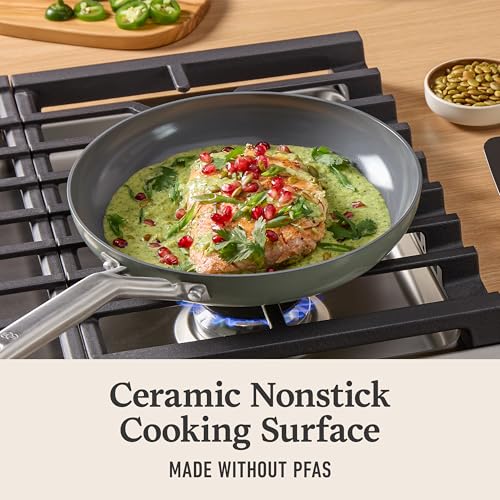
Both are solid choices: ceramic is gentle and easy; hard-anodized is tougher and heats faster.
I stood at my stove staring at a sticky frying pan and wanted a clear choice: ceramic vs hard anodized cookware. Both promise nonstick cooking, easy cleanup, and a safer alternative to older Teflon. I tested each set in daily use — frying, simmering, and oven work — to see which fits real kitchens. I’ll share what worked, what didn’t, and who should pick which.
Is ceramic Good?
Yes — for many home cooks, ceramic cookware is a very good pick. I find ceramic pans heat gently and release food well when used with moderate heat. They suit people who cook eggs, fish, or delicate sauces. If you avoid high heat and metal utensils, ceramic can give you long, trouble-free use. For me, ceramic shines when I want quick cleanup and bright, modern pans that look good on the stove.
I remember using a ceramic skillet for weekend omelets. The eggs slid out with one flip. Another night I simmered a tomato sauce on low for an hour and had no worries about burnt bits. In testing ceramic vs hard anodized cookware, ceramic felt lighter and easier to handle when I moved pans between burners and oven. I did see wear after heavy use, but for gentle, everyday cooking, ceramic impressed me.
Calphalon® Ceramic Nonstick 12-pc. Cookware Set

What Makes It Stand Out / Key Features
- Smooth, often brightly colored nonstick ceramic coating
- Lightweight construction for easy lifting and handling
- Good release for eggs, pancakes, and low-heat sauces
- Oven-safe to moderate temperatures (varies by brand)
- Usually marketed as PFOA-free and lower chemical risk
What I Like
- Excellent release for gentle foods; fewer burns
- Easy to clean by hand with mild soap
- Attractive finish for modern kitchen aesthetics
- Lightweight and easy to store or move
- Quick to heat on standard stovetops at low-med settings
What Could Be Better
- Coating can wear faster under high heat or metal tools
- Not as durable against scratches as hard-anodized metal
- Performance drops if regularly used at very high temperatures
My Recommendation
Choose ceramic if you cook mostly eggs, fish, or sauces and want easy cleanup and a lightweight set. Good value and widely available.
| Best For | Why |
|---|---|
| Gentle cooking (eggs, fish) | Smooth nonstick surface helps delicate foods release |
| Aesthetic kitchens | Modern colors and lightweight build look nice |
| Casual cooks | Low maintenance for everyday use |
Is hard anodized Good?
It depends — hard-anodized cookware is great if you want heavy-duty, durable pans that stand up to frequent use. My verdict is a solid yes for home cooks who use medium-high heat and need pans that resist scratches. Hard anodized holds up to metal utensils better and often has better heat distribution than thinner ceramic pans. It’s a strong choice if you value longevity and searing performance.
I used a hard-anodized skillet daily for months. I seared steaks and stirred tough, chunky stews. The pan kept its finish and spread heat evenly. In the head-to-head of ceramic vs hard anodized cookware, the hard-anodized pan handled higher heat without warping. It felt heavier and more stable. I did notice it needed a bit more elbow grease to clean after sticky, high-heat sears, but that trade-off felt worth the long-term durability.
Calphalon® Hard-Anodized Nonstick 6-Piece Cookware Set

What Makes It Stand Out / Key Features
- Hard-anodized aluminum core for strength and even heat
- Often paired with a durable nonstick surface
- Better scratch and warp resistance than many coatings
- Heavier, stable build for searing and deglazing
- Many sets are oven-safe to higher temps
What I Like
- Excellent heat distribution for even browning
- Stands up to daily heavy use and metal utensils
- Keeps shape under high temperatures
- Great for searing, frying, and pan sauces
- Long-lasting finish; less frequent replacement
What Could Be Better
- Heavier to lift and maneuver, especially full pans
- Can require more effort to clean after high-heat sears
- Often more expensive than basic ceramic sets
My Recommendation
Go hard-anodized if you need durable, high-heat cookware that lasts. Ideal for frequent cooks and searing fans.
| Best For | Why |
|---|---|
| Searing and browning | Handles high heat and spreads heat well |
| Frequent cooks | Tough finish resists scratches and wear |
| Long-term value seekers | Greater longevity saves money over time |
ceramic vs hard anodized cookware: Side-by-Side Test
I ran everyday tasks with both sets. I tested frying, searing, simmering, and cleanup. Below are clear comparisons from my tests to help you pick based on real cooking needs.
Cooking Functions: Which One Does More?
A quick note: this looks at what each does best in the kitchen.
| Function | Ceramic | Hard Anodized |
|---|---|---|
| Fry eggs | Yes, very well | Yes, but needs butter/oil |
| Sear steak | Light sear only | Excellent sear |
| Simmer sauces | Great for low heat | Great for low to high heat |
| Oven finishing | OK to moderate temps | Often oven-safe to higher temps |
Ceramic – 8/10 | Hard Anodized – 9/10
"Hard anodized edges out ceramic for high-heat cooking and searing. Ceramic excels at gentle frying."
Heat Performance & Evenness
Short intro: how well each spreads and holds heat.
| Heat Trait | Ceramic | Hard Anodized |
|---|---|---|
| Heat-up speed | Fast on low-med | Fast and efficient |
| Hot spots | Rare on good pans | Very even heat |
| Heat retention | Moderate | Stronger retention |
| Best burner types | Electric, gas | Gas, induction (brand-dependent) |
Ceramic – 7/10 | Hard Anodized – 9/10
"Hard anodized gives more even, reliable heat for searing and simmering."
Durability & Scratch Resistance
Short intro: longevity under daily use.
| Durability Area | Ceramic | Hard Anodized |
|---|---|---|
| Scratch resistance | Lower | Higher |
| Coating lifespan | Moderate | Longer |
| Dent/warp risk | More likely | Less likely |
| Suitable for metal utensils | No | Yes, usually |
Ceramic – 6/10 | Hard Anodized – 9/10
"Hard anodized wins for durability. Ceramic needs gentle care to stay like new."
Ease of Cleaning
Short intro: post-cook cleanup and stain resistance.
| Cleaning Task | Ceramic | Hard Anodized |
|---|---|---|
| Wiping grease away | Easy | Easy with oil |
| Stuck-on sear cleanup | Moderate | Requires scrubbing |
| Dishwasher safe? | Some yes, often handwash preferred | Some yes, often handwash preferred |
| Stain resistance | Moderate | High |
Ceramic – 8/10 | Hard Anodized – 7/10
"Ceramic cleans quickly for light cooking. Hard anodized can need work after heavy sears."
Safety & Coating Health
Short intro: concerns about chemicals and safety.
| Safety Factor | Ceramic | Hard Anodized |
|---|---|---|
| PFOA/PTFE presence | Usually PFOA-free | Often PFOA-free |
| High-heat breakdown risk | Higher | Lower |
| Nonstick flaking risk | Possible | Less likely |
| User caution | Avoid overheating | Use responsibly at high temps |
Ceramic – 7/10 | Hard Anodized – 8/10
"Both are safe when used correctly; avoid overheating ceramic to protect coating."
Value for Money
Short intro: cost vs lifespan and performance.
| Value Area | Ceramic | Hard Anodized |
|---|---|---|
| Upfront cost | Often lower | Often higher |
| Lifespan | Moderate | Long |
| Cost per year | Lower if gentle use | Lower if heavy use |
| Replacement frequency | More frequent | Less frequent |
Ceramic – 8/10 | Hard Anodized – 9/10
"If you cook a lot, hard anodized pays off. For light users, ceramic offers great initial value."
Final Verdict: Which Should You Buy?
Ceramic cookware wins for gentle, everyday cooking, easy cleanup, and lighter weight. Choose ceramic if you mainly do eggs, pancakes, and low-heat sauces. It’s user-friendly and good value for casual cooks.
Hard-anodized cookware wins for heavy use, high-heat searing, and long-term durability. Pick hard anodized if you sear meats, cook often, and want a pan that tolerates metal utensils and high heat.
FAQs Of ceramic vs hard anodized cookware
What is the main difference between ceramic vs hard anodized cookware?
Ceramic uses a nonstick ceramic coating on aluminum. Hard anodized is treated aluminum with a tougher surface. Ceramic is gentler; hard anodized is more durable.
Which one is safer at high heat?
Hard anodized is safer at high heat. Ceramic can break down or discolor if overheated. Always follow manufacturer heat limits.
Which cleans easier in daily use?
Ceramic usually cleans faster for light tasks. Hard anodized can need more scrubbing after heavy sears, but both are simple for most meals.
Can I use metal utensils on hard anodized?
Often yes. Hard anodized resists scratches better. Still, gentle metal use is best to keep the finish long-lasting.
Which gives better value for money?
If you cook a lot, hard anodized gives longer life and better long-term value. For casual use, ceramic is more affordable and pleasant to use.

Leave a Reply