
A cookware heat conductivity chart shows how quickly different materials transfer heat during cooking. Understanding heat conductivity is crucial for anyone who wants to cook better, whether you're a home chef perfecting your craft or someone tired of hot spots and uneven cooking. The right cookware makes all the difference in your kitchen, and knowing how various materials conduct heat helps you make smarter purchasing decisions and achieve consistent results every time you cook.
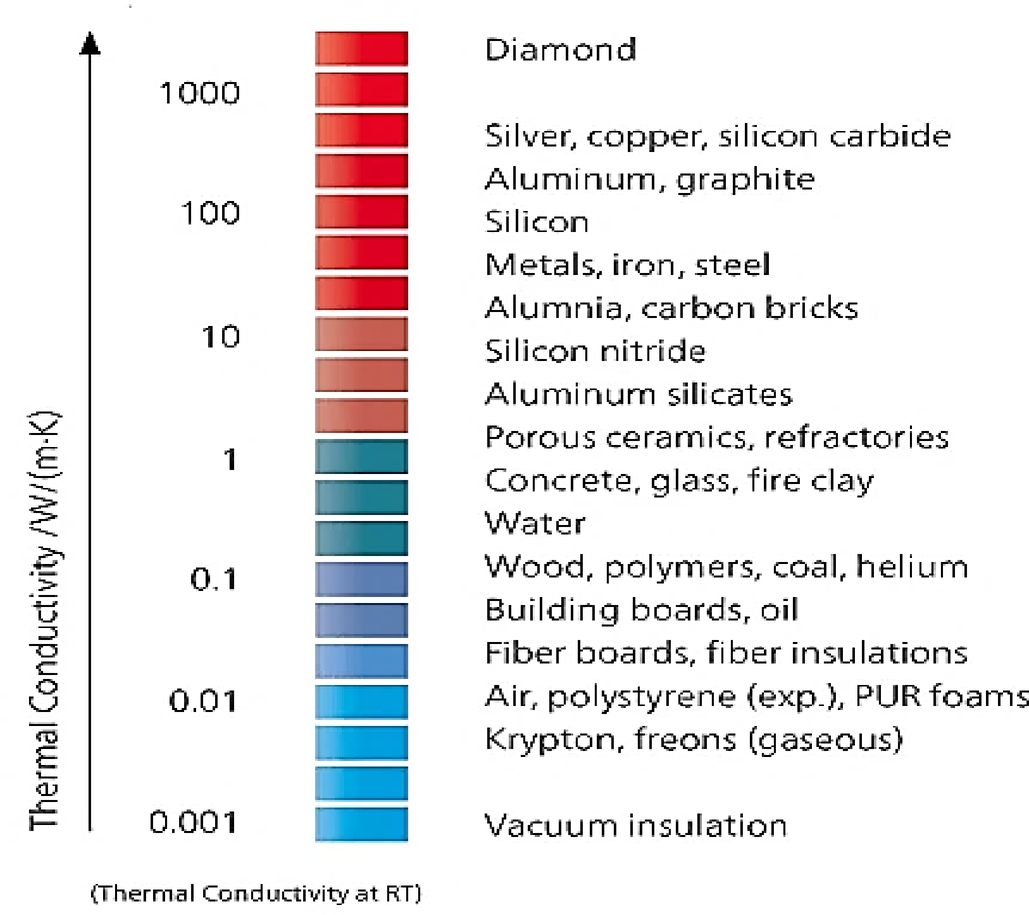
Understanding Cookware Heat Conductivity
Heat conductivity in cookware refers to how efficiently a material transfers heat from the heat source to your food. Think of it like a relay race—the faster heat travels through your cookware, the more evenly your food cooks. Different metals have drastically different conductivity rates, which is why aluminum heats up quickly while cast iron takes longer to warm up but retains heat beautifully.
When you look at a cookware heat conductivity chart, you're essentially seeing a ranking of materials based on their thermal conductivity values, typically measured in watts per meter kelvin (W/mK). Higher numbers mean better heat conductivity. This matters because it directly impacts how your food cooks, how quickly your pan reaches the desired temperature, and whether you'll get those frustrating hot spots that burn food on one side while leaving it undercooked on the other.
I've tested dozens of cookware pieces over the years, and I can tell you that understanding these differences genuinely changed how I approach cooking. Once you know which materials conduct heat best, you can choose cookware that matches your cooking style and food preferences.

The Science Behind Heat Conductivity
Heat conductivity is a physical property that determines how well a material can move thermal energy from one area to another. On a molecular level, materials with higher conductivity have free electrons that move more easily, transferring heat rapidly through the structure. This is why copper and aluminum are kitchen favorites—their atomic structure is perfect for heat transfer.
The cookware heat conductivity chart uses a standard measurement system to compare materials fairly. Copper tops the list at approximately 385 W/mK, making it the gold standard for cookware materials. Aluminum follows closely at around 205 W/mK, while stainless steel lags significantly at only 16 W/mK. These numbers tell you exactly why professional kitchens often feature copper-bottomed or aluminum cookware.
What's interesting is that conductivity alone doesn't tell the whole story. Heat capacity, thickness, and how materials are combined all influence cooking performance. This is where a comprehensive cookware heat conductivity chart becomes invaluable—it helps you understand not just raw conductivity but how materials work together in real-world cooking situations.
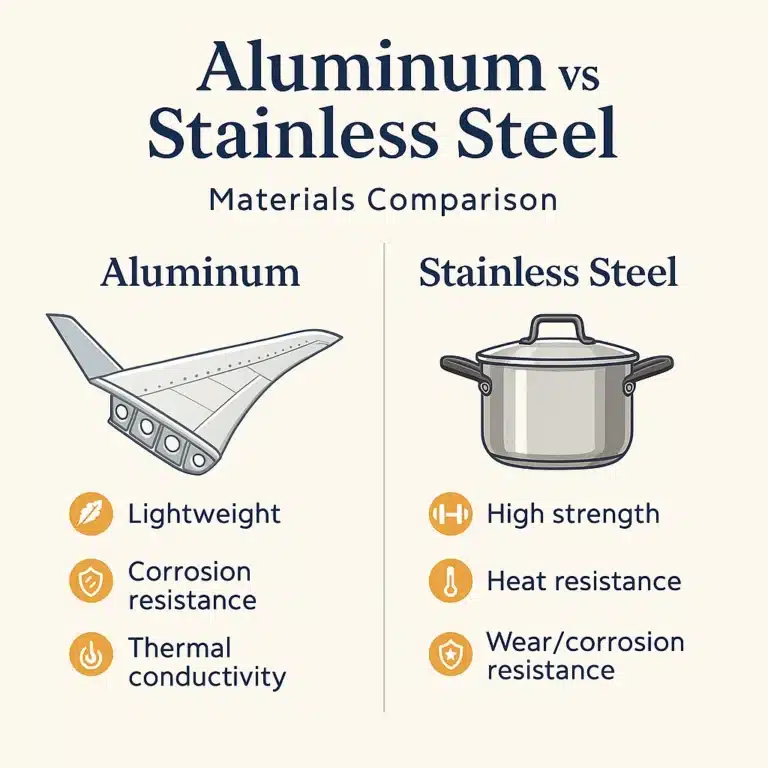
Common Cookware Materials and Their Heat Conductivity
Understanding the heat conductivity of different cookware materials helps you match the right pot or pan to your cooking needs. Here's what you need to know about the most common options you'll find when shopping for kitchen cookware.
Copper Cookware
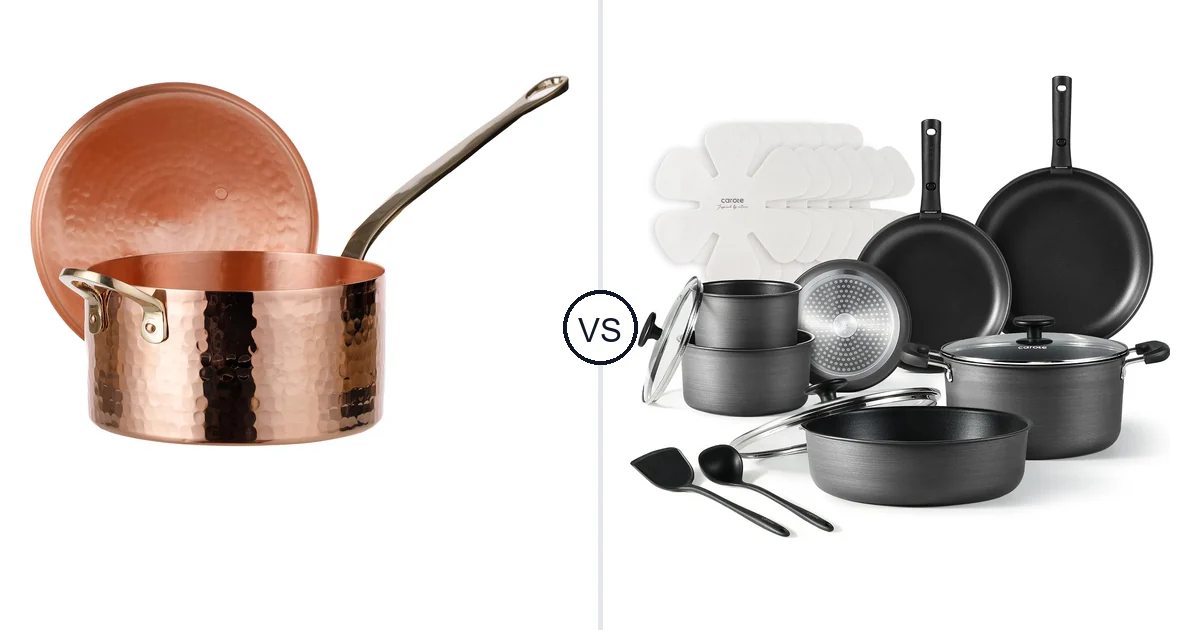
Copper sits at the top of any cookware heat conductivity chart because it's exceptional at transferring heat. With thermal conductivity around 385 W/mK, copper heats instantly and distributes warmth evenly across the cooking surface. Professional chefs favor copper cookware because it responds immediately to temperature changes, giving them precise control over their cooking.
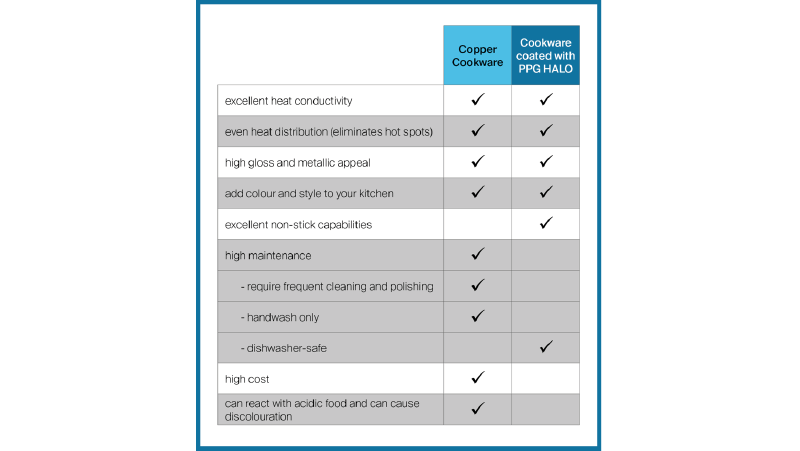
The downside is cost and maintenance. Copper cookware is expensive, requires regular polishing to maintain its appearance, and can react with acidic foods if not properly lined. Most modern copper cookware features a stainless steel or tin lining to prevent this issue, but these linings reduce overall conductivity slightly.
Aluminum Cookware
Aluminum appears on virtually every cookware heat conductivity chart as the second-best option for heat transfer. At approximately 205 W/mK, aluminum heats quickly and evenly, making it ideal for saucepans, frying pans, and baking sheets. It's lightweight, affordable, and incredibly versatile—which explains why professional kitchens rely on aluminum cookware extensively.
The trade-off is durability and reactivity. Pure aluminum can warp under high heat and react with acidic foods, potentially leaching aluminum into your meals. This is why most quality aluminum cookware is either anodized (treated with a special coating) or bonded with stainless steel to improve durability and eliminate reactivity concerns.
Stainless Steel Cookware
Stainless steel ranks much lower on the cookware heat conductivity chart at around 16 W/mK, which means it heats slowly and can develop hot spots. However, stainless steel offers advantages that make it popular despite poor conductivity—it's durable, non-reactive, looks beautiful, and lasts for decades.
Many quality stainless steel cookware pieces actually include an aluminum or copper core to improve heat conductivity. These multi-ply constructions combine stainless steel's durability and aesthetic appeal with aluminum or copper's superior heat transfer. When you see "tri-ply" or "five-ply" cookware on cookware heat conductivity charts, you're looking at this layering approach that balances multiple cooking needs.
Cast Iron Cookware
Cast iron has low conductivity at around 50 W/mK, meaning it heats slowly and unevenly. However, cast iron excels at heat retention—once it reaches temperature, it maintains that heat remarkably well. This makes it perfect for searing meat, maintaining consistent temperatures for cooking, and even baking.
I personally love cast iron for certain tasks, especially when I want a consistent, intense heat for extended cooking. The learning curve is real, but once you understand how to preheat and manage cast iron properly, you gain a cooking tool that can last generations and actually improves with use.
Carbon Steel Cookware
Carbon steel offers a middle ground on the cookware heat conductivity chart. With conductivity around 50 W/mK (similar to cast iron), it heats slower than aluminum but faster than stainless steel. Carbon steel is lighter than cast iron, heats more evenly, and develops a natural non-stick patina over time.
Many professional chefs prefer carbon steel for high-heat cooking because it combines reasonable conductivity with excellent heat retention and durability. It's more affordable than copper and easier to maintain than cast iron while still offering substantial cooking benefits.
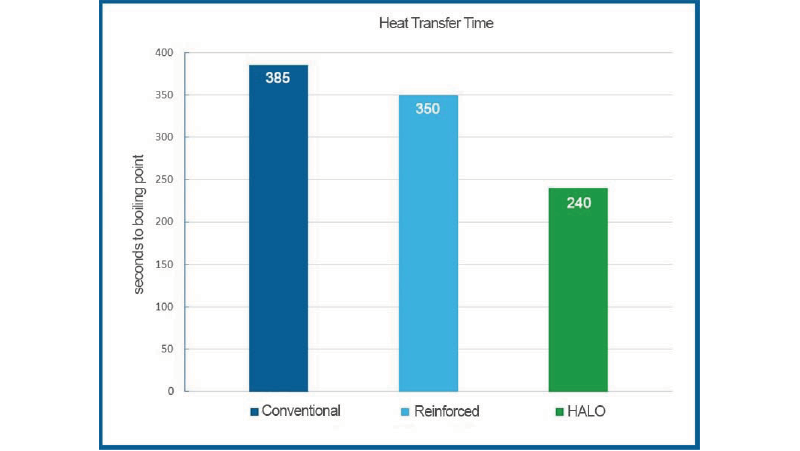
Reading a Cookware Heat Conductivity Chart
A proper cookware heat conductivity chart organizes materials by their thermal conductivity values, typically listing them from highest to lowest. The chart usually includes the material name, thermal conductivity measurement in W/mK, and often includes practical notes about cooking applications and limitations.
When you examine a cookware heat conductivity chart, pay attention to the actual numbers. The difference between copper at 385 W/mK and aluminum at 205 W/mK is significant—copper conducts heat nearly twice as efficiently. However, a cookware piece made from half-inch thick aluminum might conduct heat more evenly than thin copper because thickness affects heat distribution.
The most useful cookware heat conductivity charts go beyond simple material rankings. They include information about how conductivity translates to real cooking performance, what thickness is recommended for different materials, and how materials combine in multi-ply cookware. Look for charts that explain practical implications rather than just listing dry numbers.

How Heat Conductivity Affects Cooking Performance
The conductivity of your cookware directly impacts cooking results in measurable ways. Materials with high heat conductivity on a cookware heat conductivity chart heat quickly, respond rapidly to temperature adjustments, and distribute heat evenly across the cooking surface. This means your food cooks consistently without hot spots burning certain areas.
Quick heat response is particularly important for delicate cooking. When you're making a sauce or cooking eggs, you need your cookware to respond immediately when you adjust the burner temperature. Aluminum and copper cookware excel here because their high conductivity means temperature changes happen instantly. With stainless steel or cast iron, there's a lag between when you adjust the heat and when the pan's temperature actually changes.
Heat retention is another critical factor influenced by conductivity and thickness. While high-conductivity materials heat quickly, they also cool quickly when removed from heat. This is why cast iron, with its thick mass and lower conductivity, maintains temperature so well. For searing meat or maintaining consistent cooking temperatures, this heat retention matters tremendously. Understanding how your cookware material performs on a cookware heat conductivity chart helps you anticipate these behaviors and adjust your cooking technique accordingly.

Practical Applications Based on Heat Conductivity
Different cooking techniques benefit from different positions on a cookware heat conductivity chart. Knowing which materials work best for specific tasks helps you build a well-rounded kitchen cookware collection.
For precise sauce making and delicate cooking, choose cookware with high heat conductivity. Aluminum and copper saucepans give you the control needed for hollandaise, béchamel, and other temperature-sensitive preparations. The instant heat response prevents overcooking and allows you to achieve perfect consistency every time.
For high-heat searing and frying, thicker cookware with good heat retention works better. Cast iron and heavy carbon steel pans maintain consistent temperatures that develop beautiful crusts on meat and vegetables. Referring to a cookware heat conductivity chart helps you understand why thin stainless steel pans struggle with searing—they lose too much heat when cold food hits the surface.
For even baking and roasting, look for cookware with moderate to high conductivity that distributes heat uniformly. Aluminum sheet pans and baking dishes top many cookware heat conductivity charts for these applications because they heat quickly and evenly, preventing burning on edges while centers remain undercooked.
For slow cooking and braising, materials that retain heat work better than those with exceptional conductivity. A heavy cast iron Dutch oven maintains the gentle, consistent temperature needed for hours-long braising even when you're not actively cooking. The thermal mass of these pieces matters more than raw conductivity.
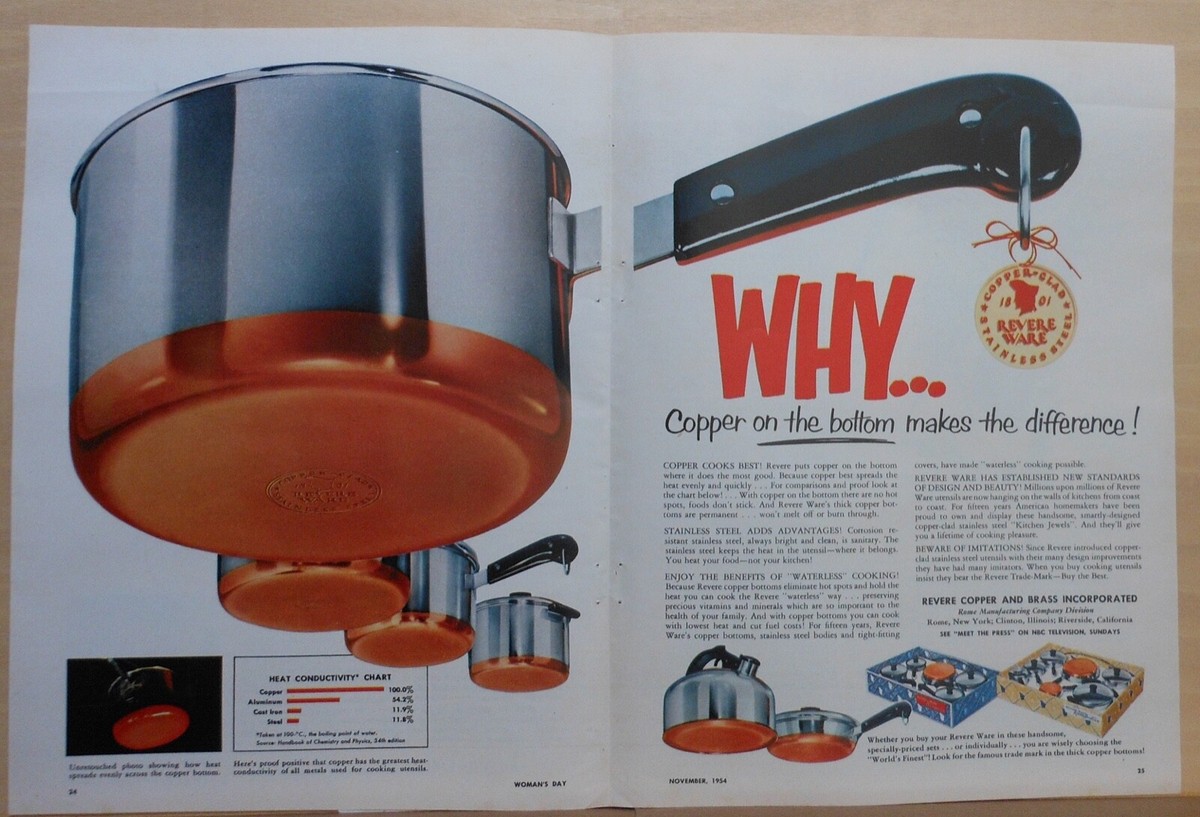
Thickness and Multi-Ply Construction
One limitation of simple cookware heat conductivity charts is that they focus on material properties without considering thickness. A one-millimeter sheet of copper conducts heat faster than a one-inch sheet of aluminum, but a thick aluminum pan might distribute heat more evenly for cooking than thin copper.
This is why manufacturers developed multi-ply cookware construction. A pan with an aluminum core sandwiched between stainless steel layers combines aluminum's superior conductivity with stainless steel's durability and non-reactivity. When you evaluate cookware, look beyond just what the heat conductivity chart says about individual materials—consider how they're combined in the actual cookware you're buying.
The thickness of the base and sides affects heat distribution and retention. Commercial cookware often uses heavier gauges than consumer cookware, which is why a restaurant's aluminum pan might perform differently than a home cook's aluminum pan of the same material. A better cookware heat conductivity chart includes guidance about recommended thicknesses for different cooking applications.
Choosing Cookware Based on Heat Conductivity
Selecting cookware using a heat conductivity chart means matching material properties to your cooking style and preferences. If you love making sauces and doing precise cooking, look for high-conductivity materials like aluminum or copper. If you enjoy cast iron cooking or want cookware that maintains consistent heat for long braises, choose thicker pieces with good heat retention even if they rank lower on heat conductivity charts.
Consider your budget alongside the cookware heat conductivity chart. Copper cookware offers exceptional heat transfer but carries premium pricing. Aluminum gives you most of the conductivity benefits at a fraction of the cost. Stainless steel with an aluminum or copper core balances conductivity, durability, and affordability—which is why it remains the most popular cookware choice.
Think about maintenance and reactivity too. High-conductivity copper is beautiful but requires regular care. Aluminum can react with acidic foods unless properly treated. Stainless steel never reacts but requires more skill to cook with effectively. Reading a cookware heat conductivity chart helps you understand material properties, but your final choice should also consider these practical factors.

Frequently Asked Questions
What is the best material according to a cookware heat conductivity chart?
Copper has the highest thermal conductivity at approximately 385 W/mK, making it the best material for heat transfer. However, "best" depends on your needs—aluminum is nearly as conductive, costs far less, and serves most home cooking applications excellently.
Why does thickness matter if I'm using a cookware heat conductivity chart?
Thickness affects how quickly heat reaches the cooking surface and how evenly it distributes. A thick pan might conduct heat more consistently than a thin pan of a more conductive material, which is why cookware heat conductivity charts should include thickness recommendations.
Can I trust cookware heat conductivity charts when buying pans?
Cookware heat conductivity charts provide useful baseline information about materials, but they don't account for construction quality, thickness, bottom design, or handle materials. Use them as one factor among many when making purchase decisions.
Is aluminum safe to cook with according to cookware heat conductivity research?
Yes, aluminum is safe to cook with. Modern cookware heat conductivity research shows that anodized or bonded aluminum doesn't leach into food under normal cooking conditions, and many health organizations confirm aluminum cookware safety.
How does multi-ply construction appear on a cookware heat conductivity chart?
Multi-ply cookware isn't typically shown as a single entry on basic heat conductivity charts. Instead, manufacturers list the materials used and layer thicknesses separately, so you need to research specific products to understand their thermal properties.
What's the difference between thermal conductivity and heat capacity on a cookware heat conductivity chart?
Thermal conductivity (measured on heat conductivity charts) indicates how fast heat travels through material, while heat capacity indicates how much heat a material can store. Both properties matter for cookware performance but measure different things.
Conclusion
Understanding cookware heat conductivity charts empowers you to make informed choices that improve your cooking results. Whether you're selecting your first quality pan or building a complete kitchen collection, knowing how different materials transfer heat helps you match cookware to your cooking style. Copper and aluminum lead the conductivity rankings for good reason, but stainless steel, cast iron, and carbon steel each offer unique benefits that make them valuable kitchen tools.
The key is moving beyond treating heat conductivity charts as the sole decision factor. Real cooking involves thickness, construction quality, maintenance requirements, and personal preference. Start by identifying what type of cooking you do most—precise sauce making, high-heat searing, or slow braises—then select cookware materials that excel for those tasks. This approach, combined with knowledge from a cookware heat conductivity chart, leads to a kitchen full of pans you'll actually use and love for years to come.
Ready to upgrade your cookware based on what you've learned? Start by assessing your most-used cooking techniques, then invest in one quality pan made from a material suited to that task. Share your cookware discoveries in the comments below, and let us know which materials you've found most valuable in your kitchen.

Leave a Reply