
Ceramic and cast iron each have distinct advantages—ceramic heats evenly and requires less maintenance, while cast iron offers superior heat retention and durability.
When it comes to choosing cookware, the ceramic versus cast iron debate is one that home cooks and professional chefs navigate regularly. Both materials have earned their place in kitchens for good reasons, but they work differently and suit different cooking styles. I've spent years working with both types of cookware, testing them in various situations, and I can tell you that understanding the differences between ceramic and cast iron is crucial for making the right choice for your cooking needs.
This guide dives deep into everything you need to know about ceramic versus cast iron cookware. We'll explore how they perform, their maintenance requirements, their durability, cost, and which situations call for each material. By the end, you'll have the knowledge to decide which one—or both—deserves a spot in your kitchen.

How Ceramic and Cast Iron Compare in Heat Distribution
Ceramic cookware distributes heat more evenly across the cooking surface, while cast iron requires preheating but offers superior heat retention.
Heat distribution is where ceramic and cast iron cookware show some of their most notable differences. Ceramic is a better heat conductor, meaning it spreads warmth more uniformly across the pan's surface. This makes ceramic excellent for tasks like sautéing vegetables or cooking delicate items where you want consistent, gentle heat throughout. Cast iron, on the other hand, takes longer to heat up but maintains that heat with remarkable consistency once it reaches temperature.
From my experience, ceramic cookware responds quickly to temperature changes. If you need to reduce the heat, the ceramic pan cools down faster, giving you more immediate control. Cast iron is the opposite—it holds onto heat stubbornly, which is fantastic for searing steaks or maintaining high temperatures, but it requires more attention if you need to adjust the heat quickly. For tasks involving precise temperature control, ceramic typically wins. For high-heat cooking and heat retention, cast iron is your friend.
The way each material heats is also worth understanding. Ceramic distributes heat relatively evenly because of its composition and thickness, while cast iron can develop hot spots, especially on electric stove tops, unless you preheat it thoroughly. This is an important consideration if you're cooking dishes that require uniform temperature.
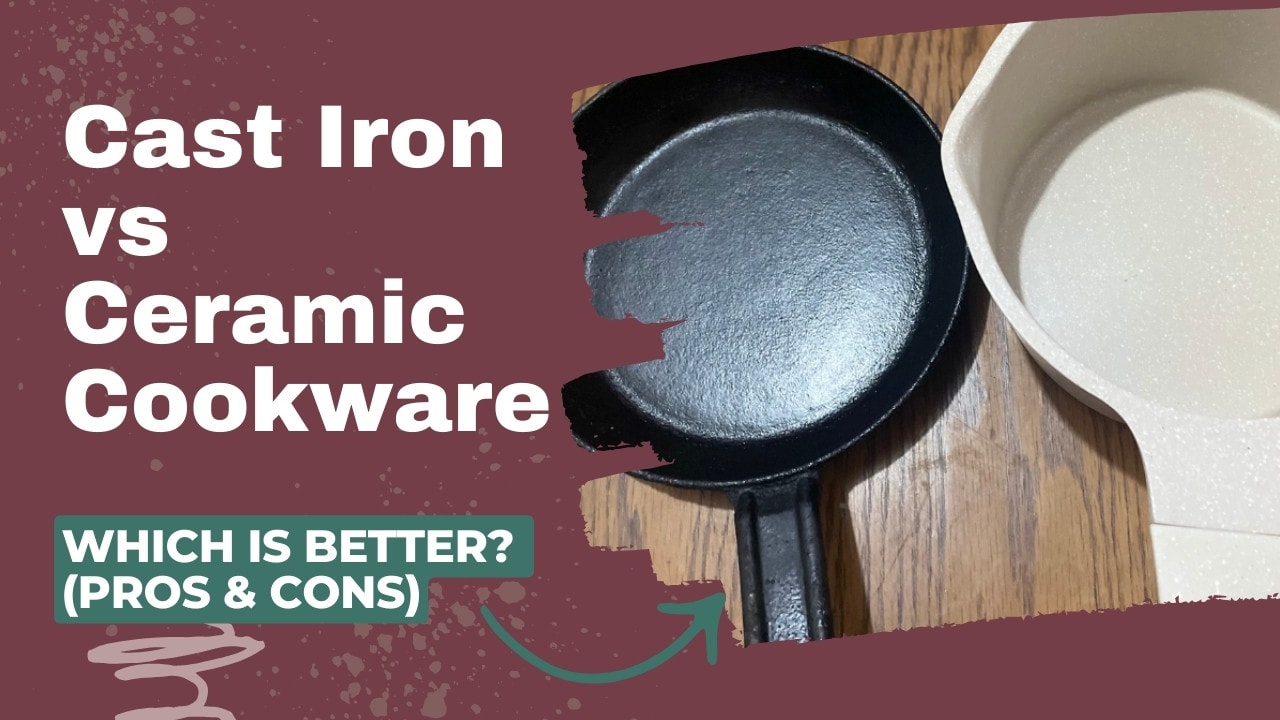
Durability and Longevity: Which Lasts Longer?
Cast iron cookware can last for generations with proper care, while ceramic cookware typically lasts several years before requiring replacement or refinishing.
When comparing durability, cast iron absolutely dominates in the longevity department. Cast iron is nearly indestructible if you treat it reasonably well. People inherit cast iron skillets from their grandmothers and great-grandmothers, and these pieces still cook beautifully. That kind of multigenerational use is incredibly common with cast iron. The material itself doesn't wear out—it actually improves with age as the seasoning builds up.
Ceramic cookware, while durable, has a more limited lifespan. The ceramic coating can chip, crack, or wear away over time, especially with regular use and washing. Most quality ceramic cookware lasts between three to five years of regular cooking, though some premium brands might extend that to seven or eight years. Once the ceramic coating degrades, the cookware becomes less effective and potentially less safe, depending on what's underneath. I've had ceramic pans where the coating started chipping after a couple of years of standard use, and there's really no way to restore it.
This doesn't mean ceramic isn't worth buying—it just means you're looking at different investment timelines. Cast iron is a long-term investment that pays dividends over decades. Ceramic is more of a medium-term solution that offers excellent performance while it lasts. If you're a casual cook or want convenience over permanence, ceramic makes sense. If you want cookware that truly stands the test of time, cast iron is unbeatable.
Maintenance Requirements for Each Material
Ceramic cookware is dishwasher-safe and requires minimal maintenance, while cast iron demands hand-washing and regular seasoning.
This is where ceramic really shines for busy people. Ceramic cookware is incredibly low-maintenance. You can throw it in the dishwasher, use regular dish soap, and not worry about special care routines. After cooking, just wash it like any other plate, and you're done. There's no seasoning to maintain, no special techniques to remember, and no fear of damaging the cooking surface through normal washing.
Cast iron, by contrast, requires a different approach entirely. You shouldn't use soap on cast iron (this is more myth than fact these days—mild soap is fine, but avoid harsh detergents). The real key is drying it immediately after washing and maintaining its seasoning layer. Seasoning is a built-up layer of polymerized oils that gives cast iron its non-stick properties and protects it from rust. Every time you cook with fat or oil, you're adding to this seasoning. But you also need to periodically maintain it with a thin coat of oil wiped onto the cooled pan.
From my years of cooking, I can tell you that cast iron maintenance becomes second nature once you get into the rhythm. It's not difficult—it's just different. Hand-wash, dry immediately, perhaps wipe with a tiny bit of oil, and you're good. But it does require intention and habit. Ceramic requires no thought whatsoever. For people who value simplicity and have limited time, ceramic wins decisively. For people who don't mind a simple ritual and want to build a relationship with their cookware, cast iron is perfectly manageable.
Non-Stick Performance: Ceramic vs Cast Iron
Both ceramic and cast iron offer non-stick properties, but they work differently and require different care to maintain their non-stick surface.
The non-stick factor is something many people consider when choosing between ceramic and cast iron cookware. Ceramic cookware comes with a factory-applied non-stick coating that's ready to use right out of the box. This coating typically contains no PFOA or other harmful chemicals in quality ceramic cookware, making it a safer choice for health-conscious cooks. The non-stick performance is immediate and consistent, though it does diminish over time as the coating wears away.
Cast iron develops its non-stick properties through seasoning—that built-up layer of oils I mentioned earlier. A well-seasoned cast iron pan can actually rival non-stick cookware in terms of food release, and unlike ceramic, this non-stick surface only improves with use. Every time you cook with fat, you're enhancing the seasoning. The beauty of cast iron's non-stick properties is that they're renewable—if the seasoning wears down, you can always reseason the pan and get that non-stick quality back.
Here's what I've learned from personal experience: ceramic non-stick is convenient because it works immediately and requires no special techniques. You can cook eggs in a new ceramic pan without any fuss. Cast iron non-stick requires patience to develop but becomes superior once properly seasoned. A well-seasoned cast iron skillet actually handles delicate foods better than people expect. I've cooked countless omelets and fish fillets in seasoned cast iron with zero sticking. The difference is that ceramic's non-stick is a feature that deteriorates, while cast iron's non-stick is a living, improving property.

Cost Considerations and Value
Cast iron cookware is significantly cheaper upfront and offers better value over time, while ceramic cookware costs more but requires no seasoning investment.
Let's talk money, because budget matters when you're outfitting a kitchen. A quality ceramic skillet typically costs between thirty to eighty dollars, depending on the brand and size. Cast iron is considerably cheaper—you can find good quality cast iron skillets for fifteen to forty dollars. This is a significant difference, especially if you're buying multiple pieces. Budget-conscious cooks often favor cast iron simply because of the lower entry price.
But here's where the calculus gets interesting: cast iron lasts for decades, while ceramic might last five years. If you buy a thirty-dollar ceramic pan and need to replace it every five years, you're spending thirty dollars every five years. A forty-dollar cast iron pan might outlast you if you treat it reasonably well. Over a twenty-year period, your ceramic cost would be one hundred twenty dollars while your cast iron cost remains forty dollars. The value proposition strongly favors cast iron in the long run.
That said, ceramic's low maintenance might be worth the extra cost to some people. If paying more upfront to avoid seasoning maintenance rituals appeals to you, ceramic makes financial sense in terms of convenience value. And some premium ceramic cookware brands command higher prices, which can narrow the cost gap. My take: if you're looking purely at dollars spent per year of use, cast iron is the winner. If you're calculating cost plus convenience and peace of mind, the gap narrows considerably. Neither option will break your budget, so choose based on your lifestyle and cooking preferences.
Temperature Capabilities and High-Heat Cooking
Cast iron excels at high-heat cooking and can handle temperatures that would damage ceramic cookware coatings.
Temperature capabilities differ meaningfully between these two materials, and this matters for certain cooking techniques. Cast iron handles high heat exceptionally well. You can preheat a cast iron skillet to very high temperatures and sear steaks, char vegetables, or achieve restaurant-quality crusts on proteins. Cast iron doesn't degrade at high heat—in fact, it thrives in these conditions. Many serious cooks prefer cast iron specifically because of its ability to handle the intense heat needed for certain techniques.
Ceramic cookware has temperature limits. Most ceramic cookware is safe up to around 350-400 degrees Fahrenheit, though some premium versions tolerate higher temperatures. This is sufficient for most everyday cooking—stovetop sautéing, simmering, and baking. But if you're someone who likes to crank the heat high for searing or quick cooking, ceramic can be limiting. Exposing ceramic to temperatures beyond its rated capacity can damage the coating or cause warping.
From my cooking experience, this limitation rarely comes up in everyday kitchen use. Most people aren't cooking at extreme temperatures most of the time. But if you enjoy high-heat searing, making crispy stir-fries, or prefer to cook at higher temperatures in general, cast iron is the clear choice. Ceramic handles moderate heat beautifully and that's what most home cooking requires. The temperature difference matters most if you have a specific cooking style in mind. Know yourself as a cook and choose accordingly.

Health and Safety Considerations
Both ceramic and cast iron are safe cooking materials when used properly, though they offer different health profiles.
Health and safety are paramount when choosing cookware, and it's worth examining what each material offers. Ceramic cookware made by reputable manufacturers doesn't contain PFOA (perfluorooctanoic acid) or other harmful chemicals found in some traditional non-stick coatings. This makes ceramic an excellent choice if you're concerned about chemical exposure from cookware. The ceramic coating itself is inert and doesn't leach chemicals into your food when it's intact, though older or damaged ceramic cookware might present concerns.
Cast iron raises different health questions. The main consideration is iron content. Small amounts of iron leach into food cooked in cast iron, especially acidic foods. For most people, this is actually a benefit—dietary iron is important and cast iron can contribute to your iron intake. People with hemochromatosis (a condition involving excessive iron absorption) should avoid cast iron. Everyone else can enjoy the iron boost without concern. Cast iron also doesn't have any harmful coatings that can degrade, which is a plus from a chemical safety perspective.
One thing I've noticed in my years of cooking is that people sometimes worry too much about the iron in cast iron food. Unless you're cooking exclusively in cast iron and consuming massive amounts of acidic foods daily, the iron transfer is minimal and beneficial for most people. Ceramic is safer for people concerned about any coating-related issues since it has no seasoning layer that can vary in quality. Both materials are safe when properly maintained. Your health considerations might favor one over the other, but neither is inherently unhealthy for most people.
Best Uses for Ceramic Cookware
Ceramic cookware shines in everyday cooking situations where even heat distribution and low maintenance are priorities.
Ceramic cookware proves ideal for specific cooking scenarios. It's perfect for sautéing vegetables, cooking grains, simmering soups, and baking. The even heat distribution makes ceramic excellent for delicate tasks like making sauces or cooking egg dishes where you want gentle, consistent heat. If you're someone who values quick cleanup and doesn't want to worry about special maintenance, ceramic works well for everyday meal preparation.
Ceramic is also the better choice if you cook frequently with acidic ingredients like tomatoes or vinegar. Acidic foods can strip seasoning from cast iron over time, which requires maintenance work. Ceramic isn't affected by acidity at all. I use my ceramic pans whenever I'm making tomato-based dishes precisely for this reason.
Here are the best applications for ceramic cookware:
- Daily vegetable sautéing and stir-frying for even, gentle heat
- Preparing rice, pasta, and grain dishes with consistent temperature
- Simmering soups and stews without worry about maintenance
- Baking eggs, pancakes, and breakfast items for easy flipping
- Cooking acidic foods like tomato sauces without seasoning damage
- Quick weeknight dinners when cleanup speed matters
- Preparing delicate proteins that need careful heat control
Best Uses for Cast Iron Cookware
Cast iron excels in high-heat cooking situations where heat retention and superior browning are essential.
Cast iron cookware is the preferred tool for specific cooking tasks where its unique properties shine. High-heat searing is where cast iron truly stands out—nothing beats a cast iron skillet for getting a beautiful crust on a steak or searing chicken thighs until the skin is crispy and golden. The heat retention and even temperature distribution make this possible in ways ceramic can't replicate.
Cast iron is also ideal for cooking in the oven, whether you're baking bread, roasting vegetables, or finishing dishes under the broiler. The ability to go from stovetop to oven seamlessly is wonderful. Cast iron develops amazing flavor over time as the seasoning builds up, contributing complexity to your cooking that some food enthusiasts genuinely prefer.
Here are the best applications for cast iron cookware:
- High-heat searing for steaks, chops, and proteins requiring crust development
- Cast iron skillet cornbread and baked goods with incredible texture
- Oven roasting vegetables, meats, and one-pan dinners with excellent browning
- Stovetop cooking of hearty dishes like chili, stew, and braises
- Camping and outdoor cooking where durability matters most
- Deep frying and any cooking requiring sustained high temperatures
- Dutch oven baking and bread making for superior heat retention
- Building and maintaining seasoning as part of your cooking ritual
Seasoning and Care Routines Explained
Understanding the care requirements for each material helps you choose the right cookware for your lifestyle and cooking habits.
The care routines for ceramic and cast iron couldn't be more different, and this difference significantly impacts which cookware fits your life better. Ceramic care is straightforward: wash it like regular dishes, dry it promptly, and you're done. There's no special knowledge required, no seasoning to manage, and no fear of doing something wrong. This simplicity is genuinely valuable for people living busy lives or those new to cooking.
Cast iron care involves a few more steps, but it's not complicated once you understand the process. After cooking, wash the pan in hot water while still warm, using mild soap and a scrub brush or sponge if needed. Dry it completely with a towel—this step is crucial because any moisture can lead to rust. Then, while the pan is still warm, apply a very thin layer of neutral oil (vegetable oil, canola oil, or even coconut oil works) using a paper towel, wiping away almost all of it so just a thin sheen remains. This maintains the seasoning layer.
From my personal experience, seasoning cast iron becomes automatic quickly. It's a two-minute ritual that becomes part of your cooking routine. Some people find this satisfying and meditative—it's a way of caring for your tools. Others find it bothersome. Periodic deep seasoning (heating the pan in an oven to 500 degrees with a thin oil layer for an hour) rebuilds seasoning if it gets worn down. Ceramic requires none of this attention, which some people genuinely prefer. It's not that cast iron care is difficult—it's that it requires consistent habit, while ceramic requires nothing but normal washing.
Environmental Impact and Sustainability
Cast iron's durability makes it the more sustainable choice long-term, while ceramic's replacement cycle creates more waste.
Environmental considerations are increasingly important for thoughtful consumers, and ceramic versus cast iron presents an interesting sustainability comparison. Cast iron's longevity is a major environmental advantage. A cast iron skillet might be used for fifty or sixty years, whereas a ceramic pan typically lasts five to eight years before needing replacement. Over that same fifty-year period, you might go through six to ten ceramic pans, while using one cast iron pan. This means significantly less manufacturing and shipping waste associated with cast iron.
From a manufacturing perspective, cast iron production does require energy and resources, but since pans last so long, the environmental cost per year of use is minimal. Ceramic cookware, while often considered more environmentally friendly during use (no special cleaning agents required), creates more waste over time because of its shorter lifespan. Every ceramic pan that needs replacement represents manufacturing waste, packaging waste, and transportation emissions.
That said, ceramic does have advantages too. The manufacturing process for quality ceramic cookware has become increasingly sustainable, with many brands using non-toxic, environmentally friendly production methods. And ceramic's dishwasher-safe nature means you can wash multiple items together, potentially saving water compared to hand-washing multiple cast iron pieces.
My perspective: if environmental impact drives your choices, cast iron's durability gives it the edge. You're making one purchase that lasts decades rather than multiple purchases over time. But if you choose ceramic and keep the pan for its entire usable lifespan rather than replacing it on a whim, the environmental difference narrows. Either way, using the cookware you already own for as long as possible is the most sustainable approach.
Common Mistakes People Make with Both Materials
Knowing common pitfalls helps you avoid damaging your cookware and maximize its lifespan regardless of which type you choose.
I've seen plenty of cookware casualties over the years, and many come from simple mistakes that are easy to prevent. With ceramic cookware, the most common mistake is assuming the non-stick surface is indestructible. Using metal utensils, aggressive scrubbing, and putting it in the dishwasher when the manufacturer recommends hand-washing all accelerate coating degradation. Another frequent error is exposing ceramic to extreme temperature changes, like moving it directly from heat to a cold sink, which can cause cracking.
Cast iron mistakes are equally preventable but different in nature. The most common error is washing cast iron with soap and harsh detergents, though this is becoming less of a problem as people learn that mild soap is actually fine. More damaging is leaving cast iron wet or putting it away damp, which causes rust. Another frequent mistake is cooking highly acidic foods constantly without rebuilding seasoning, which eventually strips the protective layer. Soaking cast iron for long periods is also problematic—prolonged water contact promotes rust.
Here's what I've learned from my mistakes and others': respect your cookware's materials. With ceramic, be gentle—use wood or silicone utensils, hand-wash when recommended, and avoid extreme temperature shocks. With cast iron, keep it dry and maintain its seasoning layer consistently. Both materials forgive occasional mistakes, but patterns of poor care wear them down. The good news is that both mistakes and their solutions are relatively simple once you understand what each material needs.
Frequently Asked Questions
Is ceramic cookware safer than cast iron?
Both are safe for cooking. Ceramic made by reputable brands contains no harmful chemicals, while cast iron provides beneficial dietary iron. The choice depends on whether you prefer a non-stick coating (ceramic) or traditional cookware (cast iron).
Can you use metal utensils with ceramic cookware?
No, metal utensils scratch ceramic coatings and accelerate degradation. Stick with wood, silicone, or plastic utensils to protect your ceramic pan's non-stick surface and extend its lifespan.
Does cast iron rust easily?
Cast iron won't rust if kept dry and properly seasoned. The main causes of rust are water exposure and lack of seasoning maintenance. With basic care—drying immediately and occasional oiling—rust is easily preventable.
How do you restore a damaged ceramic pan?
Once the ceramic coating is chipped or significantly damaged, you cannot restore it. The pan becomes less effective and potentially unsafe. Replacement is typically the best option rather than attempting repairs.
Can you preheat ceramic and cast iron cookware on high heat?
Cast iron handles high heat exceptionally well. Ceramic can handle moderate to high heat, but check your specific product's temperature rating—most ceramic is rated up to 350-400 degrees Fahrenheit maximum.
Is seasoned cast iron really non-stick?
Yes, a well-seasoned cast iron pan develops excellent non-stick properties that actually improve with use. The seasoning layer creates a naturally non-stick surface without any applied coating.
Conclusion
Choosing between ceramic and cast iron cookware ultimately depends on your cooking style, lifestyle, and priorities. Ceramic offers convenience, ease of maintenance, and immediate non-stick performance—making it perfect for busy cooks who value simplicity. Cast iron provides unmatched durability, superior heat retention, and the satisfaction of building a relationship with cookware that improves over time—ideal for enthusiasts willing to invest in their tools.
After years of working with both materials, I've come to appreciate that this isn't really a competition between a clear winner and loser. Rather, it's about matching the right tool to your needs. Many serious home cooks actually use both, reaching for ceramic for quick weeknight meals and pulling out cast iron when they want superior searing or high-heat cooking. If you're just starting to build your cookware collection, consider what matters most to you: convenience or longevity, minimal maintenance or ritual, quick cooking or heat retention.
I encourage you to think about how you actually cook. If you're juggling a busy schedule and want cookware that requires zero special care, ceramic is your friend. If you love the process of cooking and enjoy building long-lasting tools that improve with age, cast iron calls your name. You might even find that starting with one type and adding the other type later makes the most sense for your kitchen. Either way, investing in quality cookware—whether ceramic or cast iron—is investing in better meals and more enjoyable cooking experiences for years to come.

Leave a Reply