
Copper cookware heats faster and distributes heat more evenly, while stainless steel cookware is more durable and requires less maintenance.
Choosing the right cookware can feel overwhelming when you're standing in the kitchen section of a store, staring at rows of gleaming pans. The copper versus stainless steel debate has been going on in kitchens for decades, and for good reason. Both materials have earned their place on cooking shows and in professional kitchens, but they work in completely different ways. I've spent years testing both types of cookware, and I can tell you that understanding the key differences between copper and stainless steel cookware will help you make a decision that truly fits your cooking style and needs. Let's dive into what makes each material special and figure out which one deserves a spot on your stovetop.

Heat Conductivity and Performance
When it comes to heating speed, copper is an absolute superstar. Copper conducts heat about 25 times faster than stainless steel, which means your pan reaches the desired temperature quickly and responds immediately to temperature changes. This is why professional chefs love copper cookware for tasks that require precision heat control, like making delicate sauces or tempering chocolate.
Stainless steel, on the other hand, heats more slowly and evenly across the cooking surface. While this might sound like a disadvantage, it actually prevents hot spots and burning, which is helpful when you're cooking foods that need consistent, gentle heat. Many home cooks prefer stainless steel cookware because the slower heating means fewer kitchen mishaps.
The heat distribution capabilities also differ significantly. Copper cookware distributes heat immediately and uniformly, making it ideal for cooking techniques that demand quick adjustments. Stainless steel cookware takes longer to distribute heat but maintains it more consistently throughout the pan's surface once it reaches temperature. This fundamental difference in copper versus stainless steel cookware performance shapes how each material performs in real kitchen situations.
Durability and Longevity
Stainless steel cookware is known for being virtually indestructible. You can scratch it, bang it around, and it will still perform like a champ. I have a set of stainless steel cookware that has survived my kids using it as drums, and it still looks decent. Stainless steel doesn't rust, doesn't tarnish easily, and can handle aggressive scrubbing without losing its integrity.
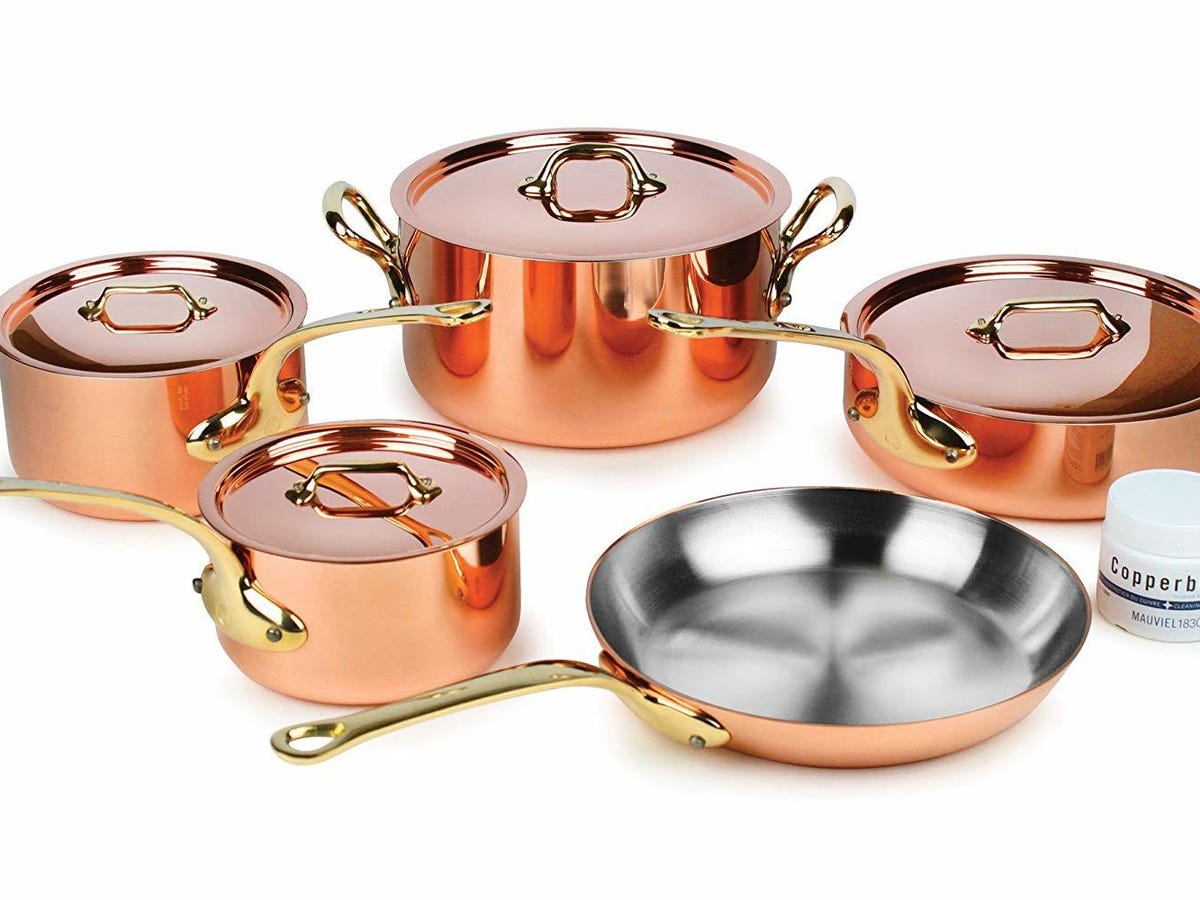
Copper cookware requires more tender loving care. Bare copper will tarnish and oxidize over time, developing a natural patina that some people love and others see as a maintenance headache. High-quality copper cookware usually comes lined with stainless steel or tin to protect it, but these linings can wear away with heavy use. When comparing copper versus stainless steel cookware for durability, stainless steel wins hands down.
That said, copper cookware can last for generations if you treat it properly and maintain the lining. Many antique copper pieces are still functional and beautiful today. The difference is that stainless steel cookware requires virtually no special treatment, while copper cookware needs regular polishing and careful use to maintain its appearance and functionality.
Maintenance and Care Requirements
Caring for stainless steel cookware is refreshingly simple. Wash it with soap and water, dry it off, and you're done. You can use metal utensils without worry, stack it without fear of damage, and store it however you want. Stainless steel cookware is genuinely low-maintenance, which appeals to busy home cooks who don't have time for fussy kitchen equipment.
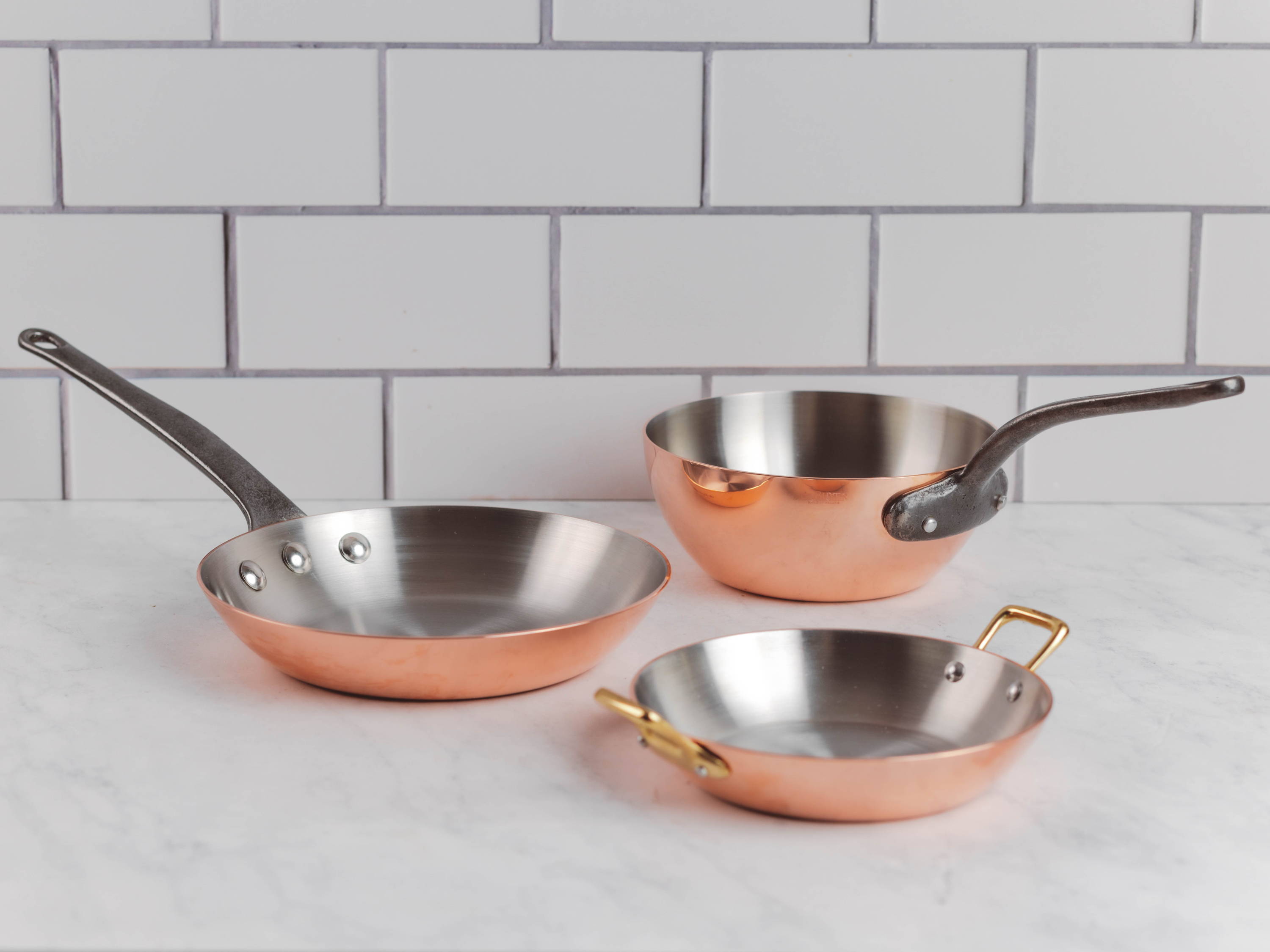
Copper cookware demands more attention. To keep copper cookware looking beautiful, you'll need to polish it regularly using copper cleaner or natural methods like vinegar and baking soda. You should avoid using metal utensils on copper cookware because they can scratch the surface and potentially damage the protective lining. When comparing maintenance between copper versus stainless steel cookware, stainless steel is definitely the easier choice.
Additionally, copper cookware should never go in the dishwasher, as the harsh environment will strip away the patina and potentially damage any protective lining. Hand washing is essential for preserving your copper cookware. If you enjoy the ritual of caring for your kitchen tools and appreciate the beautiful aging process of copper, this maintenance might feel like a labor of love. But if you want cookware that requires minimal fuss, stainless steel cookware is your answer.

Cost and Value Considerations
Price is often the first thing people notice when comparing copper versus stainless steel cookware. Quality stainless steel cookware is generally more affordable than comparable copper cookware. You can buy a decent stainless steel set for a few hundred dollars, while a professional-grade copper cookware set might cost several times that amount.
However, the value equation is more complex than just the upfront price. Stainless steel cookware will last for decades without requiring replacement or repair. Copper cookware might need relining if the interior coating wears out, which adds to the total cost of ownership. When you factor in longevity, maintenance, and potential repair costs, stainless steel cookware often represents better overall value for most home cooks.
That said, if you view copper cookware as an investment in beautiful, heirloom-quality kitchen tools, the higher price point might feel justified. Some people are willing to pay premium prices for copper cookware because they appreciate the aesthetic beauty and the heritage aspect. The question becomes whether you're looking for practical cookware or a piece of kitchen art.

Reactivity with Food
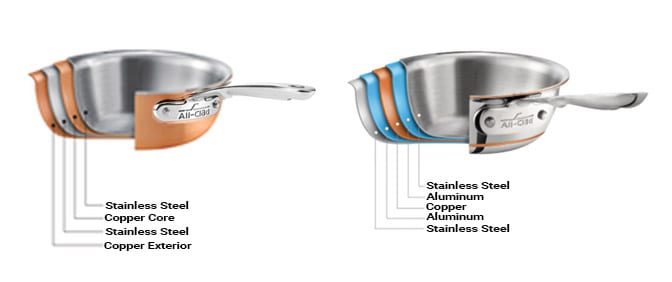
Copper is a reactive metal, which means it can interact with certain foods, particularly acidic ingredients like tomatoes, vinegar, and citrus. This is why quality copper cookware always comes with a protective lining of stainless steel or tin. The lining prevents copper from leaching into food while still allowing you to benefit from copper's superior heat conductivity.
Stainless steel is non-reactive, so it won't interact with any food, regardless of acidity or alkalinity. This makes stainless steel cookware versatile for cooking any type of cuisine without concern. You can make tomato-based sauces in stainless steel cookware without worrying about the pan affecting the flavor or safety of your food.
When choosing between copper versus stainless steel cookware for cooking acidic foods, stainless steel is technically safer because it has no potential reactivity issues. However, if your copper cookware has a proper stainless steel or tin lining that's still intact, it's perfectly safe to use with acidic ingredients. The reactivity issue only becomes relevant if the protective lining is damaged or worn away.
Aesthetic Appeal and Kitchen Design
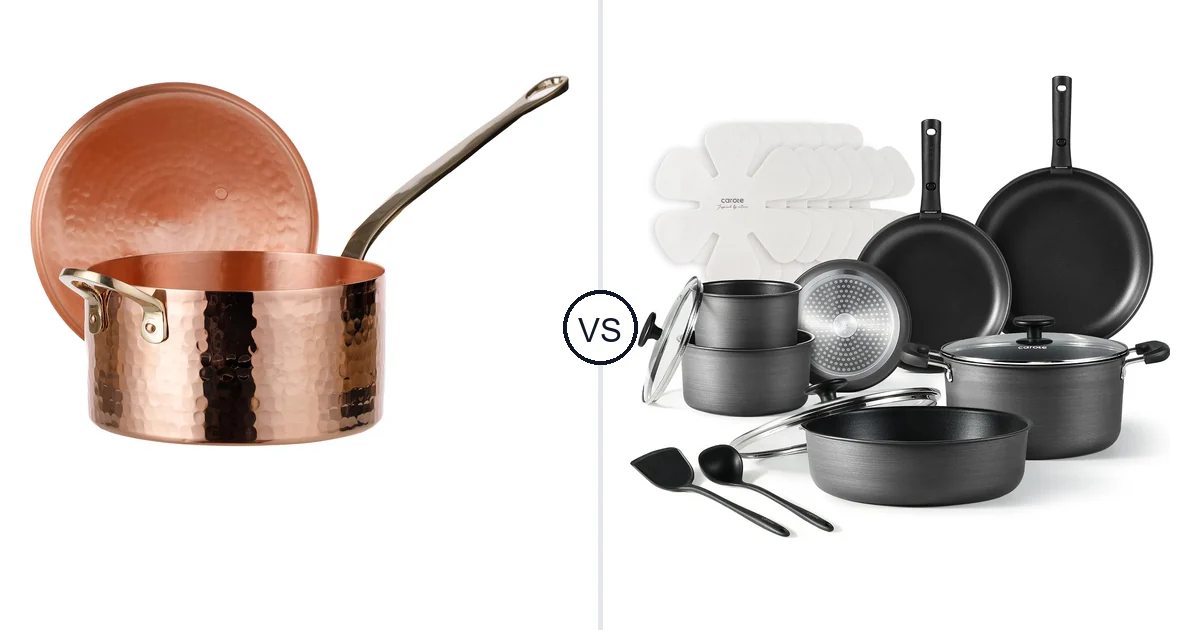
Let's be honest: copper cookware looks stunning. There's something about the warm, reddish glow of a copper pan hanging on a pot rack that makes any kitchen feel more sophisticated. Copper cookware is a statement piece that transforms your kitchen into something that looks like it belongs in a cooking magazine. Many home cooks invest in copper cookware primarily because they love how it looks displayed on their walls or shelves.
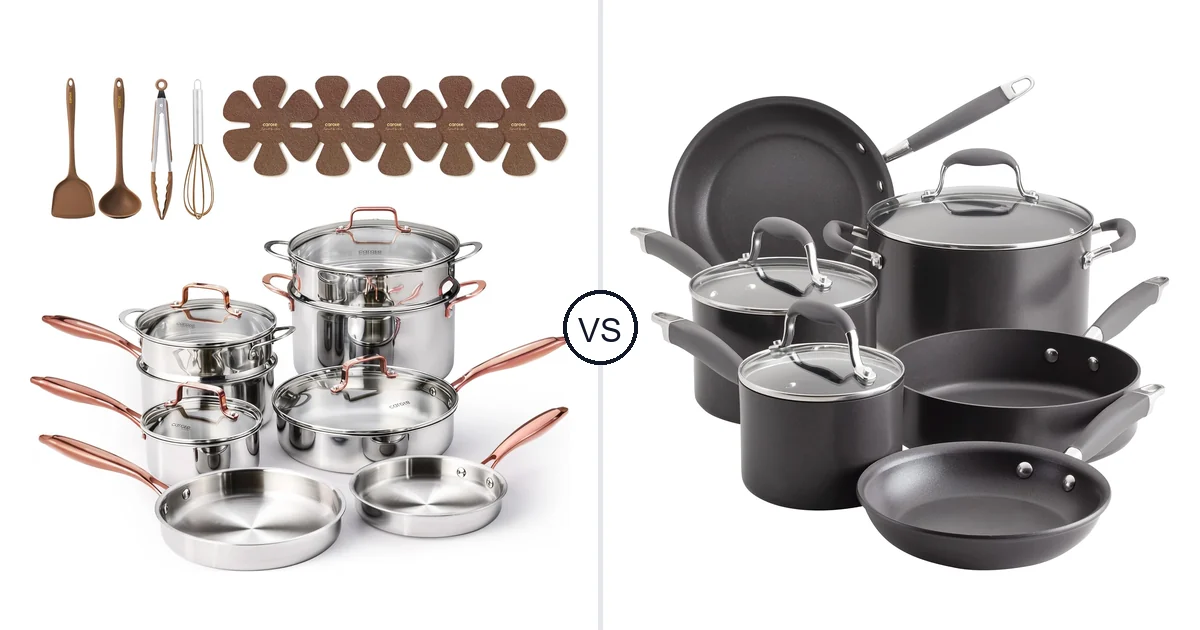
Stainless steel cookware is more neutral in appearance. It's sleek and modern, fitting well with contemporary kitchen designs. While stainless steel cookware might not have the romantic appeal of copper, it won't look dated or fall out of style. Stainless steel cookware is timeless in a way that fits with virtually any kitchen aesthetic.
The visual difference between copper versus stainless steel cookware is significant enough that many cooks choose based partly on which look they prefer. If your kitchen design is important to you, and you want cookware that serves as both functional equipment and decorative elements, copper cookware might win. If you prefer practical tools that don't steal attention, stainless steel cookware is the more understated choice.

Professional Chef Preferences
Professional chefs have strong opinions about copper versus stainless steel cookware, and their choices often reveal important truths about each material. In professional kitchens, you'll find far more stainless steel cookware than copper because kitchens prioritize durability, consistency, and low maintenance. Professional chefs need cookware that can survive constant use, frequent washing, and occasional abuse.
That said, many professional chefs maintain a personal collection of copper cookware for specific tasks at home. They appreciate copper's responsiveness and the precision it offers for delicate cooking techniques. The difference is that professionals understand when each material shines and choose accordingly, rather than believing one is universally superior.
This professional perspective teaches us that copper versus stainless steel cookware isn't really an either-or question. Professional kitchens often use a combination of both materials, using stainless steel for everyday cooking and copper for specialized tasks. This hybrid approach might be ideal for serious home cooks who want the best of both worlds.

Cooking Techniques Where Each Excels
Copper cookware truly shines when you're making French sauces, preparing delicate fish, tempering chocolate, or doing anything that requires rapid heat adjustments. The responsiveness of copper cookware allows chefs to make quick adjustments without overshooting temperatures. If you frequently cook with techniques that demand precision temperature control, copper cookware is genuinely worth considering.
Stainless steel cookware excels at browning, searing, and cooking dishes that benefit from even heat distribution. Stainless steel cookware is perfect for making soups, stews, and casseroles that simmer for hours. If you're boiling pasta, making chili, or preparing dishes that don't require constant temperature adjustments, stainless steel cookware performs wonderfully.
When evaluating copper versus stainless steel cookware for your needs, think about the cooking techniques you use most frequently. If your weeknight meals involve simple browning and simmering, stainless steel cookware is perfect. If you're making intricate sauces and dishes requiring heat control, copper cookware might be worth the investment. The best choice depends on your actual cooking habits, not on what sounds impressive.
Seasonal and Regional Cooking Considerations
Your local climate and the season can actually influence which cookware performs better. In hot climates where kitchens get warm naturally, the slow heating of stainless steel cookware might be preferable because you're less likely to accidentally overheat food. In cooler climates or during winter months, the quick-heating properties of copper cookware become more valuable.
Regional cuisines also play a role in this decision. Cuisines that emphasize precise sauce work and delicate flavors benefit from copper cookware. Mediterranean cooking, with its focus on simple preparations and consistent simmering, works beautifully with stainless steel cookware. Asian cuisines that often involve high-heat stir-frying can go either way, though the quick responsiveness of copper cookware is particularly useful.
When choosing between copper versus stainless steel cookware, consider your specific location, climate, and the types of cuisines you cook regularly. This personalized approach helps you select cookware that truly matches your cooking environment rather than making a generic choice based on general comparisons.
Environmental and Health Considerations
From an environmental perspective, stainless steel cookware is generally considered more sustainable because it lasts longer and requires no maintenance treatments. Stainless steel cookware doesn't need special cleaning products, so it generates less chemical waste. The durability of stainless steel cookware means you won't need to replace it for decades, reducing overall environmental impact.
Copper cookware has mixed environmental implications. While copper is recyclable and lasts a long time, the mining and processing of copper has significant environmental costs. Additionally, maintaining copper cookware often requires special polishing products that might contain chemicals. However, quality copper cookware can last for generations, which improves its environmental footprint over time.
Health-wise, both materials are safe when used properly. Copper cookware with intact linings poses no health risks. Stainless steel cookware is universally recognized as safe. The choice between copper versus stainless steel cookware from a health perspective should focus on maintaining proper linings and avoiding damaged cookware of either type.
Budget-Friendly Alternatives and Compromises
If you love copper but find the price prohibitive, copper-bottomed stainless steel cookware offers a compromise. These pans have a copper base that conducts heat efficiently while maintaining a stainless steel body that's durable and easy to maintain. Copper-bottomed cookware is less expensive than solid copper cookware and offers better heat conductivity than pure stainless steel.
Another option is purchasing just one or two copper cookware pieces for specialized cooking while maintaining a stainless steel set for everyday use. Many cooks find this approach perfect because you get the best of copper versus stainless steel cookware without committing fully to either material. A single copper saucepan costs less than a full set and might be all you need for sauce making.
Aluminum cookware with stainless steel cladding is another budget-friendly option that heats quickly like copper but costs significantly less. While not identical to copper cookware, it provides similar heat conductivity at a fraction of the price. These compromise options make sense for cooks with limited budgets who still want responsive cookware.
Making Your Final Decision
Choosing between copper versus stainless steel cookware ultimately comes down to your cooking habits, budget, and lifestyle. Ask yourself these important questions: How much time am I willing to spend maintaining cookware? Do I cook techniques that require precise heat control? What's my budget? How important is aesthetic appeal to me?
If you're a casual home cook who values simplicity and durability, stainless steel cookware is almost certainly the right choice. If you're passionate about cooking and willing to invest in quality tools that demand some care, copper cookware might be worth considering. Many serious cooks find that a combination of both materials provides the ideal kitchen setup.
Remember that the most important factor is choosing cookware you'll actually enjoy using. There's no point in owning beautiful copper cookware if you resent the maintenance, just as there's no reason to buy stainless steel if you dream of cooking with copper. The best cookware is the one that makes you excited to cook and matches your actual lifestyle.
Frequently Asked Questions
Is copper cookware safe to cook in?
Copper cookware is completely safe when the interior lining is intact. Quality copper cookware comes with stainless steel or tin linings that prevent copper from contacting food directly. Always check that the lining is undamaged before cooking.
Can you use metal utensils with stainless steel cookware?
Yes, metal utensils work fine with stainless steel cookware. Stainless steel is extremely durable and won't be damaged by metal spatulas or spoons. This is one of the advantages that makes stainless steel cookware easier to use than copper.
Why is copper cookware more expensive than stainless steel?
Copper cookware costs more because copper is an expensive material, and high-quality copper cookware requires skilled craftsmanship. The protective lining and superior heat conductivity also add to the production cost. The prestige and beauty of copper cookware also command a price premium.
How long does stainless steel cookware last?
Stainless steel cookware can last 20 to 30 years or longer with proper care. Many sets easily outlive their owners because stainless steel is incredibly durable and doesn't degrade over time. This longevity makes stainless steel cookware a good investment despite the upfront cost.
Does copper cookware conduct heat better than aluminum?
Copper conducts heat faster than aluminum, though aluminum still heats more quickly than stainless steel. Copper's superior heat conductivity is one of its main advantages, though it comes with higher cost and maintenance requirements. Copper-bottomed cookware offers a middle ground if you want aluminum's affordability with improved heat conductivity.
Can you put copper cookware in the dishwasher?
Hand washing is always recommended for copper cookware because dishwashers can damage both the exterior patina and the protective lining. The harsh heat and chemicals in dishwashers accelerate tarnishing and can eventually compromise the cookware's functionality. Regular hand washing preserves your copper cookware's beauty and longevity.
Conclusion
The choice between copper versus stainless steel cookware isn't about finding the objectively best option. Instead, it's about understanding your own cooking style and priorities, then selecting the material that aligns with those values. Copper cookware offers unmatched heat responsiveness and stunning beauty, while stainless steel cookware provides unbeatable durability and ease of use.
Your kitchen tells a story about who you are as a cook and how you approach food. If you value precision, aesthetics, and are willing to invest in beautiful tools that demand attention, copper cookware deserves a place in your kitchen. If you prefer straightforward, reliable equipment that simply performs without fussing, stainless steel cookware is your perfect match. Many experienced cooks find that owning both types gives them the flexibility to choose the right tool for each cooking situation.
Start by evaluating what matters most in your kitchen life. Consider your budget, your cooking techniques, and how much time you want to spend on maintenance. Then make your choice confidently, knowing that both copper and stainless steel cookware are excellent options when selected thoughtfully. Your cooking will only improve when you're using cookware that genuinely fits your lifestyle and brings you joy.

Leave a Reply