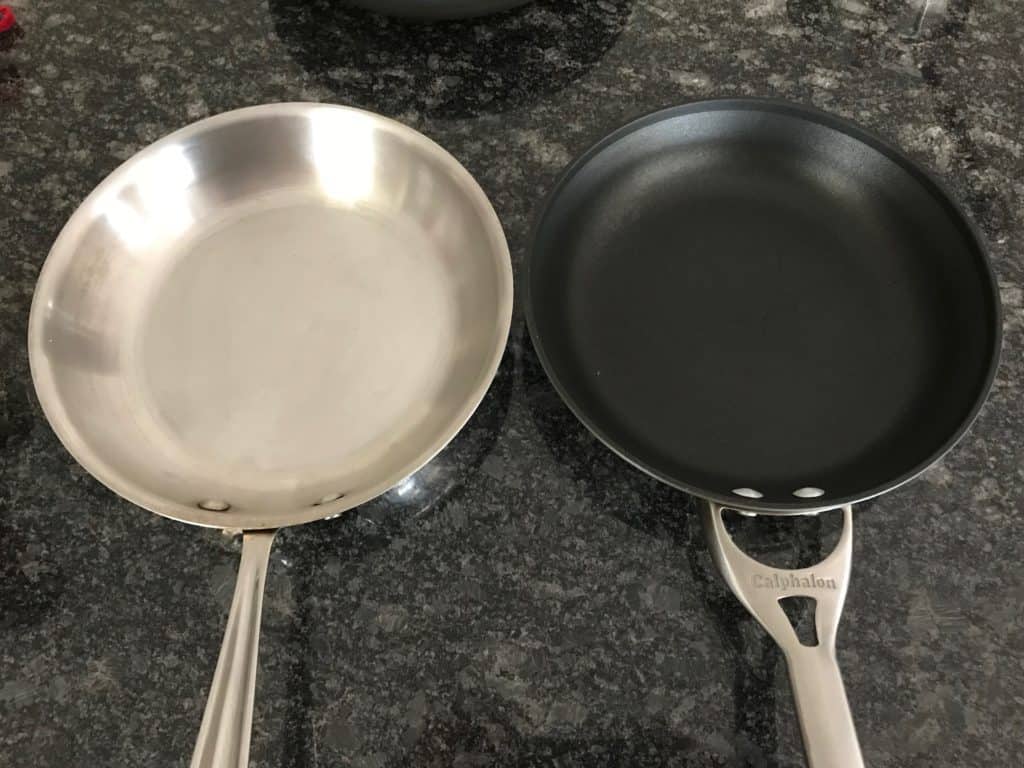
Cookware warps primarily due to rapid temperature changes and uneven heat distribution across the pan's surface. If you've ever noticed your favorite skillet developing a bowl-like curve or your stainless steel pans no longer sitting flat on the stovetop, you're not alone. This frustrating issue affects home cooks everywhere, from casual dinner makers to seasoned kitchen enthusiasts. Understanding why cookware warps is essential for protecting your investment and maintaining your cooking quality. Warped cookware doesn't just look bad—it can create uneven cooking surfaces, cause food to burn in certain spots, and make it difficult to achieve consistent results. In this guide, we'll dive deep into the science behind cookware warping, explore the specific factors that cause it, and share practical strategies to prevent it from happening in your kitchen.

What Causes Cookware to Warp
Cookware warping happens when the metal material responds to extreme temperature changes and stress. Think of it like a rubber band—when you suddenly stretch it and then release it, it doesn't always return to its original shape. The same principle applies to your pans. When you expose cookware to rapid temperature fluctuations, the metal expands and contracts at different rates, creating internal stress that can permanently alter its shape.
The primary culprit behind cookware warping is thermal shock. This occurs when you move a hot pan directly from the stovetop into cold water or place a cold pan on a hot flame. The outer layers of the cookware heat or cool much faster than the inner layers, causing uneven expansion or contraction. Over time, this repeated stress weakens the metal's molecular structure and leads to permanent deformation.
Heat distribution also plays a significant role in warping. When cookware sits on a heat source that's smaller than the pan's base, the edges receive less direct heat than the center. This creates a temperature gradient across the pan, forcing the center to expand while the edges remain cooler. The resulting pressure can bend and warp the cookware, especially if you're using high temperatures.

Understanding the Metal Properties Behind Warping
Different metals respond differently to heat and stress, which is why some cookware warps more easily than others. Stainless steel, despite its reputation for durability, is actually quite prone to warping because it has lower thermal conductivity compared to other metals. This means heat spreads slowly across a stainless steel pan, creating the uneven expansion that leads to warping.
Aluminum and copper are better heat conductors, but pure aluminum is soft and flexible, making it susceptible to bending and deformation. This is why quality cookware often uses aluminum cores with stainless steel covers—the aluminum conducts heat evenly while the stainless steel provides durability and scratch resistance. The thickness of the metal is equally important. Thicker cookware distributes heat more evenly and has greater structural integrity to resist warping compared to thin, flimsy pans.
Cast iron presents an interesting case because it's extremely heavy and dense. While cast iron rarely warps in the traditional sense, it can crack if exposed to extreme thermal shock. The brittleness of cast iron means that sudden temperature changes can cause fractures rather than the bending you'd see in lighter cookware. Understanding these material properties helps you choose cookware that will resist warping and last longer in your kitchen.

Common Warping Scenarios in Daily Cooking
Let me share some real-world situations where cookware warping commonly occurs. I've personally witnessed countless home cooks struggle with this issue, and certain patterns keep emerging. One of the most frequent scenarios is when someone removes a hot pan from the stove and immediately runs it under cold water to clean it. The sudden temperature change causes the bottom to contract rapidly while the sides cool more slowly, creating that characteristic bowl shape.
Another common situation happens when you use a burner that's larger than your cookware's base. Gas stovetops with powerful burners often cause this problem because flames can lick up the sides of the pan. The uneven heat exposure creates stress points that eventually lead to warping. I've also seen cookware warp from being placed directly on a bare heating element without proper support—the concentrated heat at the contact points creates weak zones prone to deformation.
High-heat cooking without adequate liquid or fat is another culprit. When you preheat an empty pan on high heat for extended periods, the metal expands significantly. If you then add cold ingredients or water, the sudden cooling can trigger warping. Restaurant kitchens experience this constantly because of the intense heat exposure, which is why commercial-grade cookware is built with extra-thick bases to withstand the thermal stress.

The Role of Rapid Temperature Changes
Thermal shock is the enemy of cookware longevity, and understanding how it works helps you avoid warping. When you take a hot pan off the stove and immediately cool it with cold water, you're creating an extreme temperature differential. The bottom of the pan is at 400 degrees Fahrenheit while the water cools it to 50 degrees—that's a 350-degree swing happening in seconds.
This rapid cooling causes the outer layers to contract much faster than the inner layers, creating internal stress. Imagine trying to pull a rubber band in opposite directions—eventually, it loses its elasticity and won't return to its original shape. That's essentially what happens to your cookware's metal structure during thermal shock. The stress is concentrated on the weakest parts of the pan, typically the seam where the bottom meets the sides.
Repeated thermal shock is particularly damaging because each cycle accumulates stress. A single incident of running a hot pan under cold water might not cause visible warping, but doing this repeatedly over months or years will definitely bend your cookware. I recommend letting pans cool naturally on the stovetop or setting them on a trivet for at least five minutes before washing. This simple habit dramatically reduces thermal stress and extends your cookware's lifespan.
Heat Distribution and Its Impact on Warping
Uneven heat distribution creates the conditions for cookware warping because different parts of the pan experience different stress levels. When your burner is too small for your pan, the center heats faster and more intensely than the outer edges. This temperature gradient forces the center to expand more than the edges, creating upward pressure that can bend the pan.
The opposite scenario also causes warping—when your burner is much larger than your cookware's base. In this case, heat reaches the sides and outer edges more aggressively while the center bottom receives focused heat from the burner. This irregular heating pattern creates stress throughout the pan, particularly at transition points where temperatures change dramatically. Over time, the accumulated stress results in a warped or dished bottom that no longer sits flat.
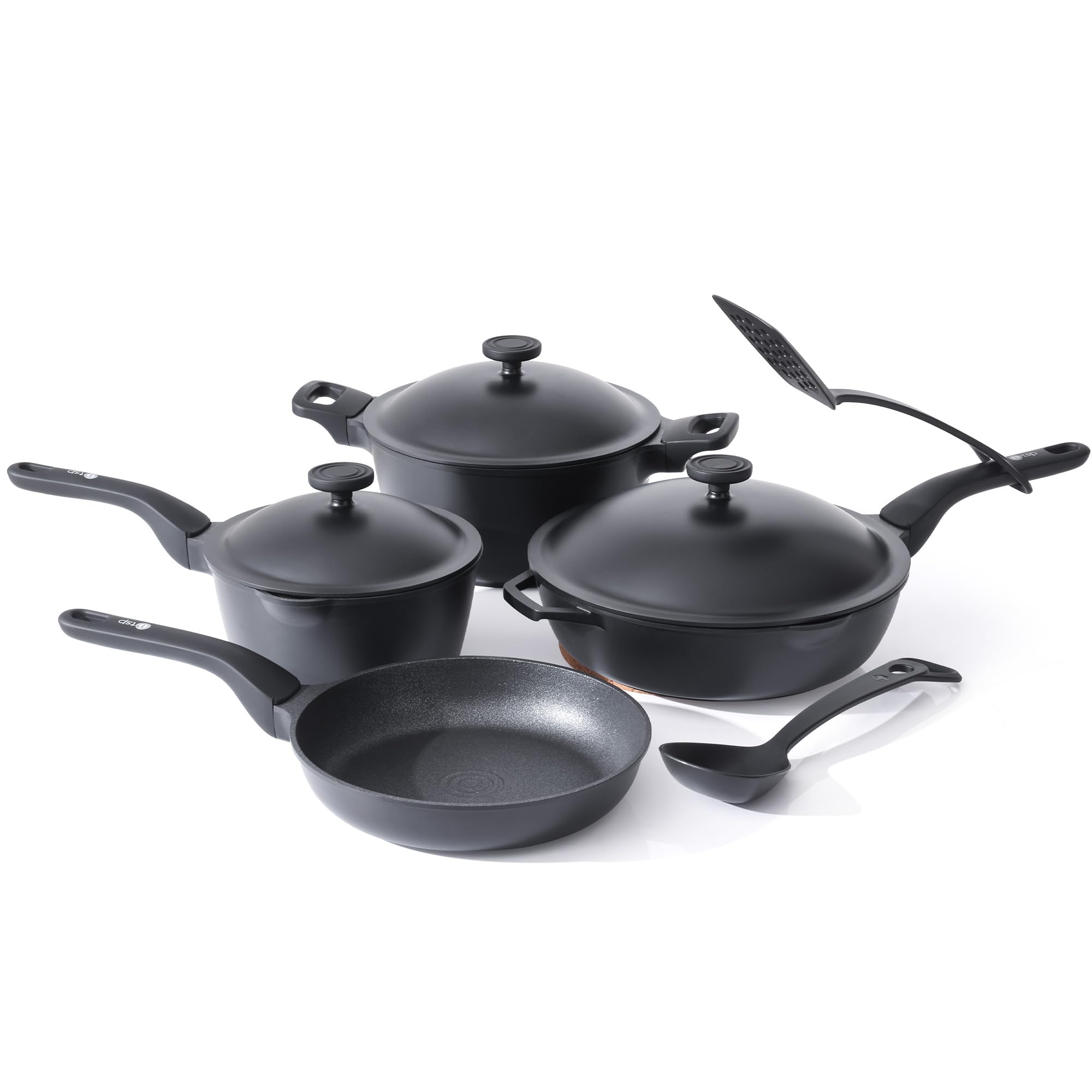
Cookware design directly influences how vulnerable it is to heat distribution problems. Pans with thin bases warp more easily because they lack the structural rigidity to resist uneven heating. Conversely, cookware with substantial, multi-layered bottoms distributes heat more evenly and can tolerate slight variations in burner size. When selecting cookware, matching your pan diameter to your burner size is crucial—aim for a pan that's slightly smaller than the burner so the flame doesn't extend beyond the cookware's edges.
Material Thickness and Structural Integrity
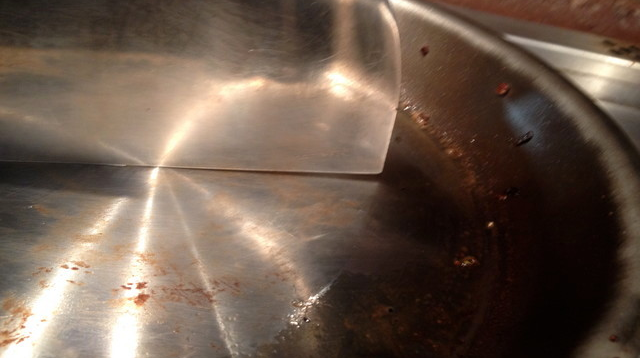
The thickness of your cookware's base is one of the most important factors determining resistance to warping. Thick-bottomed pans, typically featuring a base that's at least three millimeters thick, have superior structural strength to withstand thermal stress. The extra metal provides a larger heat capacity, meaning it takes longer to heat up and cool down, reducing the severity of temperature differentials that cause warping.
Thin cookware, often found in budget-friendly sets, flexes and bends more easily under thermal stress because it lacks the mass to distribute forces evenly. I've tested numerous budget pans, and they consistently warp within the first few months of use, especially in active kitchens. The lack of structural integrity makes them vulnerable to the stresses that thick-bottomed cookware easily absorbs.
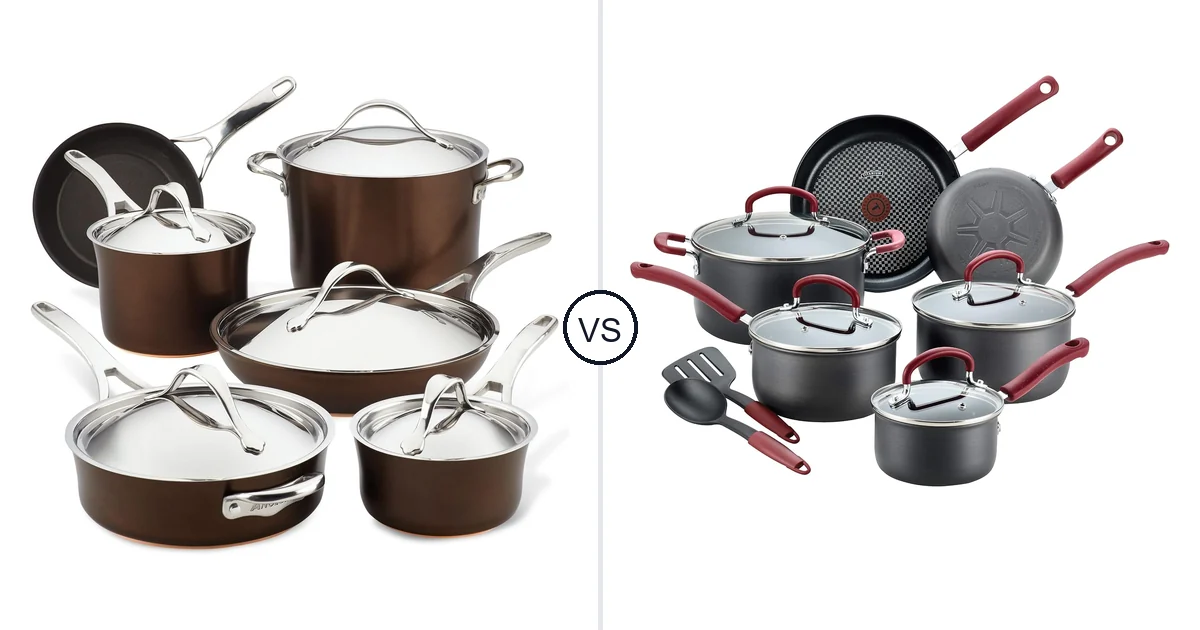
Multi-layered construction offers additional protection against warping. When manufacturers combine stainless steel exteriors with aluminum or copper cores, they create a composite structure that resists deformation better than single-material pans. The different metals expand and contract at slightly different rates, but when bonded together properly, this creates a self-balancing system that prevents excessive warping. Quality cookware sets invest in this multi-layer construction because it significantly improves durability and heat distribution simultaneously.
How Oven Cooking Contributes to Warping
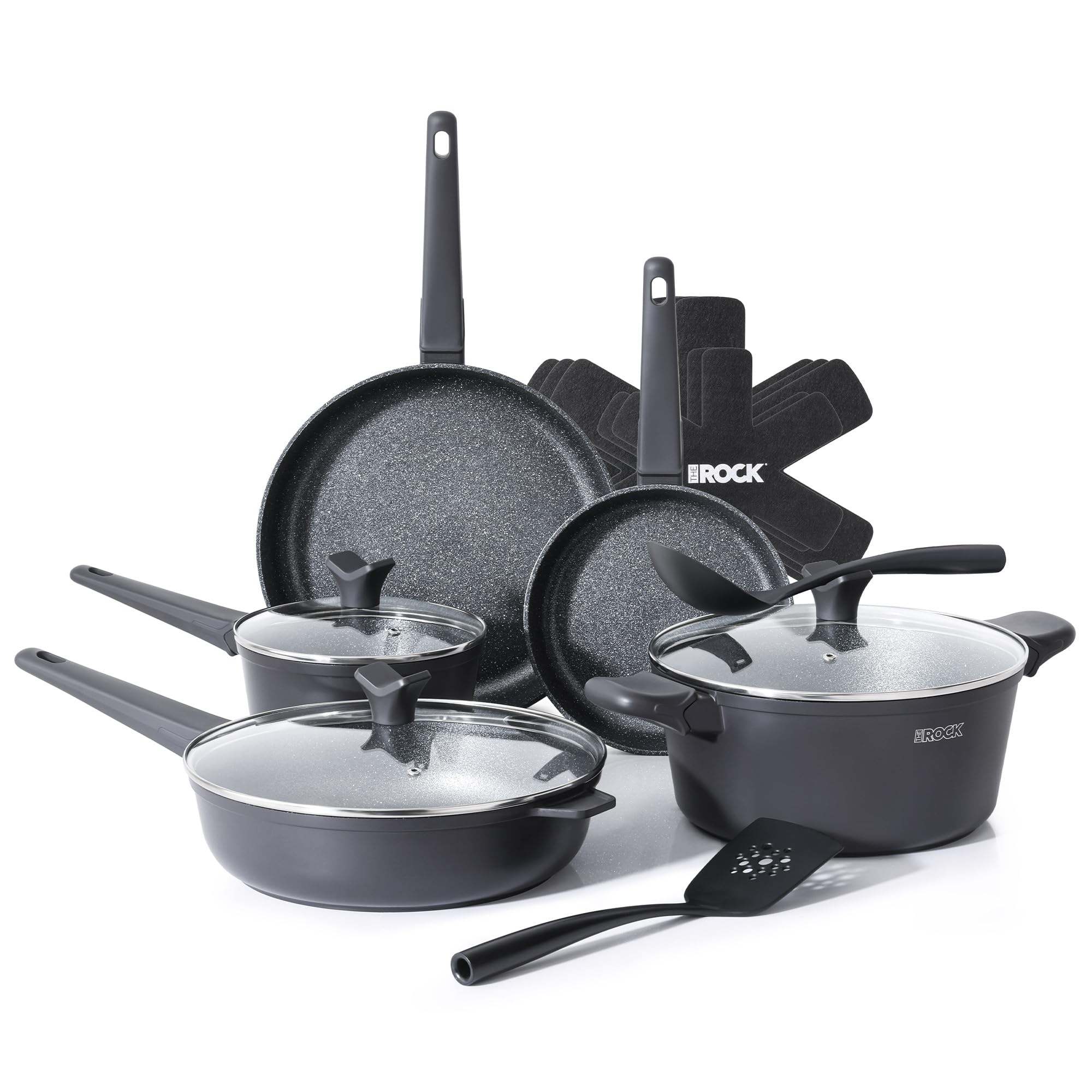
Oven cooking presents unique challenges for cookware warping that often go unnoticed. When you transfer cookware from a hot stove to a preheated oven, you're introducing additional thermal stress beyond what stovetop cooking alone creates. The oven's ambient heat surrounds the entire pan, including the sides and top, which experience different heating rates than the bottom sitting on a burner.
Some cookware warps specifically because of oven use, particularly when recipes require high-temperature baking or braising. Cast iron and stainless steel cookware used in 500-degree ovens undergo significant thermal expansion. If the oven temperature fluctuates or you remove the pan from high heat and place it on a cool countertop, the resulting stress can warp the cookware. I've seen beautiful copper-bottomed pans develop permanent bows from being placed hot from a 450-degree oven directly onto a cool surface.
Using cookware with oven-safe handles designed for high temperatures is important, but it doesn't guarantee resistance to warping. The lid of your cookware can also warp under oven heat, creating gaps that allow moisture to escape during braising. To minimize warping from oven use, remove hot cookware with oven mitts and place it on a wooden cutting board or trivet to cool gradually. Never set it directly on a cold surface or in cold water immediately after removing it from the oven.
Water Content and Cooking Methods
The way you use liquid during cooking significantly impacts warping risk. When you add cold water or ingredients to a hot, empty pan, you're essentially creating intentional thermal shock. The rapid temperature change from 400 degrees Fahrenheit to room temperature causes immediate stress throughout the cookware. This is why recipes often specify adding liquid gradually or waiting a few minutes before deglazing a hot pan.
Cooking methods that involve high heat with minimal liquid are particularly risky for cookware warping. Dry searing on high heat creates extreme temperature fluctuations, especially if you're frequently moving pans between different burners. The constant thermal cycling stresses the metal beyond its tolerance level. Adding cold liquid to stop the cooking process just intensifies the thermal shock already present in the pan.
Steaming and boiling create different stresses because the constant presence of liquid moderates temperature changes somewhat. However, repeatedly boiling water dry and then refilling can still cause warping through cycles of thermal stress. I recommend using medium-high heat when boiling, keeping the pan filled with enough water to prevent dry-boiling, and allowing pans to cool before refilling them with cold water. These simple adjustments reduce the thermal stress your cookware experiences during everyday cooking.

Storage and Handling Impact on Warping
How you store and handle your cookware between cooking sessions affects its long-term susceptibility to warping. Stacking heavy pans directly on top of delicate ones creates pressure that can bend lighter pans, especially if they're warm when stacked. The weight combined with residual heat can permanently alter the shape of cookware that's already stressed from previous use.
Storing cookware in damp conditions or allowing water to pool on the bottom creates corrosion and weakens the metal structure over time. Weakened metal becomes more prone to warping because it lacks the full structural integrity needed to resist thermal stress. I've noticed that cookware stored in humid environments develops warping issues more quickly than cookware kept in dry spaces. Proper storage means hanging cookware on a rack or placing it in a dedicated drawer where it won't be stacked or exposed to moisture.
Handling hot cookware carelessly also contributes to warping. Banging your pans on counter edges, dropping them, or using them as mixing bowls can create stress points that develop into warping over time. Even minor impacts can create microscopic damage to the metal that accumulates with use. Treating your cookware gently—using proper utensils, avoiding impacts, and storing it carefully—extends its life and reduces warping issues significantly.
Stainless Steel vs. Other Materials: Warping Comparison
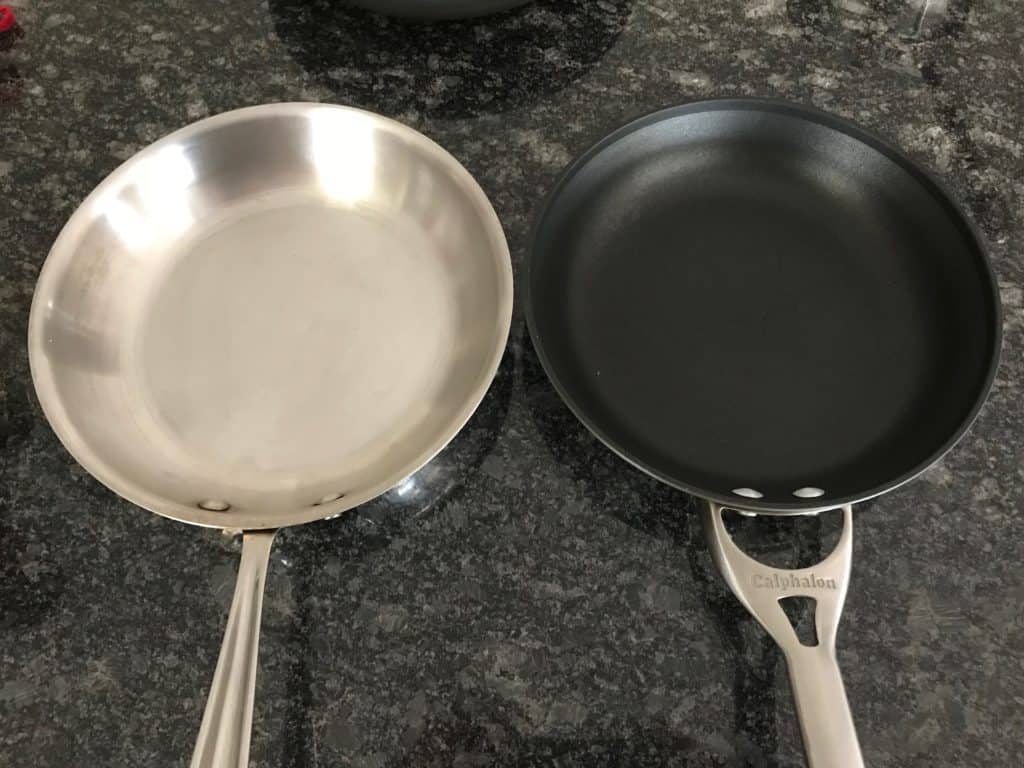
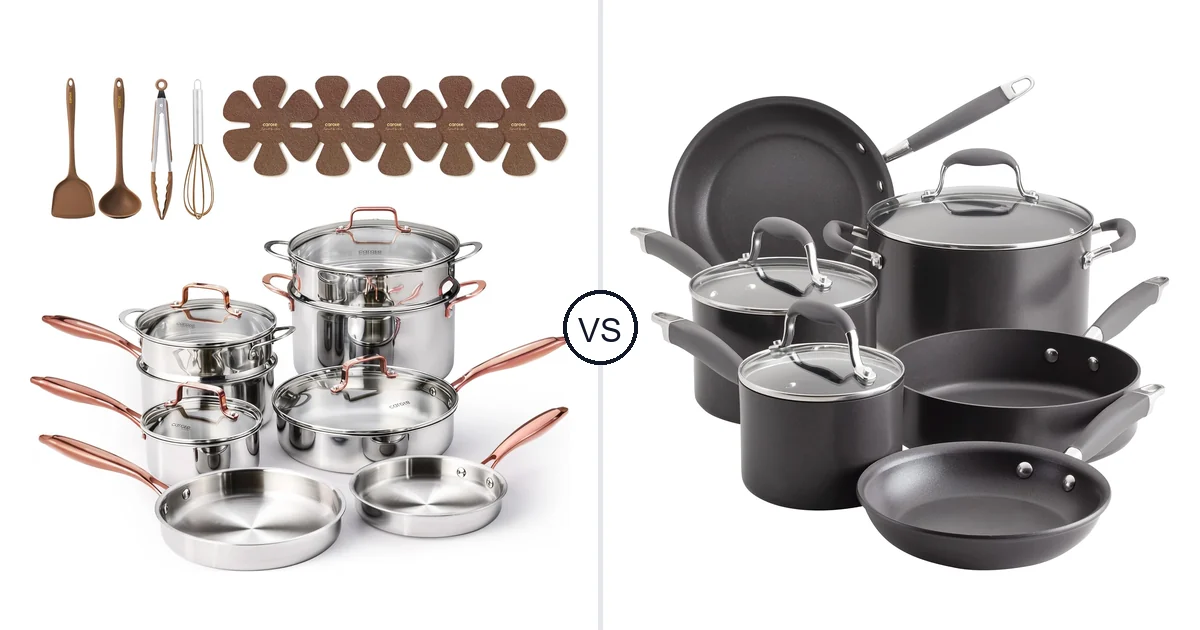
Stainless steel cookware warps more frequently than many other materials because of its lower thermal conductivity and higher coefficient of thermal expansion. When you compare stainless steel to aluminum or copper, the differences become clear. Stainless steel heats slowly but expands significantly when temperature increases, creating internal stress when cooling occurs unevenly. I've tested cookware made from various materials, and stainless steel consistently shows warping issues first.
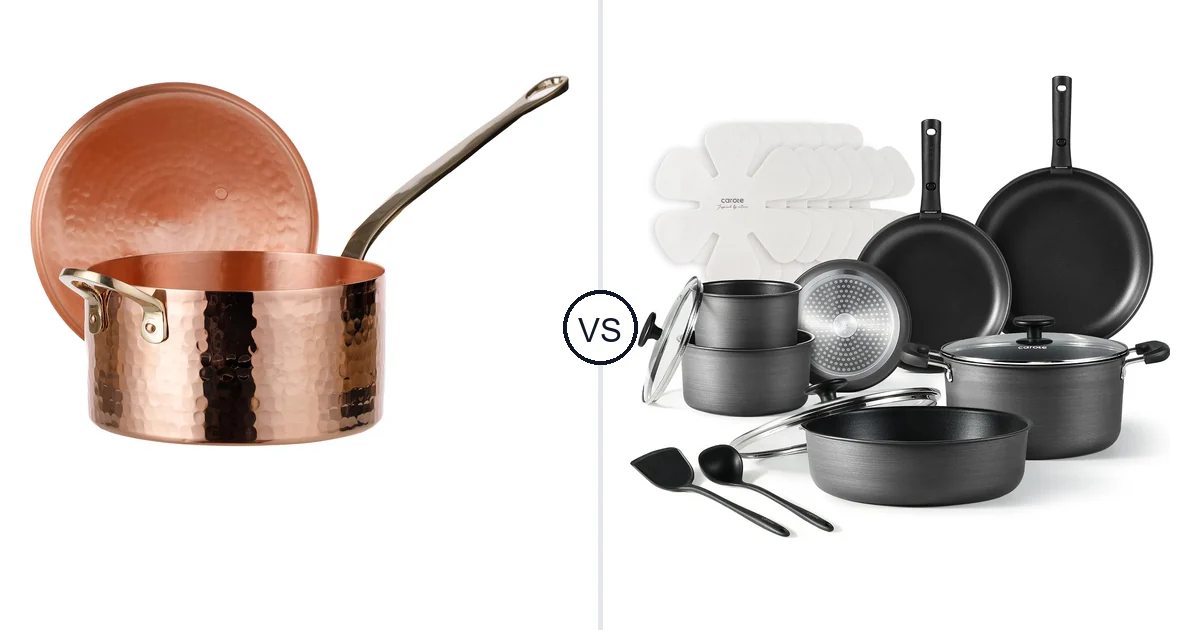
Copper-bottomed cookware resists warping better because copper's excellent thermal conductivity distributes heat evenly across the pan. The even heat distribution means fewer temperature gradients that create stress. However, copper-bottomed cookware is expensive and requires maintenance to prevent tarnishing. Aluminum cookware is lightweight and distributes heat quickly, but pure aluminum is soft and dents or bends easily from mechanical stress rather than thermal shock.
Non-stick cookware presents its own challenges because the non-stick coating doesn't expand and contract at the same rate as the underlying metal. This mismatch can cause the coating to separate or the pan to warp as the base metal stresses under thermal cycling. Hard-anodized aluminum, a common non-stick base, offers good resistance to warping but can be damaged by the high temperatures that cause stainless steel to warp. When choosing cookware, consider that material type significantly impacts warping risk alongside thickness and heat distribution.
Can You Prevent Cookware from Warping
Preventing cookware warping is entirely possible when you understand the stress factors and adjust your cooking habits accordingly. The most important strategy is avoiding thermal shock by letting pans cool naturally on the stovetop before washing them. If you need to use water to deglaze a pan, add it slowly and allow the pan to cool slightly first. This single habit eliminates one of the primary warping causes in most kitchens.
Matching your cookware size to your burner size is another essential prevention strategy. Use burners appropriate for your pan diameter, keeping flames or heating elements from extending beyond the cookware's edges. If you use a gas stove, ensure burner caps sit properly and flames don't lick up the sides. For electric stoves, ensure the pan bottom fully contacts the heating element. These simple adjustments ensure even heat distribution and reduce the stress that leads to warping.
Investing in quality cookware with thick, multi-layered bottoms provides structural protection against warping even if you occasionally slip up with thermal shock. Higher-quality materials and construction reduce warping likelihood significantly. Additionally, using medium to medium-high heat rather than maximum heat reduces thermal expansion and associated stress. Many recipes work perfectly at these lower temperatures, and your cookware will appreciate the gentler treatment. Proper storage, careful handling, and mindful cooking practices combine to virtually eliminate warping issues.
Warning Signs Your Cookware Is Beginning to Warp
Learning to recognize early signs of warping helps you catch the problem before serious damage occurs. The first indication is usually that the pan no longer sits flat when you place it on the stovetop or countertop. If you can rock the pan slightly or see light underneath when it sits on a flat surface, warping has begun. This happens gradually, so most people don't notice until the warping becomes pronounced. Check your pans occasionally by placing them on a flat surface and seeing if they wobble.
Another early sign is uneven cooking where certain areas brown faster than others. If you're consistently getting hot spots on one side of the pan while the other side stays cool, the warping has likely created an uneven surface that prevents proper heat contact. Food burning in specific areas while staying raw elsewhere is a clear indicator that your pan no longer distributes heat evenly. This often happens before visible warping is obvious to the naked eye.
Changes in the pan's appearance, such as a subtle bowl or dome shape, indicate advancing warping. Some cookware develops a slight saucer shape with edges curled down, while others develop doming with the center raised higher than the edges. These visible deformations mean the thermal stress has become significant. The handle angle might also change slightly, and lids may no longer fit properly. Once these visual signs appear, the warping is well-established and difficult to reverse.
Can Warped Cookware Be Fixed
Unfortunately, fixing severely warped cookware is difficult and often impractical. Unlike minor dents that you might reshape with careful work, warping changes the entire structure of the pan due to stress in the metal. Attempting to flatten a warped pan by placing it on a hard surface and striking it usually causes cracking or further damage rather than restoration. The metal has already been structurally compromised by thermal cycling.
Some minor warping can be partially reversed if caught early and handled carefully. Placing the warped pan in a low oven (around 200 degrees Fahrenheit) for several hours allows the metal to relax slightly, sometimes reducing the warp by a small amount. However, this method works only for minor warping and doesn't restore the pan to its original flat state. After this gentle heating, cooling the pan slowly in the oven and then at room temperature helps prevent new warping, but existing damage is permanent to some degree.
For severely warped cookware, replacement is the most practical solution. Continuing to use warped pans leads to uneven cooking, potential safety issues from unstable cookware, and frustration with subpar results. Rather than spending time trying to fix unsalvageable pans, investing in properly constructed cookware that resists warping prevents this problem going forward. Quality cookware with thick bases and proper heat distribution rarely develops the severe warping that makes them unusable.
Best Practices for Cookware Care and Longevity
Establishing proper cookware care habits dramatically extends the life of your pans and prevents warping issues from developing. Always allow cookware to cool naturally on the stovetop or on a trivet before washing. If you absolutely must cool a pan quickly, place it on a wooden board or trivet and let it rest for several minutes before adding any liquid. This simple habit alone prevents the majority of warping issues in home kitchens.
Use appropriate heat levels for your cooking tasks rather than defaulting to high heat. Most cooking works perfectly at medium or medium-high temperatures, and these lower heat levels create less thermal stress on your cookware. Preheat pans at moderate temperatures rather than blasting them at maximum heat. When you do need high heat, keep the pan filled with food or liquid to moderate the temperature rise and distribute the heat more evenly.
Proper washing techniques also preserve your cookware's integrity. Hand wash most cookware rather than using the dishwasher, which exposes pans to harsh conditions and rapid temperature changes. Use gentle cleaning methods with soft sponges rather than abrasive scrubbers that can scratch surfaces and create weak points. Store cookware properly in a cool, dry location where it won't be crushed, stacked improperly, or exposed to moisture. These care practices require minimal effort but dramatically improve cookware durability and prevent warping.
Frequently Asked Questions
Why does my stainless steel cookware warp so easily
Stainless steel has lower thermal conductivity than copper or aluminum, meaning heat spreads slowly across the pan. This slow heat distribution creates steep temperature gradients that cause uneven expansion and stress, leading to warping with repeated thermal cycling. The material's properties make it naturally more prone to warping than other cookware metals.
Can I use a warped pan for cooking
Using slightly warped cookware is generally safe, but it affects cooking performance because heat distribution becomes uneven. Severely warped pans that rock on the stovetop can be unsafe and make cooking difficult. If warping is minor and doesn't affect stability or cooking results, continued use is acceptable, but I recommend replacing it to maintain cooking quality.
Is warping covered under cookware warranties
Many cookware warranties exclude warping from coverage because it typically results from improper use or thermal shock rather than manufacturing defects. However, some high-quality brands do offer limited warping coverage if the pan warps due to defective construction rather than user mishandling. Check your specific warranty terms for coverage details.
How can I tell if my pan is going to warp
Pans made from thin materials, single-layer construction, and cookware with poor heat distribution are most likely to warp. Stainless steel cookware warps more easily than quality aluminum or copper-based cookware. If you use high heat frequently and practice thermal shock cooking, any cookware becomes vulnerable to warping over time regardless of material.
Does all cookware warp eventually
Not all cookware warps eventually if you use it properly and practice good cooking habits. Quality cookware with thick, multi-layered construction and proper heat distribution can last decades without warping. Preventing thermal shock through careful cooling practices and using appropriate heat levels allows high-quality cookware to maintain its shape throughout its entire lifespan.
Can oven cooking cause warping more than stovetop cooking
Oven cooking creates different stress patterns than stovetop cooking because heat comes from multiple directions rather than concentrated on the bottom. Very high oven temperatures combined with rapid cooling after removal can cause warping. However, stovetop cooking typically causes more warping because burner temperatures reach higher levels and thermal shock occurs more frequently during everyday cooking.
Wrapping Up Your Cookware Warping Knowledge
Understanding why cookware warps empowers you to make better choices about which cookware to buy and how to use it properly. Thermal shock, uneven heat distribution, and low-quality materials are the primary culprits behind warping, and each factor is preventable with mindful cooking practices. By choosing cookware with thick, multi-layered construction and treating it gently through proper cooling and appropriate heat levels, you can protect your investment and enjoy perfectly cooked meals for years.
The simple changes you make today—letting pans cool naturally, matching cookware to burner size, and using moderate heat—compound over time to dramatically extend your cookware's lifespan and prevent frustrating warping issues. Quality cookware deserves quality care, and that care starts with understanding the science behind warping and why it happens. Take action today by reviewing your current cookware care habits and implementing the strategies that matter most for your cooking style. Your kitchen—and your food—will thank you for the investment in proper cookware maintenance.

Leave a Reply