
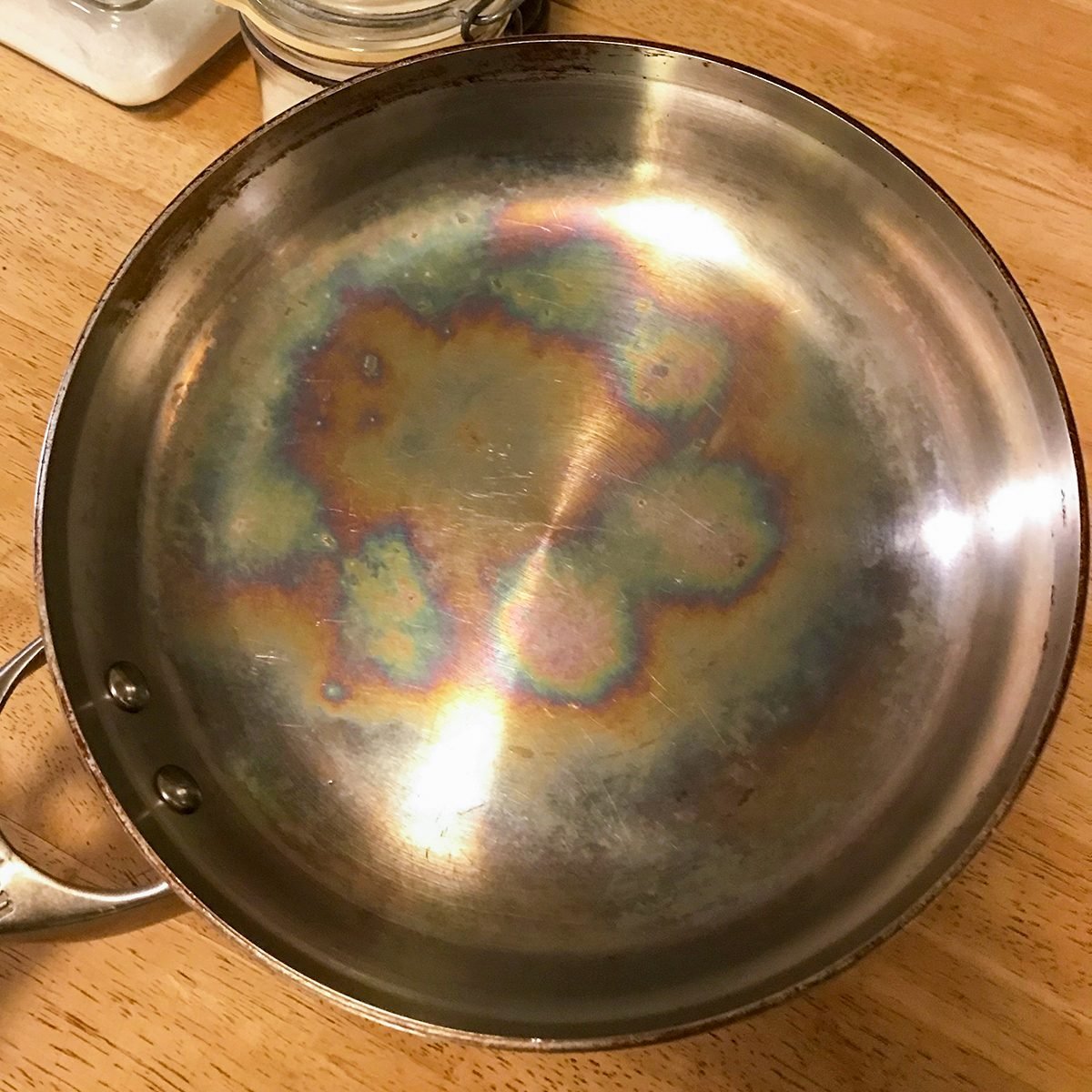
Stainless steel turns rainbow because of a thin oxide layer that forms on its surface, which refracts light and creates colorful patterns. If you've ever noticed your stainless steel cookware, appliances, or tools developing those beautiful, shimmering rainbow colors, you've witnessed a fascinating scientific process at work. While it might look like damage or tarnishing, this colorful transformation is actually a natural and completely harmless phenomenon that happens when stainless steel is exposed to heat or certain chemicals. Understanding why stainless steel turns rainbow can help you appreciate your kitchenware even more and know whether you need to do anything about it.

What Causes Stainless Steel to Turn Rainbow?
The rainbow effect on stainless steel happens due to a process called oxidation. When stainless steel is exposed to heat, moisture, or certain chemicals, an oxide layer builds up on its surface. This layer is incredibly thin—we're talking just a few nanometers thick—but it's thick enough to interfere with light waves passing through it. Think of it like creating a natural prism right on your cookware's surface.
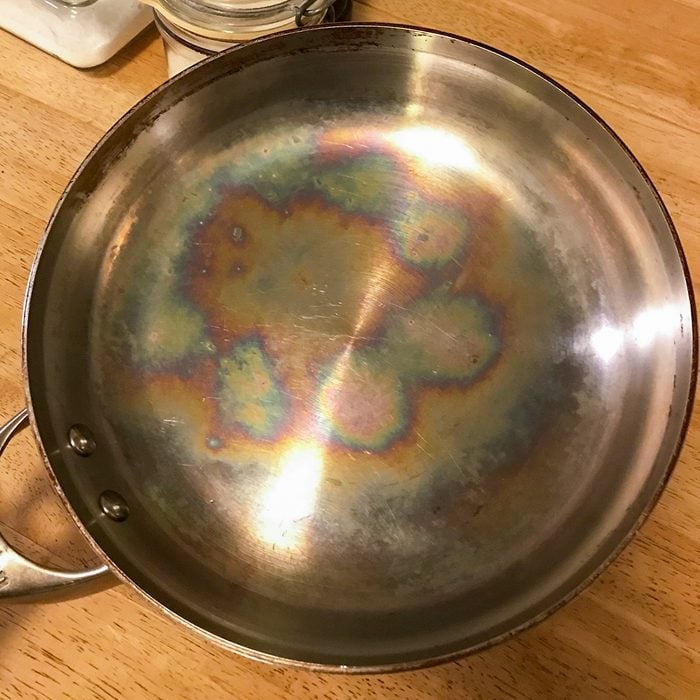
Here's the fascinating part: the thickness of this oxide layer determines which colors you see. Different thicknesses bend light at different angles, which is why you might see blues, purples, yellows, or gold hues. The same principle that creates rainbow colors in a soap bubble or an oil slick on water is at work on your stainless steel. It's nature's way of showing us the invisible layer protecting your metal underneath.
The specific rainbow colors that appear depend on several factors, including the temperature the steel was exposed to, the type of stainless steel, and the duration of heat exposure. This is why restaurant-grade cookware often shows these colors, especially if it's been used at high temperatures or left on a hot burner for an extended period.
The Science Behind the Rainbow Effect
Understanding the science makes this phenomenon even more interesting. Stainless steel contains chromium, which naturally forms a protective oxide layer called chromium oxide. This layer is what makes stainless steel resistant to rust and corrosion in the first place. When you heat stainless steel or expose it to certain conditions, you're actually enhancing this natural protection by thickening the oxide layer.
Light travels in waves, and when these waves encounter a thin film (like the oxide layer on your steel), something called thin-film interference occurs. Depending on the wavelength of light and the thickness of the film, some light waves get amplified while others cancel each other out. This selective reflection is what creates the rainbow colors you see.
The colors follow a predictable pattern based on temperature. When stainless steel heats up gradually, it typically shows colors in this sequence: pale yellow, straw yellow, brown, purple, blue, and then gray. This progression happens because the oxide layer keeps getting thicker as the temperature rises, and each thickness corresponds to a different color in the visible light spectrum.

Why Does Heat Cause Rainbow Discoloration?
Heat is the primary culprit behind rainbow stainless steel. When you use your stainless steel cookware on the stove, especially at high temperatures, the metal expands and the protective chromium oxide layer thickens. This thickening is actually a good thing—it means your stainless steel is building up even stronger protection against rust and corrosion.
The reason cookware often shows rainbow colors is that cooking naturally involves heat. When you're boiling water, searing meat, or heating oil, you're creating the perfect conditions for this oxide layer to develop. The longer the heat exposure and the higher the temperature, the thicker the layer becomes, and the more dramatic the rainbow colors appear.
Different cooktop types create different results too. Stainless steel cookware used on electric stovetops tends to show rainbow colors more frequently than cookware used on gas stoves, simply because the heat is more concentrated and sustained. Induction cooktops can also create these colors, though often not as dramatically.

Rainbow Stainless Steel in the Kitchen
If you cook regularly, you've probably noticed your stainless steel pans developing these colors. This is completely normal and actually indicates that your cookware is doing exactly what it's supposed to do. The rainbow effect doesn't change how your cookware performs, doesn't affect food safety, and doesn't mean anything is wrong with your pans.
Many professional chefs and cooking enthusiasts actually consider the rainbow colors a sign of quality stainless steel cookware. It shows that the metal is thick enough and pure enough to develop this protective oxide layer. Some people even embrace the look as a natural patina that tells the story of their cookware's use.
The rainbow effect can appear on virtually any stainless steel surface that's exposed to heat. You might see it on pot handles, the sides of pans, or even on stainless steel appliances if they've been near a heat source. It's particularly common on the bottoms of cookware that sits directly on a burner for extended periods.

Can You Remove Rainbow Discoloration?
Yes, you can remove the rainbow colors from stainless steel if you want to restore its original appearance. The most effective method is to use a stainless steel cleaner or a specialized stainless steel polish. These products work by gently removing the oxide layer that's causing the color changes. Simply apply the cleaner according to the product instructions, buff it with a soft cloth, and the rainbow colors typically fade away.
Another popular method is using white vinegar. Soak a cloth in white vinegar and rub the affected areas. The acidity in vinegar can help dissolve the oxide layer, though this method works better for lighter discoloration. For stubborn rainbow colors, you might need to repeat the process a few times.
Lemon juice is another natural option that some people swear by. The citric acid works similarly to vinegar and can help restore the shine to your stainless steel. Just apply it directly to the discolored areas and scrub gently with a soft cloth.
It's important to note that while removing the rainbow colors is purely cosmetic, the oxide layer underneath is actually beneficial for your stainless steel. If you choose to remove the colors, your steel will simply build them back up the next time it's exposed to heat during cooking.
Chemical and Environmental Factors
While heat is the most common cause of rainbow stainless steel, other factors can also trigger this effect. Exposure to certain chemicals, like chlorine or salt, can accelerate oxide layer formation. This is why stainless steel used in coastal areas or near pools might show rainbow colors more frequently.
Water quality also plays a role. Hard water or water with high mineral content can contribute to rainbow discoloration. When mineral-rich water comes into contact with hot stainless steel, it creates conditions favorable for oxide layer development. This is particularly noticeable in areas with naturally hard water.
Certain cleaning products can also influence the formation of these colors. Harsh chemicals or strong detergents might accelerate the oxidation process in some cases. This is why using gentle, appropriate stainless steel cleaners is recommended for maintaining your cookware's appearance.

Is Rainbow Stainless Steel Safe?
Absolutely. The rainbow coloration on stainless steel is completely safe and doesn't pose any health risks. The oxide layer that creates the colors is non-toxic and doesn't leach into food or water. In fact, this protective layer is exactly what keeps stainless steel corrosion-resistant and food-safe.
Your cookware doesn't lose its non-reactive properties because of the rainbow colors. Stainless steel remains an excellent choice for cooking with acidic foods because the protective chromium oxide layer prevents any reaction between the metal and your food. The rainbow effect is purely cosmetic and doesn't affect the functionality or safety of your cookware.
Food safety agencies and health organizations recognize that stainless steel, including rainbow-colored stainless steel, is safe for cooking and food storage. The rainbow colors are simply visible proof that the protective oxide layer is present and functioning properly.

Preventing Rainbow Discoloration
If you prefer to keep your stainless steel looking shiny and uniform, there are several preventive measures you can take. First, avoid leaving cookware on high heat for extended periods when it's empty. Heating empty pans is more likely to cause rainbow discoloration than cooking with food or liquid inside.
Controlling the temperature is key. Use medium to medium-high heat for most cooking tasks. Most foods cook perfectly well at these temperatures, and you'll be less likely to see rainbow colors develop. If you must use high heat, try to keep the duration as brief as possible.
Keeping your cookware clean and dry is another preventive strategy. Moisture combined with heat accelerates oxidation. After washing your pans, dry them promptly with a soft cloth rather than letting them air dry. This simple step can significantly reduce the likelihood of rainbow colors forming.
Caring for Rainbow-Colored Stainless Steel
If your cookware already has rainbow colors and you like them, minimal maintenance is needed. Simply wash your cookware as you normally would with mild dish soap and warm water. The colors won't disappear with regular washing, and they won't affect your cooking experience in any way.
For a deeper clean, periodic polishing with a stainless steel cleaner keeps your cookware looking its best. You can do this monthly or as needed, depending on your preferences. Use a soft cloth and apply the cleaner in the direction of the grain for the best results.
Avoid using abrasive scrubbers or steel wool on stainless steel, as these can scratch the surface and damage both the shine and the protective oxide layer. Gentle microfiber cloths work wonderfully for cleaning and polishing without causing damage.
The Beauty of Natural Patina
Many cooking enthusiasts view rainbow-colored stainless steel as a natural patina that adds character to their cookware. It tells the story of countless meals prepared and countless hours spent in the kitchen. Rather than seeing it as a flaw, many people embrace it as a sign of well-used, quality cookware.
This perspective shift can help you appreciate your stainless steel differently. Just as cast iron develops seasoning and copper develops patina, stainless steel develops these beautiful rainbow colors through use. It's a natural consequence of cooking and represents the relationship between you and your cookware.
Professional kitchens, especially in fine dining establishments, often have stainless steel equipment that displays these colors prominently. Rather than hiding them, chefs recognize them as evidence of high-quality, well-maintained equipment that's ready for serious cooking.
Frequently Asked Questions
What colors appear when stainless steel heats up?
Stainless steel typically shows colors in a progression: pale yellow, straw yellow, brown, purple, blue, and gray. The specific color depends on the temperature and duration of heat exposure. Higher temperatures produce darker, more purple and blue hues, while lower temperatures show lighter yellows and browns.
Does rainbow stainless steel affect food safety?
No, rainbow stainless steel is completely safe for cooking and food storage. The oxide layer that creates the colors is non-toxic and doesn't leach into food. Stainless steel remains food-safe regardless of whether it's discolored, and it maintains its non-reactive properties perfectly.
How do I remove rainbow colors from stainless steel?
You can remove rainbow discoloration using stainless steel cleaner, white vinegar, or lemon juice. Apply the product to affected areas, let it sit briefly, and buff with a soft cloth. The colors will return over time if the cookware is used at high temperatures again.
Why does my cookware turn rainbow but my friend's doesn't?
Different cooking habits, temperature preferences, and heat sources can explain why some cookware shows rainbow colors while others don't. Those who use high heat more frequently or cook with empty pans are more likely to see these colors. Also, different stainless steel grades and thicknesses can behave differently.
Is the oxide layer on rainbow stainless steel protective?
Yes, the oxide layer is actually protective and beneficial. The rainbow coloring indicates that the chromium oxide layer is thickening, which enhances the stainless steel's resistance to rust and corrosion. This is why rainbow-colored stainless steel often performs even better than untreated steel.
Can I prevent my stainless steel from turning rainbow?
You can reduce the likelihood by using medium heat instead of high heat, avoiding heating empty pans, and drying cookware promptly after washing. However, if you cook regularly, especially at higher temperatures, some rainbow coloration is almost inevitable over time.
Wrapping Up
The rainbow effect on stainless steel is a beautiful, natural phenomenon that happens when the metal's protective oxide layer thickens due to heat exposure. Rather than being a sign of damage or deterioration, it's actually evidence that your cookware is developing an even stronger protective shield against rust and corrosion. Whether you embrace the colorful patina as a mark of a well-loved kitchen or prefer to keep your stainless steel looking brand new, the choice is entirely yours.
Your stainless steel cookware will continue to perform flawlessly whether it displays rainbow colors or remains mirror-bright. The next time you notice those shimmering hues on your favorite pot or pan, you can appreciate the science happening on its surface. If you'd like to keep your cookware looking pristine, use the preventive tips we've covered, and if you're wondering whether those rainbow colors might be affecting your food, rest assured that they're completely harmless.
Start paying attention to the colors on your stainless steel during your next cooking session, and consider whether you want to embrace them as natural patina or remove them with gentle cleaning methods. Share your stainless steel care routine with others who cook, and let us know in the comments which side you're on—do you love the rainbow colors or prefer to keep your cookware gleaming?

Leave a Reply