
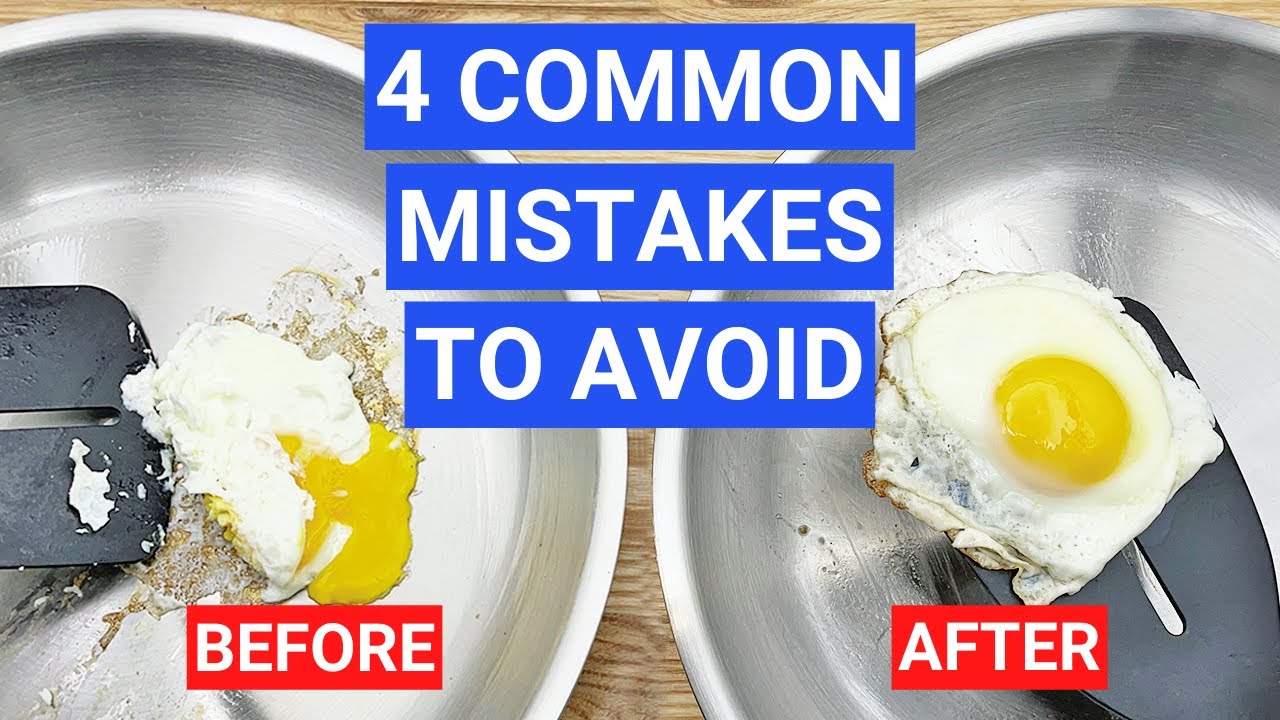
Food sticks to stainless steel pans because the metal's smooth surface creates friction that bonds with proteins and starches in food. If you've ever scrambled eggs or seared chicken in a stainless steel pan only to watch them glue themselves to the bottom, you're not alone. This frustrating kitchen experience happens to nearly every home cook at some point, and understanding why it occurs can transform your cooking game completely. Stainless steel pans are beloved for their durability, heat distribution, and professional appearance, but they require specific techniques and knowledge to use effectively. In this comprehensive guide, I'll share everything I've learned from years of kitchen experience about why food sticks to stainless steel pans, what causes it, and most importantly, how to prevent it from ruining your meals.
Understanding Why Food Sticks to Stainless Steel Pans
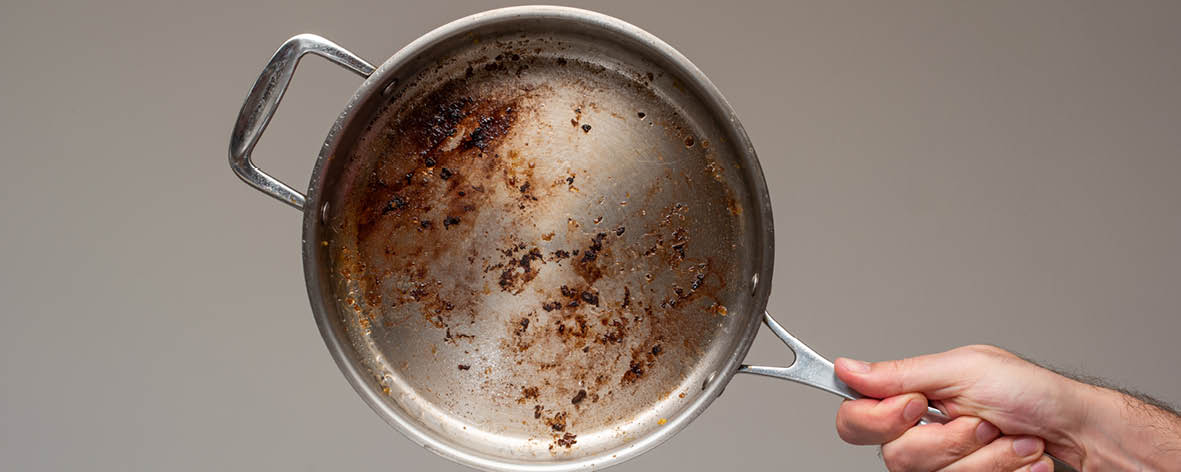
The sticky situation in your stainless steel pan isn't a manufacturing flaw or a sign of poor quality. Instead, it's actually a natural reaction between your food and the pan's surface. When you place food directly on a hot stainless steel surface, proteins and starches instantly begin breaking down and bonding with the metal. This adhesive process happens at the molecular level, creating what feels like a permanent attachment.
The stainless steel pan's surface, despite looking smooth to the naked eye, actually contains tiny crevices and imperfections. These microscopic valleys act like hooks that grab onto food particles. Additionally, stainless steel doesn't conduct heat as evenly as other materials, which means certain spots on your pan get hotter than others. These hot spots create chemical bonds between your food and the metal that require real effort to break apart.
Temperature control plays a huge role in this sticking problem. When your pan isn't hot enough, the food doesn't develop a seared exterior that would normally help it release naturally. When it's too hot, the bottom of your food burns before it can properly sear. Finding that perfect middle ground is the key to success with stainless steel cookware.
The Science Behind Food Sticking
Let's dig deeper into what's actually happening when food sticks to your stainless steel pan. When proteins and starches reach a certain temperature, they undergo a chemical process called the Maillard reaction. This creates new compounds that have a strong attraction to the metal surface. Think of it like glue forming between two surfaces when they reach the right temperature.
Another scientific factor is the lack of a natural non-stick layer. Unlike cast iron, which develops seasoning over time, or non-stick cookware with its special coating, stainless steel starts completely naked. There's nothing protecting your food from direct contact with the raw metal. This is why experienced cooks always add fat to their stainless steel pans before cooking.
The microscopic pores in stainless steel also play a significant role. Under a microscope, what appears smooth is actually a landscape of tiny valleys and peaks. Food particles nestle into these crevices, making it nearly impossible to release without proper technique. Understanding this helps explain why sometimes your food releases easily while other times it absolutely refuses to budge.

Common Reasons Why Your Food Sticks
Several specific factors contribute to the sticking problem in your stainless steel cookware. Recognizing these causes puts you on the path to solving them effectively.
Insufficient Fat or Oil
One of the most common mistakes is not using enough cooking fat. Whether you prefer butter, oil, or another fat source, you need adequate amounts to create a barrier between the food and the metal. Many home cooks underestimate how much fat they need, thinking that a light coating will work. In reality, your fat should shimmer and move slightly when you tilt the pan.
Inadequate Preheating
Preheating your stainless steel pan properly sets the stage for success. A cold or lukewarm pan almost guarantees sticking. Your pan needs to reach the right temperature before food makes contact with it. The proper technique involves letting your pan heat for several minutes until water droplets form tight beads and dance across the surface.
Low Heat During Cooking
Cooking at insufficient heat is another culprit. If your burner is set too low, your food won't sear properly and will stick instead. The Maillard reaction requires adequate heat to occur. When food sears correctly, it naturally releases from the pan, but without sufficient heat, no searing happens.
Excess Moisture in Food
Wet food sticks significantly more than dry food. If you place wet chicken or vegetables straight into your pan, the moisture prevents proper contact between the food's surface and the pan's heat. Always pat your proteins dry with paper towels before cooking to ensure better results.
Attempting to Flip Too Early
Patience is essential when cooking in stainless steel. If you try to flip your food too early, before it has properly seared, it will definitely stick. The food needs several minutes to develop that golden crust that naturally releases from the pan.
The Role of Heat Distribution
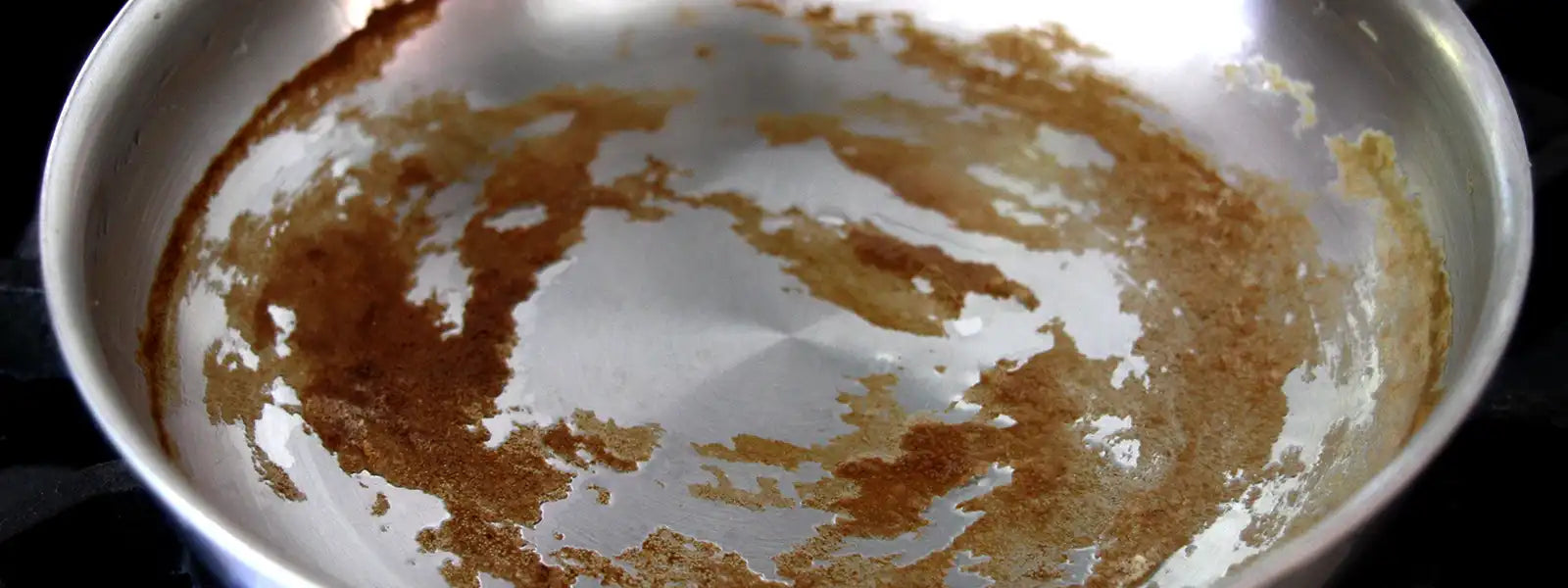
Heat distribution is absolutely critical when working with stainless steel pans. Stainless steel is actually a poor conductor of heat compared to materials like aluminum or copper. This means your pan will have hot spots and cold spots unless you take special care.
Hot spots form because stainless steel doesn't distribute heat evenly across its entire surface. These variations in temperature can cause food to stick to hotter areas while other parts of your pan remain cool. This is why many professional chefs prefer stainless steel pans with copper or aluminum cores. These cores improve heat distribution and make the cooking process more predictable.
When you understand heat distribution, you realize that preheating your pan thoroughly helps create more consistent temperatures across the cooking surface. Preheating also allows the metal to expand fully, which actually reduces the surface irregularities that trap food. This simple step makes a tremendous difference in preventing sticking.

Essential Techniques to Prevent Sticking
Knowing the problems is half the battle. Now let's talk about practical solutions that actually work. I've tested these techniques extensively in my own kitchen, and they consistently deliver results.
The Proper Preheating Method
Start by heating your pan over medium-high heat for about three to five minutes. You'll know it's ready when a drop of water instantly forms a tight bead that dances across the surface. This test, called the water droplet test, tells you the pan has reached optimal temperature. Some cooks prefer using an infrared thermometer to verify the temperature is around 350 to 375 degrees Fahrenheit for most foods.
The Oil Temperature Technique
Once your pan is properly preheated, add your fat and let it heat for about 30 seconds. The oil should shimmer and move easily across the surface. If it starts to smoke, your pan is too hot and you should reduce the flame slightly. The goal is for the oil to be hot enough to create that perfect searing environment without burning.
The Proper Food Placement
Place your food gently into the pan and resist the urge to move it immediately. Let it sit undisturbed for several minutes while it develops that golden crust. This crust is your friend because it naturally releases from the pan. For a steak that's about one inch thick, wait at least four to five minutes before attempting to move it.
Patience During Cooking
One of the hardest parts of using stainless steel is resisting the urge to flip your food constantly. Every time you try to move food before it's ready, you're interrupting the searing process. Trust the process and let physics do the work. When the food has properly seared, it will naturally release from the pan with minimal effort.
Using the Right Amount of Fat
Don't be shy with your fat. A light coating isn't enough. You want enough oil or butter to create a visible layer that moves when you tilt the pan. This generous amount of fat creates a barrier between your food and the metal surface. Over the years, I've learned that this single adjustment eliminates most sticking problems.

Best Foods to Cook in Stainless Steel
Understanding which foods work best in stainless steel helps you set yourself up for success. Some foods are naturally more forgiving than others when it comes to sticking.
Foods that sear well include steaks, fish fillets, chicken breasts, and other proteins. These foods develop that crucial golden crust that naturally releases from the pan. Vegetables like Brussels sprouts and carrots also sear beautifully in stainless steel, creating caramelized exteriors that are absolutely delicious.
Foods that are challenging include delicate items like eggs, flaky fish, and certain vegetables. Pancakes and crepes also require special attention in stainless steel pans. For these tricky foods, many cooks prefer using cast iron or non-stick cookware instead.

Why Cast Iron and Non-Stick Perform Differently
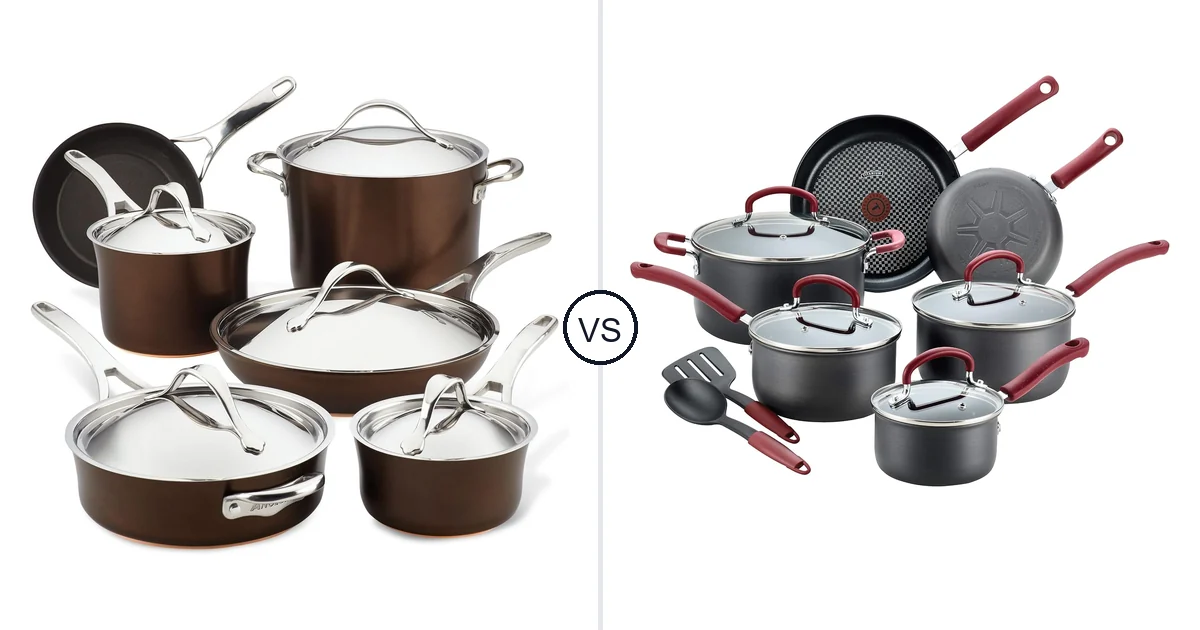
You might be wondering why your cast iron or non-stick pan doesn't cause the same sticking problems. Cast iron has a seasoned surface that's built up over time, creating a natural non-stick layer. Non-stick cookware has a special polymer coating that prevents adhesion. Stainless steel has neither of these advantages, which explains why it behaves so differently.
Many home cooks mistakenly believe this makes stainless steel inferior, but that's not true. Once you master the techniques, stainless steel offers superior heat retention and durability that other cookware can't match. Professional chefs prefer stainless steel precisely because it offers more control and better browning when used correctly.

Maintenance Tips for Better Performance
How you care for your stainless steel pan affects how it performs over time. Regular maintenance ensures your cookware continues to work well for decades.
Immediately after cooking, deglaze your pan by pouring a small amount of water or wine into it while it's still hot. The liquid will bubble and help loosen any stuck-on food. Use a soft sponge or cloth to gently scrub away residue. Avoid harsh scrubbers that can scratch the surface because scratches trap food particles more easily.
Regular cleaning prevents buildup that can make sticking worse. After each use, wash your pan with hot soapy water and dry it completely. Never put your stainless steel pan in the dishwasher if you want optimal performance. Dishwashers can damage the finish and create more surface irregularities.
Occasionally, apply a thin layer of neutral oil to your pan's exterior surface. This keeps it looking beautiful and prevents water spotting. This step is optional but helps maintain your cookware's appearance and condition over time.

Adjusting Your Cooking Temperature Strategy
Finding the right temperature for your stainless steel pan is key to preventing sticking. Different foods require different temperatures, and learning these variations improves your cooking dramatically.
For most proteins like steak or chicken breast, medium-high heat works best. This allows proper searing while giving you control. For more delicate items or foods that cook quickly, medium heat might be more appropriate. For vegetables that need to brown, medium-high heat creates the perfect caramelization.
Here's a tip I've learned through experience: start with medium-high heat and adjust downward if needed. It's easier to reduce heat than to wait for a pan to heat up to the right temperature. Most home stoves run hotter than professional kitchen equipment, so you might need to experiment to find your pan's optimal temperature range.
The Importance of Dry Food Surfaces
I cannot stress enough how important it is to thoroughly dry your food before cooking. Even a little bit of surface moisture significantly increases sticking. Pat proteins with paper towels until they're completely dry. For vegetables, wash them well ahead of time and let them air dry completely.
This simple step makes an enormous difference in the final result. Dry food sears better, sticks less, and develops better flavor. It's one of those techniques that seem small but delivers outsized benefits.
Understanding Your Stove Type
Your stove type influences how your stainless steel pan heats. Gas stoves provide instant heat that you can adjust easily. Electric stoves, both coil and smooth-top, heat more slowly and retain heat longer. Induction stoves work only with magnetic cookware and offer precise temperature control.
If you're using an electric stove, you need to account for its slower heating and cooling. This means preheating your pan takes longer, but the benefit is more consistent heat. With induction stoves, the precise temperature control actually makes stainless steel cookware perform better because you can hit optimal temperatures more accurately.
Common Mistakes to Avoid
Over the years, I've made plenty of mistakes with stainless steel cookware, and I've learned from each one. Avoiding these common errors will save you frustration.
Never use cooking spray in your stainless steel pan. The propellant and additives in cooking spray leave a buildup that actually makes sticking worse over time. Stick with real oil or butter instead. Don't use metal utensils on your stainless steel pan's surface because scratches trap food. Use wooden, silicone, or plastic utensils instead.
Avoid adding food to a cold pan or an insufficiently preheated pan. This almost guarantees sticking. Similarly, don't rush the cooking process by turning heat too high. Excessive heat can cause food to stick and burn at the same time. Finally, never use abrasive cleaners or steel wool on your pan's cooking surface.
Frequently Asked Questions
Why does food stick more to some stainless steel pans than others?
Different stainless steel pans have varying quality levels and different core materials. Pans with aluminum or copper cores conduct heat more evenly, resulting in less sticking. Higher quality stainless steel has a more refined surface finish that traps less food. Your cookware's quality significantly impacts how prone it is to sticking issues.
Can I season my stainless steel pan like cast iron?
Stainless steel doesn't develop seasoning the way cast iron does because oil doesn't bond to its surface permanently. However, you can improve its non-stick properties by using proper cooking techniques and adequate fat. Some cooks apply a light oil coating after cleaning, but this isn't the same as cast iron seasoning.
Is stainless steel worth the effort if it sticks so easily?
Absolutely. Once you master the correct techniques, stainless steel offers excellent heat retention, durability, and browning capabilities that make it worth the learning curve. Professional kitchens rely on stainless steel for good reason. The initial frustration pays off with better cooking results over time.
What temperature should my stainless steel pan reach before cooking?
Most proteins cook best when your stainless steel pan reaches between 350 and 375 degrees Fahrenheit. You can test this with an infrared thermometer or use the water droplet test for a quicker assessment. The exact temperature depends on what you're cooking, but this range works for most common dishes.
Does the type of oil or fat matter when preventing sticking?
Yes, different fats have different smoke points and behavior at high temperatures. Oils with high smoke points like vegetable oil, canola oil, or avocado oil work well for most cooking. Butter adds great flavor but has a lower smoke point, so use it for medium-heat cooking. Coconut oil and other fats with low smoke points are less ideal for hot pan cooking.
Why does my stainless steel pan have dark spots after cooking?
Dark spots or discoloration usually result from water spots, mineral deposits, or heat marks. These spots don't affect your pan's performance and are purely cosmetic. You can remove them using a stainless steel cleaner or a mixture of vinegar and baking soda. This is completely normal and doesn't indicate damage.
Conclusion
Stainless steel pans don't have to be a source of kitchen frustration once you understand the science behind sticking and master the proper techniques. Food sticks to stainless steel because of the metal's smooth surface, inadequate heat, insufficient fat, and the natural bonding between proteins and the pan's material. By preheating properly, using adequate fat, patting food dry, and practicing patience while cooking, you'll solve most sticking problems.
Your stainless steel cookware is an investment in your kitchen's future, offering durability and performance that lasts decades with proper care. The effort you put into learning these techniques pays dividends every time you cook. Start implementing these strategies on your next meal and notice the immediate improvement. Share your cooking successes with friends and family, and feel free to come back to this guide whenever you need a refresher on mastering your stainless steel cookware.

Leave a Reply