
Aluminum cookware is generally safe when used properly, though uncoated aluminum can leach small amounts into acidic foods. When it comes to kitchen safety, aluminum cookware raises questions that deserve straightforward answers. Many home cooks wonder if their favorite aluminum pots and pans could be harming their families, and that concern is completely valid. Understanding aluminum cookware safety requires looking at the science behind it, separating myth from reality, and learning how to use these versatile kitchen tools responsibly. This guide will walk you through everything you need to know about aluminum cookware safety, from how it interacts with food to practical steps you can take to minimize any risks.

Understanding Aluminum Cookware and Food Safety
Aluminum has been a kitchen staple for decades because it heats quickly and distributes heat evenly. It's affordable, lightweight, and durable, making it accessible to everyday home cooks. However, the safety concerns surrounding aluminum cookware have sparked decades of debate among health experts and researchers. The main worry centers on whether aluminum can transfer into your food and potentially accumulate in your body over time.
The reality is that aluminum does leach into food, but the amount depends on several factors. Research shows that uncoated aluminum cookware releases more aluminum into food compared to anodized or coated varieties. The leaching increases significantly when cooking acidic or salty foods, which essentially "strip" small amounts of aluminum from the cookware's surface. Despite this leaching, the levels detected in most foods remain below amounts considered dangerous by health authorities, though this is an area where ongoing research continues to evolve.
:max_bytes(150000):strip_icc()/ms-aluminum-pan-getty-c54d6d540a19454e8a13f884cccea6f0.jpg)
How Aluminum Enters Your Food
The process of aluminum leaching into food is straightforward chemistry. When acidic ingredients like tomatoes, lemon juice, vinegar, or wine come into contact with uncoated aluminum, they create a reaction that causes tiny amounts of the metal to dissolve. Think of it like rust forming on exposed metal—it's a natural oxidation process. Salt and prolonged cooking also accelerate this leaching, which is why storing acidic foods in aluminum containers overnight is risky.
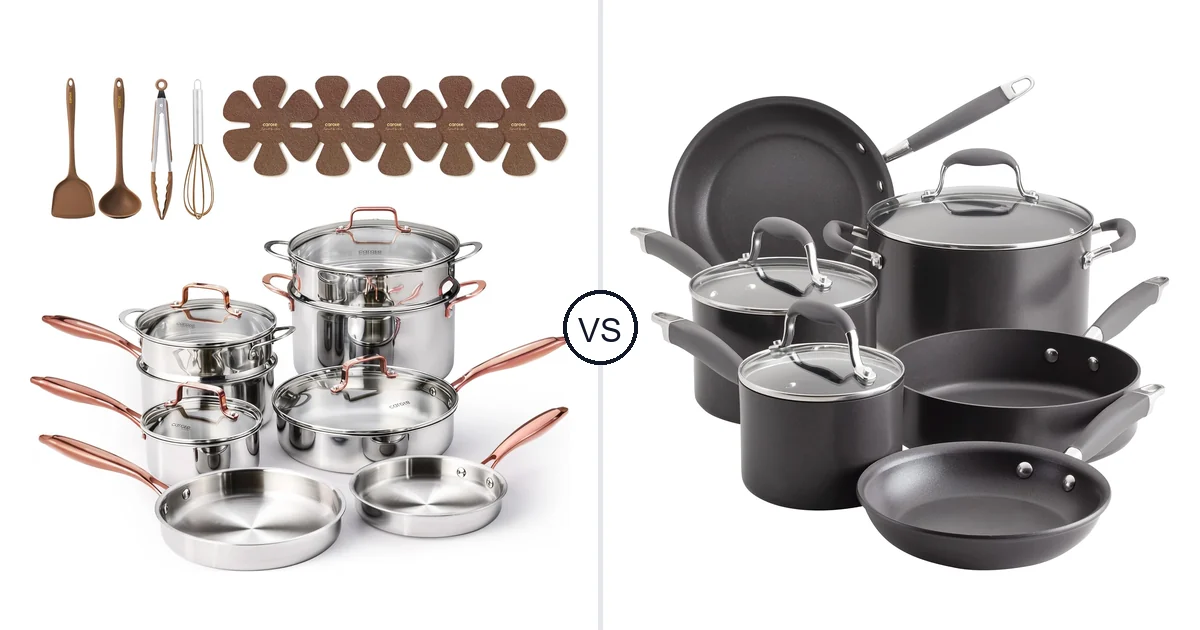
Different types of aluminum cookware behave differently. Bare aluminum allows the most leaching, while anodized aluminum—which undergoes an electrochemical process that hardens the surface—prevents most aluminum from entering food. Non-stick coated aluminum offers another protective layer, making it a safer option for frequent cooking. Hard-anodized aluminum is considered the most protective because its surface is significantly thicker and more resistant to scratches that could expose bare aluminum underneath.
Types of Aluminum Cookware and Safety Levels
When shopping for aluminum cookware, you'll encounter several categories, each with different safety profiles. Understanding these distinctions helps you make informed choices for your kitchen.
Cast Aluminum represents the most basic form. It's porous and uncoated, making it the least protective option against aluminum leaching. Many vintage or budget-friendly cookware falls into this category. While functional, cast aluminum is best reserved for cooking non-acidic foods or shorter cooking times.
Anodized Aluminum undergoes an electrochemical treatment that creates a hard, non-porous surface. This process essentially transforms the aluminum into a different material that resists leaching. Anodized cookware costs more than bare aluminum but offers significantly better protection. It's also more durable and less likely to warp over time.
Hard-Anodized Aluminum represents the premium version of anodized cookware. The anodization process creates a surface up to four times thicker than standard anodized aluminum. This type offers excellent durability and minimal leaching, making it an ideal choice for health-conscious cooks.
Non-Stick Coated Aluminum adds a protective layer of polytetrafluoroethylene (PTFE) or other non-stick materials over aluminum. When the coating remains intact, it effectively prevents aluminum from entering food. However, once scratches develop, bare aluminum becomes exposed, which increases leaching concerns.

What Health Authorities Say About Aluminum Cookware Safety
Multiple health organizations have weighed in on aluminum cookware safety, and their conclusions are reassuring for most people. The Food and Drug Administration has classified aluminum as a food additive that's generally recognized as safe in normal cooking conditions. The World Health Organization has established an acceptable daily aluminum intake of approximately 1 milligram per kilogram of body weight, and typical dietary exposure remains well below these thresholds.
Research published in food science journals consistently shows that normal use of aluminum cookware results in aluminum levels in food that are significantly below harmful thresholds. A person would need to consume extremely large quantities of food cooked in uncoated aluminum to approach dangerous levels. The scientific consensus suggests that aluminum cookware safety concerns are generally overstated for the general population, though certain groups may want to exercise more caution.

Risk Groups and Special Considerations
While aluminum cookware is safe for most people, certain populations should pay closer attention. Individuals with kidney disease have impaired aluminum excretion, meaning their bodies retain more of the metal. For these people, minimizing aluminum exposure from all sources becomes important, including cookware. People undergoing dialysis treatment should consult their healthcare providers about aluminum cookware use.
Pregnant women and young children represent another group worth mentioning. While not conclusively linked to harm from cookware aluminum, developing bodies might warrant extra precaution. Cooking primarily with non-aluminum alternatives or coated aluminum products provides peace of mind for health-conscious parents and expectant mothers. Aging adults with cognitive concerns should also consider sticking with safer cookware options, though the evidence linking aluminum to dementia remains controversial and inconclusive among researchers.

Practical Tips for Safe Aluminum Cookware Use
If you choose to use aluminum cookware, implementing smart practices minimizes any potential risks. Here's what I've learned from years of kitchen experience and research:
Start by avoiding extended storage of food in aluminum containers. When acidic foods sit in aluminum cookware overnight or for several days, leaching increases significantly. Transfer leftovers to glass or ceramic containers within a few hours of cooking. This simple step dramatically reduces aluminum exposure while also helping your food taste fresher.
Limit cooking highly acidic foods in uncoated aluminum. Tomato-based sauces, citrus dishes, and vinegar-containing recipes are better suited to stainless steel, cast iron, or ceramic cookware. When you do use aluminum for these foods, keep cooking times as brief as possible. This approach gives you flexibility without excessive worry.
Keep your aluminum cookware in good condition. Scratched or damaged non-stick coatings expose bare aluminum, increasing leaching potential. If your cookware shows significant wear, consider replacing it with a safer alternative. Regular inspection takes just seconds but provides valuable protection.
Use wooden or silicone utensils when cooking with aluminum. Metal utensils scrape and damage the surface, especially on non-stick varieties. This simple practice extends your cookware's lifespan while maintaining its protective coating.

Comparing Aluminum to Alternative Cookware Options
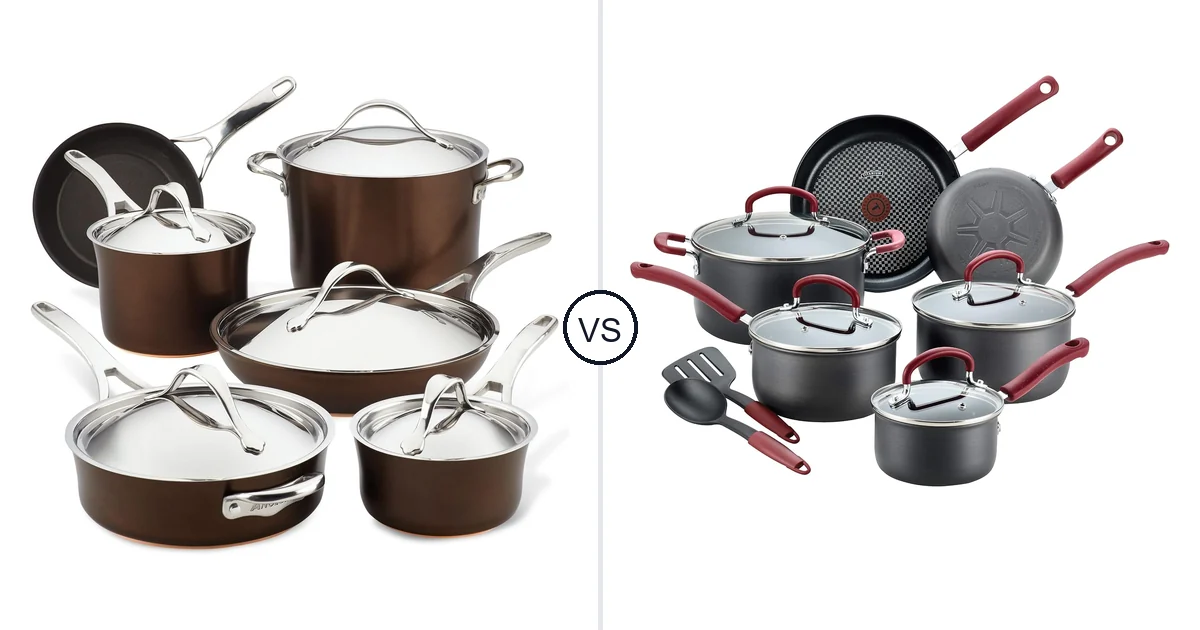
Understanding how aluminum stacks up against other materials helps you make balanced decisions. Stainless steel cookware eliminates aluminum leaching concerns entirely, though it distributes heat less evenly than aluminum. Many cooks appreciate stainless steel's durability and non-reactive nature, making it ideal for acidic foods.
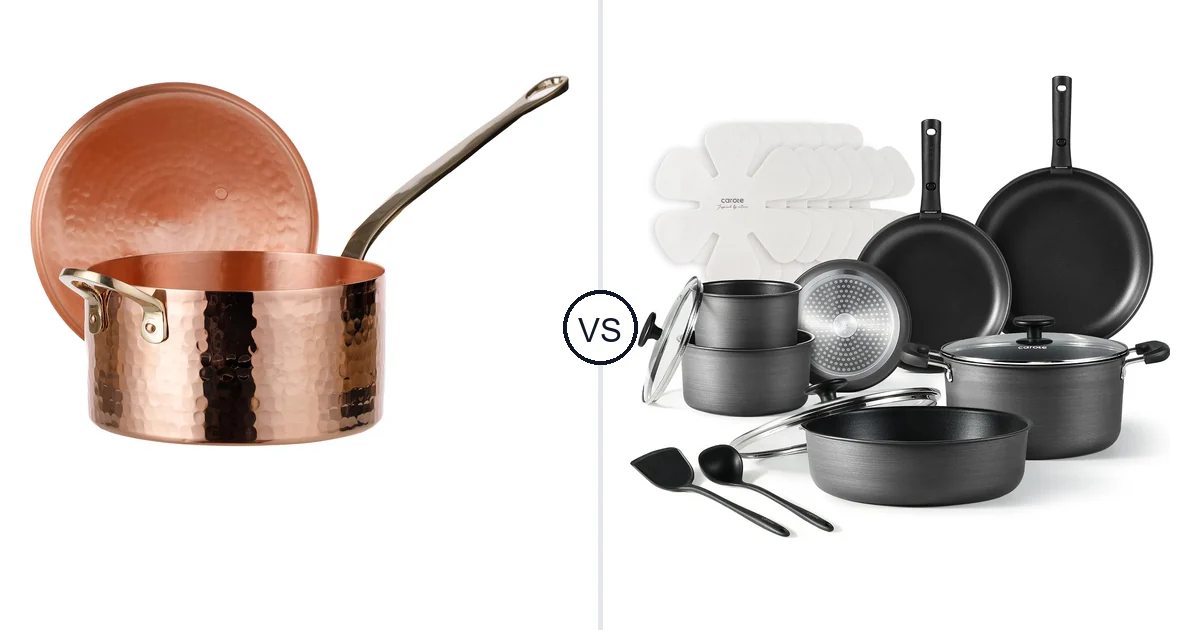
Cast iron offers excellent heat retention and no leaching concerns, but requires seasoning maintenance. Ceramic cookware is non-reactive and safe, though it can be fragile and expensive. Copper cookware provides superior heat distribution but needs regular polishing. Non-stick coated options from various materials combine convenience with safety when coatings remain intact.
The reality is that each cookware type has trade-offs. Aluminum cookware's affordability and heat distribution make it attractive despite safety questions. For many home cooks, the convenience and performance outweigh concerns when used responsibly with coated or anodized varieties.
Addressing Common Myths About Aluminum Cookware
Several persistent myths about aluminum cookware deserve debunking. One widespread belief claims that cooking all foods in aluminum causes Alzheimer's disease. Scientific investigations have found no convincing evidence linking dietary aluminum to Alzheimer's development. While aluminum does accumulate in brains of people with dementia, researchers can't confirm aluminum causes the disease rather than being a consequence of it.
Another myth suggests that storing any food in aluminum for any duration is dangerous. In reality, brief storage of non-acidic foods poses minimal risk. Acidic foods are the primary concern, and even then, the leaching occurs gradually over hours. Many people safely store non-acidic leftovers in aluminum containers for a night without problems.
Some believe that anodized aluminum loses its protective coating easily. Quality anodized cookware is quite durable, with coatings that withstand years of normal use. While scratches can occur, they typically don't significantly compromise safety unless severe and widespread damage develops.
Making Your Personal Decision About Aluminum Cookware
After considering all the evidence, your decision about aluminum cookware depends on your comfort level and specific circumstances. If you have kidney disease, you might prioritize safer alternatives. If you're generally healthy and comfortable with minor risk management practices, anodized or coated aluminum cookware offers excellent value.
Personally, I've used anodized aluminum cookware for years without concern, focusing my efforts on avoiding acidic food storage and maintaining the cookware properly. This balanced approach works for my family and provides the heat distribution benefits aluminum offers. Your choice should reflect your values, health status, and cooking style.
Frequently Asked Questions
Is anodized aluminum cookware completely safe?
Anodized aluminum cookware is significantly safer than bare aluminum because the anodization process creates a protective barrier that prevents aluminum from leaching into food. When the coating remains intact and undamaged, anodized cookware poses minimal aluminum transfer risk.
Can I cook acidic foods in aluminum cookware?
While technically possible, it's not ideal because acidic foods increase aluminum leaching. Tomato-based sauces, citrus dishes, and vinegar-containing meals are better cooked in stainless steel or ceramic cookware to minimize aluminum transfer to your food.
How much aluminum is actually transferred to food?
Studies show that typical aluminum cookware transfers between 1 to 10 milligrams of aluminum per serving of food, with higher amounts occurring when cooking acidic foods for extended periods. These levels remain below the WHO's acceptable daily intake for most people.
Should I throw away my aluminum cookware?
Unless you have specific health concerns like kidney disease, there's no need to discard aluminum cookware. Switching to anodized or hard-anodized varieties and following safe usage practices allows you to continue using aluminum safely if you choose.
What's the best type of aluminum cookware to buy?
Hard-anodized aluminum cookware offers the best safety profile among aluminum options because its thick, protective surface prevents almost all aluminum leaching. It's more durable, warps less, and provides excellent performance for most cooking tasks.
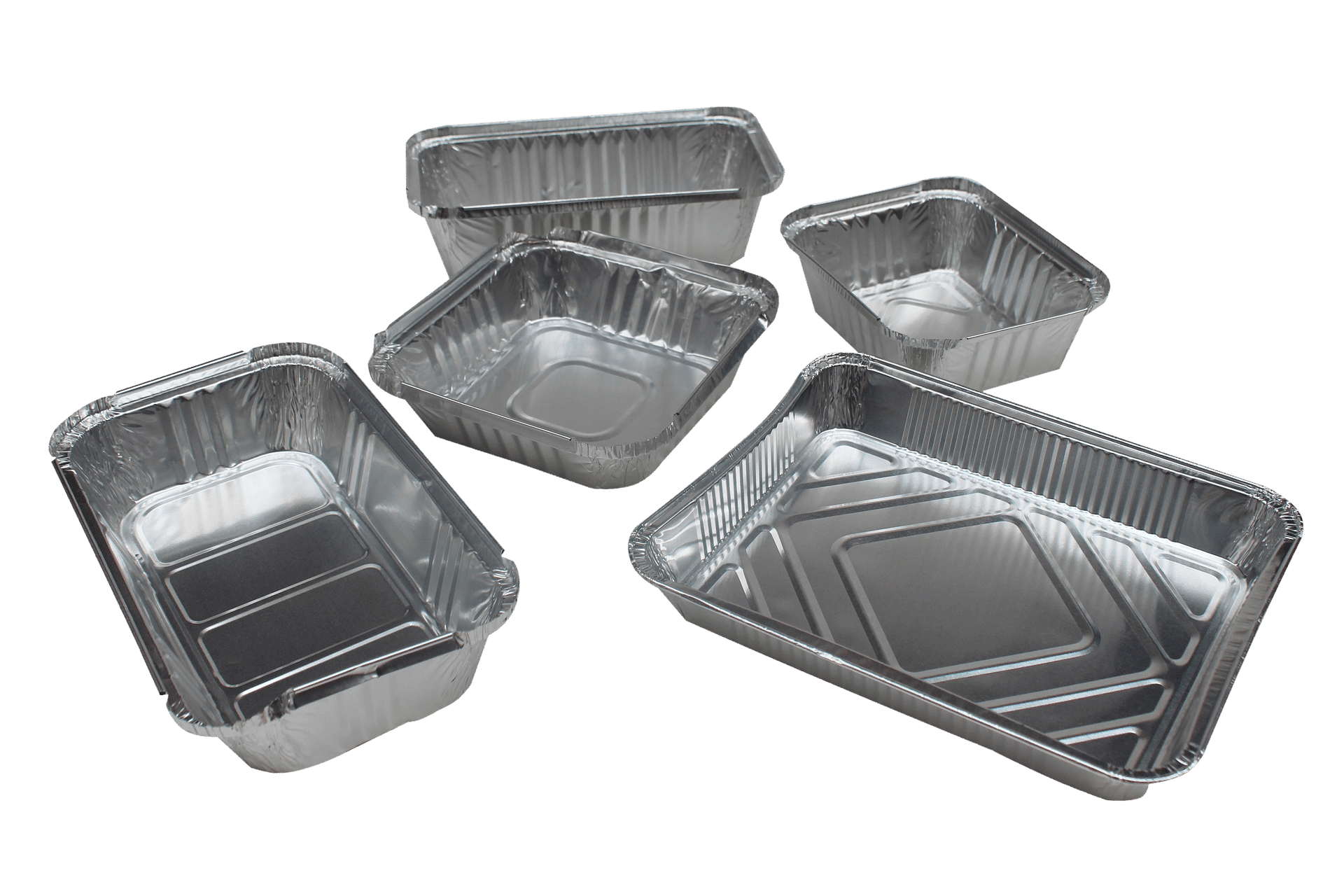
Can I use aluminum foil for cooking and food storage?
Aluminum foil is generally safe for cooking and brief storage of food, though acidic foods wrapped in foil for extended periods may show some leaching. Using parchment paper under foil for acidic items provides extra protection and peace of mind.
Conclusion
Aluminum cookware safety is far less alarming than sensational headlines suggest, yet deserves thoughtful consideration rather than complete dismissal. The science shows that properly maintained, coated, or anodized aluminum cookware poses minimal health risks for most people, especially when combined with smart cooking practices. By choosing quality aluminum products, avoiding extended storage of acidic foods, and maintaining your cookware properly, you can confidently use aluminum in your kitchen without excessive worry.
Your cookware should work for you, not stress you. Whether you opt for anodized aluminum for its performance and affordability or choose alternative materials for complete peace of mind, what matters most is that you're making an informed decision based on facts rather than fear. Start by assessing your current cookware situation, consider switching to coated or anodized aluminum if you primarily use bare aluminum, and remember that food storage practices matter just as much as the cookware type itself. Take action today by evaluating your kitchen setup and making one small change that aligns with your health priorities—whether that's upgrading to better cookware or adjusting how you store your leftovers.

Leave a Reply