
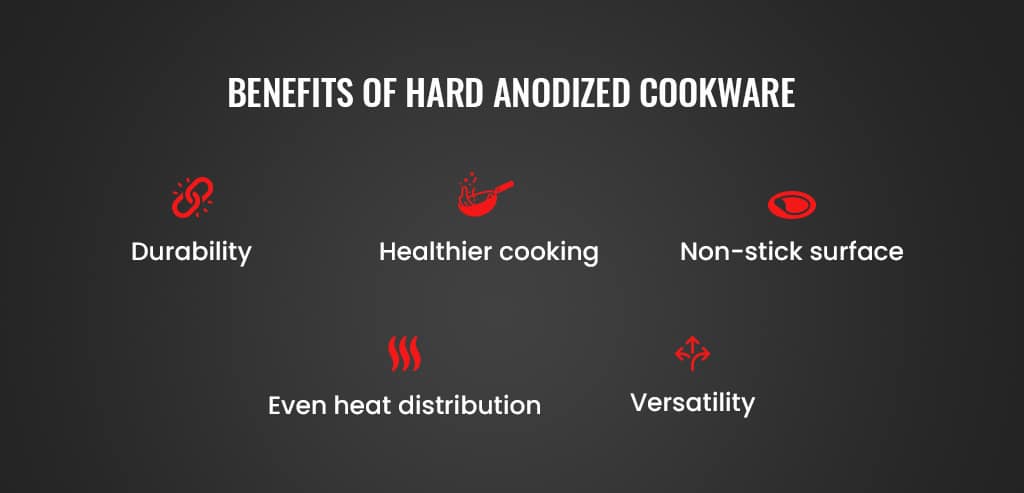
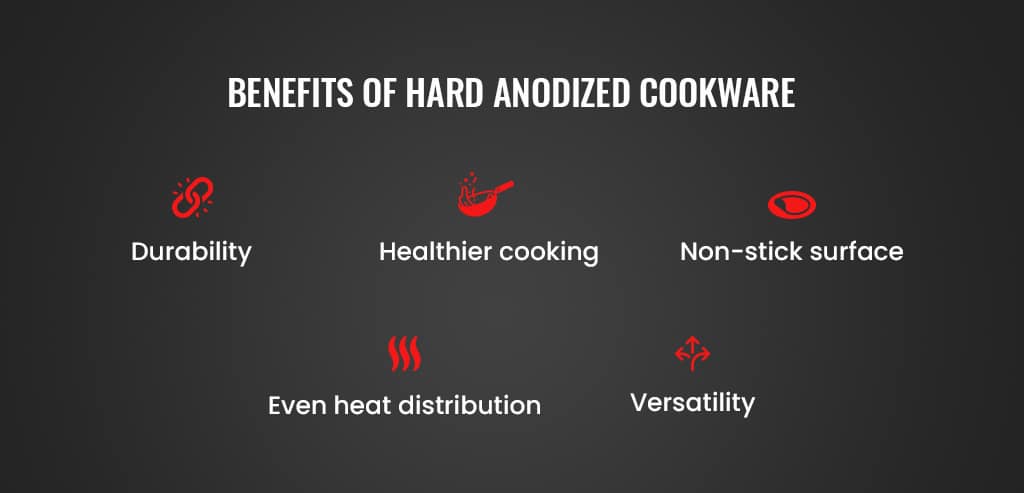
Hard anodized cookware offers superior durability, non-stick performance, and even heat distribution for everyday cooking. If you've ever struggled with food sticking to your pans or watched your cookware deteriorate after a few years, you're not alone. Many home cooks and professional chefs have discovered that hard anodized cookware delivers exceptional benefits that go far beyond what traditional non-stick options provide. This guide explores the real advantages of hard anodized cookware, why it's become a kitchen staple, and how it can transform your cooking experience with reliable performance and lasting value.
Understanding Hard Anodized Cookware
Hard anodized cookware is aluminum that has undergone an electrochemical process called anodization. This process creates an incredibly hard, non-porous surface layer on the aluminum base. The anodizing process involves passing an electrical current through the aluminum in a chemical bath, which thickens and densifies the naturally occurring oxide layer.
The resulting surface is exponentially harder than standard aluminum or non-anodized cookware. Think of it like creating a protective shield that bonds directly to the aluminum beneath it. This hard anodized coating makes the cookware more resistant to scratching, chipping, and general wear and tear that typically affects regular cookware over time.
Unlike traditional non-stick coatings that can be applied to cookware, the hard anodized surface is actually part of the material itself. This fundamental difference means that hard anodized cookware doesn't peel, flake, or deteriorate the way PTFE-coated non-stick cookware eventually does. The durability of hard anodized cookware is built into its very structure.
Superior Durability and Longevity
One of the most compelling hard anodized cookware benefits is its exceptional durability. Hard anodized cookware can last for decades with proper care, making it a smart investment for any kitchen. I've personally used a set of hard anodized pans for over ten years, and they still perform beautifully without any visible degradation.
The hard anodized surface is significantly harder than stainless steel and approximately three times harder than conventional aluminum. This means hard anodized cookware can withstand metal utensils, aggressive scrubbing, and dishwasher cycles without developing scratches or damage. The surface won't flake into your food or wear away gradually like standard non-stick coatings.
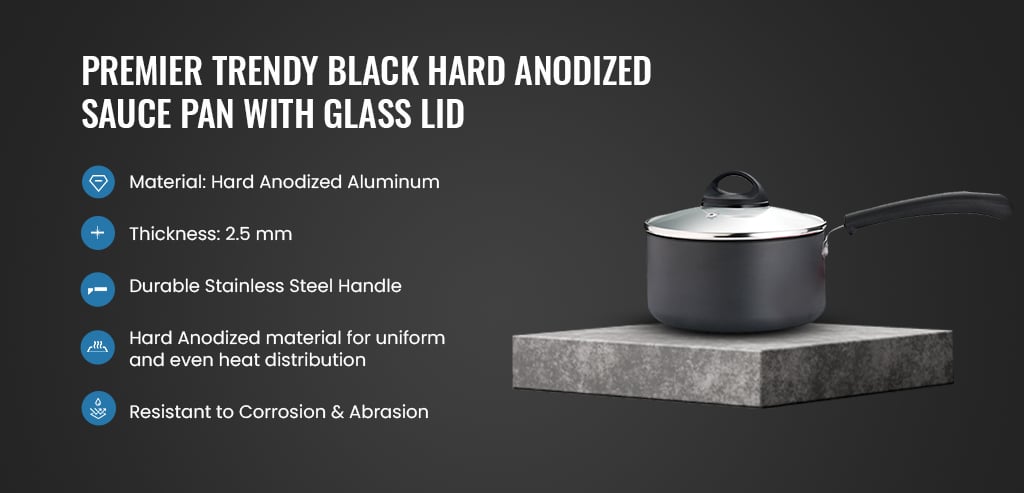
Hard anodized cookware benefits from its resistance to corrosion and oxidation. The protective layer prevents the aluminum underneath from reacting with acidic foods or moisture, which would otherwise cause pitting and deterioration. This is especially important if you regularly cook with tomato-based sauces, citrus, or wine, as these acidic ingredients can damage unprotected aluminum cookware.
Many manufacturers offer lifetime warranties on hard anodized cookware, reflecting confidence in its longevity. This level of warranty coverage is rarely seen with other cookware types and speaks volumes about the reliability and durability of hard anodized cookware. The investment you make today in quality hard anodized cookware can serve your family for generations.
Exceptional Heat Distribution and Cooking Performance
Hard anodized cookware offers outstanding heat distribution capabilities that make a real difference in cooking results. Aluminum is naturally one of the best heat-conducting metals, and hard anodized cookware leverages this advantage to provide even, responsive heating across the entire cooking surface. When heat distributes evenly, your food cooks more uniformly and predictably.
Unlike stainless steel, which has poor heat conductivity and often requires thick bottoms to distribute heat properly, hard anodized cookware heats up quickly and responds immediately to temperature changes. This responsiveness makes it ideal for tasks that require precise temperature control, such as searing meat, caramelizing vegetables, or preparing delicate sauces. The heat distribution benefits of hard anodized cookware extend to even cooking without hot spots that cause uneven browning.
Hard anodized cookware reaches cooking temperatures faster than heavier alternatives, which means reduced cooking times and lower energy consumption. This efficiency translates to faster meal preparation and lower utility bills over time. From my experience testing various cookware options, hard anodized pans heat up noticeably faster than comparable stainless steel cookware.
The superior heat conductivity of hard anodized cookware makes it particularly effective for both stovetop and oven cooking. Because the material responds quickly to temperature adjustments, you have better control over your cooking process. This benefit is especially valuable when you're working with recipes that demand consistent heat management throughout the cooking process.

Non-Stick Performance Without Compromise
The non-stick properties of hard anodized cookware represent another major advantage. A quality hard anodized surface provides excellent non-stick performance that rivals traditional non-stick cookware without the associated durability concerns. The hard anodized finish naturally creates a slick surface that food doesn't easily adhere to.
What makes this aspect of hard anodized cookware benefits particularly valuable is that the non-stick performance comes from the material's structure rather than a chemical coating. This means you don't have to worry about the non-stick surface flaking off into your food or degrading over time. The performance remains consistent year after year, even with regular use and cleaning.
Hard anodized cookware requires less oil and butter for cooking compared to stainless steel, making it an excellent choice for health-conscious cooks. You can prepare foods with minimal added fat while still achieving excellent browning and flavor development. This benefit has made hard anodized cookware increasingly popular among people watching their dietary intake.
The non-stick surface of hard anodized cookware makes cleanup remarkably easy. Food releases cleanly from the pan, and residue washes away with minimal effort. Unlike stainless steel cookware that can require soaking and scrubbing, hard anodized cookware typically needs just a quick rinse and light wash. This convenience factor alone makes hard anodized cookware attractive to busy home cooks.
Chemical Safety and Food Interaction
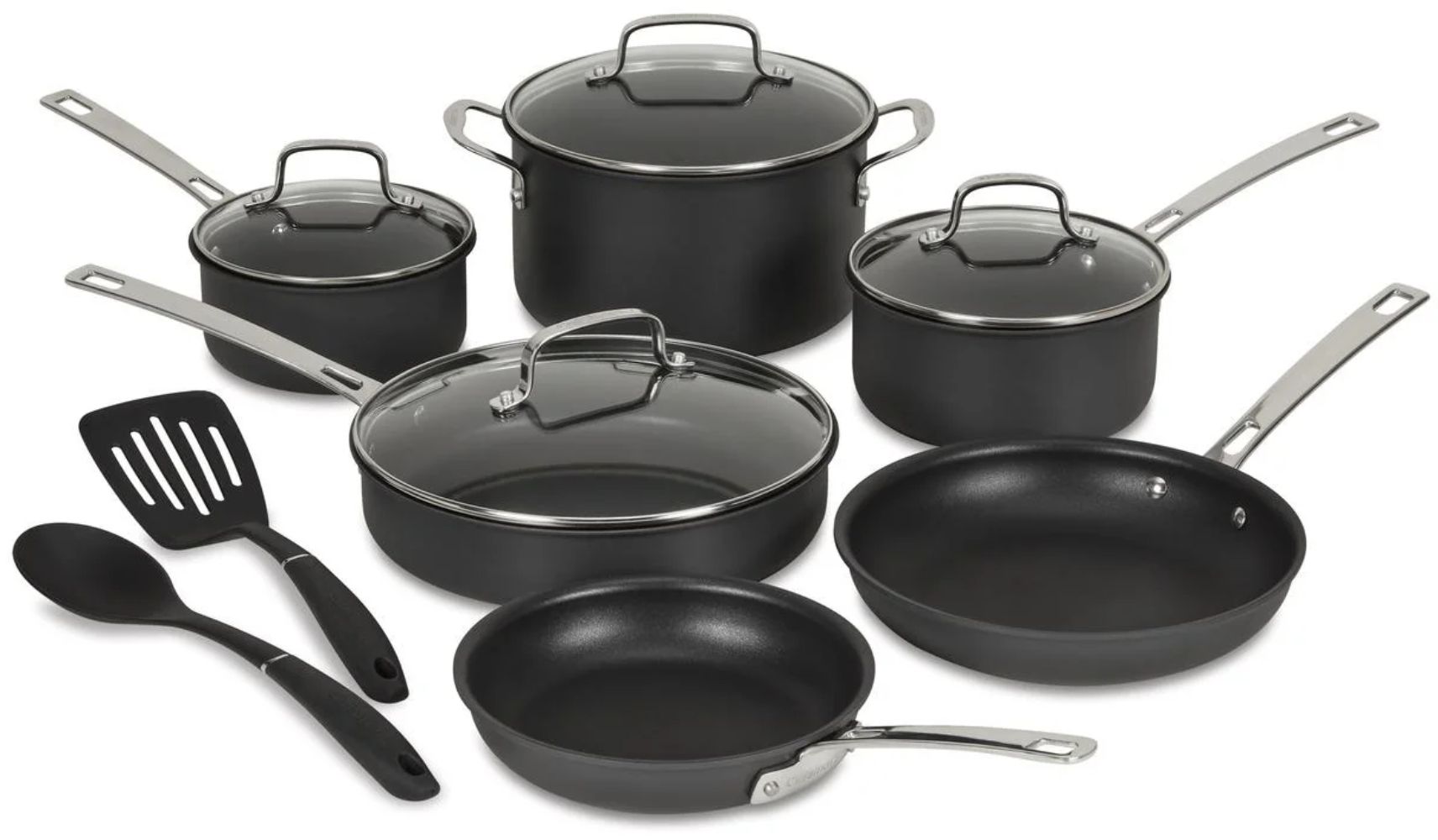
Hard anodized cookware benefits from excellent safety characteristics. The anodizing process creates a sealed, non-porous surface that doesn't interact with food or beverages. This is important because it means hard anodized cookware won't leach chemicals or metallic compounds into your food, regardless of what you're cooking.
Many people have concerns about aluminum cookware leaching aluminum into food, but hard anodized cookware addresses this worry completely. The thick oxide layer coating prevents any contact between the food and the underlying aluminum. The surface has been sealed and hardened to the point where chemical interaction with food is virtually impossible.
Hard anodized cookware is completely PFOA-free and PTFE-free, meaning it doesn't rely on chemical coatings for its non-stick properties. This makes hard anodized cookware an excellent choice for families concerned about synthetic chemicals in their kitchen. The hard anodized surface delivers non-stick performance through physical properties rather than chemical composition.
The safety profile of hard anodized cookware has been well-documented and tested by independent laboratories. Numerous studies confirm that hard anodized cookware maintains its integrity under normal cooking conditions and presents no health risks. This scientific backing provides additional confidence when choosing hard anodized cookware for your family's daily meals.
Versatility Across Different Cooking Methods
Hard anodized cookware benefits from remarkable versatility across various cooking applications. You can use hard anodized cookware on gas stoves, electric stovetops, induction cooktops, and in conventional ovens, making it adaptable to virtually any kitchen setup. This versatility means you can invest in hard anodized cookware regardless of your current cooking equipment.
Many hard anodized cookware sets are oven-safe to temperatures between 350 and 500 degrees Fahrenheit, depending on the manufacturer. This opens up cooking possibilities beyond stovetop preparation, allowing you to use hard anodized cookware for braising, finishing dishes under the broiler, or baking. The ability to move hard anodized cookware seamlessly from stovetop to oven streamlines cooking processes and reduces the need for multiple pans.
Hard anodized cookware handles acidic ingredients exceptionally well, unlike traditional aluminum which can pit and discolor when exposed to acidic foods. You can confidently prepare tomato-based dishes, vinaigrettes, citrus sauces, and wine reductions in hard anodized cookware without worrying about chemical reactions or flavor changes. This versatility makes hard anodized cookware suitable for virtually any recipe.
Professional chefs frequently choose hard anodized cookware for restaurants because of this versatility and reliability. The fact that professional kitchens depend on hard anodized cookware speaks to its performance across diverse cooking scenarios. You get the same professional-grade performance in your home kitchen with hard anodized cookware.
Cost-Effectiveness and Long-Term Value
While hard anodized cookware typically costs more upfront than basic non-stick alternatives, the cost-effectiveness of hard anodized cookware becomes clear when you calculate its value over time. A set of quality hard anodized cookware can provide reliable service for 20, 30, or even 50 years, whereas typical non-stick cookware might need replacement every 5 to 10 years.
The durability of hard anodized cookware means you're not constantly replacing worn-out pans or sets. This long-term perspective makes hard anodized cookware significantly more economical than repeatedly purchasing cheaper cookware that deteriorates quickly. When you divide the cost by the years of service, hard anodized cookware often proves less expensive than inferior alternatives over a lifetime.
Hard anodized cookware also saves money through improved cooking efficiency. The superior heat distribution means faster cooking times and lower energy consumption. These incremental savings add up substantially over years of regular cooking. Additionally, the non-stick properties mean you use less oil and butter, reducing food costs while improving health outcomes.
Many people find that investing in hard anodized cookware eliminates the frustration of constantly dealing with peeling non-stick coatings or rust spots on stainless steel. The convenience and reliability of hard anodized cookware contribute to its value proposition. From a practical standpoint, hard anodized cookware represents smart money management for your kitchen.
Maintenance and Care Considerations
Caring for hard anodized cookware is straightforward and doesn't require special procedures. You can hand wash hard anodized cookware with mild soap and warm water, or safely place most hard anodized cookware in the dishwasher. The hard anodized surface withstands both washing methods without degradation. This ease of maintenance is one of the practical hard anodized cookware benefits appreciated by everyday cooks.
Hard anodized cookware handles metal utensils without concern, unlike traditional non-stick cookware that requires wooden or silicone utensils. You can freely use metal spoons, spatulas, and whisks when cooking with hard anodized cookware. This freedom in tool selection makes cooking more convenient and doesn't require maintaining separate utensil collections.
To maintain the non-stick properties of hard anodized cookware, occasional seasoning with oil can enhance performance, though this is optional rather than required. Simply wipe a thin layer of neutral oil around the cooking surface occasionally to refresh the non-stick finish. This simple maintenance step keeps your hard anodized cookware performing at peak efficiency.
Hard anodized cookware doesn't require special storage considerations. You can stack your pans normally without worry about damage or chipping. The robust surface of hard anodized cookware withstands typical kitchen storage and handling that might damage more delicate cookware types. This practical advantage makes hard anodized cookware fit seamlessly into normal kitchen routines.
:max_bytes(150000):strip_icc()/faw-product-kitchenaid-hard-anodized-induction-10-piece-nonstick-cookware-set-14-wdickey-267-9b89ff5018cb4aca8cc6fa57ed6fd878.jpeg)
Comparison with Other Cookware Types
Hard anodized cookware stands apart from several popular cookware options in meaningful ways. Compared to traditional non-stick cookware with PTFE coatings, hard anodized cookware lasts significantly longer without peeling or flaking. While traditional non-stick cookware might seem attractive initially due to lower cost, the need for frequent replacement undermines its value proposition compared to hard anodized cookware.
Stainless steel cookware offers durability but lacks the heat conductivity and non-stick convenience of hard anodized cookware. Stainless steel requires more oil and butter for cooking, heats unevenly without thick, expensive bottoms, and demands more effort during cleanup. Hard anodized cookware delivers the best features of both stainless steel and non-stick options while minimizing their drawbacks.
Ceramic non-stick cookware has emerged as an alternative but often flakes or chips more easily than hard anodized cookware. Ceramic coatings can also wear off faster with regular use. Hard anodized cookware offers superior durability compared to ceramic coatings while maintaining comparable non-stick performance. The longevity advantage clearly favors hard anodized cookware for long-term kitchen use.
Cast iron cookware provides durability but requires seasoning maintenance and is heavy and difficult to manage. Hard anodized cookware delivers durability without the extensive maintenance requirements or weight concerns. While cast iron offers excellent heat retention, hard anodized cookware provides more responsive heating and greater cooking versatility. Most modern cooks prefer the balance that hard anodized cookware offers.
Frequently Asked Questions
Is hard anodized cookware safe for everyday cooking?
Absolutely, hard anodized cookware is completely safe for everyday cooking. The anodized surface seals the aluminum completely, preventing any leaching into food. Multiple scientific studies confirm that hard anodized cookware maintains its integrity under normal cooking conditions and poses no health risks.
Can you use metal utensils on hard anodized cookware?
Yes, one of the great advantages of hard anodized cookware is that you can use metal utensils without causing damage. The hard anodized surface is significantly harder than most metals, so metal spoons, spatulas, and whisks won't scratch or damage the pan. This freedom is a major convenience factor compared to traditional non-stick cookware.
How long does hard anodized cookware typically last?
Hard anodized cookware can easily last 20 to 50 years or more with proper care. Many manufacturers offer lifetime warranties on hard anodized cookware, reflecting confidence in its durability. This exceptional longevity makes hard anodized cookware a worthwhile investment for your kitchen.
Is hard anodized cookware dishwasher safe?
Most quality hard anodized cookware is dishwasher safe, though hand washing is often recommended to extend the non-stick performance. The hard anodized surface won't be damaged by dishwashers, but hand washing helps preserve the seasoning and non-stick properties over time. Always check the manufacturer's specific care instructions for your cookware set.
Does hard anodized cookware work on induction cooktops?
Not all hard anodized cookware works on induction cooktops because induction requires magnetic cookware. However, many manufacturers produce hard anodized cookware with ferromagnetic bases specifically designed for induction cooking. When shopping for hard anodized cookware, check the product specifications to confirm induction compatibility if that's important for your kitchen.
What makes hard anodized cookware better than non-stick coated pans?
Hard anodized cookware outperforms traditional non-stick coated pans primarily in durability and longevity. While both offer non-stick surfaces, hard anodized cookware's non-stick properties come from the material's structure rather than a chemical coating that can peel or flake. Hard anodized cookware also allows use of metal utensils and maintains consistent performance for decades.
Conclusion
Hard anodized cookware represents a smart investment in kitchen quality that combines durability, performance, and safety in one package. The exceptional benefits—from superior heat distribution to long-lasting non-stick performance—make hard anodized cookware worth the initial investment. When you factor in the decades of reliable service and reduced need for replacement, hard anodized cookware proves to be the most economical choice over time.
The evidence from both professional kitchens and home cooks demonstrates that hard anodized cookware delivers real value that extends far beyond initial purchase. Whether you're upgrading your entire cookware collection or adding a few key pieces, choosing hard anodized cookware means investing in tools that will serve you reliably for years to come.
Take action today by evaluating your current cookware situation and considering how hard anodized cookware might improve your cooking experience. Start with one or two key pieces to experience the benefits firsthand, or explore full cookware sets from reputable manufacturers. Your kitchen deserves cookware that performs consistently, and hard anodized cookware delivers exactly that. Share your cookware journey in the comments below or explore additional kitchen resources to make the most of your culinary space.

Leave a Reply