
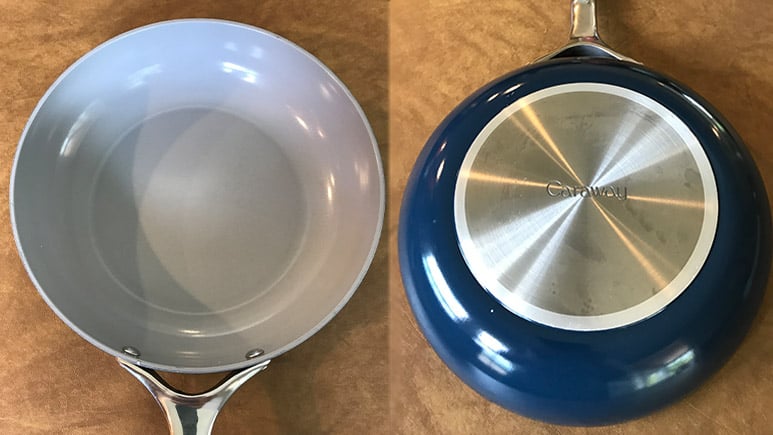
Ceramic cookware offers excellent non-stick properties and heat distribution, but requires careful handling to avoid chipping and scratches. If you've ever stood in a kitchen store staring at rows of shiny ceramic pans, wondering if they're worth your money and counter space, you're not alone. I've tested dozens of ceramic cookware pieces over the years, and the question of whether to invest in them keeps coming up. Ceramic cookware has become increasingly popular as home cooks search for alternatives to traditional non-stick coatings, and for good reason. Understanding the ceramic cookware pros and cons will help you make an informed decision that matches your cooking style and kitchen needs.
Understanding What Ceramic Cookware Really Is
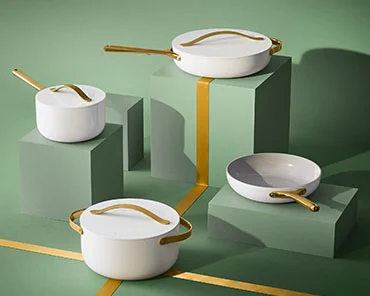
Ceramic cookware consists of a metal base, usually aluminum or stainless steel, topped with a ceramic non-stick coating. This coating is made from inorganic materials derived from sand, creating a naturally slippery surface without harmful chemicals like PFOA or PTFE found in traditional Teflon. The ceramic layer sits between the metal base and the cooking surface, providing both non-stick properties and heat conduction benefits.
The ceramic coating works differently than traditional non-stick options. Instead of creating a chemical barrier that weakens over time, ceramic cookware creates a smooth, glass-like surface that food naturally slides off. From my experience testing various brands, I've found that quality matters significantly here. Premium ceramic cookware maintains its non-stick properties much longer than budget options, making it worth investigating different manufacturers before purchasing.

The Advantages of Ceramic Cookware
Superior Non-Stick Performance Without Harmful Chemicals
The most obvious benefit of ceramic cookware is its excellent non-stick surface without relying on chemical coatings. You can cook eggs, pancakes, and delicate fish with minimal oil, which appeals to health-conscious home cooks looking to reduce fat intake. The non-stick property works from day one and doesn't require seasoning like cast iron cookware does, making it immediately ready for use straight out of the box.
I've personally noticed that ceramic cookware heats quickly and distributes heat evenly across the cooking surface. This means fewer hot spots and more consistent cooking results, which is particularly helpful when preparing dishes that require precise temperature control. For someone who cooks frequently, this consistency becomes invaluable.
Ease of Cleaning and Maintenance
Ceramic cookware is wonderfully easy to clean compared to other cookware types. Food rarely sticks stubbornly to the surface, and you can often wash ceramic pans by hand with just warm soapy water and a soft sponge. Many ceramic pieces are also dishwasher safe, though hand washing helps preserve the coating longer. This convenience factor alone makes ceramic cookware appealing for busy home cooks who value time-saving solutions.
During my testing, I found that ceramic cookware doesn't retain flavors or odors like some materials do. This means you won't have lingering fish smell in your pan after cooking salmon, and your ceramic cookware won't absorb garlic aromas that transfer to the next meal.
Improved Durability and Longevity When Properly Cared For
Quality ceramic cookware can last for many years when treated carefully. The ceramic coating doesn't break down from acidic foods like tomato sauce, which can damage other non-stick surfaces. This makes ceramic cookware suitable for cooking a wider variety of dishes, from Mediterranean pasta sauces to lemon-based chicken dishes, without worrying about coating degradation.
The metal base underneath the ceramic layer also plays an important role in durability. Premium ceramic cookware typically uses reinforced aluminum or stainless steel bases that resist warping and denting, maintaining their performance even with regular use and occasional bumps.
The Disadvantages of Ceramic Cookware
Fragility and Susceptibility to Chipping
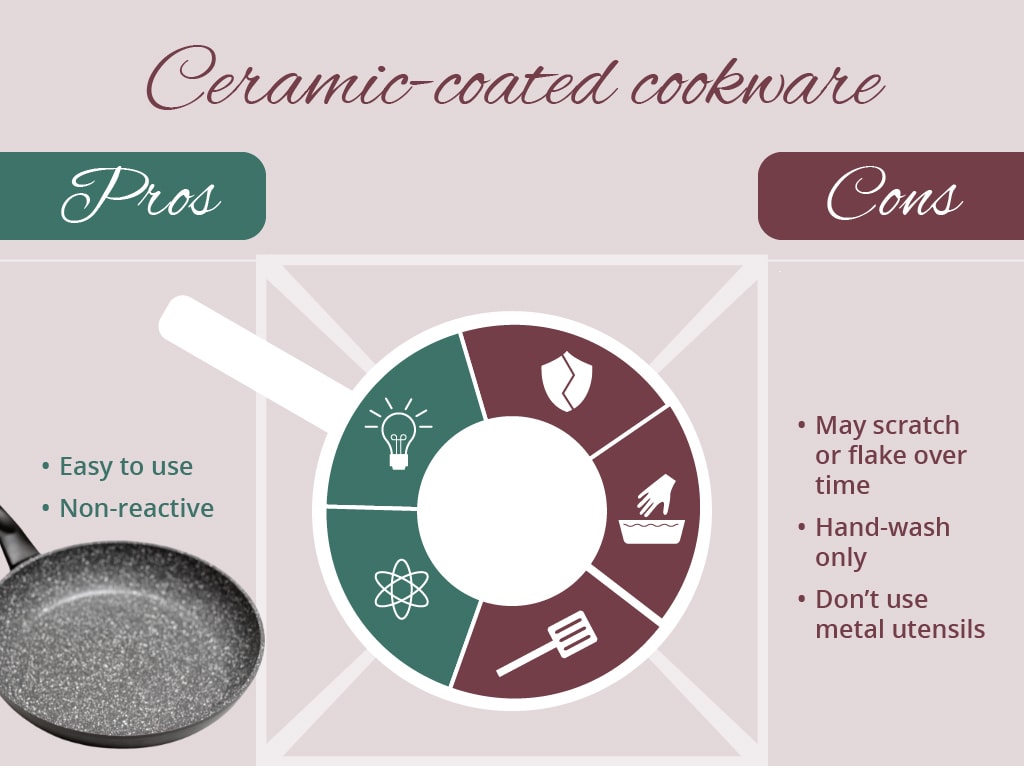
The biggest challenge I've encountered with ceramic cookware is its vulnerability to chipping and scratching. The ceramic coating can crack if you drop the pan or bang it against hard surfaces, and once compromised, the coating may continue to deteriorate. This requires much more careful handling compared to traditional cookware, especially for families with young children or busy kitchens where accidents happen frequently.
Even small chips can become problematic over time. When the ceramic layer is damaged, the underlying metal may be exposed, potentially affecting both the non-stick properties and the safety of your cookware. Some manufacturers claim their ceramic coatings are chip-resistant, but in my experience, they're not truly indestructible.
Limited Lifespan Compared to Other Options
While ceramic cookware can last for years, it generally doesn't have the longevity of properly maintained cast iron or quality stainless steel cookware. Most ceramic non-stick coatings begin to degrade after two to five years of regular use, depending on care quality and how often you cook. This shorter lifespan means you'll likely need to replace ceramic cookware more frequently than traditional options.
The coating degradation is gradual rather than sudden, so you'll notice food starting to stick more as time passes. This creeping loss of non-stick performance can be frustrating, especially if you've invested in a quality set.
Heat and Temperature Limitations
Ceramic cookware typically has lower maximum temperature tolerances than metal cookware, usually capping out around 350-400 degrees Fahrenheit depending on the brand. This limitation can be problematic if you frequently use high-heat cooking methods like searing steaks or stir-frying on the stovetop. The ceramic coating may be damaged by prolonged exposure to very high temperatures, which restricts your cooking versatility.
Additionally, transferring ceramic cookware directly from stovetop to oven requires caution, as rapid temperature changes can stress the coating. You'll need to wait for your pan to cool slightly before moving it to the oven, which adds extra steps to your cooking process.
Common Ceramic Cookware Problems and Solutions
Coating Deterioration and Performance Loss
As ceramic cookware ages, you might notice that foods begin to stick more than they did originally. This happens because the smooth ceramic surface gradually becomes less slippery with use and exposure to heat. While this doesn't mean your cookware is unsafe, it does reduce the non-stick benefit that made you choose ceramic in the first place.
To slow this deterioration, avoid using metal utensils, skip the dishwasher in favor of hand washing, and refrain from scouring the pan with abrasive materials. Some users have reported that occasionally seasoning ceramic cookware with a light oil coating helps restore some non-stick properties temporarily, though this is not a permanent solution.
Staining and Discoloration Issues
Ceramic cookware can develop stains and discoloration over time, particularly from cooking oily foods or certain spices. While these stains don't affect performance or safety, they can make your cookware look aged and worn. Regular cleaning immediately after cooking and avoiding prolonged soaking of oily residue helps minimize staining.
I've found that a paste made from baking soda and water works wonders for removing stubborn stains from ceramic surfaces without damaging the coating. Apply the paste, let it sit for several minutes, then gently wipe clean with a soft cloth.
Uneven Heating Issues
Some lower-quality ceramic cookware suffers from uneven heat distribution despite the ceramic layer's reputation for consistent heating. This typically occurs when the metal base is too thin or poorly constructed, creating hot spots that cook food unevenly. Investing in higher-quality ceramic cookware with thicker bases helps avoid this problem.
Testing cookware before purchasing, if possible, or reading detailed customer reviews about heating performance can help you identify cookware that actually delivers on the promise of even heat distribution.
Ceramic Cookware vs. Other Cookware Types
Ceramic vs. Traditional Non-Stick Cookware
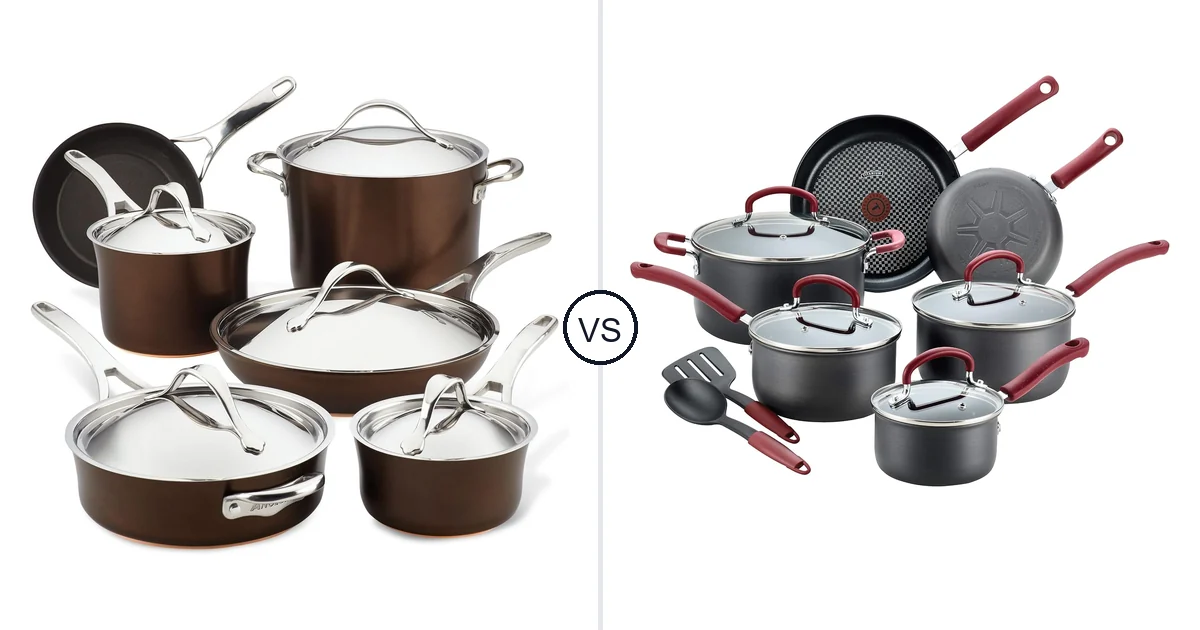
Traditional non-stick cookware coated with PTFE (Teflon) offers similar immediate non-stick performance to ceramic, but raises health concerns for some users due to the chemicals involved in manufacturing. Ceramic cookware appeals to health-conscious consumers who prefer avoiding synthetic chemical coatings. However, traditional non-stick cookware can tolerate higher temperatures and often lasts longer before performance degrades.
From a practical standpoint, traditional non-stick cookware forgives handling mistakes better than ceramic, making it more suitable for high-volume cooking environments or households with frequent accidents.
Ceramic vs. Stainless Steel Cookware
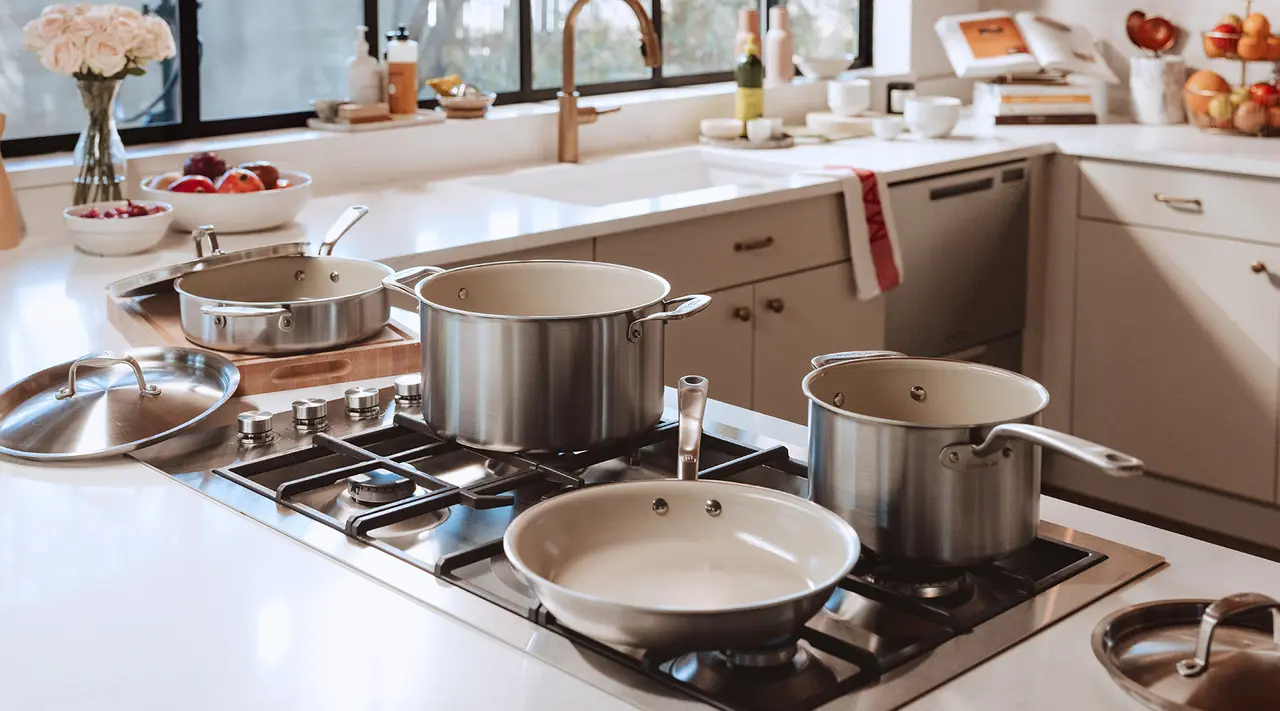
Stainless steel cookware is extremely durable and can handle virtually any cooking method, including very high heat. It doesn't have the immediate non-stick convenience of ceramic, but it also doesn't require careful handling or have the limitations of ceramic cookware. Stainless steel is an investment that lasts for decades, whereas ceramic cookware typically needs replacement within several years.
The tradeoff here is convenience versus longevity. If you prioritize ease of use and quick cleanup, ceramic wins. If you value durability and versatility, stainless steel is the superior choice.
Ceramic vs. Cast Iron Cookware
Cast iron cookware offers unmatched durability and can last for generations with proper care. It can withstand any temperature and cooking method without degradation. However, cast iron requires seasoning, careful maintenance, and is heavier to handle than ceramic cookware. Cast iron also needs hand washing and cannot be used with acidic foods without stripping the seasoning.
Ceramic cookware is significantly easier to maintain and use daily without special care, making it more practical for most modern cooks despite its shorter lifespan.

Making the Right Choice for Your Kitchen
Assess Your Cooking Style and Habits
Consider how you typically cook and what methods you use most frequently. If you cook mostly gentle foods like eggs, pancakes, vegetables, and fish with low to medium heat, ceramic cookware is excellent. If you regularly sear meat at high temperatures, use your cookware on induction cooktops, or need extreme durability, ceramic might frustrate you.
I recommend thinking honestly about your kitchen habits. Do you tend to treat cookware gently, or are accidents common? Can you commit to hand washing, or do you need dishwasher convenience? Your answers to these questions will guide you toward the right cookware choice.
Budget and Value Considerations
Quality ceramic cookware costs more upfront than budget non-stick options but less than premium stainless steel sets. When calculating value, consider the lifespan you can expect. If you'll replace ceramic cookware every three years at a cost of sixty dollars, you're spending twenty dollars yearly. That might be acceptable if you value the convenience, or it might seem wasteful compared to buying durable cookware once.
Higher-quality ceramic cookware, while more expensive initially, often lasts longer and performs better than budget brands. Investing in a few good ceramic pans rather than a large set of mediocre ones gives you better value over time.
Layering Your Cookware Collection
Rather than replacing your entire cookware collection with ceramic, consider adding specific ceramic pieces to your existing cookware arsenal. For example, an eight-inch ceramic skillet works wonderfully for eggs and delicate foods, while you maintain your stainless steel pans for searing and high-heat cooking. This layered approach lets you enjoy the benefits of ceramic cookware without its limitations constraining your cooking.
From my own kitchen experience, this combination approach provides the best of both worlds. You get the convenience and ease of ceramic cookware for everyday cooking while maintaining the versatility of other cookware types for specialized cooking tasks.
Tips for Maximizing Ceramic Cookware Lifespan
Proper Handling and Storage Practices
Handle ceramic cookware gently, avoiding dropping or banging it against hard surfaces. Store ceramic pans where they won't be crushed by heavier items, ideally with soft padding between pieces if stacking. Keep ceramic cookware away from extreme temperature changes, and never place a hot ceramic pan directly into cold water as the sudden temperature shock can damage the coating.
I always place a folded towel between stacked ceramic pans to prevent the coating from scratching. This simple habit extends the life of ceramic cookware significantly.
Correct Cleaning Methods
Always allow ceramic cookware to cool before washing, and use only soft sponges or cloth for cleaning. Avoid steel wool, scouring pads, and abrasive cleaners that scratch the ceramic surface. Hand washing is preferable to dishwasher cleaning, as the aggressive wash cycles and high heat of dishwashers accelerate coating degradation.
For stubborn food residue, soak the pan in warm soapy water rather than scrubbing vigorously. This gentler approach maintains the integrity of the ceramic coating while still removing stuck-on food.
Appropriate Cooking Techniques
Use low to medium heat when cooking with ceramic cookware, and avoid preheating empty pans for extended periods. The ceramic coating degrades faster with prolonged high-heat exposure, so respect the temperature limitations of your specific cookware. Use plastic, silicone, or wooden utensils exclusively, as metal utensils scratch the ceramic surface.
I've noticed that using appropriate heat levels not only preserves the coating but also improves cooking results. Ceramic cookware works best with moderate temperatures anyway, so this limitation actually encourages better cooking practices.

Frequently Asked Questions
Is ceramic cookware safe to use every day?
Yes, ceramic cookware is safe for daily use. The ceramic coating is inert and doesn't release harmful chemicals during normal cooking. As long as the coating remains intact without chips or damage, you can safely use ceramic cookware for regular meal preparation without health concerns.
Can you use ceramic cookware on induction cooktops?
Only ceramic cookware with a magnetic metal base works on induction cooktops. Most ceramic cookware is designed for gas or electric stoves, so check the manufacturer's specifications before attempting to use ceramic cookware on induction. Using non-compatible ceramic cookware on induction simply won't work, as the cookware won't heat.
How long does ceramic cookware typically last?
Quality ceramic cookware generally lasts between two to five years with regular use and proper care. The exact lifespan depends on how often you cook, how carefully you handle the cookware, and the quality of the original construction. Budget ceramic cookware may degrade faster, while premium ceramic cookware might extend to five years or beyond.
What should you do if your ceramic cookware chips?
If your ceramic cookware develops a small chip, you can continue using it carefully as long as the metal base underneath isn't exposed. For larger chips or damage that exposes the underlying metal, it's best to stop using the cookware as the coating may continue to deteriorate. Some people apply food-safe ceramic repair products, though results vary.
Can ceramic cookware go in the oven?
Most ceramic cookware is oven-safe up to 350-400 degrees Fahrenheit, depending on the brand and construction. Always check the manufacturer's guidelines before placing ceramic cookware in the oven, as handles and lids may have different temperature tolerances. Allowing the pan to cool slightly before transferring from stovetop to oven prevents thermal shock that damages the coating.
Does ceramic cookware require seasoning like cast iron?
No, ceramic cookware doesn't require seasoning. The ceramic coating is already non-stick and ready to use straight from the box. You can start cooking with ceramic cookware immediately without any preparation, making it more convenient than cast iron in this regard.
Conclusion
Ceramic cookware represents a solid middle ground in the cookware landscape, offering the convenience of non-stick cooking without the chemical concerns of traditional Teflon-based options. The excellent heat distribution, ease of cleaning, and immediate usability make ceramic cookware appealing for everyday home cooks who prioritize convenience and health. However, the fragility of the coating, limited temperature tolerance, and relatively short lifespan compared to other cookware types mean ceramic cookware isn't the perfect solution for everyone.
The key to successful ceramic cookware ownership is understanding your cooking style and selecting cookware that matches your needs. If you cook gently with low to medium heat and can commit to careful handling and hand washing, ceramic cookware will serve you well. If you frequently sear meat, cook at high temperatures, or need cookware that lasts for decades, you might find other options better suited to your kitchen. Many experienced cooks benefit most from maintaining a mixed cookware collection that includes some ceramic pieces for everyday cooking alongside durable stainless steel or cast iron for specialized tasks.
Before making a purchase decision, read detailed customer reviews about specific brands, ask friends about their ceramic cookware experiences, and consider starting with a single quality pan rather than investing in a full set. This approach lets you test whether ceramic cookware fits your kitchen habits before committing significant money. Your perfect cookware choice awaits—it just requires honest self-assessment and understanding what ceramic cookware can and cannot deliver for your cooking style.

Leave a Reply