
Investing in the right cookware is one of the easiest ways to prepare nutritious meals while reducing harmful chemicals in your food. Whether you're just starting your healthy eating journey or you've been at it for years, the cookware you choose plays a bigger role than most people realize. The materials touching your food, the heat distribution, and even the non-stick coating can impact not just how your meals taste, but also how healthy they actually are. Let me walk you through everything you need to know about selecting cookware that truly supports your wellness goals, based on years of kitchen experience and research into what actually works.
Understanding Healthy Cookware Materials
When you walk into a kitchenware store or browse online, you'll see countless options that claim to be "healthy." The truth is, different materials have different benefits and drawbacks. Understanding what goes into your cookware helps you make choices that align with your health priorities.
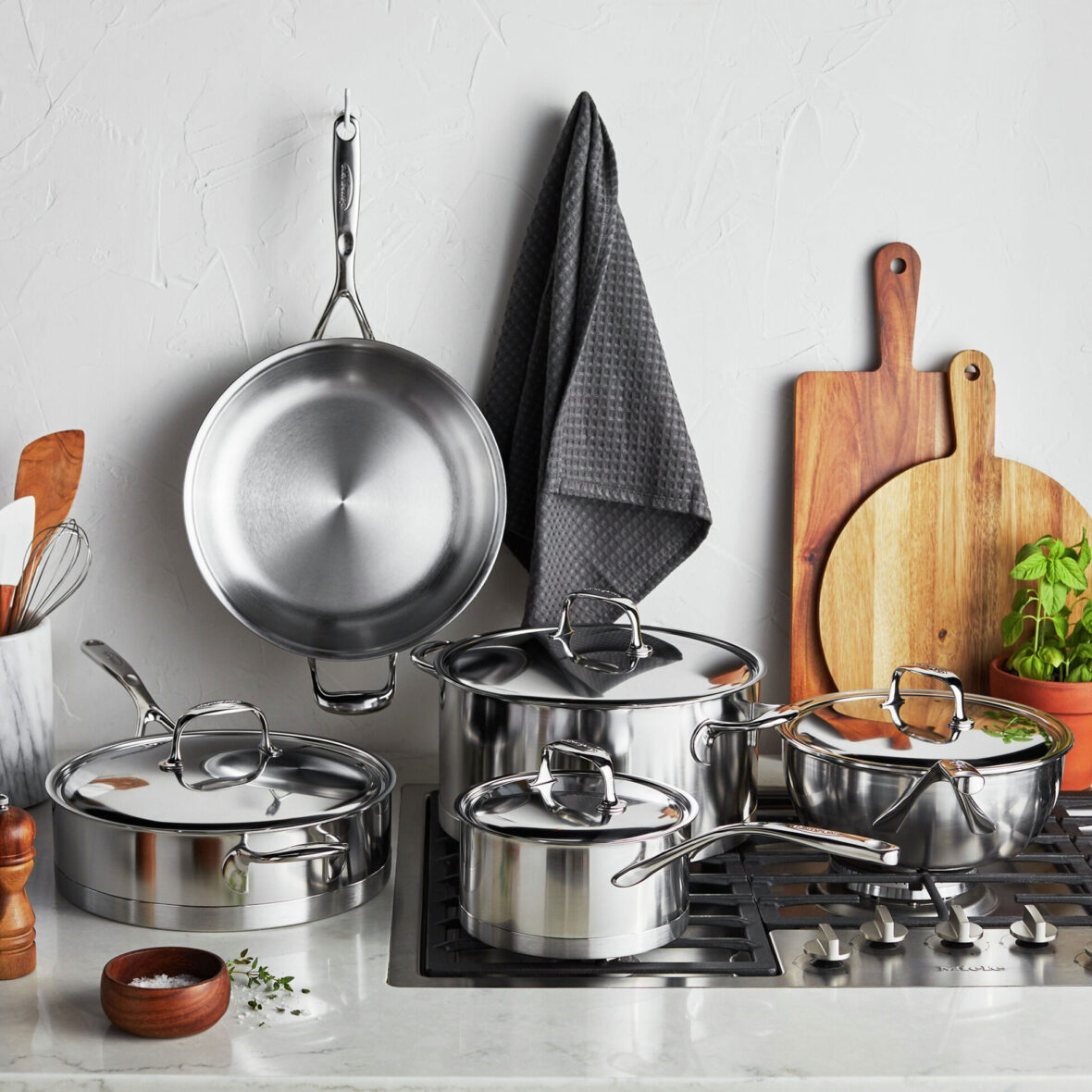
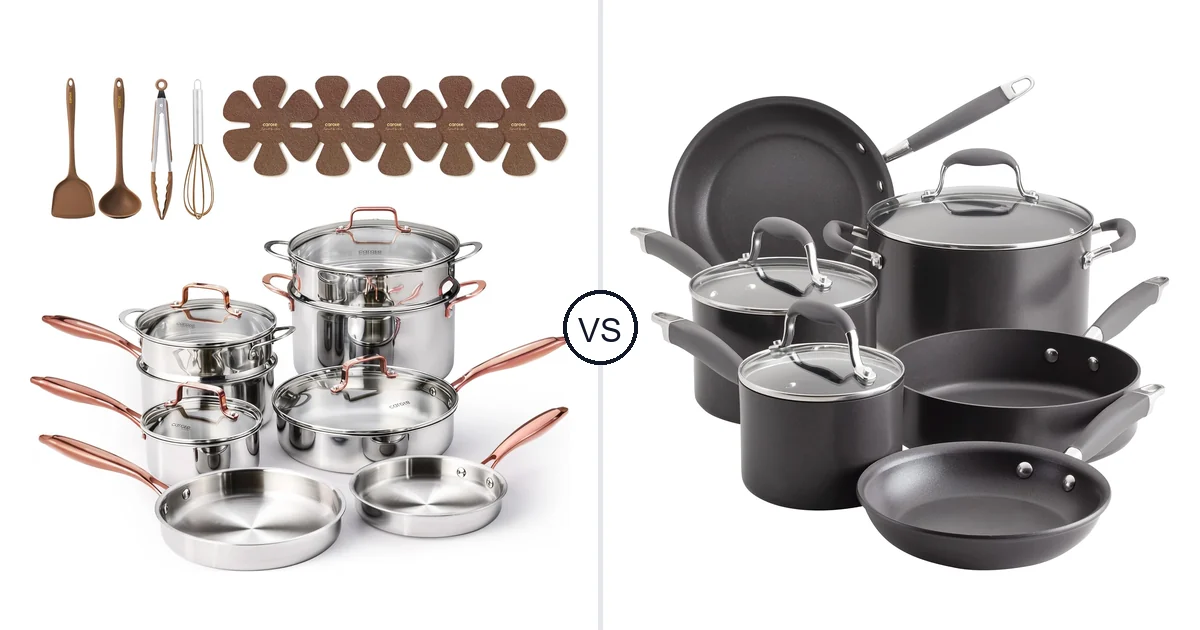
Stainless steel has been a kitchen staple for decades, and for good reason. It's durable, doesn't leach chemicals into your food, and handles high heat beautifully. The downside? It doesn't distribute heat evenly on its own, which is why quality stainless steel cookware often has a copper or aluminum core. When I switched to quality stainless steel pots and pans, I noticed my cooking improved because the even heat distribution meant fewer hot spots and more consistent results.
Cast iron is another powerhouse for healthy cooking. Beyond being incredibly durable, cast iron actually adds small amounts of iron to your food, which can be beneficial, especially for those with iron deficiencies. A well-seasoned cast iron skillet becomes naturally non-stick over time, eliminating the need for artificial coatings. I've had the same cast iron pan for over a decade, and it cooks better now than when I first bought it.
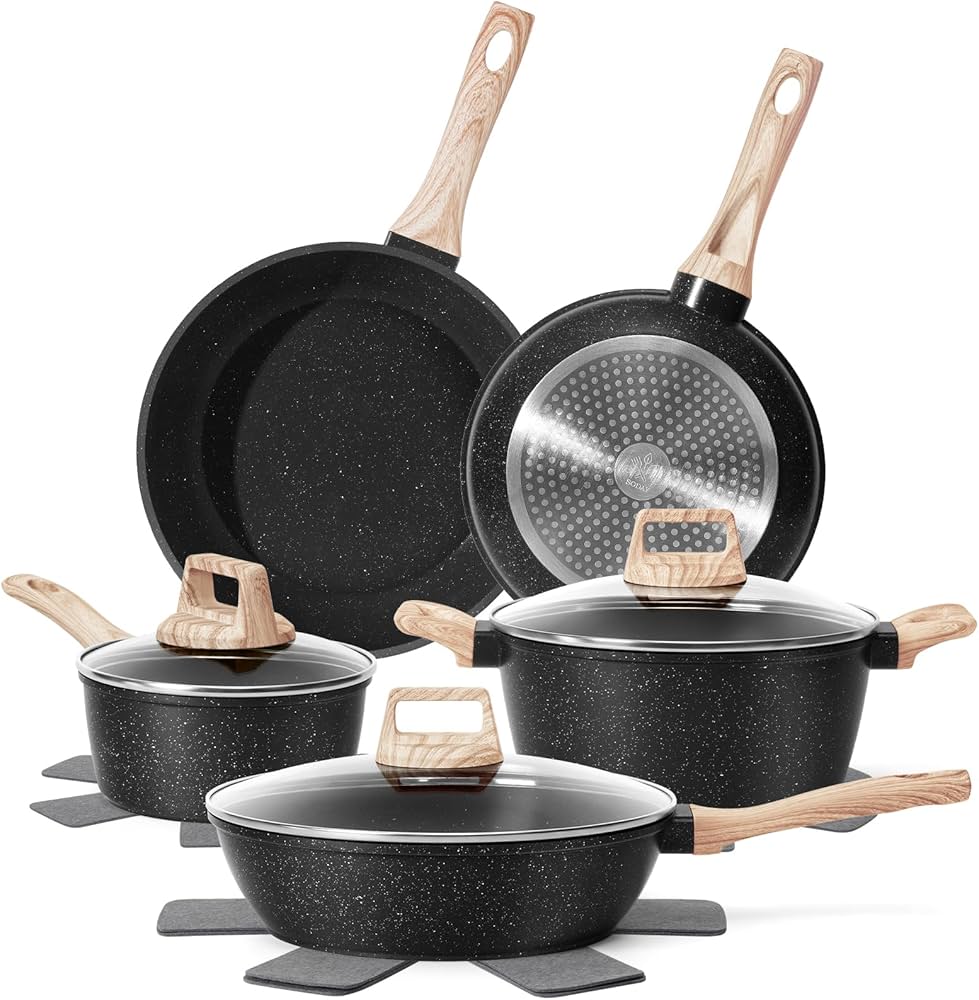
Ceramic cookware offers a non-toxic alternative to traditional non-stick surfaces. The ceramic coating doesn't contain PTFE or PFOA, chemicals that some people prefer to avoid. However, ceramic can chip over time, and it requires more careful handling than other materials. From my experience, ceramic works wonderfully for everyday cooking as long as you're gentle with it.
Glass and stainless steel combinations provide excellent visibility while cooking and don't interact with your food chemically. They're particularly useful for dishes that sit for extended periods, like braised meats or slow-simmered soups.

Non-Stick Coatings and Food Safety
The conversation around non-stick cookware has evolved significantly over the past decade. Understanding what's safe and what to avoid is crucial when choosing cookware for healthy cooking.
Traditional non-stick coatings used PTFE (polytetrafluoroethylene, commonly known as Teflon) as their base. For years, there were concerns about PFOA (perfluorooctanoic acid), a chemical used in manufacturing that could potentially leach into food at extremely high temperatures. Most manufacturers have phased out PFOA-based coatings, but it's worth checking your cookware's specifications.
Modern non-stick alternatives have improved dramatically. Ceramic coatings are PFOA-free and don't break down at normal cooking temperatures. Some brands now offer plant-based or mineral-derived non-stick surfaces that provide the convenience of traditional non-stick without the chemical concerns.
Here's a practical tip: if you're using non-stick cookware, keep your heat at medium or medium-high. Non-stick surfaces work best at lower temperatures anyway, and avoiding extreme heat reduces any theoretical risk while extending your cookware's life. I've found that respecting the temperature limits of non-stick pans actually makes them last longer and cook more effectively.
If you have lingering concerns about any non-stick coating, cast iron and stainless steel are foolproof alternatives that require no chemical coatings at all.

Heat Distribution and Cooking Performance
One aspect of healthy cooking that people often overlook is how evenly your cookware distributes heat. Poor heat distribution means hot spots where food can burn, while other areas don't cook properly. This affects not just the taste of your food, but also its nutritional value.
Cookware with a thick base and multi-layered construction distributes heat far more evenly than thin, single-layer pans. When you're cooking vegetables, even heat means they caramelize beautifully rather than burning in some spots while staying raw in others. Properly caramelized vegetables retain more nutrients and develop deeper flavors through the Maillard reaction.
Copper is an excellent heat conductor and distributes warmth evenly across the cooking surface. Clad stainless steel with copper cores combines the non-reactive properties of stainless steel with the superior heat conductivity of copper. Aluminum cores work similarly well but are less expensive than copper.
The weight of the cookware also matters. Heavier pans generally distribute heat more evenly because they have more mass to absorb and spread temperature. When I transitioned to heavier, multi-clad cookware, the improvement in cooking consistency was noticeable immediately.

Cookware Size and Capacity Considerations
Choosing the right size cookware might seem straightforward, but it actually impacts your cooking efficiency and the quality of your meals. A well-matched pan and task combination makes healthy cooking feel effortless.
For everyday cooking, a 10-inch skillet handles most proteins and vegetables with ease. This is probably the most versatile size in any kitchen. If you cook for a larger family or enjoy batch cooking, an 12-inch skillet provides extra capacity without taking up too much storage space.
Saucepans typically come in 2 to 4-quart capacities. A 3-quart saucepan is the sweet spot for most households, suitable for making sauces, cooking pasta, or simmering soups. A smaller 2-quart pan is perfect for heating individual portions or making smaller batches of grains.
Dutch ovens and large stockpots serve different purposes. A 5 to 6-quart Dutch oven works beautifully for braising, roasting vegetables, and one-pot meals. If you make soups and stocks regularly, a 12-quart stockpot is worth the investment. I use my Dutch oven constantly because it transitions seamlessly from stovetop to oven, making it incredibly versatile for healthy meal preparation.

Budget-Friendly Approaches to Healthy Cookware
Building a collection of healthy cookware doesn't require breaking the bank. Strategic choices let you create a functional kitchen without overspending.
Start with the basics. A quality stainless steel skillet, a saucepan, and one larger pot will handle about 80% of home cooking. You don't need a dozen pieces right away. Adding pieces gradually as you discover what you actually use prevents wasted money on cookware that sits unused.
Premium brands like Le Creuset, All-Clad, and Staub make exceptional cookware, but so do mid-range manufacturers. Many offer quality construction and materials at half the price. Brands like Tramontina, Lodge cast iron, and some stainless steel lines from mainstream retailers provide excellent value without compromising on materials or safety.
Consider buying individual pieces rather than full sets. Cookware sets often include items you'll never use, and you're paying for the convenience of packaging rather than the quality of the products. My most-used pieces came from mixing and matching items, and I've saved considerable money compared to buying matching sets.
Second-hand vintage cookware can be an excellent option, particularly for cast iron and stainless steel. Quality cookware from decades past often outperforms new budget options. If you find pre-owned pieces from reputable manufacturers, you're usually getting durability at a fraction of retail cost.

Maintenance and Longevity
Proper care extends your cookware's life and keeps it functioning safely. Different materials require different approaches, but the investment in maintenance pays dividends.
Stainless steel cookware should be hand-washed or placed in the dishwasher, depending on the manufacturer's recommendations. Most quality stainless steel handles both methods well. To prevent water spots, dry it immediately after washing. I've found that a little vinegar added to the rinse water prevents mineral buildup, particularly if you have hard water.
Cast iron requires a different approach but is simpler than many people think. Clean it while it's still warm with hot water and a brush or cloth, then dry it thoroughly. After washing, add a tiny amount of oil to maintain the seasoning. Never use soap or let it sit wet, as these actions can strip the seasoning and cause rust. Properly maintained cast iron actually improves with age.
Ceramic non-stick cookware needs gentle handling to prevent chips. Use wooden or silicone utensils rather than metal, and avoid stacking it without protective padding between pieces. Hand washing is usually recommended to preserve the coating, though some ceramic pieces are dishwasher-safe.
Glass-topped cookware shouldn't be subjected to sudden temperature changes. Never place a hot glass-topped pot under cold water, and allow it to cool gradually. This prevents thermal shock, which can cause cracking or shattering.
Cooking Methods and Cookware Selection
Different cooking techniques benefit from different cookware types. Matching your cookware to your cooking method improves results and supports healthier meal preparation.
Stir-frying works best with flat-bottomed woks or large skillets that distribute high heat evenly. A properly heated pan allows vegetables to cook quickly while retaining nutrients and developing vibrant flavors. The high heat used in stir-frying means you need cookware that can handle sustained high temperatures without warping.
Braising and slow-cooking benefit from Dutch ovens or heavy-bottomed pots that distribute heat evenly and hold temperature well. These methods work beautifully in cast iron or enameled cast iron, which move seamlessly from stovetop to oven. The consistent heat ensures tough cuts of meat become tender while vegetables retain their structure.
Pan-roasting requires cookware with an oven-safe handle and lid. Stainless steel skillets or enameled cast iron Dutch ovens work perfectly for this technique, which combines stovetop searing with oven finishing. This method develops incredible flavor while keeping preparations simple.
Simmering soups, stocks, and sauces requires cookware that distributes heat evenly and prevents scorching. Heavy-bottomed stainless steel saucepans or non-reactive cookware work best since acidic ingredients like tomatoes or vinegar can react with reactive metals like aluminum or copper when exposed for extended periods.
Steaming vegetables to preserve nutrients works with stainless steel stockpots fitted with steamer baskets or specialized steamer cookware. Bamboo and metal steamers are both effective, with bamboo offering the benefit of not conducting heat directly, preventing burns on delicate vegetables.

Avoiding Harmful Chemicals
Creating a truly healthy kitchen means understanding which chemicals and materials you want to minimize or eliminate from your cookware.
Avoid cookware with PFOA and PTFE coatings if this is a concern for you. While modern non-stick options have largely phased out PFOA, checking product specifications ensures you're buying what you actually want. Look for cookware labeled as PFOA-free and PTFE-free if chemical-free non-stick is your priority.
Aluminum cookware, particularly unlined aluminum, can leach aluminum into acidic foods. If you cook frequently with tomatoes, vinegar, or citrus, stainless steel or ceramic-lined cookware prevents any potential leaching. Hard-anodized aluminum is a safer option if you want aluminum's benefits, as the anodization process creates a protective barrier.
Lead contamination in vintage cookware is a real concern with some antique pieces. Older glazed ceramics or painted cookware might contain lead in the glaze or paint. If you're collecting vintage pieces, sourcing them from reliable dealers who test for lead safety provides peace of mind.
Non-stick cookware should never be used above the manufacturer's maximum temperature. Overheating can break down coatings and potentially release harmful fumes. Respecting these temperature limits keeps your cookware safer and extends its useful life significantly.

Essential Healthy Cookware for Your Kitchen
Building a functional kitchen for healthy cooking doesn't require exhaustive inventory. A focused collection of versatile pieces handles virtually any cooking task.
A 10 to 12-inch stainless steel skillet serves as your workhorse for sautéing vegetables, searing proteins, and making pan sauces. This single piece probably gets used more than anything else in your kitchen.
An 8 to 10-inch cast iron skillet provides a naturally non-stick surface for everyday cooking and works beautifully on the stovetop or in the oven. The added iron from cooking can be beneficial, and the versatility is unmatched.
A 3-quart stainless steel saucepan handles grains, pasta, sauces, and smaller portions of soup or stock. The size is manageable for storage and cleaning while still being large enough for most cooking tasks.
A 5 to 6-quart Dutch oven or heavy-bottomed pot is essential for braising, stewing, and making larger batches of soup or stock. Look for one that's oven-safe and has a secure lid, making it truly multi-functional.
Smaller specialty items like a 2-quart saucepan, steamer basket, and measuring cups round out the collection. You don't need all of these immediately—acquire them as you identify gaps in your cooking capabilities.
Frequently Asked Questions
What cookware is safest for everyday cooking?
Stainless steel, seasoned cast iron, and ceramic cookware are all considered safe for everyday cooking since they don't leach chemicals into your food. Choose based on your cooking style and preferences, as all three perform excellently when properly maintained.
Can you use non-stick cookware if you're concerned about chemicals?
Modern ceramic and mineral-based non-stick cookware offers chemical-free non-stick options. Just ensure you buy from reputable manufacturers and follow temperature guidelines to keep the coating intact and safe for years of cooking.
How often should you replace your cookware?
Quality cookware lasts decades with proper care. Cast iron can last indefinitely, stainless steel lasts 10+ years, and non-stick typically lasts 3 to 5 years before the coating starts to degrade. Replace pieces when they start showing damage or significantly degraded non-stick coating.
Is stainless steel cookware really better than other options?
Stainless steel is durable and versatile, but it's not objectively better than cast iron or ceramic. Each material has strengths and weaknesses, so the best choice depends on your cooking methods, budget, and personal preferences for maintenance.
Do you need expensive cookware to cook healthy meals?
Expensive cookware performs well, but healthy cooking is possible with affordable options too. Mid-range cookware from reputable manufacturers delivers excellent results without the premium price tag, so focus on material quality rather than brand prestige.
Wrapping Up Your Cookware Journey
The cookware you choose directly influences how enjoyable and successful your healthy cooking becomes. Quality cookware with safe materials, even heat distribution, and proper maintenance transforms everyday meal preparation into a pleasure rather than a chore. You don't need to replace your entire kitchen at once or spend a fortune on premium brands—strategic selections based on your actual cooking habits serve you far better than expensive collections you barely use.
Start by identifying what you cook most frequently and invest in cookware that handles those tasks beautifully. Whether you choose stainless steel for its versatility, cast iron for its durability, or ceramic for its chemical-free nature, you're making a choice that supports both your health and your cooking satisfaction. The best cookware for healthy cooking is ultimately the cookware you'll actually use consistently, maintain properly, and enjoy cooking with every single day.
Take action today by evaluating what's currently in your kitchen and identifying one piece that would improve your cooking experience. Whether that's replacing a worn non-stick pan or adding a quality Dutch oven to your collection, every thoughtful upgrade brings you closer to creating nutritious meals you're genuinely excited to prepare and eat.

Leave a Reply