
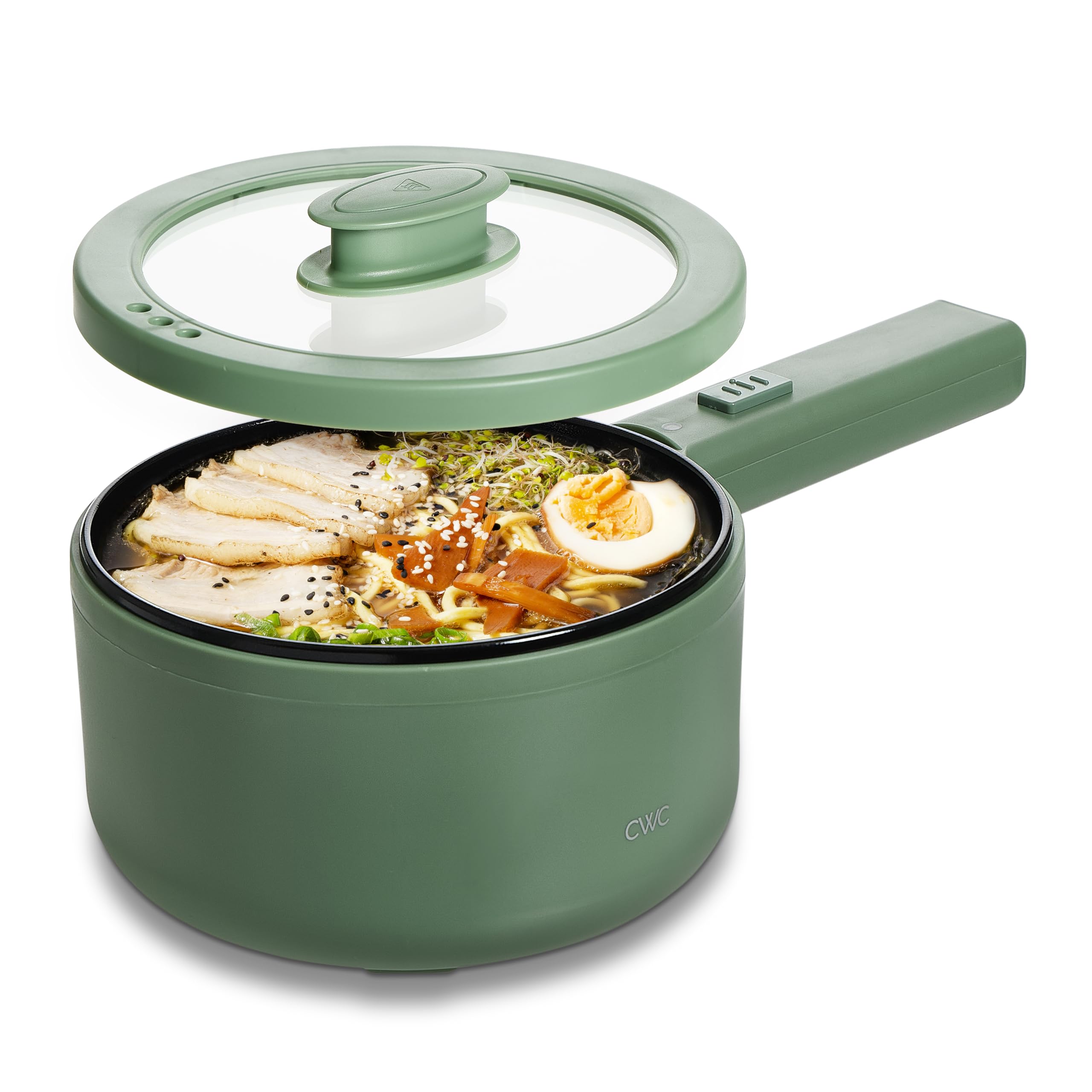
Small apartments need multi-functional cookware that saves space and works efficiently. Living in a compact home doesn't mean you have to compromise on cooking quality or creativity. Many people assume that limited kitchen space automatically limits their culinary possibilities, but the truth is that smart cookware choices can transform any tiny kitchen into a functional cooking hub. I've spent years helping apartment dwellers optimize their kitchens, and I've learned that the right cookware isn't just about size—it's about understanding what you actually cook, how often you cook it, and what tools genuinely earn their shelf space. In this guide, I'll share practical strategies, real-world examples, and honest insights to help you build a cookware collection that works for your small apartment kitchen.

Understanding Your Small Apartment Kitchen
When you're working with limited kitchen space, every inch matters. Small apartments typically feature compact countertops, cramped cabinet storage, and tight cooking areas that require strategic planning. The challenge isn't finding cookware—it's finding cookware that serves multiple purposes without cluttering your already tight space. I remember visiting a client's 350-square-foot apartment in downtown Chicago where the kitchen was barely larger than a closet. Yet, through thoughtful cookware selection, she transformed it into a space where she could confidently prepare everything from weeknight dinners to dinner party meals for six.
The key to successful cookware selection for small apartments lies in understanding three fundamental principles: functionality, durability, and space efficiency. You need pieces that work well, last through years of regular use, and don't consume precious real estate in your cabinets. This means prioritizing versatile tools over specialty items and choosing quality over quantity.

Essential Cookware Pieces for Small Spaces
When space is limited, you need to think strategically about which cookware pieces truly deserve a spot in your kitchen. Rather than stocking every pan and pot available, focus on building a curated collection of multi-functional items that handle a variety of cooking tasks. This approach means you'll cook better meals with less clutter.
The foundation of any small apartment kitchen should include a quality non-stick skillet. A 10-inch non-stick pan handles everything from scrambling eggs to searing chicken to cooking stir-fries and pancakes. This single piece probably handles about 40% of all cooking tasks in most home kitchens. Unlike traditional stainless steel pans that require technique and oil management, non-stick surfaces level the playing field for beginner cooks while still satisfying experienced home chefs.
A versatile Dutch oven serves as your workhorse for soups, stews, braised dishes, and even baking bread. Modern Dutch ovens work on stovetops and in ovens, making them exceptional value for small apartment kitchens. Many people don't realize that a Dutch oven can replace a stockpot, sauce pot, and casserole dish combined.
Don't overlook a quality saucepan with a lid, typically in the 2-3 quart range. This handles cooking pasta, heating soups, steaming vegetables, and preparing sauces. It's smaller than a Dutch oven but more specialized than a skillet, filling an important middle ground in your cookware collection.

Space-Saving Cookware Solutions
Living in a small apartment requires thinking differently about how you store and organize cookware for small apartments. Stackable pots and pans designed specifically for compact kitchens can reduce storage needs by up to 50% compared to traditional cookware sets. These pieces nest inside one another, consuming minimal cabinet space while remaining accessible and functional.
Consider cookware with removable or foldable handles, which saves considerable space in narrow cabinets or small drawers. Several modern brands now offer this innovative design, allowing you to store pans flat against each other without handle interference. I've seen clients reduce their cookware footprint dramatically using this simple solution.
Magnetic strips mounted on walls provide an excellent solution for storing metal utensils and small cookware items without using cabinet space. This approach keeps frequently used tools visible and within arm's reach of your cooking area. Just ensure the strip is securely mounted and positioned safely away from moisture-heavy areas.
Over-the-door organizers and hanging rails offer creative vertical storage solutions that apartment renters can often implement without permanent modifications. These solutions work particularly well for storing lids, which typically consume more cabinet space relative to their usefulness.

Multi-Functional Cookware for Apartment Dwellers
The secret to thriving in a small apartment kitchen revolves around multi-functional cookware selection. Each piece you choose should ideally handle multiple cooking methods and food types. This philosophy dramatically reduces the total number of items you need to store.
A quality skillet serves as a perfect example of multi-functional cookware for small apartments. Use it for sautéing vegetables, searing meat, cooking pancakes, making frittatas, or even baking in the oven. One skilled cook can prepare dozens of different recipes using primarily one well-chosen skillet.
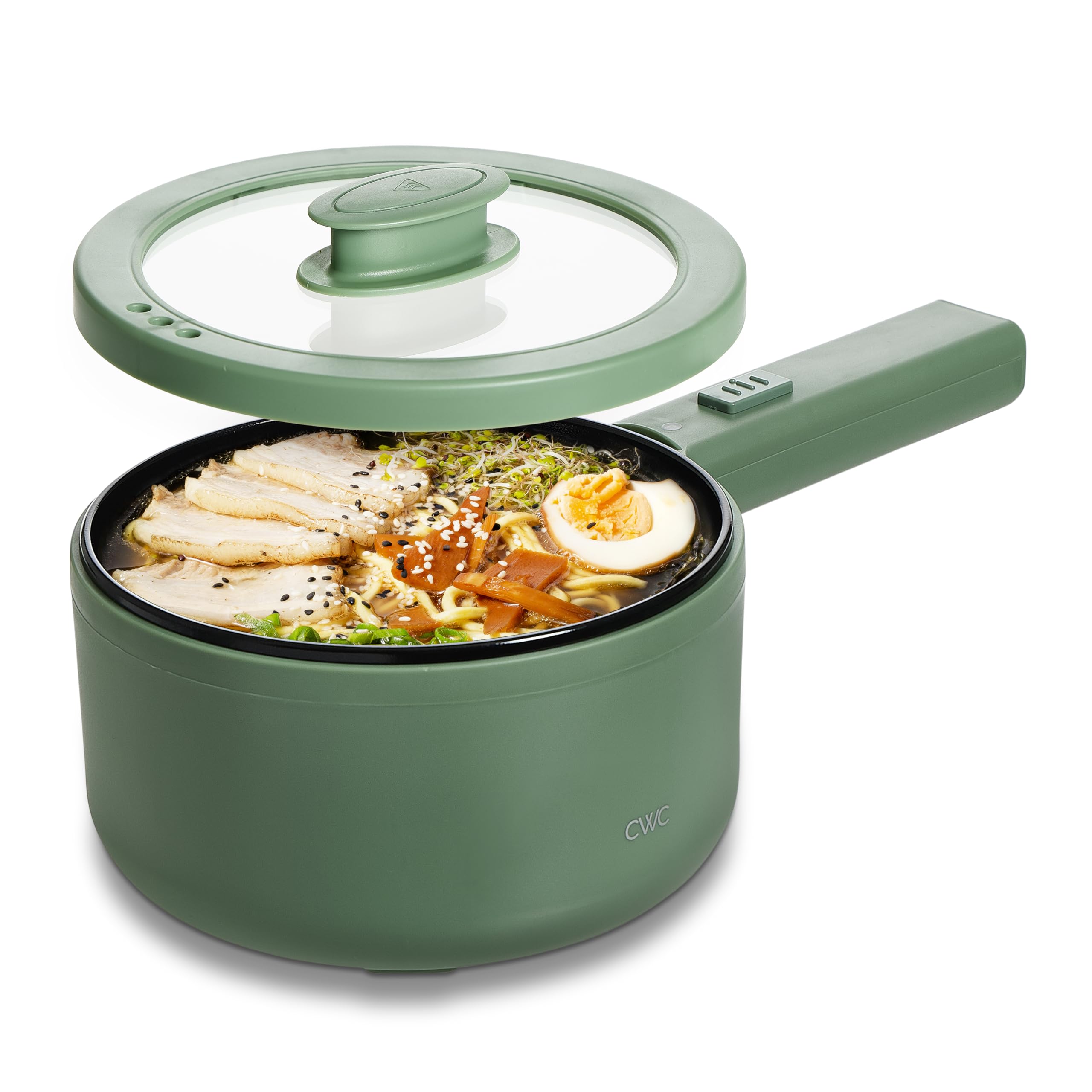
Combination cookers that function as both a pot and a pan are game-changers for small apartment cooking. These hybrid pieces handle saucing, simmering, boiling, and even shallow frying in one vessel. They're particularly valuable for apartment dwellers who cook diverse cuisines or prepare varied meals throughout the week.
Pressure cookers and instant pots represent some of the most efficient cookware for small apartments. These electric pressure cookers combine the functionality of a Dutch oven, stockpot, rice cooker, slow cooker, and steamer in one compact appliance. They reduce cooking times dramatically, which matters when your kitchen space is limited and you're trying to minimize cooking odors and heat accumulation.

Material Matters: Choosing the Right Cookware
The material composition of your cookware directly impacts its performance, maintenance requirements, and longevity in a small apartment setting. Understanding these differences helps you make informed choices that match your cooking style and space limitations.
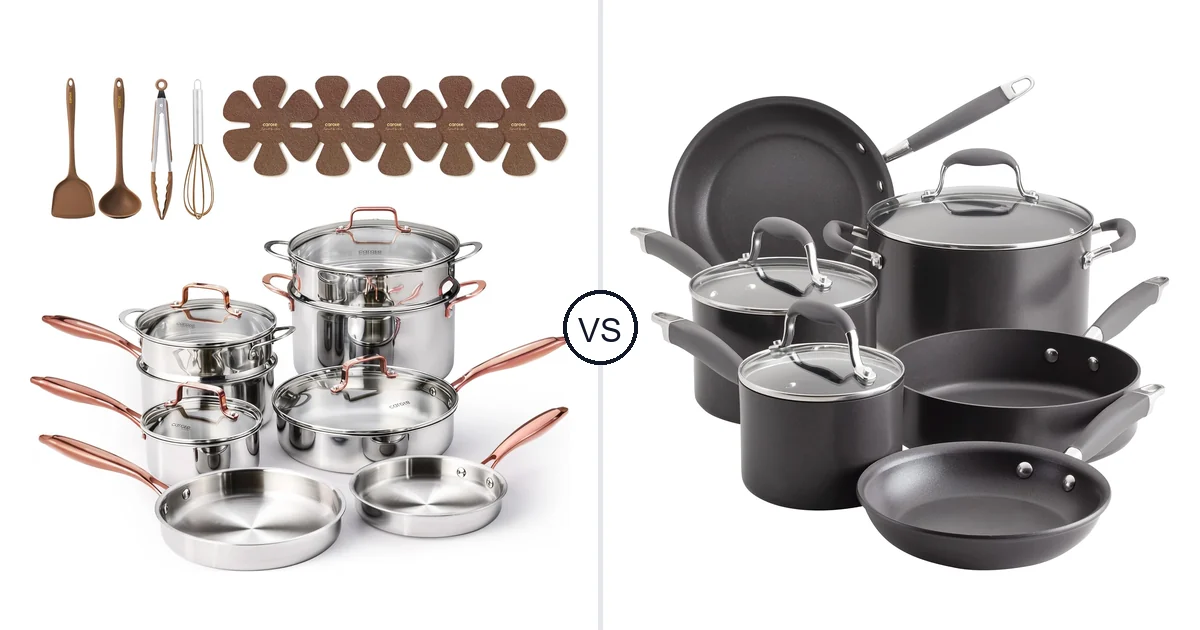
Stainless steel cookware offers durability and versatility, working with all heat sources including induction cooktops common in apartment buildings. Stainless steel handles high heat, resists warping, and develops patina over time that many serious cooks appreciate. The downside is that stainless steel requires more oil and technique compared to non-stick alternatives, which matters when you're dealing with limited counter space for food preparation.
Non-stick cookware for small apartments provides unmatched convenience and requires minimal oil, making it perfect for quick meals and easy cleanup in compact kitchens. Quality non-stick pans maintain their coating for years with proper care, though they eventually require replacement. Always use silicone or wooden utensils with non-stick surfaces to extend their lifespan.
Aluminum cookware conducts heat exceptionally well and weighs less than stainless steel, which matters when you're frequently pulling items from overhead storage. Hard-anodized aluminum offers improved durability while maintaining the heat conductivity advantages of regular aluminum.
Cast iron has experienced a resurgence in popularity, though it presents storage challenges in small apartments due to its weight. If you have space for cast iron, it rewards you with virtually unlimited lifespan and excellent cooking properties. Cast iron's main drawbacks include its heft and the seasoning maintenance it requires.

Budget-Friendly Cookware Recommendations
Outfitting a kitchen for a small apartment doesn't require spending thousands of dollars. Strategic purchases at different price points help you build a functional collection over time. This gradual approach also helps you understand your actual cooking needs before investing in premium pieces.
Starting with a budget of $100-200 allows you to purchase one quality skillet and one basic saucepan. This combination handles the majority of everyday cooking tasks. Look for brands that offer excellent value without premium pricing, often found at discount retailers or during seasonal sales.
Expanding your budget to $300-500 enables you to add a Dutch oven and upgrade your initial pieces to higher quality. At this investment level, you're building a genuinely capable small apartment kitchen that handles entertaining and cooking for multiple people.
For serious home cooks with budgets approaching $750-1000, premium cookware brands offer exceptional durability and performance. High-end pieces often carry warranties that guarantee performance for decades, representing excellent long-term value.
Don't overlook thrift stores and secondhand markets when building cookware for small apartments. Vintage cast iron, quality stainless steel, and ceramic cookware often show up at fraction-of-retail prices. I've found exceptional pieces in thrift stores that cost five dollars and provided years of reliable use.
Apartment Living: Rental Considerations
Renting your apartment introduces unique considerations when selecting and storing cookware for small apartments. You need solutions that work within lease restrictions and don't risk damage deposits.
Removable storage solutions like rolling carts, stackable shelving units, and hanging organizers let you create additional storage without permanent modifications. These portable options move with you when you relocate, making them excellent investments for renters.
Adhesive strips and damage-free hanging systems allow you to install magnetic strips or organizational tools without risking landlord conflicts. These modern solutions have transformed how renters can optimize their small apartment spaces.
Silicone pot holders and padding protect your rental's cabinet interiors when storing cookware. This small investment prevents scuffs and marks that might otherwise affect your security deposit return.
Create an inventory of your cookware for small apartments and take photos documenting its condition at move-in. This documentation protects you if disputes arise later about pre-existing damage versus wear caused by your cookware storage methods.

Organization Systems That Actually Work
Organizing cookware for small apartments requires systems that maximize accessibility while minimizing space consumption. Effective organization means you'll actually use the cookware you own rather than forgetting about pieces buried in cabinets.
The vertical stacking method works exceptionally well in apartment cabinets with limited depth. Stack similar-sized items with their lids interlocked vertically, creating stable columns that use minimal horizontal space. This approach allows you to see everything at a glance rather than fishing around for specific pieces.
Pull-out drawers and sliding organizers within existing cabinets dramatically improve accessibility in small apartment kitchens. These inexpensive additions transform deep cabinets into functional storage where you can actually reach items without awkward reaching or rearranging.
Categorizing cookware by function rather than size helps you locate items intuitively. Keep all skillet-type pans together, all pots grouped separately, and baking-specific cookware in its own section. This organizational method matches how most people think about cooking tasks.
Labeling shelves and drawers seems simple, but it genuinely improves consistency in how family members store and retrieve cookware for small apartments. Clear labels prevent items from migrating to random locations and becoming inaccessible.
Maintenance and Care in Small Spaces
Proper maintenance extends cookware lifespan and prevents damage that could compromise cooking performance. In small apartments, maintaining your cookware becomes even more important because replacing items is more disruptive when space is limited.
Hand-washing cookware immediately after use prevents food residue from hardening and requiring aggressive scrubbing later. This practice takes just a few minutes and dramatically reduces the time and effort required for deep cleaning. Many apartment kitchens feature limited counter space, making efficient cleanup essential.
Storing cookware for small apartments with proper padding between pieces prevents scratches and damage that accumulate over months and years. Thin towels or plastic liners between stacked pans protect surfaces without consuming much space.
Seasoning cast iron cookware properly ensures its non-stick properties improve over time rather than degrade. This process takes minutes but requires consistency and appropriate oils that match your cooking style.
Checking non-stick coatings regularly helps you replace cookware before surfaces deteriorate to the point of affecting food safety. Visible peeling or flaking indicates that a piece needs replacement rather than continued use.
Small Apartment Cooking Techniques
Adapting your cooking techniques to work with limited cookware maximizes your small apartment kitchen's capabilities. Understanding these techniques helps you accomplish more with fewer pieces.
Sheet pan cooking consolidates proteins, vegetables, and seasonings on one piece of cookware for minimal cleanup and maximum flavor development. This technique requires only one oven-safe pan, making it ideal for small apartment kitchens. You'll get restaurant-quality results with minimal effort and storage requirements.
One-pot meals using your Dutch oven or stockpot combine proteins, vegetables, grains, and broth into complete dishes requiring only one vessel. Soups, stews, risottos, and grain-based dishes all work beautifully with this approach, and cleanup becomes remarkably simple when you've only used one piece of cookware.
Batch cooking and meal prep using your limited cookware allows you to prepare ingredients and finished dishes when you have time, reducing stress during busy weekdays. This approach actually makes better use of your small apartment kitchen because you're not juggling multiple pieces simultaneously.
Sequential cooking means using the same cookware piece for different components of your meal. Sauté aromatics in your skillet, transfer them to a bowl, cook your protein in the same pan, and then combine everything for a finished dish. This economical approach works exceptionally well with limited cookware options.
Frequently Asked Questions
What is the minimum cookware set needed for a small apartment?
At minimum, invest in a quality 10-inch non-stick skillet, a 2-3 quart saucepan with lid, and a Dutch oven or large pot. These three pieces handle approximately 80% of home cooking tasks, providing excellent versatility without overwhelming your storage space.
Can I use apartment-approved cookware on all stove types?
Stainless steel and hard-anodized aluminum work on all stove types including induction, gas, and electric. Non-stick and regular aluminum cookware depend on the stove type, so verify compatibility before purchasing, especially for rental apartments with specific appliances.
How do I prevent cookware from taking over my small apartment kitchen?
Prioritize multi-functional pieces, use vertical storage solutions, and honestly assess whether you actually cook with each item. If you haven't used something in six months, you probably don't need it occupying valuable cabinet space.
What cookware material is best for beginner cooks in small apartments?
Non-stick cookware for small apartments is ideal for beginner cooks because it reduces the technique required and produces reliable results quickly. As your skills develop, you can add stainless steel or cast iron pieces to your collection.
Is it worth investing in premium cookware brands for apartment kitchens?
Premium brands offer superior durability and performance, but quality mid-range cookware serves apartment dwellers excellently. Focus your premium investment on one or two pieces you use daily rather than buying expensive complete sets.
How should I organize lids in a small apartment kitchen?
Store lids vertically in a dedicated drawer divider or magazine holder specifically designed for this purpose. Vertical storage allows you to see all available lids at once and prevents them from taking up extensive horizontal cabinet space.
Conclusion
Building a functional cookware collection for small apartments is entirely achievable when you prioritize multi-functional pieces, embrace smart storage solutions, and honestly assess your actual cooking needs. The best cookware for your small apartment isn't necessarily the most expensive or comprehensive set—it's the collection that matches your lifestyle, fits your space, and genuinely gets used regularly. Start with the essential three-piece foundation of a quality skillet, saucepan, and Dutch oven, then expand thoughtfully as your cooking interests evolve. Take the time this week to evaluate your current cookware, remove pieces you haven't used in months, and reorganize what remains using vertical storage methods. Your small apartment kitchen deserves the same respect and functionality as any spacious kitchen, and with the right cookware choices, you'll cook better meals in less space. Share your favorite small apartment cooking hack in the comments below, and let's build a community of apartment dwellers who refuse to compromise on cooking quality.

Leave a Reply