
Different cookware materials conduct heat at varying rates, affecting cooking performance and results. Understanding how heat moves through your pans isn't just kitchen trivia—it's the difference between perfectly seared steaks and unevenly cooked meals. Whether you're a home cook upgrading your kitchen or someone who's been frustrated by hot spots on their favorite skillet, knowing about cookware heat conductivity comparison helps you make smarter purchasing decisions and cook with more confidence.
I've spent years testing different cookware in my own kitchen, from heavy cast iron that takes forever to heat up to thin aluminum pans that heat instantly but unevenly. Through this hands-on experience, I've learned that heat conductivity isn't just a spec on the box—it directly impacts your cooking success. This guide will walk you through everything you need to know about how different cookware materials handle heat, so you can choose the right tools for your cooking style.
Understanding Heat Conductivity in Cookware
Heat conductivity is the ability of a material to transfer heat from one point to another. When you place a pan on your stove, the burner heats the bottom of the pan, and heat conductivity determines how quickly and evenly that warmth spreads across the cooking surface. Think of it like water flowing through pipes—the larger the pipe and the fewer obstacles, the faster the water flows. Similarly, materials with high thermal conductivity allow heat to move freely and quickly.
In cookware, this matters tremendously. A pan with poor heat conductivity will have hot spots where the burner directly contacts the bottom and cool spots elsewhere. This means your food cooks unevenly—some parts brown beautifully while others remain pale and undercooked. A pan with excellent heat conductivity distributes warmth evenly across the entire cooking surface, giving you consistent results every time.
The thermal conductivity of materials is measured in watts per meter-kelvin (W/mK). Higher numbers mean better heat conductivity. For example, copper has a thermal conductivity of around 400 W/mK, while stainless steel measures only about 16 W/mK. These numbers seem abstract until you actually cook with the pans, and then the difference becomes obvious.

Copper Cookware Heat Conductivity
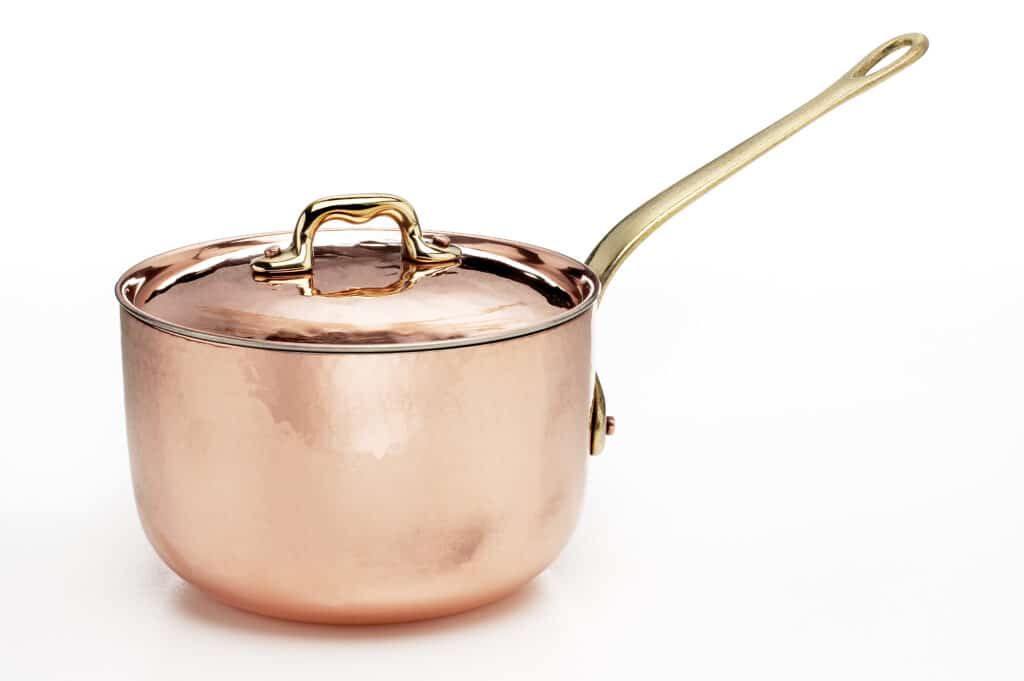
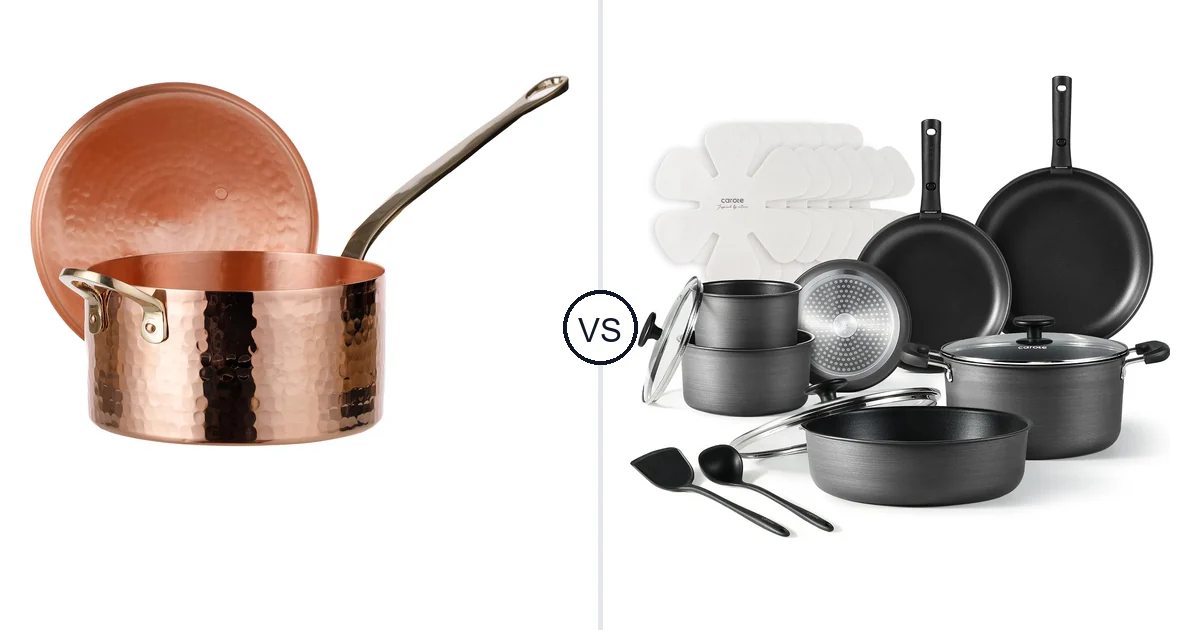
Copper stands at the top of the heat conductivity ranking for cookware materials. It conducts heat faster and more evenly than almost any other option available to home cooks. Professional kitchens around the world rely on copper cookware because of this exceptional performance. When heat touches copper, it spreads immediately across the entire pan, creating uniform cooking temperatures from edge to edge.
The advantage of copper cookware heat conductivity becomes apparent within seconds of placing a pan on heat. Water boils faster, oils reach the right temperature more quickly, and you gain precise control over your cooking. For delicate tasks like tempering chocolate or making hollandaise sauce, this responsiveness is invaluable. Many chefs prefer copper cookware specifically because of how rapidly it responds to temperature adjustments on the stovetop.
However, pure copper cookware comes with real limitations. Copper reacts with certain acidic foods like tomatoes and vinegar, potentially affecting both flavor and safety. This is why quality copper cookware is typically lined with another material, usually tin or stainless steel. The lining protects your food but slightly reduces the overall heat conductivity advantage. Additionally, copper cookware requires regular maintenance—the exterior tarnishes and needs polishing, and tin linings eventually wear out and need replacement.
From my experience, copper cookware heat conductivity is outstanding for specific cooking tasks, but it's not practical for everyday use in most home kitchens. I reserve my copper pans for special occasions or when I need precise temperature control. The maintenance demands mean these pans work better as investments rather than daily workhorses.
Aluminum Cookware and Heat Distribution
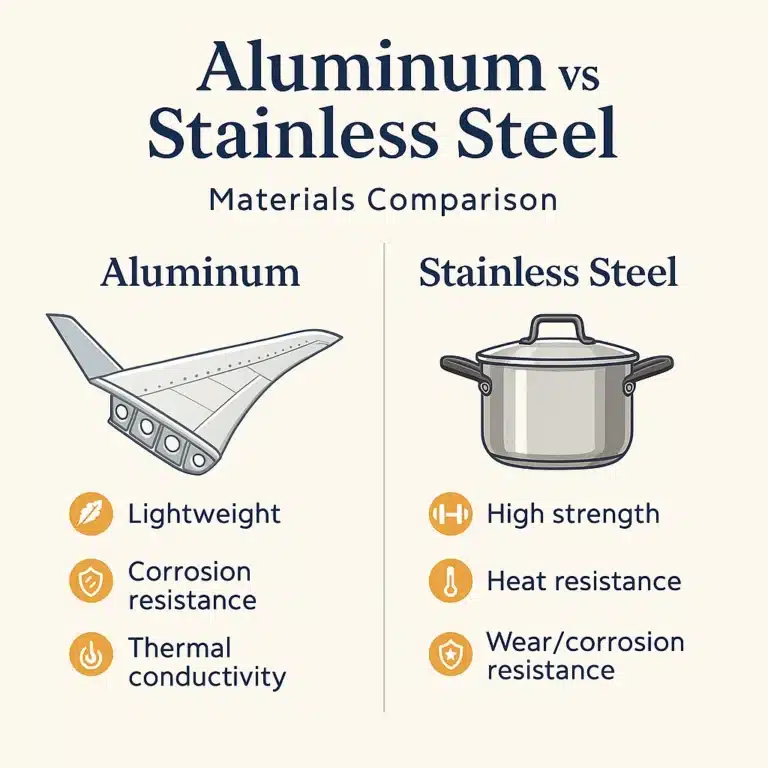
Aluminum offers excellent cookware heat conductivity that comes remarkably close to copper, making it a popular choice for many home cooks. It heats up quickly and distributes warmth evenly across the cooking surface. What makes aluminum particularly appealing is the combination of great thermal conductivity with affordability and ease of maintenance compared to copper.
Pure aluminum cookware does have one significant drawback—it's soft and can dent or warp with regular use. This is why most quality aluminum cookware comes anodized, a process that hardens the surface while maintaining the excellent heat conductivity benefits. Anodized aluminum cookware performs beautifully and lasts for years with proper care. The heat conductivity comparison between anodized and pure aluminum shows only minimal differences, so anodizing doesn't compromise performance.
Another consideration with aluminum cookware heat conductivity involves reactivity. Aluminum can react with acidic foods, potentially affecting taste and color. Quality aluminum cookware usually addresses this through nonstick coatings or by pairing aluminum with other materials. Many excellent cookware sets feature an aluminum core sandwiched between stainless steel layers, combining the heat conductivity of aluminum with the durability and non-reactivity of stainless steel.
In my kitchen, I use anodized aluminum cookware regularly for everyday cooking. These pans heat evenly, respond quickly to temperature changes, and stand up well to regular washing. They represent an excellent balance between performance and practicality for most home cooks.
Stainless Steel Cookware Performance
Stainless steel cookware heat conductivity ranks significantly lower than copper or aluminum, which is why pure stainless steel pans often develop hot spots. Stainless steel's main advantage isn't heat conductivity—it's durability and non-reactivity. The material resists staining, doesn't react with any foods, and lasts almost indefinitely with minimal maintenance.
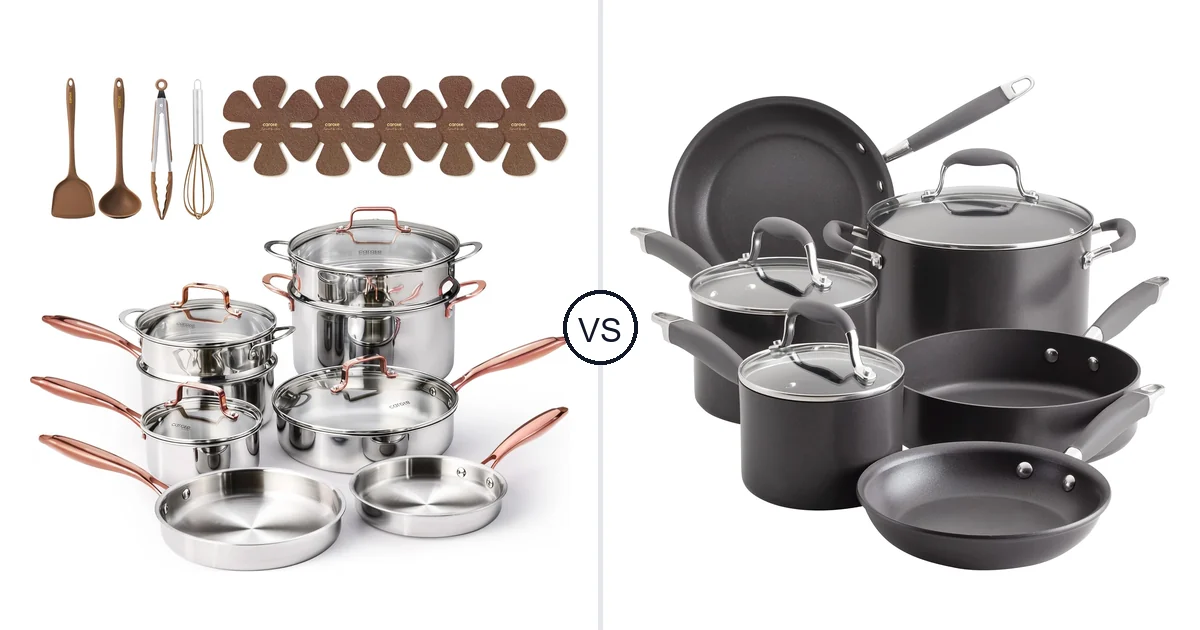
The cookware heat conductivity comparison reveals that stainless steel alone doesn't perform well for even cooking. Many manufacturers address this by creating multi-ply construction, where stainless steel forms the cooking surface and sides while an aluminum or copper core in the middle provides better heat distribution. This engineering approach maintains stainless steel's advantages while significantly improving thermal performance.
Quality multi-ply stainless steel cookware performs surprisingly well despite the material's inherent limitations with heat conductivity. The aluminum or copper middle layer conducts heat efficiently, and the surrounding stainless steel ensures even distribution. These pans take longer to heat up than pure aluminum cookware, but once hot, they maintain consistent temperatures and don't have noticeable hot spots.
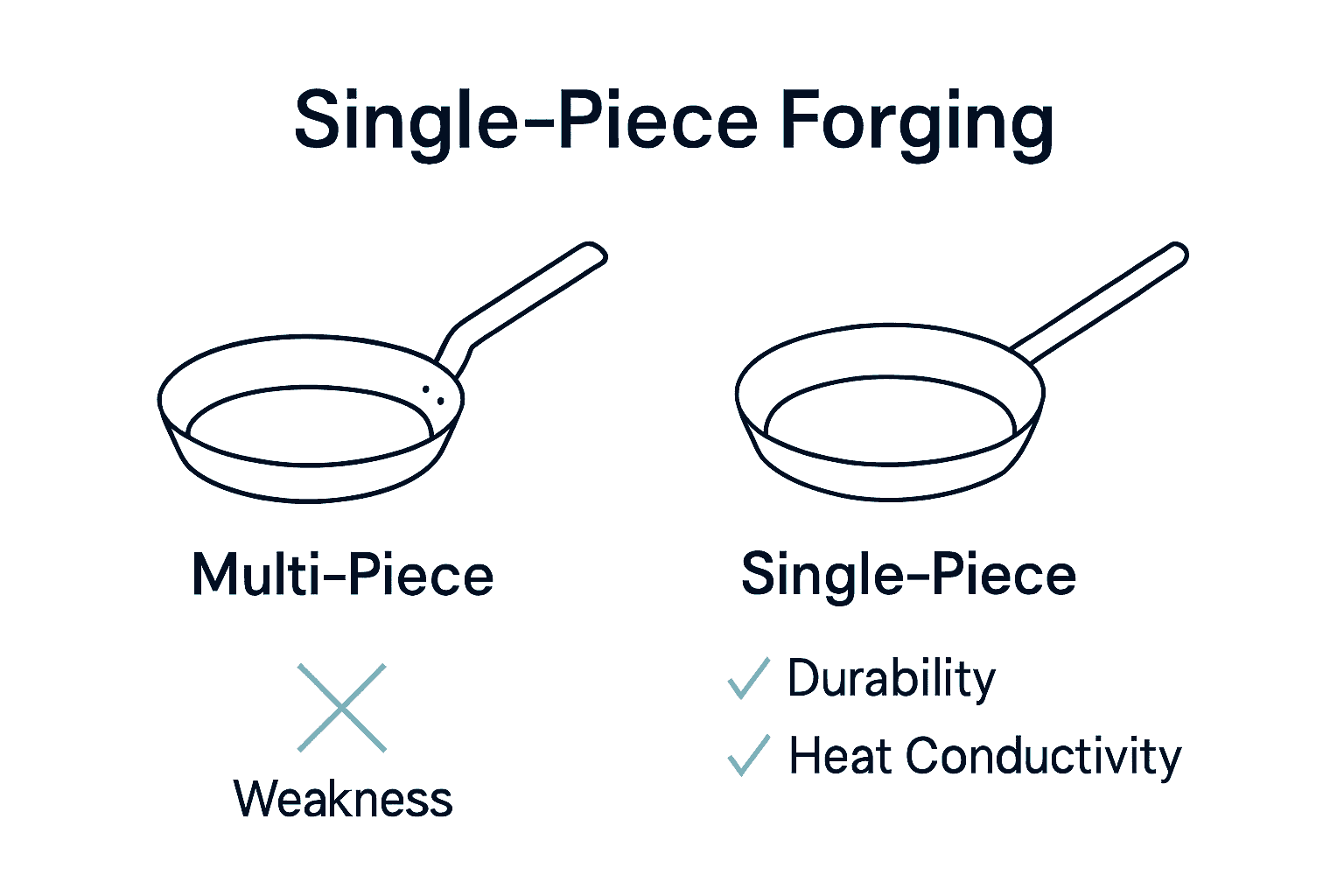
The stainless steel cookware heat conductivity story gets more complicated when you consider that thicker pans with better construction distribute heat more evenly, even with lower thermal conductivity. A well-made, thick stainless steel pan often outperforms a thin copper pan in real-world cooking. This is why construction quality matters as much as material choice.
Cast Iron Cookware Thermal Properties
Cast iron has relatively poor cookware heat conductivity compared to modern alternatives like aluminum or copper. Heat doesn't spread quickly across cast iron, and it takes considerable time to reach and maintain consistent temperatures. However, cast iron compensates for this through exceptional heat retention. Once a cast iron pan reaches the desired temperature, it maintains that heat remarkably well, even when cold food touches the surface.
The heat conductivity comparison between cast iron and other materials shows why cast iron seems slow at first. What happens in practice is different. Cast iron's thermal mass means you need patience during the preheat stage, but once ready, it provides superior cooking characteristics for high-heat cooking like searing steaks. The intense, even heat of a properly heated cast iron skillet creates beautiful browning that's difficult to achieve with other materials.
Cast iron cookware heat conductivity improves slightly when you cook with proper technique. Preheating gradually, using lower to medium heat for most tasks, and allowing the pan to settle all help compensate for the material's thermal limitations. Cast iron also performs better on gas stoves than electric ones, because you can adjust heat instantly and make micro-adjustments that cast iron responds to more readily than with electric coils.
From personal experience, I've come to appreciate cast iron not despite its slow heat conductivity, but because of how that characteristic shapes the cooking experience. There's something satisfying about the ritual of preheating and the reward of exceptional browning. Cast iron remains in my regular rotation because it excels at specific tasks, not despite inferior conductivity.

Non-Stick Cookware and Heat Transfer
Non-stick cookware heat conductivity depends entirely on the underlying material, not the coating. A non-stick pan built on an aluminum core conducts heat well, while one built on stainless steel will have slower heat distribution. The non-stick coating itself, whether traditional PTFE (Teflon) or newer ceramic coatings, doesn't significantly impact thermal conductivity in either direction.
The key consideration with non-stick cookware heat conductivity involves durability. Traditional non-stick coatings can damage if exposed to very high heat, which limits how you can use the pan. This means even if the underlying aluminum has excellent heat conductivity, you're restricted from using high-heat techniques like searing at very high temperatures. Ceramic non-stick coatings handle higher temperatures better but have their own limitations regarding longevity.
Many people are surprised to learn that the cookware heat conductivity comparison for non-stick pans shows they perform similarly to their non-coated counterparts. What changes with non-stick cookware is how you cook with them. Lower heat works better, which means the pan's responsiveness matters less. The real value of non-stick cookware lies in ease of cooking and cleanup rather than superior heat performance.
My experience with non-stick cookware shows these pans work best for specific cooking tasks—delicate fish, eggs, pancakes—where the non-stick benefit matters most. Using non-stick pans at moderate temperatures extends their lifespan and provides better results than pushing them to their limits.
Multi-Ply Construction and Heat Distribution
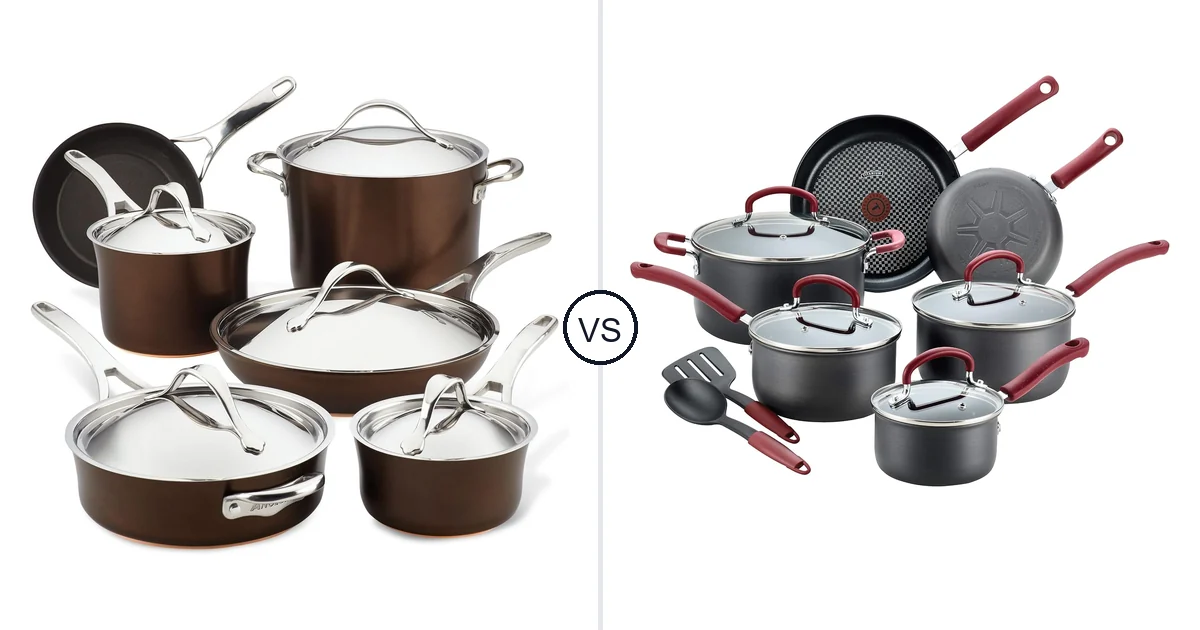
Multi-ply cookware represents modern engineering applied to the heat conductivity challenge. By combining materials with different thermal properties, manufacturers create pans that leverage the strengths of each material while minimizing weaknesses. A typical three-ply construction features stainless steel on the outside and inside with aluminum sandwiched in the middle, creating excellent heat conductivity comparison results.
The aluminum layer in multi-ply cookware does the heavy lifting for heat distribution. Its superior thermal conductivity ensures heat spreads evenly across the pan bottom and sides. The stainless steel exterior provides durability, non-reactivity, and a professional appearance. This combination approach became popular precisely because it solved the cookware heat conductivity problem that stainless steel alone couldn't address.
Thick-bottomed multi-ply cookware performs even better than thinner versions. The increased mass of material means more consistent heat distribution and better heat retention. Some premium cookware features five or even seven layers, with additional materials like copper included for even greater thermal performance. The cookware heat conductivity comparison between different multi-ply constructions shows that more layers generally equals better performance, though the gains diminish with each additional layer.
I've tested cookware with various ply constructions, and the improvement from two-ply to three-ply is noticeable and worthwhile. Going beyond three plies provides diminishing returns for most home cooking tasks, though it may benefit professional chefs who cook all day in commercial kitchens.
Heat Conductivity and Cooking Applications
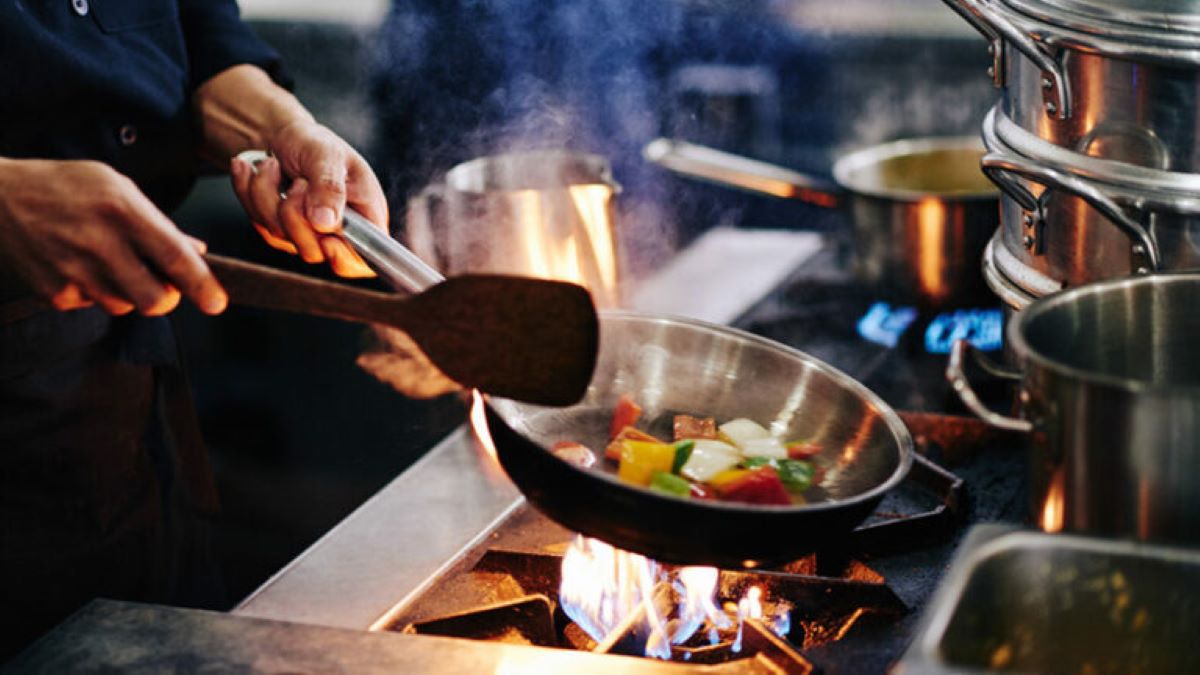
Different cooking methods benefit from different levels of heat conductivity. Understanding cookware heat conductivity comparison in the context of what you actually cook helps guide better purchasing decisions. High-heat searing and sautéing benefit from the rapid responsiveness of materials with excellent conductivity like copper and aluminum. These methods require quick temperature adjustments and even heat distribution across the cooking surface.
Slow simmering and braising don't demand the same level of heat conductivity performance. These cooking methods actually benefit from the heat retention of cast iron or the even, sustained heating of thick-bottomed stainless steel. The cookware heat conductivity comparison becomes less critical when you're cooking at gentle temperatures for extended periods. Here, heat retention and thermal stability matter more than thermal responsiveness.
Baking and oven cooking introduce another consideration to cookware heat conductivity. Metal cookware conduct and distribute oven heat differently than stovetop heat. A pan's oven performance may differ noticeably from its stovetop performance. Some pans excel at searing on the stovetop but may heat unevenly in the oven, or vice versa. This is why many cooking enthusiasts maintain different pieces of cookware for different applications.
From practical experience, I use different pans for different jobs based on the cooking method. My aluminum pan handles sautéing beautifully, my cast iron dominates for searing, and my stainless steel multi-ply pot excels at soups and braises. Understanding how cookware heat conductivity comparison applies to your actual cooking style helps you invest wisely.
Selecting Cookware Based on Heat Conductivity
When shopping for cookware, the heat conductivity comparison should factor into your decision, but it shouldn't be the only consideration. Start by thinking about how you actually cook. Do you frequently sear meat, make delicate sauces, or mainly simmer soups? Your cooking style should guide whether you prioritize heat conductivity or other factors like durability and maintenance.
Budget considerations naturally affect cookware choices. Copper cookware requires significant investment, while aluminum cookware offers excellent heat conductivity at lower cost. Multi-ply stainless steel sits in the middle price range. The cookware heat conductivity comparison across different price points shows you can achieve good performance without spending a fortune, though premium options do offer advantages.
Construction quality matters as much as material choice when evaluating cookware heat conductivity comparison. A thick, well-made stainless steel pan often outperforms a thin copper alternative in real cooking. Look at pan thickness, bottom construction, and handle quality. Check whether cookware comes with a warranty—quality manufacturers back their products because they're built to last.
I recommend handling cookware in person if possible. Feel the weight, assess the handle comfort, and examine the construction. A lighter pan might conduct heat faster, but if it's uncomfortable to use or feels flimsy, it won't improve your cooking. The best cookware combines decent heat conductivity with construction quality and practical usability.
Common Mistakes in Cookware Heat Conductivity
Many people assume that cookware heat conductivity is the most important factor in cooking success, when actually technique and patience matter equally. Even a pan with poor thermal conductivity produces excellent results if you preheat properly and use appropriate cooking methods. Conversely, excellent heat conductivity doesn't overcome poor technique or impatience.
Another common mistake involves confusing heat conductivity with heat capacity. Heat capacity refers to how much energy a material can store, while heat conductivity refers to how quickly it transfers that energy. Cast iron has low conductivity but high heat capacity. Aluminum has high conductivity but lower heat capacity. Understanding the cookware heat conductivity comparison requires distinguishing between these two properties.
Overinvesting in premium cookware based solely on thermal performance is another pitfall. Someone might purchase expensive copper cookware for everyday cooking when a mid-range aluminum or multi-ply option would deliver 90% of the performance at a fraction of the cost. Consider the cookware heat conductivity comparison realistically—is the improvement worth the additional expense and maintenance demands?
I've made all these mistakes in my own kitchen. I once spent substantially on cookware expecting it to transform my cooking, only to realize that my technique needed improvement more than my pans did. Understanding cookware heat conductivity comparison prevents you from blaming your tools for results that actually depend on how you use them.
Frequently Asked Questions
Which cookware material has the best heat conductivity?
Copper has the highest heat conductivity among cookware materials, followed by aluminum. Copper conducts heat approximately 25 times faster than stainless steel, making it the superior choice for rapid, even heat distribution. However, copper requires maintenance and is more expensive than alternatives.
Why do some pans develop hot spots despite good heat conductivity?
Hot spots develop when cookware has thin or uneven construction, not necessarily due to poor material heat conductivity. Even materials with excellent thermal properties can develop hot spots if the pan design is poor or if the thickness varies across the bottom. Multi-ply construction addresses this by distributing heat more evenly.
Is cast iron cookware good for everyday cooking despite poor heat conductivity?
Cast iron works well for everyday cooking despite slower heat conductivity because it excels at heat retention and high-heat cooking. Its poor conductivity isn't a major limitation if you adjust your cooking technique and preheat the pan adequately. Many cooks prefer cast iron specifically because of its unique thermal characteristics.
Does cookware heat conductivity matter for non-stick pans?
Cookware heat conductivity matters for non-stick pans based on the underlying material, but the benefits are limited because non-stick cookware works best at lower temperatures anyway. The non-stick coating itself doesn't significantly impact thermal conductivity, so the underlying aluminum or stainless steel construction determines heat performance.
What's the difference between heat conductivity and heat capacity in cookware?
Heat conductivity refers to how quickly heat spreads through a material, while heat capacity refers to how much heat a material can store. Cast iron has low conductivity but high capacity, meaning it heats slowly but retains heat well. Aluminum has high conductivity but lower capacity, meaning it heats quickly but doesn't retain heat as long.
Should I buy cookware based on heat conductivity alone?
No, you shouldn't buy cookware based solely on heat conductivity. Consider your cooking style, maintenance preferences, budget, and pan construction quality. The cookware heat conductivity comparison matters, but practical factors like durability, handle design, and ease of cleaning often impact your satisfaction more than thermal performance alone.
Conclusion
Choosing the right cookware means understanding how different materials conduct heat and which thermal properties matter for your cooking. Copper and aluminum excel at rapid heat distribution, while cast iron and thick stainless steel offer excellent heat retention and durability. The cookware heat conductivity comparison shows no single perfect option—each material brings different strengths to your kitchen.
Your cooking style should drive your cookware choices more than any single specification. Someone who frequently makes delicate sauces might prioritize the responsive heat conductivity of aluminum, while a baker might prefer the even heating of cast iron. Rather than chasing the theoretically best cookware heat conductivity, invest in quality pans that match how you actually cook.
Start by assessing your current cookware and cooking challenges. If you're experiencing uneven cooking, the issue might be pan thickness or construction rather than material choice. If you're considering new cookware, handle different options and think about the cooking methods you use most. Quality construction and proper technique improve results more reliably than any cookware heat conductivity comparison could promise.
Test different materials through borrowing from friends or reading detailed user reviews before investing significantly. Your best cookware will be the pieces you actually reach for regularly because they feel right in your hands and perform well for your cooking style. Start building your collection based on real needs, and you'll develop an intuition for which cookware heat conductivity characteristics matter most for your kitchen.

Leave a Reply