
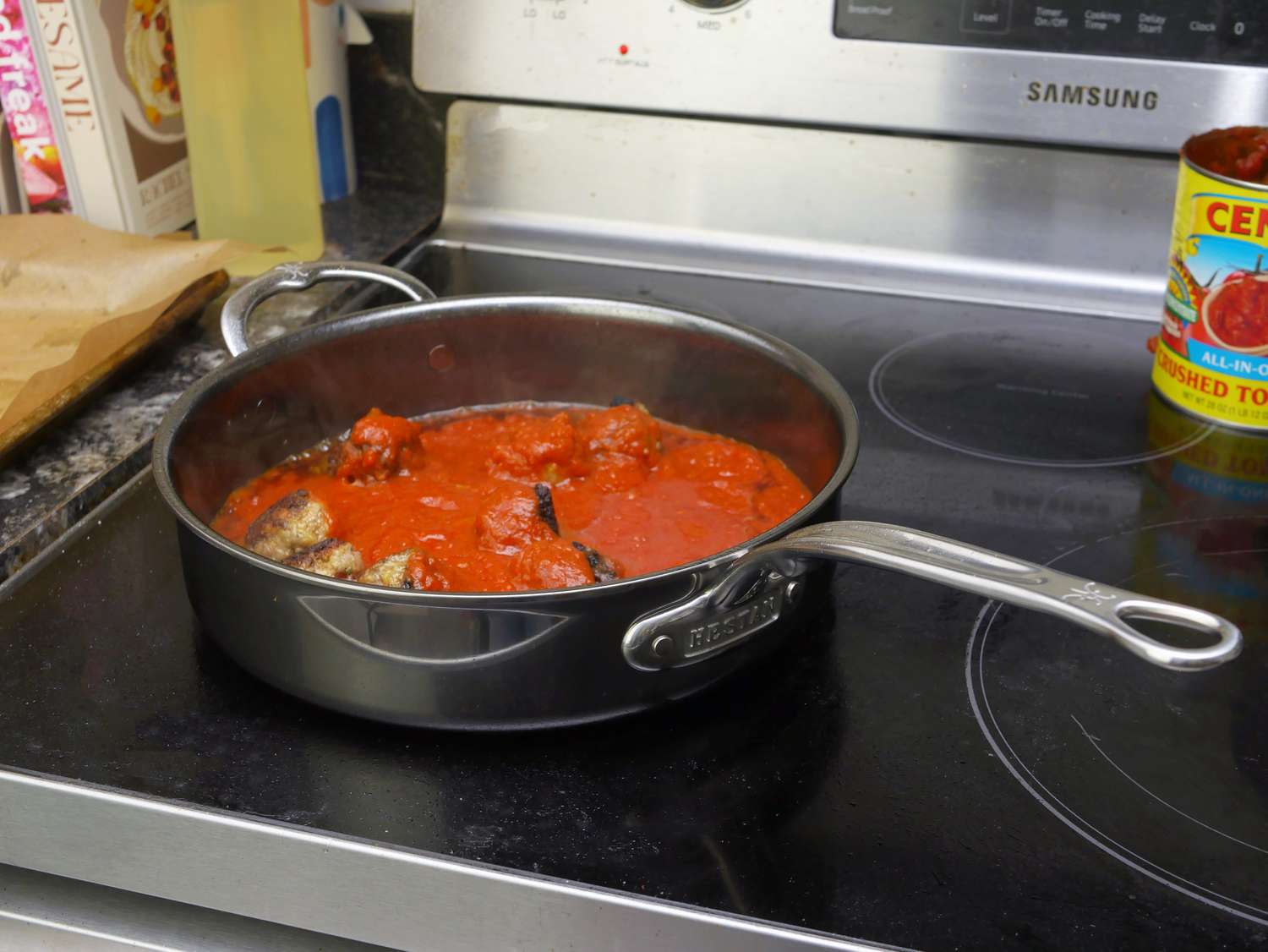
A stainless steel or carbon steel pan with sloped sides is ideal for sautéing vegetables because it heats evenly and allows easy tossing. If you've ever stood at the stove watching vegetables turn mushy or brown unevenly, you know that choosing the right pan can completely transform your cooking experience. The best pan for sautéing vegetables isn't just about the material—it's about understanding heat distribution, pan size, and how different cooking styles demand different tools. Whether you're a home cook looking to improve your weeknight dinners or someone who takes vegetable preparation seriously, finding the perfect sauté pan can make the difference between vegetables that taste fresh and vibrant versus ones that turn into a soggy mess. In this guide, I'll walk you through everything you need to know to select a pan that will serve you well for years to come.
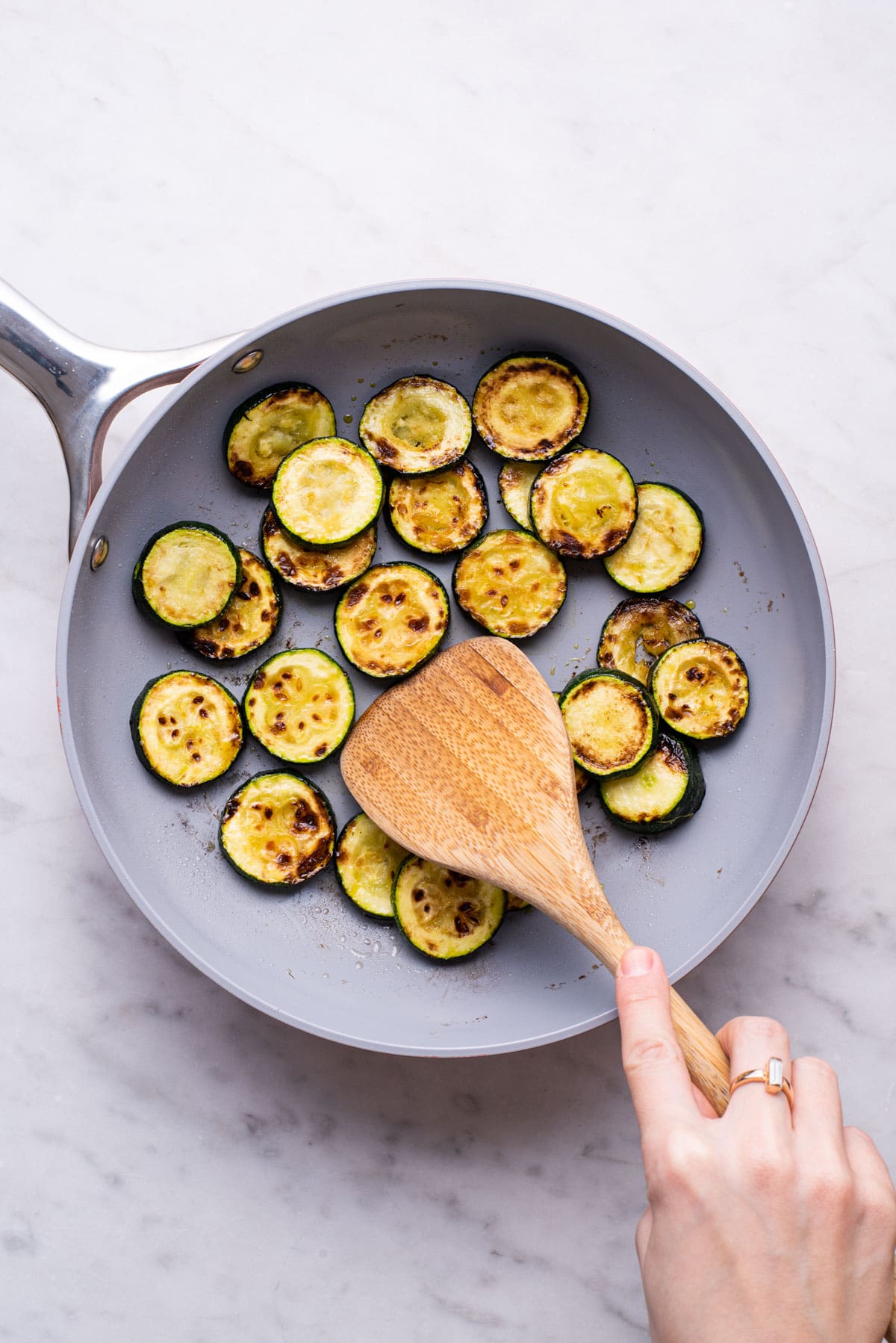
Understanding Pan Materials for Sautéing Vegetables
When it comes to sautéing vegetables, the material of your pan plays a crucial role in how heat distributes and how your food cooks. Different materials offer unique advantages and limitations, and understanding these differences helps you make an informed choice that matches your cooking style.
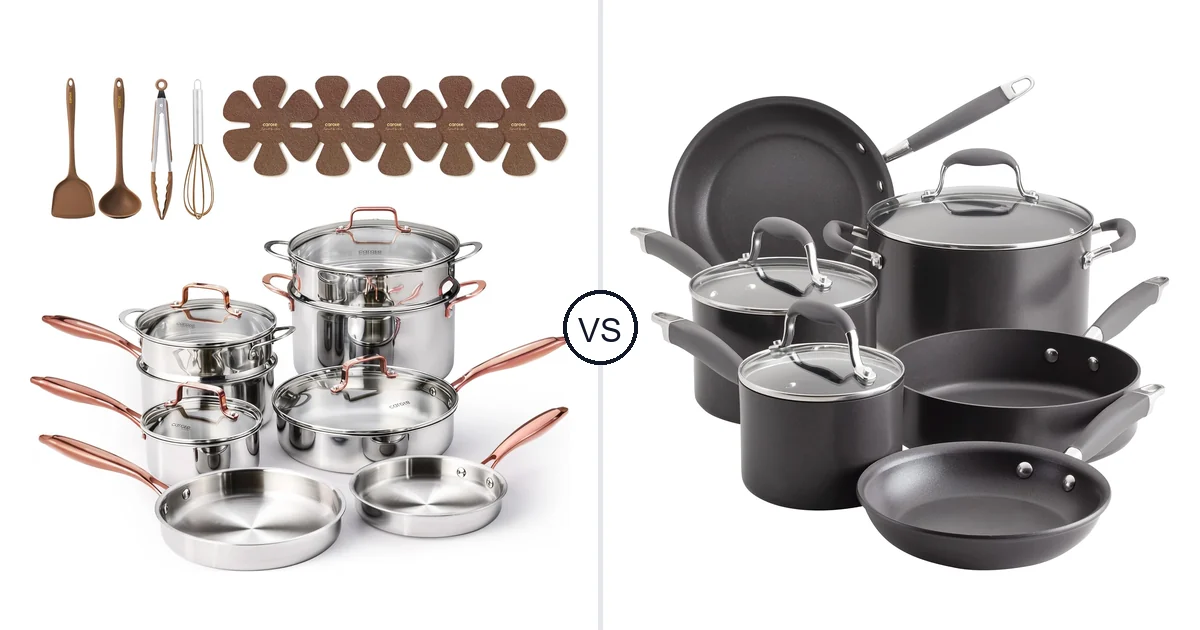
Stainless steel pans are among the most popular choices for sautéing vegetables. These pans heat up quickly and distribute heat evenly across the cooking surface, which means your vegetables cook uniformly without hot spots. Stainless steel is also extremely durable, resistant to rust, and can handle high temperatures without warping. One of the best parts about stainless steel is that it works with all types of stovetops, including induction cookers. However, stainless steel can have a slight learning curve—vegetables may stick if you don't use enough oil or if you move them too early.
Carbon steel pans offer another excellent option for sautéing vegetables. These pans are lightweight, heat up very quickly, and develop a natural non-stick patina over time with proper seasoning. Carbon steel can tolerate extremely high temperatures, making it perfect if you like to get a nice sear on your vegetables. The downside is that carbon steel requires seasoning and maintenance to prevent rust, similar to cast iron. Despite this extra care, many experienced cooks swear by carbon steel for its superior heat retention and responsiveness.
Cast iron pans are wonderful for sautéing vegetables, though they're heavier and take longer to heat than other options. Once heated, cast iron distributes heat beautifully and maintains consistent temperature throughout cooking. Cast iron is incredibly affordable, lasts for decades, and actually improves with age. The main challenge with cast iron is its weight and the fact that it requires seasoning and careful cleaning to maintain its non-stick properties.
Non-stick aluminum pans are great if you want minimal cleanup and easy vegetable handling. These pans heat quickly and require less oil for sautéing. However, non-stick coatings can wear out over time, and they're not suitable for high-heat cooking or metal utensils. If you choose a non-stick option, look for high-quality brands that use safer coating technologies.
:max_bytes(150000):strip_icc()/Hestan-NanoBond-Titanium-Stainless-Steel-Saute-Pan-grace-kelly-06-de926ca6f47647a4b3faae9a1778e3f2.jpg)
Size and Shape Considerations for Your Sauté Pan
The right size and shape can significantly impact how well you sauté vegetables. Most home cooks find that a 10 to 12-inch pan is ideal because it provides enough surface area for vegetables to cook in a single layer without overcrowding. When vegetables are crowded in the pan, they steam instead of sauté, which results in that mushy texture nobody wants.
The shape of your pan matters too. Look for a sauté pan with sloped or flared sides, which makes it easy to toss vegetables and scoop them out when they're done. Straight-sided pans work fine, but the sloped design of a traditional sauté pan is specifically engineered for this cooking method. The depth of the pan should be around 2 to 3 inches—deep enough to hold oil and vegetables without splashing, but not so deep that tossing becomes difficult.
The handle design is another detail worth considering. A long, sturdy handle that stays cool is essential because you'll be grabbing it frequently while cooking. An ergonomic grip prevents hand fatigue during longer cooking sessions, and you want a handle that's securely attached to the pan body so it doesn't loosen over time.
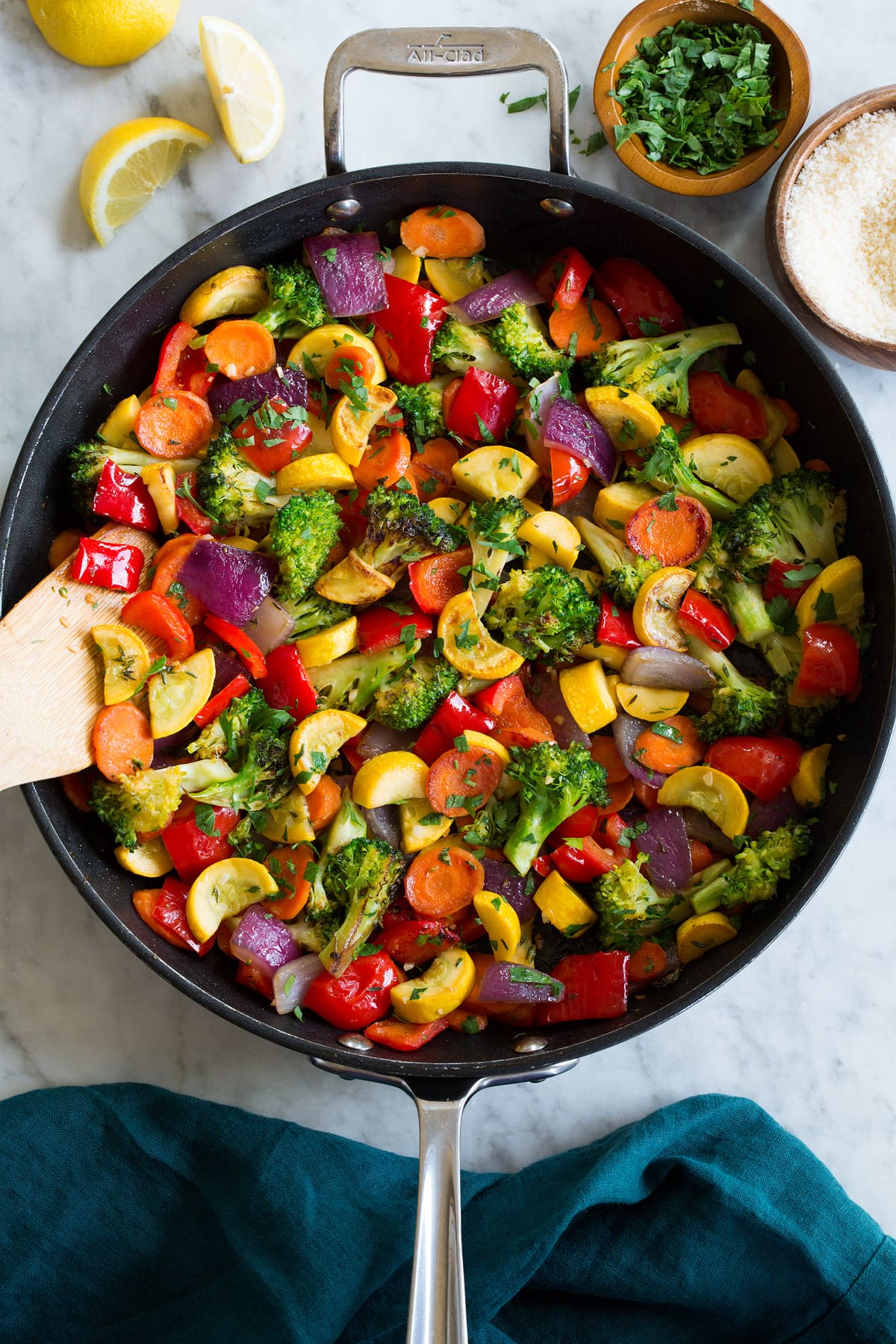
Heat Conductivity and Distribution
Heat conductivity is one of the most important factors in choosing a pan for sautéing vegetables. This refers to how quickly and evenly the pan distributes heat across its surface. Copper has the best heat conductivity, but it's expensive and requires polishing. Aluminum conducts heat very well and is affordable, but it's often layered with stainless steel or non-stick coating for durability. Stainless steel alone doesn't conduct heat as well as aluminum, which is why many quality pans use a layered construction combining materials.
The best pans for sautéing vegetables typically use a clad or layered construction, where aluminum or copper is sandwiched between stainless steel layers. This design gives you the heat conductivity of aluminum combined with the durability and appearance of stainless steel. When you're shopping for a pan, look for the thickness and construction method to ensure you're getting good heat distribution.
Thick-bottomed pans generally cook more evenly than thin pans because they store more heat and distribute it more consistently. A pan with a bottom thickness of at least 2.6mm will perform significantly better than a cheaper, thinner alternative. Your vegetables will cook more uniformly, and you'll have better control over the cooking process.
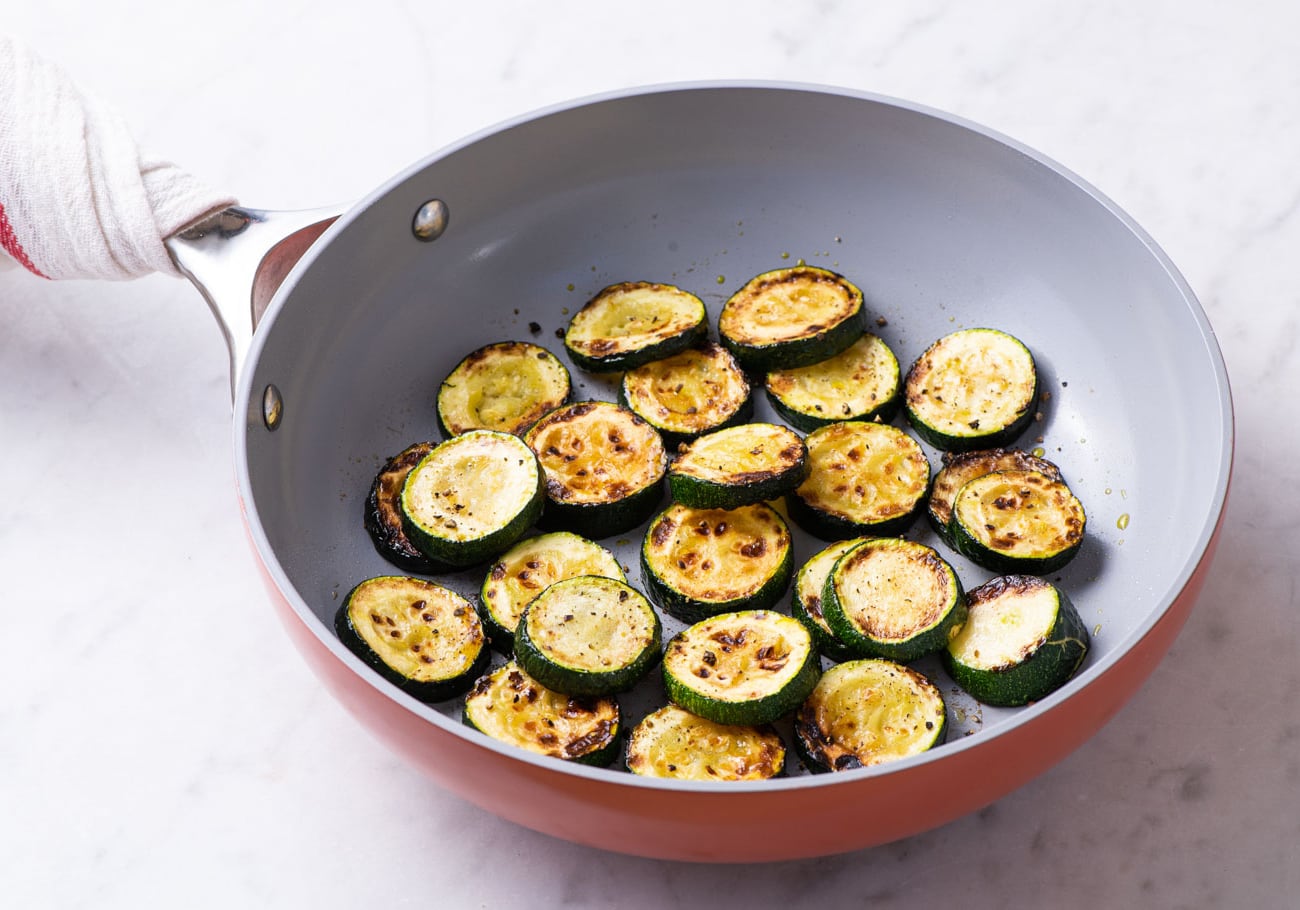
Best Pan for Sautéing Vegetables: Top Material Recommendations
Based on cooking performance and real-world experience, certain pans consistently deliver excellent results for sautéing vegetables. Stainless steel sauté pans remain the most versatile choice for most home cooks. They work on all stovetop types, require minimal maintenance, and deliver reliable results. A quality 12-inch stainless steel sauté pan with a thick, aluminum-clad bottom is an investment that will serve you well for decades.
Carbon steel pans deserve serious consideration if you're willing to learn proper seasoning and maintenance. The responsiveness of carbon steel is incredible—you can make quick adjustments to heat level and see immediate results. This direct feedback makes it easier to develop your sautéing skills and create perfectly cooked vegetables with beautiful browning.
For anyone who prioritizes ease of use and cleanup, a high-quality non-stick pan designed specifically for sautéing can be worthwhile. Choose brands that use modern, durable coating technology rather than cheaper options that lose their non-stick properties quickly. These pans are particularly helpful if you're cooking for people with different dietary needs or if you simply prefer cooking with minimal oil.
Cast iron remains an unbeatable option if you want durability and long-term value. A well-seasoned cast iron skillet can produce vegetables with an excellent sear and browning. If you already have cast iron, there's no need to replace it—it's genuinely one of the best pans for sautéing vegetables despite its weight.
Practical Tips for Sautéing Vegetables Successfully
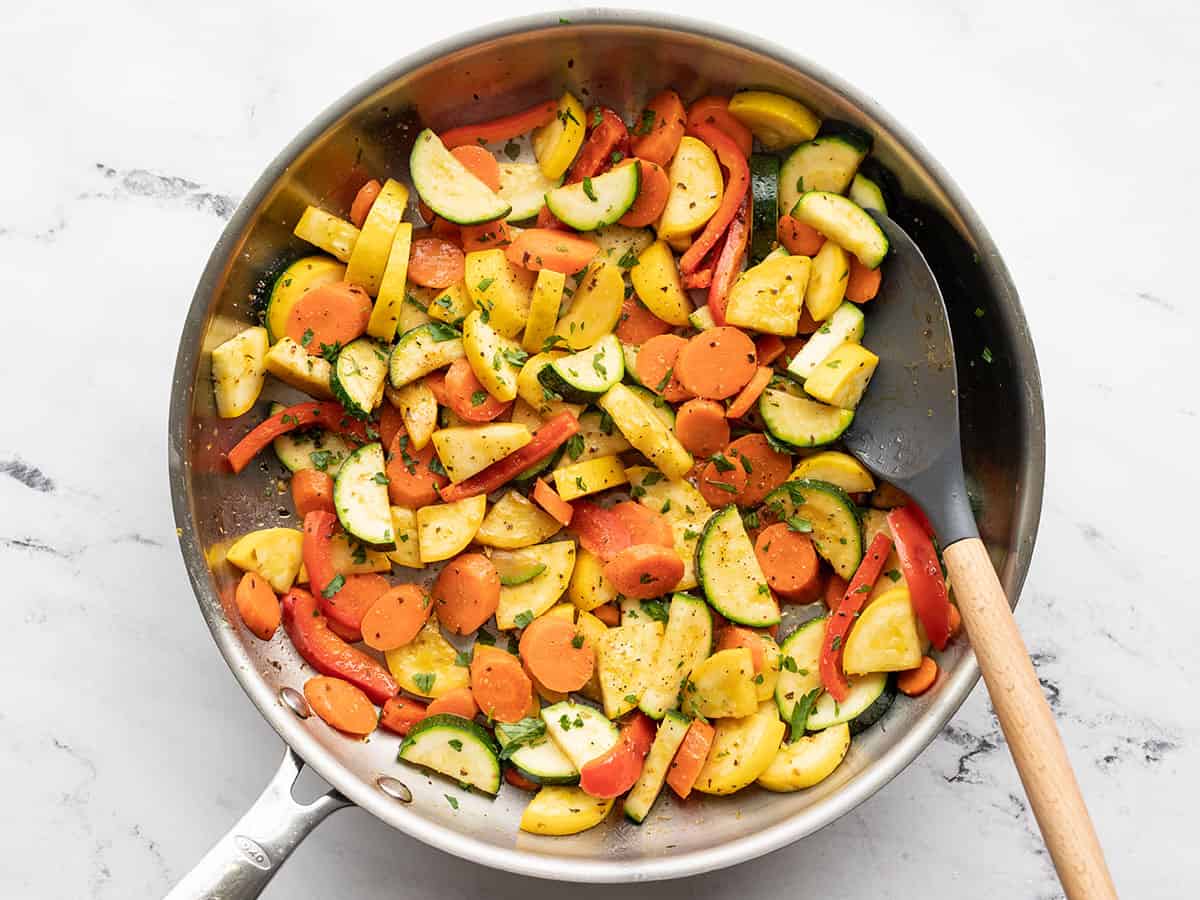
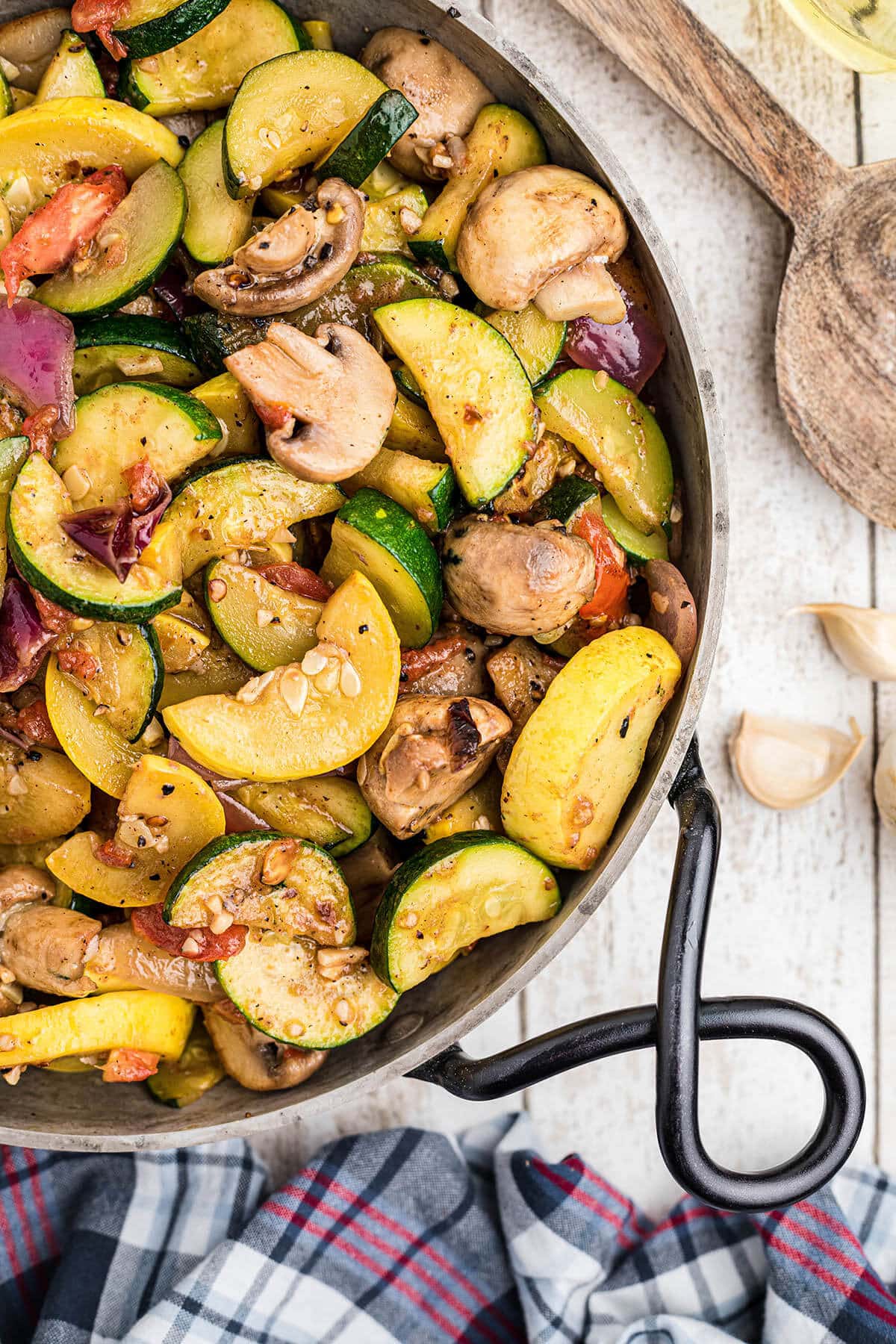
Choosing the right pan is only half the battle. Your technique matters equally, and a few simple habits can dramatically improve your results. Always start with a hot pan and hot oil or butter before adding vegetables. This creates immediate contact between the vegetables and the heat, which develops flavor through browning rather than steaming.
Don't crowd the pan with too many vegetables at once. Give vegetables space to cook in a single layer, and resist the urge to stir constantly. Let them sit undisturbed for 30 to 60 seconds before tossing, which allows them to develop a nice golden color. If you're cooking a large batch, work in multiple batches rather than overcrowding the pan.
Cut your vegetables into similar-sized pieces so they cook evenly. Smaller pieces cook faster, while larger pieces take longer, so consistency in size is crucial. Keep your vegetables dry before adding them to the pan—excess moisture causes steaming instead of sautéing, so pat them dry with a clean kitchen towel.
Use the right fat for high-heat cooking. Olive oil has a lower smoke point, so it's better for medium-heat sautéing. Vegetable oil, canola oil, or avocado oil work better for higher-heat applications. Butter adds wonderful flavor but can burn, so consider using clarified butter (ghee) if you're cooking at high temperatures.

Common Mistakes When Choosing and Using Sauté Pans
Many home cooks make the same mistakes when it comes to sautéing vegetables, and these errors usually trace back to either pan selection or technique. Buying a pan based on price alone is one of the most common mistakes. Cheap pans often have thin bottoms that create hot spots, uneven heating, and frustration. Investing in a quality pan for sautéing vegetables is genuinely worthwhile because you'll use it multiple times every week.
Another frequent error is using a pan that's too small for the job. This leads to overcrowding, which causes vegetables to steam rather than sauté. If you find yourself cooking for more than two people regularly, consider upgrading to a larger sauté pan or cooking in batches.
Many people also underestimate the importance of pan preheating. Starting with a cold pan and cold oil will almost always result in sticking and uneven cooking. Take an extra minute or two to preheat your pan properly, and you'll see a dramatic improvement in your results.
Using the wrong temperature is another common issue. Too much heat burns your vegetables on the outside while leaving them raw inside. Medium-high to high heat is usually appropriate for sautéing, but it depends on your specific vegetables and pan. Trust your senses—listen for a gentle sizzle when you add vegetables, not an aggressive popping sound.
Maintenance and Care for Long-Term Performance
How you care for your sauté pan directly affects how long it lasts and how well it performs. For stainless steel pans, cleaning is straightforward. Wash with hot soapy water immediately after cooking, dry thoroughly, and store in a dry place. Stainless steel is naturally rust-resistant, so you don't need special oils or treatments, though occasional polishing keeps it looking shiny and new.
Carbon steel and cast iron require more attention. After cooking, wipe the hot pan with a damp cloth and dry immediately with a kitchen towel. For stuck-on food, use a small amount of oil and a soft brush to gently scrub the surface. Never soak cast iron or carbon steel in water, as this promotes rust. Store these pans in a dry location, and consider applying a thin layer of neutral oil to the surface periodically to maintain the seasoning.
Non-stick pans should be cleaned gently with soft sponges or cloths to preserve the coating. Avoid metal utensils, which can scratch the non-stick surface. Hand washing is better than dishwashing for non-stick pans, as the heat and harsh detergents in dishwashers can damage the coating over time.
Regardless of pan material, avoid sudden temperature changes. Don't place a hot pan under cold running water, as this can cause warping and damage. Let pans cool gradually to room temperature before cleaning.

Budget-Friendly Options Without Sacrificing Quality
You don't need to spend hundreds of dollars to get a quality pan for sautéing vegetables. Many excellent mid-range options perform just as well as premium brands and cost significantly less. Look for pans in the $30 to $80 range that feature thick, bonded construction and quality handles. Reputable brands in this price range typically offer great value and good warranties.
Consider buying during sales or looking for previous year's models, which are often discounted heavily. Many kitchen retailers have seasonal sales where quality cookware is reduced by 20 to 40 percent. Restaurant supply stores sometimes offer excellent deals on professional-grade pans at lower prices than specialty kitchen shops.
If you're interested in cast iron or carbon steel, you can find excellent quality options for under $30, and these pans actually improve with age. Vintage cast iron pans are often available at thrift stores for a few dollars, and with a bit of seasoning, they perform beautifully. This option is perfect if you're on a tight budget and willing to invest a little effort in restoration.

Frequently Asked Questions
What is the ideal pan size for sautéing vegetables?
A 10 to 12-inch sauté pan is ideal for most home cooking situations. This size provides enough surface area for vegetables to cook in a single layer without overcrowding, which is essential for proper sautéing rather than steaming.
Can I use a regular frying pan instead of a sauté pan for vegetables?
Yes, you can use a regular frying pan for sautéing vegetables, though a dedicated sauté pan with sloped sides works better. The sloped sides of a sauté pan make tossing easier and more efficient, but a regular frying pan will still deliver good results if it has a thick bottom and proper heat distribution.
How do I prevent vegetables from sticking in a stainless steel pan?
Preheat your pan thoroughly, use enough oil or butter, and wait about 30 seconds before moving the vegetables. Ensuring your vegetables are dry before adding them to the pan also helps prevent sticking and promotes better browning and sautéing.
Is carbon steel or stainless steel better for sautéing vegetables?
Both are excellent choices with different advantages. Stainless steel requires less maintenance and works on all stovetops, making it the easier choice for most cooks. Carbon steel heats faster and becomes naturally non-stick with proper seasoning, but it requires more care and isn't ideal for induction cooktops.
What oil should I use for sautéing vegetables at high heat?
Use oils with high smoke points like vegetable oil, canola oil, avocado oil, or light olive oil. Olive oil and butter have lower smoke points, so they're better for medium-heat cooking. If you want the flavor of butter at higher temperatures, use clarified butter or ghee instead.
How thick should the bottom of a sauté pan be?
A bottom thickness of at least 2.6mm is ideal for even heat distribution. Thicker bottoms store more heat and distribute it more consistently, which results in more uniform cooking of your vegetables and better control over the cooking process.
Do I need to season a stainless steel pan for sautéing vegetables?
No, stainless steel doesn't require seasoning. Simply wash with hot soapy water and dry thoroughly after each use. This is one of the advantages of stainless steel—it's low-maintenance and ready to use right out of the box.
Conclusion
Selecting the best pan for sautéing vegetables transforms how you cook and makes preparing healthy, delicious meals much more enjoyable. Whether you choose a quality stainless steel sauté pan with aluminum-clad construction, a responsive carbon steel option, or a convenient non-stick alternative, the key is investing in a pan with thick, heat-distributing construction and proper sizing. The right pan paired with good technique—preheating, avoiding overcrowding, and using adequate fat—will give you vegetables that are perfectly cooked with beautiful browning and excellent flavor.
Start by assessing your cooking style and budget, then choose a pan that matches your needs and preferences. If you're new to sautéing, a quality stainless steel pan is a safe, versatile choice that works beautifully for almost every situation. Once you experience the difference that a proper sauté pan makes, you'll wonder how you ever cooked without it. Take action today by investing in a pan that will serve you well for years, and enjoy the satisfaction of preparing restaurant-quality sautéed vegetables in your own kitchen.

Leave a Reply