
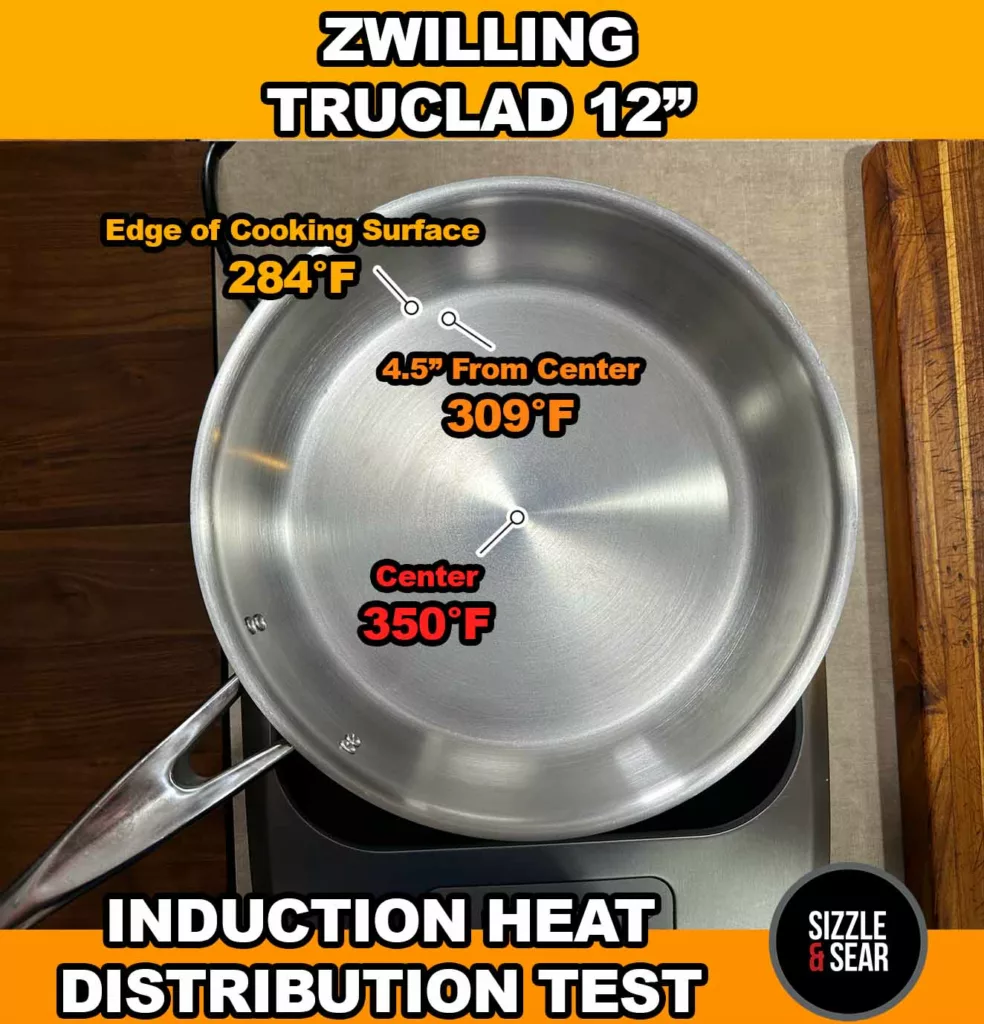
Even heat distribution in cookware is essential for consistent cooking results and preventing hot spots that burn food unevenly. When you're cooking a delicate sauce or searing a perfect steak, the last thing you want is scorched edges while the center remains undercooked. That's where understanding cookware for even heat distribution becomes a game-changer in your kitchen.
I've spent years experimenting with different pans and pots, from budget-friendly options to high-end professional-grade cookware, and I've learned that not all cookware conducts heat equally. The difference between a pan that heats evenly and one that doesn't can completely transform your cooking experience. Whether you're a home cook preparing weeknight dinners or someone who takes their culinary skills seriously, choosing the right cookware for even heat distribution will help you achieve better results with less frustration and fewer cooking mishaps.
Understanding Heat Distribution in Cookware
Heat distribution refers to how evenly a pan or pot spreads heat across its cooking surface. When cookware for even heat distribution is properly designed, it prevents hot spots—those frustrating areas where food burns while other parts remain undercooked. Think of it like spreading butter on toast; you want it distributed evenly, not clumpy in some spots and bare in others.
The way cookware for even heat distribution works depends on several factors, including the material composition, thickness, and construction method. Different metals conduct heat at different rates. Copper conducts heat beautifully and distributes it fast, while stainless steel conducts more slowly but retains heat longer. Understanding these properties helps you choose cookware for even heat distribution that matches your cooking style and needs.
Quality cookware for even heat distribution doesn't just make cooking easier—it actually improves your food. Sauces emulsify better when heated gently and evenly. Vegetables brown more uniformly. Proteins cook with better color and texture. I've noticed this personally when comparing my old warped pan to newer, properly constructed cookware. The difference in final results is remarkable.

Materials That Provide Even Heat Distribution
Different materials offer varying levels of heat conductivity and retention, making material choice crucial when selecting cookware for even heat distribution.
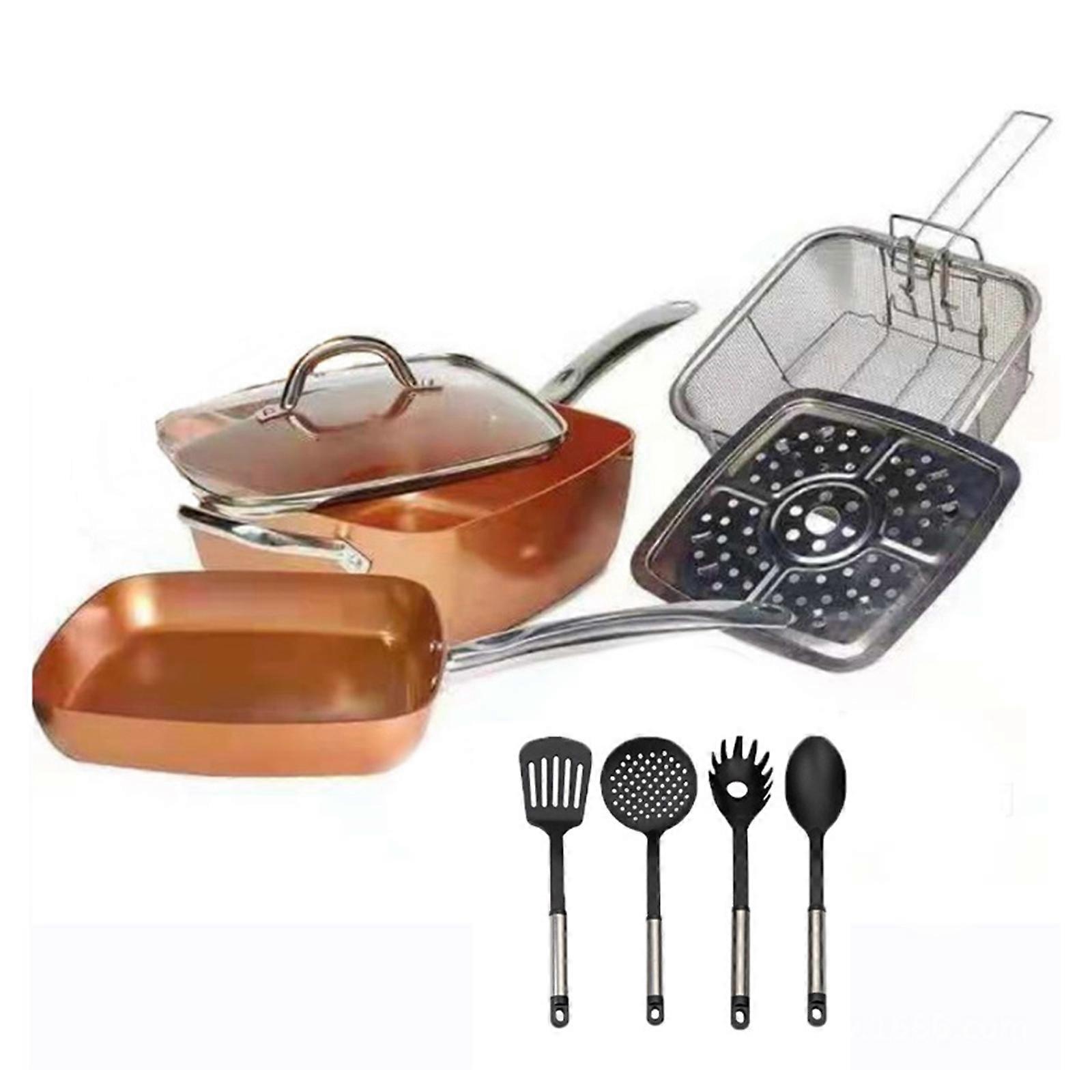
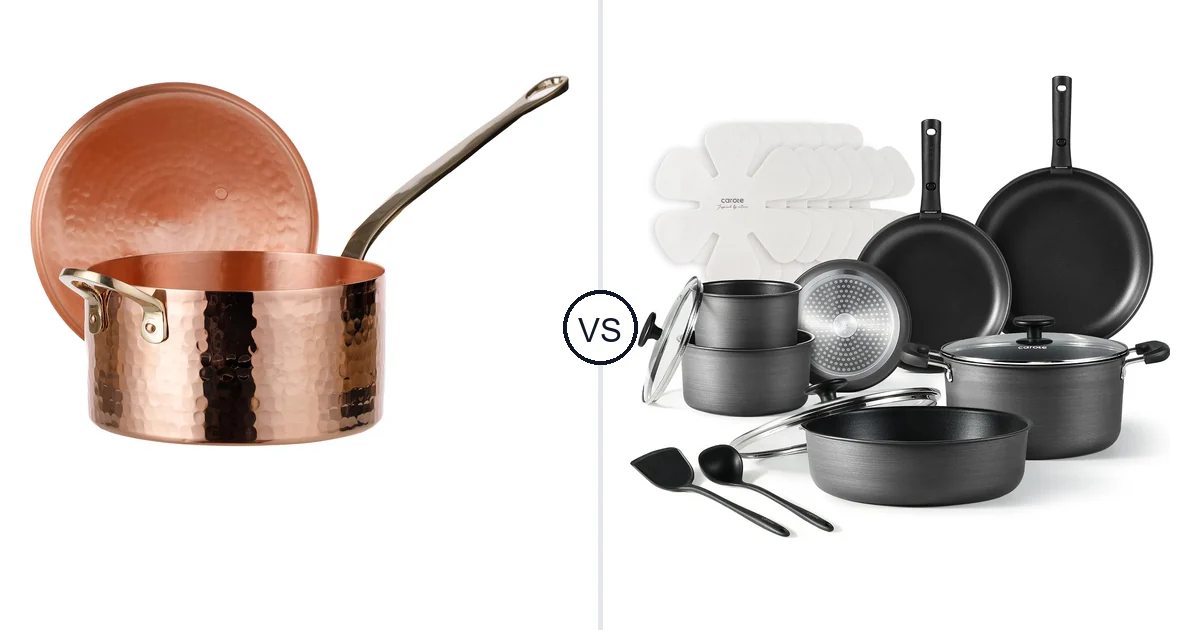
Copper is an excellent conductor of heat and remains a favorite among professional chefs. Cookware for even heat distribution made with copper heats quickly and distributes temperature uniformly across the cooking surface. However, copper cookware is expensive and requires regular maintenance to prevent tarnishing. The investment is worth it if you cook frequently and value precision.
Aluminum is lightweight and conducts heat well, making it a popular choice for cookware for even heat distribution at moderate prices. Many professional kitchens use aluminum pans because they heat up quickly and respond rapidly to temperature changes. The downside is that pure aluminum can react with acidic foods, so most quality aluminum cookware includes a non-reactive coating or lining.
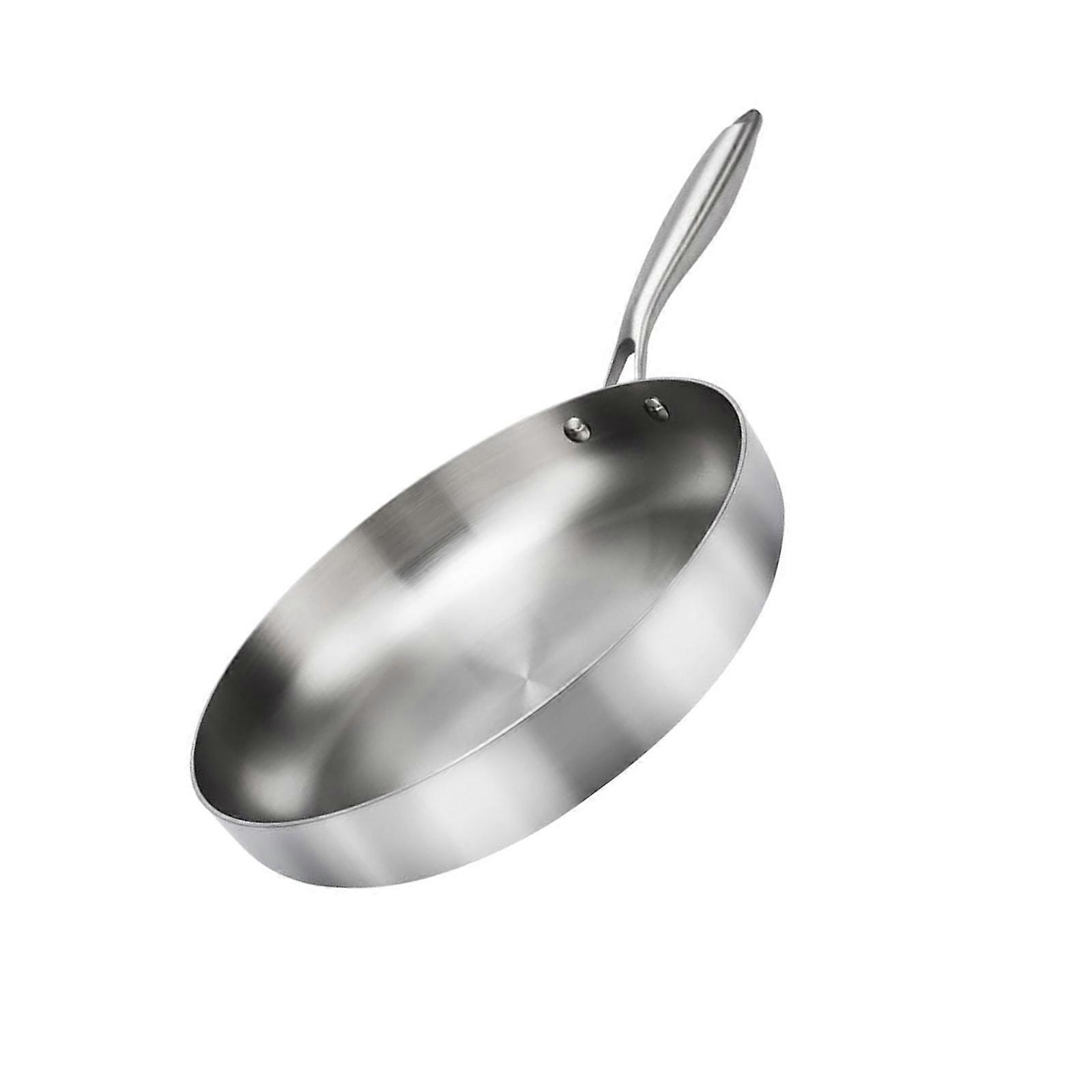
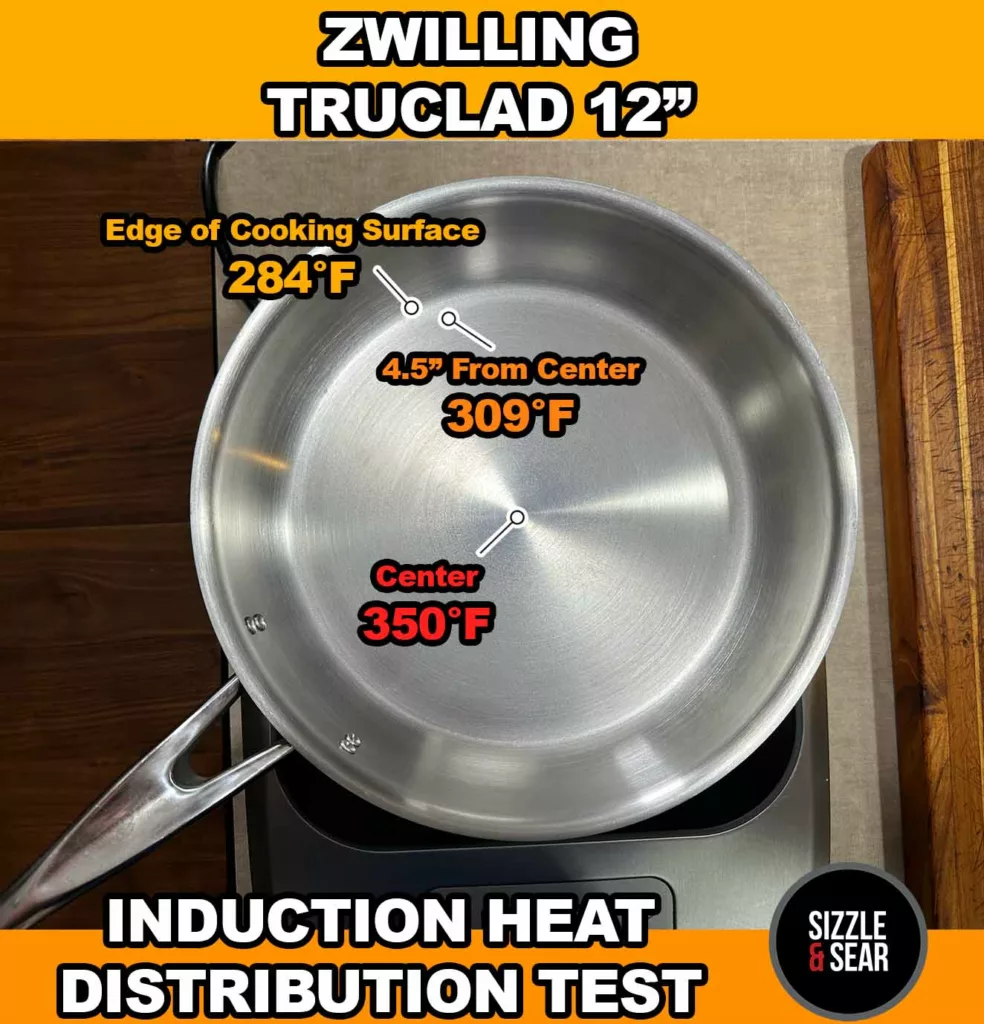
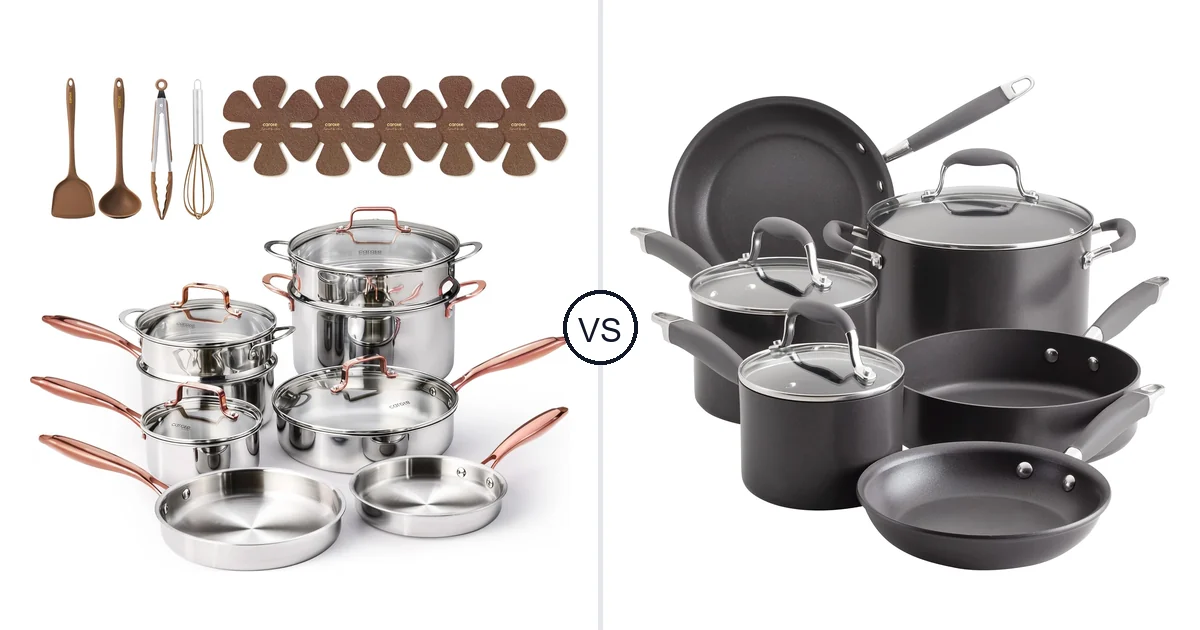
Stainless steel is durable and resistant to corrosion, but it's not an excellent heat conductor on its own. This is why quality cookware for even heat distribution often features stainless steel construction with an aluminum or copper core. This combination gives you the best of both worlds—the durability of stainless steel with the heat distribution properties of aluminum or copper.
Cast iron has been used for centuries and offers exceptional heat retention. While cast iron takes longer to heat up, once it reaches temperature, it maintains heat incredibly evenly. Many people love cooking with cast iron because cookware for even heat distribution in cast iron creates beautiful browning and searing. The learning curve is steeper, but the results are worth it.
Clad cookware combines multiple layers of different metals bonded together. This type of cookware for even heat distribution is engineered specifically to maximize heat flow from the heat source to the cooking surface. The outer layers are usually stainless steel, while inner layers contain aluminum or copper for optimal heat distribution.
The Importance of Cookware Thickness
Thickness is one of the most underrated factors when selecting cookware for even heat distribution. Thin pans heat up quickly but develop hot spots and cool spots rapidly. Thicker cookware for even heat distribution takes longer to reach temperature but maintains it more consistently once heated.
I learned this lesson the hard way when I bought a thin, inexpensive skillet. Pancakes would burn on the edges while the center stayed pale. Switching to a thicker pan solved the problem immediately. Thickness matters because it creates a thermal buffer that smooths out temperature fluctuations across the pan surface.
Look for cookware for even heat distribution with a thickness of at least 2 to 3 millimeters on the bottom. Premium options often have bottoms that are 4 to 5 millimeters thick. This added thickness provides the thermal mass needed for truly even heating. While heavier cookware requires a bit more effort to handle, the cooking benefits justify the extra weight.
Multi-ply construction in cookware for even heat distribution often includes multiple bonded layers that enhance thickness without excessive weight. These engineered pans provide superior heat distribution compared to single-layer alternatives of similar weight.

Construction Methods and Their Impact on Heat Distribution
How cookware for even heat distribution is constructed significantly affects its performance. Different manufacturing techniques create different results, and understanding these methods helps you make informed choices.
Disk-bottom cookware features a flat bottom with a thick aluminum or copper disk attached to the stainless steel base. This disk extends slightly up the sides and is designed to distribute heat evenly. Cookware for even heat distribution using disk-bottom construction is often affordable and performs well on both gas and electric stovetops. The disk helps prevent heat loss to the stovetop and maintains consistent temperatures throughout cooking.
Fully-clad cookware bonds multiple metal layers across the entire pan, including the sides and handles. This construction method ensures consistent heat distribution in every part of the cookware for even heat distribution. While fully-clad pans cost more, they respond more uniformly to temperature changes. I prefer fully-clad cookware for even heat distribution because the consistent thermal properties reduce cooking variables and make recipes more predictable.
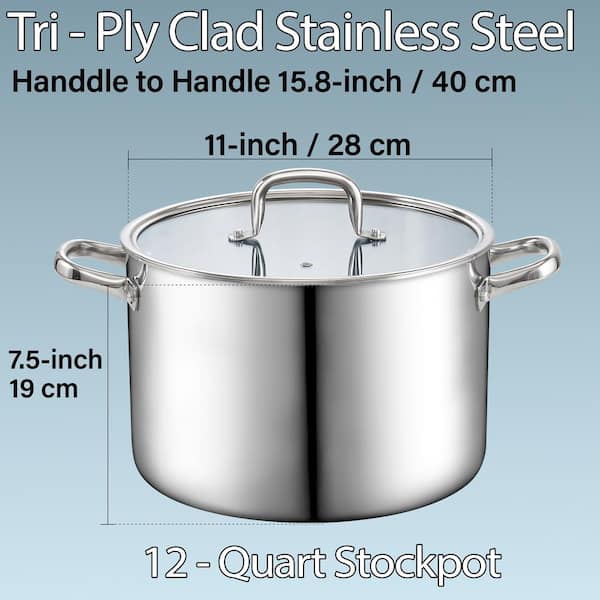
Tri-ply construction is a specific type of cladding that uses three layers—usually stainless steel on the exterior and interior with aluminum sandwiched between. This is considered the gold standard for cookware for even heat distribution. The aluminum core conducts heat rapidly and uniformly, while stainless steel provides durability and a non-reactive surface.
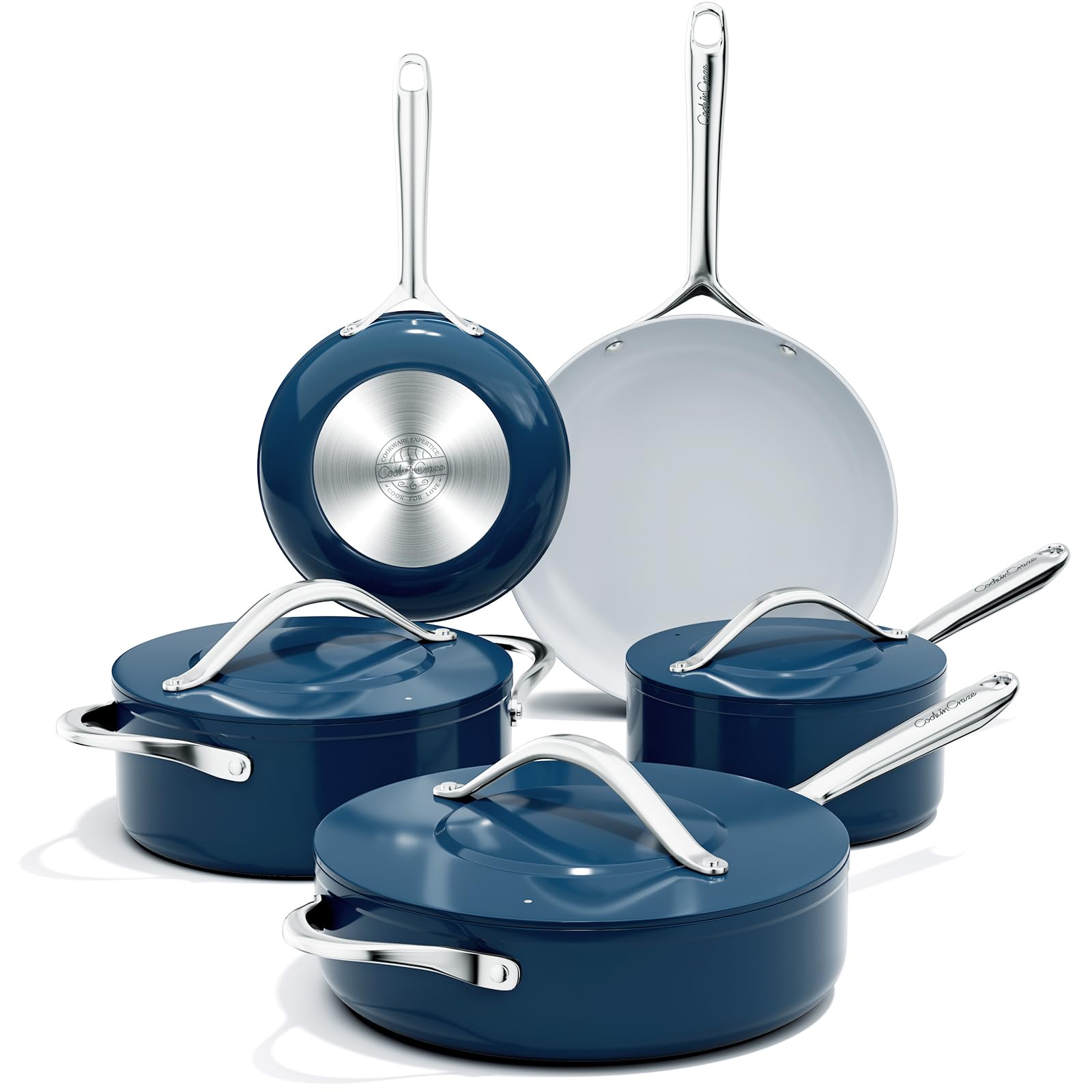
Hard-anodized aluminum construction creates a cookware for even heat distribution that's extremely durable. The anodizing process hardens the aluminum surface, making it harder than stainless steel. Many professional kitchens use hard-anodized cookware because it combines excellent heat distribution with durability and a non-stick surface on many models.

Cookware for Even Heat Distribution on Different Stovetop Types
Different stovetops require different considerations when choosing cookware for even heat distribution. Your cooking surface significantly impacts how well your cookware performs.
Gas stovetops work well with cookware for even heat distribution that has a thick, flat bottom. Gas heat comes from below and concentrates in one area, so cookware with superior heat distribution helps spread that concentrated heat across the cooking surface. Quality cookware for even heat distribution on gas burners should have excellent thermal conductivity to handle the intense, localized heat.
Electric stovetops benefit from cookware for even heat distribution with large, flat contact surfaces. Coil electric burners require cookware that sits evenly on the coil without rocking. The heavier thermal mass of quality cookware for even heat distribution helps compensate for the slower response time of electric burners. Smooth cooktop surfaces work best with cookware that has completely flat bottoms.
Induction cooktops have special requirements for cookware for even heat distribution. Induction uses magnetic fields to heat cookware, so only ferromagnetic materials work. Stainless steel and cast iron work great with induction, while aluminum requires a special base. Quality cookware for even heat distribution on induction should have a thick, flat bottom to maintain good contact with the cooktop surface and distribute the magnetic heat evenly.
Halogen and ceramic cooktops work similarly to smooth electric surfaces and benefit from cookware for even heat distribution with large, flat bottoms. These cooktops can break if pans are dragged across them, so choose cookware that glides smoothly and maintains full contact with the heating surface.
Identifying Quality Cookware for Even Heat Distribution
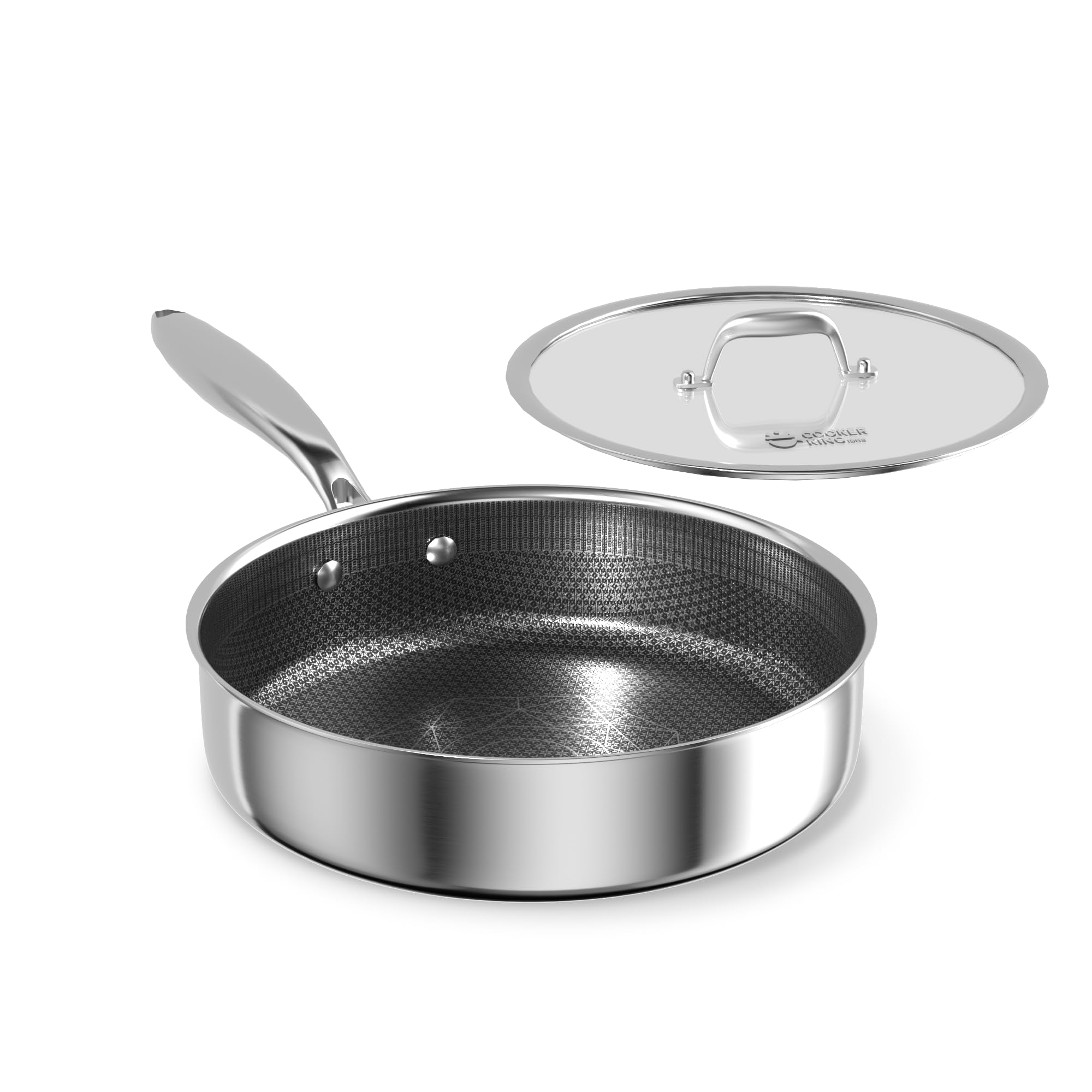
When shopping for cookware for even heat distribution, knowing what to look for helps you make smart purchases. Not all cookware is created equal, and recognizing quality indicators saves money and frustration.
Check the weight of the cookware for even heat distribution. Heavier pans generally have better heat distribution because they contain more material. If a pan feels suspiciously light, it probably lacks the thermal mass needed for even heating. That said, excessive weight becomes unwieldy, so aim for cookware that's substantial without being exhausting to handle.
Examine the bottom of cookware for even heat distribution closely. It should be completely flat with no warping. Run your finger across the bottom; it should feel smooth. Place it on a flat surface and check if it rocks. Quality cookware for even heat distribution sits flush against your cooking surface, ensuring maximum contact and efficient heat transfer.
Look at the construction of cookware for even heat distribution. You should see distinct layers when viewing the sides, especially if it's clad construction. The layers should be bonded securely with no separation. Check that handles are firmly attached and that cookware for even heat distribution has no defects or weak points.
Read reviews specifically about even heating. Look for feedback about hot spots or whether food cooks uniformly. These real-world experiences reveal how cookware for even heat distribution performs in actual kitchens. Personal testimonies often highlight problems that technical specifications miss.
Consider the warranty offered with cookware for even heat distribution. Quality manufacturers stand behind their products with substantial warranties. A lifetime warranty on cookware for even heat distribution indicates confidence in the product's durability and performance.
Practical Tips for Using Cookware for Even Heat Distribution
Having quality cookware for even heat distribution is only half the equation. How you use it matters equally for achieving consistent results.
Preheat your cookware for even heat distribution properly. Allow your pan to heat for a few minutes before adding food. This gives the cookware for even heat distribution time to reach a stable temperature throughout. Different pans require different preheating times, so pay attention to when water droplets dance and bead up rather than spreading out.
Use appropriate heat levels for your cookware for even heat distribution. Even the best cookware for even heat distribution doesn't perform well on maximum heat settings. Most cooking happens effectively on medium or medium-high heat. I've found that using lower heat settings actually produces better results because the cookware for even heat distribution has time to maintain consistent temperatures.
Distribute the food across the cooking surface. When you're using cookware for even heat distribution, spacing food appropriately allows heat to reach all items uniformly. Crowding the pan prevents even heating because items obstruct heat circulation and can create cool spots where steam accumulates.
Allow cookware for even heat distribution to rest between uses. This prevents thermal shock and extends the life of your pans. Sudden temperature changes can warp cookware, compromising its ability to distribute heat evenly. Let pans cool naturally rather than plunging them into cold water immediately after cooking.
Maintain your cookware for even heat distribution properly. Regular cleaning and appropriate care preserve the heat distribution properties. For stainless steel cookware for even heat distribution, polishing occasionally keeps it looking new and functioning optimally. For non-stick cookware for even heat distribution, use wooden or silicone utensils to protect the coating.
Common Problems with Poor Heat Distribution
Understanding what goes wrong when cookware for even heat distribution is inadequate helps you avoid these frustrations. Poor heat distribution creates predictable problems that experienced cooks recognize immediately.
Hot spots appear as areas where food burns while surrounding areas undercook. This is the most obvious sign of inadequate cookware for even heat distribution. In my early cooking days, I'd have chocolate scorch on one side of the pan while staying fluid on the other. Quality cookware for even heat distribution eliminates this completely.
Warping is both a cause and a consequence of poor cookware. Warped cookware for even heat distribution develops low spots where food sits in liquid and high spots where it dries out. The warping also reduces contact with the heat source, making the situation worse. Avoiding warping is yet another reason to invest in quality cookware for even heat distribution.
Uneven browning frustrates anyone trying to develop nice colors on meat or vegetables. When cookware for even heat distribution is subpar, some areas brown beautifully while others remain pale. This affects both appearance and flavor since browning creates complex flavors through the Maillard reaction.
Boiling and cooking inconsistencies plague those with inadequate cookware for even heat distribution. Water might boil rapidly in one spot while other areas stay barely warm. This makes it impossible to cook pasta, rice, or beans uniformly. Quality cookware for even heat distribution prevents these frustrations entirely.
Sauce breaking and curdling can result from hot spots in cookware for even heat distribution. Delicate emulsions like hollandaise or béarnaise require gentle, consistent heat. Poor cookware for even heat distribution creates spots hot enough to scramble egg yolks while surrounding areas stay cool.
Maintenance and Longevity of Even-Heat Cookware
Proper maintenance extends the life of your cookware for even heat distribution and preserves its heat distribution qualities. Taking good care of your pans ensures they perform well for decades.
Hand washing is generally recommended for cookware for even heat distribution, especially high-quality pieces. While many cookware manufacturers claim dishwasher safety, hand washing is gentler and extends lifespan. I always hand wash my best cookware for even heat distribution to keep it in pristine condition. Use soft sponges and avoid abrasive scrubbers that can scratch the surface.
Avoid sudden temperature changes with your cookware for even heat distribution. Placing a hot pan in cold water can warp the bottom, compromising heat distribution. Allow cookware for even heat distribution to cool gradually before washing. This simple habit prevents thermal shock that damages the thermal properties.
Store cookware for even heat distribution carefully to prevent damage. Stacking is fine if you use protective layers or cloth between pans. Hanging cookware on a rack is an excellent option that prevents dents and dings. Proper storage keeps cookware for even heat distribution in good shape for long-term use.
Season cast iron cookware for even heat distribution regularly to maintain its non-stick surface. Wipe a thin layer of oil on the hot pan after each use and store it. This builds up the seasoning and keeps the heat distribution properties intact. Well-seasoned cast iron develops a natural non-stick surface that improves with age.
Check the bottom of your cookware for even heat distribution periodically for warping. A warped pan indicates that previous use has damaged the thermal properties. If you notice warping, the cookware for even heat distribution may need replacement to restore proper heat distribution.
Investment Considerations for Premium Cookware
Choosing quality cookware for even heat distribution represents an investment that pays dividends through better cooking results and lasting durability. Understanding the cost-benefit relationship helps justify the expense.
High-quality cookware for even heat distribution costs more upfront but lasts decades with proper care. I've used the same set of cookware for even heat distribution for over fifteen years. When I calculate the cost per use, the investment seems quite reasonable. Budget cookware might seem economical initially, but frequent replacement quickly becomes expensive.
Complete cookware sets for even heat distribution usually offer better value than buying pieces individually. However, buying individual pieces allows you to invest in the pans you actually use. I prefer purchasing individual cookware for even heat distribution pieces that match my cooking style rather than paying for sizes I never use.
Consider your cooking frequency and skill level when evaluating cookware for even heat distribution investments. Casual home cooks might not need the most expensive options, while serious cooks benefit significantly from premium cookware for even heat distribution. Matching your cookware to your needs ensures you get appropriate value.
Specialty cookware for even heat distribution pieces, like copper cookware or heirloom cast iron, can become family treasures. These pieces often increase in value and create emotional connections beyond their practical function. Investing in special cookware for even heat distribution creates lasting memories associated with good meals and good times.
Resale value matters with cookware for even heat distribution. Quality brands maintain value and can be resold if you upgrade to different cookware. Investing in reputable cookware for even heat distribution ensures that if you ever decide to sell, you'll recover a reasonable portion of your investment.
Frequently Asked Questions
What is the best material for cookware with even heat distribution?
Copper provides the best heat distribution due to its superior thermal conductivity, but it requires maintenance. For practical, long-lasting options, tri-ply stainless steel with an aluminum core offers excellent heat distribution combined with durability and minimal maintenance requirements.
How can I tell if my current cookware distributes heat evenly?
Fill your pan with water and place it on medium heat, then drop small amounts of food coloring around the pan. Areas that change color quickly have better heat distribution while slow-changing areas indicate poor heat distribution. Alternatively, watch how quickly different spots come to a boil.
Is thicker cookware always better for heat distribution?
Thicker cookware generally distributes heat more evenly, but excessive thickness can be unwieldy and heats up slowly. A sweet spot exists around 2 to 3 millimeters for most home cooks, providing excellent heat distribution without excessive weight or slow response times.
Can non-stick cookware distribute heat evenly?
Yes, high-quality non-stick cookware can distribute heat evenly, especially when built with multiple layers and a quality core material. Hard-anodized aluminum non-stick cookware offers particularly good heat distribution, though traditional stainless steel with a non-stick coating can also perform well.
Does cookware for even heat distribution work on all stovetop types?
Most quality cookware works on multiple stovetop types, but induction requires ferromagnetic materials like stainless steel. Check the cookware's specifications for induction compatibility, and confirm the bottom is flat and fully in contact with your specific stovetop surface.
Why does my expensive cookware develop hot spots?
Hot spots often develop from warping caused by thermal shock or using extreme heat settings. Even expensive cookware can warp if exposed to sudden temperature changes, such as putting a hot pan in cold water. Proper care prevents this issue and maintains heat distribution quality.
Conclusion
Choosing cookware for even heat distribution transforms your cooking from frustrating to enjoyable and results from mediocre to remarkable. The foundation of great cooking lies in having the right tools, and cookware with truly even heat distribution is among the most important tools in any kitchen. Whether you select copper for superior conductivity, quality stainless steel clad pieces for durability, or cast iron for traditional charm, prioritizing even heat distribution elevates every meal you prepare.
Your investment in quality cookware for even heat distribution pays dividends through consistent results, beautiful browning, properly cooked proteins, and delicate sauces that emulsify instead of break. Start by evaluating your cooking needs and stovetop type, then choose cookware that matches those specific requirements rather than settling for whatever's on sale. Pay attention to construction quality, material composition, and thickness, and commit to proper maintenance that preserves your cookware's heat distribution properties for years to come.
Take action today by assessing your current cookware situation. If you're experiencing hot spots or uneven cooking, commit to upgrading at least one piece of quality cookware for even heat distribution. You'll notice the difference immediately in your results and find cooking more enjoyable. Share your experiences with cookware for even heat distribution in the comments below, and let me know which materials and construction methods work best in your kitchen.

Leave a Reply