
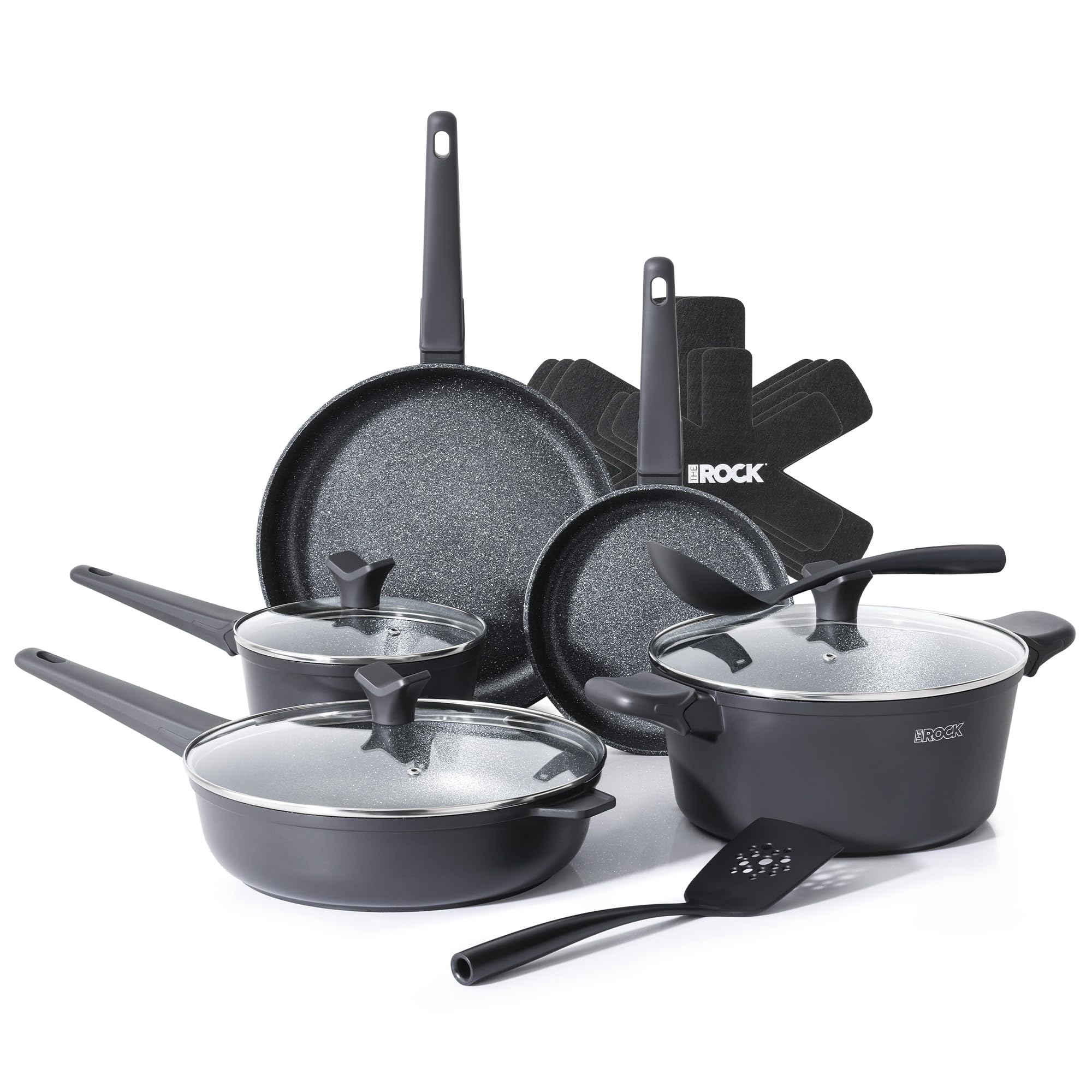
Cast iron, stainless steel, and carbon steel cookware last the longest, often lasting 50+ years with proper care. Investing in quality cookware is one of those decisions that pays dividends over time. When you're tired of replacing worn-out pans every few years, it's worth understanding which materials and brands deliver real longevity. I've tested countless cookware pieces throughout my kitchen journey, and I can tell you that some pans become kitchen heirlooms while others end up in the donation pile within a few years. The difference comes down to materials, construction quality, and how you treat your cookware. This guide breaks down exactly which cookware lasts longest, why certain materials outperform others, and how to make your pans work harder for you over decades.

What Makes Cookware Last Longer
The longevity of any cookware depends on several interconnected factors working together. Understanding these fundamentals helps you make smarter choices when shopping for new pans.
The material itself plays the biggest role in how long your cookware lasts longest. Dense, heat-conducting materials like cast iron and stainless steel withstand years of cooking without degrading. Thinner materials, especially non-stick coatings, tend to wear out faster because they're more fragile. The construction quality matters just as much as the raw material. A pan with a thick base distributes heat evenly and resists warping, while cheaper pans with thin bottoms develop dents and hot spots that ruin your cooking experience.
Heat exposure also affects durability significantly. Cookware exposed to extreme temperature swings develops structural stress that leads to cracks or warping. Using medium heat instead of constantly cranking the burner to high extends your pan's life considerably. The way you clean and store your cookware determines whether you get five years or fifty years of use. Handwashing delicate pans prevents dishwasher damage, while proper storage keeps them from getting scratched or dented.
Your cooking habits matter more than you might think. Constantly moving pans on and off heat, banging them against the stove edge, and stacking them carelessly in the cabinet all contribute to premature wear. Gentle handling and respectful treatment transform a good pan into a kitchen companion that lasts decades.
Cast Iron Cookware: The Lifetime Champion
Cast iron stands in a league of its own when it comes to cookware that lasts longest. These pans have been around for centuries and can easily last 100 years or more with basic care.
The magic of cast iron lies in its simple construction. It's literally just iron, sometimes with a slightly smoother cooking surface. Cast iron pans develop a seasoning layer over time, which is essentially polymerized oil that creates a natural non-stick surface. This seasoning actually improves with age and use, making your pan better every time you cook.
I inherited a cast iron skillet from my grandmother that's over 70 years old and cooks better than any modern pan I own. The thing that amazes me most is that it required almost zero maintenance during that time. My grandmother simply wiped it clean after cooking and stored it in the cupboard. That's the beauty of cast iron cookware that lasts longest—it actually thrives on regular use rather than special treatment.
Cast iron handles extreme temperature changes without warping or cracking. You can pull a screaming hot skillet from the stovetop and run it under cold water without worry. This makes them perfect for cooking techniques like searing meat or baking cornbread. The even heat distribution means hot spots disappear, and your food cooks uniformly.
The main drawback of cast iron is the initial seasoning process and the need to avoid excessive moisture. New cast iron requires some attention to build up seasoning properly. You'll want to cook fatty foods, dry the pan thoroughly after washing, and store it in a dry location. Acidic foods like tomato sauce can strip seasoning if left sitting in the pan for hours. These limitations are minor compared to the decades of reliable performance you'll get.

Stainless Steel Cookware: The Reliable Workhorse
Stainless steel cookware ranks as the second-best option for pans that last longest, combining durability with convenience that cast iron can't match.
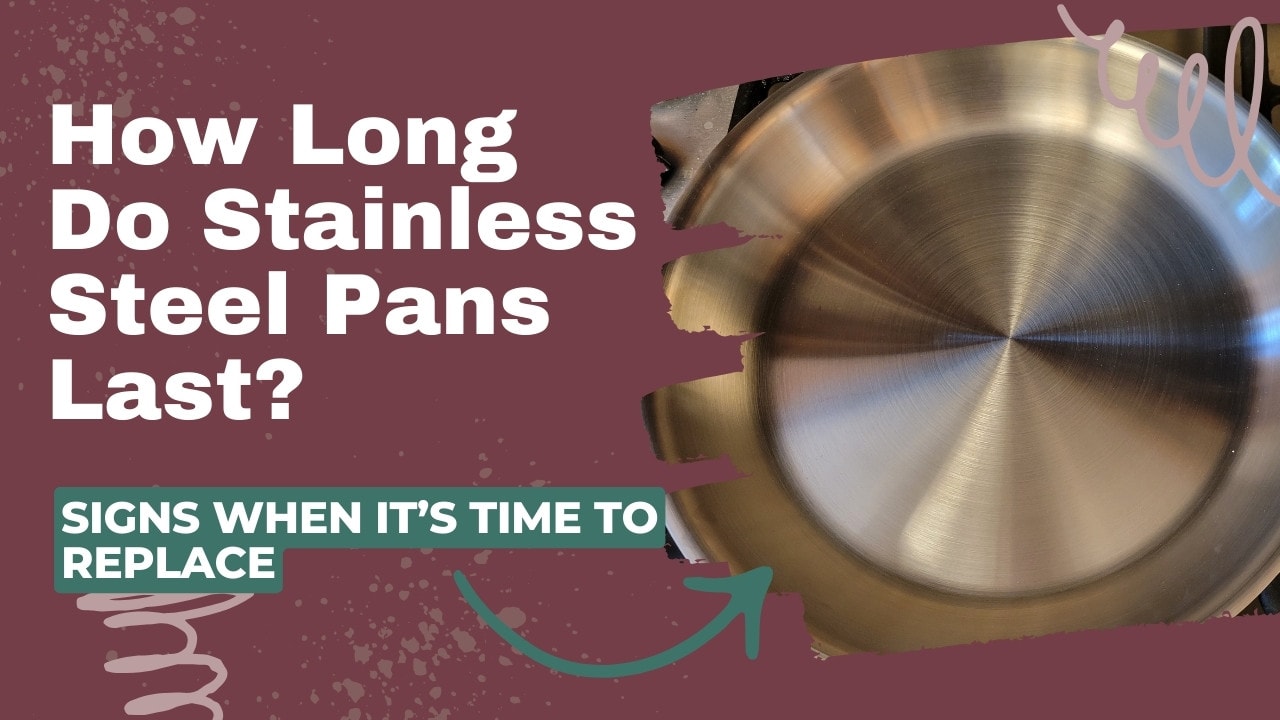
Stainless steel resists corrosion, staining, and rust naturally because of its chromium content. This means you don't need to season it, you can store it without worry about moisture, and acidic foods don't damage the cooking surface. The material handles dishwasher cleaning without degrading, though handwashing extends its life further.
Quality stainless steel cookware can easily last 30 to 50 years, and premium brands often come with lifetime warranties. The construction matters tremendously here—look for cookware with a clad bottom or a thick stainless steel bottom layer that's bonded to copper or aluminum. This construction prevents warping and distributes heat evenly across the cooking surface.
From my experience, stainless steel cookware that lasts longest typically comes from mid-range to premium brands. I've owned the same set of stainless steel pots and pans for 15 years without replacing a single piece. They've been through daily use, dishwasher cycles, and occasional bumps and dings. The metal shows patina rather than rust, and everything still heats evenly.
The downside is that stainless steel requires decent technique to avoid sticking unless you're using plenty of oil or butter. It also takes longer to heat up than cast iron, though it maintains temperature beautifully once heated. Some people find the learning curve frustrating when switching from non-stick cookware.

Carbon Steel Cookware: The Hybrid Option
Carbon steel represents the sweet spot between cast iron and stainless steel, offering a unique combination of benefits for cookware that lasts longest.
Carbon steel is essentially thinner and lighter than cast iron, but it still develops seasoning just like cast iron does. It heats up faster than cast iron and handles temperature changes better than pure cast iron, making it incredibly versatile. The seasoning layer creates a non-stick surface that improves over time, similar to cast iron.
Cookware made from carbon steel can last 40 to 60 years or more because the material never degrades chemically. Unlike non-stick coatings that eventually flake off, seasoning on carbon steel actually gets better with age. You're investing in a tool that becomes more valuable and easier to use the longer you own it.
I switched to carbon steel about five years ago and haven't looked back. The pans heat quickly for weeknight dinners, season beautifully, and weigh less than my cast iron collection. They work on all heat sources including induction, and the thinner construction makes tossing food much easier. The seasoning does require slightly more attention than cast iron, but it's honestly no more demanding than caring for any other cooking tool.
The main limitation is that seasoning takes patience to build initially, and you need to dry the pan immediately after washing. Acidic foods still strip seasoning over time, so you'll want to avoid prolonged contact with tomato sauce or vinegar-based dishes.
Non-Stick Cookware: When Longevity Meets Limitations
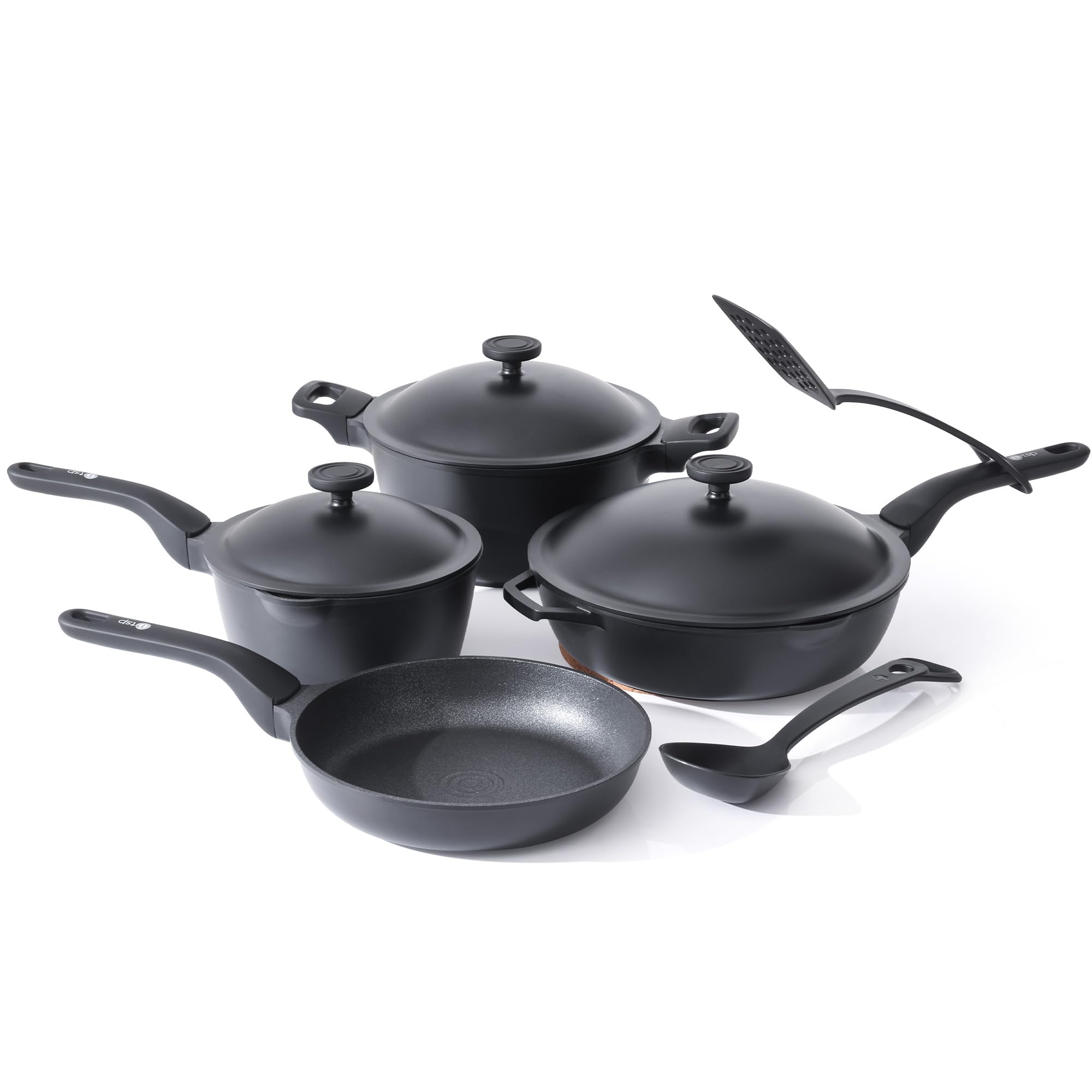
Non-stick cookware offers immediate convenience, but it typically doesn't last as long as natural materials when it comes to cookware that lasts longest overall.
The non-stick coating eventually wears away with regular use, usually within 3 to 10 years depending on quality and care. Premium non-stick cookware from reputable brands lasts longer than budget options. High-end non-stick pans use durable coatings that can survive 5 to 10 years of daily use, while cheaper versions start peeling within a year or two.
Modern non-stick coatings are much safer than older versions that contained harmful chemicals. The newer formulations still wear down eventually, but they don't flake into your food during the process. When the coating finally gives up, you're essentially left with a worthless pan because it's impossible to re-coat it affordably.
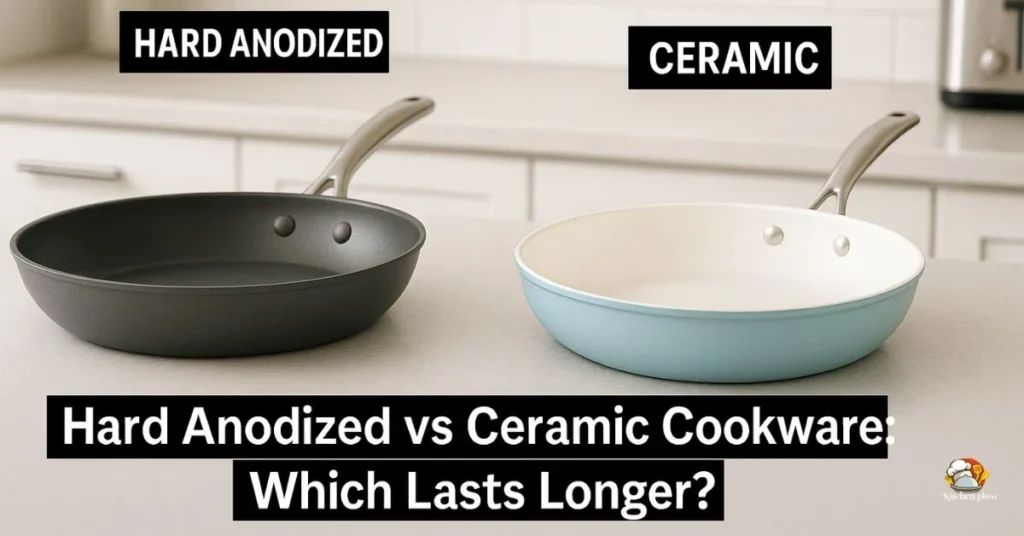
Some people argue that ceramic non-stick cookware lasts longer because it's more scratch-resistant than traditional Teflon. Ceramic coatings can hold up better in certain situations, but they still eventually wear down and can't be restored. Neither ceramic nor PTFE-based non-stick coatings compete with the decades of use you get from cast iron or stainless steel.
I use non-stick pans occasionally for delicate tasks like cooking eggs or crepes, but I don't rely on them for everyday cooking. The convenience isn't worth replacing pans every five years when I can grab cast iron or carbon steel that works essentially forever.

Premium Cookware Brands That Last
Investing in cookware from established brands dramatically increases the likelihood that your cookware lasts longest in your kitchen.
Le Creuset enameled cast iron cookware comes with a lifetime warranty and stands up to decades of use. The company has been making cookware since 1925, and their construction quality reflects generations of experience. These pans cost more upfront, but many people use the same Le Creuset Dutch oven for 30 or 40 years.
Staub, another premium cast iron brand, produces cookware that matches Le Creuset in quality. Their enamel coating comes in various colors and patterns, but the durability remains exceptional. Staub pans are slightly heavier than standard cast iron but distribute heat incredibly evenly.
All-Clad dominates the stainless steel cookware market with cookware that lasts longest through superior construction. Their clad bottom technology bonds stainless steel to aluminum, creating a pan that heats evenly and never warps. The cookware is expensive, but the lifetime warranty reflects the company's confidence in their product.
Tramontina offers similar clad construction to All-Clad but at a fraction of the price. I've been impressed by how well Tramontina cookware performs in testing and real-world kitchens. The cookware lasts longest when you treat it well, and Tramontina pieces definitely deliver on that promise without emptying your wallet.
Lodge makes affordable cast iron cookware that's perfectly suitable for decades of use. Their modern manufacturing produces pre-seasoned cast iron that requires far less babying than vintage pieces. Lodge cookware is American-made and backed by a lifetime warranty.
De Buyer produces excellent carbon steel cookware with proper design and quality construction. Their pans season beautifully and handle high heat without warping. De Buyer represents the gold standard in carbon steel cookware that lasts longest with proper care.
Cookware Construction Features That Enhance Longevity
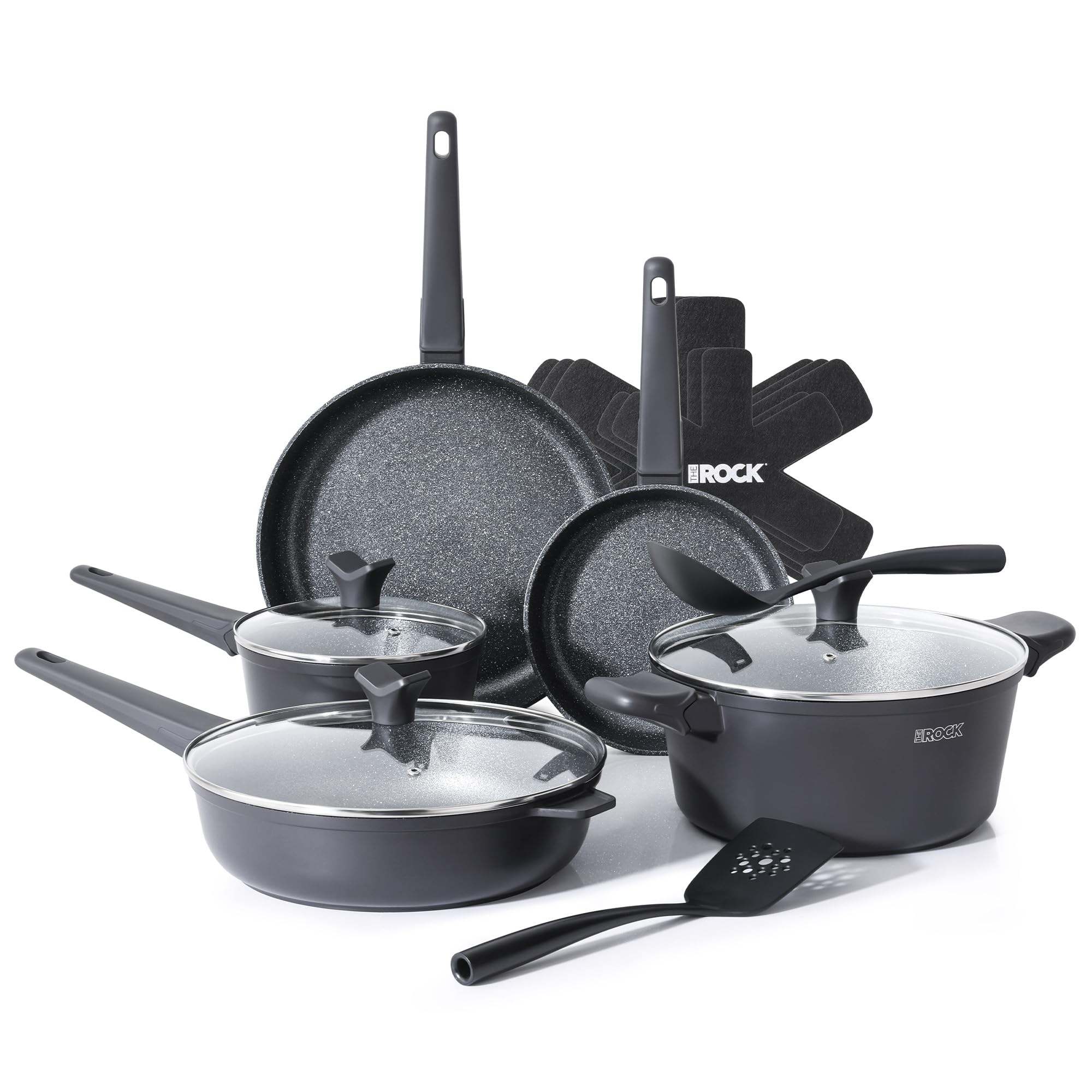
Specific construction details determine whether cookware lasts longest or falls apart prematurely.
A thick base layer is non-negotiable for cookware that lasts longest. The base should be at least 3mm thick to prevent warping when exposed to temperature changes. Run your hand along the bottom of any potential purchase and feel for consistent thickness without thin spots.
Fully clad construction, where the sides of the pan also have a metal layer bonded throughout, provides superior heating and durability compared to disk-bottom cookware. Clad cookware heats more evenly and lasts longer because there's no weak point where different materials meet and potentially separate.
Riveted handles last longer than welded handles because the rivets distribute stress more effectively. Check that rivets are flush with the handle surface so nothing catches on your hands or cabinets. Heat-resistant handles that stay cool during cooking are essential for daily usability over decades.
The lid should fit snugly without being so tight that it's difficult to remove. Glass lids should be tempered so they can handle temperature changes without shattering. Metal lids on cookware like Dutch ovens should fit smoothly without gaps that allow steam to escape incorrectly.
The cooking surface should be smooth and uniform without pits, dents, or irregularities that might indicate manufacturing defects. Look for even coloring that suggests consistent material throughout. These details might seem minor, but they're the difference between cookware that lasts longest and cookware that develops problems within months.
How to Make Your Cookware Last Longer
Proper care and handling transform even decent cookware into pieces that outlast your kitchen cabinets.
Clean your cookware promptly after use before food hardens and becomes difficult to remove. Use warm soapy water and a soft sponge for most pans. Avoid harsh scrubbing that scratches the surface, whether it's seasoning on cast iron or the finish on stainless steel cookware that lasts longest.
Dry pans immediately after washing, especially cast iron and carbon steel. Leaving moisture sitting on the cooking surface accelerates rust formation and degrades seasoning. I keep a clean kitchen towel nearby specifically for this task.
Store cookware in a dry location away from humidity and temperature extremes. Stacking pans should be done carefully to avoid scratching surfaces or denting the sides. Consider using pan protectors between stacked pieces to preserve the finish.
Season cast iron and carbon steel regularly by cooking fatty foods and occasionally applying a thin layer of oil when the pan is cool. This builds up the seasoning layer that makes the cookware better over time. Proper seasoning maintenance is honestly less demanding than it sounds once you develop a routine.
Use appropriate cookware for your heat source. Copper-bottomed cookware needs adequate surface contact on the burner. Induction cookware requires magnetic properties in the base. Using the right cookware on the right heat source prevents damage and ensures even heating.
Avoid prolonged contact between acidic foods and bare cast iron or carbon steel. Tomato sauce, vinegar, and citrus strips seasoning from the cooking surface. Cook these foods in a stainless steel pan or Dutch oven, or minimize contact time on seasoned cookware.
Preheat pans gradually rather than blasting them with high heat immediately. Gradual heating prevents warping and thermal stress that shortens the lifespan of cookware that lasts longest. Medium to medium-high heat typically handles most cooking tasks perfectly.
Handle your cookware gently and avoid banging it against hard surfaces. Treat your pans with respect and they'll reward you with decades of dependable performance. I genuinely feel bad when I accidentally bang a pan into the stovetop because I know it's creating invisible stress in the material.

The Cost Benefit Analysis of Durable Cookware
Understanding the long-term financial implications helps justify the upfront cost of cookware that lasts longest.
Budget cookware costs $20 to $50 per pan but lasts only 2 to 5 years before the non-stick coating fails or handles break. Over 20 years, you'll replace that single pan four to ten times, spending $80 to $500 on the same piece. The convenience of cheap cookware comes with surprising total costs.
Mid-range stainless steel cookware costs $100 to $300 per pan and lasts 30 to 50 years. One purchase covers your cooking needs for most of your adult life. The per-year cost becomes negligible compared to constantly buying replacements.
Premium cookware from brands like All-Clad costs $200 to $500 per pan but comes with lifetime warranties and durability proven by decades of use. Many people use the same high-end cookware for 40 or 50 years. The initial investment feels substantial until you calculate the cost per year over multiple decades.
Cast iron and carbon steel require virtually no replacement investment once purchased. A $30 to $80 cast iron skillet used for 60 years costs less than 50 cents per year. This incredible value proposition explains why so many people treasure cast iron from previous generations.
Time and frustration also factor into the equation. Using cookware that sticks, heats unevenly, or requires constant replacement is frustrating and inefficient. Quality cookware that lasts longest actually saves time and mental energy by performing reliably year after year.
Frequently Asked Questions
What cookware material lasts the longest?
Cast iron cookware lasts the longest, often lasting 100+ years with basic care, followed closely by stainless steel at 30-50 years and carbon steel at 40-60 years. These materials don't degrade chemically and actually improve with regular use over time.
Does expensive cookware really last longer?
Yes, generally expensive cookware from reputable brands lasts longer because they use superior materials, better construction methods, and thicker gauge metals that resist warping. Premium brands also typically offer lifetime warranties that reflect their confidence in durability.
Can you restore old cookware to make it last longer?
Cast iron can be restored through seasoning and proper care regardless of age, and stainless steel can be cleaned and polished to look new again. Carbon steel can also be re-seasoned if it's lost its coating, making restoration possible without replacement.
What's the lifespan of non-stick cookware compared to other types?
Non-stick cookware typically lasts 3-10 years depending on quality and care, which is significantly shorter than stainless steel (30-50 years), cast iron (100+ years), or carbon steel (40-60 years). The non-stick coating eventually wears away and can't be restored.
Is handwashing or dishwasher washing better for cookware longevity?
Handwashing is gentler and extends the lifespan of most cookware, though high-quality stainless steel can handle dishwasher cycles. Cast iron and carbon steel should always be handwashed to preserve their seasoning, while hand-washing any cookware reduces the risk of damage from dishwasher jets.
What's the best cookware for people on a budget?
Cast iron cookware offers the best value for budget-conscious shoppers since it costs $25-60 upfront and lasts a lifetime, making it far cheaper per year than replacing non-stick cookware every few years. Lodge cast iron is affordable, pre-seasoned, and American-made.
Wrap Up
The cookware that lasts longest transforms your relationship with cooking by providing reliable, efficient tools that improve over decades rather than declining. Cast iron, stainless steel, and carbon steel represent the three best options depending on your cooking style and preferences. The upfront investment in quality cookware pays dividends through years of reliable performance and food quality that never decreases with age.
Your kitchen deserves cookware that matches your commitment to good cooking. Whether you choose the simplicity of cast iron, the convenience of stainless steel, or the versatility of carbon steel, prioritize construction quality and proper care. These choices today create the heirloom cookware that your family might use for the next 50 years.
Start by evaluating which cookware type fits your cooking habits, then invest in a single quality piece from a reputable brand. Build your collection gradually, treating each piece with respect and care. Your future self will thank you every time you reach for a pan that works perfectly after years or decades of faithful service.

Leave a Reply