
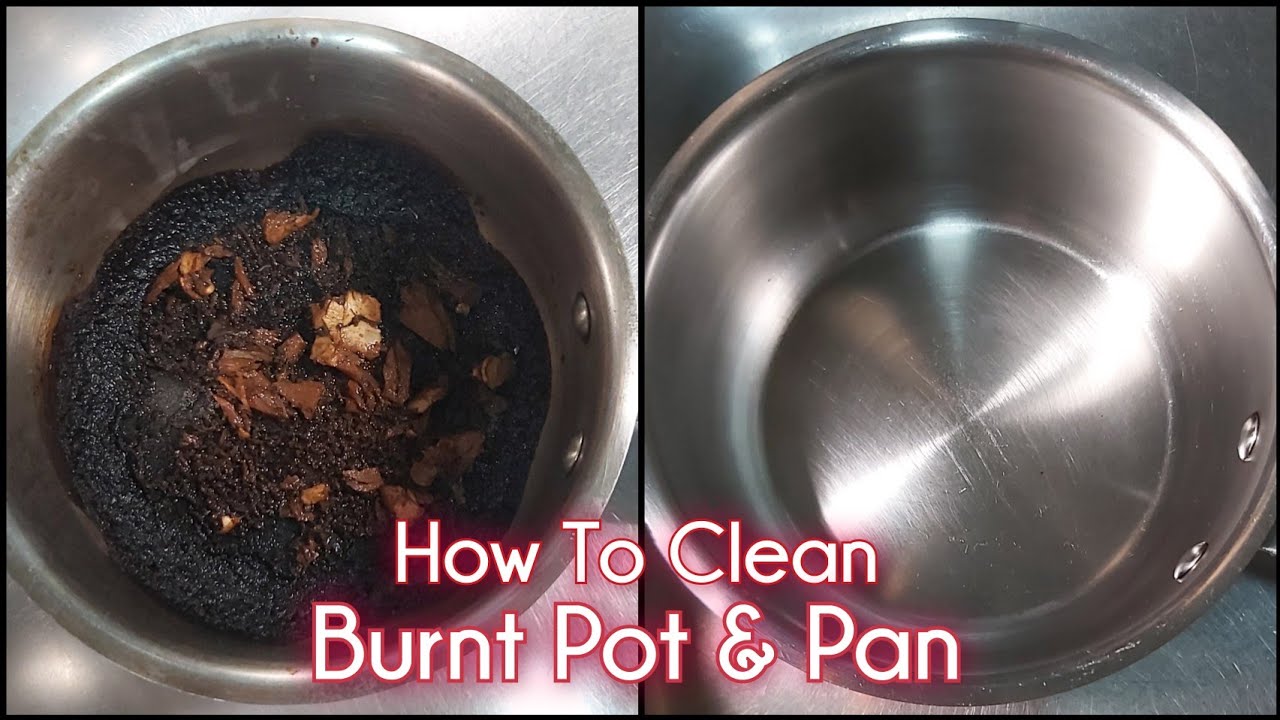
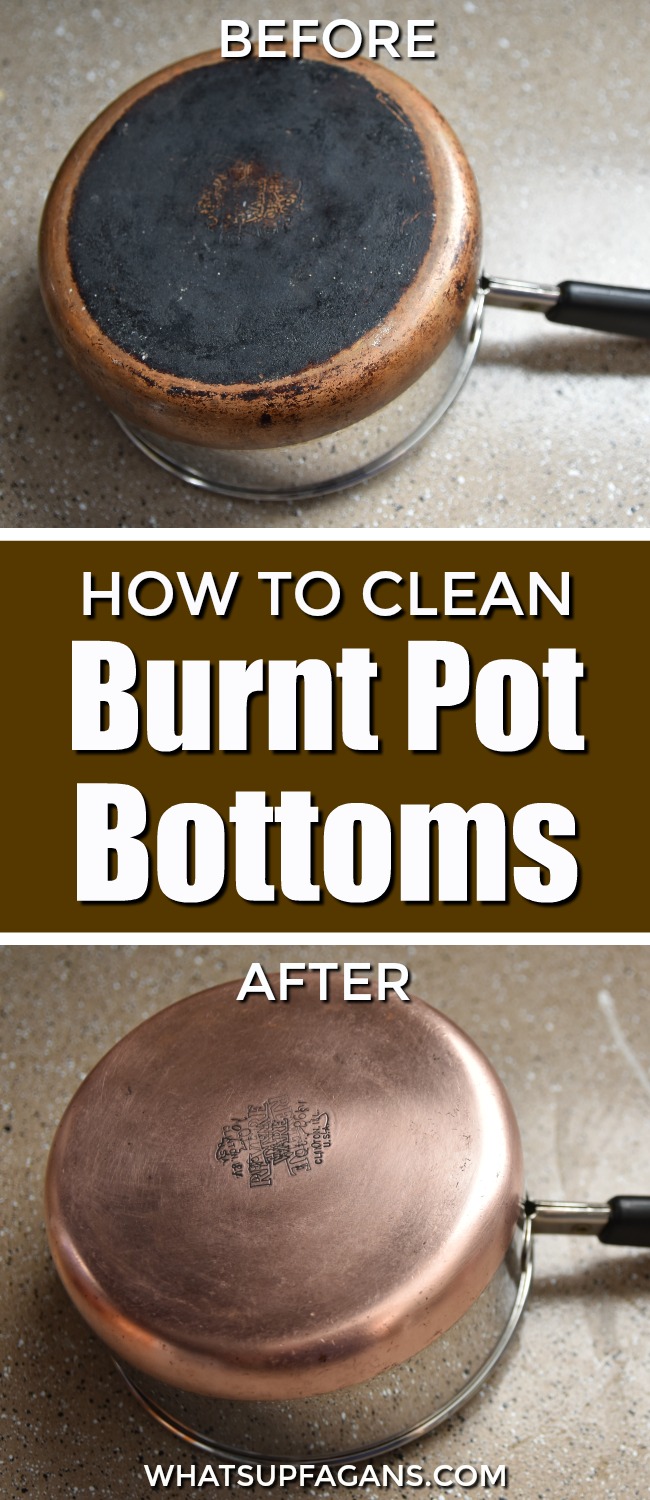
The best way to clean burnt pots is to soak them with baking soda and vinegar, then scrub gently. Whether you've accidentally left dinner on the heat too long or simply miscalculated cooking time, burnt pots are a kitchen frustration we've all faced. The good news is that cleaning burnt pots doesn't require expensive commercial products or excessive scrubbing that damages your cookware. With the right methods and household ingredients, you can restore even the most stubborn burnt pots to their original shine. In this guide, I'll walk you through proven techniques to handle burnt pots effectively, share what I've learned from years of kitchen mishaps, and show you how to prevent burnt pots in the future. Let's explore the best strategies to tackle this common cooking challenge.
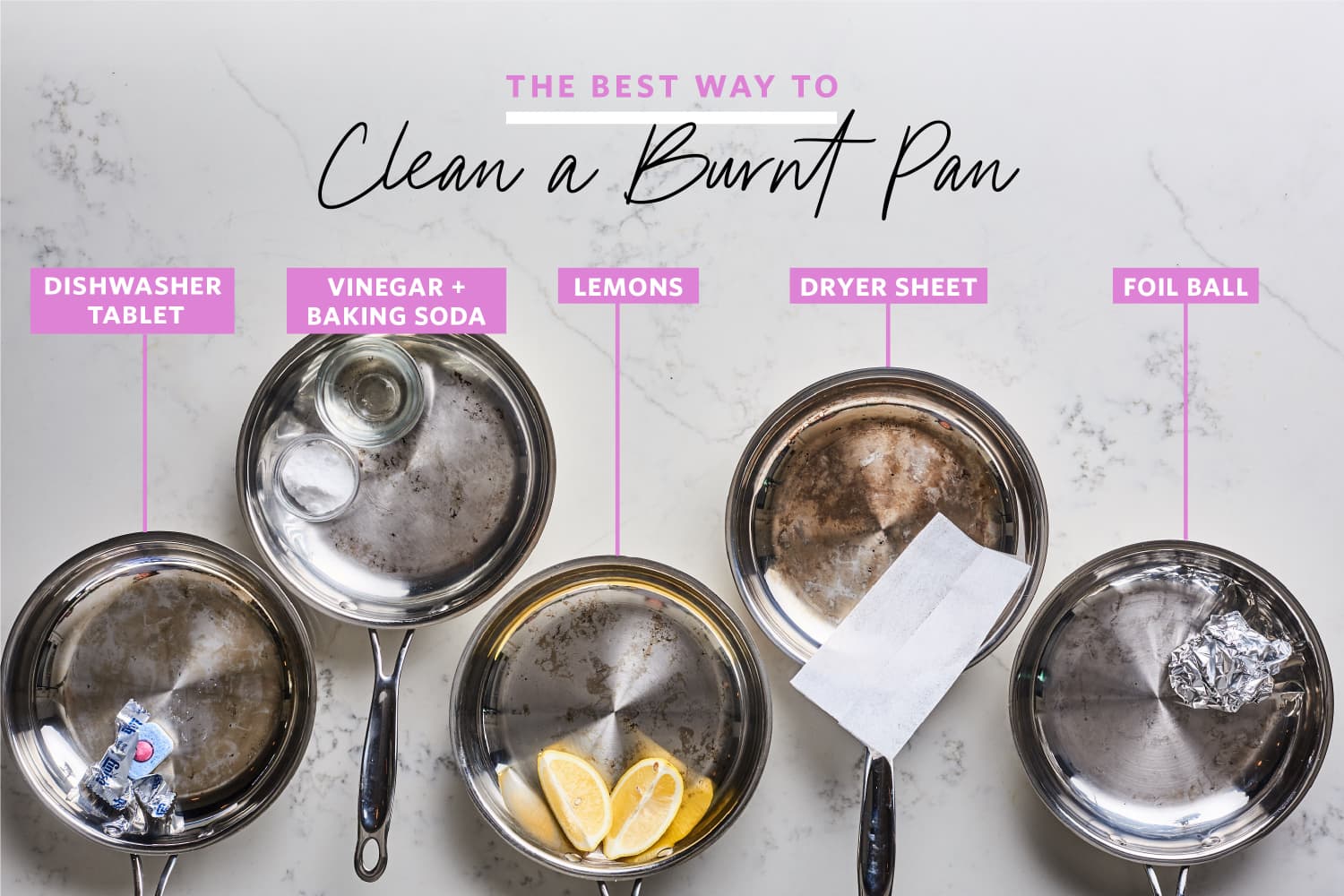
Understanding Why Pots Burn and What Happens
Burnt pots happen when food sticks to the bottom of your cookware and the heat causes the food particles to caramelize excessively or char. This creates a stubborn, darkened layer that's difficult to remove with normal washing. The burning process happens quickly when heat is too high, when you're not stirring frequently enough, or when there isn't enough liquid in your cooking pot.
Different types of burnt buildup require different cleaning approaches. Light scorching might come off with basic scrubbing, while heavily burnt food needs soaking and chemical reactions to break down the stubborn residue. Understanding the severity of your burnt pot helps you choose the most effective cleaning method without wasting time or damaging your cookware.
The Baking Soda and Vinegar Method
This is my go-to approach for cleaning burnt pots, and it works remarkably well for most situations. The chemical reaction between baking soda and vinegar creates a fizzing action that helps lift burnt food particles away from the pot's surface.
Here's how to clean burnt pots using this method:
- Pour out any loose burnt food debris from your pot
- Add one cup of water and two tablespoons of white vinegar to the burnt pot
- Bring the mixture to a boil on your stovetop
- Remove the pot from heat and add two tablespoons of baking soda
- Let the mixture sit for fifteen to thirty minutes while it works on the burnt residue
- Use a soft sponge or brush to gently scrub the pot in circular motions
- Rinse thoroughly with warm water
This method is gentle on your cookware while being tough on burnt food. I've used this technique on everything from stainless steel to nonstick pans, and it rarely disappoints. The beauty of cleaning burnt pots this way is that the baking soda acts as a mild abrasive while the vinegar dissolves burnt particles naturally.
The Boiling Water Method
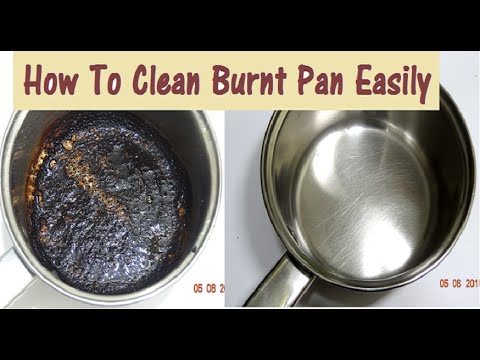
Sometimes the simplest approach to cleaning burnt pots is the most effective. This method is perfect when you don't have specialty products on hand but need results quickly.
Fill your burnt pot halfway with water and bring it to a rolling boil. Let the boiling water sit in the pot for five to ten minutes, which helps soften the burnt residue. Once the water has cooled slightly, use a wooden spoon or soft brush to scrub away the loosened burnt food. For stubborn burnt spots, you may need to repeat this process two or three times.
This method works best for light to moderate burning. Heavy burnt pots might require the additional cleaning power of baking soda or other ingredients. The boiling water method is also excellent as a first step before trying more intensive cleaning techniques.
Using Dish Soap and Baking Soda Paste
Creating a paste from common household items is another effective way to clean burnt pots without harsh chemicals. This approach gives you more control and works particularly well on burnt pots with moderate to heavy buildup.
Mix three tablespoons of baking soda with one tablespoon of water to create a thick paste. Add a few drops of liquid dish soap to the paste and stir until smooth. Apply this paste generously to all the burnt areas of your pot, making sure to cover the entire burnt surface. Let it sit for ten to fifteen minutes, which allows the paste to penetrate and soften the burnt food.
Using a damp sponge or soft-bristled brush, scrub the paste into the burnt areas using gentle circular motions. Work slowly and methodically to avoid scratching your pot's surface. Rinse thoroughly with warm water and inspect for any remaining burnt spots. If necessary, repeat the process for stubborn areas.
The Salt Method for Quick Cleaning
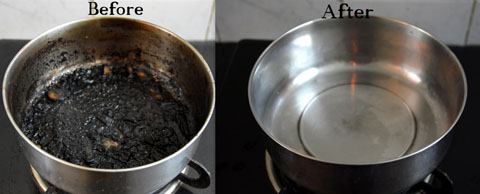
Salt is an excellent mild abrasive that can help with cleaning burnt pots when used correctly. This method is particularly effective for burnt food that hasn't been sitting for extended periods.
Sprinkle a generous amount of coarse salt or table salt across the burnt surface of your pot. Add just enough water to create a gritty mixture that resembles wet sand. Using a crumpled piece of aluminum foil or a stiff brush, scrub the burnt pot with circular motions, applying moderate pressure. The salt crystals work as a gentle scrub while the moisture helps lift burnt particles.
This method is quick and uses ingredients you likely have in your kitchen already. However, it works best for lighter burnt spots rather than heavily burnt pots. Always test this method on an inconspicuous area first if you're concerned about your pot's finish, particularly with nonstick cookware.
The Overnight Soaking Technique
When burnt pots are heavily damaged or have been sitting for a while, sometimes the best approach is patience. Overnight soaking allows time for burnt food to soften naturally without requiring intense scrubbing.
Fill your burnt pot with enough water to cover the burnt area completely. Add one tablespoon of baking soda or a few tablespoons of white vinegar to the water. Let the pot soak overnight or for at least eight hours. The liquid gradually breaks down the burnt residue, making it much easier to remove.
The next morning, empty the soaking water and gently scrub the pot with a soft sponge. Most of the burnt food should come away easily now. Rinse thoroughly and dry. This method is particularly helpful when you don't have time for active cleaning or when other methods haven't worked. It's also gentler on your cookware since you're relying on time rather than aggressive scrubbing.

Cleaning Burnt Pots with Cream of Tartar
Cream of tartar is a mild acid that works wonderfully for cleaning burnt pots, especially when combined with lemon juice. This method is excellent for stainless steel pots and produces a fresh citrus scent as a bonus.
Mix two tablespoons of cream of tartar with enough lemon juice to form a paste. Apply the paste to the burnt areas of your pot and let it sit for ten to fifteen minutes. The acidity of the lemon juice combined with cream of tartar helps break down burnt food naturally. Scrub gently with a soft sponge or cloth, then rinse thoroughly with warm water.
This method works particularly well on burnt pots where you're concerned about scratching the surface. It's also environmentally friendly and safe for all cookware types. You can find cream of tartar in the spice section of most grocery stores, making it an accessible option for most kitchens.
Tips for Cleaning Burnt Pots Without Damage
Protecting your cookware while cleaning burnt pots is essential for long-term durability. Different pot materials require different care levels, so understanding your cookware helps prevent accidental damage.
Always avoid steel wool or abrasive scrubbing pads on nonstick or delicate cookware surfaces. Use soft-bristled brushes, sponges, or cloth instead. For stainless steel pots, you have more flexibility and can use slightly firmer brushes. Test any new cleaning method on a small, less visible area first.
Never use the same cleaning approach on all your cookware. What works for stainless steel might damage nonstick coatings. Always prioritize gentle methods first, saving aggressive scrubbing for cookware that can handle it. Let soaking solutions do most of the work rather than relying on elbow grease alone.

Preventing Burnt Pots in Your Kitchen
The best approach to cleaning burnt pots is preventing them from burning in the first place. Once you understand what causes burnt pots, you can take simple steps to avoid this frustration entirely.
Use appropriate heat levels for what you're cooking. Most dishes don't require high heat throughout the entire cooking process. Start with medium or medium-high heat and adjust as needed. Stir your food frequently to prevent any single area from sitting against hot metal too long. This distributes heat evenly and prevents burnt spots from forming.
Make sure you have adequate liquid in your pot before cooking starts. Insufficient liquid is one of the primary reasons pots burn. Follow your recipes carefully and check on your cooking periodically. Set timers so you don't forget about food cooking on the stove. These simple habits will dramatically reduce how often you need to clean burnt pots.
When to Replace Rather Than Clean Burnt Pots
Occasionally, burnt pots are damaged so severely that cleaning won't restore them to usable condition. Knowing when it's time to replace cookware rather than continuing to clean burnt pots is important.
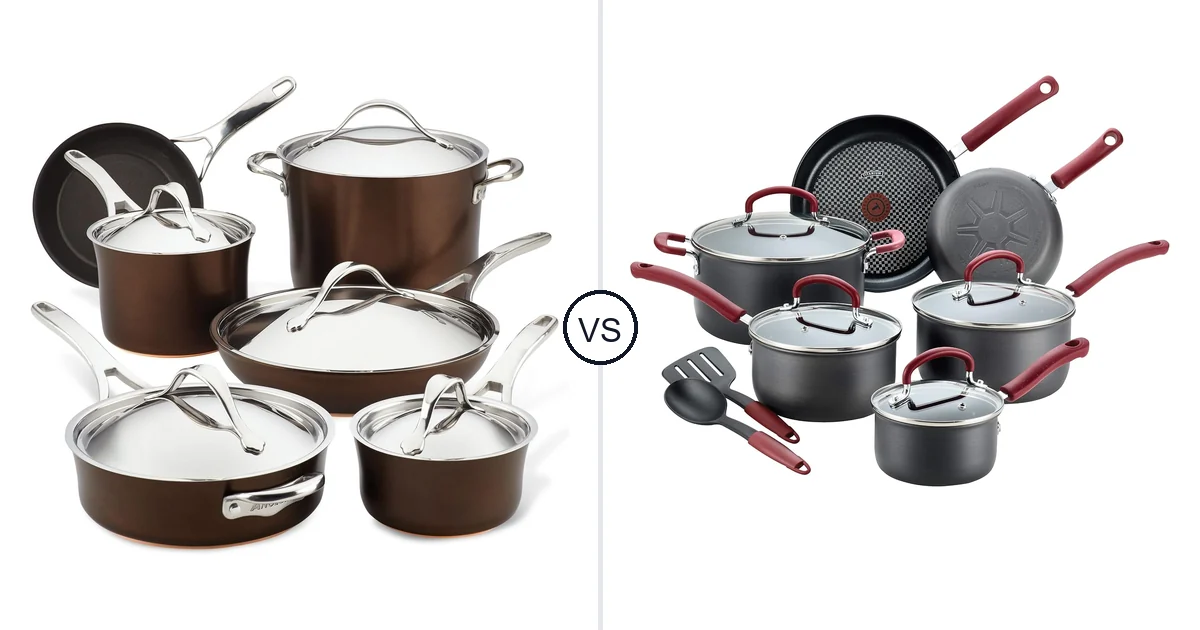
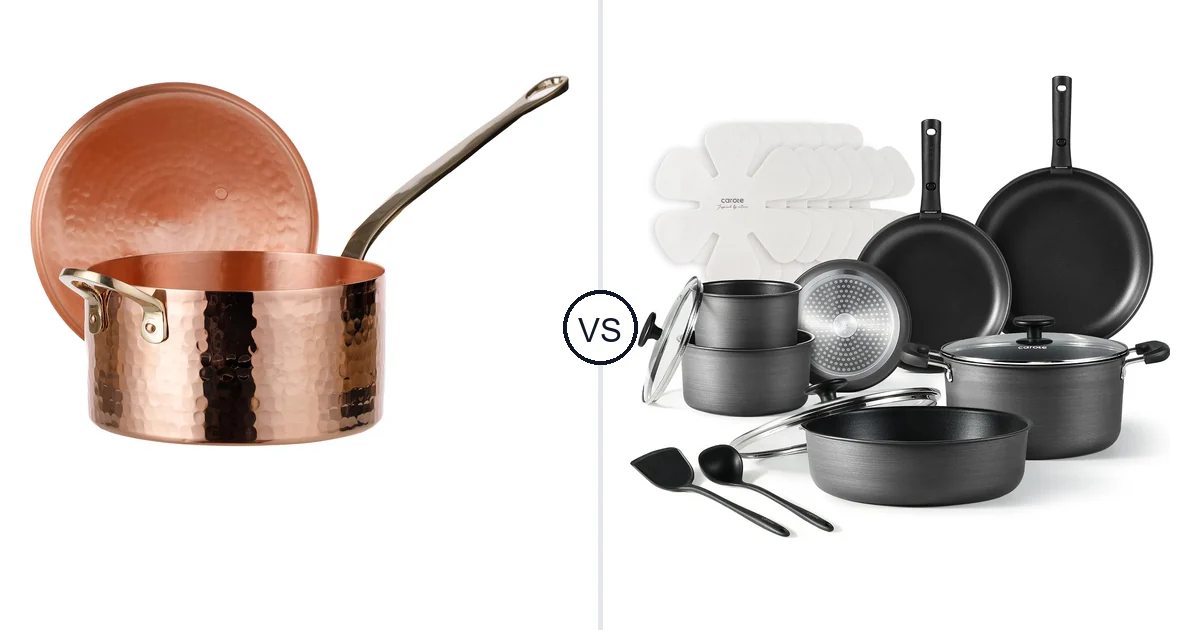
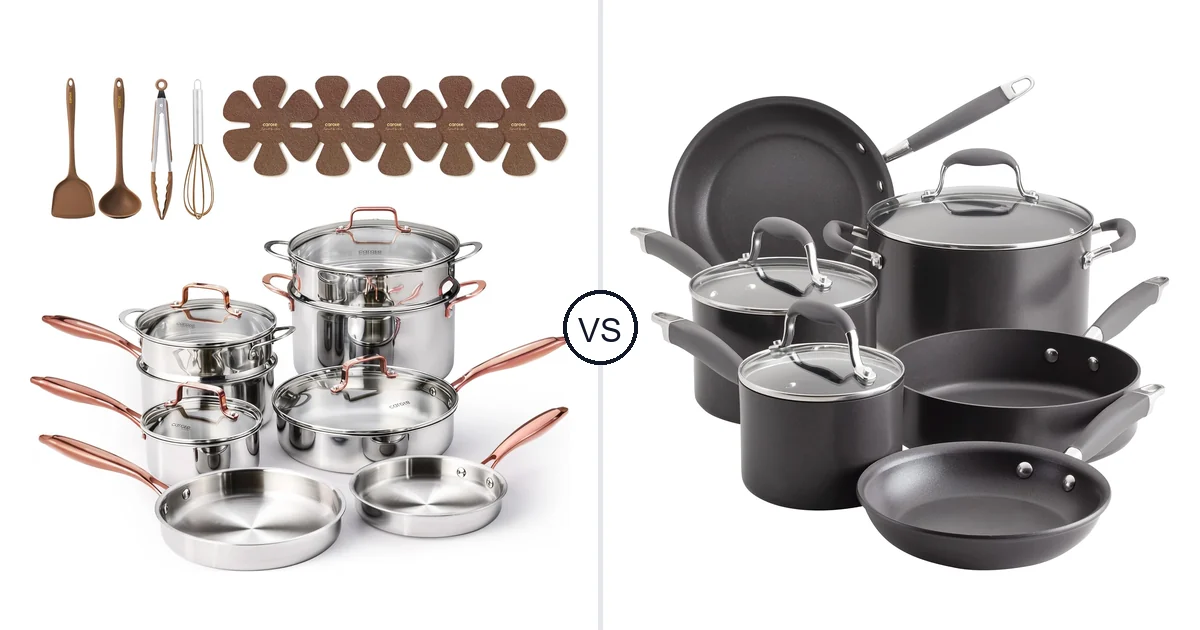
If burnt food has created deep pits or scratches in your pot, or if the burnt residue won't come clean after multiple cleaning attempts, the pot might be beyond restoration. Nonstick cookware that's been heavily burnt and scratched should be replaced, as the damaged coating can flake into your food. Heavily warped pots from extreme heat won't cook evenly and should also be discarded.
However, before giving up on your burnt pot, try the overnight soaking method combined with a gentle paste. Many pots that seem hopeless actually clean up beautifully once you give the soaking liquid time to work. It's worth investing a little patience before deciding to replace your cookware.
Frequently Asked Questions
How long should I soak a burnt pot before scrubbing?
Most burnt pots benefit from soaking for thirty minutes to several hours, depending on how badly burnt they are. For severe burning, overnight soaking is ideal and requires minimal effort while letting time do the work. Start with thirty minutes and assess whether the burnt food is softening enough before deciding to soak longer.
Can I use bleach to clean burnt pots?
While bleach is a powerful cleaner, it's not recommended for cleaning burnt pots because it can damage cookware finishes and create toxic fumes when mixed with other cleaning products. Safer alternatives like baking soda, vinegar, and salt work effectively without the risks associated with bleach or other harsh chemicals.
Is it safe to clean burnt pots in the dishwasher?
Most burnt pots shouldn't go directly in the dishwasher without pre-treatment because the burnt residue won't come clean in a normal wash cycle. Soak the pot first using one of the methods described in this article, then wash it either by hand or in the dishwasher after the burnt food loosens.
What's the fastest way to clean a burnt pot?
The baking soda and vinegar method typically produces the fastest results, usually taking thirty to forty-five minutes total. This approach combines chemical action with gentle scrubbing, making it faster than waiting overnight but still effective for most burnt pots.
Can I use commercial oven cleaner on burnt pots?
Commercial oven cleaner is too harsh for cookware and can leave chemical residues that aren't safe for cooking. Stick with food-safe cleaning methods like baking soda, vinegar, salt, and lemon juice instead. These natural methods are effective and won't compromise your food safety.
Why does cream of tartar work so well for cleaning burnt pots?
Cream of tartar is mildly acidic and acts as a gentle abrasive when mixed with lemon juice or water. This combination breaks down burnt residue chemically while the paste provides light scrubbing action, making it effective for sensitive cookware types.
Conclusion
Cleaning burnt pots doesn't have to be a stressful kitchen challenge. Whether you choose the reliable baking soda and vinegar method, the patient overnight soaking technique, or any of the other approaches covered here, you have practical solutions that actually work. I've tested these methods through countless kitchen accidents over the years, and they consistently deliver results without damaging your cookware.
The key to successfully cleaning burnt pots is choosing the method that matches your burnt pot's severity and your available time. Light scorching might come clean in fifteen minutes with the salt method, while heavily burnt pots deserve the attention of an overnight soak. Remember that preventing burnt pots in the first place is easier than cleaning them, so pay attention to your cooking temperature and stir frequently.
Start with one of these proven methods next time you face a burnt pot, and you'll see how quickly your cookware returns to normal. Share these techniques with friends and family who struggle with the same problem, and consider bookmarking this guide for future kitchen emergencies. Your burnt pots are fixable, and your cookware will thank you for taking care of it properly.

Leave a Reply