
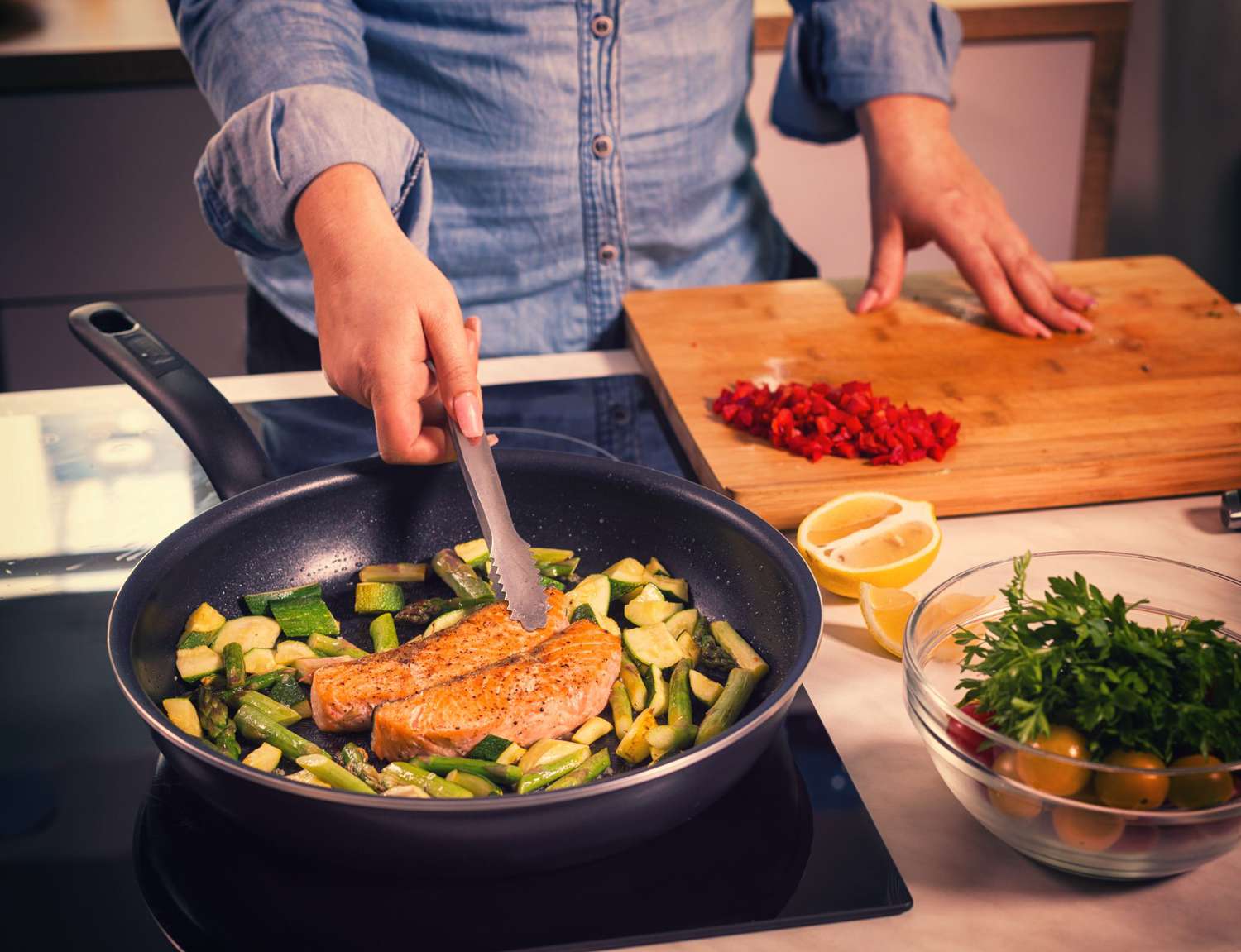
Prevent food from sticking to your pan by using proper heat, adequate oil, and preheating techniques. Cooking can be incredibly frustrating when your ingredients refuse to cooperate, clinging stubbornly to the bottom of your pan and leaving you with burnt edges and uneven results. If you've ever struggled with this common kitchen challenge, you're not alone—many home cooks battle the sticking issue daily. Understanding how to prevent food sticking to pan transforms your cooking experience from stressful to smooth and enjoyable. Throughout my years in the kitchen, I've tested countless methods and learned that preventing stickage isn't about complicated tricks. Instead, it comes down to understanding a few fundamental principles that work together seamlessly. In this guide, I'll share practical strategies, science-backed techniques, and real-world solutions that will help you master the art of keeping food from sticking to your cookware.

Understand Why Food Sticks to Pans
Food sticking to your pan happens due to moisture and protein bonds forming between your ingredients and the cooking surface. When you place cold food on a hot pan, proteins denature and create molecular bonds with the metal, causing adhesion. This is especially common with eggs, fish, chicken, and starchy foods that naturally have higher moisture content. The issue intensifies when your pan isn't properly heated or when you lack sufficient fat to create a protective barrier between the food and the cooking surface.
Heat distribution plays a crucial role in this process. If your pan has uneven hotspots, certain areas will cause more sticking than others. Similarly, using the wrong type of cookware—like pans with damaged non-stick coatings—increases the likelihood of food clinging to the surface. Understanding these causes helps you address the root problem rather than just treating the symptoms.
:max_bytes(150000):strip_icc()/GettyImages-685800662-2000-3bd25c6876a3456db354d47145a92f50.jpg)
Choose the Right Cookware for Cooking
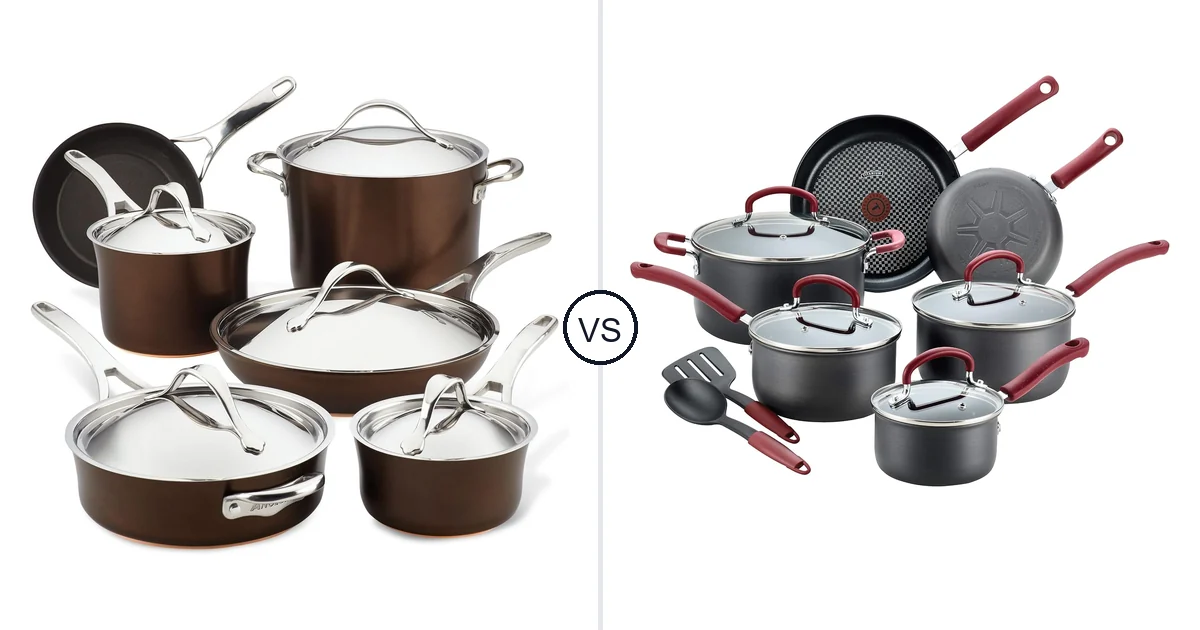
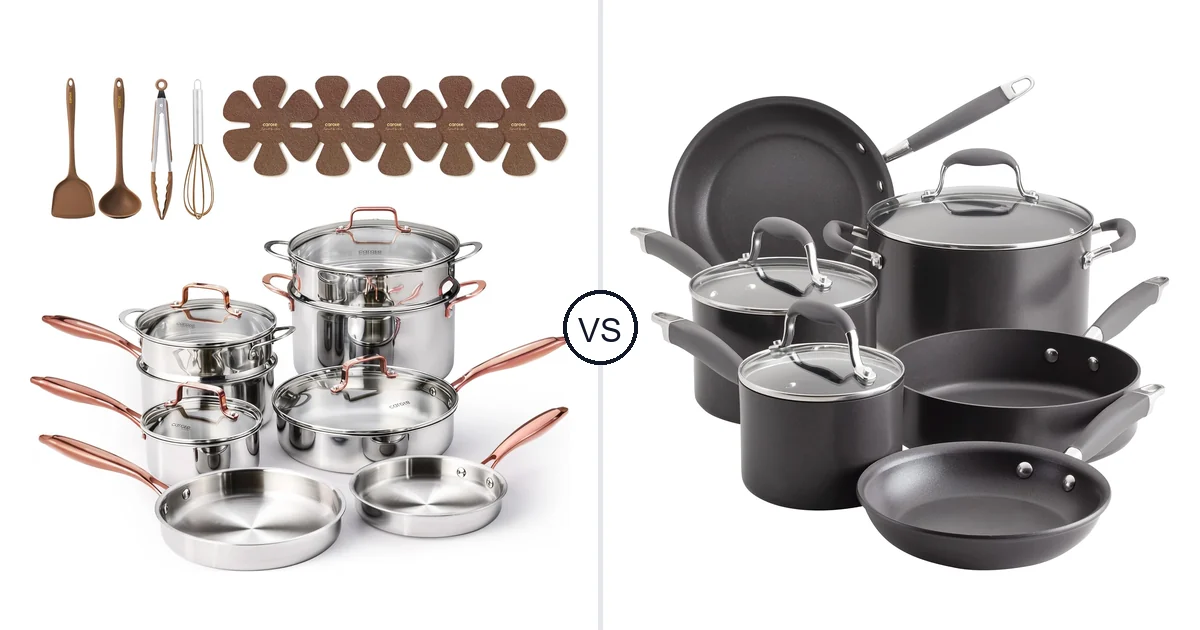
The cookware you use directly impacts how successfully you prevent food sticking to pan surfaces. Non-stick pans are specifically designed to reduce adhesion through their special coating, making them ideal for delicate foods like eggs and fish. Stainless steel pans, while excellent for heat retention and browning, require more technique to prevent sticking compared to non-stick options.
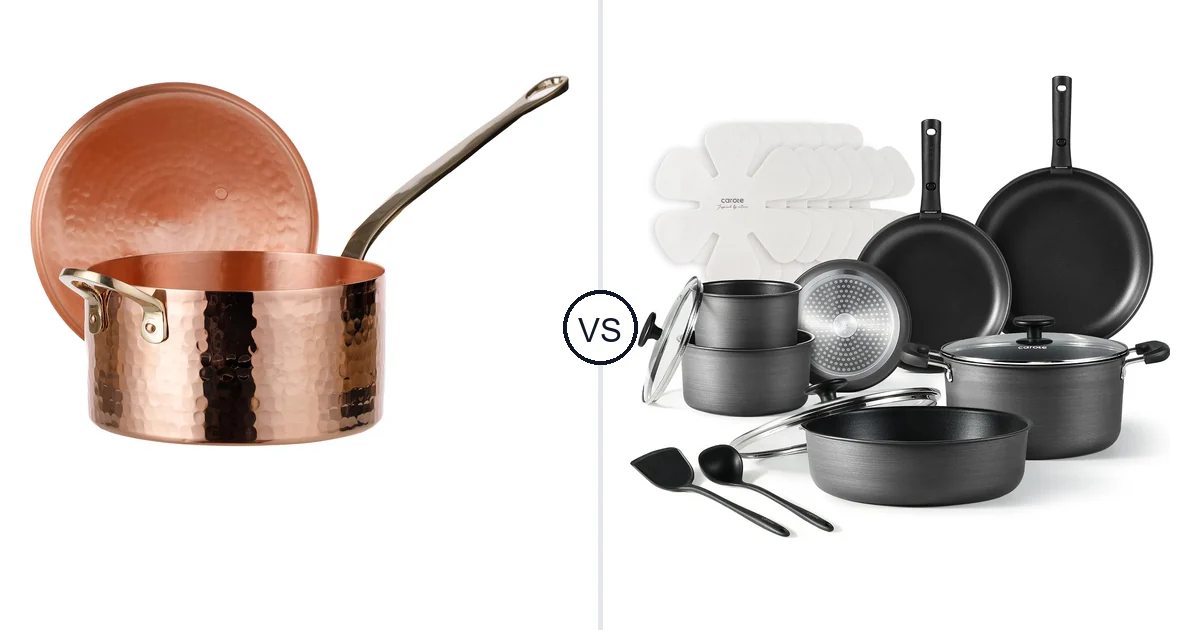
Cast iron pans offer a middle ground when properly seasoned, developing a natural non-stick patina over time. However, they require regular maintenance and proper care to maintain their non-stick properties. Copper-bottomed pans distribute heat more evenly, reducing the hot spots that can cause uneven sticking.
Consider your cooking style when selecting cookware. If you frequently cook eggs and delicate proteins, investing in a quality non-stick pan prevents frustration. For searing meats and achieving deep brown crusts, a well-maintained stainless steel or seasoned cast iron pan works better. The key is matching your pan type to your cooking needs.

Preheat Your Pan Properly
Preheating is one of the most overlooked steps in how to prevent food sticking to pan, yet it's absolutely essential. When you preheat your pan adequately, the cooking surface reaches a temperature that allows food to sear properly rather than stick. A properly heated pan creates a thermal barrier that helps food release naturally once it develops a crust.
To test if your pan is ready, use the water droplet method. Sprinkle a few drops of water on the pan—if they form little beads and roll around, your pan is hot enough. If the water spreads out and sits there, you need more heat. For most cooking tasks, wait about two to three minutes after turning on the burner for your pan to reach optimal temperature.
Different foods require different temperatures. Eggs need moderate heat around 325-350 degrees Fahrenheit, while chicken and proteins benefit from higher temperatures around 375-400 degrees Fahrenheit. Taking time to preheat prevents the most common sticking scenarios from happening in the first place.
Use Adequate Fat or Oil
Fat acts as a barrier between your food and the cooking surface, making it one of the most effective ways to prevent food sticking to pan. Oil, butter, or cooking spray creates a lubricating layer that allows food to slide around rather than bond with the metal. The amount of fat matters significantly—using too little leaves dry spots where food can grip the pan.
Heat your fat alongside your pan for the best results. When you add cold butter to a hot pan, it distributes unevenly and may burn before coating the entire surface. Instead, add your fat during the preheating process so it's hot and ready when your food hits the pan. A general rule is to use about one tablespoon of oil for every two eggs or a medium-sized chicken breast.
Different fats have different smoke points, which affects their suitability for various cooking methods. Olive oil works well for lower heat cooking, while vegetable oil or avocado oil handle higher temperatures without burning. By matching your fat choice to your cooking temperature, you maximize the protective barrier preventing sticking.

Control Your Cooking Temperature
Temperature control is absolutely critical when learning how to prevent food sticking to pan effectively. Cooking at too high a temperature causes food to stick initially, while too low temperature allows moisture to escape and creates sticking through different mechanisms. Finding the sweet spot depends on what you're cooking and your desired results.
Most proteins benefit from medium-high heat that's hot enough to brown the exterior but not so intense that the interior remains raw. This typically falls between 350-400 degrees Fahrenheit for most stovetop cooking. If your pan is smoking excessively or food is browning too quickly on the outside while staying raw inside, lower your heat and extend cooking time.
Using medium heat for delicate foods like fish and eggs prevents the aggressive bonding that occurs at higher temperatures. You can always increase heat slightly once food begins to release naturally from the pan. Testing with one small piece of food first helps you dial in the perfect temperature before cooking your entire meal.

Master the Art of Not Moving Food Too Soon
One of my biggest cooking breakthroughs came when I learned to be patient and let food develop a crust before attempting to move it. When food first hits the pan, it sticks temporarily as proteins bond with the cooking surface. This bonding releases naturally once a brown crust forms, usually within 2-4 minutes depending on what you're cooking. Fighting this natural process by trying to move food too early only disrupts the crust formation and causes more sticking.
The release test is simple—gently try moving your food with a spatula or tongs. If it resists, it's not ready yet. If it moves freely with minimal effort, you can flip or reposition it without tearing or sticking. This patience-based approach transforms how to prevent food sticking to pan from a constant battle into a natural process.
Different foods require different wait times before they're ready to move. Thin fish fillets may release after two minutes, while thick chicken breasts might need four to five minutes. Eggs typically release within three to four minutes, depending on whether you prefer them runny or fully cooked. Learning these timings for your favorite foods makes cooking predictable and stress-free.

Keep Your Pan Clean and Well-Maintained
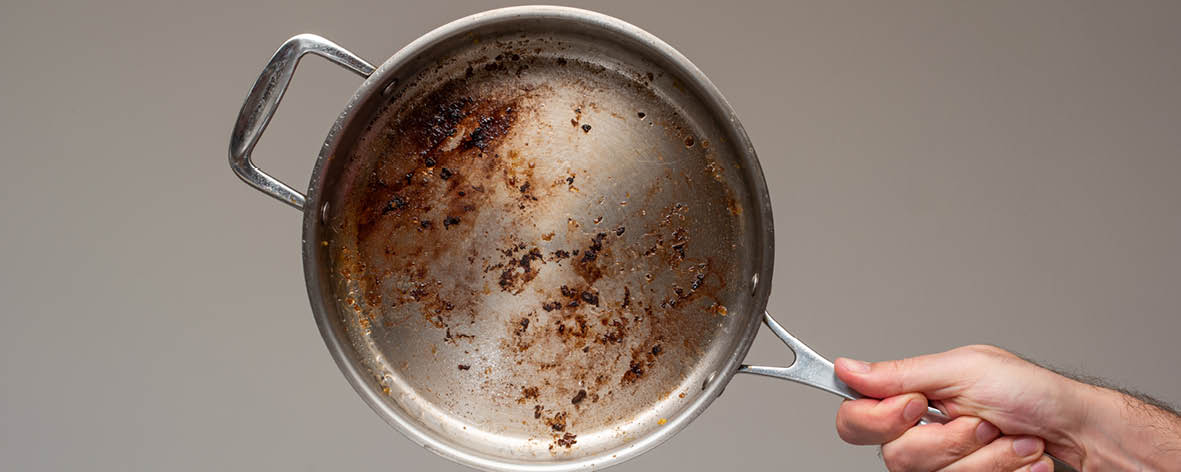
A clean pan is essential for preventing food sticking, as residue buildup creates rough patches where food grips the surface more easily. After each use, wash your cookware with warm soapy water and a soft sponge, avoiding abrasive scrubbing that can damage non-stick coatings. For stuck-on food, soak the pan in warm water for 10-15 minutes before gently cleaning it.
Non-stick pans need special care to maintain their effectiveness in preventing sticking. Never use metal utensils on non-stick surfaces, as they scratch and damage the coating. Instead, use wooden, plastic, or silicone tools that won't harm the protective layer. Washing by hand rather than in the dishwasher extends the lifespan of non-stick cookware significantly.
Cast iron pans require different maintenance to maintain their natural non-stick properties. Season them regularly with a thin layer of oil, and avoid prolonged soaking that can cause rust. Stainless steel pans benefit from occasional polishing to remove water spots and maintain their appearance. Regular maintenance directly correlates to how well you prevent food sticking to pan long-term.
Apply Seasoning and Coating Techniques
Seasoning your cookware creates a protective layer that naturally prevents food from sticking. Cast iron requires regular seasoning to develop a non-stick patina that improves with each use. Apply a thin layer of high smoke-point oil to clean, dry cast iron and wipe away excess before heating it. This builds up seasoning over time and creates an increasingly effective non-stick surface.
For other pan types, occasional seasoning also helps maintain their non-stick properties. Even stainless steel pans benefit from a light oil coating that fills microscopic imperfections and reduces sticking. Some cooks swear by seasoning their stainless steel pans with a thin coat of vegetable oil after washing, then wiping it dry.
Properly seasoned cookware becomes easier to work with as time goes on, making prevention of food sticking more effortless. You're essentially creating a natural non-stick surface that improves with care and use. This long-term investment in your cookware pays dividends through years of better cooking results.
Use Cooking Sprays and Release Agents Effectively
Cooking sprays offer a convenient way to prevent food sticking to pan without adding significant fat or calories. These aerosol products contain oil and lecithin, a natural emulsifier that creates an extra-slippery surface. A light coat of cooking spray before adding your oil or butter provides double protection against sticking. Apply it evenly across the entire cooking surface for best results.
Parchment paper works wonderfully for certain cooking applications, creating a barrier between food and the pan surface. While not suitable for stovetop cooking, it's excellent for oven baking and roasting where heat is more gentle and even. For stovetop cooking, cooking spray combined with proper oil creates the most effective non-stick environment.
Some cooks use egg white or milk as natural release agents for delicate foods. These proteins create a thin protective barrier when they cook, preventing other foods from sticking. However, this method works best for specific applications and isn't a complete substitute for proper oil use. Understanding which release agent works best for each cooking task maximizes your success in preventing sticking.
Time Your Food Addition Strategically
When you add food to your pan matters significantly in how to prevent food sticking to pan. Adding room-temperature or slightly warm food works better than adding cold ingredients straight from the refrigerator. Cold food causes temperature fluctuations in your pan, reducing the effectiveness of your preheating efforts. Bringing proteins to room temperature before cooking—about 20-30 minutes before you start—improves results dramatically.
Pat your food dry before it enters the pan, as excess moisture promotes sticking. Use paper towels to remove surface moisture from chicken, fish, and vegetables. Moisture prevents proper browning and creates steam that encourages food-to-pan bonding. This simple step takes just a minute but significantly improves how your food behaves once it hits the hot cooking surface.
Consider the thickness of your food as well. Thicker cuts and whole pieces release more easily than thin, delicate items. When you're learning how to prevent food sticking to pan with delicate ingredients, start with thicker pieces to build confidence. As your technique improves, you can confidently handle thinner, more delicate foods that require extra finesse.
Adjust Humidity and Moisture Levels
Humidity in your kitchen and moisture on your food both influence how readily food sticks to pans. High humidity creates additional moisture that interferes with proper browning and promotes sticking. On humid days, you may need to reduce heat slightly and extend cooking time to compensate. Conversely, very dry conditions might require slightly less cooking time as moisture evaporates faster.
The moisture content of your food itself plays a crucial role in how to prevent food sticking to pan. Foods with high water content—like tomatoes, mushrooms, or zucchini—release moisture as they cook. This creates a steaming effect that prevents browning and increases sticking. Cooking these vegetables at higher temperatures and with adequate space between pieces allows moisture to escape rather than create sticking conditions.
Managing moisture through proper preparation and cooking conditions gives you more control over sticking issues. Sometimes simple environmental awareness prevents problems before they start. Paying attention to weather and humidity helps you adjust your cooking technique accordingly.
Try Different Cooking Techniques and Methods
Various cooking methods offer different approaches to how to prevent food sticking to pan. Sautéing with plenty of movement and adequate fat works well for smaller pieces of food. Searing involves high heat with minimal movement, perfect for proteins that develop a brown crust. Pan-frying uses more oil than sautéing and works beautifully for foods that benefit from crisping on both sides.
Steaming and braising represent alternative methods where sticking matters less since food sits in liquid. Baking in the oven with parchment paper eliminates stovetop sticking concerns entirely. Grilling moves food completely off the pan, offering a different cooking experience. Understanding which technique suits your ingredients helps you choose the best approach.
Experimenting with different methods teaches you valuable lessons about food behavior and heat dynamics. Some cooks find that certain ingredients respond better to specific techniques. Cilantro, for example, might consistently stick when sautéed but cooks beautifully when braised. Building this knowledge through experimentation makes you more adaptable in the kitchen.
Practice Proper Flipping and Turning Techniques
Flipping or turning food requires confidence and proper technique to prevent sticking to pan. Use a thin, flat spatula that slides easily under your food, and ensure you've waited long enough for a good crust to form. Hesitant flipping attempts often fail, leaving food torn or stuck. Commit to the flip with one smooth, confident motion.
Hold your spatula at a low angle, almost parallel to the pan, and slide it completely under the food before lifting. For larger pieces, support them with your hand or a second spatula to prevent tearing. With practice, this motion becomes natural and you'll develop a feel for when your food is truly ready to move.
Different foods require different flipping techniques. Delicate fish fillets need gentle support, while sturdy chicken breasts can handle more aggressive flipping. Eggs benefit from a quick wrist flick that gets them moving before they can stick. Mastering these techniques builds confidence and reduces the frustration that comes with food sticking to pans.
Monitor and Adjust During Cooking
Active monitoring prevents sticking issues from developing. Watch your pan for signs of sticking—listen for the sizzle sound that indicates proper interaction between hot oil and food. If the sizzle decreases, your pan might be cooling down, suggesting you need higher heat. If food starts smoking excessively, reduce heat immediately to prevent burning and excessive sticking.
Adjust your technique in real-time based on what you observe. If your first batch of food sticks despite following proper procedures, lower your heat slightly for the next batch. If food isn't browning adequately, increase heat. This dynamic approach to cooking prevents problems rather than dealing with them after they've already occurred.
Keep your cooking space comfortable and distraction-free so you can focus on monitoring your food. Cooking demands attention, particularly when learning how to prevent food sticking to pan. Setting aside dedicated cooking time without distractions helps you develop good habits and catch problems early. This mindfulness transforms cooking from a chore into an engaging activity.
Frequently Asked Questions
Why does food stick to my non-stick pan even though it's supposed to prevent sticking?
Non-stick coatings degrade over time with use, especially if scratched or exposed to high heat. If your non-stick pan consistently causes food to stick despite proper technique, the coating has likely deteriorated and replacement is necessary. Always hand wash non-stick cookware with soft utensils to extend its lifespan.
Can I use butter instead of oil to prevent food sticking to pan?
Yes, butter works well for preventing sticking, though it has a lower smoke point than many oils. Butter is excellent for medium-heat cooking but may burn at high temperatures. Clarified butter or ghee offers a higher smoke point while maintaining butter's flavor benefits.
How much oil should I use to prevent food sticking to pan?
Generally, use about one tablespoon of oil per two eggs or one medium-sized protein serving. You want enough oil to create a protective barrier without making food greasy. Start with this amount and adjust based on what you're cooking and your personal preference.
What should I do if food is sticking despite my best efforts?
Check that your pan is preheated adequately and that you're not moving food too early. Lower your heat slightly and ensure you're using enough fat. If these steps don't help, your cookware might be damaged or worn, requiring replacement.
Is it bad to use high heat when learning how to prevent food sticking to pan?
High heat actually helps prevent sticking by allowing proper crust formation. However, excessively high heat can burn food before it cooks through. Aim for medium-high heat in most situations, adjusting based on your specific cooking goals.
Why do eggs stick to my pan more than other foods?
Eggs have high protein content and sticky yolks that bond readily with cooking surfaces. Use adequate fat, preheat your pan thoroughly, and cook eggs over medium to medium-low heat rather than high heat to prevent sticking. Non-stick pans work exceptionally well for eggs.
Can acidic foods like tomatoes make sticking worse?
Acidic foods can interact differently with certain pan materials, particularly cast iron, but they don't directly cause more sticking. However, acidic foods release moisture as they cook, which can promote sticking if not managed with adequate heat and fat. Cook tomato-based dishes at slightly higher temperatures to compensate.
Conclusion
Preventing food from sticking to pan comes down to mastering a few fundamental principles: using proper heat, preheating adequately, employing sufficient fat, choosing appropriate cookware, and exercising patience. These techniques work together seamlessly, transforming your cooking experience from frustrating to fluid. The science behind sticking is straightforward, and once you understand it, you gain complete control over your cooking outcomes.
Your kitchen journey doesn't end here. Start implementing these strategies one at a time, building your confidence and technique gradually. Pay attention to how your food behaves in different situations, and adjust your approach accordingly. Every meal is an opportunity to refine your skills and get better at how to prevent food sticking to pan. Share your cooking victories with friends and family, and don't hesitate to revisit these tips whenever you need a refresher. Happy cooking!

Leave a Reply