

Burnt cookware doesn't have to be ruined—simple household items can restore it to like-new condition. Whether you've scorched the bottom of your favorite pan during a busy weeknight dinner or left a pot on the heat a bit too long, burnt cookware is a common kitchen frustration that nearly every home cook has experienced at some point. The good news is that cleaning burnt pans doesn't require expensive commercial products or hours of scrubbing. With the right techniques and readily available materials, you can tackle even the most stubborn burnt spots and extend the life of your cookware. In this guide, I'll walk you through proven methods to clean burnt cookware, share personal tips I've learned from countless kitchen mishaps, and help you prevent these accidents from happening again.
Understanding Why Cookware Gets Burnt
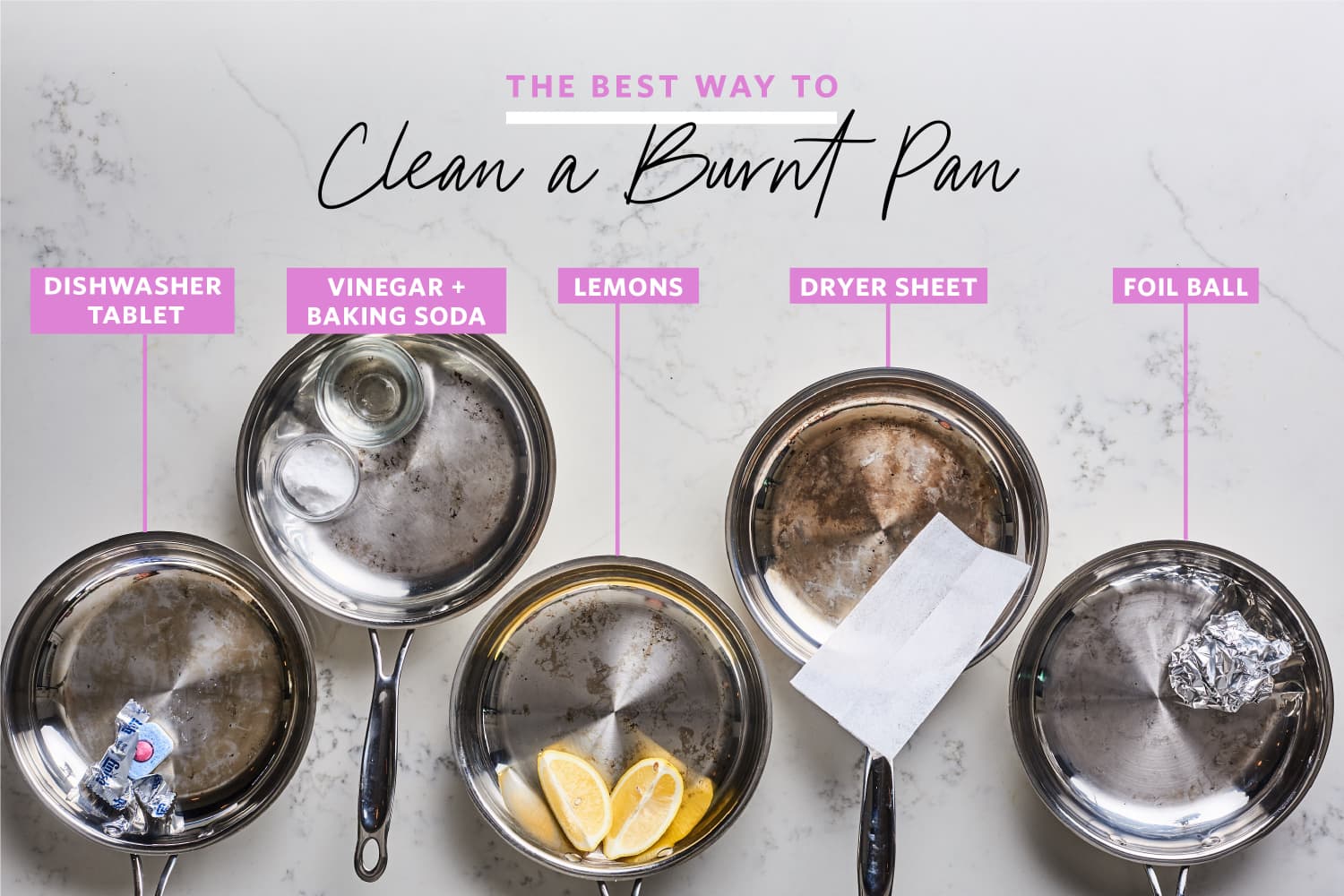
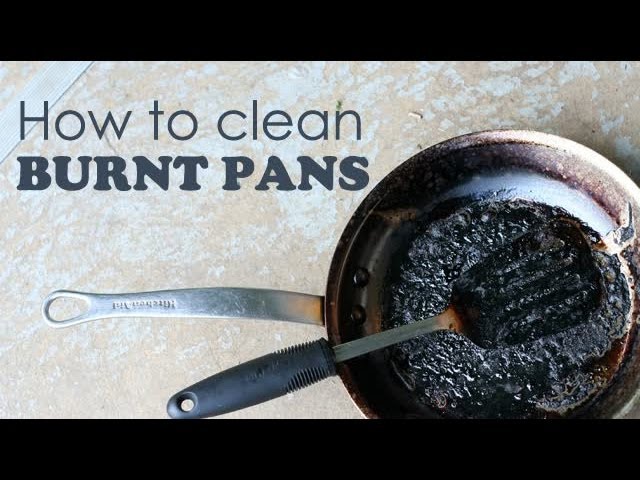
Burnt cookware happens when food sticks to the surface and undergoes intense heat exposure, creating a tough, blackened residue that bonds to the metal. Understanding the root causes helps you both clean burnt pans more effectively and prevent future burning. Most burnt cookware results from high heat, insufficient oil or liquid, unattended cooking, or using the wrong cookware type for certain dishes.
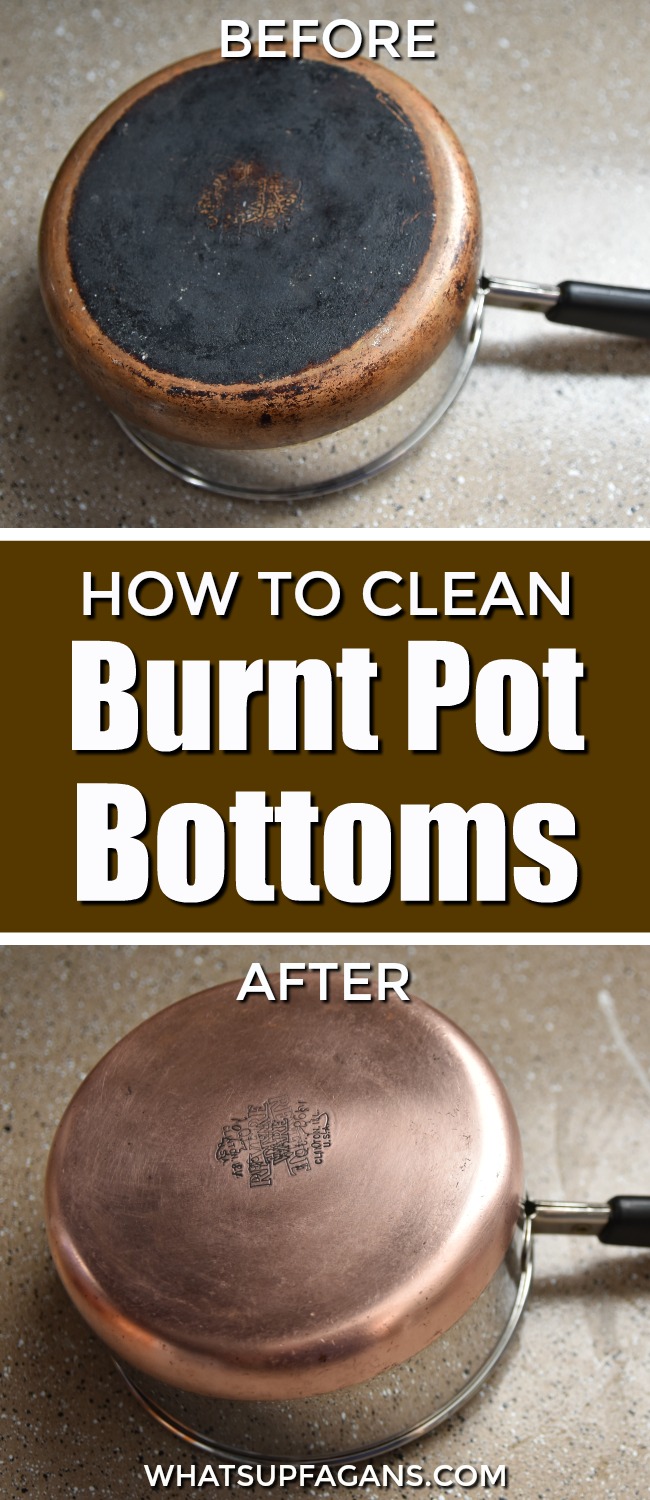
The severity of burnt cookware varies depending on how long food was exposed to heat and the temperature level. Light burns create a thin, discolored layer, while severe burns produce thick, charred buildup that's harder to remove. Steel and aluminum cookware tends to show burns more visibly than non-stick surfaces, though all cookware types can experience burning. Recognizing these patterns in your burnt cookware helps you choose the most appropriate cleaning method.
The Baking Soda Method for Cleaning Burnt Cookware
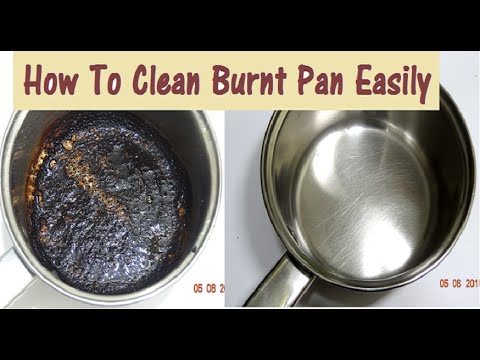
Baking soda is one of the most effective and gentle solutions for cleaning burnt cookware. This method works because baking soda is mildly abrasive and slightly alkaline, which helps break down burnt residue without scratching most cookware surfaces. I've used this technique countless times in my kitchen, and it consistently delivers impressive results.
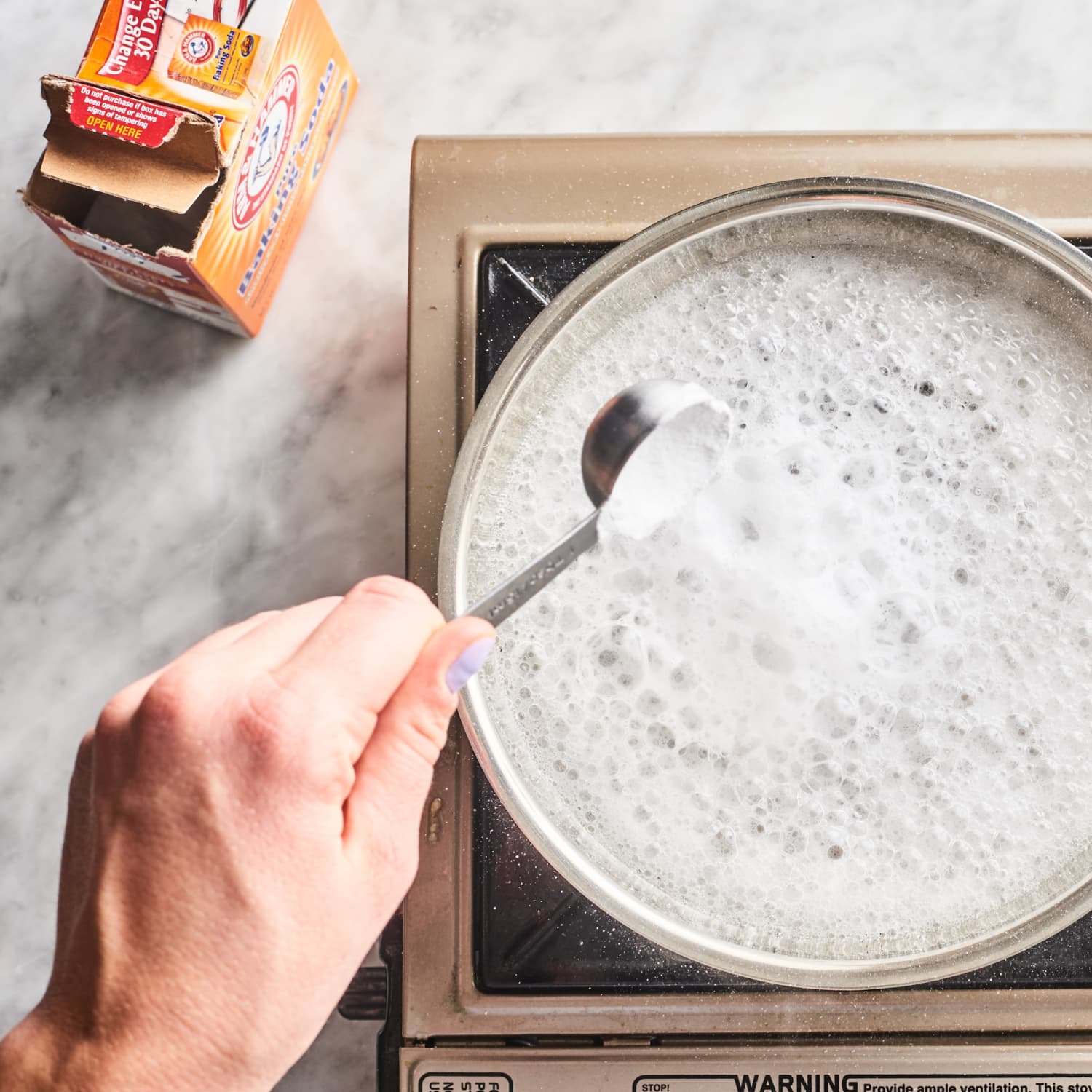
To clean burnt cookware with baking soda, start by filling the affected pan with water and adding three to four tablespoons of baking soda. Bring the mixture to a boil and let it simmer for five to ten minutes, allowing the solution to work on loosening the burnt debris. After cooling slightly, scrub the burnt areas with a soft sponge or cloth using gentle circular motions. For stubborn burnt spots on cookware, create a paste by mixing baking soda with a small amount of water, apply it directly to the burnt areas, and let it sit for fifteen minutes before scrubbing.
The beauty of this method for cleaning burnt cookware is that it's safe for most materials, including stainless steel, aluminum, and even some non-stick surfaces if you're careful. Rinse thoroughly and dry your cleaned burnt cookware immediately to prevent water spots and maintain its appearance. This technique has saved many of my pans from the trash bin over the years.
Vinegar and Baking Soda Combination
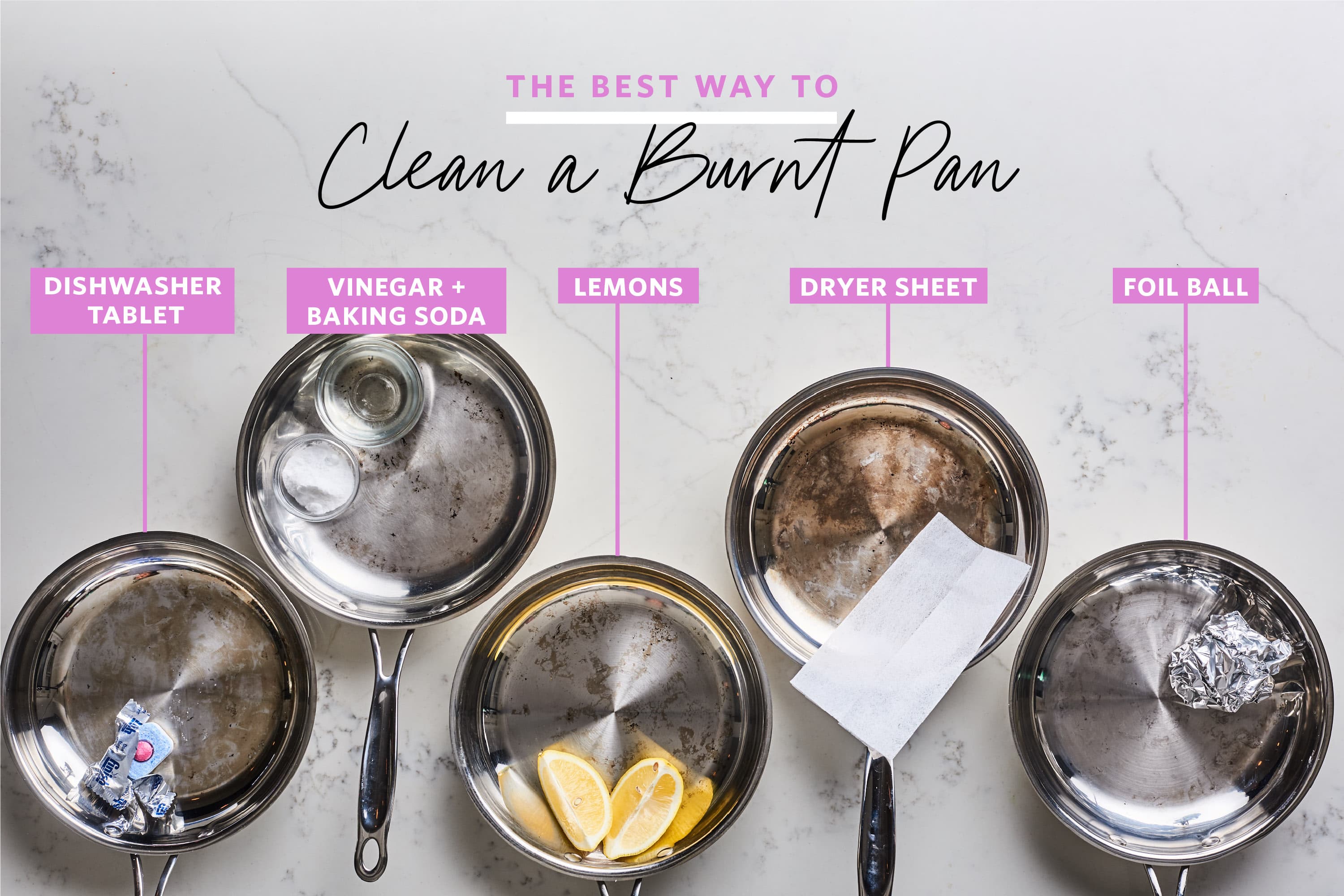
Combining vinegar with baking soda creates a powerful reaction that's particularly effective for stubborn burnt cookware. The chemical interaction between the acidic vinegar and alkaline baking soda generates bubbling action that helps lift burnt particles away from the surface. This is my go-to method when a single ingredient approach isn't quite cutting it.
To use this combination for your burnt cookware, fill the pan with equal parts water and white vinegar, then bring it to a boil. Remove from heat and add several tablespoons of baking soda, allowing the fizzing reaction to work for several minutes. The bubbling action helps dislodge burnt residue from your cookware naturally. Once the bubbling subsides, scrub gently with a soft cloth or non-abrasive sponge, paying special attention to heavily burnt areas on the cookware.
This method is particularly useful for cleaning burnt cookware that has thick, stubborn buildup. The combination works on both the exterior and interior surfaces of pans. Repeat the process if necessary for especially stubborn burnt spots on your cookware. Rinse completely and dry your cookware to prevent rust or water damage.
The Salt Method for Cleaning Burnt Cookware
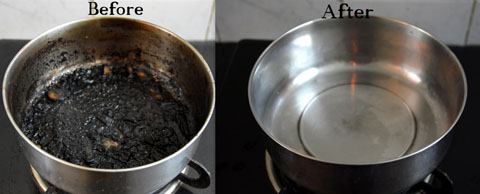
Salt serves as a natural abrasive that can help scrub away burnt material without damaging most cookware surfaces. This method is quick, uses ingredients already in your kitchen, and works well for light to moderate burning on cookware. Many professional cooks use salt as a first line of defense when cleaning burnt pans.
To clean burnt cookware with salt, sprinkle a generous amount directly onto the burnt areas while the pan is still slightly warm. Add just enough water to create a paste-like mixture on your burnt cookware. Using a damp cloth or sponge, scrub in circular motions, applying moderate pressure to the burnt spots. The salt crystals act as a gentle abrasive to lift burnt residue while the moisture helps soften the stubborn particles stuck to your cookware.
This technique works particularly well for cast iron and stainless steel cookware, though you should be cautious with non-stick surfaces to avoid scratching. Rinse thoroughly under running water and dry your cookware completely. For heavy burnt buildup on cookware, you may need to combine this method with others like the baking soda approach for optimal results.
Boiling Water and Dish Soap
Sometimes the simplest approach to cleaning burnt cookware is the most effective. Boiling water combined with dish soap works through a process called desorption, where heat and moisture help soften burnt particles, making them easier to remove from your cookware. This gentle method is perfect for fresh burns on cookware before buildup hardens.
Fill your burnt cookware with water, add a generous squirt of dish soap, and bring to a boil. Let the mixture simmer for ten to fifteen minutes, which gives the soapy water time to penetrate and soften the burnt material. Remove from heat and let cool for a few minutes until it's safe to handle. Use a soft sponge or cloth to gently scrub the softened burnt areas on your cookware in circular motions.
This method is safest for all cookware types, including delicate non-stick surfaces, as it avoids abrasive scrubbing. I recommend using this method immediately after burning cookware, as fresh burns respond better to gentle heat and moisture than stubborn, dried-on residue. Drain, rinse thoroughly, and dry your cookware completely to finish the cleaning process.
Cream of Tartar and Lemon Juice
Cream of tartar combined with lemon juice creates an effective paste for cleaning burnt cookware while leaving a fresh scent. The acidic lemon juice works similarly to vinegar, while cream of tartar provides a mild abrasive action. This method is excellent when you want your cookware to smell pleasant after cleaning.
Mix cream of tartar with fresh lemon juice to form a thick paste, then spread it generously over the burnt areas of your cookware. Allow the mixture to sit for fifteen to twenty minutes, giving the ingredients time to work on breaking down burnt residue. Scrub gently with a soft cloth or sponge, using circular motions to lift the softened burnt material from your cookware. Rinse thoroughly with warm water and dry completely.
This approach works well for cleaning burnt cookware that has moderate burning or discoloration. The natural citric acid in lemon juice is gentler than harsh chemicals while still being effective. If your burnt cookware has heavy buildup, you might need to apply the paste multiple times or combine this method with another technique like baking soda for better results.
Using Commercial Oven Cleaner for Severe Burnt Cookware
For extremely stubborn burnt cookware that resists gentler methods, commercial oven cleaner offers a stronger solution. These products contain alkaline chemicals specifically designed to break down baked-on residue and carbonized food particles. I reserve this method for severe cases because it requires careful handling and proper ventilation.
Before using commercial cleaner on burnt cookware, ensure you're working in a well-ventilated area and wearing gloves to protect your skin. Follow the product instructions carefully, typically spraying the cleaner directly on burnt areas and allowing it to sit for the recommended time. After the waiting period, scrub with a non-abrasive sponge and rinse extremely thoroughly multiple times to remove all chemical residue from your cookware.
This method works on stainless steel and aluminum cookware but should be avoided for non-stick surfaces, as the harsh chemicals can damage the coating. After using commercial cleaner on burnt cookware, wash the pan multiple times with hot soapy water and dry carefully. Some people prefer to soak their cleaned burnt cookware in plain water for an hour after chemical cleaning to ensure complete removal of any remaining product.
Preventing Burnt Cookware in the Future
Prevention is always easier than dealing with burnt cookware after the fact. Understanding common causes of burning helps you develop habits that protect your pans and improve your cooking. I've learned that a few simple practices can virtually eliminate the burnt cookware problem from my kitchen.
Maintain appropriate heat levels for your cooking task—most everyday cooking happens at medium or medium-low heat rather than high heat. Always use adequate oil or liquid in your pan before adding food, as insufficient fat or moisture is a primary cause of burnt cookware. Never leave your cookware unattended on the stove, even briefly, as this is how many burning accidents happen. Use the right cookware for specific dishes—for example, heavy-bottomed stainless steel cookware distributes heat more evenly and reduces hotspots that create burnt spots.
Check your pan frequently during cooking to monitor food and adjust heat if needed. If you notice food beginning to stick to your burnt cookware, add a small amount of liquid or reduce heat immediately. These preventive measures combined will significantly reduce burnt cookware incidents in your kitchen and extend the life of your cookware collection.

Best Practices for Different Cookware Materials
Different cookware materials require slightly different approaches when cleaning burnt cookware. Understanding these distinctions ensures you effectively clean burnt pans without causing damage to their surfaces or coatings.
For stainless steel burnt cookware, most methods work well since the material is durable and scratch-resistant. You can use baking soda, salt, vinegar combinations, and even gentle scrubbing without concern. Aluminum burnt cookware responds well to gentler methods like boiling water with dish soap and vinegar combinations, as aluminum can be damaged by extremely abrasive approaches. Cast iron burnt cookware should be cleaned promptly to prevent rust, using methods like salt scrubbing that won't affect the seasoning layer you've built up over time. Non-stick burnt cookware requires the utmost care when cleaning—avoid abrasive scrubbers and stick to gentle methods like boiling water with dish soap or mild baking soda approaches.
Copper-bottomed burnt cookware with stainless steel or aluminum bodies can be cleaned using methods appropriate for the main material, though you should avoid harsh chemicals that might discolor the copper. Knowing your cookware material allows you to choose cleaning methods that are both effective and safe.
Soaking Methods for Burnt Cookware
Soaking is an excellent approach for burnt cookware when you have time to let nature do some of the work. This passive cleaning method requires minimal effort while you handle other tasks, making it ideal for extremely burnt cookware that intimidates you.
Fill your burnt cookware with water and add baking soda, vinegar, or dish soap, then let it soak overnight or for several hours. The extended contact time allows the cleansing agents to penetrate and soften even thick burnt layers on your cookware. After soaking your burnt cookware, much of the burnt material will scrub away easily with minimal effort. For even better results, bring the soaking liquid to a boil before adding the baking soda or vinegar, which speeds up the softening process.
This method works exceptionally well when you discover severely burnt cookware the morning after a cooking incident. Instead of immediately attacking the burnt spots aggressively, a long soak allows the burnt material to loosen naturally. After soaking, light scrubbing usually removes the softened burnt residue completely, restoring your cookware to usable condition without requiring excessive elbow grease.
Frequently Asked Questions
How do I clean severely burnt cookware that won't respond to gentle methods?
For severely burnt cookware, combine multiple methods rather than relying on a single approach. Start with overnight soaking using a baking soda and water mixture, then try the vinegar and baking soda combination method, followed by gentle salt scrubbing if needed. If gentle methods still don't work after multiple attempts, commercial oven cleaner is your strongest option for burnt cookware, though use it carefully.
Can I use a steel wool scrubber to clean burnt cookware?
Steel wool is too abrasive for most cookware and should be avoided when cleaning burnt pans unless you have extremely durable stainless steel cookware. For non-stick burnt cookware, steel wool will definitely damage the coating. Instead, stick with soft sponges, cloths, or non-abrasive scrubbers that effectively remove burnt residue without scratching the surface.
Is it safe to use vinegar on all types of burnt cookware?
Vinegar is generally safe for most cookware materials including stainless steel, cast iron, and aluminum when used in cleaning methods like boiling water mixtures. However, prolonged soaking in pure vinegar may discolor some aluminum burnt cookware or damage certain finishes. Use vinegar in combination methods like the vinegar and baking soda approach rather than extended soaks in pure vinegar.
How long does it take to clean burnt cookware using natural methods?
Natural methods for cleaning burnt cookware take anywhere from fifteen minutes for light burns to several hours for severe cases that require soaking. Fresh burns on cookware typically respond in under thirty minutes using boiling water and dish soap, while stubborn burnt spots may need overnight soaking followed by additional scrubbing.
Will cleaning burnt cookware remove the seasoning from cast iron?
Gentle cleaning methods for burnt cast iron cookware won't remove seasoning because they primarily affect burnt food particles, not the polymerized oil layer of seasoning. Avoid using harsh commercial cleaners on cast iron burnt cookware, as these can strip seasoning. After cleaning your burnt cast iron, always dry it immediately and apply a light coat of oil to maintain its seasoning.
Can burnt cookware be permanently damaged?
Most burnt cookware can be restored to good working condition with appropriate cleaning methods, though the appearance might have some discoloration. Permanently damaged cookware typically results from extremely high heat causing warping or coating failure, not from burnt food residue. If your cookware still functions properly after cleaning, it's salvageable and will continue serving you well in the kitchen.
Conclusion
Burnt cookware is frustrating, but it's rarely a reason to throw away your favorite pan. Whether you choose baking soda, vinegar, salt, or a combination approach, you have effective tools at your fingertips to restore burnt cookware to usable condition. I've found that having a go-to method makes dealing with burnt pans less stressful, and keeping prevention strategies in mind eliminates most burning incidents entirely.
The next time you discover burnt cookware, don't panic. Start with gentle methods like boiling water and dish soap, progress to baking soda solutions if needed, and remember that soaking is your ally when facing stubborn burnt spots. By implementing the prevention tips covered here—maintaining proper heat levels, using adequate oil, and staying attentive while cooking—you'll drastically reduce burnt cookware problems in your kitchen going forward.
Take action today by keeping baking soda readily available and experimenting with the methods that work best for your cookware types. Share your favorite burnt cookware cleaning tips in the comments below, and let me know which method has saved your favorite pan. Your kitchen skills are worth protecting, and your cookware is worth maintaining.

Leave a Reply