
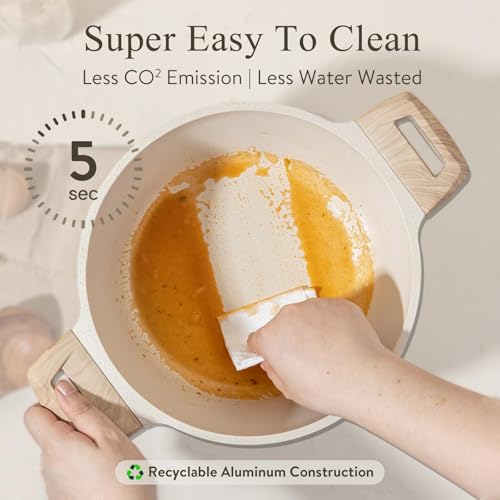
Chemical-free cookware is cookware made without synthetic coatings, heavy metals, or harmful chemicals like PFOA and PTFE. If you're like me, you've probably stood in your kitchen wondering whether the pans you're cooking with are actually safe for your family. The rise of chemical-free cookware has become more than just a trend—it's a genuine shift toward healthier cooking practices that more and more people are embracing. Whether you're concerned about what leaches into your food or simply want to make smarter choices in the kitchen, understanding chemical-free cookware options can transform how you approach meal preparation. Let me walk you through everything you need to know about choosing, using, and maintaining chemical-free cookware that truly works.

What Exactly Is Chemical-Free Cookware?
Chemical-free cookware refers to cooking vessels manufactured without synthetic nonstick coatings, heavy metals, or toxic additives that can potentially contaminate your food. Traditional nonstick pans often contain perfluorooctanoic acid (PFOA) and polytetrafluoroethylene (PTFE), chemicals that can release harmful fumes when heated above certain temperatures. Chemical-free cookware eliminates these concerns by using naturally derived materials or mechanical methods to prevent food from sticking.
The term "chemical-free" might seem misleading since all cookware contains chemicals—that's basic chemistry. What we really mean is cookware free from harmful synthetic chemicals and toxic coatings. These alternatives use materials like stainless steel, cast iron, ceramic, and glass that have been safely used for cooking for generations. The appeal lies in knowing exactly what your cookware is made from and feeling confident that nothing harmful will end up in your meals.
I started my journey toward chemical-free cookware after reading about how traditional nonstick coatings break down over time. Once I switched, I noticed my food tasted cleaner, and I felt genuinely better knowing I wasn't unknowingly exposing my family to questionable substances. It's a small change that makes a surprisingly big difference in daily peace of mind.
Why Chemical-Free Cookware Matters for Your Health
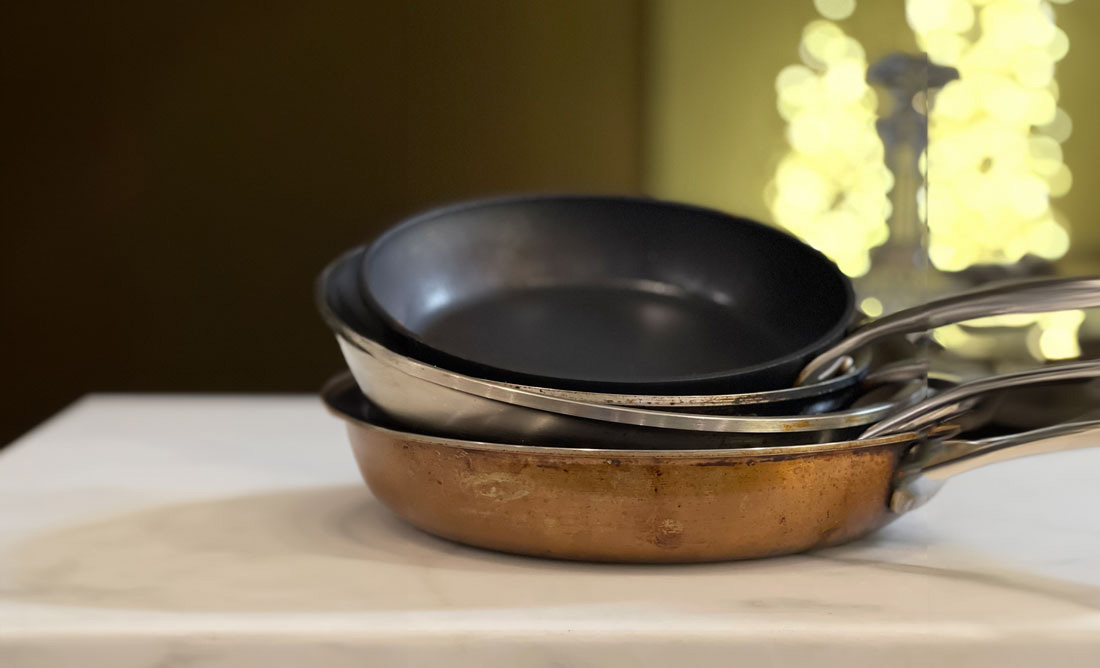
The health concerns surrounding traditional nonstick cookware are well-documented and worth taking seriously. When conventional nonstick pans are heated beyond 500°F, the coating can break down and release perfluorinated compounds into the air and potentially into your food. These chemicals have been linked to various health issues, including thyroid problems, liver damage, and developmental concerns. Even if you don't regularly heat your pans to extreme temperatures, gradual exposure over years of cooking can accumulate in your system.
Chemical-free cookware eliminates this risk entirely by using materials that don't require synthetic coatings or chemical additives. Cast iron, for example, has been used safely for over a century and actually improves with age. Ceramic cookware provides a naturally slippery surface without any artificial coatings. Stainless steel is incredibly durable and won't degrade or release anything harmful, no matter how high you crank the heat.
Beyond the safety factor, there's also the environmental consideration. Manufacturing traditional nonstick coatings produces chemicals that can enter waterways and persist in the environment for years. By choosing chemical-free options, you're making a choice that benefits not just your family but the broader ecosystem. I've found that this consciousness actually makes cooking feel more meaningful—like I'm aligning my choices with my values.

Different Types of Chemical-Free Cookware
Understanding the various chemical-free cookware options helps you make the best choice for your cooking style and needs.
Cast Iron Cookware
Cast iron is one of the most popular chemical-free cookware options available today. These pans are made from iron ore and shaped through casting, requiring no synthetic coatings whatsoever. Cast iron naturally develops a patina over time, which acts as a natural nonstick surface and actually improves with use. You can heat cast iron to extremely high temperatures without any concern about chemical breakdown or toxicity.
The downside is that cast iron requires regular maintenance, including seasoning and proper drying to prevent rust. It also conducts heat less evenly than some other materials, which means you need to preheat it longer and rotate your pan occasionally for consistent cooking. Despite these minor inconveniences, cast iron remains an incredibly durable investment that can last for generations.
Ceramic Cookware
Ceramic cookware has become increasingly popular as a chemical-free alternative to traditional nonstick pans. These pans feature a ceramic coating applied to a stainless steel or aluminum base, creating a naturally slippery surface without synthetic chemicals. Ceramic coating is derived from inorganic materials and doesn't contain PFOA, PTFE, or similar harmful substances. The cooking surface feels smooth and prevents sticking naturally.
However, ceramic coatings are more fragile than some alternatives and can chip or scratch with rough use or metal utensils. They also require careful hand washing and don't last quite as long as cast iron or stainless steel. The coating can deteriorate over time with regular use, eventually losing its nonstick properties. Still, for someone seeking an affordable, chemical-free option that's easier to maintain than cast iron, ceramic cookware offers solid value.
Stainless Steel Cookware
Stainless steel cookware is one of the most durable and reliable chemical-free options available. Made from iron, chromium, and nickel, stainless steel creates a naturally inert surface that won't react with your food or release harmful substances. This cookware can handle high heat, last for decades, and requires minimal special maintenance beyond regular washing.
The trade-off is that stainless steel doesn't have a naturally nonstick surface, so food tends to stick more than with cast iron or ceramic options. You need to add more oil or butter, and you must master proper heating and preheating techniques to minimize sticking. For experienced cooks who understand these nuances, stainless steel cookware becomes a trusted companion that improves with proper technique.
Tempered Glass Cookware
Tempered glass cookware, primarily used for baking and certain stovetop applications, offers complete transparency and chemical safety. You can see exactly what's cooking inside without lifting the lid, making it ideal for monitoring progress. Glass doesn't interact with acidic foods, won't scratch easily, and lasts indefinitely without degradation.
The limitations are significant though—glass heats unevenly and is far more fragile than metal alternatives. It can't be used on all stovetops, and extremely high heat can cause damage. Glass cookware works best for specific applications like baking, casseroles, and some stovetop cooking rather than as a complete cookware solution.

How to Choose the Right Chemical-Free Cookware for Your Needs
Selecting the best chemical-free cookware depends on your cooking habits, skill level, and what types of dishes you prepare most often.
Start by evaluating your cooking style. If you frequently use high-heat cooking methods like searing or stir-frying, cast iron or stainless steel will serve you better than ceramic. If you prefer convenience and ease of cleanup, ceramic cookware might be your best match despite its shorter lifespan. Consider your budget as well—cast iron is typically the most affordable option upfront, while quality stainless steel cookware can be pricier but lasts longer.
Think about the specific dishes you cook regularly. For bread baking, glass is perfect. For everyday cooking and versatility, stainless steel excels. For developing cooking skills and enjoying the meditative aspect of proper seasoning, cast iron provides unmatched rewards. You don't necessarily need to choose just one type—many experienced cooks maintain a mix of different chemical-free cookware for different purposes.
Test before you commit. Visit stores where you can handle the pans, check their weight, and get a feel for the balance. Read reviews from long-term users who can speak to durability and real-world performance. I recommend starting with one high-quality piece rather than buying a complete set, then expanding based on what works best for your kitchen.

Proper Care and Maintenance of Chemical-Free Cookware
Maintaining your chemical-free cookware properly ensures it lasts longer and performs better over time.
Cast Iron Maintenance
Cast iron cookware requires regular seasoning to maintain its nonstick properties and prevent rust. After each use, wash with warm water and mild soap, dry immediately with a soft cloth, and apply a thin layer of high-smoke-point oil. Store in a dry location, and periodically season your pan by applying oil and baking it in the oven at 400°F for an hour.
Avoid soaking cast iron or leaving it wet, as moisture causes rust. If rust does develop, you can remove it with steel wool and reseason the pan. Don't use acidic foods like tomato sauce regularly on new cast iron, as acid can strip the seasoning. With proper care, cast iron becomes better with every use.
Ceramic Cookware Care
Ceramic cookware is much easier to care for than cast iron. Hand wash with gentle soap and water, using soft sponges rather than abrasive scrubbers. Avoid metal utensils that can scratch the coating, instead using silicone, wood, or plastic utensils. Don't subject ceramic cookware to extreme temperature changes, as this can cause cracking or coating damage.
Store ceramic pans with protective liners between them if stacking, and inspect regularly for chips or cracks. Once the ceramic coating is significantly damaged, the cookware loses its nonstick properties and should be replaced. Proper handling extends the coating's life significantly.
Stainless Steel Maintenance
Stainless steel cookware requires minimal special care, making it one of the easiest chemical-free options to maintain. Wash with hot soapy water after each use, and dry with a soft cloth to prevent water spots. You can use mild abrasive cleaners if needed without damaging the surface. Periodically polish with specialized stainless steel cleaner to maintain shine and appearance.
To prevent sticking during cooking, ensure the pan is properly preheated and apply enough fat or oil before adding food. For stuck-on food, soak briefly with warm soapy water, then scrub gently. Stainless steel cookware actually improves in appearance and performance with regular use.
Common Misconceptions About Chemical-Free Cookware
Several myths circulate about chemical-free cookware that might discourage people from making the switch.
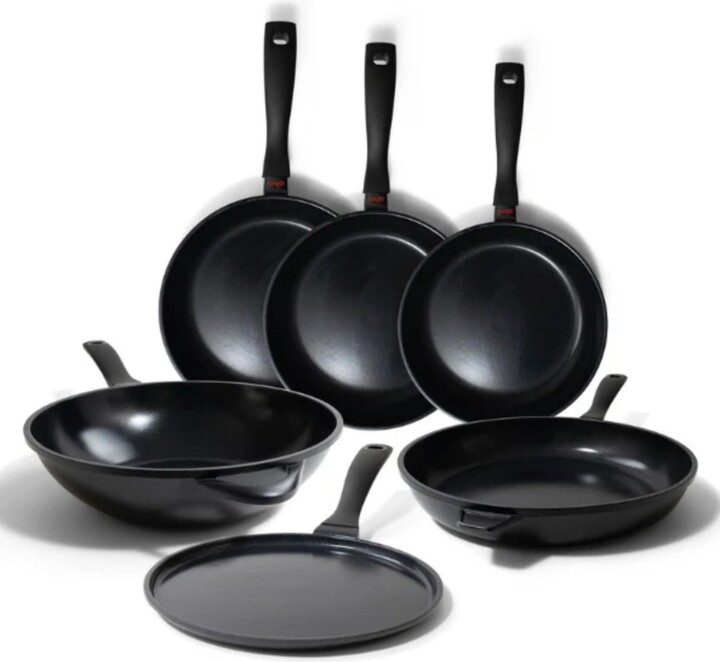
One widespread misconception is that chemical-free cookware doesn't work as well as traditional nonstick pans. While it's true that properly maintained cast iron or stainless steel requires slightly different techniques than synthetic nonstick, many professional chefs prefer these materials for their superior performance at high temperatures and durability. The learning curve is minimal, and most people adapt within weeks.
Another myth is that all chemical-free cookware is expensive. Cast iron is actually one of the most affordable cookware options available, often costing less than quality nonstick sets. While premium stainless steel cookware can be pricey, mid-range options work perfectly well for most home cooks. You can build a functional chemical-free kitchen gradually without breaking the bank.
People also believe that chemical-free cookware requires constant, complicated maintenance. While cast iron does need proper care, it's straightforward once you establish a routine. Ceramic and stainless steel are nearly as easy to maintain as traditional cookware. The maintenance is a small investment that pays dividends in longevity and health benefits.
Some worry that switching to chemical-free cookware means sacrificing nonstick convenience entirely. Modern ceramic coatings and properly seasoned cast iron provide excellent nonstick performance. The difference is that you achieve it through material science and proper technique rather than synthetic chemicals, and the results actually last longer and improve over time.

The Transition: Making the Switch to Chemical-Free Cookware
Moving from traditional nonstick cookware to chemical-free alternatives doesn't have to be complicated or expensive.
Start with a small collection rather than replacing everything at once. Pick one or two pieces that match your most frequent cooking needs, and experiment with them until you feel comfortable. I started with a single cast iron skillet and realized within weeks that I preferred it to my old nonstick pans. This gradual approach also lets your wallet adjust to the investment.
Invest time in learning proper techniques for your chosen cookware. If you select cast iron, watch tutorials on proper seasoning and heating methods. If you choose stainless steel, practice preheating and understanding oil application. These skills aren't difficult, but they do matter. Spending even one hour watching instructional videos transforms the cooking experience dramatically.
Don't expect chemical-free cookware to behave identically to what you're used to—embrace the differences instead. Cast iron develops character and improves with use. Stainless steel responds to proper preheating and technique. Ceramic offers predictable performance for everyday cooking. Each material has distinct advantages, and understanding these differences helps you work with them rather than against them.
Consider keeping one piece of traditional cookware during your transition if it helps you feel less anxious. Having a backup lets you gradually build confidence in your new chemical-free cookware without pressure. After a few months, you'll likely find yourself reaching for the chemical-free options naturally.
Real-World Performance: Chemical-Free Cookware in Action
Understanding how chemical-free cookware actually performs in everyday cooking situations helps set realistic expectations.
Cast iron excels at building fond and creating perfectly seared meats. When you sear a steak in preheated cast iron, the crust that develops is unmatched by other cookware. The even heat distribution, once the pan is properly heated, creates results that even expensive nonstick cookware struggles to replicate. For one-pan meals, cast iron is essentially unbeatable.
Ceramic cookware shines for everyday cooking, scrambled eggs, and situations where you want simplicity. It heats quickly, cleans easily, and doesn't require the learning curve of cast iron. For busy weeknight dinners when you just need something that works without fuss, ceramic delivers consistently. The nonstick properties remain reliable during the pan's lifespan, and the simplicity appeals to many home cooks.
Stainless steel cookware becomes invaluable when cooking with acidic ingredients like tomato sauce or vinegar, where other materials might react or degrade. It's also the professional choice for restaurant kitchens because it handles high-volume cooking and extreme temperatures without breaking down. For cooks who want the most versatile, durable option that works in virtually any situation, stainless steel justifies its higher price.
Glass cookware performs beautifully for baking and situations where visibility matters. Watching cookies brown, casseroles bubble, or lasagna cook through glass provides control and confidence. For specific applications, glass is nearly irreplaceable.
Environmental Impact of Chemical-Free Cookware
Choosing chemical-free cookware extends beyond personal health to broader environmental considerations.
Traditional nonstick cookware manufacturing releases perfluorinated compounds into the environment during production, and these chemicals persist in waterways and soil for decades. Chemical-free cookware options like cast iron, stainless steel, and ceramic involve simpler manufacturing processes with fewer harmful byproducts. Selecting these materials reduces your contribution to environmental contamination.
Cast iron cookware, when properly maintained, can last a lifetime or even be passed down through generations. This longevity means you're not contributing to landfill waste through frequent replacements like you might with ceramic cookware that eventually degrades or breaks. The durability factor makes cast iron an environmental choice beyond just health considerations.
Ceramic cookware, while not as long-lasting as cast iron, still significantly outlasts many traditional nonstick pans. When ceramic coating eventually degrades, you can replace just the cookware rather than continuing to use a degraded pan. This replacement cycle is still more environmentally conscious than repeatedly buying flaking nonstick cookware.
Manufacturing stainless steel cookware requires energy and resources, but the resulting durability means these pans remain in circulation for decades. Many families inherit stainless steel cookware from previous generations, creating a circular cycle rather than constant consumption and waste.
Cost Comparison: Chemical-Free vs. Traditional Cookware
Understanding the financial investment helps you make an informed decision about switching to chemical-free cookware.
Upfront costs for chemical-free cookware vary significantly by material. A quality cast iron skillet costs between twenty and fifty dollars, making it one of the most affordable cookware options available. Ceramic pans typically run thirty to eighty dollars depending on brand and quality. Stainless steel cookware is more expensive, ranging from sixty dollars for a single pan to several hundred dollars for a complete set.
Traditional nonstick cookware might cost less initially, but the total cost of ownership tells a different story. Quality nonstick pans typically last three to five years before the coating degrades and performance declines. Chemical-free cookware, particularly cast iron and stainless steel, can last decades or indefinitely. When you calculate the cost per year of use, chemical-free cookware typically costs less overall.
There's also the hidden cost of replacing damaged or degraded nonstick cookware. Many people buy a nonstick set for a couple hundred dollars, use it for five years, then replace it entirely. Over a twenty-year period, this creates significant ongoing expenses. A single cast iron skillet purchased for thirty dollars and maintained properly provides cooking benefits for that entire twenty years.
Consider your usage patterns when evaluating cost. If you cook frequently and intensively, the durability of cast iron or stainless steel justifies the investment immediately. If you rarely cook, a more affordable ceramic option makes sense financially.
Tips for Cooking Success with Chemical-Free Cookware
Mastering a few key techniques dramatically improves your experience with chemical-free cookware.
For cast iron specifically, preheat longer than you think you need to. Most people underheat cast iron, which leads to sticking and frustration. When the surface shimmers slightly and a drop of water forms a ball rolling across the surface, you're at the right temperature. This extra preheat time is the single most important factor in cast iron success.
With stainless steel, use the water droplet test as well, but also apply adequate fat or oil. Stainless steel requires more cooking medium than you might use with traditional nonstick, but this isn't a drawback—it actually enhances flavor. The fond that builds up on stainless steel can be deglazed to create incredible sauces.
For ceramic cookware, use medium heat rather than high heat. Ceramic distributes heat effectively without requiring the extreme temperatures of stainless steel. This actually saves energy while creating excellent cooking results. Allow adequate preheating before adding food, just like with other materials.
Regardless of which chemical-free cookware you choose, use wooden, silicone, or plastic utensils rather than metal. This protects the cooking surface and extends the pan's lifespan. Season your cookware appropriately—cast iron through regular oiling, others through occasional deep cleaning and maintenance.
Frequently Asked Questions of chemical free cookware
What does "chemical-free cookware" actually mean?
Chemical-free cookware refers to cooking vessels manufactured without harmful synthetic coatings like PFOA and PTFE that are found in traditional nonstick pans. These alternatives use naturally safe materials like cast iron, stainless steel, ceramic, or glass that have no toxic chemicals or additives.
Is stainless steel cookware truly chemical-free?
Yes, stainless steel cookware is chemical-free in the sense that it contains no synthetic nonstick coatings or toxic additives. It's made from iron, chromium, and nickel, which are inert materials that don't leach into food or release harmful fumes when heated.
How long does chemical-free cookware last compared to traditional nonstick?
Cast iron and stainless steel can last several decades or even a lifetime with proper care, while traditional nonstick cookware typically lasts three to five years before the coating degrades. Ceramic cookware falls in between, lasting about five to ten years depending on usage and care.
Does chemical-free cookware stick more than traditional nonstick?
Chemical-free cookware requires proper technique and preheating, but when used correctly, it provides excellent nonstick performance. Cast iron develops a natural patina that improves with use, and ceramic coatings are naturally slippery without synthetic chemicals. The sticking issue is more about technique than material.
Is chemical-free cookware safe for all stovetops?
Most chemical-free cookware like stainless steel and cast iron works on all stovetop types, including induction. Ceramic cookware works on most stovetops but check manufacturer specifications for induction compatibility. Glass cookware has more limitations and isn't suitable for direct stovetop cooking on some cooktop types.
How much more expensive is chemical-free cookware?
Cast iron is actually affordable, often costing less than quality nonstick sets. While premium stainless steel cookware can be more expensive initially, the longevity makes it cost-effective over time. When you factor in the lifespan, chemical-free cookware typically costs less per year of use.
Can I use metal utensils on chemical-free cookware?
You should avoid metal utensils on cast iron and ceramic cookware as they can damage the surface. Stainless steel is more resilient to metal utensils, but wooden, silicone, or plastic utensils are gentler on all chemical-free cookware options.
What's the healthiest type of chemical-free cookware?
All chemical-free cookware is safe from a toxicity standpoint. Cast iron adds beneficial iron to food, making it especially nutritious. Stainless steel offers the most versatility and durability. Ceramic provides ease of use. The healthiest choice depends on your cooking style and which material you'll actually use consistently.
Conclusion
Making the shift to chemical-free cookware represents a meaningful investment in your family's health and your kitchen's sustainability. Whether you choose the timeless durability of cast iron, the practical ease of ceramic, the versatile performance of stainless steel, or the visibility of glass, you're selecting a cooking solution that eliminates toxic synthetic chemicals while often providing superior long-term value. The learning curve is minimal, the benefits are substantial, and the peace of mind that comes from knowing exactly what's in your cookware is genuinely priceless.
Take the first step by investing in a single piece of chemical-free cookware that matches your cooking habits. Spend an hour learning proper techniques for that specific material, then commit to using it regularly for at least a month. You'll quickly discover that chemical-free cooking isn't about sacrifice—it's about choosing quality, health, and durability over convenience. Start your kitchen transformation today, and notice how differently your food tastes and how much better you feel knowing you've eliminated harmful chemicals from the heart of your home. Share your experience in the comments below, and let's build a community of health-conscious cooks choosing safer alternatives for our families.

Leave a Reply