
Non-toxic cookware brands offer safer cooking solutions made without harmful chemicals like PFOA and PTFE. If you've ever wondered whether the pans in your kitchen are slowly poisoning your family, you're not alone. Many home cooks are ditching their traditional nonstick cookware in favor of healthier alternatives. The rise of non-toxic cookware brands reflects a growing awareness about what we expose ourselves to while preparing meals—because your kitchen should be a place of nourishment, not concern.
Over the past decade, I've personally tested dozens of cookware options, from ceramic to stainless steel, and watched the industry transform dramatically. What I've learned is that choosing non-toxic cookware isn't just a trend; it's a meaningful decision that impacts your family's health and your cooking experience. This guide walks you through everything you need to know about non-toxic cookware brands, their benefits, and how to select the right ones for your kitchen.

What Makes Cookware Non-Toxic
Non-toxic cookware is manufactured without potentially harmful chemicals that can leach into your food during cooking. Traditional nonstick cookware often contains perfluorooctanoic acid (PFOA) and polytetrafluoroethylene (PTFE), which have raised health concerns over the years. Non-toxic cookware brands specifically eliminate these substances and focus on creating surfaces that are both safe and functional.
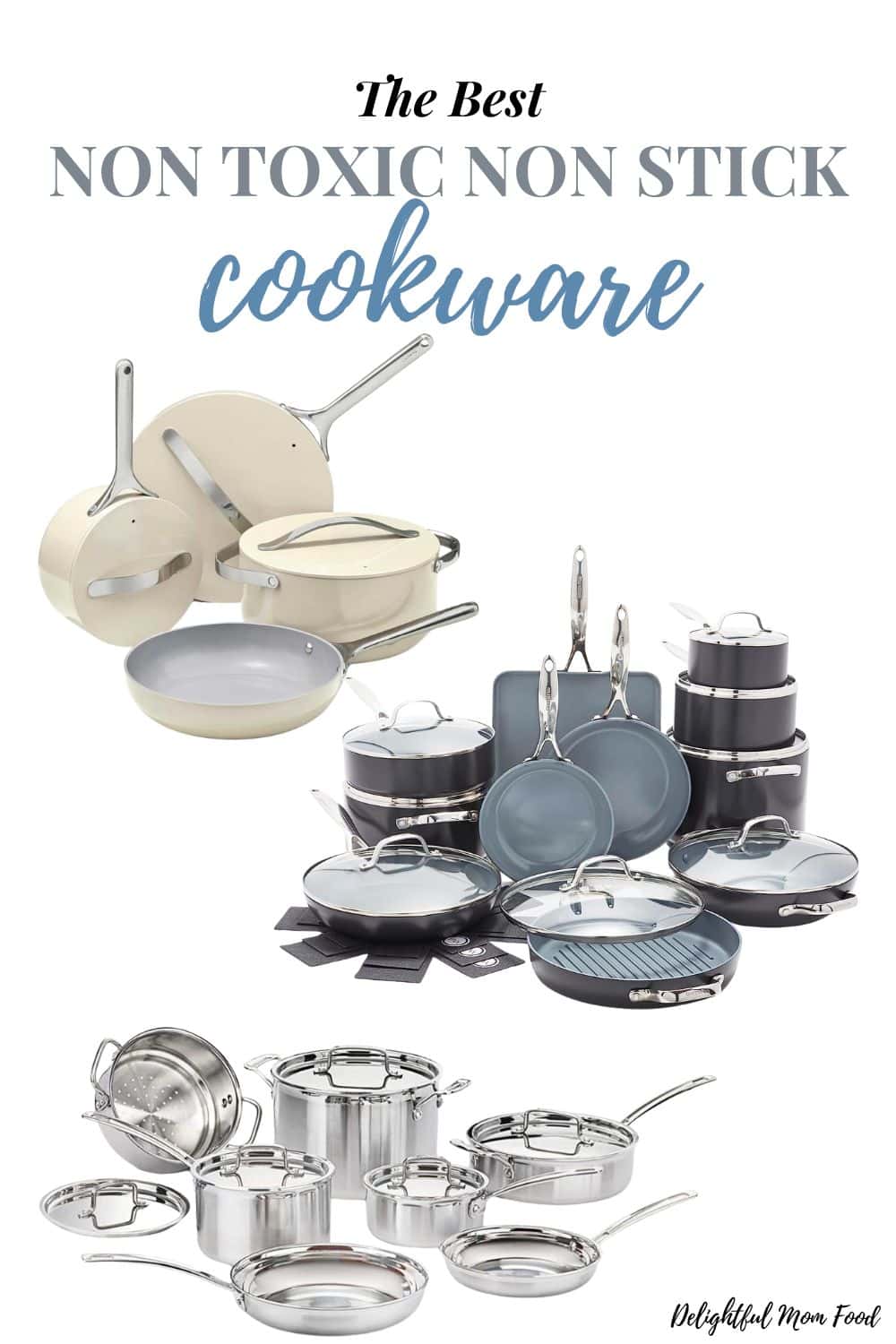
The manufacturing process for non-toxic cookware typically involves different coatings and materials designed to prevent food from sticking without relying on hazardous chemicals. Many brands use ceramic coatings, which are derived from natural minerals and provide a naturally nonstick surface. Others focus on stainless steel or cast iron construction that doesn't require synthetic coatings at all.
When you invest in non-toxic cookware brands, you're choosing products that have undergone rigorous testing and often meet strict international safety standards. These cookware options perform just as well as their conventional counterparts while giving you peace of mind about what's ending up in your meals.
Top Non-Toxic Cookware Brands Worth Considering
GreenPan
GreenPan has become one of the most recognized non-toxic cookware brands on the market. Their signature Thermolon coating is derived from sand, making it completely PFOA-free and metal-utensil safe. I've used GreenPan cookware for over three years, and the nonstick performance remains excellent even with regular use. Their product range includes everything from everyday cookware sets to specialized pieces, all at reasonable price points.
What impressed me most about GreenPan non-toxic cookware brands products is their consistency and reliability. The cookware heats evenly, and the nonstick surface hasn't degraded like I've experienced with cheaper alternatives. Their cookware is also dishwasher safe, which adds convenience to busy households.
Our Place Always Pan
Our Place Always Pan represents a premium option in non-toxic cookware brands. This single-piece cookware combines a skillet, saucier, and saute pan into one versatile tool, making it perfect for small kitchens or minimalist cooking enthusiasts. The cookware features a nontoxic, ceramic-derived coating and comes in aesthetically pleasing colors that look beautiful on your stovetop.
I appreciate how Our Place non-toxic cookware brands design focuses on quality and sustainability. The Always Pan conducts heat efficiently and the wide, sloped sides make it easy to toss vegetables or flip pancakes. It's an investment piece, but one that delivers on both performance and safety.
Caraway Home
Caraway Home has gained attention by focusing exclusively on non-toxic cookware brands that deliver restaurant-quality results. Their cookware features a ceramic nonstick coating, is oven-safe up to 500 degrees Fahrenheit, and comes with a beautiful display rack. The brand emphasizes transparency about materials and manufacturing, which builds trust with health-conscious consumers.
Using Caraway non-toxic cookware brands products, I noticed the heat distribution is outstanding, and the nonstick performance rivals traditional cookware without any of the chemical concerns. Their customer service is also responsive and helpful when questions arise about care or usage.
All-Clad HA1
All-Clad HA1 brings the trusted craftsmanship of a legendary cookware company into the non-toxic cookware brands category. This cookware features a hard-anodized aluminum construction with a reinforced nonstick surface that's PFOA-free. All-Clad has been manufacturing quality cookware for decades, and their entry into non-toxic options shows how the entire industry is shifting toward safer materials.
The HA1 line performs exceptionally well on all cooktops, including induction. The cookware is durable enough to withstand professional kitchen use while remaining accessible to home cooks who value safety and performance equally.
Xtrema Cookware
Xtrema specializes in 100% ceramic cookware, making it one of the purest non-toxic cookware brands available. Unlike ceramic-coated cookware, Xtrema cookware is solid ceramic throughout, meaning there's no nonstick coating to wear away over time. This approach eliminates any risk of coating degradation or chemical exposure.
The cooking experience with Xtrema non-toxic cookware brands products differs slightly from traditional nonstick cookware, but in positive ways. Food browns beautifully, the cookware heats evenly, and you can use metal utensils without worry. It requires slightly more oil than ceramic-coated alternatives, but this is a small trade-off for the safety benefits.
Hexclad Cookware
HexClad offers a hybrid approach to non-toxic cookware brands by combining stainless steel with a hexagonal hybrid cooking surface. This unique design provides the benefits of both stainless steel and nonstick cooking without relying on PFOA or PTFE. The cookware works on all cooktop types, including induction, and is oven-safe to 500 degrees.
I've cooked with HexClad non-toxic cookware brands multiple times, and the performance is impressive. The hybrid surface develops a natural patina over time, similar to cast iron, and actually improves with seasoning. It's a more forgiving option for those transitioning from traditional nonstick cookware.

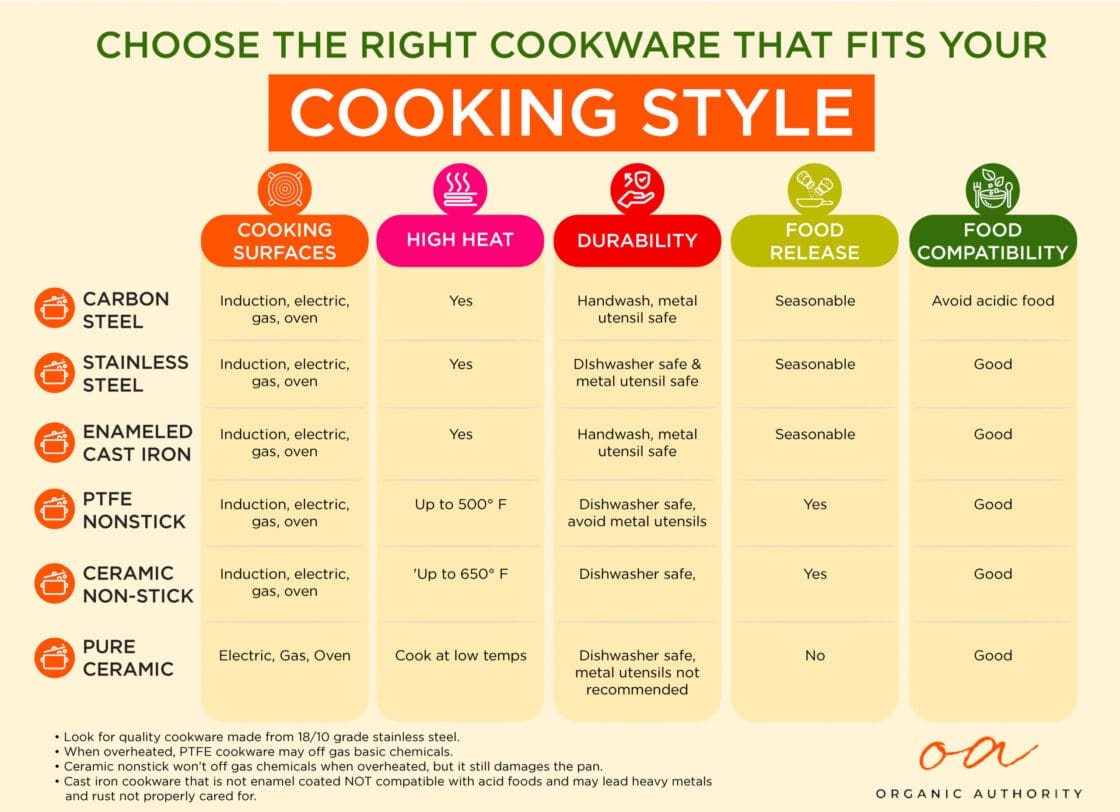
Understanding Different Non-Toxic Cookware Materials
Ceramic Coatings
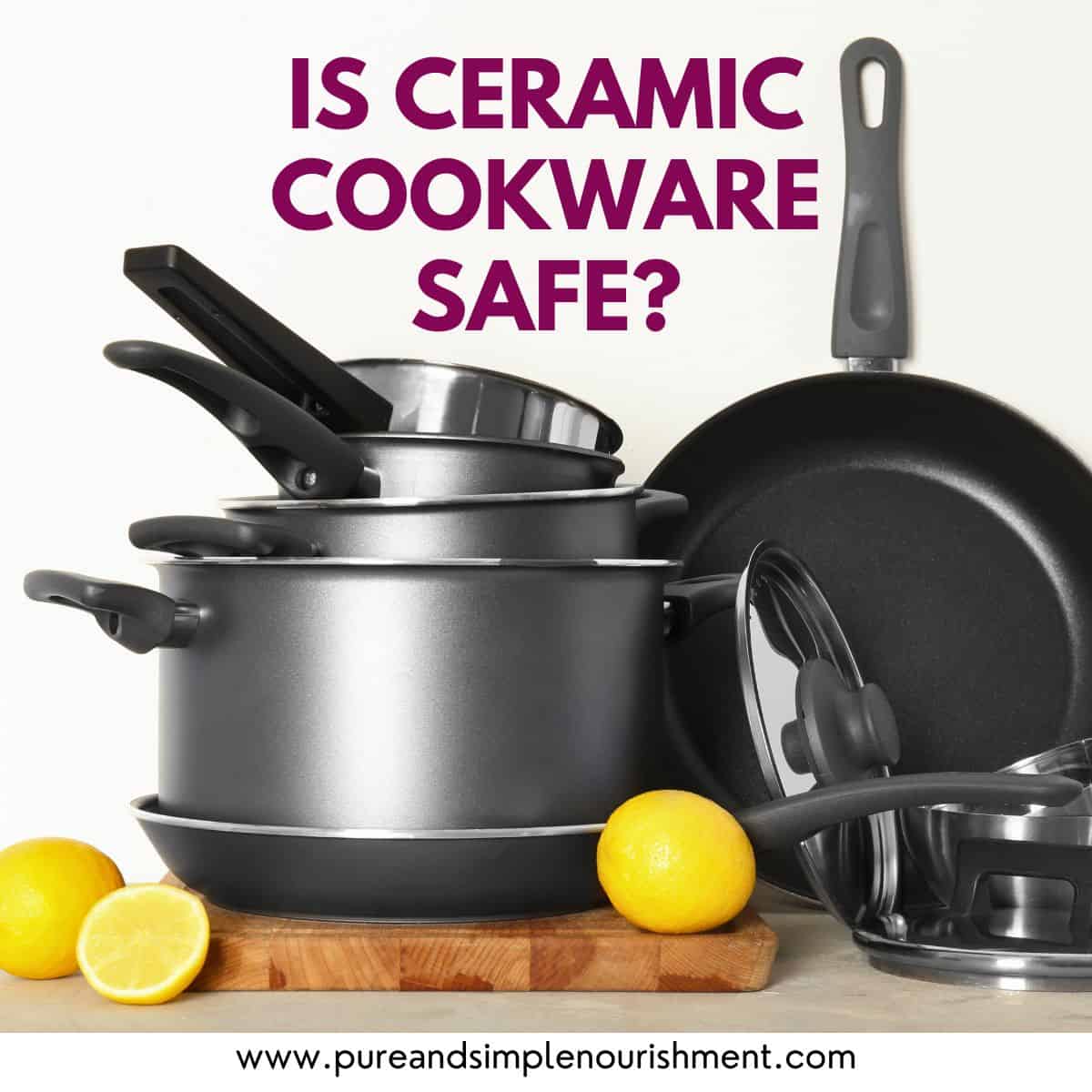
Ceramic coatings represent one of the most popular materials in non-toxic cookware brands. These coatings are derived from inorganic minerals and provide naturally nonstick properties without synthetic chemicals. Ceramic-coated cookware is typically lightweight, heats quickly, and comes in various appealing colors and designs.
However, ceramic coatings can wear more quickly than traditional nonstick surfaces, especially with metal utensils or aggressive scrubbing. Many users find they need to replace ceramic-coated cookware within five to seven years of regular use. Despite this limitation, the safety benefits make ceramic a worthwhile choice for many families.
Stainless Steel
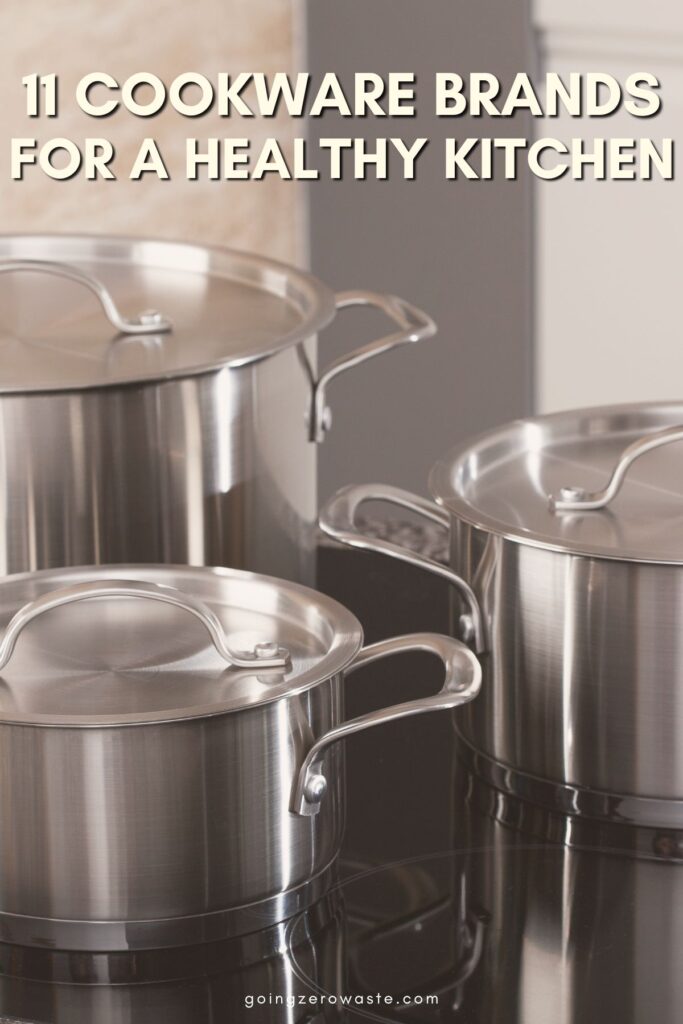
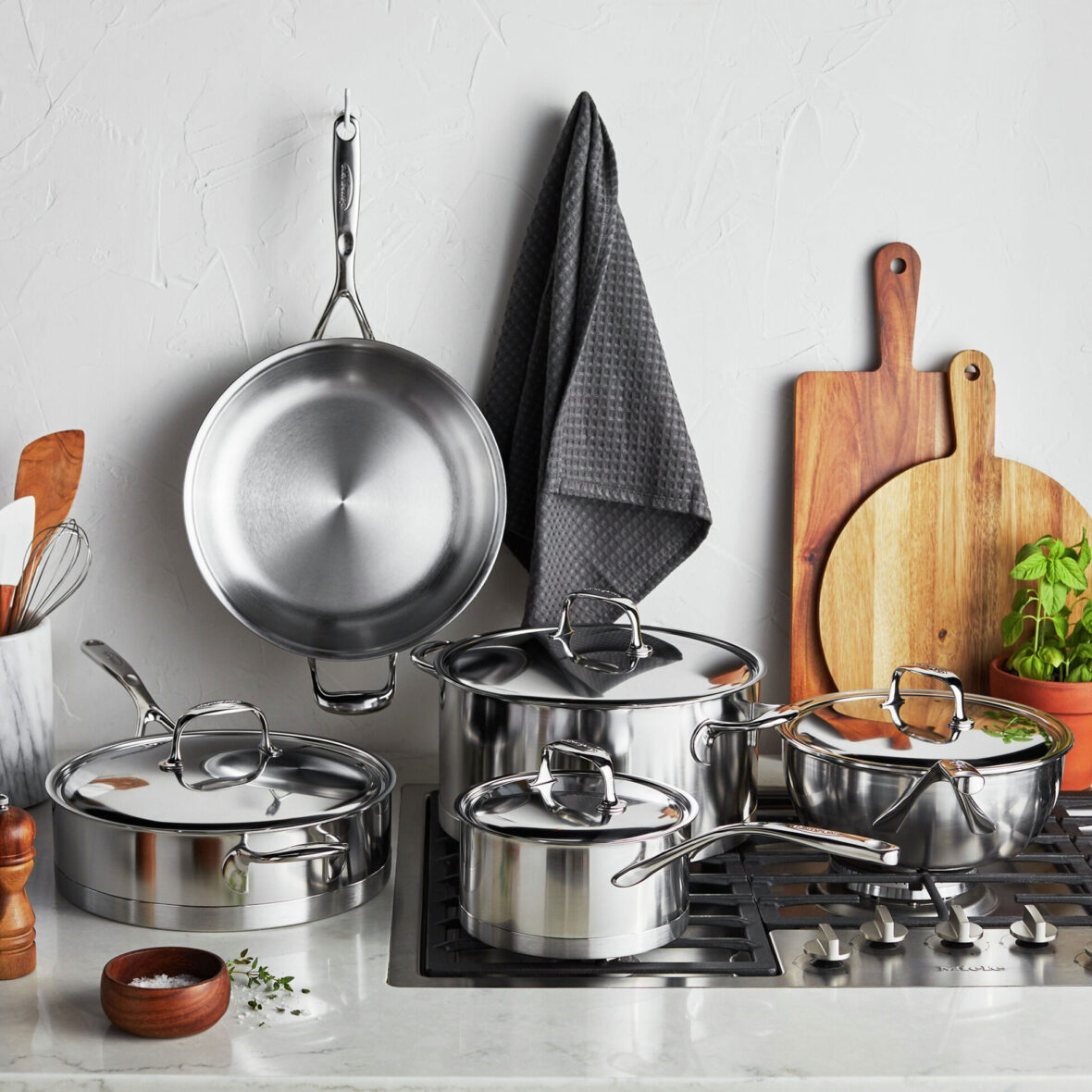
Stainless steel cookware has never gone out of style for good reason. High-quality stainless steel non-toxic cookware brands products contain no harmful coatings and last for decades with proper care. These pans require oil or butter for cooking, but many cooks appreciate the browning and flavor development that comes with stainless steel cooking.
The main drawback of stainless steel is the learning curve—food can stick more easily than with nonstick surfaces, especially when you're first starting out. However, this challenge diminishes with practice and understanding proper heat management. Stainless steel cookware is also versatile, working on all cooktop types and remaining oven-safe at high temperatures.
Cast Iron
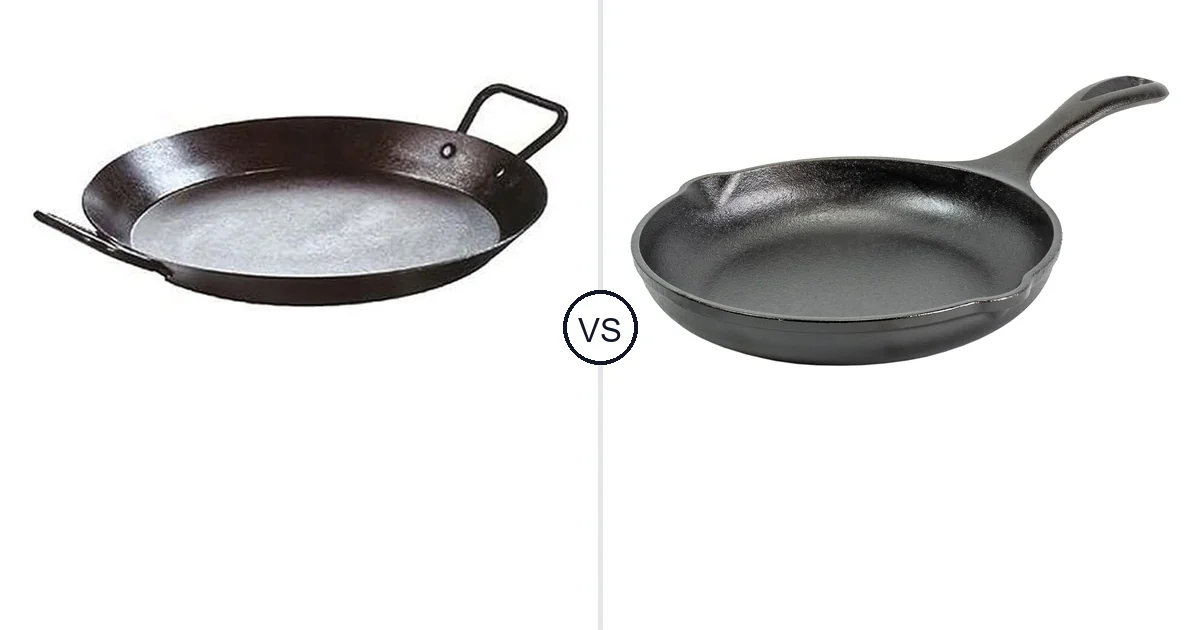
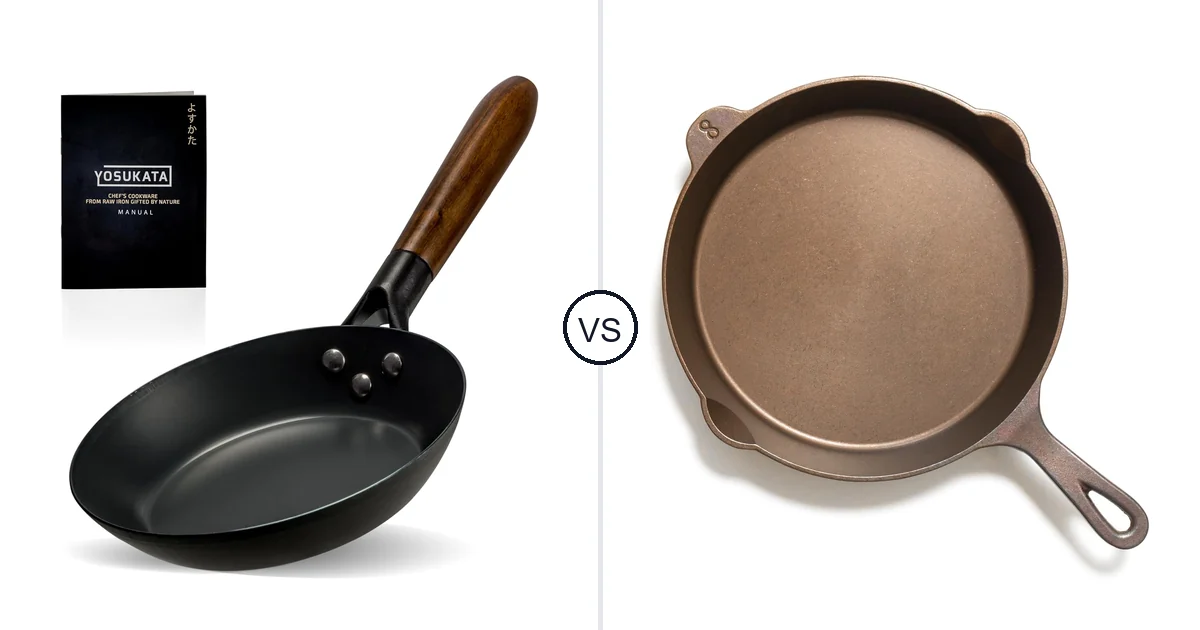
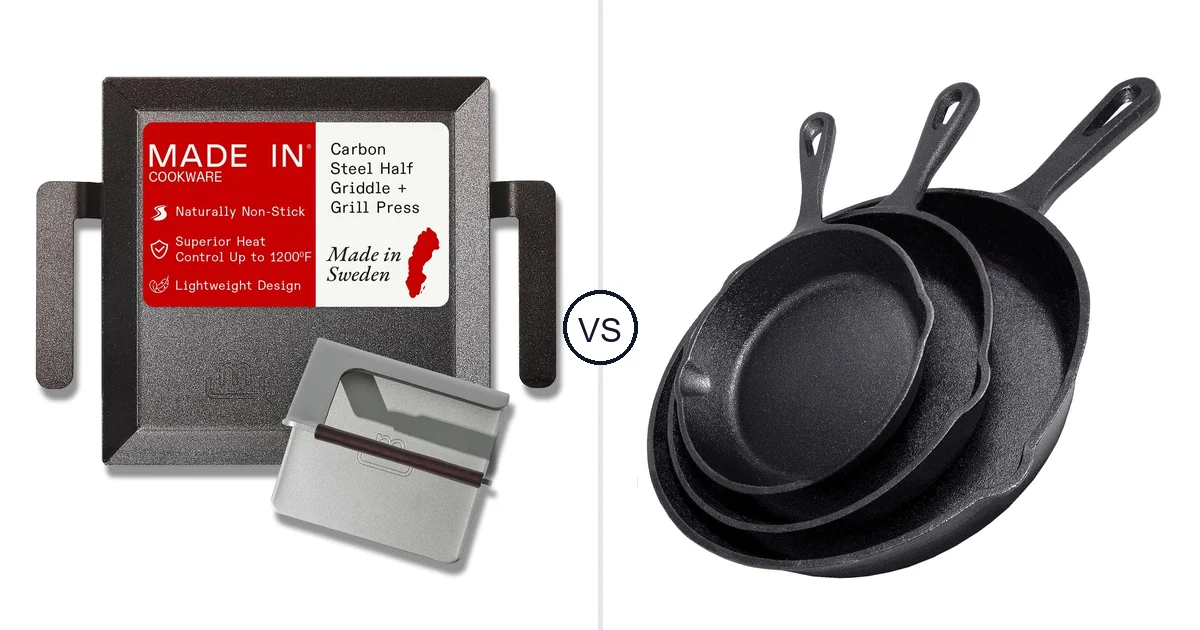
Cast iron cookware is genuinely nontoxic and has been used safely for generations. When properly seasoned, cast iron develops a natural nonstick surface that improves over time. The cookware distributes heat evenly and retains heat exceptionally well, making it ideal for searing, baking, and slow cooking.
Modern non-toxic cookware brands have reinvigorated interest in cast iron by producing lighter-weight versions and pre-seasoned options that are ready to use immediately. Cast iron requires some maintenance and isn't ideal for acidic foods, but these minor concerns are worth the investment for cookware that lasts a lifetime.
Key Benefits of Choosing Non-Toxic Cookware Brands
Health and Safety Advantages
The primary benefit of non-toxic cookware brands is the elimination of potentially harmful chemicals from your cooking environment. Research has raised concerns about PFOA exposure and its potential health effects, making chemical-free cookware a logical choice for health-conscious families. When you cook with non-toxic cookware, you're removing a potential source of chemical exposure from daily life.
Children are particularly vulnerable to environmental toxins, so choosing non-toxic cookware brands becomes even more important if you're feeding a young family. The peace of mind that comes from knowing your cookware is safe justifies the investment for many parents and grandparents.
Environmental Impact
Non-toxic cookware brands often prioritize sustainability alongside safety. Many companies use eco-friendly manufacturing processes and recyclable packaging to minimize environmental impact. By choosing non-toxic cookware, you're supporting companies that care about both human health and environmental preservation.
Traditional nonstick cookware manufacturing involves chemicals that can persist in the environment, accumulating in soil and water systems. Switching to non-toxic cookware brands means you're reducing your contribution to chemical pollution and supporting manufacturing practices that are gentler on our planet.
Performance and Durability
Many people assume that safety means sacrificing performance, but modern non-toxic cookware brands prove this wrong. Today's non-toxic options perform comparably to traditional cookware while lasting longer and maintaining their nonstick properties better over time. Quality non-toxic cookware brands use advanced materials that heat evenly and cook efficiently.
The durability of non-toxic cookware also provides long-term value. While initial costs may be higher, these cookware sets often last for years, making them more economical than repeatedly replacing cheaper traditional cookware.
How to Choose the Right Non-Toxic Cookware for Your Needs
Assess Your Cooking Style
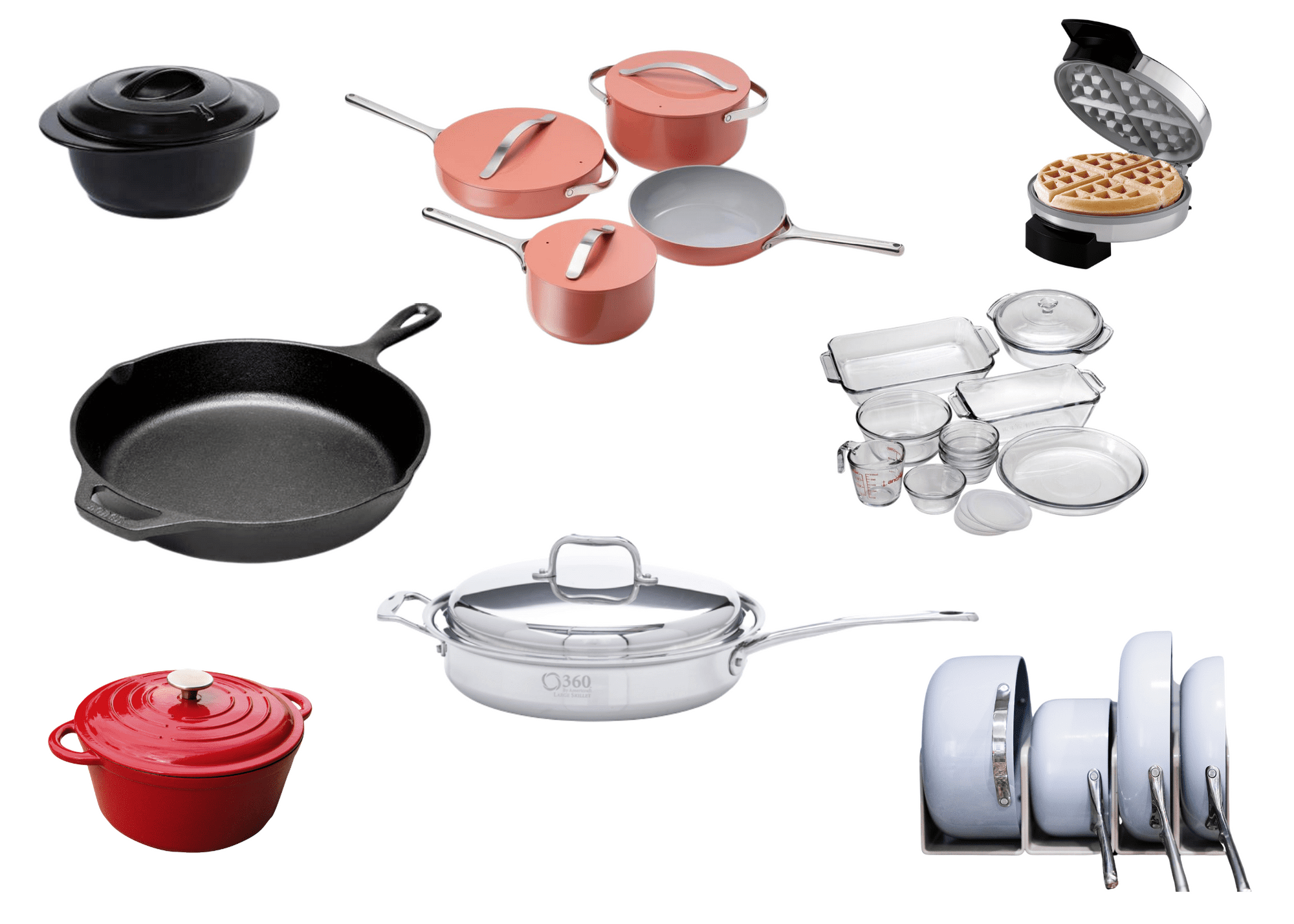
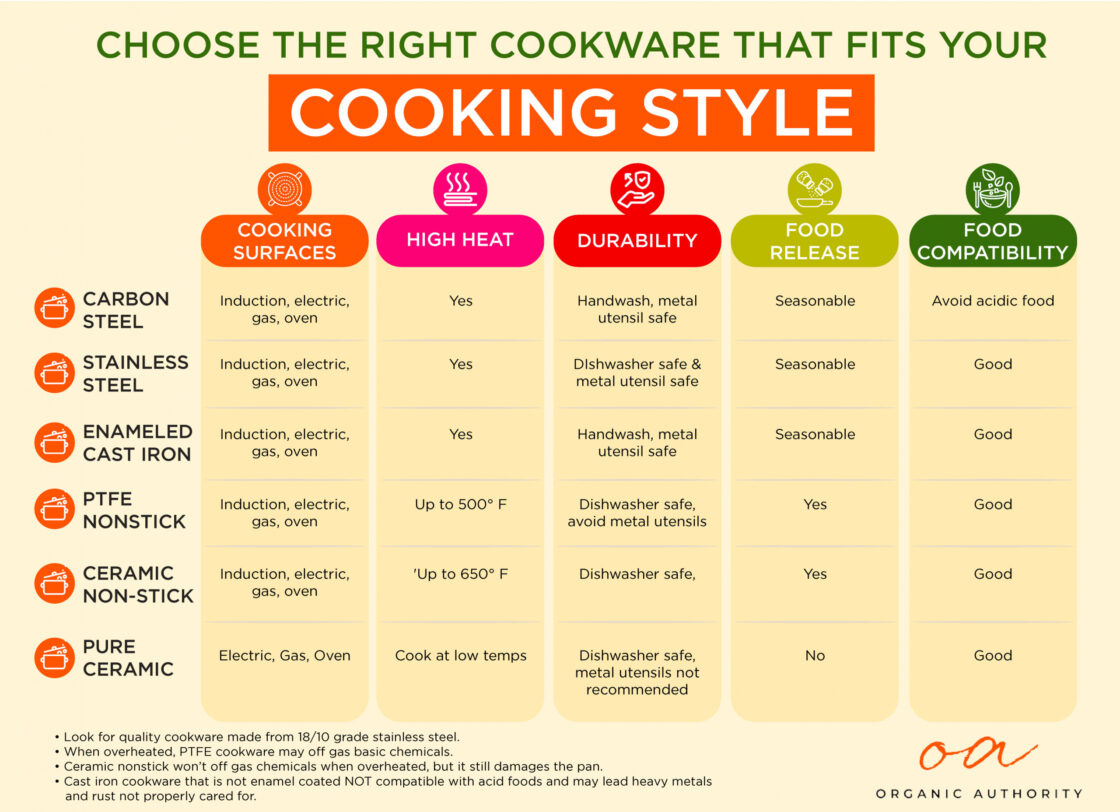
Different non-toxic cookware brands excel in different cooking scenarios. If you frequently brown meat or sear vegetables, stainless steel or hybrid cookware might be your best choice. For everyday cooking with minimal oil or butter, ceramic-coated non-toxic cookware brands products work beautifully. Cast iron shines if you love baking, slow cooking, or developing deep flavors through extended cooking times.
Consider which cooking techniques you use most often and match them to the appropriate non-toxic cookware material. This alignment ensures you'll actually enjoy using your cookware rather than resenting it for not meeting your needs.
Evaluate Your Budget
Non-toxic cookware brands exist at every price point, from affordable ceramic options to premium stainless steel and hybrid models. Determine how much you're willing to invest, understanding that higher-priced options often offer better durability and performance. However, many budget-friendly non-toxic cookware brands deliver excellent results without breaking the bank.
Consider your cookware as an investment in your health and your kitchen's functionality. Sometimes spending a bit more upfront saves money in the long run through durability and performance.
Check Cooktop Compatibility
Not all non-toxic cookware brands work with every cooktop type. If you have an induction cooktop, verify that your chosen cookware is induction-compatible. Some ceramic-coated non-toxic cookware brands products may not work with induction, while stainless steel and cast iron are universally compatible.
Review the product specifications carefully before purchasing to ensure your new non-toxic cookware will work with your current kitchen setup.
Prioritize Heat Distribution
Quality non-toxic cookware brands prioritize even heat distribution to prevent hot spots that cause uneven cooking. Look for cookware with thick bases and multi-layered construction that conducts heat efficiently. Even heat distribution becomes particularly important if you're transitioning from traditional cookware and want results to be consistent.
Many non-toxic cookware brands provide detailed specifications about their construction and heat conductivity, helping you make informed decisions based on technical performance.
Caring for Your Non-Toxic Cookware Brands
Proper Cleaning Techniques
Most non-toxic cookware brands can be cleaned in the dishwasher, though hand-washing typically extends the lifespan of the cookware. Use soft sponges or cloth instead of abrasive scrubbers, which can damage ceramic coatings or nonstick surfaces. For stubborn stuck-on food, soak the cookware in warm soapy water before gently cleaning.
Avoid using metal utensils on ceramic-coated non-toxic cookware brands unless the manufacturer specifically approves it. Metal utensils can scratch delicate coatings, reducing their effectiveness and lifespan. Silicone or wooden utensils are safer choices for most non-toxic cookware options.
Storage Recommendations
Store your non-toxic cookware brands in a way that prevents damage to coatings and cooking surfaces. Stack cookware with protective padding between pieces, or hang it on a wall-mounted rack if space allows. Avoid stacking ceramic-coated cookware directly on top of each other without protection, as this can cause chipping and coating degradation.
Proper storage not only protects your investment but also makes your cookware more accessible and enjoyable to use daily.
Maintaining Nonstick Surfaces
The longevity of non-toxic cookware brands depends heavily on how you maintain them. Always preheat cookware properly and use the right temperature settings for your cooking task. Avoid overheating empty cookware or exposing it to extreme temperature changes, which can damage nonstick coatings.
Season stainless steel and cast iron non-toxic cookware brands regularly to maintain their cooking properties. For ceramic-coated cookware, occasionally treat it with food-grade mineral oil to rejuvenate the cooking surface and extend its lifespan.
Comparing Non-Toxic Cookware Brands to Traditional Options
Traditional nonstick cookware has been the kitchen standard for decades, but its popularity comes with concerns about chemical exposure. Non-toxic cookware brands offer safer alternatives without sacrificing performance or convenience. While traditional cookware may be cheaper initially, non-toxic cookware brands often provide better long-term value through superior durability.
The transition from traditional to non-toxic cookware might require minor adjustments to your cooking habits, but most cooks adapt quickly. You'll gain the satisfaction of knowing your cookware is safe for your family while enjoying cookware that performs exceptionally well in everyday use.
Many health professionals now recommend making the switch to non-toxic cookware brands, particularly if you cook frequently or have young children in your home. The scientific evidence supporting safer cookware materials continues to grow, making this an increasingly mainstream recommendation rather than a niche choice.
Common Concerns About Non-Toxic Cookware Brands
Will Non-Toxic Cookware Perform Like Traditional Nonstick?
Yes, modern non-toxic cookware brands perform remarkably well compared to traditional nonstick options. Ceramic-coated cookware rivals traditional nonstick surfaces in everyday use, while stainless steel and hybrid options offer excellent browning and flavor development. The performance difference is minimal, and many experienced cooks actually prefer the results from non-toxic cookware brands.
Does Non-Toxic Cookware Last Longer?
Non-toxic cookware brands made from durable materials like stainless steel and cast iron definitely last longer than traditional nonstick cookware. Ceramic-coated options may have a similar lifespan to traditional cookware but often maintain their nonstick properties better. The build quality of reputable non-toxic cookware brands ensures years of reliable performance.
Is Non-Toxic Cookware More Expensive?
While some premium non-toxic cookware brands command higher prices, many affordable options exist that won't strain your budget. Even moderately priced non-toxic cookware brands offer better long-term value than cheaper traditional cookware due to superior durability. Think of it as investing in your health and your kitchen's future.
Can I Use Metal Utensils on Non-Toxic Cookware?
This depends on the specific non-toxic cookware brands product you choose. Stainless steel and cast iron are completely safe with metal utensils, while ceramic-coated cookware often requires softer utensils like silicone or wood. Always check the manufacturer's recommendations for your specific non-toxic cookware brands products.
How Do I Know If Non-Toxic Cookware Is Truly Safe?
Look for non-toxic cookware brands that are transparent about their materials and manufacturing processes. Many reputable brands are certified by independent testing organizations or meet strict international safety standards. Reading customer reviews and checking for third-party certifications helps you identify genuinely safe non-toxic cookware brands.
Frequently Asked Questions
What does PFOA-free mean in non-toxic cookware brands?
PFOA-free means the cookware was manufactured without perfluorooctanoic acid, a chemical traditionally used in nonstick coatings that has raised health concerns. Non-toxic cookware brands specifically eliminate PFOA and other harmful fluorinated compounds, using alternative materials like ceramic or mineral-based coatings instead.
Are all non-toxic cookware brands ceramic coated?
No, non-toxic cookware brands use various materials including ceramic coatings, stainless steel, cast iron, and hybrid surfaces. Each material offers different benefits, so you can choose based on your specific cooking needs and preferences.
How often do I need to replace non-toxic cookware brands?
Quality non-toxic cookware brands can last 5-10 years or longer depending on the material and how well you maintain them. Stainless steel and cast iron options last decades, while ceramic-coated cookware may need replacement sooner if the coating wears significantly.
Can non-toxic cookware brands be used in the oven?
Most quality non-toxic cookware brands are oven-safe, though the maximum temperature varies by product. Always check the manufacturer's specifications, as some ceramic-coated cookware may have lower oven-safe temperatures than stainless steel options.
Is cast iron non-toxic cookware brands suitable for beginners?
Yes, cast iron from reputable non-toxic cookware brands is excellent for beginners, though it has a slight learning curve. Properly seasoned cast iron requires minimal maintenance and actually improves with use, making it a great long-term investment for new and experienced cooks alike.
What makes non-toxic cookware brands better for children's health?
Non-toxic cookware brands eliminate chemical exposure that can leach into food, which is particularly important for children whose developing bodies are more vulnerable to environmental toxins. Using non-toxic cookware when preparing meals for your family reduces potential health risks from traditional nonstick coatings.
Conclusion
Making the switch to non-toxic cookware brands represents a meaningful investment in your family's health and your kitchen's future. The options available today offer exceptional performance, durability, and safety without requiring you to sacrifice convenience or cooking quality. Whether you choose ceramic-coated alternatives, stainless steel classics, or hybrid innovations, you're selecting cookware that prioritizes your wellbeing.
Your kitchen is where memories are made and nourishment begins, so it deserves cookware you can trust completely. Start by researching non-toxic cookware brands that match your cooking style and budget, then gradually transition your kitchen for maximum benefit. The peace of mind that comes from knowing your cookware is safe makes every meal feel better, and that's worth every bit of effort you invest in making this change.
Ready to upgrade your kitchen? Explore the non-toxic cookware brands mentioned in this guide, read customer reviews, and choose the option that feels right for your home. Your family's health is too important to leave to chance, so take action today and experience the difference quality non-toxic cookware brings to your daily cooking.

Leave a Reply