
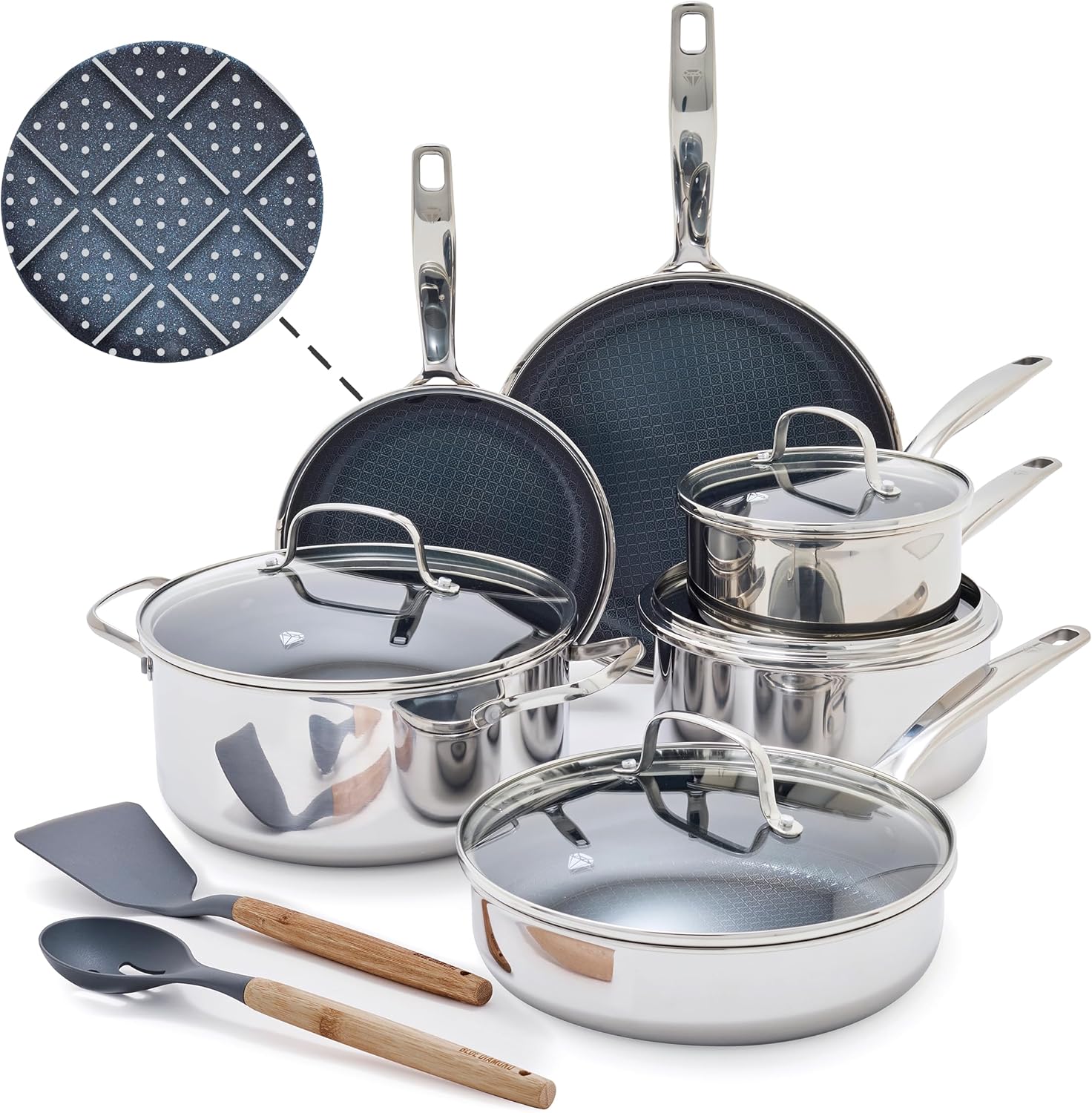
PFOA free cookware means cookware manufactured without perfluorooctanoic acid, a harmful chemical linked to health and environmental concerns. When you're shopping for kitchen cookware, you've probably noticed the term "PFOA free" popping up everywhere. It's become one of the most important features people look for when choosing pots and pans. Understanding what this actually means can help you make better decisions for your family's health and protect your kitchen from potentially harmful chemicals. Let me walk you through everything you need to know about PFOA free cookware and why it matters so much in today's kitchens.
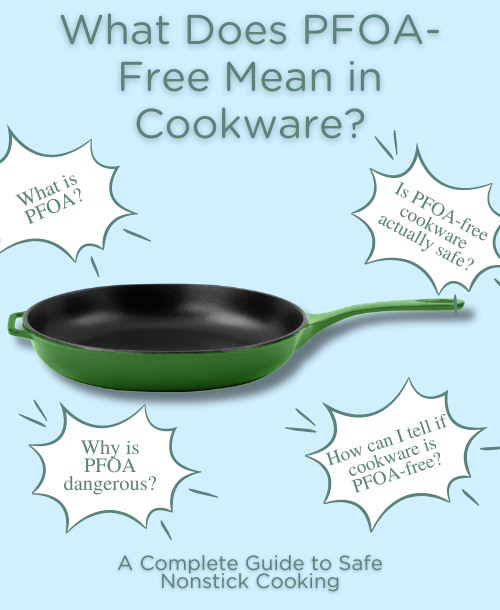
What Does PFOA Free Cookware Mean?
PFOA free cookware is cookware that has been manufactured without perfluorooctanoic acid, a synthetic chemical that was traditionally used in non-stick coatings. Think of PFOA as an invisible problem that sat on the surface of cookware for decades without most people realizing it was there. The chemical was part of the coating that makes pans non-stick and easy to clean, but it came with serious health and environmental consequences.
When cookware manufacturers create PFOA free cookware, they replace this problematic chemical with safer alternatives or use entirely different coating technologies. The goal is to give you the same convenient non-stick surface without the potential health risks. It's similar to how the food industry removed trans fats from products once we understood the damage they caused.
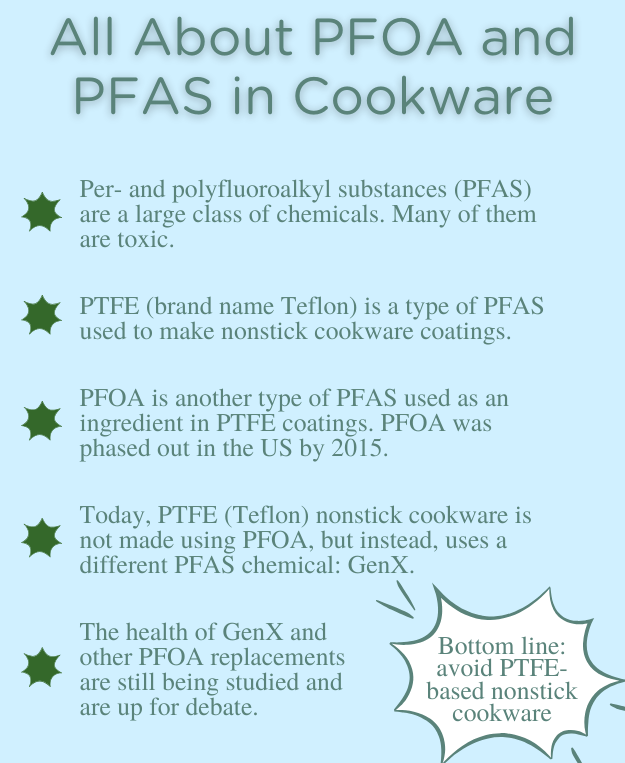
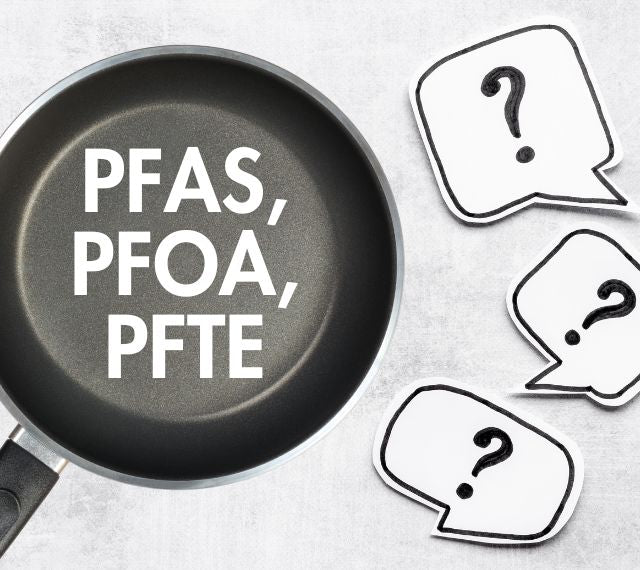
PFOA (perfluorooctanoic acid) belongs to a family of chemicals called PFAS, which stands for per- and polyfluoroalkyl substances. These chemicals are known as "forever chemicals" because they don't break down naturally in the environment or in your body. Once PFOA is released into water systems or ingested, it stays there indefinitely, accumulating over time.

Why Manufacturers Started Using PFOA
Understanding the history of PFOA helps explain why PFOA free cookware became so important. Before the risks were widely known, PFOA was considered a miracle ingredient in the kitchen. It made cooking easier, reduced the need for excess oils and fats, and created cookware that lasted longer without scratching.
Companies like DuPont, which trademarked Teflon, used PFOA as a key component in their non-stick coating formulas. The chemical made sense at the time because it created a durable, heat-resistant surface that food simply wouldn't stick to. For decades, this was seen as a win-win for both manufacturers and consumers.
However, as research progressed in the early 2000s, scientists began discovering PFOA in human blood samples, wildlife, and drinking water supplies around the world. Studies started linking the chemical to serious health issues, and environmental groups raised alarms about contamination. The discovery forced a reckoning in the cookware industry that led to the development of PFOA free cookware alternatives.
Health Concerns Associated with PFOA
The reasons behind the shift to PFOA free cookware are grounded in real health concerns that researchers have documented. Studies have linked PFOA exposure to increased cholesterol levels, liver problems, and reproductive issues. Some research suggests connections to kidney and testicular cancer, though more investigation is ongoing.
One thing that makes PFOA particularly concerning is that it accumulates in your body over time. Even small exposures from non-stick cookware can add up, especially if you're using these pans daily and heating them to high temperatures. When cookware reaches very high heat, there's a greater chance that PFOA or other chemicals can leach into your food.
Pregnant women and young children are considered especially vulnerable to PFOA exposure. Their bodies are more sensitive to chemical exposure, and any contamination could affect development and long-term health. This is why many parents started actively seeking out PFOA free cookware to protect their families.
The chemical is also extremely persistent, meaning it doesn't break down in landfills or sewage systems. When you throw away old non-stick cookware containing PFOA, the chemical can eventually make its way into groundwater and ecosystems. This environmental persistence adds another layer of concern that goes beyond just personal health.
Alternative Chemicals in PFOA Free Cookware
When manufacturers developed PFOA free cookware, they didn't stop making non-stick pans. Instead, they replaced PFOA with other chemicals designed to be safer and more environmentally friendly. Understanding what replaced PFOA helps you evaluate whether PFOA free cookware truly meets your needs.
One common replacement is PTFE (polytetrafluoroethylene), which is still used in many PFOA free cookware products. PTFE doesn't contain PFOA, but it's chemically similar and some people worry about its safety profile. The good news is that PTFE at normal cooking temperatures is generally considered safe by health authorities, though some experts remain cautious.
Another popular alternative is ceramic coating, which has become increasingly popular in PFOA free cookware lines. Ceramic coatings are derived from sand and minerals, making them naturally safer and more environmentally friendly. They provide excellent non-stick properties without the chemical concerns, though they may require more careful handling to avoid chipping.
Some manufacturers use silicone-based coatings or hard-anodized aluminum as substitutes in PFOA free cookware. These options offer different benefits and drawbacks compared to traditional non-stick surfaces. Hard-anodized aluminum, for example, is incredibly durable but requires seasoning and isn't truly non-stick like ceramic or PTFE surfaces.
How to Identify Truly PFOA Free Cookware
Shopping for PFOA free cookware can feel overwhelming with so many options claiming to be safe. Here are practical ways to make sure you're actually getting what you're paying for when you choose PFOA free cookware products.
Start by reading labels carefully. Legitimate PFOA free cookware should clearly state that it's free from PFOA and other PFAS chemicals. Look for specific mentions of what replaced the harmful chemicals. If the label is vague or doesn't mention PFOA at all, that's a red flag that the manufacturer might not be transparent about their coating technology.
Check the manufacturer's website and contact customer service if you have questions. Reputable companies producing PFOA free cookware are usually happy to explain their coating formulas and provide testing results. They often list certifications from independent testing organizations that verify their claims.
Look for products certified by the GreenGuard or similar third-party organizations. These certifications mean the PFOA free cookware has been independently tested and verified to meet strict safety standards. It's worth paying a bit more for cookware with these credentials because you know exactly what you're getting.
Pay attention to price as well. Genuine PFOA free cookware typically costs slightly more than older formulas because the materials are more expensive. If a product claims to be PFOA free but costs significantly less than competitors, investigate further before buying.

Types of PFOA Free Cookware Available Today
The market for PFOA free cookware has expanded tremendously, giving you plenty of options to suit different cooking styles and budgets. Each type has distinct advantages and limitations worth considering for your kitchen.
Ceramic coated PFOA free cookware is one of the most popular choices among health-conscious cooks. This type uses a mineral-based coating that provides non-stick properties without chemicals. It's typically lightweight, affordable, and environmentally friendly, making it a great choice if you're switching from traditional non-stick cookware.
Stainless steel with PFOA free non-stick coating combines durability with safety. This option works well if you want cookware that lasts for years without degrading. The stainless steel provides excellent heat distribution while the PFOA free coating keeps your cooking experience convenient and easy.
Hard-anodized aluminum PFOA free cookware offers exceptional durability and excellent heat conductivity. This type is particularly popular among serious home cooks and professional chefs. While it requires more maintenance and seasoning, many people consider it worth the effort because it performs beautifully and lasts decades.
Cast iron cookware that's been treated with PFOA free finishes represents another option, though true cast iron doesn't typically need non-stick coatings. Many manufacturers now offer pre-seasoned cast iron cookware, which is completely chemical-free and naturally non-stick with proper care. This option appeals to people who want the most natural approach possible.

Benefits of Switching to PFOA Free Cookware
Making the switch to PFOA free cookware comes with several meaningful advantages that go beyond just health and safety concerns. These benefits explain why so many people have made this change in recent years.
The primary benefit is peace of mind knowing you're not exposing your family to harmful chemicals during cooking. Every meal prepared in PFOA free cookware is one step away from potential chemical accumulation in your body. This is especially important for families with young children or pregnant members.
PFOA free cookware often performs just as well as traditional non-stick options when properly maintained. Modern ceramic and alternative coatings have improved dramatically, providing excellent food release without sticking or burning. You get the convenience you're used to without the health concerns.
Making this choice also means supporting more sustainable manufacturing practices. Companies producing PFOA free cookware are typically more environmentally conscious overall. When you buy PFOA free cookware, you're voting with your wallet for safer production methods that protect water supplies and ecosystems.
Better resale value is another unexpected benefit. PFOA free cookware holds its value better because it's more durable and uses safer materials. If you ever want to upgrade or sell your cookware, PFOA free options typically command better prices in the second-hand market.
Using PFOA free cookware aligns with a broader commitment to health-conscious living. It becomes part of a larger picture that includes choosing organic foods, reducing plastic use, and avoiding other harmful chemicals. This holistic approach to wellness often leads to better overall health outcomes.
Limitations and Challenges with PFOA Free Cookware
While PFOA free cookware offers genuine benefits, it's important to understand that no option is perfect. Being aware of potential limitations helps you make realistic expectations and choose the right cookware for your needs.
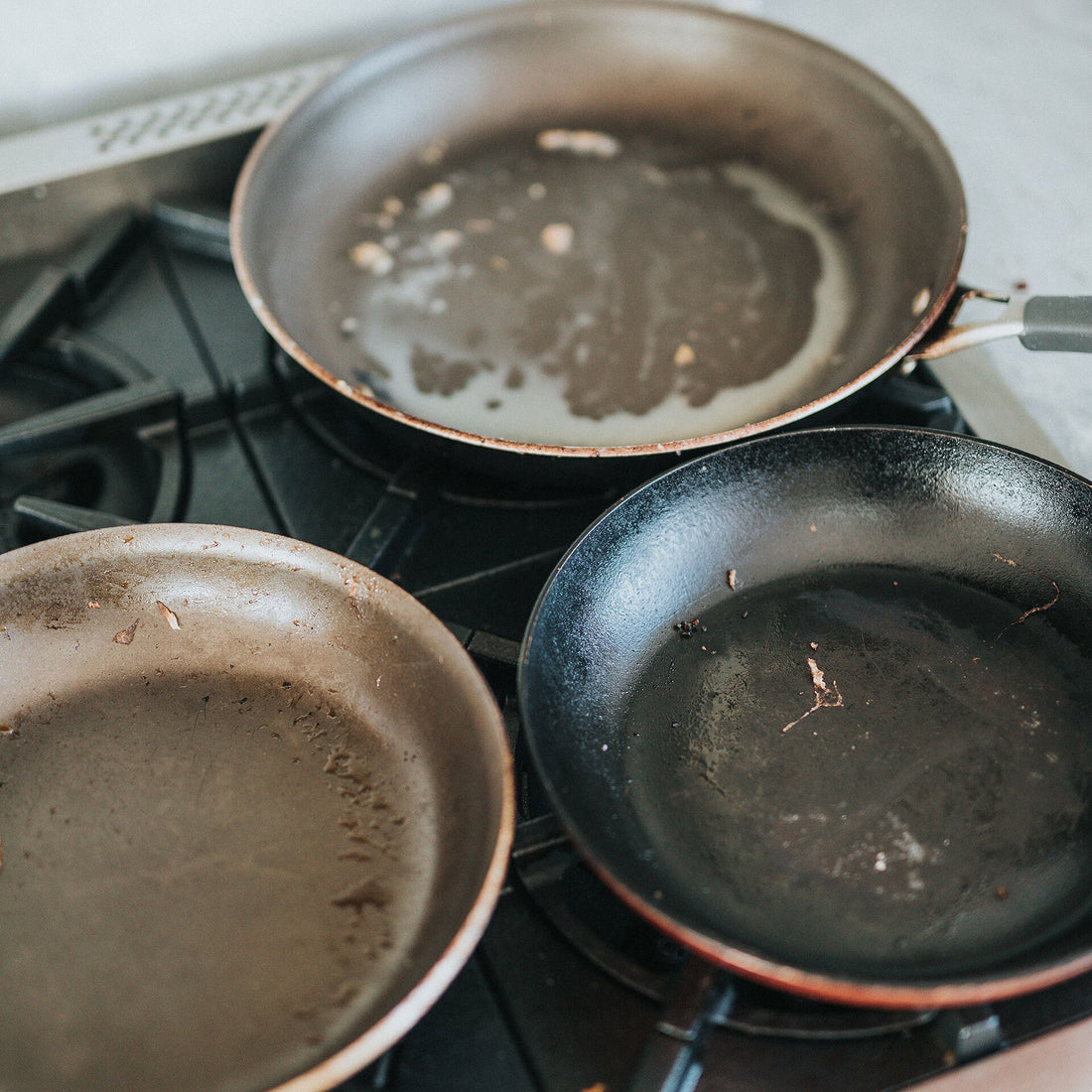
Some PFOA free cookware with ceramic coatings tends to wear out faster than traditional non-stick options. The coating can chip or scratch with aggressive cleaning or metal utensils. This means you might need to replace your pans more frequently than with older-style cookware, which affects your budget over time.
Higher cost is another real limitation for many people. PFOA free cookware generally costs more upfront compared to conventional non-stick pans. While the investment pays dividends in terms of health and durability, the initial price point can be a barrier for budget-conscious shoppers.
Performance at extremely high temperatures can be a consideration with some PFOA free cookware options. Certain ceramic coatings may not perform as well as traditional non-stick surfaces when you're searing meat or doing high-heat cooking. You might need to adjust your cooking techniques or use different pans for different purposes.
Limited availability in some areas can make shopping for PFOA free cookware inconvenient. While major retailers now carry these products, smaller towns or specialty cooking stores may have limited selection. Online shopping has helped, but shipping costs and return policies can complicate the buying process.
The learning curve for certain types of PFOA free cookware shouldn't be overlooked. If you're switching to hard-anodized or cast iron options, you'll need to learn proper care and seasoning techniques. This adjustment period takes time and patience, though most people find it worthwhile once they adapt.

My Personal Experience with PFOA Free Cookware
I made the switch to PFOA free cookware about five years ago after reading about PFOA contamination in my local water supply. My family of four was using typical non-stick pans daily, and the news genuinely worried me about what we might be exposing our kids to without realizing it. I decided to research alternatives and gradually replace our entire cookware collection.
My first purchase was a ceramic-coated PFOA free cookware set from a mid-range brand. I was honestly skeptical about whether it would perform as well as the expensive non-stick pans we were used to. The coating was different, and I had to adjust how I cooked, using slightly lower heat and more oil than I was accustomed to. After a few weeks, though, I adapted and found the performance perfectly acceptable.
What surprised me most was how much better I felt knowing we weren't cooking with potentially harmful chemicals. It sounds dramatic, but there's genuine peace of mind that comes with knowing you're actively protecting your family's health. My kids never noticed a difference in the food, but I noticed I was less stressed during meal preparation.
Over time, I've accumulated different types of PFOA free cookware for different purposes. I use ceramic-coated pans for everyday cooking, hard-anodized aluminum for serious meal prep, and cast iron for specific dishes. This mixed approach lets me enjoy the benefits of each option without dealing with significant limitations.
I'll be honest though, my ceramic pans did need replacing after about three years. The coating gradually wore down despite careful handling. However, I viewed this as acceptable because I was investing in my family's health and supporting companies with better environmental practices. It reinforced my commitment to PFOA free cookware even though the maintenance costs were higher than I initially expected.
Comparing PFOA Free Cookware to Other Options
When you're deciding whether PFOA free cookware is right for you, it helps to understand how it stacks up against other cookware types on the market. Each option has different trade-offs worth considering.
PFOA free cookware versus traditional non-stick comes down to health versus price and durability. Traditional non-stick is cheaper and lasts longer, but it exposes you to chemical concerns. PFOA free cookware costs more but provides safer cooking without sacrificing too much convenience.
Comparing PFOA free cookware to stainless steel reveals a fundamental choice between non-stick and versatility. Stainless steel requires more oil and skill to prevent sticking, but it's nearly indestructible and chemical-free. PFOA free cookware is more forgiving and easier to use, though it won't last as long as quality stainless steel.
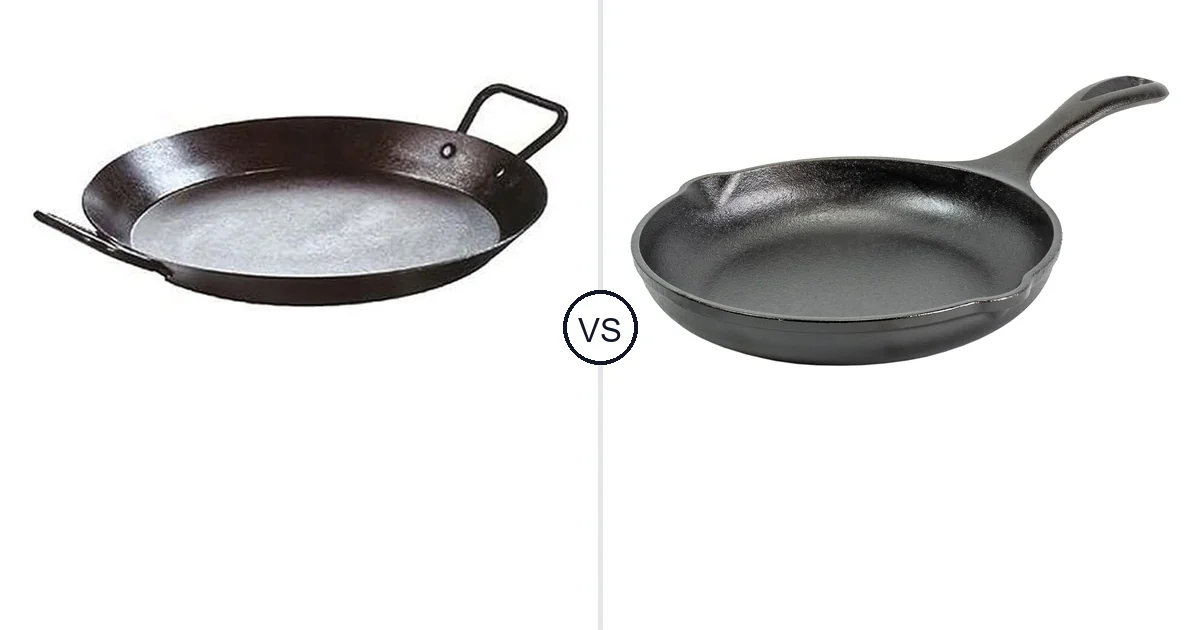
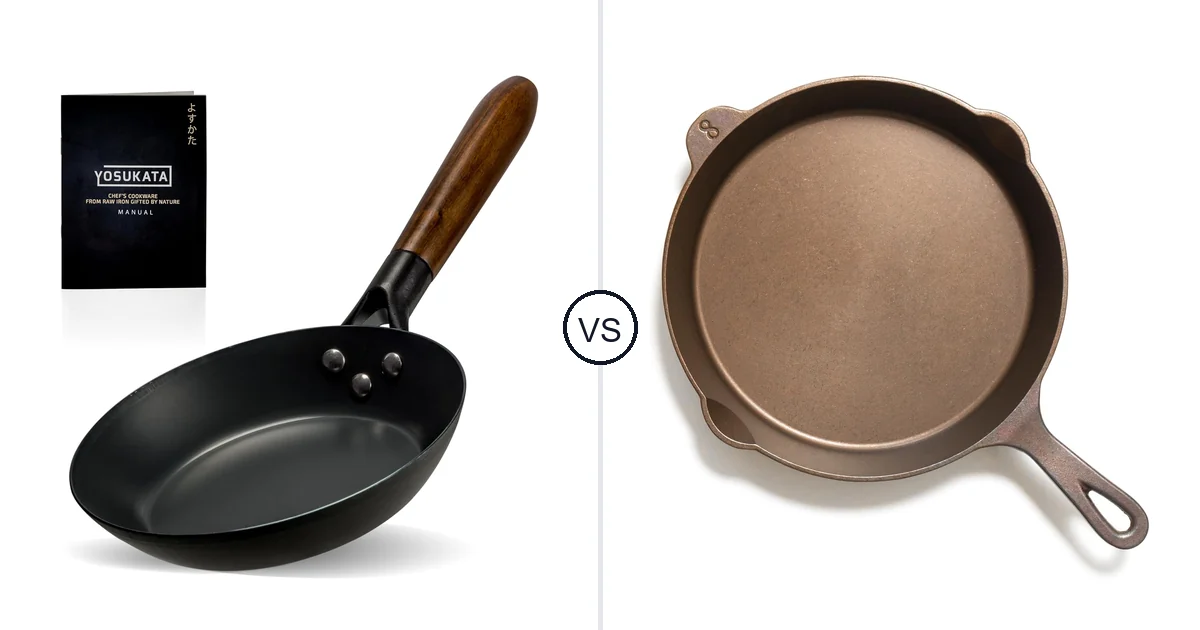
Cast iron versus PFOA free cookware is a comparison between natural and processed coatings. Cast iron requires seasoning and maintenance but lasts literally generations. PFOA free cookware requires less care but eventually needs replacement. If you value sustainability, cast iron wins, but PFOA free cookware offers more convenience.
PFOA free cookware compared to copper-bottomed or specialty materials shows the diversity of modern cooking options. Some specialty cookware offers better heat distribution than PFOA free options but at significantly higher costs. For most home cooks, PFOA free cookware strikes the best balance between performance, safety, and price.
Proper Care and Maintenance of PFOA Free Cookware
Getting the most from your PFOA free cookware investment requires understanding proper care techniques specific to each coating type. Good maintenance directly impacts how long your pans will last and how well they perform.
For ceramic-coated PFOA free cookware, hand washing is always preferable to dishwasher cleaning. Hot water and gentle detergent with a soft cloth work best to remove food residue. Avoid using metal utensils or abrasive scrubbers that can damage the delicate coating prematurely.
Season your PFOA free cookware occasionally by wiping a thin layer of oil across the surface and heating it briefly. This simple maintenance step helps maintain the non-stick properties and prevents the coating from drying out. Do this monthly or as needed depending on how frequently you use the pans.
Store PFOA free cookware carefully to avoid stacking without protection. Place paper towels or thin cloths between stacked pans to prevent coating damage. Proper storage extends the life of your pans significantly and prevents scratches that compromise the non-stick surface.
Always use low to medium heat with most PFOA free cookware options. High temperatures can damage some coatings and negate the safety benefits. Allow pans to cool gradually rather than running them under cold water immediately after cooking, which can stress the coating.
Never use metal utensils on ceramic or PTFE-based PFOA free cookware surfaces. Wooden, silicone, or plastic utensils are your best options for protecting the coating. This simple habit is the most important factor in extending the life of your PFOA free cookware investment.
Environmental Impact of PFOA Free Cookware
Choosing PFOA free cookware goes beyond personal health to support broader environmental protection. Understanding the environmental implications helps you appreciate the full impact of your purchasing decisions.
Manufacturing PFOA free cookware with safer alternatives reduces contamination of water supplies and soil. The chemicals used in PFOA free cookware typically break down naturally over time or don't persist in the environment indefinitely. This means your cookware choice helps protect the planet for future generations.
Supporting companies that produce PFOA free cookware encourages the entire industry to move toward safer manufacturing practices. When enough consumers demand better products, manufacturers invest in research and development to create even safer alternatives. Your individual choice contributes to this larger market shift.
Proper disposal of PFOA free cookware at the end of its life is still important for environmental protection. Many communities now have recycling programs for metal cookware. Even if your PFOA free cookware ends up in a landfill, the safer coating materials won't leach harmful chemicals into groundwater.
Using PFOA free cookware reduces your personal contribution to global PFOA contamination. Every person who switches away from traditional non-stick reduces the demand for PFOA-containing products. This collective action has tangible effects on manufacturing decisions and environmental policies.
The production of PFOA free cookware alternatives, especially ceramic-coated options, often uses more sustainable processes. Some manufacturers now source materials responsibly and use eco-friendly manufacturing methods. Researching company practices helps you align your purchases with your environmental values.
Cost Comparison and Budget Considerations
Understanding the financial aspects of PFOA free cookware helps you make informed purchasing decisions that fit your budget while prioritizing health and safety.
Initial purchase price for PFOA free cookware typically runs 20-40% higher than conventional non-stick options. A basic ceramic-coated PFOA free cookware set might cost $60-100, while budget non-stick sets run $40-70. This upfront cost difference can feel significant when you're outfitting your entire kitchen.
However, total cost of ownership tells a different story when you factor in replacement and maintenance. Many people need to replace ceramic-coated PFOA free cookware every 3-5 years, while others might keep traditional non-stick longer. When you divide the cost over years of use, the difference becomes less dramatic than initial price suggests.
Investing in higher-quality PFOA free cookware from established brands costs more upfront but often lasts longer. Premium ceramic-coated sets run $150-300, while budget options might be $50-100. The difference in durability and performance often justifies the higher investment for serious home cooks.
Buying gradually rather than replacing everything at once makes the transition more affordable. Start with essential pans like a large skillet and a medium saucepan. Over months or years, add specialty pieces as you replace old cookware naturally. This approach spreads costs across time and lets you test different types before fully committing.
Considering the value of health protection, many people believe PFOA free cookware's premium price is worth every penny. When you think about potential medical costs from PFOA exposure, the cookware investment seems like an obvious choice. Framing it as healthcare investment rather than kitchen expense changes your perspective on cost.
Reading Labels and Understanding PFOA Free Claims
Learning to read cookware labels critically helps you avoid misleading marketing while identifying genuinely PFOA free cookware. Marketing language can be tricky, and not all "safe" claims are equally reliable.
Look for explicit statements saying "PFOA free" rather than vague language about being safe or non-toxic. Some manufacturers avoid the specific term PFOA while still using related chemicals. The specific mention of PFOA-free demonstrates transparency and commitment to your safety.
Check whether labels mention what replaced PFOA in their formulation. Responsible manufacturers clearly state their coating technology. If you see "proprietary formula" or no explanation at all, that's a sign you should dig deeper before buying.
Be skeptical of terms like "eco-friendly" or "natural" without specific evidence. These words are marketing tools that don't always relate to PFOA free status. A coating might be natural-sounding but still contain chemicals you want to avoid. Stick to specific, verifiable claims about PFOA absence.
Look for third-party certifications like GreenGuard, NSF, or FDA compliance notices. These certifications mean independent testers have verified the claims. They add credibility that a company's marketing claims alone cannot provide, making certified PFOA free cookware a safer bet.
Check the date on packaging to ensure you're not buying old stock that might contain PFOA. Regulations and manufacturing standards changed around 2013, so cookware manufactured after that date is more likely to be truly PFOA free. Reputable retailers rotate stock properly, but knowing this helps you shop smarter.
Frequently Asked Questions
What happens if I accidentally use PFOA cookware?
Using old PFOA cookware occasionally won't cause immediate harm, but regular exposure over time increases chemical accumulation in your body. The key is reducing total lifetime exposure, so switching to PFOA free cookware prevents ongoing contamination. Don't panic if you've already used traditional non-stick pans, but prioritize replacing them with PFOA free cookware going forward.
Is PTFE in PFOA free cookware safe?
PTFE (polytetrafluoroethylene) is considered safe by most health authorities when used at normal cooking temperatures. PTFE doesn't contain PFOA, though it's chemically similar, making it a significant improvement. Some people remain cautious, but PTFE-based PFOA free cookware poses minimal risk compared to original PFOA formulations.
Can I use metal utensils on PFOA free cookware?
Metal utensils will damage ceramic or PTFE-based PFOA free cookware coatings, so wooden, silicone, or plastic utensils are always recommended. Using metal on your PFOA free cookware can create scratches that shorten the coating's lifespan and compromise non-stick properties. This restriction is one limitation of PFOA free cookware compared to stainless steel.
How long does PFOA free cookware typically last?
Ceramic-coated PFOA free cookware usually lasts 3-5 years with proper care, while hard-anodized aluminum options can last 10+ years. Longevity depends on how frequently you use the pans, cooking temperatures, and maintenance practices. Hand washing and avoiding extreme heat extend life significantly compared to dishwasher use and high-heat cooking.
Is ceramic cookware better than PTFE-based PFOA free cookware?
Both ceramic and PTFE-based PFOA free cookware are safe alternatives to traditional PFOA formulations. Ceramic is slightly more environmentally friendly and has no ongoing chemical concerns, while PTFE-based options may last longer. Your choice should depend on your priorities regarding durability, environmental impact, and cooking style preferences.
Can PFOA free cookware leach chemicals into food?
Quality PFOA free cookware is designed not to leach chemicals into food at normal cooking temperatures. Ceramic and modern PTFE coatings are stable and won't break down during typical cooking. However, using extremely high heat or cooking acidic foods can potentially cause some coating degradation over time.
Should I throw away my old non-stick cookware?
You don't need to immediately discard old non-stick cookware, but gradually replacing it with PFOA free cookware is wise. Continue using old pans on low to medium heat while transitioning to safer options. Eventually retiring old cookware prevents ongoing PFOA exposure and supports the market shift toward healthier alternatives.
Conclusion
PFOA free cookware represents a meaningful step toward safer kitchens and healthier families. Understanding what this term means and why it matters empowers you to make choices that align with your values and protect your loved ones. The shift from PFOA-containing cookware to safer alternatives isn't just marketing hype; it's based on real scientific evidence about chemical safety and environmental protection.
The good news is that PFOA free cookware now performs nearly as well as traditional non-stick options while eliminating serious health concerns. Yes, it costs more upfront and may require a slightly different cooking approach, but the investment in your family's health pays dividends over time. You're not sacrificing convenience or quality when you switch to PFOA free cookware; you're simply choosing a smarter, safer version of the same products you've been using.
Start by replacing your most-used pans first, and gradually build a PFOA free cookware collection that works for your cooking style. Whether you choose ceramic-coated pans, hard-anodized aluminum, or another PFOA free option, you'll know you're making a decision that protects your family and supports more sustainable manufacturing. Every person who chooses PFOA free cookware sends a market signal that encourages companies to continue developing safer alternatives.
Take action today by researching PFOA free cookware options that fit your budget and cooking needs. Read labels carefully, look for third-party certifications, and don't hesitate to ask manufacturers about their formulations. Your kitchen deserves cookware that supports your health rather than compromising it. Make the switch to PFOA free cookware and enjoy the peace of mind that comes with knowing you've chosen the safer path for your family's meals.

Leave a Reply