
Modern kitchen debates often center around one question: is Teflon cookware truly safe for everyday cooking? The short answer is yes, Teflon cookware is generally safe for normal cooking when used correctly, though specific precautions should be taken.
If you're like many home cooks, you've probably wondered about the safety of that nonstick pan sitting in your kitchen cabinet. The conversation around Teflon cookware safety has grown louder over the years, filled with concerns about chemicals, fumes, and long-term health effects. But here's the thing: understanding the actual science behind these concerns can help you make confident, informed decisions about what cookware belongs in your home. Throughout this guide, we'll explore what Teflon really is, what the research actually shows, and most importantly, how you can use your nonstick cookware safely without unnecessary worry or guilt.

Understanding Teflon and How It Works
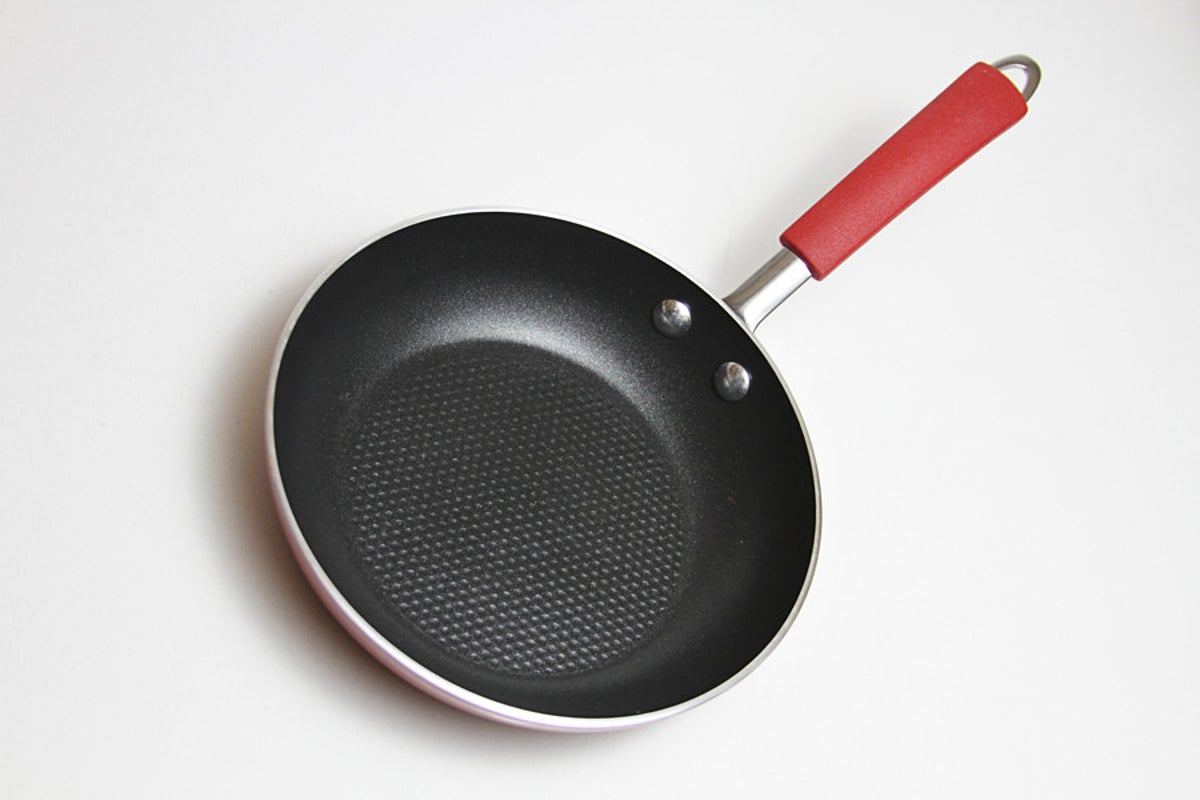
Teflon is a brand name for polytetrafluoroethylene, commonly called PTFE, a synthetic fluoropolymer that has been used in cookware since the 1950s. When applied to cookware surfaces, Teflon creates that silky smooth coating you know and love, making food slide right off without sticking and requiring minimal oil or butter for cooking. The magic of Teflon lies in its molecular structure, which creates one of the most slippery surfaces known to science.
The way Teflon cookware works is actually pretty straightforward. When you heat the pan, the coating remains stable and doesn't break down under normal cooking temperatures. The nonstick properties come from the weak molecular bonds between the coating and other materials, which means nothing sticks to it easily. This is why your eggs slide across the pan like they're on ice, and why cleanup is refreshingly quick compared to traditional stainless steel cookware.
Most modern Teflon cookware is manufactured using processes that have become much safer over the decades. The industry has made significant improvements, especially since concerns were raised about PFOA, a chemical historically used in Teflon production. Today's cookware manufacturers use alternative approaches that eliminate or drastically reduce PFOA exposure, making Teflon cookware considerably safer than it was in earlier years.
The History of Teflon Safety Concerns
The Teflon cookware safety discussion really gained momentum around the early 2000s when researchers discovered that PFOA, a perfluorooctanoic acid used in manufacturing Teflon, was showing up in human blood samples. This discovery sparked legitimate concerns about whether Teflon cookware in homes was releasing harmful chemicals into the environment and potentially into our bodies. Health advocates raised serious questions about long-term exposure and what it might mean for public health.
What happened next was a series of investigations and lawsuits that led to real change in the industry. The EPA began examining the safety profile of PFOA more closely, and major cookware manufacturers faced pressure to phase out this chemical. DuPont, the company that invented Teflon, eventually agreed to eliminate PFOA from their manufacturing processes by 2013, though other countries had already begun phasing it out earlier. This wasn't just about Teflon cookware safety either, since PFOA was used in various industrial applications beyond nonstick coatings.
The key thing to understand here is that Teflon cookware safety concerns were legitimate, but the industry responded by making real improvements. Today's Teflon cookware is manufactured without PFOA, which addresses the primary chemical concern that worried health-conscious consumers. However, the history of these concerns is important context for understanding what makes modern Teflon cookware safer than what your parents or grandparents might have used.
What Happens When You Heat Teflon Cookware
One of the biggest questions people ask about Teflon cookware safety involves what happens when you heat it up. There's a persistent worry that heating Teflon releases toxic fumes, and it's important to address this directly. When Teflon cookware is used at normal cooking temperatures, typically between 200 and 500 degrees Fahrenheit, the coating is completely stable and doesn't break down or release harmful gases into your kitchen.
The concern about Teflon fumes becomes relevant only at extremely high temperatures, well beyond what you'd encounter in normal home cooking. Studies have shown that Teflon cookware begins to deteriorate above 600 degrees Fahrenheit, and even then, the process happens gradually. Most of your everyday cooking happens well below this threshold, whether you're sautéing vegetables, frying eggs, or simmering sauce. This is why Teflon cookware safety for regular cooking is simply not a concern when used as intended.
Where people sometimes encounter problems is when they preheat empty pans on high heat for extended periods, or when they use Teflon cookware on broiler settings or at temperatures exceeding what the manufacturer recommends. If you do happen to overheat your pan and notice an unusual smell, the best approach is to ventilate your kitchen, move to fresh air, and let the cookware cool down. While overheating Teflon cookware isn't ideal for the nonstick coating's longevity, occasional incidents aren't the basis for serious health concerns when it comes to Teflon cookware safety.
Teflon Cookware Safety and Food Contamination
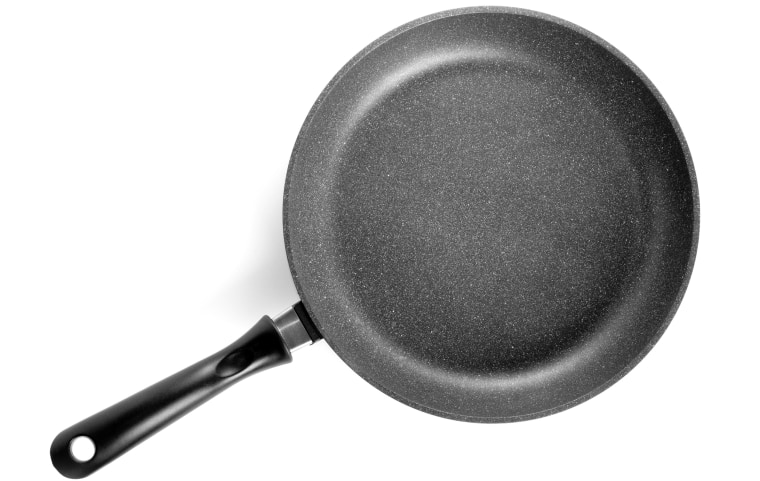
A practical concern many people have about Teflon cookware safety involves whether any coating particles end up in your food. If you've ever used a Teflon pan with a slightly worn coating, you might have wondered whether those tiny flakes were actually making it into your meals. The reassuring news is that Teflon is a very stable and inert material, meaning it doesn't chemically break down and contaminate food during normal cooking.
When Teflon coating does wear away from extended use, it comes off in small particles that simply pass through your digestive system without being absorbed. Your body cannot digest Teflon, so even if some coating particles make it into your food, they exit your system unchanged. This is completely different from consuming something that your body can actually absorb and accumulate over time. Research on this specific aspect of Teflon cookware safety has consistently shown that ingesting small amounts of Teflon particles poses no health risk.
That said, if your Teflon cookware is significantly scratched or peeling, you might want to retire it simply because the nonstick properties won't work well anymore, not because of health concerns. When the coating deteriorates to this degree, you're probably not enjoying your cookware anyway. Replacing worn Teflon cookware is more about cooking performance than Teflon cookware safety. If you want to extend the life of your cookware, using wooden or silicone utensils instead of metal will help prevent excessive wear and keep your pan looking new longer.

Modern Teflon Cookware Manufacturing Standards
Today's approach to manufacturing Teflon cookware has evolved significantly, and understanding these standards helps explain why modern Teflon cookware safety is generally not a concern. Manufacturers now use PTFE in combination with other materials and manufacturing techniques that don't rely on PFOA or similar chemicals that caused health concerns in the past. These improvements weren't optional upgrades, but rather mandatory changes driven by regulatory agencies and consumer demand for safer cookware.
The manufacturing process for modern Teflon cookware involves applying the PTFE coating to a base metal, usually aluminum or stainless steel, through methods that have been refined to ensure the coating adheres properly without using problematic chemicals. Quality control standards are much stricter now than they were decades ago, and manufacturers regularly test their products to ensure they meet safety specifications. If you purchase Teflon cookware from reputable brands, you can feel confident that the product has undergone rigorous testing for Teflon cookware safety.
It's also worth noting that different brands manufacture their nonstick cookware differently. Some premium Teflon cookware options include additional safety features or superior coating formulations designed to last longer and perform better. When you're shopping for Teflon cookware, checking the manufacturer's information about their safety testing and PFOA-free status can give you extra peace of mind. Established brands with strong reputations typically have nothing to hide about their manufacturing processes and actively promote their safety standards.
Best Practices for Using Teflon Cookware Safely
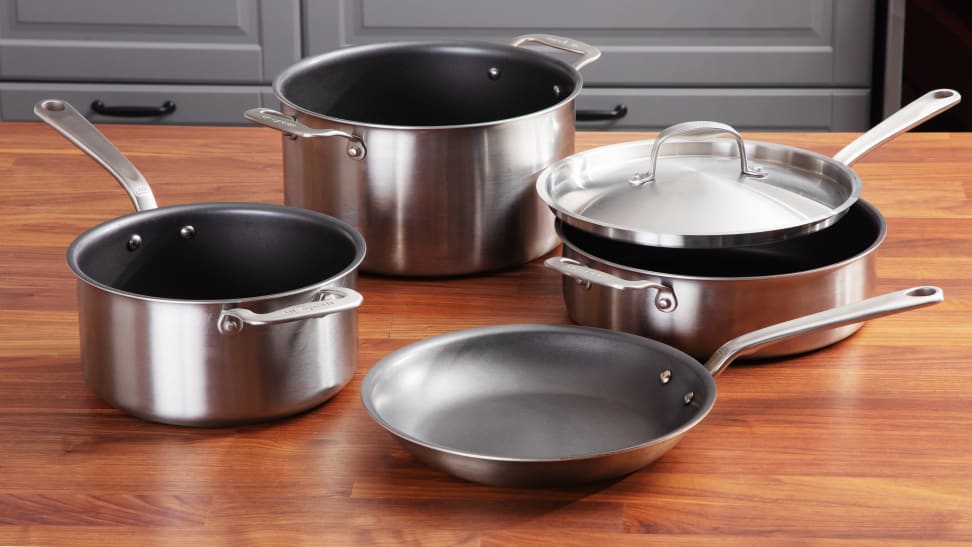
If you want to get the most out of your Teflon cookware while ensuring maximum safety, following some simple guidelines makes a real difference. First and foremost, avoid preheating your pan on high heat for extended periods, and never leave an empty Teflon pan unattended on the stove. Keep the heat at medium or medium-high for most cooking tasks, which not only maintains Teflon cookware safety but also prevents your food from burning and helps your cookware last longer.
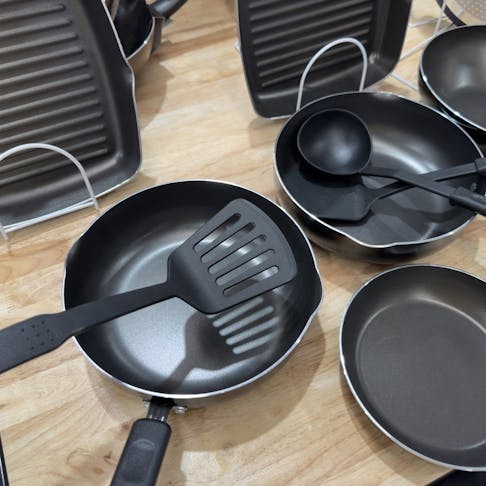
Use appropriate utensils when cooking with Teflon cookware to prevent scratching the coating. Wooden spoons, silicone spatulas, and plastic utensils are all excellent choices, while metal utensils can gradually wear down the nonstick surface. Adding a small amount of oil or butter to your pan isn't just for flavor, it also helps protect the coating and improves heat distribution. Many people think nonstick cookware means you never need any fat, but a light coating actually enhances both cooking results and cookware longevity.
When it comes to cleaning Teflon cookware, keep things gentle and simple. Hand washing is preferable to dishwasher use, as aggressive dishwasher cycles can wear down the coating over time. Use soft sponges and mild dish soap, avoiding abrasive scouring pads or harsh chemicals. If something sticks despite the nonstick coating, let the pan soak in warm soapy water for a few minutes before gently scrubbing. Proper care and attention to these basics will keep your Teflon cookware safe, functional, and performing well for years.
Comparing Teflon Cookware to Other Nonstick Options
The cookware market offers several alternatives to Teflon cookware, each with its own advantages and considerations regarding safety and performance. Ceramic nonstick cookware has gained popularity in recent years as people seek alternatives, and it provides a nonstick surface without using PTFE compounds. However, ceramic coating tends to wear away faster than Teflon, requiring replacement more frequently. Some people prefer ceramic for peace of mind about the coating composition, even though Teflon cookware safety is comparable for normal use.
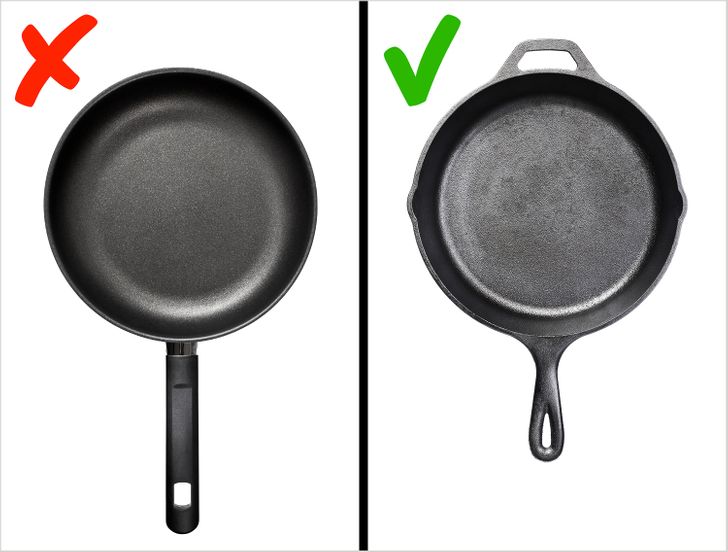
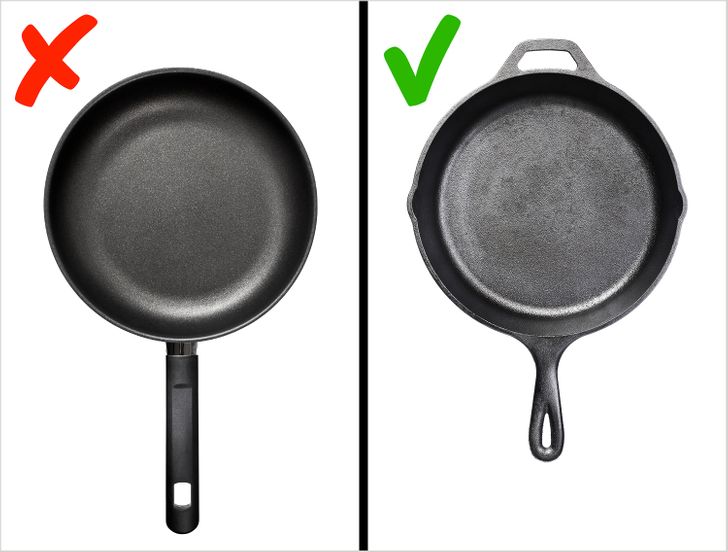
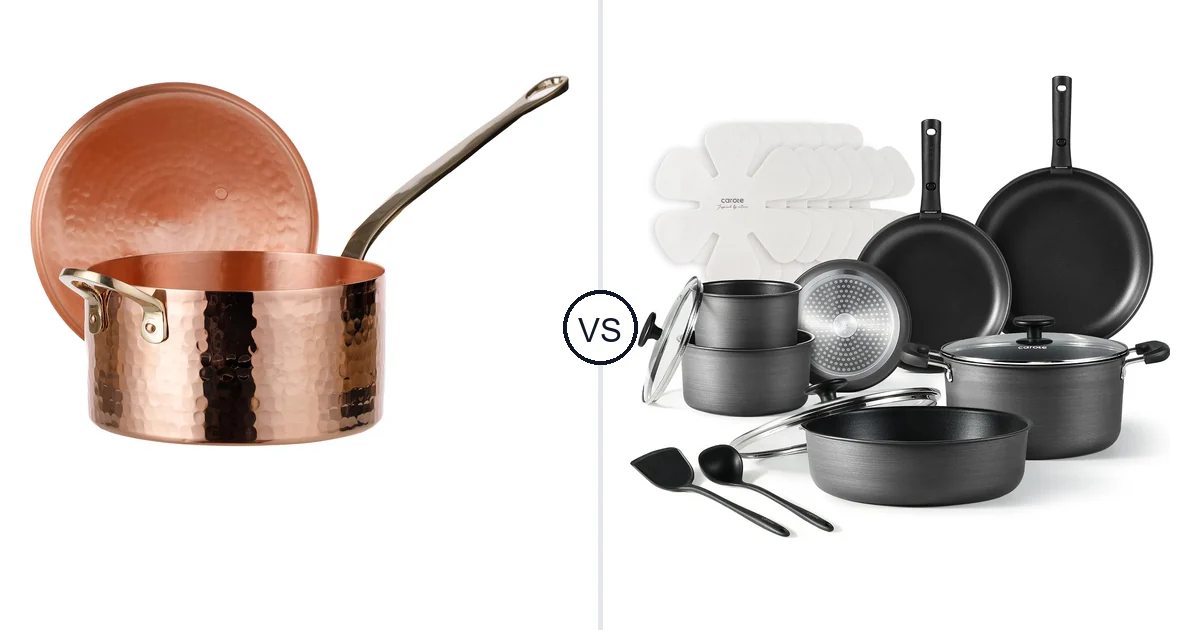
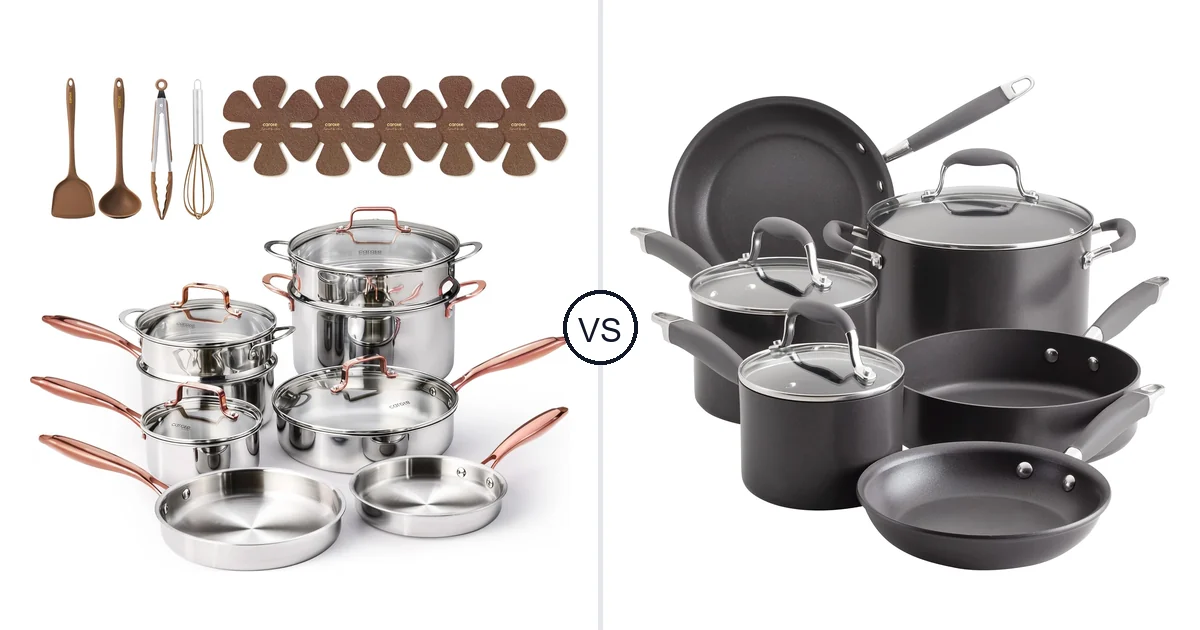
Cast iron and stainless steel are also popular choices for people concerned about Teflon cookware, though they require different cooking techniques and more attention during cleaning. Cast iron develops a seasoned surface over time that becomes naturally nonstick, but it requires specific maintenance and can't be cleaned the same way as Teflon cookware. Stainless steel cookware is incredibly durable and doesn't have the coating concerns associated with nonstick options, but it demands more skill to prevent sticking and requires more oil or fat during cooking.
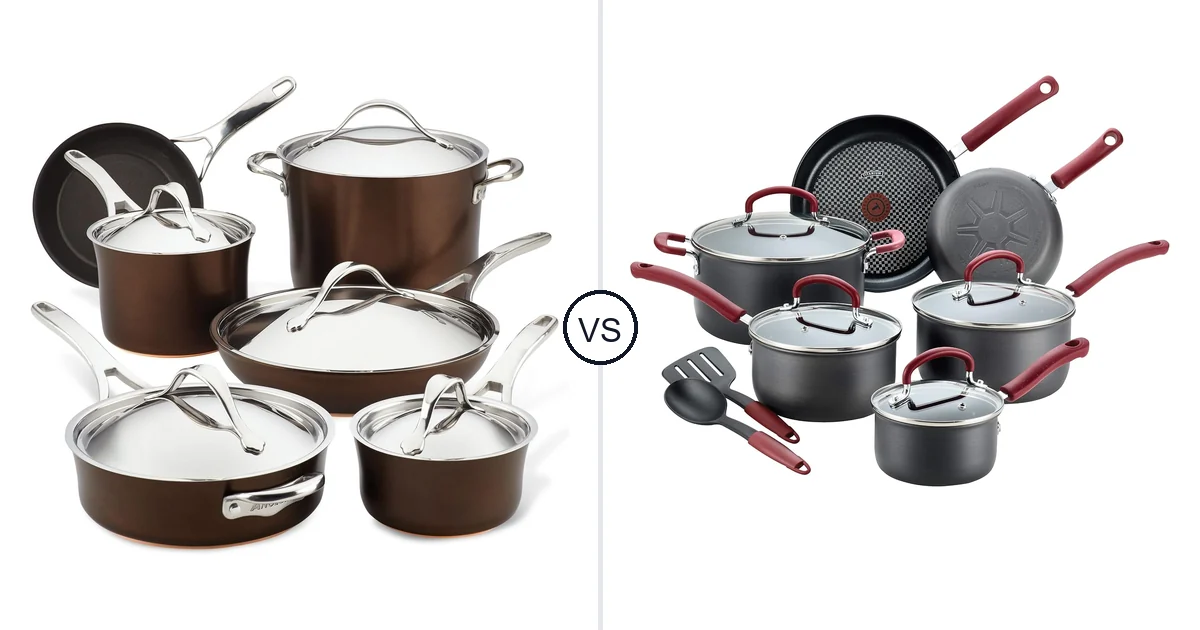
Hard-anodized aluminum cookware with ceramic or other nonstick coatings represents another alternative worth considering. These options often combine durability with nonstick convenience, though they may cost more than basic Teflon cookware. When deciding between Teflon cookware and alternatives, consider your cooking style, budget, and personal preferences about kitchen safety. The truth is that for most home cooks, Teflon cookware safety is well-established enough that it can remain a reliable choice in your kitchen if you prefer its performance and convenience.
Real-World Experience with Teflon Cookware
From my own experience in the kitchen over the past fifteen years, I've found that Teflon cookware, when used properly, is reliable and safe for everyday cooking. I started with basic Teflon pans bought at a discount store, and I'll admit I didn't follow best practices initially. I'd preheat on high heat, use metal utensils without thinking, and throw them in the dishwasher. Looking back, I was being rough on my cookware, but I never experienced any health issues despite my less-than-ideal habits.
When I upgraded to better quality Teflon cookware and actually followed the manufacturer's recommendations, I noticed a tremendous difference in how long the cookware lasted and how well it performed. Using wooden utensils, hand washing, and avoiding excessive heat made my pans look nearly new even after years of regular use. More importantly, understanding the actual science behind Teflon cookware safety completely eliminated my anxiety about using them. The fear I had was based on misunderstandings about what actually happens when you use Teflon cookware normally.
I've also noticed that people's concerns about Teflon cookware safety often stem from hearing scattered news stories without context. One neighbor was convinced her Teflon cookware was poisoning her family based on something she heard, but when we actually discussed what the research actually shows, her fears subsided. That experience taught me that education is the best antidote to cookware-related anxiety. Teflon cookware safety becomes much less mysterious once you understand what the science actually tells us, and you can use these pans with genuine confidence.
Regulatory Approval and Teflon Cookware Safety
Understanding how regulatory agencies view Teflon cookware safety provides important reassurance about modern products. The FDA has evaluated Teflon and PTFE coatings extensively and determined that they are safe for use in food contact applications when manufactured properly. This approval didn't come easily or without scrutiny, which is actually a good thing from a consumer perspective. Agencies like the FDA wouldn't approve Teflon cookware for food use if they had serious safety concerns about the coating contaminating your meals.
International regulatory bodies in Europe, Canada, and other countries have similarly reviewed Teflon cookware safety and reached comparable conclusions. The fact that Teflon cookware is approved for food contact worldwide suggests there's genuine scientific consensus about its safety when used appropriately. These regulatory standards are why manufacturers had to phase out PFOA and implement safer manufacturing practices, showing that oversight actually works to improve Teflon cookware safety over time.
It's worth noting that regulations around Teflon cookware continue to evolve as new research emerges. This isn't a static assessment but rather an ongoing process of evaluation and improvement. If you're ever concerned about the latest research on Teflon cookware safety, checking the FDA website or similar regulatory bodies in your country provides authoritative, up-to-date information. These agencies publish their findings openly, so you can review the actual science rather than relying on rumors or sensationalized media coverage.
When to Replace Your Teflon Cookware
Knowing when it's time to replace your Teflon cookware is more about performance and coating condition than about safety concerns. If your Teflon cookware still has an intact coating and doesn't show significant scratching or peeling, it's perfectly safe to continue using. Once the coating becomes visibly worn, with obvious bald spots where the metal base shows through, that's a good time to consider replacement. This happens because the nonstick properties degrade, making cooking less enjoyable, not because of Teflon cookware safety hazards.
The typical lifespan of quality Teflon cookware is three to five years with regular home cooking, though premium options might last longer. If you use your cookware intensively or don't follow care guidelines, the coating may wear faster. Budget cookware sometimes shows significant wear within a year or two. Rather than waiting for the coating to completely deteriorate, replacing Teflon cookware when you notice the nonstick properties declining will give you better cooking results and better value from your investment.
When you do replace your Teflon cookware, disposing of it properly is the responsible choice. Many communities have recycling programs that accept cookware, or you might check with your local waste management facility about proper disposal. The coating itself poses no environmental danger once the cookware is no longer in use, but recycling the base metal is the most sustainable approach. Purchasing replacement Teflon cookware from quality manufacturers ensures your new pans will perform well and meet current safety standards for Teflon cookware.
Teflon Cookware Safety During Pregnancy and for Children
Parents and expecting mothers often have specific questions about Teflon cookware safety, wanting to know whether using these pans around children or during pregnancy poses any risk. The good news is that there's no scientific evidence showing that normal use of Teflon cookware creates any additional risk during pregnancy or early childhood. The exposure pathways that previously concerned researchers, primarily PFOA from manufacturing, have been eliminated from modern Teflon cookware production.
For families with young children, the same safety guidelines apply. Using Teflon cookware at appropriate temperatures, avoiding overheating, and replacing cookware when the coating significantly deteriorates ensures Teflon cookware safety for the whole family. Some parents worry unnecessarily about feeding their children food cooked in Teflon cookware, but this concern isn't supported by scientific evidence. If anything, the convenience of Teflon cookware can help busy parents prepare healthy meals more efficiently, which is a genuine benefit.
That said, if you have personal concerns or family history of health conditions you believe might relate to chemical exposure, it's perfectly reasonable to choose alternative cookware. Some families prefer the peace of mind that comes with ceramic, cast iron, or stainless steel options, and these are all perfectly valid choices. The important thing is that you're making an informed decision based on actual evidence rather than fear, and Teflon cookware safety isn't a legitimate barrier to using these convenient and effective pans.
Frequently Asked Questions
Is Teflon cookware safe if it's scratched or peeling?
Scratched or peeling Teflon cookware poses no serious health risk, since your body can't absorb PTFE particles and they simply pass through your system. However, once the coating deteriorates significantly, the nonstick properties don't work well anymore, making the cookware less useful for cooking.
Can Teflon cookware release toxic fumes during normal cooking?
No, Teflon cookware is completely stable at normal cooking temperatures between 200 and 500 degrees Fahrenheit and doesn't release harmful fumes. Only at extremely high temperatures above 600 degrees does the coating begin to deteriorate, which is well beyond what occurs during typical home cooking.
What happened to PFOA in modern Teflon cookware?
PFOA, the chemical that raised safety concerns about Teflon cookware in the early 2000s, has been phased out of manufacturing by major cookware producers. Modern Teflon cookware is manufactured without PFOA, making it significantly safer than cookware produced decades ago.
How long does Teflon cookware typically last?
Quality Teflon cookware usually lasts three to five years with regular home cooking when properly cared for. Premium cookware may last longer, while budget options might show wear faster depending on how intensively you use them and how well you follow care guidelines.
Is Teflon cookware safe for my family to use every day?
Yes, Teflon cookware is safe for daily family use when you follow basic care guidelines like avoiding extreme heat, using appropriate utensils, and hand washing instead of using the dishwasher. Modern Teflon cookware has been extensively tested and approved by regulatory agencies for food contact use.
Can I use Teflon cookware in the oven or under the broiler?
Most Teflon cookware is safe in the oven up to specific temperatures that the manufacturer recommends, typically between 300 and 500 degrees Fahrenheit. Using Teflon cookware under the broiler isn't recommended since the extreme direct heat can damage the coating, and you'll want to check your product's specific temperature guidelines.
Wrapping Up Your Teflon Cookware Safety Concerns
Teflon cookware safety is fundamentally a solved problem when you separate the legitimate concerns of the past from the actual science of today's products. Modern Teflon cookware has been thoroughly tested, manufactured without problematic chemicals like PFOA, and approved by regulatory agencies worldwide for safe food contact. The fears that surround Teflon cookware often stem from outdated information or misunderstandings about how the coating behaves under normal cooking conditions.
Your kitchen doesn't need to be a source of anxiety about Teflon cookware. Using these convenient pans with simple precautions like avoiding extreme heat, protecting the coating with appropriate utensils, and replacing cookware when it significantly deteriorates will keep you and your family safe while enjoying excellent cooking performance. Whether you choose to continue using Teflon cookware or prefer alternatives like ceramic or cast iron is ultimately a personal preference based on cooking style and peace of mind.
Start making cooking decisions based on actual evidence rather than fear. If you've been hesitant about using your Teflon cookware, give it another chance with renewed confidence. And if you have specific health concerns or questions about cookware safety, consulting with your healthcare provider or checking current information from the FDA can provide personalized guidance. Share this information with friends and family who might be worried about their own cookware, and help spread understanding about what Teflon cookware safety really means in the modern kitchen.

Leave a Reply