
The best cookware for health includes ceramic, stainless steel, and cast iron options. When you're cooking meals for yourself and your family, the cookware you choose matters just as much as the ingredients you put in it. Over my years in the kitchen, I've learned that understanding the healthiest cookware for your kitchen isn't just about finding pots and pans that work—it's about selecting materials that won't leach harmful chemicals into your food. The right cookware can make a real difference in your family's well-being, reducing exposure to potentially toxic substances while improving your cooking experience. In this comprehensive guide, I'll walk you through everything you need to know about selecting the healthiest cookware for kitchen use, from material breakdowns to practical tips for making smart purchases.
Understanding Cookware Materials and Health
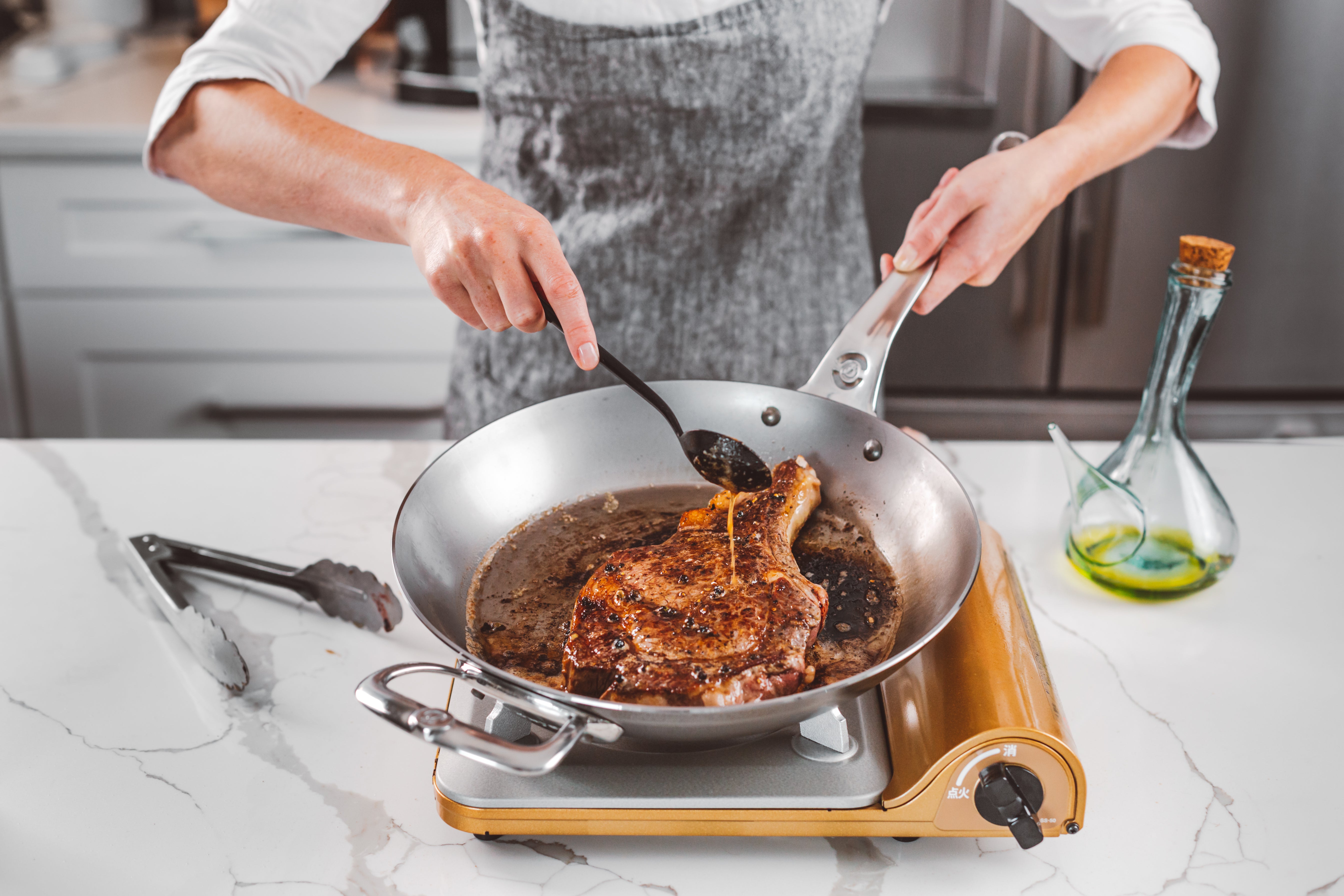
When you're standing in a kitchen store looking at rows of cookware, it can feel overwhelming. The healthiest cookware for kitchen use depends entirely on understanding what each material brings to the table. Different materials conduct heat differently, have different safety profiles, and interact with food in unique ways. Some materials have been used safely for generations, while others are newer innovations designed with health in mind. I've tested various cookware types over the years, and what I've discovered is that each option has genuine pros and cons worth considering. Your choice should align with your cooking habits, budget, and health priorities.
The healthiest cookware for kitchen environments avoids materials that can leach harmful substances into your food, especially when cooking acidic or hot foods. Non-stick coatings, heavy metals, and certain plastics can potentially migrate into your meals over time. Understanding these risks helps you make informed decisions. The good news is that several excellent options exist if you know what to look for and how to use them properly.
Ceramic Cookware: A Natural and Safe Choice
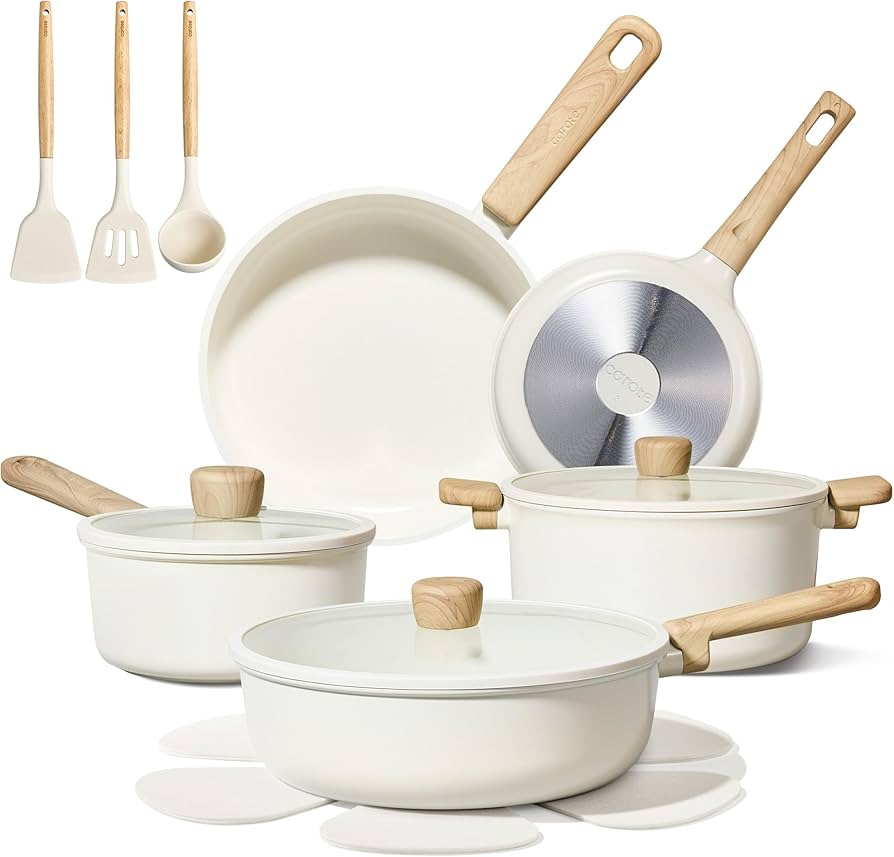
Ceramic represents one of the safiest options when selecting healthy cookware for your kitchen. This material is made from inorganic compounds that won't break down or leach chemicals into your food, even at high temperatures. I started using ceramic cookware about five years ago, and I genuinely appreciate how it performs. The non-stick surface works beautifully without requiring synthetic coatings, which makes it fundamentally different from traditional non-stick pans.
One major advantage of ceramic cookware is that it's naturally non-toxic. Unlike some non-stick surfaces, ceramic doesn't contain PTFE (polytetrafluoroethylene) or PFOA (perfluorooctanoic acid), chemicals that have raised health concerns. The material is also resistant to scratching better than many people expect, and it heats evenly across the cooking surface. When selecting ceramic cookware for your kitchen, look for products with food-grade certifications.
However, ceramic cookware does have some limitations. The non-stick coating can wear down over time, especially if you use metal utensils or aggressive scrubbing. The cookware tends to be heavier than traditional non-stick options, which takes some adjustment. Additionally, ceramic cookware often costs more upfront, though the durability typically justifies the investment. Temperature fluctuations can sometimes cause cracking, so avoiding sudden temperature changes helps extend the life of your pieces.
The healthiest cookware for kitchen use in the ceramic category includes products that are PFOA-free and made from pure ceramic materials. I recommend avoiding ceramic cookware with decorative glazes that may contain lead, particularly items produced outside the United States where regulations are less stringent. Sticking with trusted brands that provide transparency about their materials ensures you're making a safe choice for your family.
Stainless Steel: The Durable Workhorse
Stainless steel cookware stands out as one of the healthiest options available for kitchen use. This material is non-porous, non-reactive, and incredibly durable, making it a practical choice for everyday cooking. I've had the same stainless steel cookware set for over a decade, and it performs as well today as it did when I first purchased it. The material won't leach chemicals into your food, regardless of what you're cooking or how hot you get it.
What makes stainless steel particularly appealing is its versatility. You can use metal utensils without worry, put it in the dishwasher, and cook highly acidic foods like tomatoes without any concern about chemical leaching. The healthiest cookware for kitchen use from the stainless steel category typically features a multi-ply construction, which means layers of different metals bonded together for better heat distribution. This layering improves cooking performance significantly compared to single-ply options.
Stainless steel does come with some considerations. It doesn't conduct heat as efficiently as copper or aluminum, so you need thicker construction to avoid hot spots. The material requires a bit more skill to prevent food from sticking, though proper preheating and oil use solve this issue effectively. Stainless steel cookware can be pricey, but the longevity makes it a worthwhile investment that lasts for decades.
When shopping for the healthiest stainless steel cookware for your kitchen, look for products made with 18/10 stainless steel, which indicates 18 percent chromium and 10 percent nickel. This composition provides optimal durability and corrosion resistance. Avoid cookware with thin bottoms, as these create uneven heating and hot spots. The best options feature encapsulated bottoms that include aluminum or copper cores for superior heat distribution.
Cast Iron: Traditional and Naturally Non-Stick
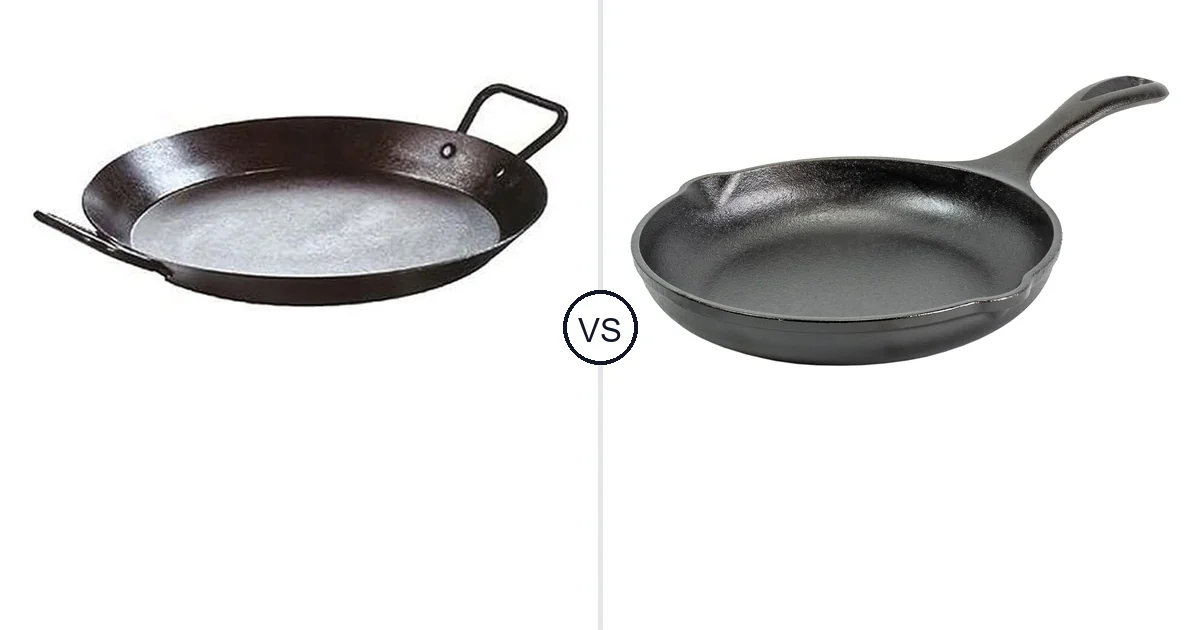
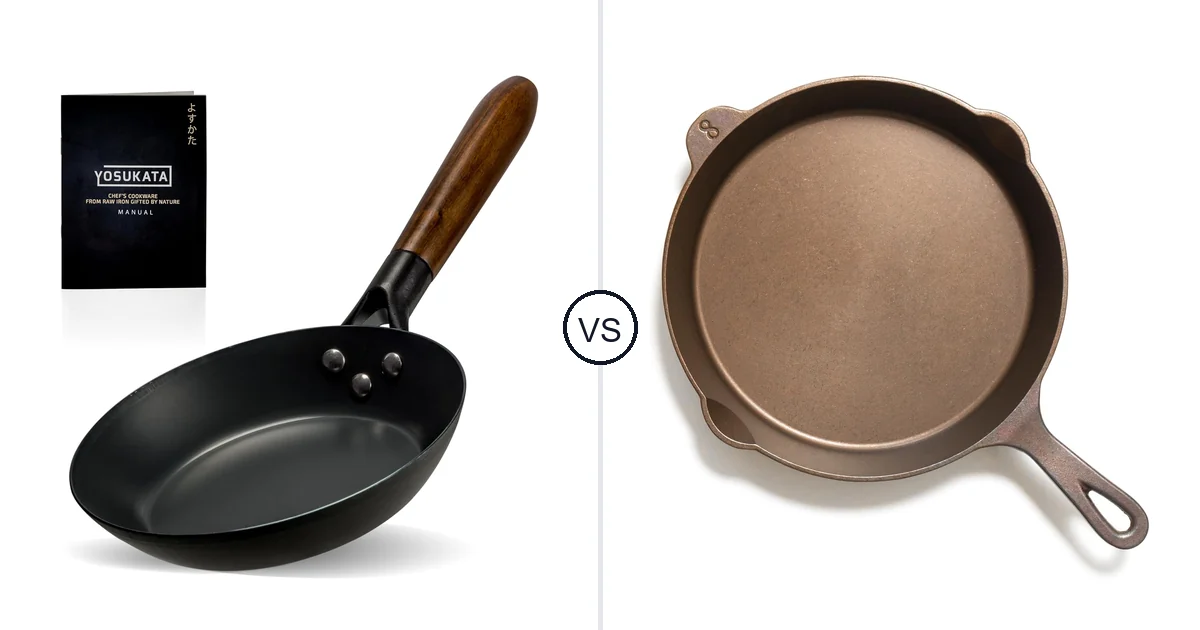
Cast iron represents the healthiest cookware for kitchen use if you appreciate traditional cooking methods and natural seasoning. This material has been used for centuries and continues to be a favorite among health-conscious cooks. Cast iron is completely inert, meaning it won't leach any chemicals into your food, no matter the temperature or acidity level. In fact, cooking in cast iron can actually increase the iron content of your meals, providing a subtle nutritional benefit.
I grew up watching my grandmother use cast iron, and I've carried that tradition into my own kitchen. What I love most is that cast iron requires no special non-stick coatings—it develops its own naturally non-stick surface through proper seasoning and use. This eliminates any concerns about coating degradation or chemical exposure. The material also distributes heat beautifully once properly preheated, creating excellent cooking results across the entire surface.
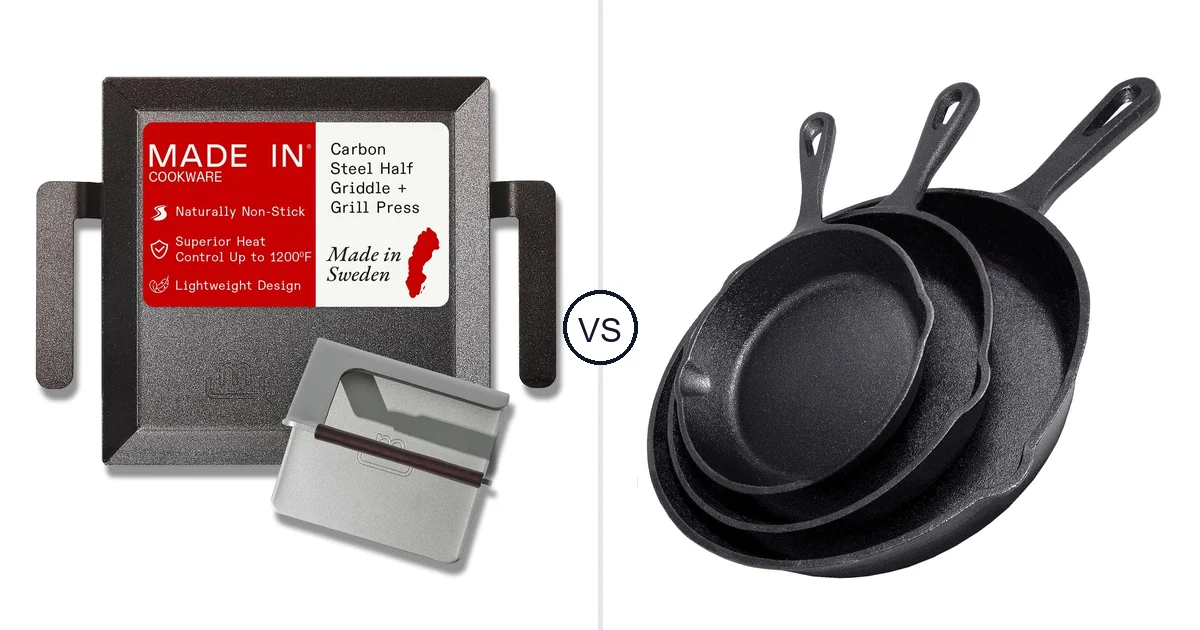
Cast iron does require maintenance and care that other cookware doesn't demand. You need to season it regularly, hand-wash it, and store it properly to prevent rust. The material is heavy, which some cooks appreciate for its stability but others find tiring to manage. It also takes longer to heat up and cool down compared to other cookware types, requiring adjustment in your cooking approach.
The healthiest cookware for kitchen use in cast iron comes in both traditional smooth and modern textured finishes. Vintage cast iron pieces can be valuable and perform wonderfully after proper restoration. Modern options are more convenient since they often come pre-seasoned, though they typically cost more. When selecting cast iron cookware for your kitchen, choose pieces from reputable manufacturers and learn proper seasoning techniques to maintain them for decades of use.

Stainless Steel with Copper or Aluminum Cores
Cookware that combines stainless steel with copper or aluminum layers represents some of the healthiest options available for your kitchen. These hybrid designs offer the safety benefits of stainless steel with improved heat distribution from conductive metals. I've found that this combination delivers professional-level cooking performance while maintaining complete chemical safety. The multi-ply construction means you get the best of both worlds—durability and efficiency.
Copper core cookware conducts heat exceptionally well and responds quickly to temperature adjustments. Aluminum layers are lighter and still provide excellent heat distribution. When these materials are sandwiched between stainless steel, they remain fully encapsulated, so you're not cooking with bare copper or aluminum that could leach into acidic foods. This makes the healthiest cookware for kitchen use those options where the reactive metals are sealed completely.
These hybrid cookware options do come at a premium price point. Quality multi-ply cookware costs significantly more than single-material options. However, the superior performance, durability, and heat distribution make it worthwhile for serious home cooks. You'll notice fewer hot spots, more even cooking, and longer lifespan compared to less sophisticated designs.
When choosing the healthiest cookware for your kitchen from this category, look for products with fully encapsulated bottoms that extend partway up the sides. This design maximizes heat distribution benefits. Reputable brands offer warranties on their multi-ply cookware, giving you confidence in your investment. The result is cookware that performs like professional-grade equipment while remaining completely safe for your family.

Why You Should Avoid Non-Stick Cookware with PFOA
Traditional non-stick cookware has been a kitchen staple for decades, but health concerns have emerged about the chemicals used in many formulations. The healthiest cookware for kitchen use often excludes conventional non-stick coatings because of potential health risks associated with PFOA. This chemical, used to create non-stick surfaces, has been detected in human blood and has raised concerns among health professionals and researchers.
PFOA breaks down slowly in the environment and the human body, a property known as bioaccumulation. Studies have linked PFOA exposure to various health issues, though researchers continue investigating the full extent of these risks. When non-stick cookware is overheated, scratched, or aged, it can release particles and chemicals into your food. This risk increases significantly at temperatures above 500 degrees Fahrenheit.
The transition away from PFOA in cookware manufacturing began years ago as manufacturers recognized these concerns. However, some conventional non-stick cookware still contains questionable chemicals or uses newer compounds with limited long-term safety data. I stopped using traditional non-stick cookware about eight years ago when I learned about these potential risks, and switching to healthier alternatives significantly reduced my anxiety about what I was cooking with.
The healthiest cookware for kitchen use avoids these chemicals entirely by choosing alternative materials like ceramic, stainless steel, or cast iron. If you have older non-stick cookware, replacing it with safer options is a smart health investment. Many of these alternatives perform just as well once you learn their specific characteristics. The peace of mind knowing you're not exposing your family to potentially harmful chemicals is priceless.
Avoiding Heavy Metals in Budget Cookware
When shopping for affordable cookware options, understanding which materials might contain harmful heavy metals is crucial for selecting the healthiest cookware for your kitchen. Some inexpensive cookware, particularly imported products, may contain lead or cadmium in decorative glazes or coatings. These heavy metals can leach into food over time, posing serious health risks, especially for children and pregnant women.
Lead was once commonly used in ceramic glazes and some cookware manufacturing processes. Although regulations have tightened significantly in developed countries, some international products still contain concerning levels. Cadmium is another toxic metal sometimes found in low-quality cookware. Testing these products yourself is challenging, which is why sticking with reputable brands and products manufactured under strict quality control is essential.
I learned about this issue the hard way when a friend's child developed elevated lead levels, and we traced it back to decorative ceramic dishes used regularly. This experience made me much more cautious about where I source my cookware. Now I focus exclusively on brands with third-party testing and transparent manufacturing practices. The small price difference between budget cookware and quality options is worth the safety assurance.
The healthiest cookware for kitchen use comes from manufacturers who disclose their sourcing, manufacturing locations, and quality testing procedures. Reputable brands often provide certifications showing their products are free from lead and other heavy metals. When budget is a concern, prioritizing stainless steel options from trusted manufacturers offers safety without excessive expense. Your family's long-term health is worth the investment in quality cookware.
pH Levels and Reactive Cookware Concerns
Understanding how cookware materials interact with different foods is essential when selecting the healthiest cookware for your kitchen. Some materials are reactive, meaning they leach metals into acidic or alkaline foods through a chemical process. Aluminum and copper cookware, when unlined, can react with acidic ingredients like vinegar, tomatoes, or citrus juices. This reactivity can discolor food and potentially leach aluminum into your meals.
Acidic foods have low pH levels, making them more likely to interact with reactive cookware materials. When these foods sit in aluminum or copper vessels, particularly when heated, the metal can transfer into the food. Some research has explored potential links between aluminum consumption and health concerns, though the scientific evidence remains mixed. What's clear is that avoiding unnecessary metal exposure is a reasonable precaution.
Stainless steel and ceramic cookware are non-reactive, making them ideal choices when cooking acidic foods. Cast iron can be used safely with acidic ingredients once it's properly seasoned, as the seasoning layer protects the underlying metal. I always reach for stainless steel pans when making tomato sauces or using vinegar-based preparations, just to eliminate any concerns about reactivity.
The healthiest cookware for kitchen use, especially when cooking acidic foods regularly, includes non-reactive options like stainless steel, cast iron, ceramic, or aluminum with stainless steel linings. If you use reactive cookware like copper or bare aluminum, ensure food doesn't sit in these pans for extended periods, and always transfer food to storage containers promptly. Understanding these interactions helps you make smart choices that protect your family's health.
Proper Care and Maintenance for Healthy Cooking
Selecting the healthiest cookware for your kitchen is just the first step—maintaining it properly ensures it remains safe and effective throughout its lifespan. Different materials require different care approaches to prevent degradation that could compromise health and performance. Taking time to learn proper maintenance habits protects your investment and extends the life of your cookware significantly.
Ceramic cookware needs gentle handling to prevent chipping or cracking. Hand-washing is recommended for most ceramic pieces, as dishwashers can cause thermal stress. Use soft sponges and non-abrasive cleaners to protect the surface. Store ceramic cookware carefully, stacking protective layers between pieces to prevent chips. Avoid temperature shocks, such as moving hot pans directly into cold water, as this can cause cracking.
Stainless steel cookware is remarkably durable but benefits from proper cleaning to maintain its appearance. Hand-washing with warm soapy water is sufficient for most daily use. For stuck-on food, soaking and gentle scrubbing with baking soda works effectively. Dishwasher-safe stainless steel cookware simplifies cleanup, though hand-washing extends its life. Avoid abrasive scouring pads that can scratch the surface, even though stainless steel is resistant to many cleaning methods.
Cast iron requires regular seasoning and careful drying to prevent rust. Hand-wash immediately after use while the pan is still warm, using minimal water and gentle scrubbing. Dry it completely with a cloth, and then apply a light coat of oil while warm to maintain the seasoning. Store cast iron in a dry location, and avoid stacking pieces directly on each other if possible. This maintenance ritual becomes second nature once you establish the habit, and your cast iron will reward you with decades of superior performance.
The healthiest cookware for kitchen use requires you to read manufacturer guidelines specific to each piece. Different brands have different recommendations, and following them preserves both the integrity of your cookware and its safety. Proper maintenance prevents the need for replacement and ensures consistent, healthy cooking results over years and years of use.
Making the Transition to Healthier Cookware
If you're currently using cookware you've had concerns about, transitioning to the healthiest cookware for your kitchen doesn't need to happen all at once. You can gradually replace pieces as your budget allows, starting with the cookware you use most frequently. I phased out my old non-stick cookware over about six months, replacing it with stainless steel and ceramic options. This gradual approach made the financial impact manageable while immediately improving my confidence in what I was cooking with.
Start by identifying which cookware pieces you use daily and prioritize replacing those first. Your most-used pans have the greatest impact on your family's food exposure, so focusing there makes sense. Consider your cooking style and preferences when selecting replacements. If you frequently cook acidic foods, prioritize stainless steel or cast iron. If you prefer minimal oil and easy cleanup, ceramic might be your best option.
Budget constraints are real, and the healthiest cookware for kitchen use doesn't all cost the same. Stainless steel offers excellent value—quality pieces are affordable and last for decades. Cast iron is similarly economical, and vintage pieces can often be found at thrift stores and refurbished beautifully. Ceramic cookware costs more upfront but delivers exceptional performance and safety. Multi-ply cookware represents a premium investment but justifies the cost through superior performance and longevity.
Create a replacement plan that aligns with your financial situation while prioritizing health. Many people find that investing in one or two quality pieces that you love is better than purchasing a complete set of mediocre cookware. Use your new healthy cookware regularly and enjoy the peace of mind knowing you're making safe choices for your family. Over time, you'll have completely transitioned to cookware that supports your health and wellness goals.
Frequently Asked Questions
What is the safest cookware material for everyday cooking?
Stainless steel and ceramic are among the safest materials for everyday cooking because they're non-reactive and don't leach chemicals into food. Cast iron is equally safe once properly seasoned and offers the added benefit of naturally increasing food's iron content over time.
Can non-stick cookware be used safely?
Ceramic non-stick cookware can be used safely as it doesn't contain PFOA or PTFE chemicals, while traditional PTFE-based non-stick cookware may pose health risks if overheated or scratched, so ceramic is the healthier alternative if you want a non-stick surface.
Is aluminum cookware dangerous for health?
Bare aluminum cookware can leach metal into acidic foods through a chemical reaction process, so it's best to avoid cooking acidic dishes in unlined aluminum. Aluminum with stainless steel lining is completely safe because the lining prevents contact between aluminum and food.
How often should I replace my cookware?
Stainless steel and properly maintained cast iron can last 10 to 30 years, while ceramic cookware typically lasts 5 to 10 years depending on care. Replace any cookware showing signs of damage, scratching in non-stick coatings, or metal exposure, as these indicate it's no longer safe.
Why is cast iron considered healthy cookware?
Cast iron is considered healthy because it's completely inert and won't leach chemicals, plus it adds small amounts of iron to food when cooking, providing a nutritional benefit that other cookware types don't offer.
Does expensive cookware always mean healthier cookware?
Higher price doesn't automatically guarantee healthier cookware, though quality multi-ply options and trusted brands often cost more and deliver better performance and safety. Focus on the material and manufacturing standards rather than price alone when selecting the healthiest cookware for your kitchen.
Can I use my old non-stick cookware if I'm careful?
Using old non-stick cookware occasionally and carefully won't cause immediate harm, but replacing it with ceramic, stainless steel, or cast iron eliminates any potential risk from chemical leaching and provides long-term health peace of mind.
Conclusion
Choosing the healthiest cookware for your kitchen is an investment in your family's well-being that pays dividends every single time you cook. After years of exploring different options and learning about materials, safety concerns, and performance characteristics, I can confidently say that excellent alternatives exist to potentially harmful cookware choices. Whether you choose ceramic for its natural non-stick properties, stainless steel for its durability and versatility, cast iron for its traditional charm and nutritional benefits, or a combination of these materials, you're making a decision that protects your health.
The journey to healthier cookware doesn't require expensive overhauls or dramatic changes. Start by identifying your cooking habits and preferences, then gradually transition to materials that align with your health priorities and lifestyle. Remember that the best cookware is the cookware you'll actually use regularly and maintain properly. Take action today by evaluating your current cookware collection and identifying one or two pieces to replace with healthier alternatives. Your future self will thank you for prioritizing safety in the kitchen, and your family will benefit from meals prepared in cookware that supports their long-term wellness.

Leave a Reply