
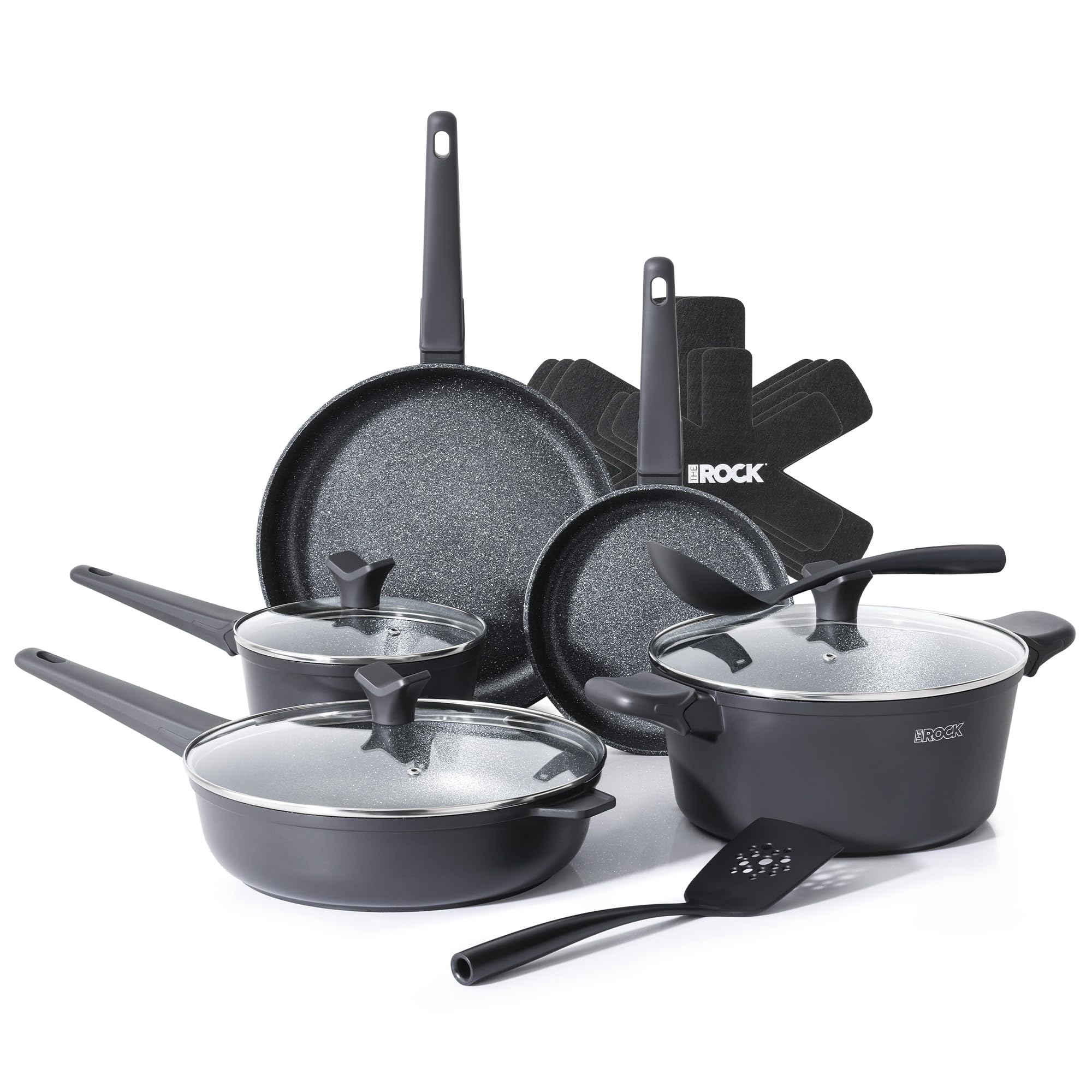
The best cookware for everyday cooking includes stainless steel, non-stick, and cast iron pans that balance durability, performance, and affordability. Choosing the right cookware can completely transform your cooking experience. Whether you're a busy parent rushing through weeknight dinners or someone who loves spending time in the kitchen, having reliable cookware matters more than you might think. The right pans make cooking faster, easier, and honestly, more enjoyable. In this guide, I'll walk you through everything you need to know about selecting the best cookware for everyday cooking, from understanding different materials to finding options that fit your budget and lifestyle.
:max_bytes(150000):strip_icc()/cookware-set-group-shot-nick-kova-00035-53c7684a4f76472fb38a7061e8cc33bb.jpeg)
Why Cookware Matters More Than You Think
I learned this lesson the hard way about five years ago when I inherited my grandmother's collection of worn-out pans. Every time I cooked, food would stick, heat would distribute unevenly, and I'd end up frustrated before breakfast was even done. That's when I realized that quality cookware isn't just a luxury—it's an investment in your daily cooking happiness.
Good cookware for everyday cooking affects how your food tastes, how quickly you can prepare meals, and how long your pans will actually last. When you have the right tools, cooking becomes less of a chore and more of something you actually want to do. The best cookware for everyday cooking doesn't have to be expensive either. You just need to understand what works best for your needs.
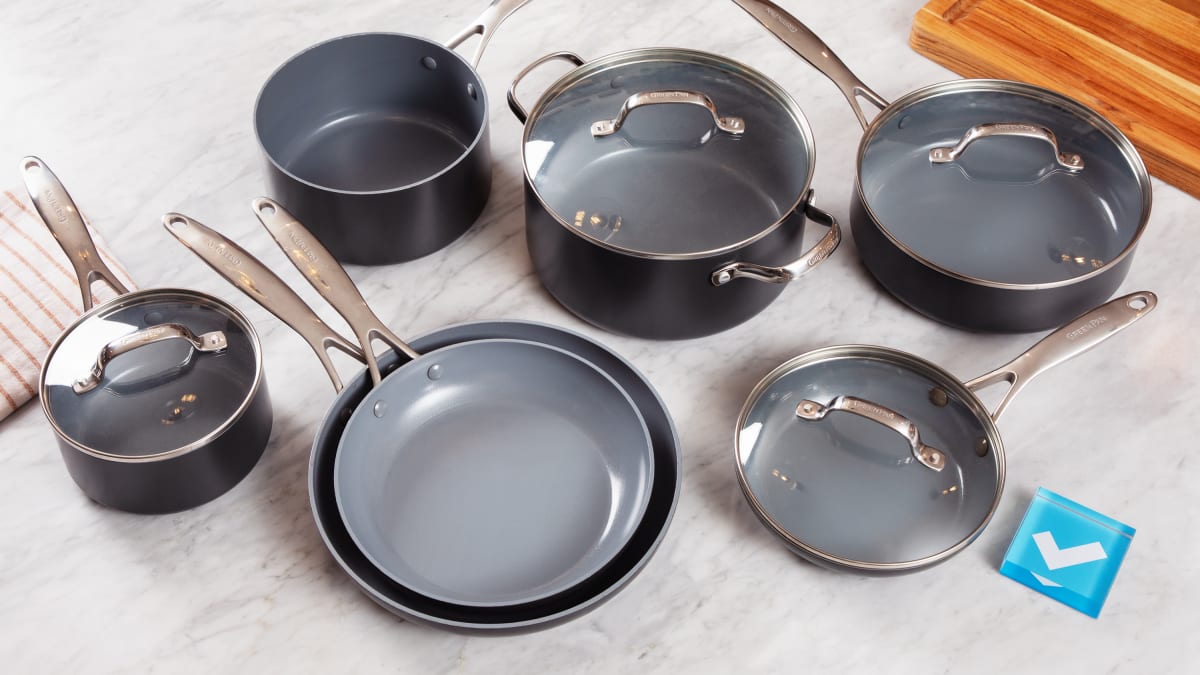
Types of Cookware Materials Explained
Different materials offer different benefits, and understanding each one helps you make smarter choices when building your kitchen collection.
Stainless Steel Cookware
Stainless steel is the workhorse of everyday kitchens. This material is incredibly durable, doesn't react with acidic foods like tomatoes or vinegar, and looks professional on any stovetop. Stainless steel cookware can handle high heat and works on every type of stove, including induction.
The downside? Stainless steel isn't naturally non-stick, so you need proper technique or oil to prevent sticking. However, many people consider this a worthwhile trade-off because stainless steel pans develop better browning and crust on foods like steaks and chicken. Stainless steel cookware also lasts for decades when properly cared for, making it excellent value over time.
Non-Stick Cookware
Non-stick cookware is the hero for anyone who wants quick, easy cooking with minimal cleanup. Eggs slide right off, pancakes flip effortlessly, and you use less oil overall. This type of cookware for everyday cooking is perfect for health-conscious cooking since you need less fat to prevent sticking.
The challenge with non-stick cookware is that it has a lifespan. The non-stick coating gradually wears away with use, typically lasting three to five years with normal cooking. You also can't use metal utensils, and you need to avoid high heat. Modern non-stick options have improved significantly, but they still won't last as long as stainless steel or cast iron.
Cast Iron Cookware
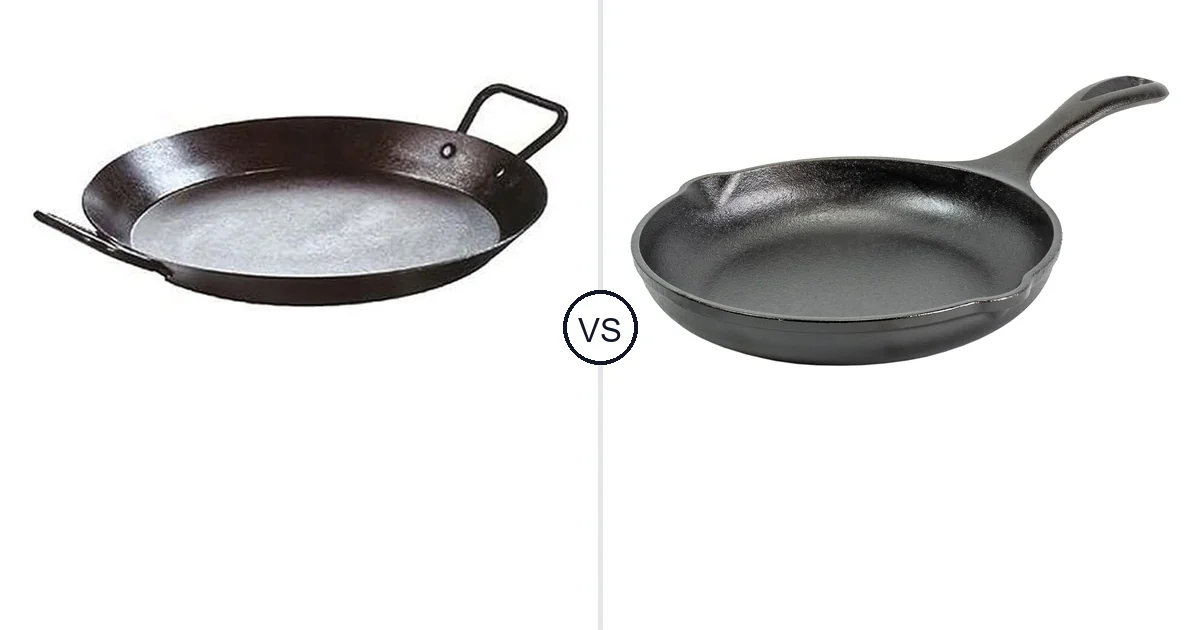
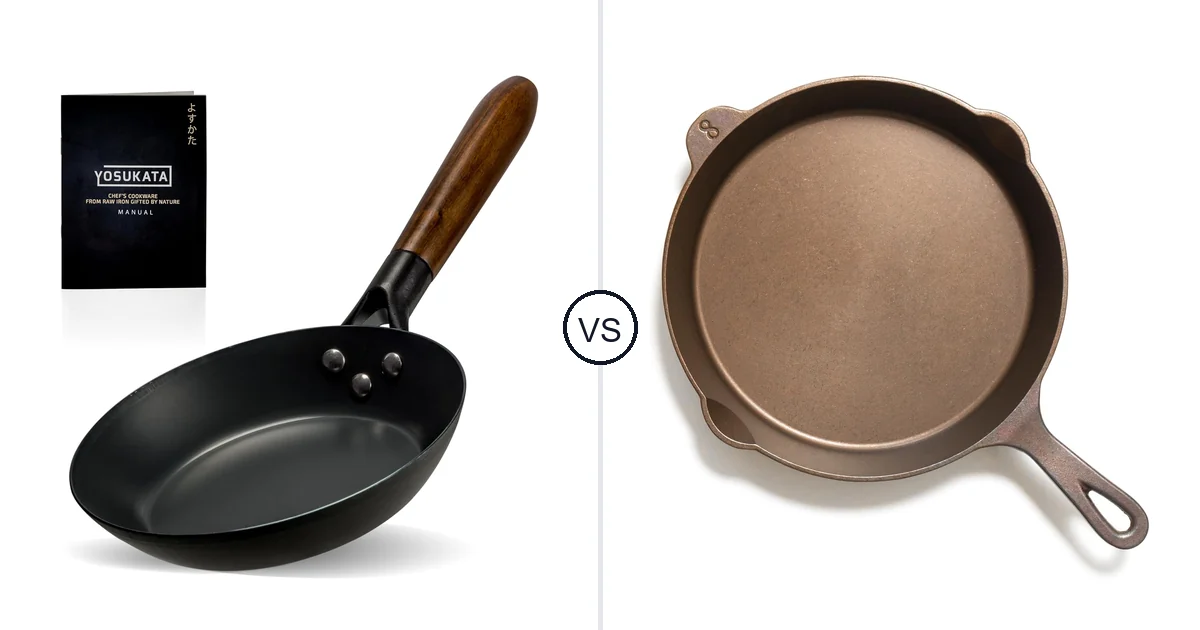
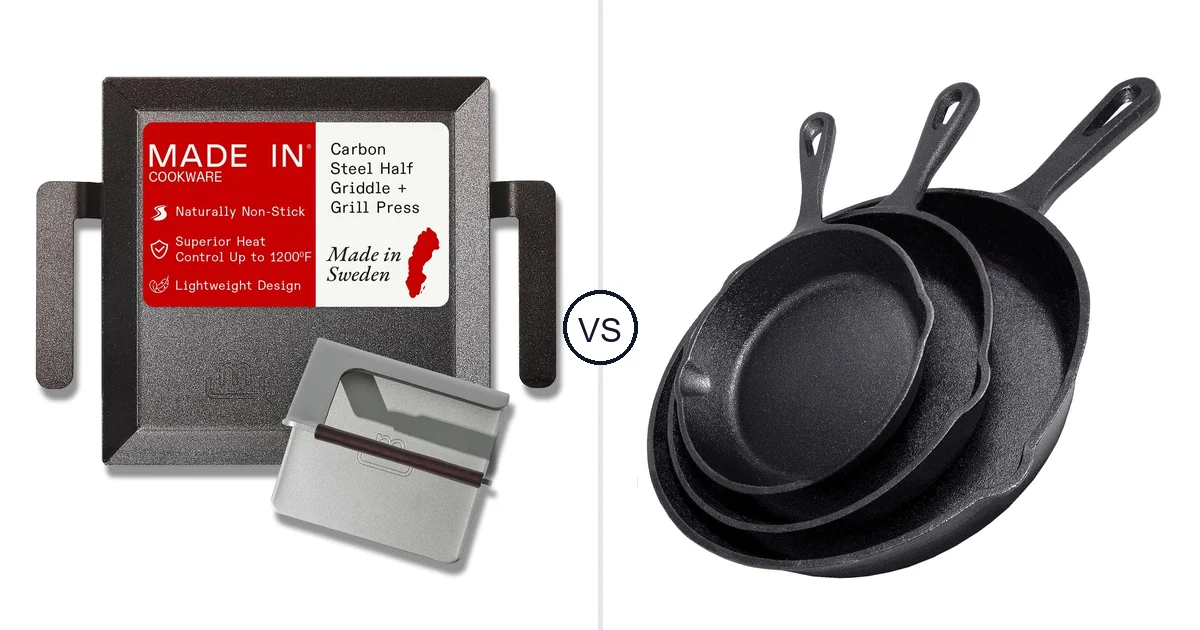
Cast iron is legendary for a reason. Once seasoned properly, cast iron develops a natural non-stick surface that actually improves with use. It retains heat exceptionally well, making it ideal for searing meat and baking cornbread. Cast iron cookware is essentially indestructible and can last for generations.
The trade-off is the learning curve and maintenance. Cast iron requires seasoning and proper care to prevent rust. It's also heavier than other cookware, and you need to avoid leaving acidic foods sitting in cast iron for extended periods. But if you're willing to learn proper care, cast iron becomes some of the best cookware for everyday cooking at incredibly low cost over time.
Carbon Steel Cookware
Carbon steel sits somewhere between cast iron and stainless steel. It's lighter than cast iron but develops a similar seasoned surface when properly maintained. Carbon steel heats quickly and evenly, making it excellent for stir-frying and sautéing.
This type of cookware is less common in American kitchens than others, so you'll find fewer options and less advice online. However, carbon steel cookware deserves consideration if you want durability without the weight of cast iron.
:max_bytes(150000):strip_icc()/slv-best-stainless-steel-cookware-sets-tout-3b1c87291ef7497d95cc326be3f4a29a.jpg)
Choosing the Best Cookware for Everyday Cooking
The best cookware for everyday cooking depends on your specific cooking habits, kitchen setup, and personal preferences. Here's how to think through your selection.
Assess Your Cooking Style
Start by thinking honestly about what you actually cook. Do you make a lot of eggs and pancakes? Non-stick cookware is your friend. Do you sear meat frequently and make deglazing sauces? Stainless steel is probably better. Do you cook Asian cuisine with high-heat wok cooking? Cast iron or carbon steel might work well.
Your cooking style is the most important factor in choosing cookware for everyday cooking because the best pan is one you'll actually use and enjoy using. If you hate how a pan performs, it won't matter how many awards it won.
Consider Your Stove Type
The type of stove you have affects which cookware works best. Induction stoves require magnetic cookware, which includes stainless steel, cast iron, and some non-stick options, but excludes copper and aluminum unless they have a magnetic base. Gas stoves work with almost any cookware. Electric coil stoves work with any flat-bottomed cookware.
If you're shopping for cookware for everyday cooking and have an induction stove, always check that any pan you're considering works with induction cooking. Many older non-stick and aluminum pans won't work.
Set a Realistic Budget
Quality cookware for everyday cooking doesn't require emptying your savings account. A basic starter set might cost between 50 and 150 dollars, while premium brands cost much more. The good news is that mid-range cookware often performs nearly as well as expensive options for everyday home cooking.
I recommend starting with a few essential pieces rather than buying a complete set. Most people use the same pans repeatedly anyway. A good chef's knife, a medium sauté pan, a large skillet, and a stockpot cover most everyday cooking needs.

Essential Cookware Pieces for Every Kitchen
Rather than buying everything at once, build your collection with these essential items.
Skillet or Sauté Pan
A 10 to 12 inch skillet is absolutely essential for everyday cooking. You'll use it for searing chicken, browning ground meat, sautéing vegetables, and dozens of other tasks. Whether you choose stainless steel, non-stick, or cast iron depends on your preferences, but everyone needs at least one quality skillet.
Sauté pans have straight sides and typically come with a lid, while skillets have sloped sides. Both work great for everyday cooking, though sauté pans hold more volume.
Saucepan
A 2 to 3 quart saucepan with a lid handles soups, sauces, pasta water, and rice cooking. Stainless steel works beautifully here since you're usually cooking with liquid, which helps prevent sticking.
Stockpot
An 8 to 12 quart stockpot is useful for pasta, large batches of soup, chili, and boiling vegetables. Stainless steel is your best choice for a pot you'll use this frequently.
Nesting Pans Set
Many people find that buying a small nesting set is smart. These typically include three to five pans that stack together to save space. You get variety without overcrowding your cabinets.
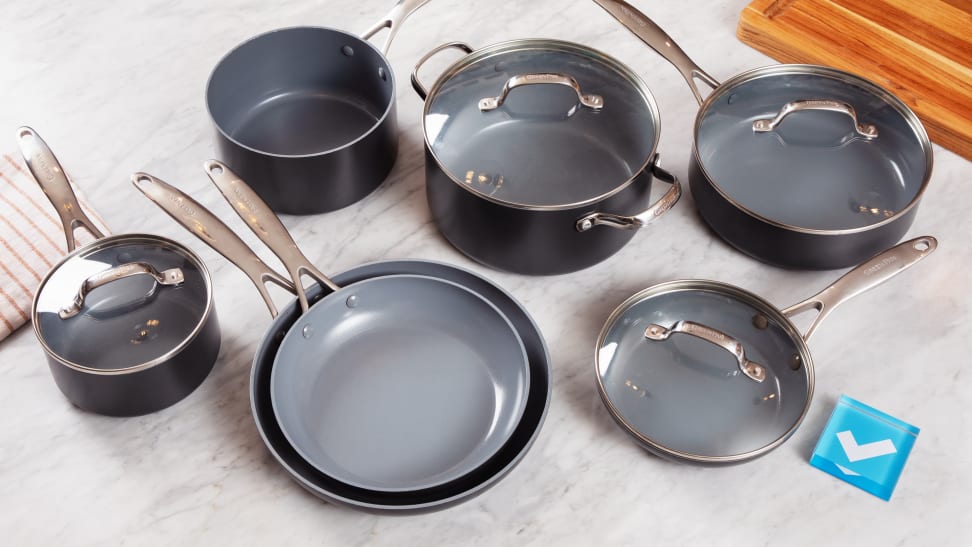
How to Care for Your Cookware
Proper care extends the life of cookware for everyday cooking significantly. Here's what you need to know.
Hand Washing vs. Dishwasher
Hand washing your cookware extends its lifespan considerably. Most stainless steel cookware can technically go in the dishwasher, but hand washing is gentler. Non-stick cookware should always be hand washed to protect the coating.
For everyday use, I keep my most-used pans on the counter and hand wash them immediately after cooking. It takes just a minute and saves so much wear and tear.
Preventing Rust and Damage
Store cookware in a dry environment. Hang heavy pans like cast iron or store them in a dry cabinet. Don't let pans sit wet in the sink where moisture can cause spotting on stainless steel or rust on cast iron.
For cast iron and carbon steel, occasionally reseason your cookware by coating the surface with a thin layer of oil and heating it to create a protective layer.
Temperature Control
Avoid thermal shock by not putting hot pans directly into cold water. Let them cool slightly first. For non-stick cookware especially, always use low to medium heat since high heat can damage the coating faster.

Top Features to Look For in Everyday Cookware
When evaluating cookware for everyday cooking, pay attention to these important features.
Heat Distribution
Quality cookware distributes heat evenly across the bottom and sides. Poor heat distribution causes hot spots that burn food while other areas cook slowly. Look for cookware with a thick, heavy bottom that distributes heat evenly.
Handle Design
You'll hold the handle constantly, so it matters. The best cookware for everyday cooking has a handle that doesn't get too hot, provides a secure grip even when wet, and feels balanced in your hand. Stainless steel handles stay cooler than aluminum.
Lid Quality
If your cookware comes with a lid, make sure it fits properly and has a secure handle. Many people overlook lid quality, but a good lid is essential for braising, steaming, and reducing sauces.
Weight
Heavier cookware generally distributes heat better, but extremely heavy pans become tiring to use daily. The best cookware for everyday cooking balances weight with manageability. You want substantial cookware that still feels comfortable to lift and maneuver.
:max_bytes(150000):strip_icc()/Cookware-Glass-Top-Stove-GK-72a1d6f6a1a74459acafcd0d7902dd11.jpg)
Budget-Friendly Options for Best Everyday Cookware
You don't need to spend hundreds of dollars to get reliable cookware for everyday cooking.
Store Brands
Many retailers like Target and Amazon offer their own cookware lines that perform surprisingly well. These budget options often match the quality of mid-range name brands at lower prices.
Outlet Stores
Cookware outlet stores frequently discount past-season colors or minor imperfections. The cookware itself is fine; it just doesn't match the current marketing campaign. You can save 30 to 40 percent this way.
Mixing and Matching
Rather than buying a complete set, buy individual pieces from different brands. You might get a non-stick skillet from one company, a stainless steel saucepan from another, and a cast iron skillet from a third. This approach gives you the best of everything without the complete set price tag.

Common Mistakes When Buying Cookware
Learning from other people's mistakes helps you make better choices for cookware for everyday cooking.
Buying Too Many Pieces at Once
Most people use the same three to five pans repeatedly. Buying a 12 piece set means you're storing cookware you never use. Start small and add pieces as you identify actual needs.
Ignoring Your Stove Type
Buying non-induction cookware for an induction stove means your pans simply won't work. Always verify compatibility before purchasing.
Choosing Based on Price Alone
The cheapest cookware often doesn't work well, which means you'll buy again sooner. Mid-range cookware usually offers the best value for everyday cooking compared to budget or premium options.
Neglecting Care Instructions
Different cookware requires different care. A pan that's perfect for your needs becomes frustrating if you're not maintaining it properly.

Frequently Asked Questions
What is the most durable cookware for everyday cooking?
Stainless steel and cast iron are the most durable options for cookware for everyday cooking. Stainless steel lasts decades with normal care, and cast iron literally lasts forever with proper seasoning. Non-stick cookware typically needs replacement every three to five years.
Can you use regular cookware on an induction stove?
No, induction stoves require magnetic cookware made from stainless steel, cast iron, or special non-stick pans with magnetic bases. Copper, aluminum, and glass won't work unless they have magnetic bottoms designed for induction cooking.
Is non-stick cookware safe for everyday use?
Modern non-stick cookware is safe when used properly according to manufacturer instructions. The key is never overheating the cookware and avoiding metal utensils that scratch the coating, which can release particles.
How often should you replace everyday cookware?
Non-stick cookware typically needs replacement every three to five years as the coating wears down. Stainless steel and cast iron last indefinitely with proper care, though non-stick coatings may need refreshing or the entire pan may need replacement depending on damage.
What is the best cookware for beginners?
Non-stick cookware is usually best for beginners because it forgives mistakes and requires less technique to prevent sticking. However, if you're willing to learn, stainless steel cookware builds better cooking skills since it requires proper heat control and technique to perform well.
Should you buy a cookware set or individual pieces?
Individual pieces typically offer better value for everyday cooking since you'll use only a few items frequently. However, starter sets work fine if the pieces match your needs and the price is reasonable compared to buying items separately.
Conclusion
Selecting the best cookware for everyday cooking is about understanding your needs and matching them with the right materials and features. Whether you choose stainless steel for its versatility, non-stick for convenience, or cast iron for longevity, the right cookware makes daily cooking faster and more enjoyable.
Start with just a few essential pieces—a quality skillet, a saucepan, and a stockpot. These three items handle most everyday cooking tasks. Add more pieces gradually as you identify specific cooking needs rather than buying complete sets you won't use.
Remember that expensive cookware doesn't automatically cook better than mid-range options. The best cookware for everyday cooking is the cookware you'll actually use and enjoy using. Take time to hold different pans, read reviews from real home cooks, and choose pieces that fit your cooking style and budget.
Start building your collection today, and notice how much more pleasant cooking becomes when you have the right tools in your hands. Your future self will thank you for investing in quality cookware now.

Leave a Reply