
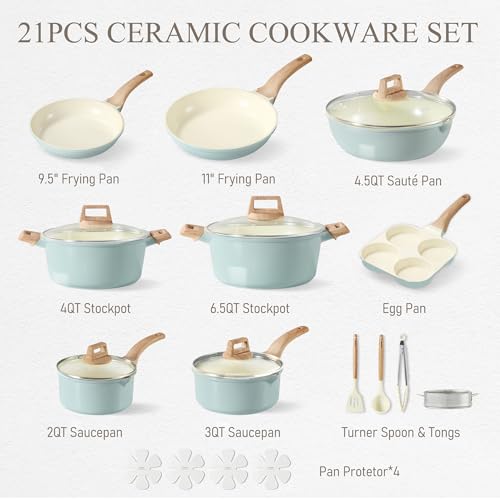
Stainless steel cookware offers superior durability and corrosion resistance, while aluminum heats faster and costs less, making each ideal for different cooking needs. When it comes to outfitting your kitchen, choosing between aluminum and stainless steel cookware is one of the most important decisions you'll make. I've spent years testing both materials in my own kitchen, and I've learned that there's no one-size-fits-all answer. Each material has distinct advantages and drawbacks that directly impact how you cook, how long your pans last, and ultimately how much you'll spend on replacements. Understanding the differences between aluminum vs stainless steel cookware will help you make a choice that aligns with your cooking style, budget, and kitchen goals.

Understanding the Basics of Aluminum Cookware
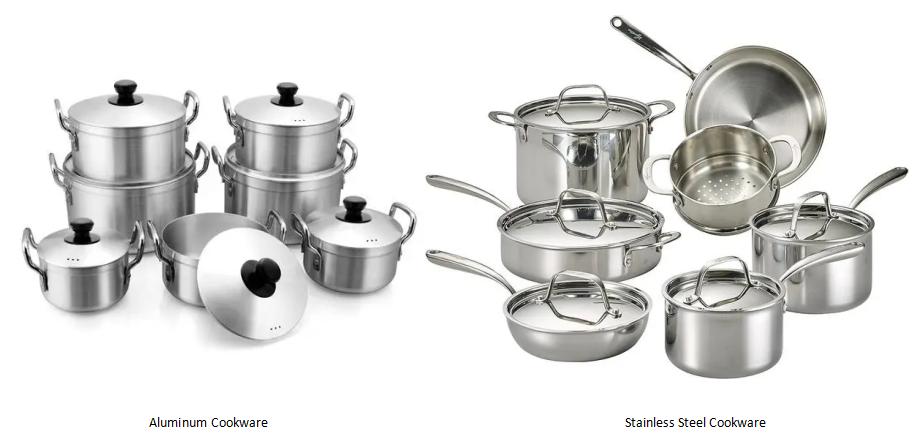
Aluminum is one of the most lightweight metals available, and it's been used in cookware for decades. When I first started cooking seriously, I grabbed an aluminum skillet because it was affordable and easy to handle. The appeal is clear: aluminum conducts heat incredibly well, heating up quickly and distributing warmth evenly across the cooking surface.
Pure aluminum, however, has a significant weakness. It's reactive to acidic foods like tomatoes, vinegar, and citrus, which means acids can strip away small amounts of aluminum and potentially transfer it into your food. This is why manufacturers developed anodized aluminum, a process that creates a hard, non-reactive surface. Anodized aluminum cookware is much safer and more durable than its pure counterpart.
Aluminum cookware typically costs less than stainless steel, making it an attractive option for budget-conscious home cooks. The material is also forgiving for beginners because its excellent heat conductivity means fewer hot spots and more even cooking results.
The Strength of Stainless Steel Cookware
Stainless steel is an alloy made from iron, chromium, and other metals. What makes it special is the chromium content, which creates a protective oxide layer that prevents rust and corrosion. I transitioned to stainless steel cookware about five years ago, and the durability difference was immediately noticeable.
Stainless steel cookware can handle acidic ingredients without any concerns. You can simmer tomato sauce or make vinegar-based reductions without worrying about reactions. This versatility makes stainless steel an excellent choice for cooks who prepare diverse cuisines and recipes.
The downside is that stainless steel doesn't conduct heat as efficiently as aluminum. Many quality stainless steel cookware pieces address this by adding aluminum or copper cores, which combine the best of both materials. Stainless steel also requires more care and technique to prevent food from sticking, though this becomes second nature with practice.

Heat Conduction and Cooking Performance
Heat conduction is where aluminum and stainless steel cookware differ most dramatically. Aluminum conducts heat about three times faster than stainless steel, which means your pan heats up almost instantly when you turn on the burner. In my kitchen, I use my aluminum pans for tasks requiring quick temperature changes, like making pancakes or searing proteins.
Stainless steel's slower heat conduction can feel frustrating at first, but it also provides more control. The slower heating means you have more time to adjust burner temperature and prevent accidental burning. When cooking delicate items like fish or eggs, this measured heating approach has actually saved my dishes countless times.
The core construction matters significantly in stainless steel cookware. A pan with an aluminum or copper core heats much more evenly and quickly while maintaining the benefits of the stainless steel surface. These multi-ply pans bridge the gap between aluminum and pure stainless steel, offering better performance than either material alone.

Durability and Longevity Comparison
When comparing aluminum vs stainless steel cookware for long-term investment, stainless steel wins hands down. I have stainless steel pans from over a decade ago that look and perform almost as well as they did on day one. Aluminum cookware, especially anodized versions, typically lasts five to eight years with regular use before showing significant wear.
Stainless steel resists warping, denting, and scratching far better than aluminum. Its hard surface can withstand metal utensils, vigorous scrubbing, and the occasional bump against the stove edge. Aluminum is softer and more susceptible to damage, which is why many aluminum cookware manufacturers recommend using wooden or silicone utensils.
The protective oxide layer on anodized aluminum can wear away over time, particularly in the bottom of the pan where it contacts the heat source repeatedly. Once this coating deteriorates, the cookware becomes reactive again. In contrast, stainless steel's protective properties are integral to the metal itself, so they never diminish.

Weight and Handling Differences
If you've ever held aluminum and stainless steel cookware side by side, the weight difference is obvious. Aluminum cookware is significantly lighter, sometimes weighing half as much as comparable stainless steel pieces. As someone who's developing arthritis in my hands, I genuinely appreciate how much easier my lightweight aluminum pans are to lift and maneuver.
This weight advantage makes aluminum cookware especially practical for everyday cooking. You can confidently flip ingredients, toss sautéed vegetables, and move the pan around the stove without straining. For people with limited hand strength or mobility issues, aluminum becomes an accessibility asset.
Stainless steel's weight, while heavier, provides a premium feel and stability on the stove. The substantial construction actually prevents the pan from sliding around during vigorous cooking. Many professional chefs prefer this stability, though home cooks with mobility concerns might find the extra weight challenging.
Cost Comparison and Budget Considerations
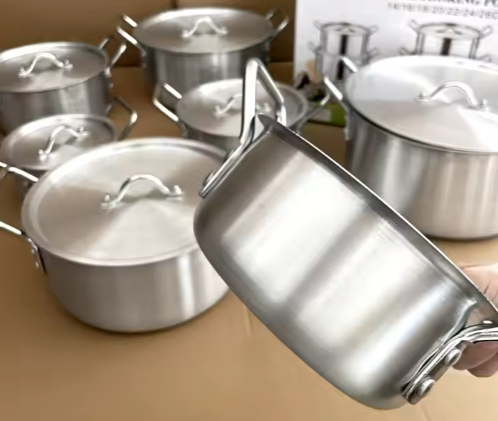
Budget is often the deciding factor when choosing between aluminum vs stainless steel cookware. A quality anodized aluminum pan might cost $20 to $50, while a comparable stainless steel pan typically ranges from $50 to $150. For a complete cookware set, the price difference becomes substantial.
When calculating true cost, however, consider longevity. Aluminum cookware might need replacement every five to eight years, while stainless steel often lasts a decade or more. Over a 20-year period, investing in stainless steel might actually save you money despite the higher initial expense.
My practical approach has been to use a mixed strategy. I bought affordable aluminum pans for everyday use and invested in a few quality stainless steel pieces for foods that require longer cooking or acidic ingredients. This hybrid approach gives me the best of both worlds within my budget.

Reactivity and Food Safety
Reactivity is a critical consideration that many home cooks overlook. Pure aluminum reacts with acidic and alkaline foods, which can affect flavor and potentially deposit small amounts of aluminum into your dish. This is particularly problematic for those with aluminum sensitivities or people monitoring their mineral intake.
Anodized aluminum solves this problem by creating a barrier between the metal and your food. The anodization process hardens the aluminum's surface, making it non-reactive and safe for all foods. Quality anodized cookware goes through rigorous testing to ensure the coating doesn't chip or wear away during normal use.
Stainless steel, by contrast, never reacts with any foods. You can boil vinegar, simmer citrus-based sauces, or cook alkaline vegetables without any concerns. From a food safety perspective, stainless steel cookware provides complete peace of mind across every cooking situation.
Maintenance and Care Requirements
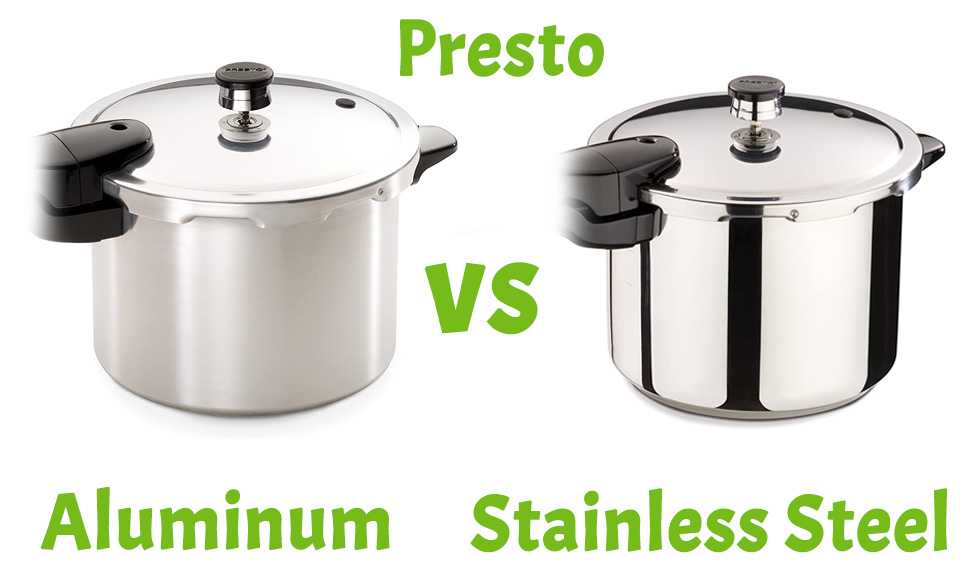
Maintenance differences between aluminum vs stainless steel cookware influence long-term satisfaction. Aluminum cookware is incredibly easy to clean. Most food wipes away easily, and the surface tolerates vigorous scrubbing without damage. I can throw my aluminum pans in the dishwasher without concerns about degradation.
Stainless steel requires more thoughtful care to maintain its appearance and performance. While it's durable, it shows fingerprints and water spots that become visible as your cookware ages. Hand washing is generally recommended to preserve the finish and prevent potential issues with certain dishwashing detergents.
For optimal performance, stainless steel cookware benefits from occasional seasoning or oil treatments to enhance non-stick properties and prevent sticking during cooking. This extra step isn't difficult, but it requires knowledge and attention that aluminum simply doesn't demand.

Non-Stick Properties and Cooking Surface
Pure aluminum cookware develops a natural non-stick patina over time as cooking oils and residues build up on the surface. However, this patina is fragile and can disappear with aggressive cleaning or dishwasher use. Many aluminum pans come with non-stick coatings, which provide immediate non-stick benefits but may degrade faster than the base material itself.
Stainless steel isn't naturally non-stick, which frustrated me when I first switched over. However, I learned that proper techniques like preheating the pan, using adequate fat, and avoiding moving food too early creates excellent non-stick results without chemical coatings. Some stainless steel cookware includes non-stick coatings, though these typically don't last as long as the cookware itself.
The choice between aluminum vs stainless steel cookware regarding non-stick properties depends on your cooking style. If you prioritize convenience and easy food release, aluminum's natural properties are hard to beat. If you're willing to develop better cooking technique, stainless steel offers long-term advantages without relying on coatings that eventually wear away.
Environmental Impact and Sustainability
When considering aluminum vs stainless steel cookware from an environmental perspective, both materials have sustainability advantages over non-stick coated alternatives. Aluminum is highly recyclable and can be reprocessed indefinitely without losing quality. Many aluminum products are made from recycled aluminum, which requires significantly less energy than processing virgin ore.
Stainless steel is also highly recyclable and can be melted down and reformed repeatedly. Because stainless steel cookware lasts longer, fewer replacements are needed over time, reducing overall consumption and waste. From a lifecycle perspective, a stainless steel pan that lasts 20 years has a lower environmental impact than four aluminum pans that need replacing every five years.
For environmentally conscious cooks, choosing high-quality cookware that lasts longer, regardless of material, is the most sustainable choice. Avoiding frequent replacements is better for the planet than prioritizing a single material.
Which Material Is Best for Different Cooking Styles
Your cooking style should heavily influence your choice between aluminum vs stainless steel cookware. If you primarily make quick weeknight dinners, sauté vegetables, and cook proteins, aluminum cookware's superior heat distribution and quick response time make it ideal. The fast heating means less time waiting for your pan to reach temperature.
For home cooks who prepare acidic sauces, braise meats for hours, or cook fermented foods, stainless steel is absolutely the better choice. Its reactivity makes it safe for any ingredient, and the durability means it won't degrade with extended cooking times and intense use. Professional cooks overwhelmingly choose stainless steel because its versatility handles any recipe.
If you bake and cook international cuisines regularly, a combination of both materials makes the most sense. Use aluminum for heating and sautéing, and reach for stainless steel when acid or extended cooking is involved. This mixed approach, which I've adopted in my own kitchen, provides maximum flexibility.
Practical Tips for Choosing Cookware
Start by evaluating your budget honestly. If you're outfitting a first kitchen or have limited funds, aluminum cookware provides excellent performance at an affordable price point. You can always upgrade to stainless steel later as your skills and income allow.
Consider your cooking frequency and intensity. If you cook multiple times daily, investing in stainless steel makes financial sense because it'll last through years of frequent use. If cooking is occasional, aluminum cookware is perfectly adequate and will likely never need replacement.
Think about your specific dietary needs and cooking preferences. Do you regularly cook with acidic ingredients? Does your household include someone with aluminum sensitivities? Are you seeking cookware that requires minimal maintenance? These practical considerations should drive your decision more than general opinions about which material is "better."
Frequently Asked Questions
Is anodized aluminum cookware safe for daily use?
Yes, anodized aluminum cookware is completely safe for daily cooking. The anodization process creates a hard, non-reactive surface that prevents aluminum from leaching into food, making it suitable for all ingredients and cooking methods.
Why does stainless steel cookware stick so easily?
Stainless steel doesn't naturally repel food like some non-stick surfaces do. However, proper preheating, adequate fat, and avoiding premature movement of food prevents sticking effectively, and many stainless steel pieces include non-stick coatings.
Can I use metal utensils on aluminum cookware?
Metal utensils can scratch anodized aluminum and damage the protective coating over time. Using wooden or silicone utensils extends aluminum cookware lifespan and prevents the coating from wearing away prematurely.
Does stainless steel cookware require seasoning?
Unlike cast iron, stainless steel doesn't require traditional seasoning, but periodic oiling or butter treatments can enhance non-stick properties and improve the cooking surface over time.
Which cookware heats more evenly, aluminum or stainless steel?
Aluminum heats more evenly and quickly due to superior heat conductivity, while stainless steel heats more slowly but provides better temperature control. Multi-ply stainless steel with aluminum cores combines both advantages.
Conclusion
Choosing between aluminum vs stainless steel cookware isn't about finding one objectively superior option. It's about understanding your unique cooking needs, budget, and lifestyle, then selecting cookware that serves those specific circumstances. Aluminum offers quick heating, lightweight convenience, and affordability that makes it perfect for everyday cooking and busy households. Stainless steel provides durability, versatility with acidic ingredients, and long-term value that justifies its higher initial cost.
My personal recommendation is to evaluate your cooking patterns honestly and consider your budget for the next decade. If you're just starting out or cooking on a tight budget, quality anodized aluminum cookware will serve you well. If you cook frequently or work with diverse ingredients, investing in stainless steel pays dividends through years of reliable performance. Many experienced cooks benefit from maintaining a collection that includes both materials, using each for its strengths.
Start by assessing what matters most to you. Is it speed and convenience, or durability and versatility? Once you answer that question, selecting between aluminum vs stainless steel cookware becomes straightforward. Visit a kitchen supply store to hold both options, feel their weight, and imagine them in your actual cooking routine. Trust your instincts, make your choice, and enjoy years of better cooking ahead.

Leave a Reply