
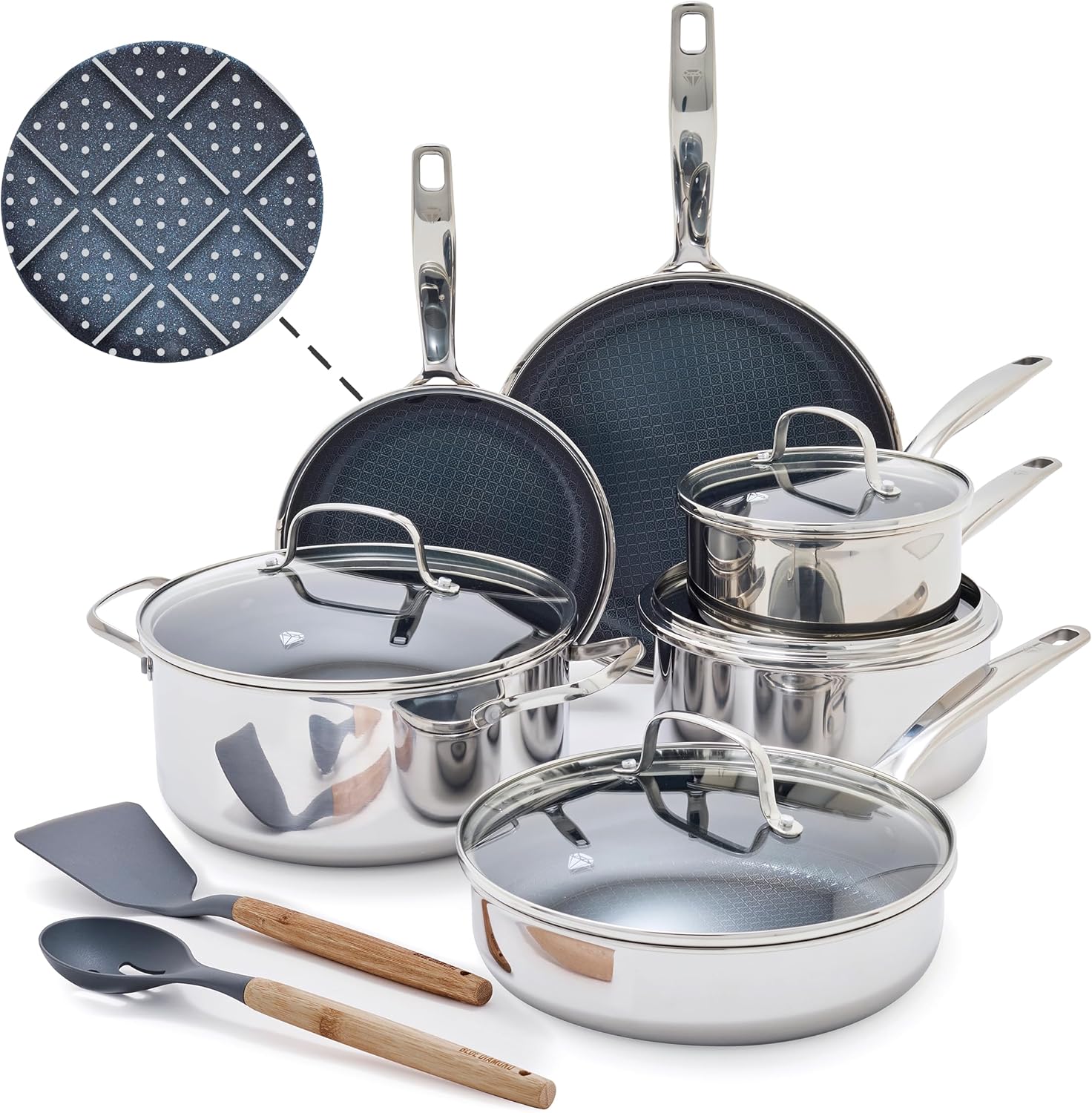
Ceramic cookware heats evenly and requires less oil, while stainless steel is more durable and versatile for various cooking methods.
Ceramic Vs Stainless Steel Cookware:When you’re standing in a kitchen store staring at rows of cookware, the choice between ceramic and stainless steel can feel overwhelming. Both options have loyal fans, and for good reason. I’ve spent years testing both materials in my own kitchen, experimenting with everything from delicate fish fillets to aggressive searing, and I’ve learned that neither is universally “better”—they just work differently.
The reality is that your cooking style, budget, and maintenance preferences should guide your decision. Ceramic cookware has gained serious traction in recent years as a healthier, non-toxic alternative to traditional non-stick pans. Stainless steel, on the other hand, has been the workhorse of professional kitchens and serious home cooks for decades. Understanding the real differences between these materials helps you make a choice that fits your lifestyle and cooking habits.

What Is Ceramic Cookware?
Ceramic cookware is made from clay that’s been heated at extremely high temperatures, creating a hard, glass-like surface. Unlike traditional non-stick cookware that uses chemical coatings like PTFE (commonly known as Teflon), ceramic uses an inorganic coating that’s applied to the cookware’s surface. This coating is naturally non-stick and free from PFOA and other synthetic chemicals that many home cooks worry about.
The ceramic coating itself is typically made from silica and other minerals. When you run your hand over a ceramic pan, you’ll feel that distinctly smooth surface—it’s what gives ceramic cookware its famous non-stick properties. Most ceramic cookware you’ll find today has these coatings applied to aluminum or stainless steel bases, though the base material varies depending on the brand and price point.
I remember my first experience with ceramic cookware. I was skeptical because I’d heard the non-stick coating could chip easily. What I discovered was that ceramic actually performs beautifully when you treat it with basic care. Unlike some non-stick surfaces that degrade quickly, quality ceramic cookware can maintain its non-stick properties for years with proper use.
Source: shayganpharma.com
What Is Stainless Steel Cookware?
Stainless steel cookware is constructed from steel alloy that contains at least 10.5% chromium, which creates a protective layer that resists rust, corrosion, and staining. This metal has been the gold standard in professional kitchens because it’s virtually indestructible and can handle extreme heat and metal utensils without damage. When you heat stainless steel cookware, you’re working with a material that’s been refined over more than a century of culinary use.
The beauty of stainless steel cookware is its versatility and longevity. You can use it on any stovetop, including induction cookers, and it won’t wear out from normal use. Many families pass down quality stainless steel cookware from generation to generation. The metal itself doesn’t have naturally non-stick properties, which is why manufacturers often add aluminum or copper layers in the bottom for better heat distribution.
Through my years of cooking, I’ve found that stainless steel cookware rewards proper technique. There’s a learning curve with avoiding sticking, but once you understand how to preheat your pan properly and manage heat levels, stainless steel becomes incredibly reliable. It’s the cookware I reach for when I want to sear a steak, deglaze a pan for sauce, or cook something that requires aggressive stirring.

Source: prudentreviews.com
Ceramic vs Stainless Steel Cookware: Key Differences
The differences between ceramic and stainless steel cookware go far beyond what meets the eye. Understanding these distinctions helps you choose the right tool for your cooking style.
Heat Distribution and Cooking Performance
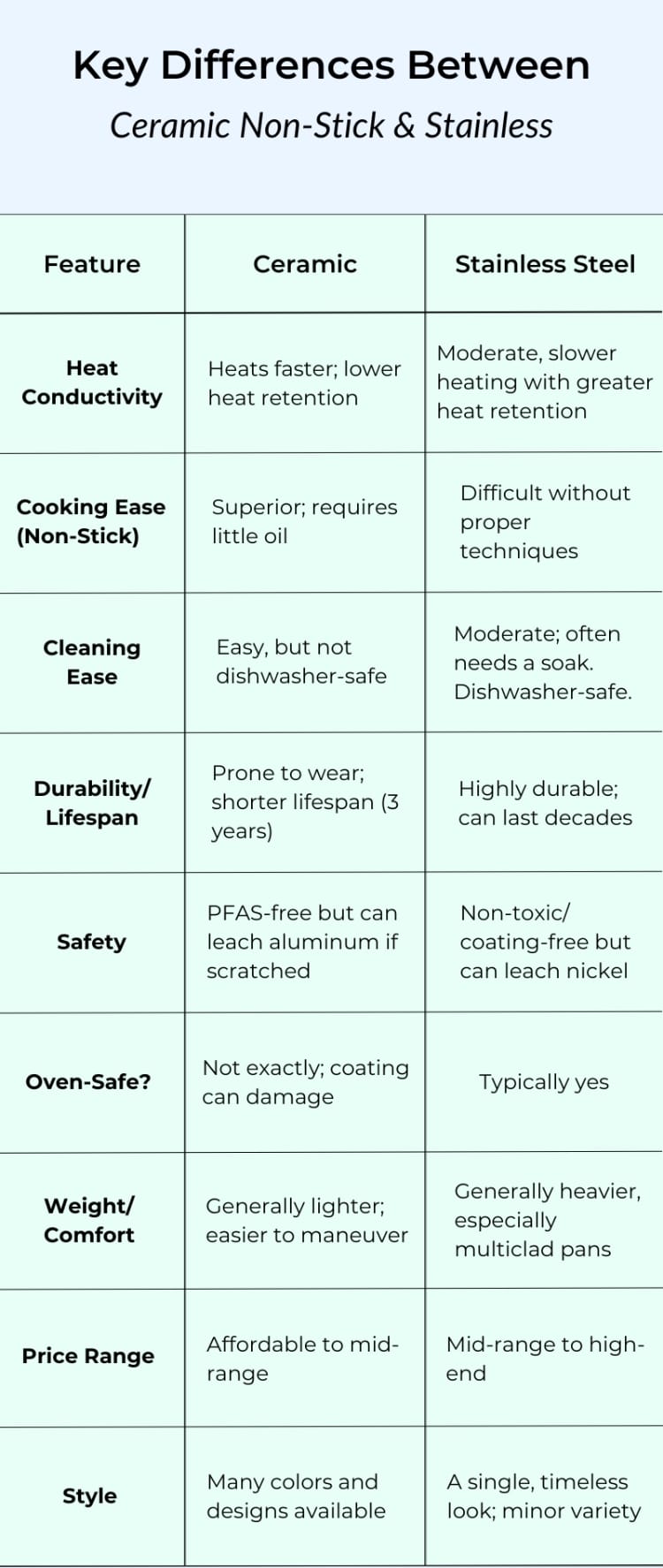
Ceramic cookware typically distributes heat evenly but heats up more slowly than stainless steel. The ceramic coating creates a consistent surface that prevents hot spots in many cases, though this depends on the quality of the base material underneath. I’ve noticed that ceramic pans excel at gentle cooking—think simmering sauces, scrambling eggs, or making pancakes.
Stainless steel cookware heats up faster and reaches higher temperatures than ceramic. This makes it superior for searing, sautéing, and creating fond (those delicious browned bits) that you deglaze for sauces. However, stainless steel is notorious for uneven heat distribution unless it has a copper or aluminum core. Quality stainless steel cookware invests in these layered bottoms specifically to solve this problem.
Non-Stick Properties
Ceramic cookware comes with built-in non-stick properties thanks to its smooth, glass-like coating. You can cook eggs, fish, and other delicate foods without oil or butter, which appeals to health-conscious cooks. The non-stick surface works immediately from the first use, requiring no seasoning or break-in period.
Stainless steel cookware is not naturally non-stick and requires you to master the art of preheating and proper fat usage. Many stainless steel cooks swear by this because the non-stick quality you develop through technique is permanent. Once you understand how to build and maintain a temporary non-stick layer through proper heat management, stainless steel becomes nearly as convenient as ceramic.
Durability and Longevity
Ceramic cookware’s coating can chip or wear down over time, especially with frequent use of metal utensils or abrasive cleaning methods. Most quality ceramic cookware lasts 3 to 5 years with careful use, though some premium brands claim longer lifespans. The underlying pan itself is durable, but the ceramic coating is the weak point.
Stainless steel cookware is virtually indestructible if you choose a quality product. You can use metal utensils, scrub aggressively, and subject it to extreme conditions, and it will keep performing. I have stainless steel pans I’ve owned for over 15 years that still look and perform like new. This longevity makes stainless steel better for long-term value, despite the higher upfront cost.
Maintenance and Cleaning
Ceramic cookware requires gentle care to preserve its coating. You should use soft utensils, avoid metal scouring pads, and typically hand wash rather than put it in the dishwasher. The ceramic coating is glass-like and beautiful, but it’s also somewhat delicate compared to stainless steel.
Stainless steel cookware is incredibly low-maintenance. You can scrub it with steel wool, throw it in the dishwasher, use metal utensils, and use any cleaning method you want. Some stainless steel devotees actually prefer the slightly worn appearance that develops over time—it shows the pan has been loved and used.
Temperature Tolerance
Ceramic cookware typically has a maximum oven-safe temperature of 350 to 400 degrees Fahrenheit, depending on the brand. This limitation exists because the coating can degrade at higher temperatures. Some premium ceramic cookware pushes these limits higher, but most won’t survive a standard 450-degree oven.
Stainless steel cookware can typically handle oven temperatures of 500 degrees Fahrenheit or higher. This makes it ideal if you like to finish dishes in the oven, make skillet breads, or use your cookware for versatile cooking techniques. I frequently move stainless steel pans from stovetop to oven without a second thought.
Source: thegoodlifedesigns.com
Health and Safety Considerations
The question of health implications is one of the biggest reasons people choose ceramic over other cookware options. Let me break down what the science actually shows.
Chemical Concerns with Ceramic Cookware
Ceramic cookware is marketed as PTFE-free and PFOA-free, which appeals to consumers worried about synthetic chemicals. PTFE is the material used in older non-stick cookware, and it can release fumes if overheated. PFOA is a manufacturing chemical that was phased out due to environmental and health concerns. Since ceramic uses none of these, many people feel safer using it.
However, some ceramic coatings have been found to contain trace amounts of heavy metals like lead or cadmium, though this varies significantly by manufacturer and product quality. Reputable ceramic cookware brands test their products and keep these levels well below safety thresholds. The key is buying from trusted manufacturers who prioritize quality.
Stainless Steel Safety Profile
Stainless steel cookware is inert, meaning it doesn’t leach chemicals into your food under normal cooking conditions. The chromium and nickel in the alloy are locked into the metal matrix and don’t transfer to your food. If you have a severe nickel allergy, you might want to test your specific stainless steel cookware, but most people handle stainless steel without issues.
One consideration with stainless steel is that it can potentially transfer small amounts of nickel or chromium if you cook very acidic foods for extended periods, though the amounts are minimal and not a concern for most people. I’ve cooked countless acidic sauces and tomato dishes in stainless steel without any adverse effects.
Overall Health Verdict
Both ceramic and stainless steel cookware are safe choices when you buy from reputable manufacturers. The difference is less about safety and more about personal preference regarding chemical concerns and natural materials. If avoiding synthetic coatings is important to you, ceramic wins. If you want maximum durability and inertness, stainless steel delivers.

Source: sumeetcookware.in
Cost Comparison: Budget and Value
When you’re deciding between ceramic and stainless steel cookware, your budget inevitably plays a role. Let me give you a realistic picture of what you’ll spend.
Initial Investment
Quality ceramic cookware typically costs between $20 to $80 per pan. You can find budget ceramic cookware for less, but it often doesn’t perform as well or last as long. Mid-range ceramic cookware offers the best value for most home cooks, delivering solid performance at a reasonable price.
Quality stainless steel cookware is more expensive upfront, usually ranging from $50 to $200+ per pan depending on the brand and materials. High-end stainless steel sets can cost hundreds or even thousands of dollars. However, the per-use cost becomes more favorable over time because of durability.
Long-Term Value
If you keep ceramic cookware for 5 years and replace it, you’re spending roughly $4 to $16 per year per pan for basic pieces. If you keep stainless steel cookware for 20 years (which is realistic with quality brands), you’re spending about $2.50 to $10 per year per pan. The math favors stainless steel for long-term value, especially if you cook frequently.
From my perspective, the choice depends on your cooking habits and budget situation. If you’re just starting out or you don’t cook often, ceramic offers good performance at a lower cost. If you cook regularly and want cookware that will last decades, stainless steel’s higher upfront cost pays off over time.
Source: thegoodlifedesigns.com
Cooking Performance in Real-World Scenarios
Understanding how these materials perform in actual cooking situations helps you make a decision that fits your lifestyle.
Everyday Cooking Tasks
For everyday tasks like scrambling eggs, cooking vegetables, or making simple pasta sauce, ceramic cookware shines. Its natural non-stick properties mean you can cook without adding fat, and cleanup is incredibly easy. I use my ceramic pan several times a week for breakfast because the eggs practically slide off, and I don’t have to worry about scrubbing.
Stainless steel cookware works for these tasks too, but it requires a bit more finesse. You need to preheat properly and add appropriate fat to prevent sticking. Once you develop the technique, stainless steel performs just as well, and you get the added benefit of knowing the pan will last indefinitely.
High-Heat Cooking and Searing
If you love searing steaks, creating crusty sautéed vegetables, or building fond for pan sauces, stainless steel is your better choice. The high heat tolerance and superior browning capabilities make it ideal for these techniques. I can’t imagine trying to properly sear a steak in ceramic cookware—it would risk damaging the coating.
Ceramic cookware’s lower heat tolerance and non-stick nature make it less suitable for aggressive high-heat cooking. The coating can degrade faster with repeated exposure to maximum heat, and the non-stick surface actually works against you when you’re trying to develop a good crust.
Acidic Foods and Slow Cooking
Both ceramic and stainless steel handle acidic foods well, though stainless steel is slightly more inert. If you’re simmering tomato sauce for hours, stainless steel is the more durable choice. Ceramic will work fine for occasional acidic cooking, but repeated exposure to vinegars and tomatoes might degrade the coating slightly faster.
For slow, gentle cooking like simmering soups or making risotto, both materials excel. I’ve made beautiful risottos in both, though the ceramic required more careful attention to prevent sticking as the cooking progressed.

Source: xtrema.com
Environmental Impact and Sustainability
As someone who cares about the environment, I’ve thought deeply about the sustainability of my cookware choices.
Manufacturing and Production
Ceramic cookware production involves high-temperature firing, which requires significant energy. The manufacturing process is relatively simple, though, and ceramic materials are abundant. The coating is inorganic and doesn’t rely on synthetic chemicals that require complex chemical processes to create.
Stainless steel production is energy-intensive and requires mining and processing metal ores. However, stainless steel is infinitely recyclable, and the metal can be melted down and reformed without losing its properties. Many stainless steel cookware products contain recycled content, though quality cookware typically uses virgin steel for superior performance.
Lifespan and Waste
Ceramic cookware’s shorter lifespan (3-5 years for the coating) means you’re replacing it more frequently, creating more waste. If a ceramic pan’s coating fails but the base is fine, you’re stuck throwing away still-usable cookware or repurposing it for storage. This frequent replacement carries an environmental cost.
Stainless steel cookware’s 20+ year lifespan means less frequent replacement and less waste over time. Even at the end of life, stainless steel is fully recyclable, so it doesn’t end up in a landfill. From an environmental perspective, stainless steel’s durability gives it a significant advantage in the long-term sustainability equation.

Source: carawayhome.com
Which Cookware Is Better for Your Kitchen?
Choosing between ceramic and stainless steel cookware ultimately depends on your specific needs and preferences. Let me help you think through this decision.
Choose Ceramic Cookware If
You prioritize ease of use and immediate non-stick performance without any learning curve. If you want to minimize fat and oil in your cooking or you’re focused on avoiding synthetic coatings, ceramic delivers. You’re budget-conscious and want decent cookware without the higher stainless steel price tag. You primarily cook at lower to medium temperatures and don’t need to do aggressive high-heat searing. You have limited storage space and want lightweight cookware that’s easy to handle.
Choose Stainless Steel Cookware If
You cook frequently and want cookware that will last decades, making it a genuine long-term investment. You enjoy techniques like searing, deglazing, and creating fond-based sauces that require higher heat and durability. You want cookware that can handle metal utensils, dishwashers, and aggressive cleaning without degradation. You appreciate the versatility of cookware that works on any stovetop including induction, and can go from stovetop to oven. You’re willing to learn proper technique in exchange for virtually indestructible cookware.
The Balanced Approach
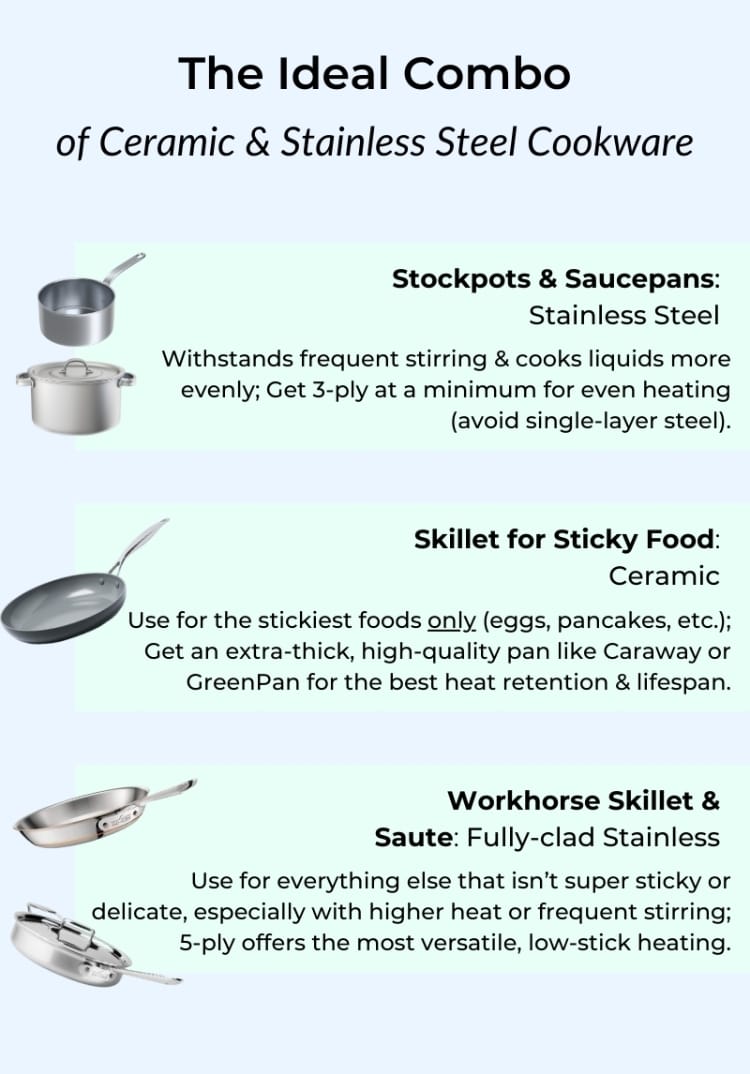
In my own kitchen, I use both. I have ceramic cookware for daily breakfast cooking and gentle simmering, and I have quality stainless steel cookware for more demanding tasks. This gives me the best of both worlds—the convenience of ceramic for simple tasks and the durability and performance of stainless steel when I need it.
Many experienced cooks take this balanced approach, recognizing that no single material is truly best for every situation. You might consider starting with one or two ceramic pieces for everyday use and investing in a quality stainless steel pan for more ambitious cooking projects.
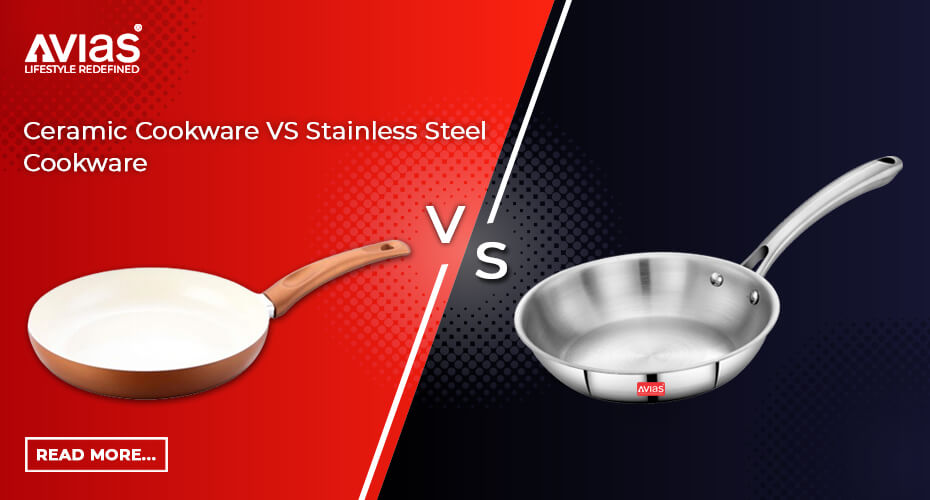
Source: aviasworld.com
Frequently Asked Questions
Does ceramic cookware scratch easily?
Quality ceramic cookware is more scratch-resistant than many people assume, but yes, metal utensils and aggressive scrubbing can damage the coating over time. Using wooden or silicone utensils and hand-washing with soft sponges significantly extends the coating’s lifespan. The scratches that do occur are typically cosmetic rather than functional unless they’re very deep.
Can you use ceramic cookware on induction stoves?
Not all ceramic cookware works on induction cooktops because the cookware needs to contain magnetic material. Some ceramic cookware has a magnetic stainless steel base that works with induction, but traditional ceramic pans are typically not induction-compatible. Always check the manufacturer’s specifications before buying ceramic cookware if you have an induction cooktop.
Is stainless steel cookware really non-stick after seasoning?
Stainless steel cookware develops a temporary non-stick layer when you preheat it properly and use adequate fat, but this layer isn’t permanent like a seasoned cast iron pan. You need to rebuild it with each use. The advantage is that stainless steel never loses its ability to develop this layer, whereas ceramic coating eventually degrades.
What’s the best way to clean ceramic cookware?
Hand wash ceramic cookware with warm soapy water and a soft sponge immediately after cooking. Avoid metal scouring pads, abrasive cleaners, and dishwashers, which can damage the coating. For stuck-on food, soak the pan in warm water before scrubbing gently. Proper cleaning extends the ceramic coating’s lifespan significantly.
Can you preheat empty stainless steel cookware?
Yes, you can preheat empty stainless steel cookware at high temperatures, though most cooks prefer adding fat first. If you do preheat empty, monitor it carefully to avoid damaging the handle or the stovetop. Once preheated, add fat and your food. Never preheat empty ceramic cookware at high temperatures as this can damage the coating.
Does stainless steel cookware require seasoning?
Stainless steel doesn’t require seasoning like cast iron does, but it does require proper technique. Preheat your pan, add fat, and allow the food to develop a slight crust before moving it. This technique creates a temporary non-stick surface that works beautifully if you understand the method. Some stainless steel cookware comes with polished interiors that work better with this technique than others.
Conclusion
Your choice between ceramic and stainless steel cookware doesn’t have to be either-or. Both materials have genuine strengths that make them valuable additions to any kitchen. Ceramic cookware excels at everyday cooking, offers immediate non-stick convenience, and costs less upfront. Stainless steel cookware delivers unmatched durability, handles aggressive cooking techniques, and provides better long-term value.
The best decision comes from understanding your cooking style, budget, and priorities. If you cook simple meals daily and value ease of cleanup, ceramic might be your answer. If you enjoy varied cooking techniques and want cookware that grows with your skills over decades, stainless steel offers that promise. Many home cooks find that having both types creates the most versatile kitchen.
Start by thinking about the dishes you cook most often and what cookware would make those tasks easiest. Then invest in one or two quality pieces in your preferred material, learn to use them properly, and build from there. Great cooking isn’t about having perfect cookware—it’s about understanding your tools and using them with intention. What type of cooking dominates your kitchen? Let me know in the comments which material fits your lifestyle best.

Leave a Reply