
Different cookware materials affect heat distribution, durability, and cooking results significantly. Choosing the right cookware is one of those kitchen decisions that can make or break your cooking experience. Whether you’re a seasoned home chef or just starting to explore the culinary world, understanding cookware materials comparison helps you invest in pans that match your cooking style and budget.
Cookware Materials Comparison:I’ve spent years testing different cookware types in my own kitchen, and I’ve learned that the material you choose impacts everything from how evenly your food cooks to how long your pans last. In this guide, I’ll walk you through the most common cookware materials, breaking down their strengths, weaknesses, and real-world performance so you can make an informed decision that works for your kitchen.

Understanding Cookware Materials
When you’re standing in a kitchen store or scrolling through online options, the variety of cookware materials can feel overwhelming. Stainless steel, cast iron, non-stick, aluminum, and copper all have devoted fans for good reasons. The key to cookware materials comparison is understanding how each material behaves on your stovetop and in your oven. Heat conductivity, heat retention, durability, and maintenance requirements vary wildly across different materials. Think of it like choosing a car—you wouldn’t pick a sports car for hauling cargo, just as you wouldn’t choose heavy cast iron if you prefer lightweight cookware. Each material has a specific purpose and audience, and the best choice depends entirely on your cooking habits and preferences.
Source: reddit.com
Stainless Steel Cookware
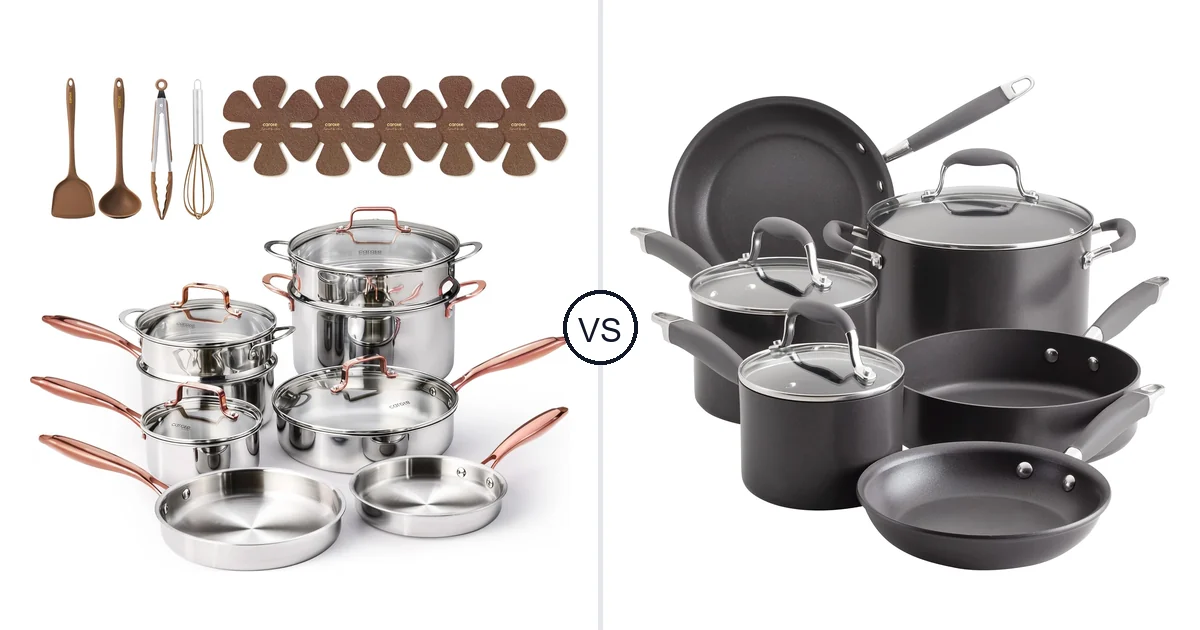
Stainless steel is the workhorse of most professional and home kitchens. This cookware materials comparison favorite is made from an iron and chromium alloy that resists rust and staining, hence the name. From my experience, stainless steel pans are incredibly versatile and can handle high heat without warping or reacting with acidic foods. They develop a beautiful patina over time and actually improve with proper seasoning.
The advantages of stainless steel cookware are numerous. It’s durable and can last decades with proper care, making it a solid long-term investment. Stainless steel doesn’t react with tomatoes, vinegar, or other acidic ingredients, which makes it ideal for making sauces and braises. The material is also non-reactive, so you won’t get any metallic taste in your food. Additionally, stainless steel cookware is oven-safe and dishwasher-safe, though hand washing extends its life.
However, stainless steel has some limitations worth considering. It’s not naturally non-stick, so you need enough oil or butter to prevent sticking. Heat distribution isn’t always even in lower-quality pans, which can lead to hot spots and uneven cooking. Stainless steel cookware also tends to be pricier than aluminum alternatives. Many people find the learning curve steep when it comes to cooking with traditional stainless steel without non-stick surfaces.
Source: mycoconutworld.com
Cast Iron Cookware
Cast iron represents the heritage of cookware materials comparison. This ancient material has been used for centuries and remains beloved by countless cooks worldwide. Cast iron is made from iron and carbon, creating an incredibly durable cookware option that can literally last for generations. I inherited my grandmother’s cast iron skillet, and it cooks better now than it did fifty years ago.
Cast iron excels at heat retention and distribution once it’s properly heated. The thick, heavy construction means it maintains consistent temperatures, making it perfect for searing steaks, baking cornbread, or slow-cooking stews. The natural seasoning builds up over time, creating a non-stick surface without synthetic coatings. Cast iron cookware also develops character and history, which many cooks find appealing. These pans work on any heat source, including open flames and campfires.
The drawbacks of cast iron shouldn’t be ignored. It requires regular seasoning and maintenance to prevent rust. Cast iron is heavy, which can be challenging for people with limited strength or mobility. It reacts with acidic ingredients, potentially affecting taste and seasoning. Cooking with cast iron also has a learning curve regarding temperature control and cooking techniques. The initial cost is low, but quality vintage cast iron can become expensive.
Source: chalcotitanium.com
Non-Stick Cookware
Non-stick cookware has revolutionized everyday cooking for many home cooks. These pans are typically made from aluminum or stainless steel bases coated with synthetic non-stick surfaces like polytetrafluoroethylene (PTFE) or ceramic. Non-stick cookware materials comparison shows why these pans are so popular for busy weeknight dinners. From my kitchen tests, non-stick cookware excels at cooking eggs, pancakes, and delicate fish without sticking.
The primary advantage of non-stick cookware is obvious—food slides right off with minimal oil or butter. This makes cleanup incredibly easy, often just a quick rinse rather than scrubbing. Non-stick pans heat up quickly and are lightweight, making them comfortable to handle and maneuver. They’re also more affordable than quality stainless steel or cast iron alternatives. Non-stick cookware is perfect for people watching their fat intake since you need less cooking oil.
Non-stick cookware does have significant limitations in long-term use. The non-stick coating degrades over time, especially with high heat and metal utensils, eventually leading to flaking. Most non-stick cookware isn’t suitable for high-heat cooking or use with metal utensils. It’s also less durable than stainless steel or cast iron, typically lasting 3-5 years before replacement. There are concerns about the chemicals used in some non-stick coatings, though modern ceramic non-stick options are safer alternatives.
Source: reddit.com
Aluminum Cookware
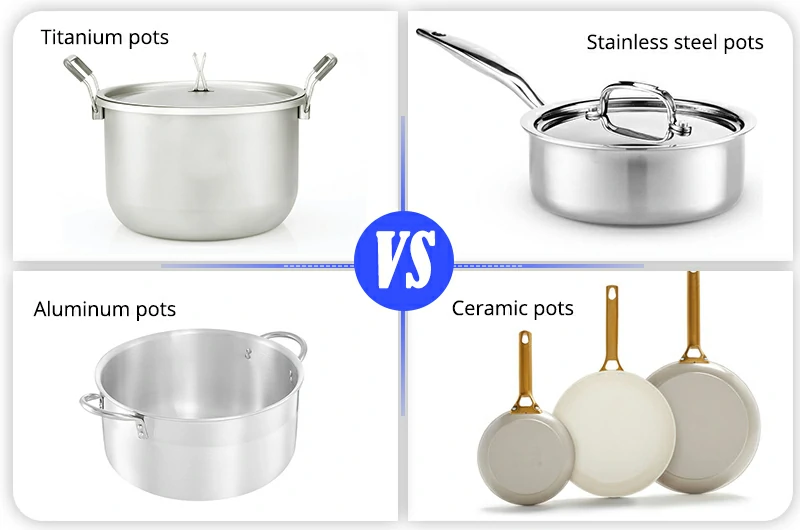
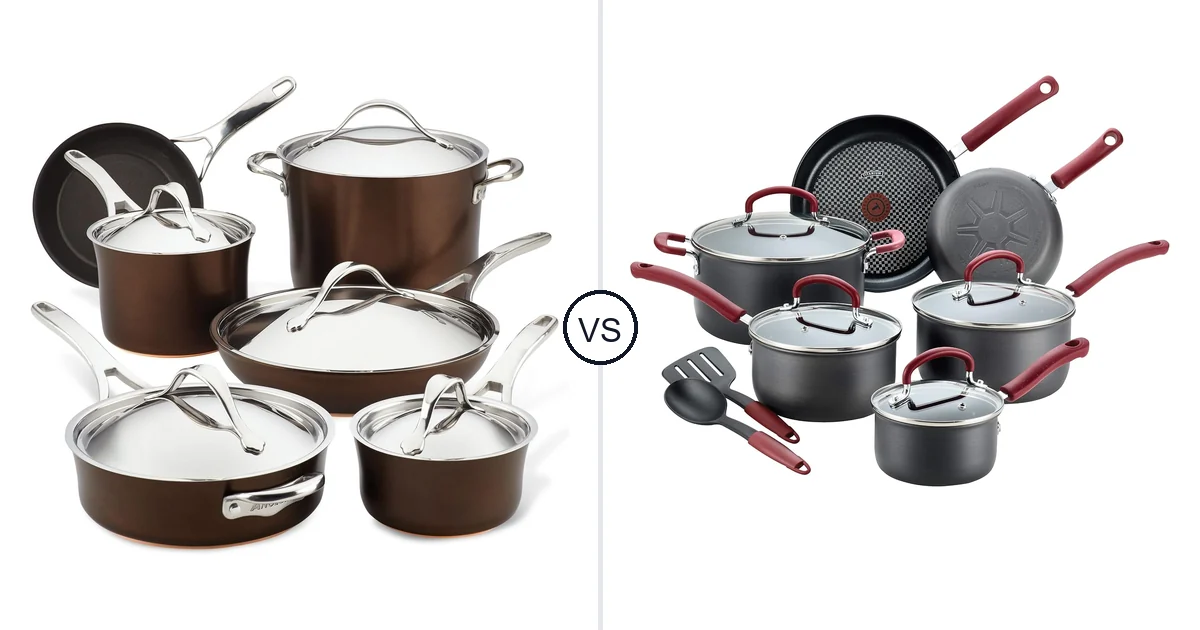
Aluminum stands out in cookware materials comparison for its lightweight and heat-conductive properties. Pure aluminum is soft and easily damaged, so most aluminum cookware is anodized, creating a harder surface. Anodized aluminum cookware is exceptionally lightweight while being remarkably durable. I use aluminum pans regularly because they heat up quickly and conduct heat more evenly than many other materials.
Aluminum cookware offers impressive heat conductivity, warming up faster than stainless steel or cast iron. This makes it excellent for recipes requiring quick, responsive heat adjustments. The lightweight nature makes these pans comfortable to use for extended cooking sessions. Anodized aluminum is durable and scratch-resistant, lasting many years with normal use. It’s also one of the most affordable cookware options available. Aluminum cookware is excellent for everyday cooking tasks and works well on all heat sources.
The limitations of aluminum cookware matter for specific cooking situations. Aluminum reacts with acidic foods like tomatoes, vinegar, and lemon juice, potentially affecting taste and discoloring the pan. The material isn’t suitable for the dishwasher if you want to preserve the anodized coating. Aluminum cookware isn’t oven-safe at high temperatures. While durable, it can dent and scratch more easily than other materials when mishandled.
Copper Cookware
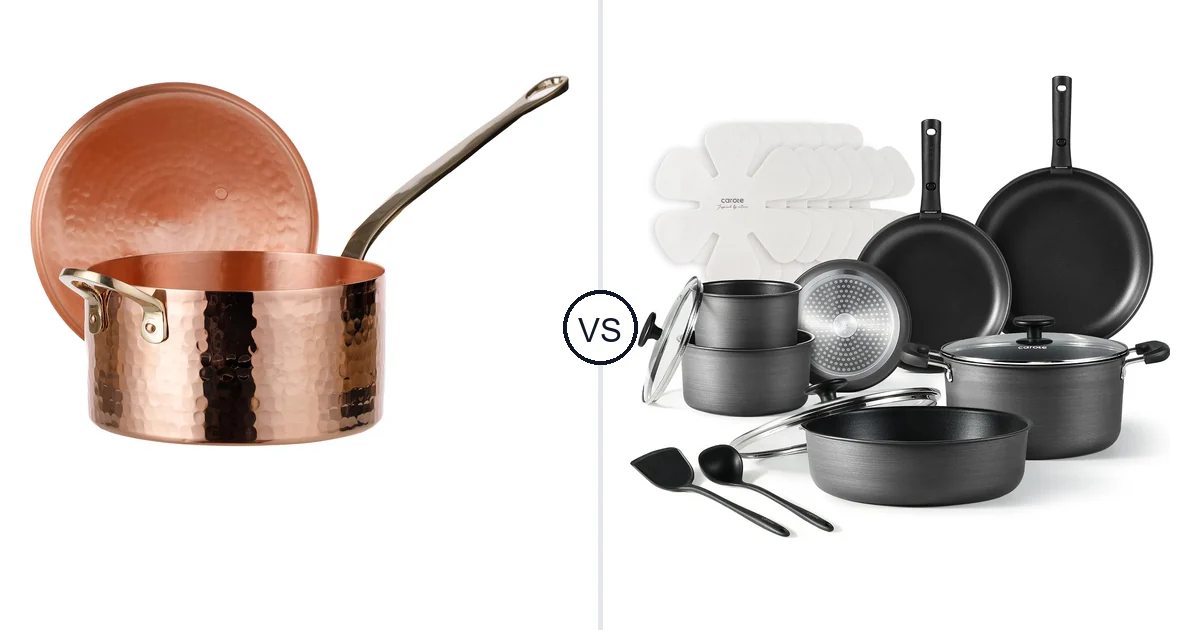
Copper represents the premium end of cookware materials comparison. Professional chefs and serious home cooks often favor copper for its superior heat conductivity and elegant appearance. Pure copper is often lined with stainless steel to prevent reactivity with food. Copper cookware is essentially a luxury choice that delivers both performance and aesthetics. From my observation of professional kitchens, copper cookware is often the choice when precision and performance matter most.
Copper cookware excels at heat conductivity, warming up quickly and distributing heat evenly across the cooking surface. This responsiveness makes copper ideal for delicate sauces, chocolate work, and precision cooking. The material looks stunning and adds professional elegance to any kitchen. Copper cookware develops a beautiful patina over time. These pans are durable and can last a lifetime when properly maintained.
The significant drawback of copper cookware is cost—these pans are expensive investments. Copper requires regular polishing to maintain its appearance, which is time-consuming. The material is reactive when unlined, requiring stainless steel linings. Copper cookware is heavy, which may be challenging for some users. Professional maintenance and recladding can add to long-term ownership costs.
Carbon Steel Cookware
Carbon steel offers a middle ground in cookware materials comparison that many cooks overlook. This material combines benefits of cast iron and stainless steel without all their drawbacks. Carbon steel is made from iron and carbon, similar to cast iron but thinner and lighter. It’s becoming increasingly popular among home cooks who want performance without the heavy weight.
Carbon steel cookware heats quickly and develops natural seasoning similar to cast iron. It’s lighter and more responsive than traditional cast iron, with better heat distribution. Carbon steel can handle high heat and is incredibly durable, lasting generations. The material is relatively affordable and works on all heat sources. As seasoning develops, carbon steel becomes increasingly non-stick without synthetic coatings.
Carbon steel requires seasoning and maintenance like cast iron. It reacts with acidic ingredients before seasoning is fully established. The learning curve is similar to cast iron regarding heat control and cooking techniques. Carbon steel isn’t commonly found in most cookware collections, making it less accessible than other materials.
Comparing Heat Conductivity
Heat conductivity fundamentally affects how cookware performs during cooking. This aspect of cookware materials comparison determines how quickly pans heat up and how evenly they distribute temperature. Copper has the highest heat conductivity, followed by aluminum, then stainless steel, cast iron, and carbon steel. The material you choose should match your cooking style and the types of dishes you prepare frequently. Materials with high conductivity heat quickly but cool down faster, while low-conductivity materials take longer to heat but retain temperature longer.
Durability and Longevity
Thinking about durability in cookware materials comparison means considering how long different materials truly last. Cast iron and carbon steel can genuinely last for generations if maintained properly. Copper cookware is similarly durable but requires professional maintenance. Stainless steel pans typically last 10-15 years with normal use. Non-stick cookware has the shortest lifespan, usually 3-5 years before the coating degrades. Your personal habits, cooking frequency, and care practices significantly impact actual longevity regardless of material.
Maintenance and Care
Each material in cookware materials comparison has specific maintenance requirements. Stainless steel requires regular cleaning and occasional polishing to maintain appearance. Cast iron needs seasoning and must be dried immediately to prevent rust. Non-stick cookware requires gentle handling and can’t withstand high heat or metal utensils. Aluminum should be hand-washed to preserve the anodized surface. Copper demands regular polishing for aesthetic maintenance. Carbon steel needs seasoning like cast iron but requires less maintenance overall. Understanding these requirements helps you choose cookware that fits your lifestyle and available time for maintenance.
Budget Considerations
Price plays an important role in cookware materials comparison for most home cooks. Aluminum cookware offers the most affordable options, making it perfect for budget-conscious shoppers. Stainless steel ranges from mid-range to premium depending on quality and brand. Cast iron is inexpensive initially but can become costly for quality vintage pieces. Non-stick cookware is moderate in price but requires frequent replacement. Carbon steel offers excellent value for cooks willing to season and maintain it. Copper cookware represents the premium price point and requires significant investment. Your budget should align with how often you’ll use and replace cookware over time.
Choosing the Right Cookware for Your Needs
Making the right choice in cookware materials comparison depends on honest self-assessment of your cooking habits. If you cook acidic dishes frequently, stainless steel or seasoned cast iron works best. For quick weeknight cooking with minimal cleanup, non-stick cookware is ideal. If you appreciate heritage and patient cooking, cast iron or carbon steel deserve consideration. For precision cooking and beautiful presentation, copper or quality stainless steel excels. Professional cooks typically have multiple cookware materials because different situations call for different tools.
Consider starting with versatile pieces rather than complete sets. A good quality stainless steel saucepan, a cast iron skillet, and perhaps a non-stick frying pan cover most cooking situations. Adding specialty pieces over time lets you expand based on actual needs. Most successful home cooks have a collection of different materials rather than relying on a single material. Your cookware should work with your lifestyle rather than against it.
Real-World Performance Testing
Testing cookware materials comparison in actual cooking reveals things that specifications alone can’t convey. I’ve experimented with searing steaks on stainless steel, non-stick, and cast iron to compare browning and heat retention. Stainless steel creates beautiful browning but requires technique to prevent sticking. Non-stick accomplishes the task easily but delivers less dramatic browning. Cast iron and carbon steel excel at creating restaurant-quality searing due to superior heat retention.
I’ve also tested boiling water in different materials to observe heat-up times. Aluminum and copper heat up in 2-3 minutes. Stainless steel takes 4-5 minutes. Cast iron takes 8-10 minutes but maintains temperature most consistently. Non-stick falls somewhere between aluminum and stainless steel. For cooking eggs, non-stick and well-seasoned cast iron require minimal fat while stainless steel demands proper technique. These real-world tests confirm that cookware materials comparison requires considering your specific cooking tasks and preferences.
Environmental and Health Considerations
Modern cookware materials comparison increasingly includes environmental and health factors. Cast iron and carbon steel require no toxic coatings and last decades, making them environmentally friendly choices. Ceramic non-stick coating represents a safer alternative to PTFE-based non-stick cookware. Stainless steel is recyclable and doesn’t contain harmful substances. Copper cookware is also recyclable. Non-stick cookware with PTFE raises concerns about chemicals and doesn’t biodegrade. When considering health, seasonings and proper cooking methods matter as much as material choice. Most modern cookware is safe when used appropriately and according to manufacturer guidelines.
Common Mistakes in Cookware Selection
I’ve observed common mistakes people make when approaching cookware materials comparison. Buying complete sets often leaves you with pieces you never use. Choosing based on appearance rather than functionality leads to frustration. Neglecting maintenance requirements for materials like cast iron causes disappointment. Assuming all non-stick cookware performs identically overlooks quality differences. Paying premium prices for materials that don’t match your cooking style wastes money. The best approach involves investing in one or two quality pieces and adding to your collection gradually as you identify actual needs.
Frequently Asked Questions
What is the best all-around cookware material?
Stainless steel is considered the best all-around choice because it’s durable, versatile, and works well for most cooking tasks. It doesn’t react with acidic foods and requires minimal special maintenance compared to other materials.
Is non-stick cookware safe for cooking?
Modern non-stick cookware using ceramic or newer PTFE coatings is generally safe when used at moderate temperatures and not overheated. However, traditional PTFE non-stick can release harmful fumes at very high temperatures.
Can you use cast iron on induction cooktops?
Yes, cast iron works excellently on induction cooktops because it’s magnetic. Carbon steel also works on induction, while aluminum and copper require special induction-compatible bases.
How long does non-stick cookware last?
Non-stick cookware typically lasts 3-5 years with normal use before the coating begins to degrade. Lifespan depends on cooking habits, heat levels used, and whether you use metal utensils.
Is stainless steel cookware truly non-reactive?
Yes, quality stainless steel cookware is non-reactive with all food types, including acidic ingredients like tomatoes and vinegar. The chromium content prevents reactions that affect food taste or pan condition.
What cookware works best for searing meat?
Cast iron and carbon steel excel at searing because they retain heat exceptionally well. Stainless steel also works well with proper heating and technique, while non-stick is less ideal for achieving restaurant-quality browning.
How often should I season cast iron cookware?
Cast iron benefits from occasional seasoning every few months or after thorough cleaning. Regular cooking with fat naturally builds seasoning over time, so formal seasoning sessions aren’t always necessary.
Conclusion
Choosing cookware through proper cookware materials comparison means understanding how different materials perform and which aligns with your cooking style. Stainless steel offers versatility and durability, cast iron provides heritage and superior heat retention, non-stick delivers convenience, and each material has legitimate uses in a well-equipped kitchen. Rather than viewing cookware materials comparison as finding one perfect option, consider building a collection that addresses different cooking tasks and preferences.
Your ideal cookware setup likely includes multiple materials that work together rather than competing. Start by investing in one quality piece that matches your most frequent cooking activities, then gradually expand based on actual needs. Pay attention to how different materials perform in your specific kitchen and cooking situations. The best cookware is ultimately the material you’ll use regularly and maintain consistently, whether that’s cast iron cherished for decades or reliable non-stick refreshed every few years. Evaluate your budget, cooking frequency, preferred dishes, and maintenance tolerance honestly to make a choice you’ll genuinely enjoy using every day.

Leave a Reply