
Non-toxic cookware keeps harmful chemicals out of your food and your body. If you’ve ever wondered whether the pan sizzling on your stove might be leaching dangerous substances into your meals, you’re not alone. Many home cooks are making the switch to non-toxic cookware for good reason, and this guide will help you understand exactly what to look for and why it matters for your family’s health.
Non Toxic Cookware Guide:Cooking is one of life’s greatest pleasures, but the tools we use shouldn’t come with hidden health risks. Over the years, I’ve tested dozens of cookware options in my own kitchen, researching everything from ceramic coatings to stainless steel construction.
What I’ve learned is that choosing non-toxic cookware doesn’t have to be complicated or expensive, but it does require understanding what makes certain options safer than others. This comprehensive guide breaks down everything you need to know about non-toxic cookware so you can cook with confidence.
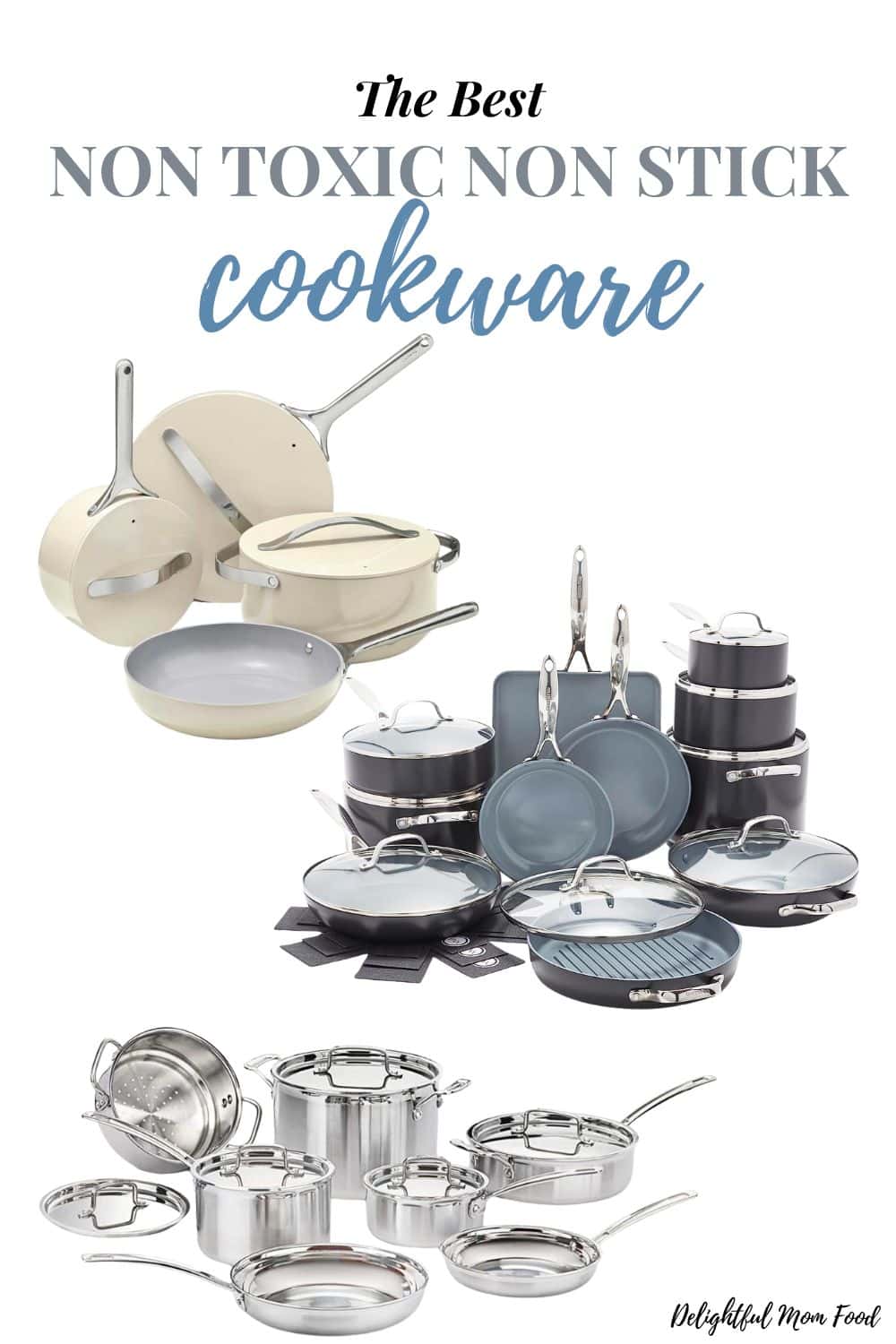
Understanding Non-Toxic Cookware
Non-toxic cookware refers to cooking vessels and tools made without harmful chemicals like PFOA, PTFE, lead, or cadmium. These pans are designed to prevent toxic substances from leaching into your food during the cooking process. The term has become increasingly important as consumers wake up to the potential health risks associated with conventional non-stick cookware.
The concept of non-toxic cookware gained momentum when research revealed that traditional non-stick coatings could break down at high temperatures and release harmful fumes. This discovery sparked a movement toward safer cooking alternatives that deliver performance without the health concerns. When you choose non-toxic cookware, you’re prioritizing what goes into your body and supporting sustainable, responsible manufacturing practices.
Understanding non-toxic cookware means recognizing that not all cookware marketed as “safe” actually meets rigorous standards. Some brands use misleading labels or simply avoid one problematic chemical while introducing another. This is why learning to read labels and understand materials is essential when shopping for non-toxic cookware options.
Source: debuyer-usa.com
The Hidden Dangers of Conventional Cookware
Conventional non-stick cookware has dominated kitchen cabinets for decades, but its dark side involves chemicals that most people don’t realize they’re cooking with. PFOA, also known as perfluorooctanoic acid, was used in traditional non-stick coatings and has been linked to serious health concerns including liver damage, thyroid disease, and cancer in some studies. PTFE, or polytetrafluoroethylene, is the chemical that makes pans non-stick, but it can release toxic fumes when heated above 500 degrees Fahrenheit.
Beyond non-stick coatings, many conventional cookware options contain heavy metals like lead and cadmium. These metals can leach into food, especially acidic foods or when the cookware becomes scratched or worn. Over time, consuming trace amounts of these metals accumulates in your body, potentially causing neurological problems, kidney damage, and developmental issues in children.
The heating process amplifies these risks significantly. When conventional non-toxic cookware alternatives aren’t available and people use traditional pans, microscopic particles can transfer into meals. Aluminum-core cookware, while lightweight and affordable, can oxidize and release aluminum into acidic foods like tomato sauce or lemon juice. This is why investing in non-toxic cookware represents a meaningful step toward protecting your family’s long-term health.

Source: youtube.com
Types of Non-Toxic Cookware Materials
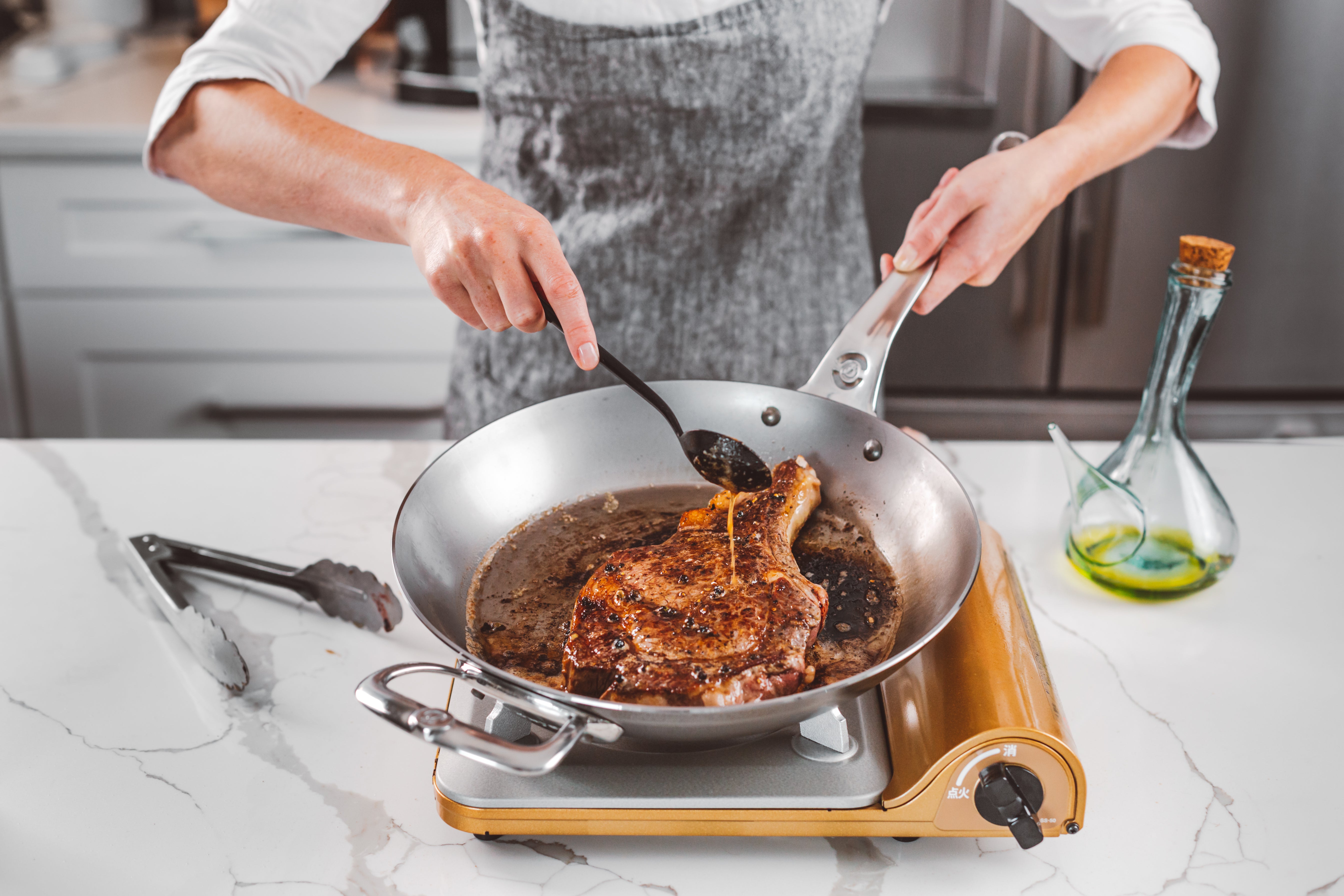
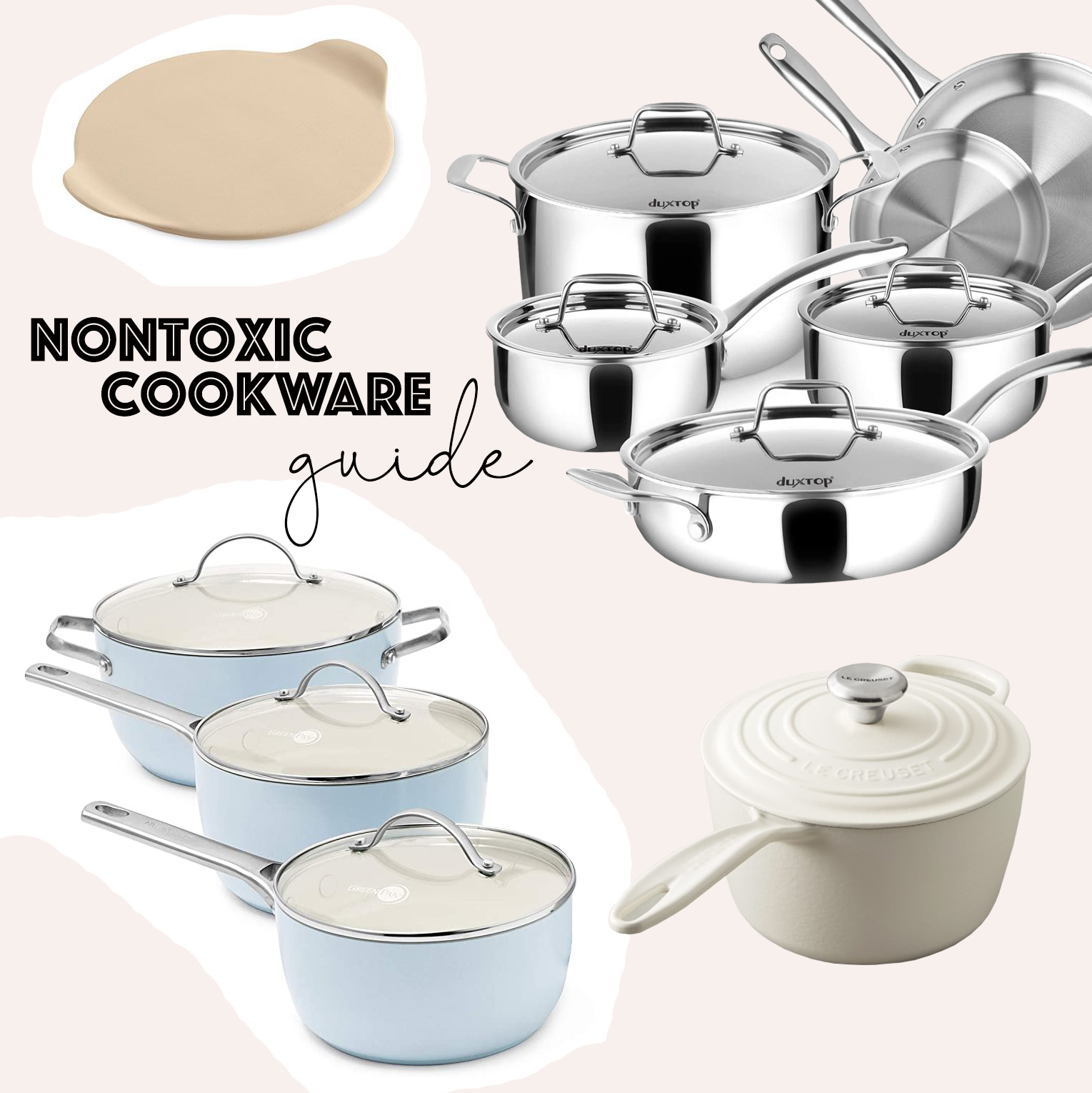
Stainless steel stands out as one of the safest and most durable options for non-toxic cookware. Composed primarily of iron, chromium, and nickel, quality stainless steel doesn’t react with food and won’t leach harmful substances into your meals. High-grade stainless steel cookware, typically marked as 18/10 or 18/8 (referring to chromium and nickel content), provides excellent heat distribution and can last for decades with proper care.
Cast iron represents another excellent choice for non-toxic cookware that’s been trusted for over a century. When properly seasoned, cast iron develops a natural non-stick surface without any chemical coatings. It distributes heat evenly, retains warmth exceptionally well, and actually adds beneficial iron to your food. Many people find cast iron cookware becomes more valuable and easier to use over time as the seasoning improves.
Ceramic cookware has exploded in popularity as a non-toxic cookware solution, offering vibrant colors and modern designs. True ceramic cookware is made from clay hardened at high temperatures, creating a naturally non-toxic cooking surface. However, you need to be careful because some “ceramic-coated” cookware features a ceramic layer over a metal base that may contain problematic materials. Look for non-toxic cookware labeled as pure ceramic or ceramic without additional coatings.
Glass cookware provides a completely inert cooking surface that won’t interact with food under any circumstances. Non-toxic cookware made from borosilicate glass withstands temperature changes and won’t crack easily. While glass cookware works beautifully for baking and stovetop cooking with proper care, it heats more slowly than metal options and requires careful handling to prevent breakage.
Carbon steel offers a middle ground between stainless steel and cast iron in the non-toxic cookware spectrum. This material combines the lightweight nature of aluminum with the durability and safety of steel. Seasoned carbon steel develops a natural non-stick surface similar to cast iron but heats up faster and responds more quickly to temperature changes, making it ideal for precise cooking techniques.
Source: jazz-leaf.com
What to Avoid When Choosing Non-Toxic Cookware
When shopping for non-toxic cookware, steering clear of certain red flags will protect you from making costly mistakes. Traditional non-stick cookware with PFOA or PTFE coatings should be avoided entirely, despite manufacturers claiming they’re now “PFOA-free.” Even replacement chemicals used in newer non-stick coatings haven’t been studied as thoroughly and may pose similar risks.
Cookware containing heavy metals presents another serious concern when evaluating non-toxic cookware options. Always check product certifications and test results if available, as some imported non-toxic cookware may contain lead-based glazes or cadmium in decorative elements. Avoid cookware with chipped or peeling coatings, as damaged non-toxic cookware can leach materials from underlying layers.
Melamine handles and plastic components deserve scrutiny when assessing non-toxic cookware quality. Some plastics leach BPA and phthalates when exposed to heat, so look for heat-resistant handles made from stainless steel, silicone, or wood. Cookware with questionable certifications or vague material descriptions should raise concerns, as legitimate non-toxic cookware manufacturers provide detailed composition information.
Extremely cheap non-toxic cookware often cuts corners on quality and safety standards. While you don’t need to spend a fortune on cookware, the cheapest options frequently contain concerning materials that manufacturers hide or don’t test thoroughly. Budget-friendly non-toxic cookware does exist from reputable brands, but if a deal seems too good to be true, investigate the product thoroughly before purchasing.

Source: cupindy.com
Benefits of Making the Switch to Non-Toxic Cookware
Switching to non-toxic cookware directly protects your family’s health by eliminating exposure to harmful chemicals during meal preparation. When you cook with non-toxic cookware, you remove the risk of consuming PFOA, PTFE, lead, and other toxic substances that accumulate in your body over time. This single change creates a meaningful impact on your family’s overall wellness and longevity.
The durability of quality non-toxic cookware makes it a smart financial investment despite potentially higher upfront costs. Cast iron, stainless steel, and ceramic cookware can last for decades or even generations with proper care. While conventional non-stick cookware needs replacing every few years as coatings wear down, non-toxic cookware options often improve with age, ultimately saving you money and reducing waste.
Non-toxic cookware often performs better in the kitchen once you learn its quirks and characteristics. Stainless steel develops better browning and caramelization than non-stick surfaces, creating deeper flavors in your dishes. Cast iron and carbon steel distribute heat evenly and retain warmth, allowing for superior cooking control. Many professional chefs prefer these materials precisely because they offer performance advantages along with safety.
Environmental consciousness aligns with choosing non-toxic cookware, as these materials avoid the manufacturing processes that release harmful chemicals into the environment. Traditional non-stick cookware production creates fluorinated waste that persists in ecosystems and drinking water supplies. By selecting non-toxic cookware, you’re supporting manufacturing practices that respect both human health and environmental integrity.
Source: southerncurlsandpearls.com
How to Properly Care for Non-Toxic Cookware
Caring for your non-toxic cookware investment ensures it performs optimally and lasts for years. Stainless steel cookware requires regular cleaning with hot water and mild dish soap, and you can use steel wool or abrasive cleaners without worrying about damaging a delicate coating. For stubborn stuck-on food, let non-toxic cookware soak in warm soapy water before scrubbing gently.
Cast iron cookware needs different care than other non-toxic cookware types. Hand wash cast iron immediately after cooking while it’s still warm, using minimal soap and a soft brush or cloth. Dry it completely by placing it on the stovetop for a minute or two, then apply a thin coat of oil while still warm to maintain the seasoning. Avoid soaking cast iron or putting it in the dishwasher, as this strips the protective seasoning layer that makes non-toxic cookware so valuable.
Ceramic non-toxic cookware requires gentler handling than metal options. Use wooden or silicone utensils to avoid scratching the surface, and avoid sudden temperature changes that could cause cracking. Most ceramic non-toxic cookware is dishwasher-safe, though hand washing extends its lifespan. Never use metal scrubbers on ceramic non-toxic cookware, as this damages the cooking surface and may expose underlying materials.
Carbon steel non-toxic cookware benefits from seasoning similar to cast iron, building up a natural non-stick patina over time. However, it’s more responsive to cleaning than cast iron and can tolerate a bit more scrubbing without damage. Dry your carbon steel cookware thoroughly after washing, and occasionally apply a thin layer of oil to maintain the seasoning and prevent rust.

Source: cupindy.com
Transition Tips: Moving from Conventional to Non-Toxic Cookware
Making the switch to non-toxic cookware doesn’t require replacing your entire kitchen at once. Start by investing in one or two pieces that will get the most use, such as a skillet or sauce pot. This allows you to experience non-toxic cookware performance and build confidence before expanding your collection. You can gradually transition as your budget allows, replacing conventional pans with non-toxic cookware options over several months or years.
Learning the cooking techniques specific to your non-toxic cookware choice accelerates the adjustment period significantly. Cast iron and stainless steel require different heat management than non-stick cookware, so practice with recipes that forgive small mistakes. Watch videos, read guides, and give yourself grace as you master these materials. Within a few weeks of regular use, non-toxic cookware handling becomes second nature.
Don’t feel pressured to switch everything to the same material. Many experienced cooks maintain a collection mixing stainless steel, cast iron, and ceramic non-toxic cookware options. This approach lets you choose the best tool for each specific cooking task while maintaining variety in your kitchen. Non-toxic cookware diversity actually enhances your cooking flexibility and results.
Properly disposing of old conventional cookware matters when making space for non-toxic cookware. Some recycling programs accept non-stick cookware, while others classify it as hazardous waste. Contact your local waste management facility to determine the proper disposal method for your conventional pans. This ensures that harmful chemicals don’t enter landfills or water supplies as you transition to safer non-toxic cookware.
Budget-Friendly Non-Toxic Cookware Options
You don’t need to spend thousands of dollars to equip your kitchen with non-toxic cookware, though quality does deserve investment. Cast iron cookware represents the most budget-friendly non-toxic cookware option, with new pieces often costing between ten and thirty dollars. Vintage cast iron non-toxic cookware from thrift stores costs even less and frequently performs better than modern versions after proper restoration.
Mid-range stainless steel cookware provides excellent value for non-toxic cookware shoppers willing to spend fifty to one hundred dollars per piece. Brands offering solid stainless steel construction without premium pricing deliver non-toxic cookware performance comparable to luxury options. Look for non-toxic cookware sales and outlet retailers to score deals on quality pieces without compromising on safety standards.
Ceramic non-toxic cookware ranges widely in price depending on brand and quality. Basic ceramic non-toxic cookware sets cost as little as twenty to thirty dollars, though these may have durability concerns. Investing slightly more in quality ceramic non-toxic cookware, around fifty to eighty dollars for a few pieces, ensures better heat distribution and longevity. Many people find mixing budget and premium non-toxic cookware creates the perfect kitchen balance.
Shopping second-hand opens incredible opportunities for finding quality non-toxic cookware at fraction prices. Estate sales, thrift stores, and online marketplaces frequently stock excellent vintage cast iron and stainless steel cookware. Inspect non-toxic cookware carefully for damage, but many pre-owned pieces function beautifully for decades longer. This approach to non-toxic cookware collecting also supports sustainability by keeping quality items out of landfills.
Reading Labels and Certifications for Non-Toxic Cookware
Decoding non-toxic cookware labels requires understanding what certifications actually mean and which ones matter most. Look for non-toxic cookware marked “PFOA-free” and “PTFE-free,” though being free from one specific chemical doesn’t guarantee safety from others. Third-party certifications like Greenguard Gold or Made Safe provide more comprehensive testing and ongoing monitoring than manufacturer claims alone.
FDA approval doesn’t guarantee safety for non-toxic cookware since the FDA doesn’t test cookware for all potential hazards. Check if your non-toxic cookware meets California Proposition 65 standards, which require warnings if products contain chemicals known to cause cancer or reproductive harm. Non-toxic cookware complying with these stricter state standards generally indicates a manufacturer taking safety seriously.
Material composition should appear clearly on packaging for legitimate non-toxic cookware. If you can’t find detailed information about what your cookware contains, that’s a red flag. Quality non-toxic cookware brands provide exact percentages of materials, list any coatings used, and disclose handle materials transparently. Avoid non-toxic cookware with vague descriptions like “safe coating” or “natural materials” without further specification.
Researching brand reputation adds another layer of verification when selecting non-toxic cookware. Read independent reviews from actual users rather than relying solely on marketing language. Check if the manufacturer has faced lawsuits or complaints related to their non-toxic cookware products. Established brands with long histories of producing non-toxic cookware offer greater reassurance than newer companies making unsubstantiated safety claims.
Professional Chef Perspectives on Non-Toxic Cookware
Many professional chefs prefer non-toxic cookware materials like stainless steel and cast iron, choosing safety and performance over convenience. In restaurant kitchens where non-toxic cookware standards matter tremendously, you’ll find professional-grade stainless steel and cast iron equipment. Chefs appreciate how non-toxic cookware develops character and improves over time, creating better cooking results as experience accumulates.
Celebrity chefs and cooking experts increasingly advocate for non-toxic cookware in home kitchens, acknowledging both health and culinary benefits. They emphasize that switching to non-toxic cookware changes your cooking experience in positive ways. Learning to cook with non-toxic cookware builds better technique and understanding of heat management, skills that transfer to all cooking situations.
Culinary schools increasingly teach non-toxic cookware techniques alongside traditional methods, recognizing that students should understand materials they’ll use professionally. Non-toxic cookware training in professional settings shows that mastering these materials creates versatile skills applicable across various cooking styles. This professional endorsement of non-toxic cookware validates the shift toward safer kitchen practices.
Common Myths About Non-Toxic Cookware
One persistent myth suggests non-toxic cookware doesn’t perform as well as conventional non-stick options, but evidence contradicts this completely. Properly used stainless steel, cast iron, and ceramic non-toxic cookware actually perform better than non-stick surfaces, offering superior browning and heat retention. The learning curve for non-toxic cookware is real, but performance surpasses convenience once you master these materials.
Another widespread misconception claims non-toxic cookware costs prohibitively more than conventional options, making the switch unaffordable for average households. In reality, budget-friendly non-toxic cookware exists at reasonable price points, and longevity makes these options more economical long-term. When you factor in not needing to replace non-toxic cookware every few years, the cost difference becomes negligible or actually favors non-toxic cookware.
Some people believe non-toxic cookware doesn’t need seasoning or special care, expecting it to function like modern non-stick pans with zero maintenance. While some non-toxic cookware types require less fussing than others, all cookware benefits from proper handling. Understanding care requirements for your specific non-toxic cookware type ensures optimal performance and longevity.
The myth that “PFOA-free” automatically means safe non-toxic cookware has misled many consumers. While PFOA-free matters, manufacturers may have replaced it with chemicals that haven’t undergone adequate long-term testing. This is why comprehensive certifications and transparent labeling matter more than isolated claims when evaluating non-toxic cookware products.
Making Your Non-Toxic Cookware Starter Kit
Building a functional non-toxic cookware collection doesn’t require dozens of pieces or overwhelming expense. Begin with an eight to ten-inch stainless steel or cast iron skillet, the workhorse of any kitchen that handles everything from vegetables to meats to eggs. This single non-toxic cookware piece covers most everyday cooking tasks and proves invaluable for developing skills and confidence.
Add a three-quart sauce pot with a lid to your non-toxic cookware collection next. Stainless steel or ceramic non-toxic cookware works beautifully for boiling pasta, making soups, and cooking grains. A matching lid, even if you purchase it separately, prevents splatters and helps retain heat. This non-toxic cookware combination gives you flexibility for nearly all stovetop cooking scenarios.
Include a nine by thirteen-inch ceramic or glass baking dish in your non-toxic cookware starter kit for oven cooking and baking. This single piece replaces numerous specialty non-toxic cookware items and works for casseroles, sheet pan dinners, and baked goods. Glass or ceramic non-toxic cookware for baking offers completely safe cooking without any concerns about chemical leaching.
Consider adding a cast iron Dutch oven to your non-toxic cookware collection for soups, stews, and braised dishes. This versatile non-toxic cookware transitions beautifully from stovetop to oven, performing tasks that most modern cookware can’t handle. A quality Dutch oven becomes an heirloom piece in your non-toxic cookware arsenal, potentially lasting longer than you do.
Frequently Asked Questions
Is non-toxic cookware actually worth the investment?
Yes, non-toxic cookware is absolutely worth the investment when you consider health benefits and longevity. While upfront costs may be higher than cheap conventional cookware, quality non-toxic cookware lasts decades and eliminates exposure to harmful chemicals in your food. The cost per use decreases significantly over time compared to constantly replacing conventional pans.
Can I use non-toxic cookware on induction cooktops?
Most non-toxic cookware works on induction cooktops, but stainless steel and cast iron materials are your best options. Ceramic and glass non-toxic cookware typically won’t work on induction unless they have a ferromagnetic base. Check product specifications before purchasing non-toxic cookware if you have an induction stove, as not all options are compatible.
How do I remove rust from vintage cast iron non-toxic cookware?
Light rust on cast iron non-toxic cookware can be removed by scrubbing with steel wool or a wire brush, then washing and drying thoroughly. For heavy rust on non-toxic cookware, soak the piece overnight in white vinegar, then scrub and dry completely. After removing rust from non-toxic cookware, immediately season it with oil to prevent new rust formation and maintain the protective coating.
What oils are best for seasoning non-toxic cookware?
High-smoke-point oils like avocado oil, vegetable oil, or grapeseed oil work best for seasoning non-toxic cookware. Avoid low-smoke-point oils like olive oil for seasoning, as they smoke excessively and don’t create a durable coating. Apply a very thin layer of your chosen oil to clean, dry non-toxic cookware and buff away excess before storing to prevent sticky buildup.
Can scratches in ceramic non-toxic cookware make it unsafe?
Minor surface scratches in ceramic non-toxic cookware don’t make it unsafe as long as the underlying material remains intact. Deep scratches that penetrate through the ceramic layer on non-toxic cookware deserve closer inspection to determine what base material lies beneath. If you discover concerning materials underneath damaged non-toxic cookware, it’s best to retire that piece.
Does non-toxic cookware leach any substances into food?
Quality non-toxic cookware made from pure materials like stainless steel, cast iron, or ceramic doesn’t leach harmful substances into food. Stainless steel may release tiny amounts of iron or chromium, but these occur in such minuscule quantities that they pose no health risk and may even provide nutritional benefit. This is precisely why non-toxic cookware represents a significant upgrade from conventional alternatives.
How should I store non-toxic cookware to keep it in good condition?
Store non-toxic cookware in cool, dry places to prevent rust and damage. Stack cast iron pieces with paper towels between them to prevent scratching and rust transfer. Keep stainless steel and ceramic non-toxic cookware in cabinets rather than hanging on walls to minimize dust exposure and temperature fluctuations. Proper storage extends the lifespan of your non-toxic cookware investment substantially.
Conclusion
Choosing non-toxic cookware represents one of the most impactful decisions you can make for your family’s health and cooking experience. Whether you select cast iron, stainless steel, ceramic, or carbon steel, you’re eliminating exposure to harmful chemicals that conventional cookware introduces into your food daily. The transition requires patience and willingness to learn new techniques, but the benefits extend far beyond health protection to include superior cooking performance and lasting durability.
Your journey with non-toxic cookware starts with understanding your options and choosing materials that align with your cooking style and budget. You don’t need to replace everything immediately or spend a fortune to begin this transition. Start small with one or two quality pieces, build your skills, and gradually expand your non-toxic cookware collection as your confidence grows.
Take action today by identifying one piece of non-toxic cookware to add to your kitchen. Research brands that align with your values and budget, read customer reviews, and make an informed purchase. Your future self will appreciate the investment in cookware that keeps your family safe while helping you create delicious meals for years to come.

Leave a Reply