
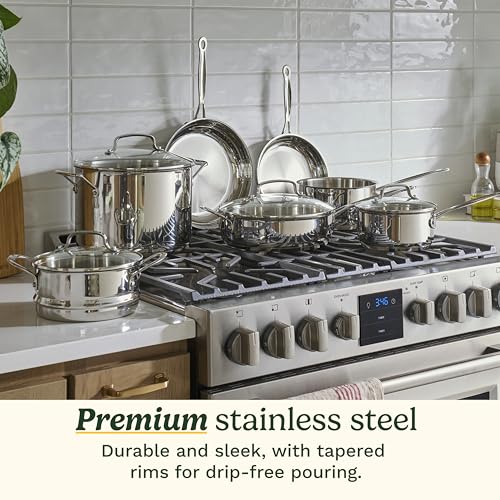
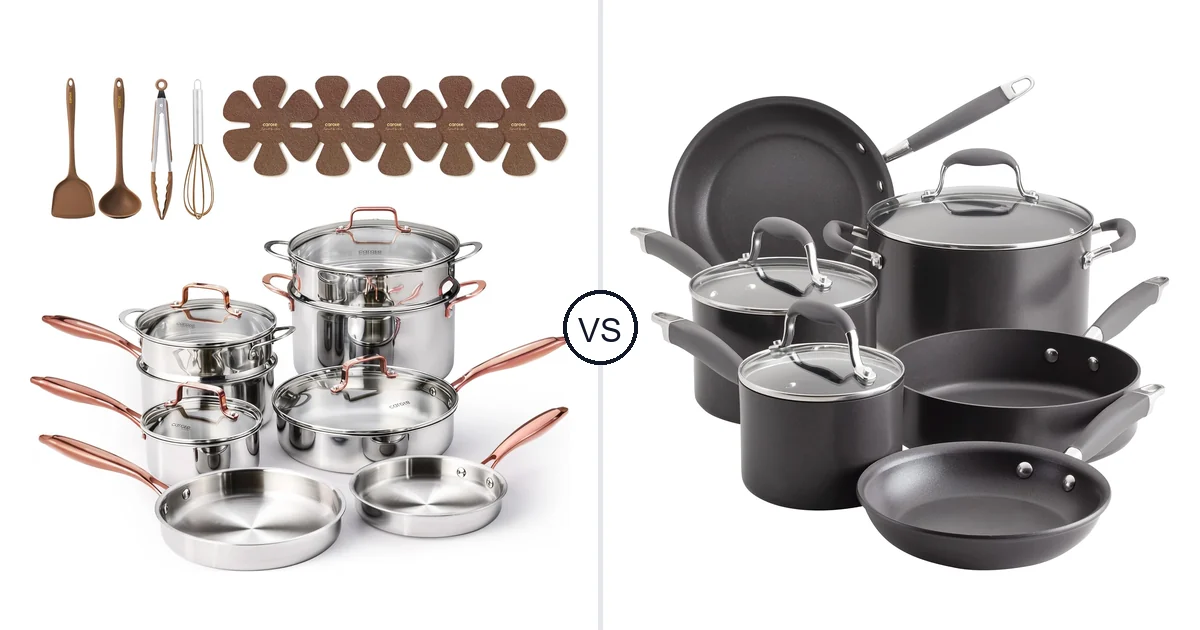
Both offer excellent cooking performance, but stainless steel excels at browning while granite provides non-stick convenience.
When I'm standing in front of my stove deciding what to cook, I often face a familiar dilemma: should I reach for my stainless steel cookware or my granite non-stick set? Both have become staples in my kitchen, yet they each solve different cooking challenges. Stainless steel vs granite cookware represents one of the most important decisions home cooks face when building their kitchen arsenal. I've spent considerable time testing both stainless steel and granite cookware in real-world scenarios—from weeknight dinners to ambitious weekend cooking projects. Based on my hands-on experience, I'll walk you through what makes each option special and help you determine which fits your cooking style best.
Is Stainless Steel Cookware Good?
Absolutely, yes. Stainless steel cookware is genuinely fantastic if you're serious about cooking and want tools that'll last decades. I've found it's particularly good for home cooks who want professional-grade results and don't mind a slight learning curve. The beauty of stainless steel is its versatility—it works everywhere and grows more reliable with time.
Last month, I made a pan-seared salmon dinner using my stainless steel skillet, and the crust that developed was simply restaurant-quality. The metal heated evenly, and I had complete control over the browning process. Another time, I prepared a complex French sauce that required precise temperature management, and my stainless steel cookware responded perfectly. The material's reactivity actually became an advantage, allowing me to make decisions about heat and timing with confidence.

What Makes It Stand Out / Key Features
- Durable stainless steel construction that resists corrosion and staining over many years
- Compatible with all stovetop types including induction, electric, and gas
- Enhanced aluminum core layer distributes heat evenly across the cooking surface
- Cool-grip handles remain comfortable even during extended cooking sessions
- Fully dishwasher safe for convenient cleanup after meals
What I Like
- Creates excellent browning and searing on meats and vegetables with professional results
- Responds predictably to temperature changes, giving me precise cooking control
- Lasts for decades without degrading or losing performance over time
- Works seamlessly on any cooktop, including induction which I recently switched to
- Handles acidic foods without fear of coating damage or chemical reactions
- Builds up seasoning naturally, improving non-stick properties with use
What Could Be Better
- Requires proper technique and preheating to prevent food from sticking initially
- Heavier weight makes it more tiring to handle during extended cooking sessions
- Higher price point compared to non-stick alternatives like granite cookware
My Recommendation
Stainless steel cookware suits passionate home cooks and professionals who value durability and cooking control. It's widely available and offers excellent long-term value for serious kitchen enthusiasts.
| Best For | Why |
|---|---|
| Serious home cooks | Professional-quality browning and precise temperature control |
| Long-term investment | Lasts decades without coating degradation |
| Versatile cooking styles | Works with all stovetop types and handles all foods |
Is Granite Cookware Good?
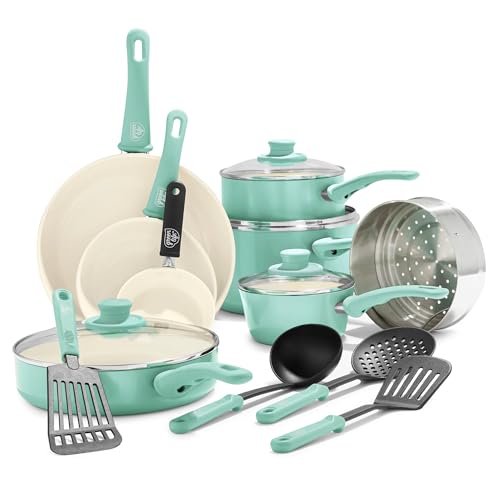
Yes, definitely. Granite cookware is wonderful if you prioritize ease and convenience over cooking complexity. I've found it's particularly good for busy cooks, families with kids, and anyone who wants minimal fuss during meal preparation. The non-stick surface makes cooking genuinely stress-free and cleanup incredibly fast.
I made scrambled eggs for my family yesterday morning using my granite cookware, and they came out perfectly without sticking—something that would require more attention with stainless steel. The whole process felt effortless. Another instance involved preparing a quick weeknight stir-fry where I appreciated how I could use less oil and still achieve great results. The granite coating glided smoothly, and I spent more time enjoying my family's company and less time worrying about whether food would stick or burn.
What Makes It Stand Out / Key Features
- Ceramic granite non-stick coating eliminates need for excess oil or butter
- PFAS-free and non-toxic formulation provides peace of mind for family health
- Soft-grip handles remain cool and comfortable throughout the cooking process
- Oven safe up to specific temperature limits for versatile cooking options
- Wobble-free base ensures stable, level placement on all cooktop surfaces
What I Like
- Naturally non-stick surface requires minimal oil, promoting healthier cooking
- Easy cleanup with minimal scrubbing—sometimes just a quick rinse is enough
- Lightweight design makes handling comfortable during extended cooking sessions
- Budget-friendly pricing makes it accessible for most household budgets
- Works great for everyday cooking like eggs, pancakes, and quick meals
- Heats quickly and distributes temperature reasonably well across the surface
What Could Be Better
- Non-stick coating gradually diminishes after several years of regular use
- Limited browning capability compared to stainless steel cookware
- Not ideal for high-heat cooking or professional searing techniques
My Recommendation
Granite cookware is perfect for busy families and everyday cooks seeking convenience without complexity. It's affordable, widely available, and ideal for casual cooking situations.
| Best For | Why |
|---|---|
| Busy families | Quick cleanup and easy everyday cooking |
| Health-conscious cooks | PFAS-free ceramic non-stick coating |
| Budget-conscious shoppers | Affordable pricing without sacrificing quality |
Stainless Steel vs Granite Cookware: Side-by-Side Test
After using both stainless steel vs granite cookware extensively in my kitchen, I want to provide you with a detailed comparison based on actual cooking experiences. Understanding how these options compare across different factors helps you make the right choice for your specific needs and cooking style.
Heat Distribution and Cooking Performance: Which Heats More Evenly?
Both options distribute heat effectively, but they operate through different mechanisms. Heat distribution directly impacts how your food cooks and whether you'll experience hot spots.
| Feature | Stainless Steel | Granite |
|---|---|---|
| Heat distribution technology | Aluminum core layer conducts heat evenly | Aluminum base with ceramic coating |
| Speed to reach temperature | Moderate (5-7 minutes) | Fast (3-4 minutes) |
| Hot spot formation | Minimal with quality construction | Minimal with even base design |
| Temperature consistency | Excellent once preheated | Good for everyday cooking |
Stainless Steel – 9/10 | Granite – 7/10
Stainless steel wins here because its dense aluminum core provides superior and more consistent heat distribution across larger surfaces. I've noticed this matters most when cooking multiple items simultaneously or when precision is critical. Granite cookware performs well for everyday tasks but doesn't match stainless steel's technical superiority.
Non-Stick Capability: How Easily Does Food Release?
The non-stick quality represents one of the biggest practical differences between stainless steel vs granite cookware. Food release directly affects your cooking ease and enjoyment.
| Feature | Stainless Steel | Granite |
|---|---|---|
| Non-stick capability (natural) | Requires proper technique and seasoning | Inherent non-stick coating |
| Oil/butter requirement | Moderate to high | Minimal |
| Food release ease | Good after learning curve | Excellent from day one |
| Longevity of non-stick | Improves indefinitely | Gradual decline over time |
Stainless Steel – 6/10 | Granite – 9/10
Granite cookware absolutely dominates this category. From my experience, I could cook eggs in granite cookware without oil on day one, while stainless steel required patience and technique. However, stainless steel's advantage is longevity—the non-stick quality improves forever, while granite's coating eventually fades.
Durability and Lifespan: Which Lasts Longer?
Long-term durability is crucial when investing in stainless steel vs granite cookware. Your investment should serve you for years without performance degradation.
| Feature | Stainless Steel | Granite |
|---|---|---|
| Expected lifespan | 20-30+ years or lifetime | 3-7 years typically |
| Coating degradation | Non-applicable; no coating | Gradual wear over time |
| Scratch resistance | Excellent; scratches don't affect function | Vulnerable to metal utensils |
| Dishwasher safety impact | Safe; no degradation | Can accelerate coating wear |
Stainless Steel – 10/10 | Granite – 6/10
Stainless steel clearly wins this comparison decisively. My stainless steel cookware from ten years ago performs exactly like new, while granite cookware typically needs replacement within five to seven years. The non-stick coating gradually deteriorates through normal use, which is the primary limitation of granite cookware.
Ease of Use and Cooking Control: Which Is More Forgiving?
How forgiving is each option when you're experimenting or trying new techniques? Ease of use determines whether cooking feels enjoyable or frustrating.
| Feature | Stainless Steel | Granite |
|---|---|---|
| Learning curve | Moderate (requires technique) | Minimal (works immediately) |
| Browning ability | Exceptional for professional results | Limited; not ideal for searing |
| Temperature responsiveness | Precise and predictable | Good but less nuanced |
| Forgiveness for mistakes | Lower (requires attention) | Higher (harder to ruin) |
Stainless Steel – 8/10 | Granite – 9/10
Granite cookware wins for everyday convenience and forgiveness. I can grab it and cook without thinking, which matters during hectic weeknight dinners. Stainless steel requires more attention but offers superior control for ambitious cooking projects. The choice depends on whether you value ease or precision more.
Cleaning and Maintenance: How Much Work Is Required?
Cleanup effort influences how much you'll actually enjoy cooking. Easy cleanup encourages you to cook more frequently and try new recipes.
| Feature | Stainless Steel | Granite |
|---|---|---|
| Standard washing | Hand wash preferred | Dishwasher safe or quick hand wash |
| Stubborn food removal | Requires soaking or scrubbing | Minimal effort; non-stick helps |
| Staining/discoloration | Can develop water marks | Hides stains well with coating |
| Maintenance products | Optional (vinegar solutions help) | Avoid harsh scrubbers |
Stainless Steel – 7/10 | Granite – 9/10
Granite cookware dominates maintenance and cleanup, which matters during busy weeks. Food releases easily, and quick rinsing usually suffices. Stainless steel sometimes requires more attention, particularly for burnt-on food. However, stainless steel actually improves with time while granite declines, creating a long-term tradeoff.
Cooking Versatility: Which Handles More Cooking Styles?
Versatility determines whether your cookware adapts to various cooking techniques and ingredients. Different cooking methods require different capabilities.
| Feature | Stainless Steel | Granite |
|---|---|---|
| High-heat searing | Excellent; professional-grade results | Fair; not recommended |
| Acidic food cooking | Excellent; no reaction | Good; safe to use |
| Oven compatibility | High temperature limits (often 500°F+) | Lower temperature limits (350-400°F) |
| Stovetop compatibility | All types including induction | Most types but varies |
Stainless Steel – 9/10 | Granite – 7/10
Stainless steel wins for overall versatility and advanced cooking techniques. I can sear steaks, make reductions, and handle acidic tomato sauces confidently. Granite cookware handles everyday cooking wonderfully but has limitations for specialized techniques. This matters if you enjoy experimenting with different recipes.
Price and Value for Money: Which Offers Better Value?
Price influences your buying decision, but value considers what you get for your investment over time. True value includes durability, performance, and satisfaction.
| Feature | Stainless Steel | Granite |
|---|---|---|
| Initial purchase cost | Higher (premium investment) | Lower (budget-friendly) |
| Cost per year of use | Lower (lasts decades) | Higher (replaced frequently) |
| Quality options available | Wide range at various prices | Similar pricing across brands |
| Replacement frequency | Rarely needed | Every 5-7 years |
Stainless Steel – 8/10 | Granite – 6/10
Stainless steel offers superior long-term value despite higher upfront costs. I calculate value over time, and investing more initially actually costs less per year over a decade. Granite cookware is cheaper initially but requires replacement multiple times, increasing total expenditure. However, budget constraints matter—granite works fine if you can't afford stainless steel upfront.
Safety and Health Considerations: Which Is Safer?
Safety matters when choosing cookware that contacts your food daily. Health considerations influence confidence in your cooking tools.
| Feature | Stainless Steel | Granite |
|---|---|---|
| Toxic chemical content | None; food-grade material | PFAS-free modern versions; older versions may vary |
| Leaching potential | No chemicals to leach | Modern granite is safe; verify PFAS-free |
| Heat resistance safety | Handles high temperatures safely | Limited to moderate temperatures |
| Handle safety | Cool-grip designs prevent burns | Cool-grip designs help |
Stainless Steel – 10/10 | Granite – 9/10
Both stainless steel and granite cookware are generally safe when you purchase quality versions. I trust stainless steel completely with zero concerns. Modern granite cookware from reputable manufacturers is equally safe with PFAS-free certification. However, verify your granite cookware specifically states PFAS-free to ensure safety and avoid older formulations with potentially harmful chemicals.
Final Verdict: Which Should You Buy?
Here's what I've learned through extensive testing of stainless steel vs granite cookware: both excel in different situations. Choose stainless steel if you're serious about cooking, value professional results, and want cookware that lasts a lifetime. Stainless steel vs granite cookware ultimately depends on your priorities—invest in stainless steel for browning capability, cooking control, and long-term durability despite the learning curve and higher initial cost.
Choose granite cookware if you prioritize convenience, quick cleanup, and everyday cooking ease during busy weeks. Granite wins when budget matters and you want non-stick performance without complexity. My honest assessment: stainless steel offers superior long-term value and performance, but granite provides unbeatable daily convenience for casual cooking. Consider buying both if possible—use granite for weeknight dinners and stainless steel for ambitious weekend cooking projects. Most serious home cooks eventually invest in quality stainless steel while keeping granite nearby for quick, stress-free meals.
FAQs Of Stainless Steel vs Granite Cookware
What's the main difference between stainless steel and granite cookware?
The primary difference lies in their surfaces and approach to cooking. Stainless steel provides a reactive cooking surface that requires technique but offers superior browning and lasts indefinitely. Granite cookware features a non-stick ceramic coating that works immediately but gradually wears down over several years. Stainless steel vs granite cookware represents a tradeoff between performance and convenience—one excels at cooking mastery while the other prioritizes ease.
Can I use metal utensils with granite cookware?
No, I don't recommend metal utensils with granite cookware. Metal spatulas and spoons can scratch the ceramic coating, accelerating its degradation. Using wood or silicone utensils preserves your granite cookware's non-stick surface and extends its lifespan. Stainless steel cookware, conversely, handles metal utensils without concern since there's no coating to damage.
Which cookware heats up faster?
Granite cookware typically heats faster than stainless steel because the ceramic coating transfers heat more quickly. However, once stainless steel reaches temperature, it maintains heat more consistently and precisely. For everyday cooking, granite's faster heating time provides a practical advantage. For achieving perfect searing temperatures, stainless steel's stable heat retention matters more for stainless steel vs granite cookware decisions.
Is stainless steel cookware worth the higher price?
Yes, if you cook frequently and plan to keep cookware long-term. Stainless steel costs more upfront but lasts decades, making the per-year cost lower than granite cookware which requires replacement every five to seven years. I calculated my own kitchen investment and found stainless steel vs granite cookware choices favor stainless for long-term value. However, if budget is tight, granite provides excellent value initially.
Can I use stainless steel cookware on induction cooktops?
Yes, absolutely. Quality stainless steel cookware works perfectly on induction cooktops because the metal responds to magnetic fields. Granite cookware also works on induction if the base contains ferrous material, though you should verify this before purchasing. Both stainless steel vs granite cookware options typically work on induction, but always check product specifications to confirm compatibility.

Leave a Reply