
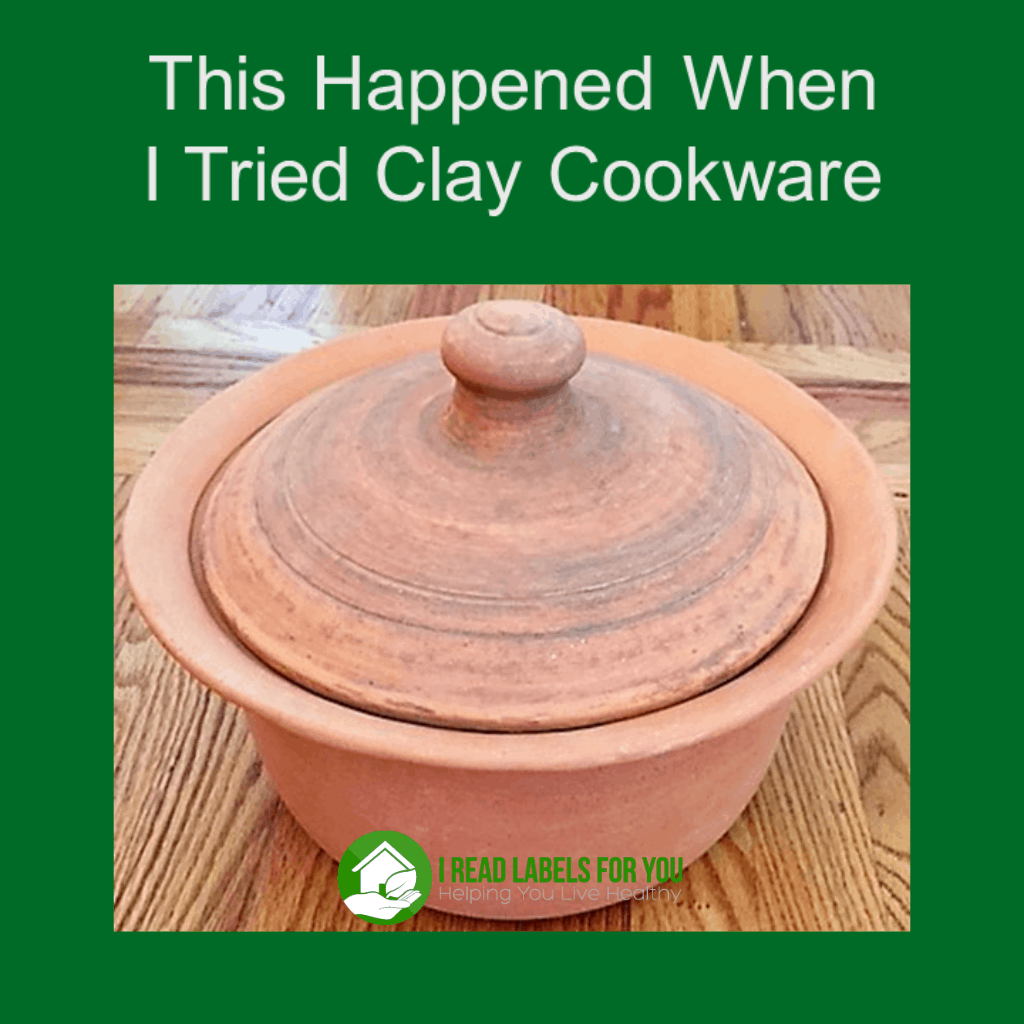
Cookware is not made from ionic compounds because they are brittle and have poor heat conductivity. Ionic compounds typically shatter under the stress of high heat and rapid temperature changes.
Why Is not Cookware Ionic:Cookware demands materials that withstand high temperatures, distribute heat evenly, and are durable enough to handle the wear and tear of kitchen use. Metals like stainless steel, cast iron, and aluminum fit the bill perfectly, as they are not only excellent conductors of heat but also robust and long-lasting.
These materials can take the constant heating and cooling without breaking, making them ideal for pots and pans. The choices in materials also consider the safety and taste of food, ensuring that cookware does not chemically react with the food being prepared. An ideal cooking surface is non-reactive, easy to clean, and maintains its integrity over time, which is why metals are the go-to choice for manufacturers and chefs alike.
The Mystery Of Non-ionic Cookware
Kitchen mysteries often involve flavors and recipes. Yet, cookware materials spark curiosity too. Why don’t we use ionic compounds in pots and pans? Let’s unravel this kitchen conundrum.
What Makes Cookware Non-ionic?
Cookware needs to be durable, heat-resistant, and non-reactive. Ionic compounds, while stable, don’t offer these qualities when heated. Metals and alloys, on the other hand, do. They provide consistent heat distribution and longevity. This makes them ideal for cooking.
Comparing Ionic And Non-ionic Materials
| Ionic Compounds | Non-Ionic Materials |
|---|---|
| Brittle at high temperatures | Durable and heat-tolerant |
| Can react with foods | Generally non-reactive with foods |
| Poor heat distribution | Even heat distribution |
Metals like stainless steel, cast iron, and aluminum are non-ionic. They handle high heat without breaking down. Ionic compounds like salt or baking soda would not survive a stove’s flame. They would react with food or even dissolve.
Non-ionic cookware maintains its form and function over time. This makes it a staple in kitchens worldwide. On the flip side, ionic compounds are unfit for the task. They lack the needed properties for cooking.
Chemistry Behind Cookware Materials
The Chemistry Behind Cookware Materials intrigues us all. Let’s delve into the science of why our pots and pans are made the way they are.
Role Of Metals In Cookware
Metallic elements form the backbone of cookware. They conduct heat well. This ensures even cooking. Metals like aluminum, copper, and stainless steel are common. Each has unique heat conduction properties.
- Aluminum – Lightweight, excellent heat conductor.
- Copper – Superior heat conduction, pricey.
- Stainless Steel – Durable, less conductive.
These metals can also resist high temperatures. They don’t break down or melt easily. This makes them ideal for cooking.
Why Metals Don’t Form Ionic Bonds In Cookware
Metals in cookware form metallic bonds, not ionic. Ionic compounds are often brittle. They can shatter under stress. Cooking involves constant temperature changes. This could cause ionic compounds to crack.
Metals share electrons and create a ‘sea of electrons’. This allows them to bend and flex without breaking. It’s why metal pots don’t crack on the stove. Ionic compounds, on the other hand, transfer electrons. This creates a rigid structure.
| Property | Metallic Bonds | Ionic Bonds |
|---|---|---|
| Flexibility | Flexible, can bend | Brittle, shatter easily |
| Heat Conductivity | Good conductor | Poor conductor |
| Reaction to Temperature | Stable under heat | May crack with temperature change |
For these reasons, metals are the choice for cookware. They withstand kitchen demands. Ionic compounds do not offer the same reliability.
The Importance Of Conductivity
Conductivity is crucial in cookware. It affects how heat moves through materials. Good conductivity means even cooking and better temperature control. That’s why cookware isn’t made from ionic compounds. These don’t conduct heat well. Metals, on the other hand, are excellent conductors. They transfer heat fast and evenly.
How Conductivity Influences Cooking
Conductivity directly impacts cooking efficiency. High conductivity materials heat up quickly. They respond fast to temperature changes. This allows precise cooking. Cookware must spread heat evenly. Without this, food cooks unevenly. Poor conductors create hot spots and burnt food.
Metals And Heat Distribution
Metals like aluminum and stainless steel are popular in cookware. They distribute heat uniformly. This means great cooking results. Metals also maintain temperature well. This helps when searing or simmering dishes. Ionic compounds can’t match this performance. They are poor heat conductors.
| Material | Conductivity Rating |
|---|---|
| Copper | High |
| Aluminum | High |
| Stainless Steel | Medium |
| Iron | Medium |
| Ionic Compounds | Low |

Credit: www.compoundchem.com
Safety And Health Considerations
Safety and Health Considerations are crucial when selecting cookware. Cookware must be safe at high temperatures. It must not release harmful substances. This section explores why ionic compounds are not used in cookware.
Potential Health Risks Of Ionic Materials
Ionic compounds can be unstable at high heat. They can release ions into food. This is a health concern. Certain ions can be toxic when ingested. Cookware with ionic compounds could pose risks. Long-term exposure to these ions may lead to health issues. Safety standards prevent such risks. Cookware materials are chosen to avoid these dangers.
Ensuring Safe Cooking Surfaces
Cookware needs non-reactive surfaces. These surfaces must withstand repeated use. They should not degrade or leach chemicals. Metals like stainless steel are often used. They maintain integrity under heat. Non-stick coatings are carefully tested. They provide safety and convenience. Regulations ensure cookware materials meet safety criteria. This ensures health risks are minimized.
Durability And Performance
Understanding why cookware isn’t made from ionic compounds requires a look at durability and performance. These factors are crucial for cookware that faces high heat and frequent use. Let’s explore the reasons behind the materials chosen for our pots and pans.
Why Durability Matters
Durability is key for cookware that lasts. Cookware must withstand heat, resist scratches, and avoid breaking. Ionic compounds, though hard, can be brittle and crack under stress. Durable materials like stainless steel or cast iron offer better longevity.
Performance Comparison Between Cookware Materials
Different materials affect cooking outcomes. Ionic compounds could leach into food, altering taste and health. Metals like aluminum and copper conduct heat well, ensuring even cooking. Non-reactive materials like stainless steel are preferred for their neutral effect on food flavor.
Innovations In Cookware Technology
Innovations in Cookware Technology are changing kitchens worldwide. New materials make cooking safer and easier. Cookware made from ionic compounds is not common. The focus now is on non-ionic materials. Let’s explore these changes.
Recent Advances In Non-ionic Cookware
Non-ionic cookware is on the rise. Metals and ceramics are leading the way. These materials conduct heat well. They are durable and easy to clean. Brands are mixing materials for better results. Some examples are:
- Anodized Aluminum: Hard, non-reactive surface.
- Stainless Steel: Resistant to rust and staining.
- Ceramic Coatings: Non-stick without harmful chemicals.
These options are popular among cooks. They offer good heat distribution. They also have long lifespans.
Future Trends In Cookware Design
Design trends in cookware evolve. The aim is to enhance user experience. Future cookware will be smarter. It will help users with temperature control. It will also have improved non-stick features. Here are some trends to watch:
- Smart sensors for heat monitoring.
- Eco-friendly materials for sustainability.
- Multi-functionality in single pieces.
These trends will shape the future of cooking. They will make cooking more efficient. They will also make it more enjoyable.
Choosing The Right Cookware
Cookware comes in various materials. Metals like stainless steel and aluminum are common. But why not ionic compounds? Ionic compounds can’t withstand high heat. They may also release harmful substances. This makes metals the safer and more durable choice for cookware. Let’s explore what to consider when selecting the best cookware for your kitchen.
Factors To Consider
- Heat Conductivity – Metals conduct heat well. They cook food evenly.
- Durability – Quality metals resist dents and scratches. They last longer.
- Reactivity – Some metals react with acidic foods. This can affect taste and safety.
- Maintenance – Non-stick surfaces are easy to clean. Stainless steel needs more care.
- Weight – Heavy pans heat slowly but hold heat well. Light pans are easy to handle.
- Price – High-quality cookware is an investment. It performs better and lasts longer.
Recommendations For Home Chefs
| Type of Cookware | Best For | Pros | Cons |
|---|---|---|---|
| Stainless Steel | General use | Durable, non-reactive | Not non-stick |
| Cast Iron | Searing, frying | Retains heat, long-lasting | Heavy, needs seasoning |
| Non-stick | Eggs, pancakes | Easy to clean, less oil needed | Can scratch, not for high heat |
| Copper | Precise cooking | Excellent heat control | Expensive, reactive with certain foods |

Credit: www.compoundchem.com
Environmental Impact
Cooking involves more than food and flavor. Cookware materials affect our planet. Traditional pots and pans can harm the environment. Not all materials are eco-friendly. Ionic compounds don’t make it into our kitchens for good reasons. They can be toxic or inefficient. Let’s explore sustainable cookware.
Eco-friendly Cookware Options
Eco-friendly cookware reduces harm to the earth. Materials like ceramic, stainless steel, and cast iron are popular. They are durable and recyclable. Less waste enters landfills.
- Ceramic is non-toxic and uses less energy to produce.
- Stainless steel lasts long and is 100% recyclable.
- Cast iron can be used for decades, reducing waste.
Reducing Environmental Footprint Through Cookware Choices
Your cookware choices impact the earth. Quality and longevity matter. Choose cookware that lasts longer. This means less production and less waste.
| Material | Life Span | Recyclability |
|---|---|---|
| Ceramic | Long | High |
| Stainless Steel | Very Long | Very High |
| Cast Iron | Generations | Moderate |
Opt for cookware that is repairable. Avoid single-use items. Think of the cookware’s full lifecycle. This approach is better for our earth.
Frequently Asked Questions
Why Are Ionic Compounds Not Used For Cookware?
Ionic compounds are not suitable for cookware because they can break easily when exposed to high temperatures. They also conduct electricity, posing a safety risk in kitchens. This makes materials like metal or ceramic preferred choices for durable and safe cooking utensils.
Why Is It Not Practical To Make Tools Out Of Ionic Compounds?
Ionic compounds are brittle and easily break, making them unsuitable for crafting durable tools. Their rigid structure cannot withstand the mechanical stress tools typically endure.
What Kitchen Items Have Ionic Compounds?
Kitchen items containing ionic compounds include table salt (sodium chloride), baking soda (sodium bicarbonate), and cream of tartar (potassium bitartrate).
Why Are Ionic Compounds Not Flammable?
Ionic compounds are not flammable because they consist of charged particles that do not burn. Their strong ionic bonds also resist the heat necessary for combustion.
Conclusion
Understanding why cookware isn’t crafted from ionic compounds sheds light on material science. Ionic compounds’ brittle nature and high melting points make them unsuitable for cooking. This exploration reveals the importance of choosing the right materials for our everyday tools.
It’s not just about durability but also about safety and efficiency in the kitchen.

Leave a Reply