

Walk into any kitchen, and you’ll quickly discover that cookware isn’t just about cooking—it’s about the experience, the results, and how much joy (or frustration) you get from preparing meals. Whether you’re a college student furnishing your first apartment, a young family trying to stretch your budget, or a seasoned home cook looking to refresh your kitchen without breaking the bank, finding affordable cookware that actually performs well can feel like searching for a needle in a haystack.

Best Affordable Cookware Brands:The cookware market has exploded in recent years, with countless brands promising restaurant-quality results at bargain-basement prices. But here’s the truth: not all affordable cookware is created equal. Some budget options deliver incredible value, lasting years while producing consistently excellent results. Others fall apart after a few months, with coatings that peel, handles that loosen, and performance that leaves you frustrated and reaching for takeout menus.
The good news? You don’t need to spend thousands of dollars on high-end European cookware to cook delicious, healthy meals at home. Today’s affordable cookware brands have stepped up their game dramatically, offering products that rival their premium competitors in many ways. Advanced manufacturing techniques, improved materials, and increased competition have driven prices down while pushing quality up.
But what exactly makes cookware “affordable” yet still worth your money? Generally, we’re looking at complete sets or individual pieces priced significantly below premium brands like All-Clad, Le Creuset, or Demeyere, while still offering solid construction, safe materials, and reliable performance. We’re talking about brands that understand not everyone can invest $500 in a single pan, but everyone deserves cookware that heats evenly, cleans easily, and stands up to regular use.
Why Investing in Quality Cookware Matters (Even on a Budget)!
This comprehensive guide examines eleven of the best affordable cookware brands currently available on Amazon, covering everything from traditional stainless steel sets to modern nonstick options, cast iron classics to versatile ceramic pieces. We’ve analyzed thousands of customer reviews, compared specifications, evaluated performance claims, and considered real-world value to bring you honest, detailed assessments of what works, what doesn’t, and who each option serves best.
Whether you’re building your first complete kitchen setup, replacing a single worn-out pan, or upgrading from truly bottom-barrel cookware that’s been holding your cooking back, this guide will help you make informed decisions that align with your budget, cooking style, and long-term needs. Let’s dive into the world of affordable cookware and discover which brands deliver genuine quality without the premium price tag.
Top 11 Affordable Cookware Brands Reviewed!
1. T-fal Ultimate Hard Anodized Nonstick Cookware Set

Overview:
T-fal has been a household name in affordable cookware for decades, and their Ultimate Hard Anodized series represents the brand’s commitment to combining durability with budget-friendly pricing. This 12-piece set includes everything most home cooks need: multiple frying pans, saucepans, a stockpot, and even a square griddle pan. The hard-anodized aluminum construction provides excellent heat distribution while remaining lightweight enough for comfortable everyday use.
What sets T-fal apart from many competitors is their proprietary Thermo-Spot heat indicator—a red dot in the center of each pan that turns solid red when the pan reaches the ideal cooking temperature. This feature alone has prevented countless cooking mishaps for beginners who struggle with temperature control. The nonstick coating is PFOA-free and designed to require minimal oil, making it a popular choice for health-conscious cooks trying to reduce fat in their diets.
Key Features:
- Hard-anodized aluminum construction for superior heat conductivity and durability
- Thermo-Spot heat indicator technology for perfect preheating
- Titanium-reinforced nonstick interior that’s metal utensil safe
- Riveted silicone handles that stay cool during stovetop cooking
- Oven safe up to 400°F (lids up to 350°F)
- Dishwasher safe (though hand washing recommended for longevity)
- Compatible with all stovetops except induction
- Limited lifetime warranty
Performance and User Experience:
In everyday cooking scenarios, the T-fal Ultimate series performs admirably across various tasks. The nonstick surface releases eggs, pancakes, and delicate fish beautifully, requiring only a light coating of oil or butter. Heat distribution is impressively even for the price point, with minimal hot spots that can cause uneven cooking. Users consistently report that the Thermo-Spot indicator is genuinely useful, especially when searing meats or making perfect omelets.
The pans heat up quickly—noticeably faster than stainless steel—which can be advantageous for quick weeknight meals but requires some attention to prevent overheating. The silicone handles remain comfortable to grip even during extended cooking sessions, and they don’t conduct heat the way metal handles do. The lids fit snugly, creating a good seal for simmering and steaming.
That said, these pans aren’t induction-compatible, which is a significant limitation for kitchens equipped with induction cooktops. The nonstick coating, while durable for the price, will eventually show wear after a few years of regular use, particularly if you frequently use high heat or metal utensils (despite the metal-utensil-safe claims, gentler treatment extends life considerably).
Pros:
✅ Excellent value with 12 versatile pieces covering most cooking needs
✅ Thermo-Spot indicator takes the guesswork out of preheating
✅ Lightweight aluminum construction makes handling easy
✅ Nonstick performance rivals much more expensive brands
✅ Cool-touch silicone handles enhance safety and comfort
✅ Hard-anodized exterior resists scratching and staining
✅ Quick and even heating for efficient cooking
Cons:
❌ Not compatible with induction cooktops
❌ Nonstick coating will degrade over time with heavy use
❌ Lower oven-safe temperature limit compared to stainless or cast iron
❌ Glass lids can be fragile and may not withstand sudden temperature changes
❌ Dishwasher use can accelerate nonstick coating wear
Ideal For:
The T-fal Ultimate Hard Anodized set is perfect for first-time home cooks, college students, or anyone setting up a complete kitchen on a budget. It’s also excellent for health-conscious cooks who want to minimize cooking oil usage and people who prioritize easy cleanup over restaurant-style searing capabilities. If you cook with gas or electric stovetops and want a complete, reliable set that won’t require a significant learning curve, this is an outstanding choice.
Amazon Rating & Unique Value:
With an average rating of 4.6 out of 5 stars from over 12,000 reviews, the T-fal Ultimate series enjoys strong customer satisfaction. The unique Thermo-Spot technology and the comprehensive 12-piece configuration at this price point make it exceptionally competitive. For around $150-$200 depending on sales, you’re getting restaurant-quality nonstick performance without the premium price tag, making it one of the best overall values in affordable cookware.
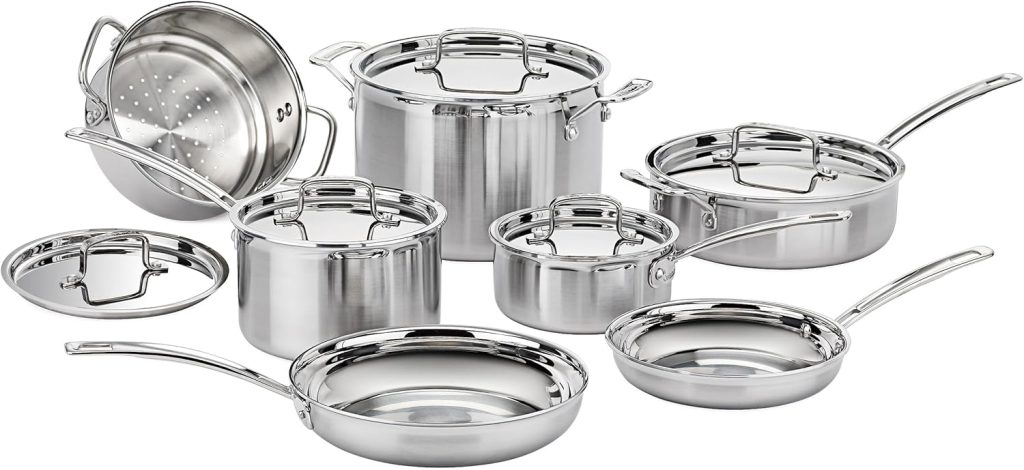
2. Cuisinart Multiclad Pro Stainless Steel Cookware Set
Overview:
Cuisinart’s Multiclad Pro line bridges the gap between budget cookware and professional-grade equipment, offering tri-ply construction at a fraction of the cost of premium brands like All-Clad. This 12-piece set includes the essential pots and pans most home cooks need, all featuring a brushed stainless steel exterior that looks sleek and professional in any kitchen. Unlike nonstick options, stainless steel cookware like the Multiclad Pro develops better fond (those flavorful browned bits) when searing meats and can handle the high heat needed for proper browning and caramelization.
The tri-ply construction—consisting of an aluminum core sandwiched between stainless steel layers—extends all the way up the sides of each piece, not just the base. This “fully clad” design ensures even heat distribution from bottom to rim, eliminating the hot spots common in cheaper stainless steel cookware. For cooks who want to develop their culinary skills and techniques, stainless steel is the preferred material of professional chefs and cooking schools worldwide.
Key Features:
- Triple-ply construction with aluminum core for superior heat conductivity
- Heat Surround Technology for even heating along bottom and sidewalls
- Polished cooking surface that won’t react with acidic foods
- Cool Grip handles that stay cool on the stovetop
- Drip-free pouring rims for clean, easy pouring
- Oven and broiler safe up to 550°F
- Dishwasher safe for easy cleanup
- Compatible with all stovetops including induction
- Limited lifetime warranty
Performance and User Experience:
The Cuisinart Multiclad Pro set delivers performance that punches well above its weight class. The tri-ply construction heats remarkably evenly, with minimal hot spots that can burn delicate sauces or cause uneven browning. While stainless steel requires more technique than nonstick surfaces—proper preheating and adequate fat are essential—the results are worth the learning curve. Proteins develop beautiful crusts, pan sauces deglaze perfectly, and the flavor development is noticeably superior to nonstick alternatives.
The pans feel substantial and well-balanced in hand, with handles that remain comfortable even during extended cooking sessions. The Cool Grip design genuinely works, allowing you to move pans around the stovetop without reaching for a towel. The stainless steel interior develops a patina over time that can actually improve its cooking properties, and unlike nonstick surfaces, these pans can handle metal utensils, high heat, and aggressive scrubbing without damage.
However, stainless steel has a steeper learning curve than nonstick. Foods will stick if you don’t properly preheat the pan and use enough fat. The polished interior can be challenging to clean when foods do stick, requiring some elbow grease or soaking. These pans are also noticeably heavier than aluminum nonstick options, which some cooks may find fatiguing during longer cooking sessions.
Pros:
✅ Professional-grade tri-ply construction at an affordable price
✅ Works on all cooktop types including induction
✅ Extremely high oven-safe temperature (550°F) for versatile cooking techniques
✅ Non-reactive surface safe for acidic ingredients like tomatoes and wine
✅ Develops excellent fond for flavorful pan sauces
✅ Highly durable with no coatings to wear out
✅ Dishwasher safe for convenient cleanup
✅ Professional appearance that looks impressive in any kitchen
Cons:
❌ Steeper learning curve compared to nonstick surfaces
❌ Foods will stick without proper preheating and sufficient fat
❌ Requires more effort to clean than nonstick cookware
❌ Heavier than aluminum alternatives
❌ Can show staining and discoloration over time (though this doesn’t affect performance)
❌ Not ideal for delicate foods like eggs or fish without practice
Ideal For:
This set is perfect for intermediate to advanced home cooks who want to develop proper cooking techniques and achieve professional results. It’s ideal for anyone who regularly sears meats, makes pan sauces, or cooks with acidic ingredients. The Multiclad Pro is also excellent for households with induction cooktops and for cooks who want cookware that will last for decades with proper care. If you’re willing to invest a bit of time in learning proper stainless steel techniques, these pans will reward you with superior flavor development and incredible durability.
Amazon Rating & Unique Value:
Boasting a 4.7 out of 5-star rating from nearly 8,000 reviews, the Cuisinart Multiclad Pro enjoys exceptional customer satisfaction. Its unique value proposition is delivering true tri-ply construction—the same technology used in cookware costing three times as much—at a price point accessible to budget-conscious buyers. For around $250-$300, you’re getting professional-quality cookware that will last for generations, making it an outstanding investment for serious home cooks.
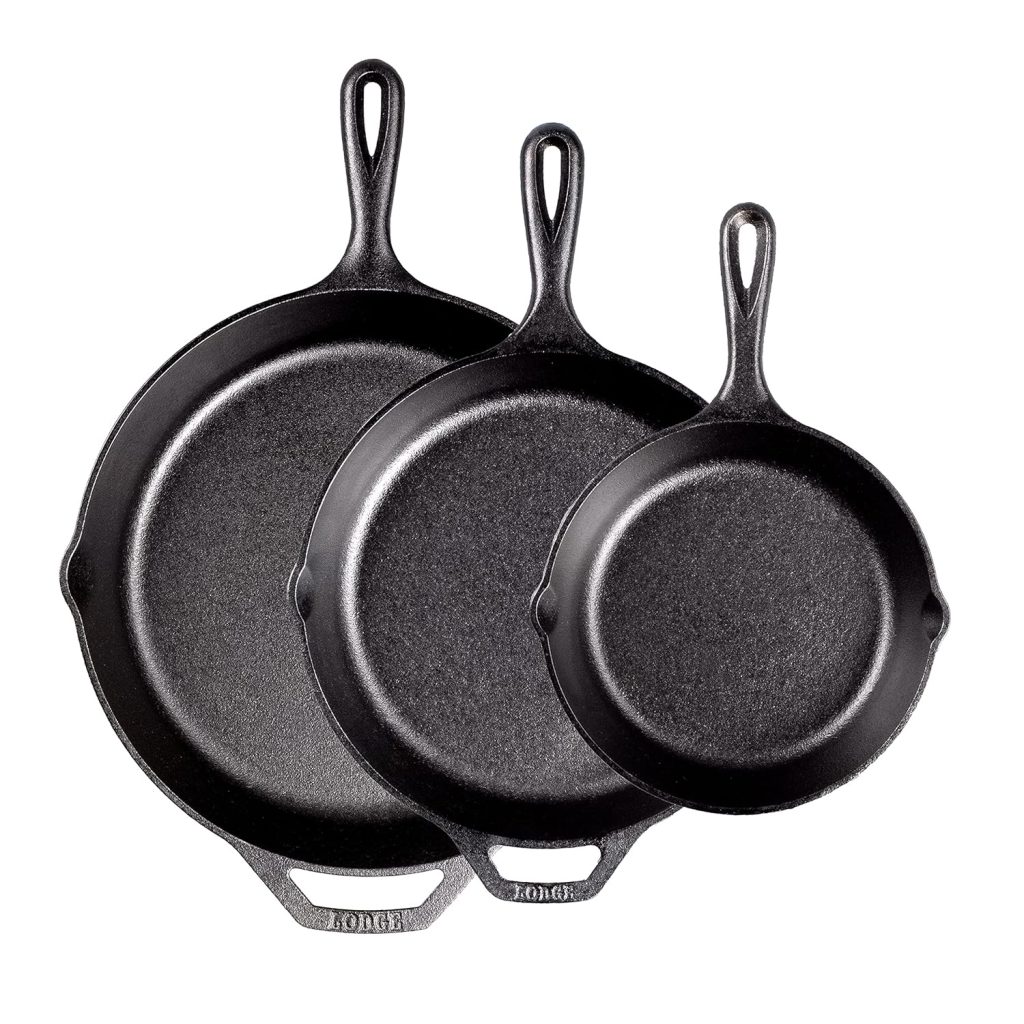
3. Lodge Pre-Seasoned Cast Iron Skillet Set
Overview:
Lodge is America’s oldest continually operating cookware manufacturer, having produced cast iron since 1896. Their pre-seasoned skillets represent both traditional American cookware heritage and exceptional modern value. Unlike trendy cookware that comes and goes, cast iron has been a kitchen staple for centuries because it simply works. The Lodge set typically includes 10.25-inch and 12-inch skillets, providing versatility for different cooking tasks and meal sizes.
What makes Lodge particularly appealing is that these skillets come pre-seasoned and ready to use right out of the box. The factory seasoning provides a head start on the natural nonstick patina that develops over time with proper use and care. Cast iron is prized for its heat retention, ability to develop a natural nonstick surface, and versatility—moving seamlessly from stovetop to oven to campfire. It’s also naturally rich in iron, which can provide dietary iron supplementation during cooking.
Key Features:
- Heavy-duty cast iron construction for exceptional heat retention
- Factory pre-seasoned with 100% vegetable oil
- Works on all heat sources: gas, electric, induction, grill, campfire, oven
- Naturally develops improved nonstick properties over time
- Assist handles on larger sizes for safe two-handed maneuvering
- Oven safe to any temperature
- Nearly indestructible with proper care
- Made in the USA
- Limited lifetime warranty
Performance and User Experience:
Cast iron delivers cooking performance that’s fundamentally different from other materials. The exceptional heat retention means these skillets hold temperature beautifully when you add cold food, making them ideal for searing steaks, frying chicken, or baking cornbread. The even heat distribution, once properly preheated, creates consistently excellent results across the cooking surface.
The pre-seasoning provides decent nonstick properties from day one, though the surface improves dramatically with regular use and proper maintenance. Foods release more easily after a few months of cooking, and a well-seasoned cast iron skillet can rival nonstick pans for eggs and other delicate foods. The natural iron enrichment is a genuine health benefit, particularly for people with iron deficiency.
However, cast iron requires more hands-on care than modern cookware. It’s not dishwasher safe, shouldn’t be soaked, needs to be dried immediately, and benefits from occasional re-seasoning. It’s also heavy—the 12-inch skillet weighs over 8 pounds—which can be challenging for some users. The handles get hot during cooking, requiring pot holders. Cast iron also reacts with highly acidic foods like tomatoes if cooked for extended periods, potentially adding a metallic taste.
Pros:
✅ Exceptional heat retention for perfect searing and frying
✅ Develops natural nonstick properties that improve over time
✅ Virtually indestructible and can last for generations
✅ Works on literally any heat source including campfires
✅ No temperature limitations—safe at any oven temperature
✅ Naturally adds beneficial iron to food
✅ Extremely affordable for the quality and longevity
✅ Pre-seasoned and ready to use immediately
✅ Made in America with traditional craftsmanship
Cons:
❌ Requires special care and maintenance
❌ Very heavy, which can be challenging for some users
❌ Handles become extremely hot during cooking
❌ Not dishwasher safe
❌ Reacts with acidic foods during long cooking times
❌ Takes longer to heat up than aluminum or stainless steel
❌ Seasoning can be damaged by improper cleaning or storage
Ideal For:
Lodge cast iron is perfect for cooks who want time-tested, traditional cookware that will outlast them. It’s ideal for anyone who regularly sears meats, fries foods, bakes cornbread or other skillet recipes, or wants cookware that works both indoors and outdoors. It’s also excellent for people looking to add natural iron to their diet and for those who appreciate the ritual and satisfaction of maintaining and improving their cookware over time. If you cook with induction or want truly versatile cookware that can handle any cooking method, cast iron is an outstanding choice.
Amazon Rating & Unique Value:
With an impressive 4.7 out of 5 stars from over 50,000 reviews, Lodge cast iron enjoys legendary customer satisfaction. The unique value here is centuries-proven cooking performance at an incredibly low price—a 10.25-inch skillet typically costs less than $20. Unlike other cookware that degrades over time, cast iron actually improves with age and use. It’s quite literally the last skillet you’ll ever need to buy, making it perhaps the best long-term value in all of cookware.
4. GreenLife Soft Grip Ceramic Nonstick Cookware Set

Overview:
GreenLife has carved out a distinctive niche in the affordable cookware market by focusing on ceramic nonstick coatings derived from sand rather than traditional PTFE-based nonstick. Their Soft Grip series combines this eco-friendly approach with cheerful colors and comfortable design elements, creating cookware that’s as pleasant to look at as it is to cook with. This 16-piece set includes a comprehensive selection of pots and pans in various sizes, along with utensils, providing everything needed for a complete kitchen setup.
The ceramic coating, branded as Thermolon, is free from PFAS, PFOA, lead, and cadmium—chemicals that have raised health concerns in traditional nonstick cookware. This coating can also withstand higher temperatures than conventional nonstick without releasing fumes, offering an appealing option for health-conscious consumers. The aluminum body provides quick, even heating, while the soft-grip Bakelite handles remain cool and comfortable during cooking.
Key Features:
- Thermolon ceramic nonstick coating derived from sand
- Free from PFAS, PFOA, lead, and cadmium
- Reinforced with diamonds for durability
- Soft-grip Bakelite handles that stay cool
- Oven safe up to 350°F
- Dishwasher safe for easy cleanup
- Lightweight aluminum construction
- Available in multiple attractive colors
- Rivetless interior prevents food buildup
- Two-year limited warranty
Performance and User Experience:
The GreenLife Soft Grip set delivers impressive nonstick performance right out of the box. Eggs slide effortlessly, pancakes flip with ease, and cleanup is genuinely simple with just a quick wipe. The ceramic coating requires very little oil, making it excellent for low-fat cooking. The aluminum heats quickly and distributes heat reasonably well, though not quite as evenly as tri-ply stainless steel or hard-anodized options.
The soft-grip handles are genuinely comfortable and provide secure control during cooking. The lightweight construction makes these pans easy to maneuver, which many cooks appreciate for everyday cooking tasks. The rivetless interior is a thoughtful design choice that prevents food from building up around rivets, making cleanup even easier.
However, ceramic nonstick has some notable limitations compared to traditional nonstick coatings. The nonstick properties tend to diminish faster—many users report noticeable degradation after 12-18 months of regular use. High heat accelerates this process, so it’s crucial to stick to low-to-medium heat settings. The coating can also be damaged by sudden temperature changes, such as placing a hot pan under cold water. Metal utensils should be avoided despite some marketing suggesting otherwise.
Pros:
✅ Truly eco-friendly coating free from concerning chemicals
✅ Excellent initial nonstick performance
✅ Comfortable soft-grip handles that stay cool
✅ Lightweight and easy to handle
✅ Attractive color options that brighten kitchens
✅ Rivetless interior simplifies cleaning
✅ 16-piece set provides comprehensive kitchen coverage
✅ Can withstand higher heat than traditional nonstick without fumes
✅ Dishwasher safe for convenient cleanup
Cons:
❌ Nonstick properties degrade faster than PTFE-based coatings
❌ Not suitable for high-heat cooking techniques
❌ Lower oven-safe temperature compared to other materials
❌ Coating can be damaged by sudden temperature changes
❌ Not induction compatible
❌ Generally shorter lifespan than stainless steel or cast iron
❌ Requires careful use to maximize longevity
Ideal For:
GreenLife is ideal for health-conscious cooks prioritizing chemical-free cookware and for anyone seeking colorful, cheerful kitchen tools. It’s perfect for light to moderate cooking needs—think scrambled eggs, sautéed vegetables, simple pasta dishes—rather than intensive, high-heat cooking. It’s also excellent for first apartments, dorm cooking, or as a secondary set. If you’re particularly sensitive to chemical exposure or simply want to minimize your environmental footprint while still enjoying nonstick convenience, GreenLife offers an appealing compromise.
Amazon Rating & Unique Value:
With a 4.4 out of 5-star rating from over 25,000 reviews, GreenLife enjoys solid customer satisfaction. The unique value proposition is genuinely eco-friendly ceramic nonstick at an incredibly affordable price—typically under $100 for a 16-piece set. While the coating won’t last as long as premium options, the low replacement cost makes it accessible for budget-conscious consumers who want to avoid traditional nonstick chemicals. It’s particularly appealing for those who prioritize environmental and health considerations alongside affordability.
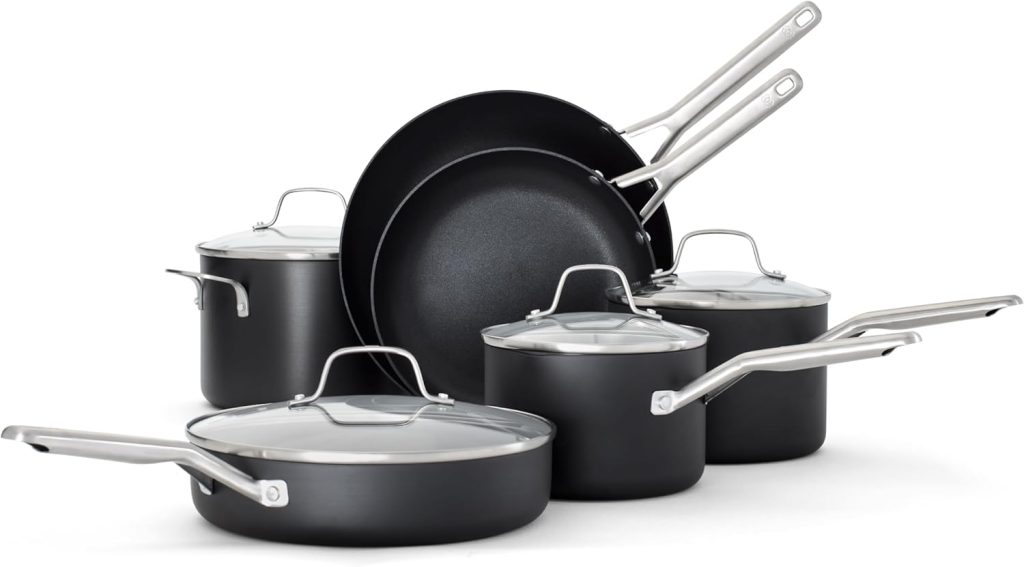
5. Calphalon Classic Nonstick Cookware Set
Overview:
Calphalon occupies an interesting position in the cookware market, offering near-premium quality at mid-range prices. Their Classic Nonstick line represents the brand’s most affordable offering, bringing Calphalon’s reputation for durability and performance to budget-conscious consumers. This 10-piece set includes essential pots and pans in a hard-anodized aluminum construction that promises both even heating and long-lasting durability.
What distinguishes Calphalon from many budget competitors is their dual-layer nonstick coating, which provides superior release and durability compared to single-layer alternatives. The hard-anodized exterior creates a surface harder than stainless steel, highly resistant to scratches, dents, and corrosion. Calphalon’s long-standing reputation in the cookware industry also means better quality control and manufacturing standards than many budget brands.
Key Features:
- Hard-anodized aluminum construction for durability and even heating
- Dual-layer nonstick interior for superior food release
- Long, ergonomic stainless steel handles that stay cool
- Tempered glass lids for easy monitoring
- Oven safe up to 450°F
- Dishwasher safe (hand washing recommended)
- Compatible with gas, electric, and glass stovetops (not induction)
- Flat, wide bottoms for stability
- Full 10-year warranty
Performance and User Experience:
The Calphalon Classic set delivers consistently excellent nonstick performance across various cooking applications. The dual-layer coating releases food beautifully, from delicate fish fillets to sticky caramelized onions. The hard-anodized construction provides noticeably better heat distribution than cheaper aluminum options, with minimal hot spots. The pans heat relatively quickly while maintaining temperature stability once heated.
The stainless steel handles are long and stay comfortably cool during stovetop cooking, providing secure control when moving pans. The tempered glass lids fit well and allow easy monitoring without lifting. The flat, wide bottoms provide excellent stability on the cooktop, reducing the risk of tipping.
The nonstick coating, while more durable than budget alternatives, still requires proper care to maximize longevity. Using low to medium heat, avoiding metal utensils, and hand washing will extend the life significantly. The hard-anodized exterior is genuinely impressive, resisting scratches and maintaining its appearance far better than raw aluminum or thin stainless steel.
Pros:
✅ Hard-anodized construction provides excellent durability
✅ Dual-layer nonstick coating offers superior release and longevity
✅ Even heating with minimal hot spots
✅ Comfortable, stay-cool handles
✅ Higher oven-safe temperature than many nonstick competitors
✅ Impressive 10-year warranty demonstrates brand confidence
✅ Well-balanced and stable on cooktops
✅ Tempered glass lids for easy monitoring
✅ Trusted brand with consistent quality control
Cons:
❌ Not compatible with induction cooktops
❌ Higher price point than basic nonstick sets
❌ Nonstick coating will eventually wear (though slower than cheaper options)
❌ Hand washing recommended despite dishwasher-safe claims
❌ Heavier than standard aluminum nonstick cookware
❌ Dark exterior makes it harder to see browning when sautéing
Ideal For:
Calphalon Classic is perfect for cooks who want reliable, durable nonstick cookware without jumping to premium pricing. It’s ideal for households that cook frequently and need cookware that can handle daily use for years. If you’re upgrading from truly budget cookware and want something that will genuinely last longer while providing better performance, this represents an excellent middle ground. It’s also great for cooks who want nonstick convenience with better heat control than cheaper alternatives provide.
Amazon Rating & Unique Value:
With a 4.6 out of 5-star rating from over 7,000 reviews, Calphalon Classic enjoys strong customer satisfaction. The unique value lies in the combination of Calphalon’s reputation, the hard-anodized construction, and the generous 10-year warranty—all at a price significantly below the brand’s premium lines. For around $150-$200, you’re getting near-premium durability and performance with the convenience of nonstick, making it an excellent value for long-term use.
6. Rachael Ray Cucina Hard Anodized Nonstick Cookware Set
Overview:
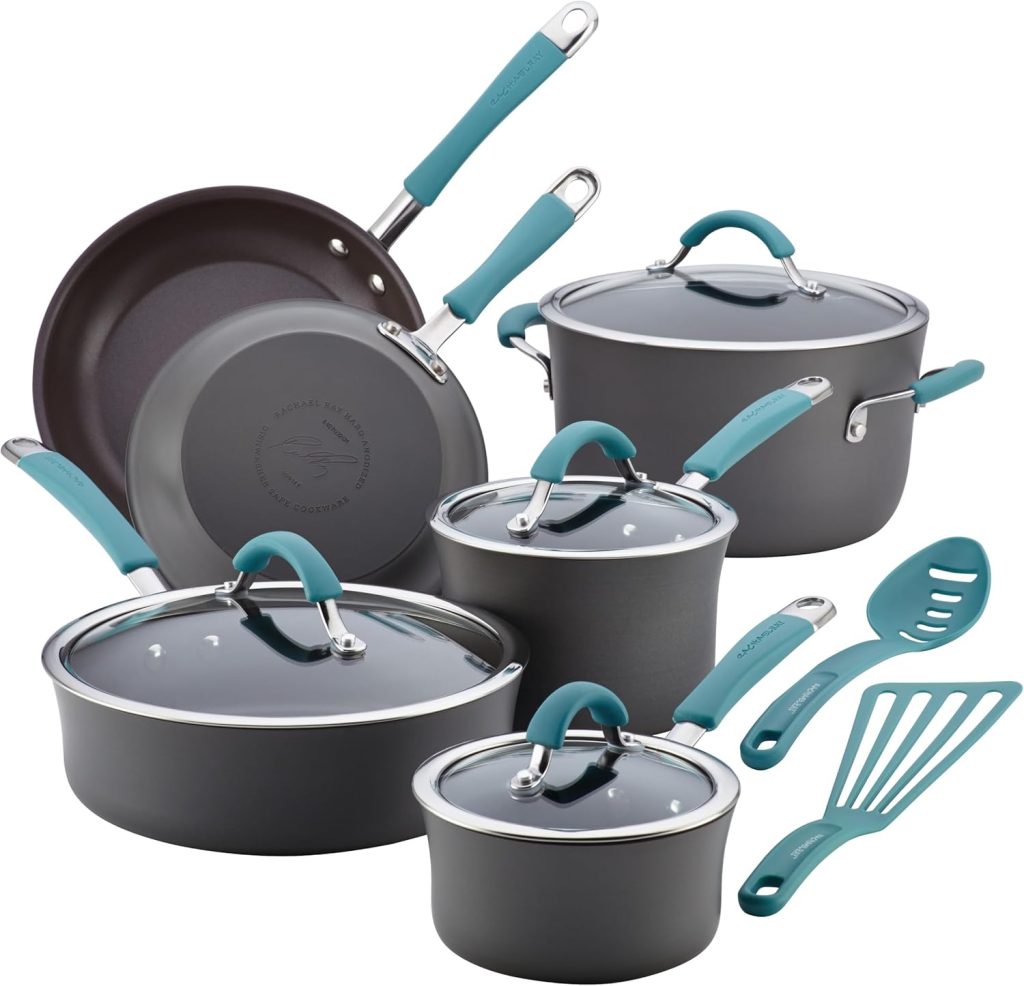
Celebrity chef Rachael Ray’s cookware line brings personality and practicality together in an affordable package. The Cucina collection stands out with its rustic, Italian-inspired aesthetic, featuring warm colors and earthy tones that add character to any kitchen. This 12-piece set combines hard-anodized construction with a durable nonstick interior, delivering functionality wrapped in distinctive styling.
What makes this set particularly appealing is how it balances performance with visual appeal. The espresso-colored hard-anodized exterior and rubbed bronze handles create a cohesive, attractive look that many budget cookware sets lack. Beyond aesthetics, the dual-riveted silicone-over-stainless-steel handles provide both comfort and durability, while the speckled nonstick interior offers decent food release and easy cleanup.
Key Features:
- Hard-anodized aluminum construction for even heating
- Enhanced nonstick interior for easy food release
- Dual-riveted silicone handles with stainless steel cores
- Shatter-resistant glass lids with wide stainless steel rims
- Oven safe up to 400°F
- Suitable for all stovetops except induction
- Pump-style silicone grips on lids for easy removal
- Available in multiple color options
- Limited lifetime warranty
Performance and User Experience:
The Rachael Ray Cucina set performs well across typical home cooking applications. The hard-anodized construction distributes heat reasonably evenly, though not quite as uniformly as tri-ply stainless steel. The nonstick interior, while not premium quality, provides adequate food release for most cooking tasks. Eggs, pancakes, and sautéed vegetables all cook nicely with minimal sticking.
The silicone-wrapped handles are genuinely comfortable to grip and remain cool during stovetop cooking. The dual-riveted design provides secure attachment, though the rivets on the interior can accumulate some food residue over time. The glass lids fit well, and the pump-style grips make them easy to lift even when wearing oven mitts.
Where this set stumbles slightly is in long-term durability. While the hard-anodized exterior holds up well, the nonstick coating tends to degrade faster than premium options, particularly if subjected to high heat or metal utensils. Some users report the silicone grips on handles showing wear after extended use. However, at this price point and considering the aesthetic appeal, these trade-offs are reasonable.
Pros:
✅ Distinctive, attractive design that adds personality to kitchens
✅ Comfortable silicone-wrapped handles that stay cool
✅ Hard-anodized construction for durability and even heating
✅ Comprehensive 12-piece set covers most cooking needs
✅ Glass lids with convenient pump grips
✅ Solid nonstick performance for the price
✅ Available in multiple appealing color schemes
✅ Oven safe to 400°F for versatility
Cons:
❌ Nonstick coating durability is average, not exceptional
❌ Not compatible with induction cooktops
❌ Silicone handle grips can show wear over time
❌ Interior rivets can accumulate food residue
❌ Heat distribution not quite as even as higher-end options
❌ Not dishwasher safe despite some marketing suggestions
Ideal For:
This set is perfect for home cooks who want cookware that performs well while also looking great on display. It’s ideal for people who appreciate kitchen aesthetics and want their cookware to contribute to their kitchen’s overall design. It’s also excellent for Rachael Ray fans, gift-givers looking for attractive cookware sets, and anyone setting up a kitchen who wants something that doesn’t look generic or institutional. If you entertain and your cookware goes from stove to table, the Cucina’s appearance is a definite advantage.
Amazon Rating & Unique Value:
With a 4.6 out of 5-star rating from over 9,000 reviews, the Rachael Ray Cucina enjoys strong customer satisfaction. The unique value proposition is the combination of acceptable performance with genuinely attractive design at a budget-friendly price. For around $130-$170, you’re getting cookware that looks like it costs significantly more while delivering solid everyday performance. It’s one of the few affordable options that successfully merges functionality with visual appeal.
7. Farberware Millennium Stainless Steel Cookware Set
Overview:
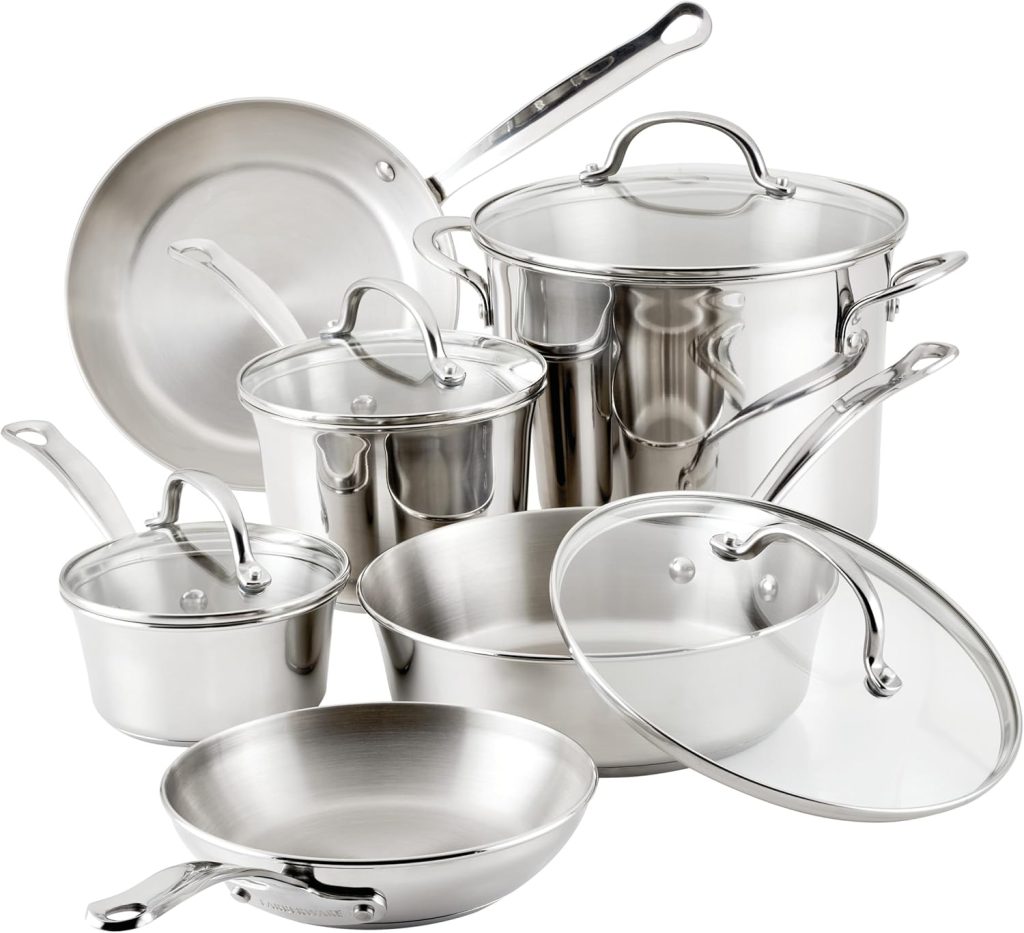
Farberware has been a staple of American kitchens since 1900, and their Millennium collection represents over a century of cookware expertise at an accessible price point. This 10-piece stainless steel set offers a traditional approach to cookware construction, featuring full cap bases that combine stainless steel with an aluminum core for improved heat distribution. While not fully clad like premium tri-ply options, this design offers better performance than single-layer stainless steel at a fraction of the cost.
The polished stainless steel exterior presents a classic, professional appearance that won’t go out of style. The set includes the fundamental pieces most cooks need: saucepans, a stockpot, and a sauté pan, all with matching stainless steel lids. For cooks wanting to learn proper stainless steel cooking techniques without the premium investment, Farberware Millennium provides an accessible entry point.
Key Features:
- Full cap base construction combining stainless steel with aluminum core
- Mirror-polished 18/10 stainless steel exterior
- Flared rims for drip-free pouring
- Dual-riveted stainless steel handles
- Rolled rims for added strength
- Oven safe to 350°F
- Dishwasher safe
- Compatible with all stovetops including induction
- Limited lifetime warranty
Performance and User Experience:
The Farberware Millennium set delivers respectable performance for its price point. The full cap base provides notably better heat distribution than cheap single-layer stainless steel, though it doesn’t match the even heating of fully clad tri-ply construction. The pans heat reasonably quickly and maintain temperature well once heated. The stainless steel cooking surface develops good fond when searing, enabling flavorful pan sauces.
The handles are comfortable and provide secure grip, though they do conduct heat more than hollow handles on premium cookware, occasionally requiring a towel during extended cooking. The polished exterior looks professional and cleans up nicely, though it will show fingerprints and water spots (normal for polished stainless steel). The flared rims genuinely help with drip-free pouring, a thoughtful design detail often missing in budget cookware.
However, this set has some limitations typical of its construction. The aluminum core only extends through the base, not up the sides, which can create some temperature variation along the sidewalls. Foods can stick more readily than with fully clad options, requiring proper preheating and adequate fat. The lower oven-safe temperature limits versatility compared to fully clad stainless steel. Some users report the handles feeling less substantial than they’d prefer.
Pros:
✅ Excellent value for entry-level stainless steel
✅ Classic, professional appearance
✅ Compatible with all cooktop types including induction
✅ Full cap base improves heat distribution over single-layer alternatives
✅ Dishwasher safe for convenient cleanup
✅ Limited lifetime warranty provides peace of mind
✅ Flared rims for drip-free pouring
✅ Trusted brand with over 100 years of history
Cons:
❌ Heat distribution not as even as fully clad tri-ply cookware
❌ Lower oven-safe temperature than premium stainless options
❌ Handles conduct more heat than hollow alternatives
❌ Foods stick more easily than nonstick or fully clad stainless
❌ Shows fingerprints and water spots (cosmetic, not functional issue)
❌ Aluminum core limited to base, not extending up sides
Ideal For:
Farberware Millennium is ideal for cooks wanting to transition to stainless steel without a major investment. It’s perfect for people with induction cooktops on a budget, households needing dishwasher-safe cookware, and anyone wanting classic, timeless cookware aesthetics. If you’re learning stainless steel cooking techniques and want affordable cookware to practice with before potentially upgrading later, this represents a sensible starting point. It’s also excellent for cooks who prioritize non-reactive surfaces for acidic cooking.
Amazon Rating & Unique Value:
With a 4.5 out of 5-star rating from over 4,000 reviews, Farberware Millennium enjoys solid customer satisfaction. The unique value is providing induction-compatible stainless steel with improved base construction at an incredibly affordable price—typically under $100 for the 10-piece set. While it doesn’t match premium tri-ply performance, it offers significantly better value than single-layer stainless steel at a comparable price, making it an excellent stepping stone to better cookware.
8. AmazonBasics Non-Stick Cookware Set
Overview:
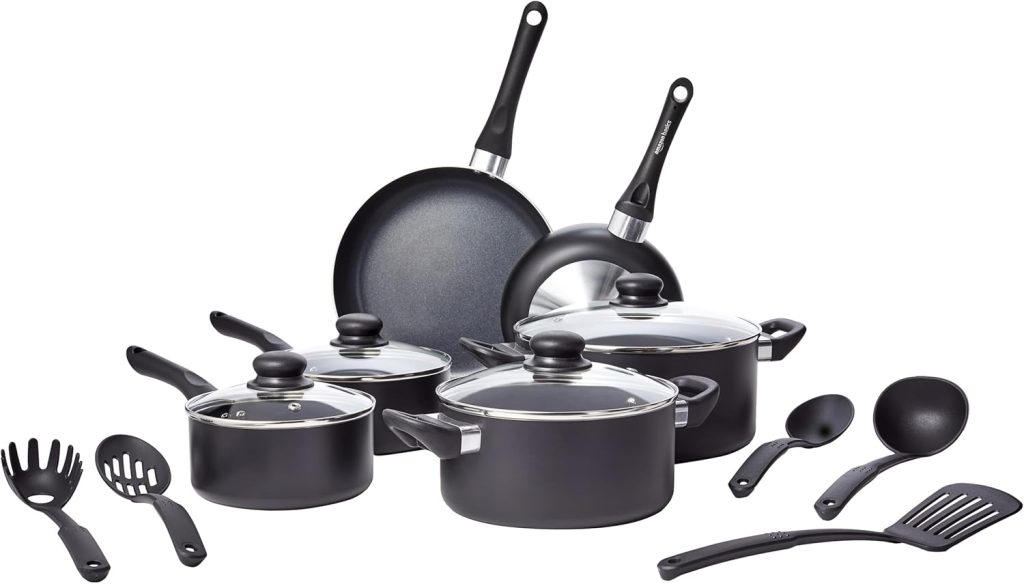
Amazon’s house brand entry into cookware represents the absolute budget end of the spectrum, prioritizing low price above all else. This 15-piece set includes an extensive selection of pots, pans, and utensils at a price that seems almost too good to be true. The construction is straightforward: aluminum body with a basic nonstick coating, designed to provide functional cookware for the tightest budgets.
It’s important to set appropriate expectations for this price tier. This isn’t cookware that will last decades or provide professional-grade performance. Instead, it’s designed for situations where price is the primary consideration: first apartments, temporary housing, college dorms, vacation homes, or extremely limited budgets. For those specific use cases, AmazonBasics provides basic functionality at an unbeatable price.
Key Features:
- Aluminum construction for quick heating
- PFOA-free nonstick coating
- Plastic handles that stay cool
- Tempered glass lids
- Spiral bottom for even heat distribution
- Oven safe to 350°F
- Dishwasher safe
- Includes cooking utensils
- One-year limited warranty
- Works on gas and electric stovetops (not induction)
Performance and User Experience:
The AmazonBasics set performs adequately for very basic cooking tasks. The nonstick coating works reasonably well when new, releasing eggs and pancakes with minimal sticking. The aluminum heats quickly, which is convenient for simple tasks like reheating soup or cooking pasta. The plastic handles stay cool, and the glass lids allow monitoring without lifting.
However, limitations become apparent quickly. The thin aluminum construction creates hot spots, leading to uneven cooking that can burn food in some areas while leaving it undercooked in others. The nonstick coating degrades noticeably faster than quality alternatives—many users report significant wear within 6-12 months. The handles feel somewhat flimsy and the overall construction lacks the heft and stability of better cookware.
Temperature control is challenging due to the thin material—the pans heat so quickly that it’s easy to overheat, damaging both food and coating. The plastic handles, while cool to touch, feel cheap and can become brittle over time. This is cookware designed to be functional and affordable, not durable or high-performing.
Pros:
✅ Extremely affordable price point
✅ Comprehensive 15-piece set including utensils
✅ Adequate nonstick performance when new
✅ Quick heating for simple tasks
✅ Cool-touch plastic handles
✅ Readily available with Prime shipping
✅ Glass lids for monitoring
✅ Good option for temporary or secondary kitchens
Cons:
❌ Thin construction creates significant hot spots
❌ Nonstick coating degrades quickly
❌ Overall construction feels flimsy and cheap
❌ Poor heat retention and control
❌ Not induction compatible
❌ Handles and overall build quality are subpar
❌ Expected lifespan measured in months, not years
❌ Limited warranty coverage
Ideal For:
Amazon Basics cookware is suitable for very specific situations: temporary housing, college dorms where cookware might get damaged or stolen, vacation rentals, first apartments where the budget is extremely tight, or as backup cookware. It’s also appropriate for people who cook very infrequently and need something functional without investment. If you’re in a transitional phase and need cookware for 6-12 months before upgrading, this provides basic functionality at minimal cost.
Amazon Rating & Unique Value:
With a 4.3 out of 5-star rating from over 15,000 reviews, opinions are mixed but generally acknowledge the set delivers acceptable value for its rock-bottom price. The unique value is simply the lowest price entry point for a complete cookware set—often under $60. While quality and longevity are limited, the price-to-functionality ratio is hard to beat for very short-term needs. It’s not cookware you’ll love or that will improve your cooking, but it’s cookware that functions when price is the absolute priority.
9. Gotham Steel Nonstick Frying Pan Set
Overview:
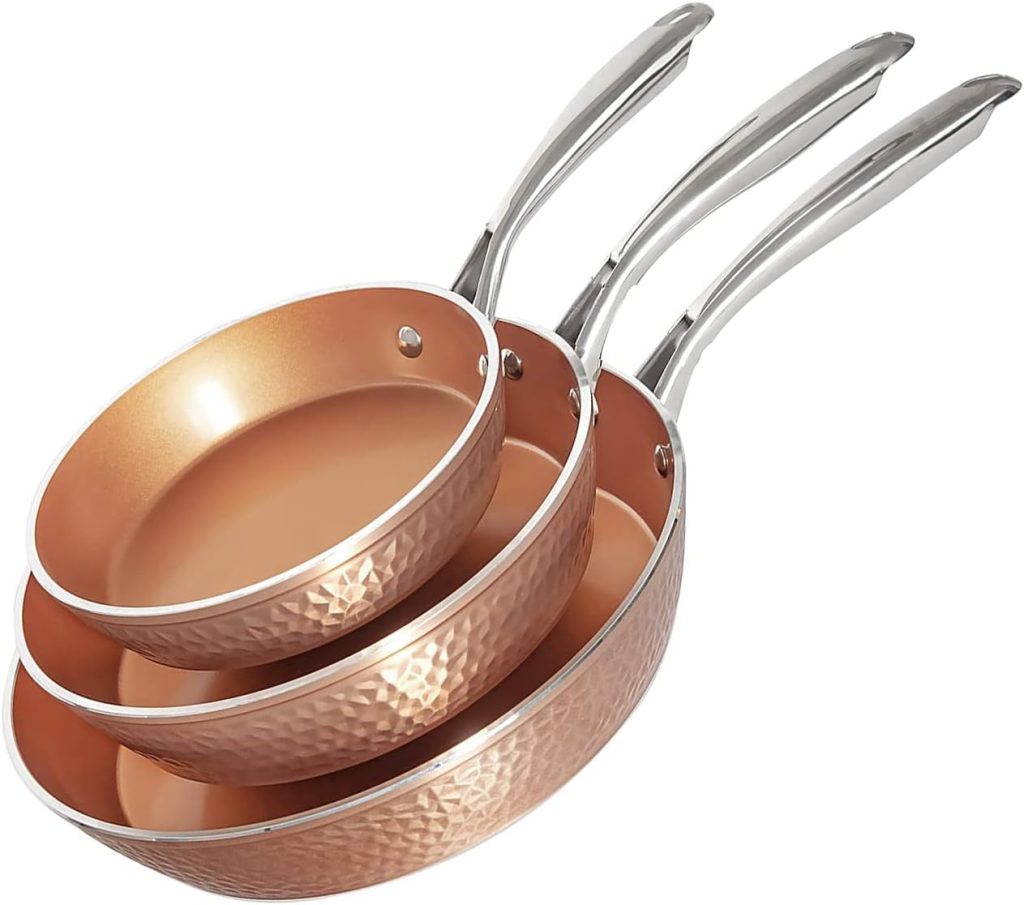
Gotham Steel burst onto the cookware scene with aggressive marketing promising ceramic nonstick surfaces reinforced with titanium that could withstand metal utensils, high heat, and even power drills. While some marketing claims proved exaggerated, the core product—a set of lightweight nonstick pans with decent performance at low prices—has found a substantial audience. The brand typically offers sets of three pans in graduated sizes, covering most frying and sautéing needs.
The copper-colored exterior gives these pans a distinctive appearance that stands out from typical black or silver cookware. The ceramic-titanium nonstick coating provides chemical-free nonstick properties similar to other ceramic options but with claims of enhanced durability. For people seeking inexpensive nonstick pans for basic cooking tasks, Gotham Steel offers an interesting option, though with some important caveats.
Key Features:
- Ti-Cerama coating combining ceramic and titanium
- Aluminum composition for quick heating
- Copper-colored exterior
- Metal utensil safe (with care)
- Oven safe to 500°F
- Dishwasher safe
- Stay-cool handle
- PFOA, PFOS, lead, and cadmium free
- Works on gas, electric, and glass cooktops (not induction standard models)
Performance and User Experience:
When new, Gotham Steel pans deliver impressive nonstick performance. Eggs genuinely slide around the pan, cheese doesn’t stick, and cleanup is remarkably easy. The aluminum construction heats very quickly, convenient for rushed morning cooking. The copper appearance is visually appealing and distinctive. The handles remain reasonably cool during stovetop cooking.
However, the nonstick performance degrades significantly faster than marketing suggests. Many users report noticeable decline within 3-6 months, with substantial sticking issues developing within a year. Despite metal-utensil-safe claims, using metal utensils clearly accelerates coating degradation. High heat—which the pans are theoretically rated for—also hastens coating breakdown.
The thin aluminum construction creates hot spots and poor heat retention. Food can burn in some areas while remaining undercooked in others. The pans feel lightweight and somewhat flimsy compared to heavier, better-constructed alternatives. Some users report coating issues like bubbling or peeling after extended use, though this isn’t universal.
Pros:
✅ Excellent initial nonstick performance
✅ Very affordable price point
✅ Distinctive copper-colored appearance
✅ Quick heating for fast cooking
✅ Lightweight and easy to handle
✅ High oven-safe temperature rating
✅ Chemical-free ceramic coating
✅ Dishwasher safe
Cons:
❌ Nonstick properties degrade rapidly
❌ Thin construction creates hot spots
❌ Marketing claims often exaggerated
❌ Metal utensil use accelerates wear despite claims
❌ Poor heat retention
❌ Construction feels flimsy
❌ Short expected lifespan
❌ Not induction compatible (standard models)
Ideal For:
Gotham Steel works best for people with very light cooking needs or those seeking inexpensive pans they plan to replace regularly. It’s suitable for basic tasks like scrambled eggs, grilled cheese, or reheating leftovers. If you’re setting up a temporary kitchen or need backup pans, the low price makes them acceptable disposable options. However, anyone cooking regularly or seeking durable cookware should look elsewhere. Think of these as convenient, very temporary solutions rather than long-term kitchen investments.
Amazon Rating & Unique Value:
With a 4.2 out of 5-star rating from over 20,000 reviews, Gotham Steel receives mixed feedback that generally reflects its budget positioning. The unique value is the combination of genuinely good initial performance with rock-bottom pricing—typically under $30 for a three-pan set. If you accept these as temporary cookware with a lifespan measured in months, the value equation works. Expecting longevity or durability leads to disappointment.
10. Tramontina Tri-Ply Clad Stainless Steel Cookware Set
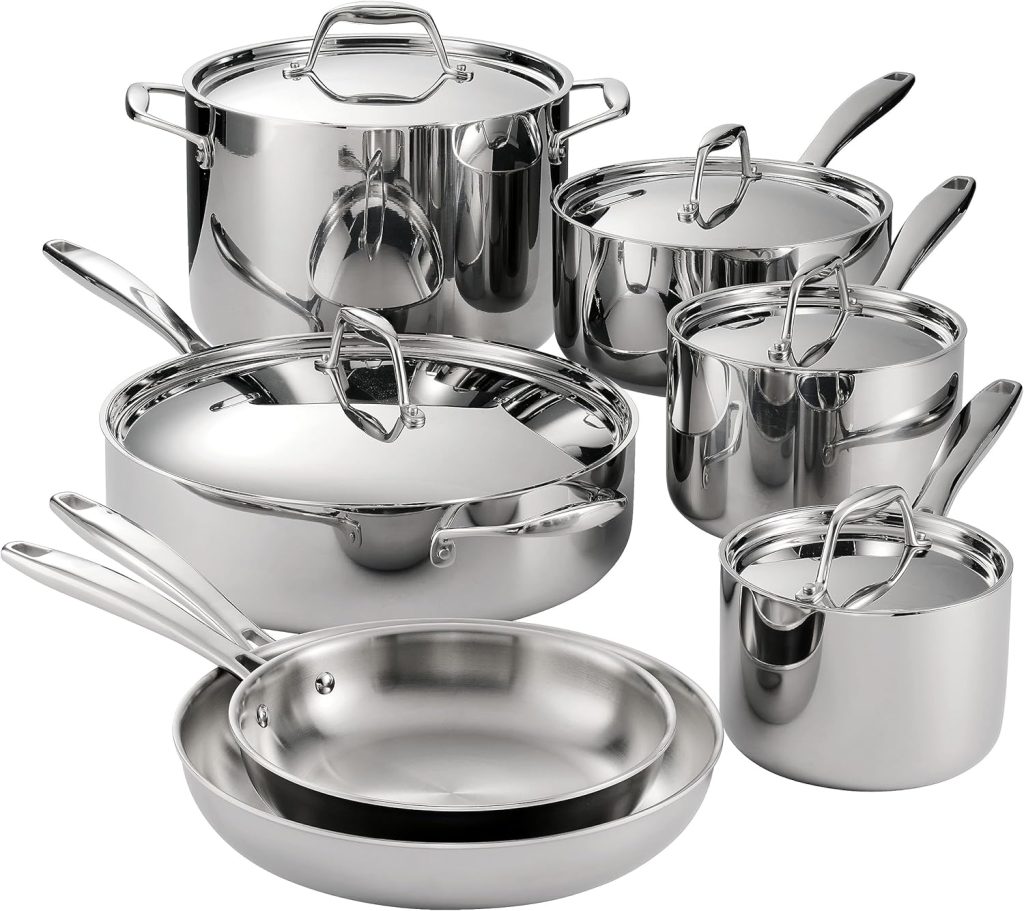
Overview:
Tramontina represents one of the best-kept secrets in affordable cookware. This Brazilian manufacturer produces tri-ply stainless steel cookware that rivals premium American brands at a fraction of the cost. Their tri-ply clad collection features the same construction as cookware costing two to three times more: 18/10 stainless steel exterior, aluminum core, and 18/10 stainless steel cooking surface, with this three-layer construction extending from base to rim.
What makes Tramontina particularly impressive is that independent testing has shown performance comparable to All-Clad, the gold standard in tri-ply cookware. The set includes essential pieces with excellent build quality, comfortable handles, and professional-grade construction. For cooks wanting premium tri-ply performance without premium pricing, Tramontina delivers exceptional value.
Key Features:
- Tri-ply construction throughout (base and sides)
- 18/10 stainless steel interior and exterior
- Aluminum core for even heat distribution
- Precision-fitting lids
- Riveted cast stainless steel handles
- Oven and broiler safe to 500°F
- Dishwasher safe
- Compatible with all cooktops including induction
- Limited lifetime warranty
- NSF certified
Performance and User Experience:
Tramontina tri-ply cookware performs remarkably well, delivering even heating that rivals much more expensive options. The fully clad construction eliminates hot spots, providing consistent results across the entire cooking surface. The stainless steel develops excellent fond for pan sauces, handles high heat beautifully, and the aluminum core ensures responsive temperature changes.
The handles are comfortable and well-balanced, remaining cool enough to grip briefly without a towel during most stovetop cooking. The weight feels substantial and quality, inspiring confidence during use. The precision-fitting lids seal well, and the overall construction quality is immediately apparent. These pans feel professional and well-made.
Like all stainless steel, Tramontina requires proper technique—adequate preheating, sufficient fat, and appropriate heat levels. Foods will stick without proper preparation. The polished surface requires some effort to clean when foods do adhere. The weight, while indicating quality, may be fatiguing for extended cooking sessions or for cooks preferring lighter cookware.
Pros:
✅ True tri-ply construction at a budget-friendly price
✅ Even heating rivals premium brands
✅ Works on all cooktop types including induction
✅ Very high oven-safe temperature (500°F)
✅ NSF certified for quality standards
✅ Substantial, professional-grade feel
✅ Precision-fitting lids
✅ Limited lifetime warranty
✅ Non-reactive surface for acidic cooking
✅ Will last for decades with proper care
Cons:
❌ Requires learning stainless steel cooking techniques
❌ Foods will stick without proper preparation
❌ Heavier than aluminum nonstick alternatives
❌ More expensive than basic nonstick sets
❌ Requires effort to clean when food sticks
❌ Shows fingerprints and water spots (cosmetic only)
Ideal For:
Tramontina tri-ply is perfect for serious home cooks who want professional-quality cookware without professional pricing. It’s ideal for people with induction cooktops, those who regularly sear meats and make pan sauces, and anyone wanting cookware that will genuinely last a lifetime. If you’re ready to invest in quality stainless steel and develop proper cooking techniques, Tramontina offers the best value in the entire cookware market. It’s also excellent for people allergic or sensitive to nonstick coatings.
Amazon Rating & Unique Value:
With a 4.6 out of 5-star rating from over 3,000 reviews, Tramontina tri-ply enjoys excellent customer satisfaction from knowledgeable cooks who recognize its value. The unique value is delivering genuine premium-quality tri-ply construction at roughly half the price of household-name brands. Independent testing confirming performance comparable to $700+ sets makes this arguably the single best value in quality cookware. For around $250-$300, you’re getting cookware that will outlast you while performing like equipment from professional kitchens.
11. Carote Nonstick Granite Cookware Set
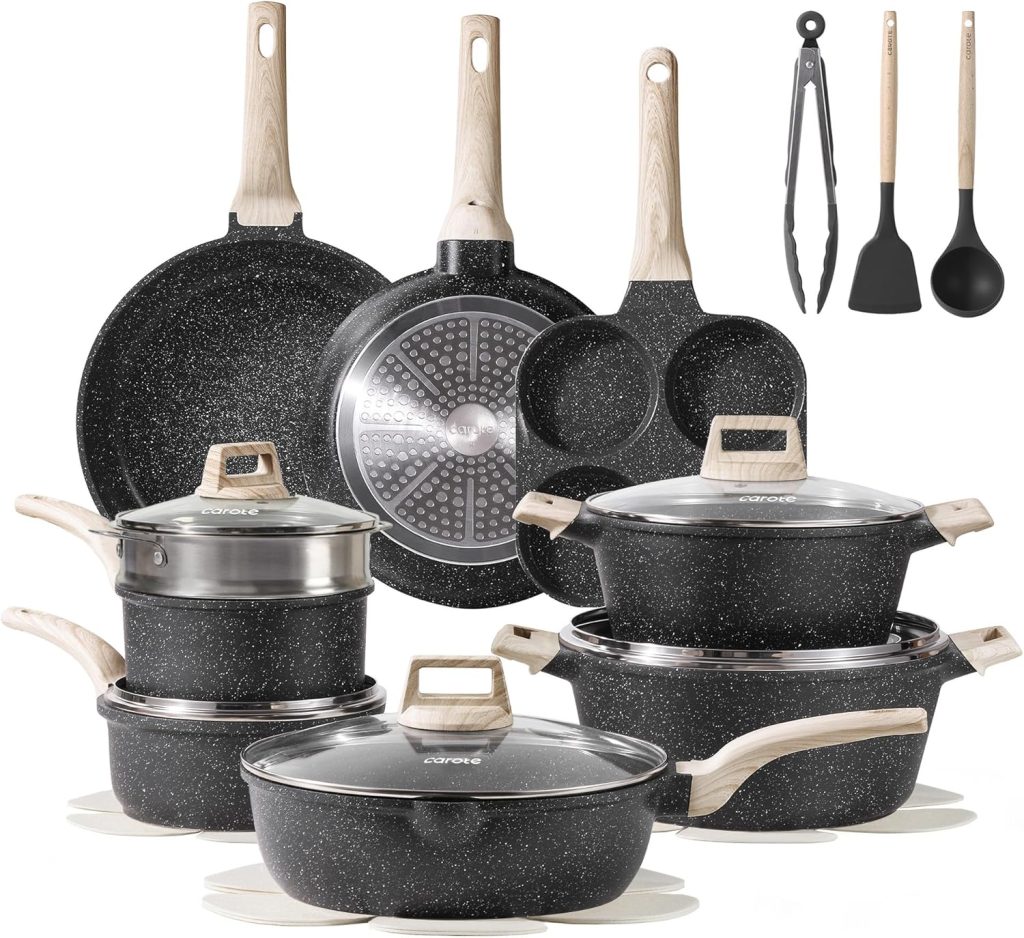
Overview:
Carote represents the newest wave of affordable cookware brands, leveraging e-commerce to deliver feature-rich products at budget prices. Their granite-series nonstick cookware features a distinctive speckled stone appearance, combining aesthetics with functionality. The 11-piece set includes a comprehensive selection of pots and pans with detachable handles—a space-saving design particularly appealing for small kitchens, RVs, or compact storage situations.
The granite coating is a form of ceramic nonstick reinforced with small stone particles for enhanced durability. Carote markets this as PFOA-free, healthy cookware that requires minimal oil for low-fat cooking. The detachable handle system is the standout feature, allowing pans to nest efficiently for storage and enabling oven use without bulky handles. For apartment dwellers or anyone prioritizing space efficiency, this design offers genuine advantages.
Key Features:
- Granite stone nonstick coating with stone particle reinforcement
- Detachable Bakelite handle system (one handle for all pieces)
- Die-cast aluminum body for durability
- PFOA, PFOS, lead, and cadmium free
- Oven safe without handles
- Suitable for gas, electric, and induction cooktops
- Smoke-free design to reduce oil fumes
- Ergonomic handle design
- Space-saving storage capabilities
- Extended warranty options available
Performance and User Experience:
The Carote set delivers surprisingly good nonstick performance for its price point. The granite coating releases food well, requiring minimal oil for most cooking tasks. The stone particles seem to provide better durability than basic ceramic coatings, with many users reporting good performance lasting longer than expected. The die-cast aluminum construction provides more substantial feel than cheap stamped aluminum, heating reasonably evenly.
The detachable handle system works well once you get accustomed to it. The handle locks securely, though there’s an initial learning curve and perhaps slight apprehension about the locking mechanism. The ability to detach handles allows pans to go directly into the oven and makes storage dramatically more efficient—you can stack and nest the entire set in roughly the space of two traditional pans.
However, the detachable handle isn’t without drawbacks. Some cooks find it less convenient than permanent handles, particularly when moving pans frequently during cooking. The single included handle means you can only comfortably manage one pan at a time. Over time, the locking mechanism may wear, potentially affecting security. The coating, while better than basic ceramic, still won’t match the longevity of premium nonstick or the eternal durability of stainless steel or cast iron.
Pros:
✅ Innovative detachable handle design saves tremendous storage space
✅ Good initial nonstick performance
✅ Distinctive granite appearance is visually appealing
✅ Works on induction cooktops
✅ Chemical-free coating for health-conscious cooking
✅ Die-cast construction feels more substantial than stamped aluminum
✅ Comprehensive 11-piece set
✅ Pans can go in oven without handles
✅ Very affordable price point
Cons:
❌ Detachable handle takes time to get comfortable using
❌ Only one handle included for all pieces
❌ Locking mechanism may wear over extended use
❌ Nonstick coating will eventually degrade
❌ Handle adds steps to cooking workflow
❌ Less convenient for cooking with multiple pans simultaneously
❌ Relatively new brand with limited long-term reputation
Ideal For:
Carote is ideal for people with limited kitchen storage, such as apartment dwellers, RV owners, or anyone with small kitchens. It’s perfect for minimalists prioritizing space efficiency and for people who regularly transport cookware (camping, vacation homes, etc.). The set also works well for health-conscious cooks wanting chemical-free nonstick at budget prices. If you have induction cooking and need affordable compatible cookware with space-saving features, Carote offers unique advantages despite some workflow compromises.
Amazon Rating & Unique Value:
With a 4.5 out of 5-star rating from over 8,000 reviews, Carote has quickly built positive customer sentiment. The unique value proposition is the innovative detachable handle system combined with induction compatibility at a budget price—typically under $100 for the 11-piece set. While longevity remains somewhat uncertain due to the brand’s newness, the space-saving benefits and solid initial performance make it appealing for specific use cases. It represents how newer brands are innovating in the affordable cookware space with creative solutions to common problems.
Comprehensive Buying Guide: How to Choose the Right Affordable Cookware!
Selecting cookware involves balancing numerous factors: budget constraints, cooking style, storage limitations, maintenance preferences, and long-term goals. This guide provides the knowledge you need to make informed decisions that align with your specific situation.
Understanding Cookware Materials: The Foundation of Performance
The material your cookware is made from fundamentally determines how it cooks, how long it lasts, and how much maintenance it requires. Each material offers distinct advantages and limitations.
Stainless Steel: The choice of professional kitchens worldwide, stainless steel is non-reactive (won’t interact with acidic foods), extremely durable, and develops excellent fond for pan sauces. However, stainless steel alone is a poor heat conductor. Quality stainless cookware uses multi-ply construction—typically tri-ply or five-ply—with layers of aluminum or copper sandwiched between stainless steel. This construction provides the heat distribution advantages of aluminum with the durability and cooking properties of stainless steel.
Fully clad stainless steel, where the layered construction extends from base to rim, offers the most even heating. Less expensive options use disc bottoms, where the aluminum core is only in the base. While more affordable, disc-bottom designs create temperature variations along sidewalls, leading to less consistent cooking results.
Aluminum: Pure aluminum is an excellent heat conductor, heating quickly and evenly. It’s also lightweight and inexpensive to manufacture. However, raw aluminum reacts with acidic foods, potentially imparting metallic flavors and discoloration. Most aluminum cookware is anodized—an electrochemical process that creates a hard, non-reactive surface. Hard-anodized aluminum resists scratching, doesn’t react with food, and is harder than stainless steel, though it won’t last as long as multi-ply stainless.
Cast Iron: This traditional material offers unmatched heat retention, developing natural nonstick properties through seasoning. Cast iron is nearly indestructible, works on any heat source, and actually adds beneficial dietary iron to food. However, it’s heavy, requires special care (no dishwasher, immediate drying, occasional re-seasoning), reacts with acidic foods during long cooking, and takes longer to heat than aluminum or stainless steel.
Nonstick Coatings: Modern nonstick surfaces fall into two main categories: PTFE-based (traditional Teflon-type) and ceramic. PTFE coatings offer superior nonstick properties and longevity but raise health concerns if overheated above 500°F, when they can release potentially harmful fumes. Ceramic nonstick, derived from sand, avoids these chemicals but typically doesn’t last as long, with nonstick properties degrading faster, particularly with high heat use.
All nonstick coatings eventually wear out—it’s a question of when, not if. Quality nonstick can last 3-5 years with proper care, while budget options may degrade within months. Nonstick works best for delicate foods (eggs, fish), low-fat cooking, and easy cleanup but shouldn’t be used for high-heat searing where stainless steel or cast iron excel.
Oven Safety and Temperature Ratings: Often Overlooked, Always Important
Oven-safe temperature ratings matter more than many buyers realize. Being able to start a dish on the stovetop and finish it in the oven opens numerous cooking techniques. Different materials and handle types have different limitations:
- Stainless steel with metal handles: Often safe to 500°F or higher
- Hard-anodized or aluminum with silicone/plastic handles: Typically 350-450°F
- Nonstick cookware: Usually limited to 350-500°F depending on coating
- Cast iron: No practical temperature limits
- Glass lids: Usually rated lower than the pans themselves, often 350-400°F
If you plan to finish dishes in the oven, braise meats, or bake skillet desserts, prioritize cookware with higher temperature ratings. Silicone or plastic handles may limit versatility, though they offer comfort advantages on the stovetop.
Stovetop Compatibility: Match Cookware to Your Heat Source
Not all cookware works on all cooktops. Understanding compatibility prevents frustration and potential safety issues.
Gas Cooktops: The most forgiving—virtually all cookware works on gas. The open flame heats quickly and provides responsive temperature control. Look for pans with flat, stable bottoms to maximize contact with grates.
Electric Coil and Smoothtop: Work with most cookware. Flat, smooth pan bottoms maximize contact for efficient heating. Avoid warped pans that don’t sit flush against the heating element.
Induction Cooktops: Only work with magnetic materials—typically stainless steel or cast iron. Aluminum and copper cookware won’t work unless they have a magnetic steel base added. Test cookware with a magnet—if it sticks firmly to the bottom, it’s induction compatible. Induction offers exceptional temperature control and efficiency but limits cookware choices.
Halogen: Similar to smoothtop electric but uses halogen bulbs. Works with any cookware but performs best with darker-colored bottoms that absorb heat efficiently.
Sizing and Set Composition: Building the Right Collection
Complete sets seem convenient, but they often include pieces you’ll rarely use while omitting ones you need frequently. Understanding your actual cooking patterns helps determine whether a set or individual pieces make more sense.
Essential pieces most cooks use regularly:
- 10-inch or 12-inch skillet (frying, sautéing, searing)
- 2-quart saucepan with lid (sauces, small portions, reheating)
- 3-quart saucepan or sauté pan with lid (larger portions, one-pot meals)
- 6-8 quart stockpot (pasta, soup, stock, batch cooking)
Nice-to-have additions:
- 8-inch skillet (single servings, small tasks)
- 4-quart sauté pan (stir-fries, skillet meals)
- Additional saucepan sizes
- Specialty pieces (griddle, grill pan, wok)
Consider buying individual pieces in the sizes and types you’ll actually use rather than a set containing less useful items. However, sets do offer significant per-piece savings if the included sizes align with your needs.
Nonstick vs. Stainless Steel vs. Cast Iron: The Core Decision
This fundamental choice shapes your entire cooking experience. Each option serves different cooking styles and priorities.
Choose nonstick if you:
- Prioritize easy cleanup above all else
- Regularly cook delicate foods (eggs, fish, pancakes)
- Want to minimize cooking oil for health reasons
- Have limited time for cleanup
- Cook at low to medium heat primarily
- Accept eventual replacement as part of cookware lifecycle
Choose stainless steel if you:
- Want professional-level cooking results
- Regularly sear meats and make pan sauces
- Cook with acidic ingredients frequently
- Want cookware that lasts decades
- Are willing to learn proper preheating techniques
- Value durability and repair ability over convenience
Choose cast iron if you:
- Want cookware that improves with age
- Appreciate traditional cooking methods
- Need versatility (stovetop, oven, grill, campfire)
- Don’t mind special maintenance requirements
- Cook foods that benefit from heat retention (searing, frying, baking)
- Value near-indestructibility
Many experienced cooks maintain a mixed collection: stainless steel for most cooking, a nonstick pan for eggs and delicate fish, and cast iron for specific tasks. This approach provides maximum versatility.
Handle Design: Comfort, Safety, and Durability Considerations
Handles significantly affect comfort and safety but often receive insufficient attention during purchasing decisions.
Stainless steel handles: Durable and oven-safe to high temperatures but conduct heat, requiring pot holders during extended cooking or oven use. Often hollow to reduce heat transfer and weight.
Silicone or rubber-coated handles: Stay cool on stovetops and provide comfortable grip but limit oven temperature and may degrade over time. Dual-riveted attachment offers better durability than single rivets.
Cast iron integral handles: Part of the pan itself—supremely durable but get extremely hot during cooking. Always require pot holders.
Detachable handles: Space-saving and allow oven use without bulky handles but add steps to workflow and may wear over time. Best for specific situations (compact storage, RVs) rather than general use.
Helper handles: Secondary handles on larger pots and pans aid safe two-handed lifting when full. Particularly valuable on sauté pans, stockpots, and larger skillets.
Lid Quality and Fit: Small Details, Big Impact
Well-fitting lids maintain moisture and temperature, improving cooking results and efficiency. Glass lids allow monitoring without lifting, while stainless steel lids are more durable.
Look for lids that fit snugly without excessive gaps. The weight should create a proper seal without being so heavy it’s difficult to remove. Vent holes prevent pressure buildup during cooking. Metal-rimmed glass lids are more durable than exposed glass edges.
Replacement lids for common sizes are available if you break or lose originals, though proprietary designs may be challenging to replace economically.
Maintenance Requirements: Match Cookware to Your Lifestyle
Different materials demand different maintenance levels. Honest self-assessment of your cleaning habits prevents frustration.
Low maintenance options: Nonstick cookware (though requires replacement), dishwasher-safe stainless steel, hard-anodized aluminum. These work for busy households or people who strongly dislike cleanup tasks.
Moderate maintenance: Quality stainless steel benefits from occasional Bar Keeper’s Friend cleanings to maintain appearance but functions fine without. Cast iron requires drying and light oiling but isn’t particularly time-consuming.
Special care required: Cast iron needing regular seasoning maintenance, cookware with special coating requirements, pieces that must be hand-washed despite dishwasher-safe claims (to maximize longevity).
Budget Optimization Strategies: Getting Maximum Value
Smart purchasing strategies stretch budgets significantly:
Buy quality gradually: Start with one excellent skillet used daily rather than a complete mediocre set. Add pieces as budget allows.
Mix materials strategically: Combine inexpensive nonstick for eggs with quality stainless steel for general cooking and cast iron for specific tasks.
Watch for sales: Major retailers run significant cookware sales around holidays. Amazon Prime Day, Black Friday, and post-holiday clearances offer substantial savings.
Consider open stock: Individual pieces from quality lines often cost less than sets and allow building exactly what you need.
Evaluate warranty value: Longer warranties suggest manufacturer confidence in durability. Limited lifetime warranties add value even if rarely used.
Common Mistakes to Avoid When Buying Affordable Cookware
Learning from others’ errors saves money and frustration:
Mistake 1: Buying purely on price. The cheapest option rarely delivers good value. Cookware slightly more expensive but significantly better quality pays for itself through longer life and better performance.
Mistake 2: Neglecting induction compatibility. If you have or might get an induction cooktop, ensure cookware works with it. Replacing an entire cookware collection is expensive.
Mistake 3: Over-buying sets. Large piece counts seem valuable but often include rarely-used items. Smaller sets or open stock may serve better.
Mistake 4: Expecting nonstick longevity. All nonstick wears out. Budget for eventual replacement rather than being disappointed when it happens.
Mistake 5: Ignoring weight and balance. Cookware that’s too heavy causes fatigue; too light tips easily. If possible, hold cookware before buying.
Mistake 6: Overlooking handle heat. Handles that get too hot create safety hazards. Read reviews carefully regarding handle temperature.
Mistake 7: Assuming dishwasher-safe means dishwasher-optimal. Many items technically dishwasher-safe last significantly longer with hand washing.
Mistake 8: Buying trendy materials without research. Copper exteriors, decorative patterns, or fashionable colors don’t necessarily indicate quality. Focus on construction and performance.
Comparing Budget vs. Premium Cookware: What You Actually Gain
Understanding what premium cookware offers helps determine whether upgrading makes sense for your situation.
Budget cookware advantages: Lower initial investment, acceptable for learning or temporary situations, easier to replace if damaged, less painful if you discover cooking isn’t your passion.
Premium cookware advantages: Superior heat distribution eliminates hot spots, better materials last decades instead of years, improved balance and weight distribution, better warranties and customer service, superior performance makes difficult techniques easier.
The diminishing returns reality: The jump from terrible cookware to decent affordable cookware dramatically improves cooking. The jump from decent affordable to premium offers smaller incremental improvements. For most home cooks, quality affordable cookware serves perfectly well.
When premium makes sense: You cook daily, cooking is a serious hobby, you’re committed to developing culinary skills, you plan to keep cookware for decades, specific premium features solve persistent cooking problems.
Expert Recommendations for Different Use Cases
For college students/first apartments: T-fal nonstick set or AmazonBasics if budget is extremely tight. Prioritize low cost and easy cleanup.
For developing home cooks: Cuisinart Multiclad Pro or Tramontina tri-ply stainless steel. Investment in quality that supports skill development.
For health-conscious minimalists: GreenLife ceramic set supplemented with Lodge cast iron. Chemical-free options with adequate performance.
For small kitchens/RVs: Carote detachable handle set. Space efficiency is paramount.
For induction cooktops: Tramontina tri-ply, Farberware Millennium, or Carote. Ensure magnetic compatibility.
For busy families: Calphalon Classic or Rachael Ray Cucina. Balance durability, performance, and convenience.
For traditional cooks: Lodge cast iron plus Farberware stainless steel. Time-tested materials and approaches.
For experimental cooks: Mixed approach—budget nonstick (T-fal), quality stainless (Cuisinart or Tramontina), cast iron (Lodge). Maximum versatility.
Frequently Asked Questions (FAQs)!
Q1: How long should affordable cookware last?
The lifespan of affordable cookware varies dramatically based on material and care. Nonstick cookware typically lasts 2-5 years before the coating degrades significantly—budget nonstick may only last 6-12 months, while quality options like Calphalon or T-fal can reach 3-5 years with proper care. Stainless steel cookware from brands like Cuisinart Multiclad Pro or Tramontina can last 15-20 years or longer—essentially a lifetime with proper maintenance. Cast iron cookware improves with age and can literally last for generations, with well-maintained pieces passing down through families for 50+ years.
Hard-anodized aluminum falls somewhere between, typically lasting 5-10 years before showing significant wear. Ceramic nonstick generally has shorter lifespans than PTFE-based nonstick, often degrading noticeably within 1-2 years, though quality matters significantly.
To maximize lifespan regardless of material: use appropriate heat levels (low to medium for nonstick), avoid metal utensils on coated surfaces, hand wash when possible even if dishwasher-safe, dry immediately to prevent water spots or rust, and store carefully to prevent scratching. The investment in proper care extends cookware life dramatically, making even budget options last longer.
Q2: Is expensive cookware really better, or is it just marketing?
There’s truth to both perspectives. Premium cookware genuinely offers tangible advantages: superior materials (thicker steel, better aluminum, higher-quality coatings), more even heat distribution eliminating hot spots, better construction quality with fewer defects, superior balance and ergonomics, significantly better warranties, and performance that makes difficult cooking techniques easier.
However, the improvements aren’t proportional to price differences. A $200 set isn’t twice as good as a $100 set, and a $600 set isn’t three times as good as a $200 set. The law of diminishing returns applies heavily. Moving from truly terrible cookware to decent affordable options dramatically improves cooking. Moving from decent affordable to premium offers smaller incremental improvements that matter most to experienced cooks pursuing perfection.
For most home cooks, quality affordable cookware like Cuisinart Multiclad Pro or Tramontina tri-ply delivers 85-90% of premium performance at 30-40% of the cost. The remaining performance gap matters primarily to professional chefs or serious enthusiasts. Unless you cook daily with advanced techniques or cooking is your primary hobby, premium pricing is difficult to justify based purely on performance. That said, the exceptional longevity of premium cookware can make it economically sensible over 20-30 years.
Q3: Can I use metal utensils on nonstick cookware?
This is one of cookware’s most misleading marketing claims. While some nonstick cookware brands advertise “metal utensil safe” coatings, this doesn’t mean metal utensils won’t damage the surface—it means the coating can withstand occasional contact without immediately failing. However, regular use of metal utensils absolutely accelerates coating degradation, reducing the nonstick properties and lifespan.
The physics are straightforward: metal utensils are harder than nonstick coatings, creating microscopic scratches that accumulate over time. These scratches compromise the nonstick surface, allowing food to stick and eventually leading to coating failure. Silicone, wood, or plastic utensils distribute force more gently, preserving the coating longer.
If you accidentally use a metal fork or spoon occasionally, your pan won’t immediately fail. But if you regularly use metal spatulas, whisks, or spoons, expect your nonstick coating to degrade 2-3 times faster than with appropriate utensils. For maximum nonstick longevity, stick to silicone, wood, or heat-resistant plastic tools regardless of marketing claims.
The exception is stainless steel and cast iron—these materials are specifically designed to handle metal utensils without damage. Use metal tools freely on these surfaces.
Q4: What’s the difference between hard-anodized and regular nonstick cookware?
Hard-anodized cookware undergoes an electrochemical process that transforms the aluminum surface into aluminum oxide, creating a surface harder than stainless steel. This process provides several advantages over standard aluminum: the surface is non-reactive (won’t interact with acidic foods), highly scratch-resistant, and doesn’t discolor or stain easily. Hard-anodized aluminum is also more durable than standard aluminum, better resisting warping and denting.
Regular nonstick cookware typically features standard aluminum construction with a nonstick coating applied directly to the untreated aluminum. While this works fine, the base metal is softer and more susceptible to damage. The aluminum may react with acidic foods if the coating wears through, and the overall durability is lower.
In practical terms, hard-anodized nonstick (like T-fal Ultimate or Calphalon Classic) generally provides longer lifespan, better heat distribution, and more professional appearance than basic nonstick. The darker, harder surface resists scratching and maintains appearance better. However, both still have nonstick coatings that will eventually wear out—hard-anodized construction extends overall life but doesn’t make the nonstick coating permanent.
The price difference is typically 30-50% higher for hard-anodized options, which is generally justified by the improved durability and performance for anyone cooking regularly.
Q5: How do I properly clean and maintain stainless steel cookware?
Stainless steel’s durability allows aggressive cleaning that would damage other materials, but proper technique maintains appearance and performance. For regular cleaning after cooking, let the pan cool slightly, then add warm water and dish soap. Use a non-abrasive sponge or soft cloth for routine cleaning. For stuck-on food, make a paste of baking soda and water, apply to affected areas, let sit for 15 minutes, then scrub gently.
For stubborn discoloration or buildup, Bar Keeper’s Friend is the gold standard cleaning product for stainless steel. Apply the powder with a damp cloth, scrub in circular motions, then rinse thoroughly. This removes water spots, staining, and discoloration without damaging the surface. Avoid steel wool or highly abrasive cleaners unless absolutely necessary, as these can scratch the cooking surface.
After cleaning, dry immediately with a soft towel to prevent water spots. For maintaining shine, occasionally wipe the exterior with stainless steel polish or a small amount of mineral oil on a soft cloth.
The polished interior develops a patina over time that can actually improve cooking performance—don’t feel obligated to maintain factory-perfect appearance. Some discoloration is normal and doesn’t affect functionality. Rainbow-colored heat marks are harmless and add character.
For stuck-on food during cooking, proper preheating and adequate fat prevent most sticking. If food does stick, don’t panic—let the pan cool slightly, add water, bring to a simmer, and use a wooden spoon to gently scrape the bottom. This deglazing process removes stuck food while creating the base for a pan sauce.
Q6: Is ceramic nonstick healthier than traditional nonstick?
Ceramic nonstick avoids the chemicals used in traditional PTFE-based nonstick coatings, specifically PFOA, PFOS, and related compounds that have raised health concerns. Ceramic coatings are derived from sand through a sol-gel process, creating a coating free from these synthetic chemicals. For people concerned about chemical exposure, this is a genuine advantage.
However, “healthier” requires context. Traditional nonstick (PTFE/Teflon) has been PFOA-free since 2013 in the United States. Modern PTFE coatings are considered safe by regulatory agencies when used properly—meaning not overheated above 500°F. When used at appropriate temperatures, modern traditional nonstick doesn’t pose demonstrated health risks.
Ceramic nonstick offers peace of mind for those concerned about any synthetic chemicals, even ones regulatory agencies consider safe. It can also withstand higher temperatures before degrading, reducing concerns about accidental overheating. However, ceramic nonstick typically doesn’t last as long, with nonstick properties degrading faster than quality PTFE coatings.
The “healthier” aspect also includes the reduced oil needed for both nonstick types compared to stainless steel or cast iron. If minimizing dietary fat is a health goal, any good nonstick—ceramic or traditional—supports that objective.
Bottom line: both modern ceramic and PTFE nonstick are safe when used as intended. Ceramic offers chemical-free peace of mind with shorter lifespan; traditional nonstick offers better durability with synthetic materials. Choose based on your personal comfort level rather than significant objective health differences.
Q7: Why does food stick to my stainless steel pan, and how do I prevent it?
Food sticking to stainless steel frustrates many cooks, but it’s almost always a technique issue, not a cookware problem. Stainless steel lacks nonstick coatings, so proper preparation is essential. The most common cause of sticking is adding food to an insufficiently heated pan. Stainless steel requires thorough preheating—typically 2-4 minutes over medium heat—before adding oil or food.
The water droplet test determines if your pan is ready: flick a few drops of water into the hot pan. If they immediately evaporate with a hiss, it’s too hot. If they sit and slowly bubble, it’s not hot enough. When the pan is properly preheated, water droplets will form cohesive beads that dance around the surface for several seconds before evaporating. This indicates the pan has reached the temperature where the Leidenfrost effect occurs, creating a temporary barrier that helps prevent sticking.
After proper preheating, add adequate fat (oil, butter, or both). The oil should shimmer and easily spread across the surface. Then add your protein or vegetables. A properly preheated stainless steel pan with sufficient fat will release most foods without excessive sticking.
For proteins specifically, patience is crucial. When meat first hits the pan, it sticks. As it cooks and develops a crust, it naturally releases. Attempting to flip before this happens tears the food and leaves pieces stuck to the pan. Wait until the food releases easily with gentle prodding—usually 3-5 minutes depending on thickness.
For delicate foods like eggs or fish, even properly preheated stainless steel remains challenging. In these cases, nonstick cookware is genuinely the better tool. Use stainless steel where it excels—searing meats, developing fond, making pan sauces—and use nonstick for tasks where it’s superior.
Q8: Can I put my cookware in the dishwasher if it’s labeled dishwasher-safe?
Technically yes, practically no. Many cookware manufacturers label products “dishwasher safe” to meet consumer expectations, but this designation means “won’t be immediately damaged by dishwashers,” not “dishwashers are the optimal cleaning method.”
Dishwashers shorten cookware life in several ways: harsh detergents can degrade nonstick coatings faster, high heat cycling can gradually weaken handle attachments, the aggressive cleaning action can accelerate coating wear, and items clanging together can cause scratches and chips. For stainless steel, dishwashers can cause discoloration (though this is cosmetic, not functional) and water spot buildup requiring special cleaning.
For nonstick cookware specifically, hand washing significantly extends coating life—potentially doubling the functional lifespan. The few minutes of hand washing can mean 2-3 extra years of use, making it economically worthwhile.
That said, some cookware handles dishwashers better than others. Stainless steel without nonstick coatings is most resilient to dishwasher use. Hard-anodized aluminum tolerates it reasonably well. Basic nonstick and ceramic coatings degrade fastest.
The practical recommendation: hand wash any cookware you want to last as long as possible. Use dishwashers only for cookware you view as temporary or disposable, or when convenience absolutely trumps longevity concerns. It takes 2-3 minutes to hand wash a pan versus potentially replacing it years earlier due to dishwasher damage—the cost-benefit analysis favors hand washing for anyone concerned about maximizing cookware investment.
Q9: What’s the best way to remove burnt-on food without damaging cookware?
Different cookware materials require different approaches. For stainless steel, the most forgiving material, add warm water to cover the burnt area, add a few drops of dish soap, and bring to a simmer on the stovetop. The heat and moisture loosen burnt food. After simmering 5-10 minutes, let cool slightly, then use a wooden spoon or plastic scraper to remove softened residue. For stubborn spots, make a paste of baking soda and water, apply generously, let sit overnight, then scrub with a non-abrasive sponge. As a last resort, stainless steel can handle mild abrasives like Bar Keeper’s Friend or even very fine steel wool, though this should be reserved for desperate situations.
For nonstick cookware, prevention is crucial since aggressive scrubbing damages coatings. If food burns, let the pan cool completely, then soak in warm soapy water for several hours. The extended soak usually loosens burnt material enough to wipe away gently. Never use abrasive scrubbers, steel wool, or harsh chemicals on nonstick surfaces. If burnt food won’t release with soaking and gentle wiping, the nonstick coating may already be damaged beyond recovery.
For cast iron, add coarse salt and a small amount of oil to the cool pan, then scrub with a stiff brush or chain mail scrubber. The salt acts as a gentle abrasive that won’t damage seasoning. Rinse, dry immediately and thoroughly, then reapply a thin layer of oil. Never soak cast iron for extended periods or use soap unless absolutely necessary (contrary to popular belief, small amounts of modern soap won’t destroy seasoning, but prolonged exposure to water causes rust).
For ceramic nonstick, treat similarly to PTFE nonstick—gentle soaking and soft sponges only. Ceramic is somewhat more tolerant of mild abrasives than traditional nonstick but still requires gentle care.
The key principle across all materials: patience prevents damage. Aggressive scrubbing to remove burnt food quickly almost always causes more harm than allowing time and gentle methods to work.
Q10: Should I buy individual pieces or complete sets?
This decision depends on your specific needs, budget, and current cookware situation. Sets offer obvious advantages: lower per-piece cost (typically 30-50% less than buying items individually), matching aesthetics across your kitchen, convenience of acquiring everything at once, and simplified decision-making.
However, sets have significant disadvantages: they often include pieces you’ll rarely use (8-quart stockpots for two-person households, specialty griddles, duplicate sizes), they force you to prioritize set composition over individual piece quality, and you may end up with adequate pieces in all categories rather than excellent pieces in categories you use most.
The individual piece approach works best when: you already have some functional cookware and want to upgrade specific items, you have clear knowledge of which sizes and types you use most, you’re willing to invest more per piece for exactly what you want, or you’re building a collection gradually as budget allows.
A hybrid approach often makes most sense: purchase a basic set covering fundamental needs (a decent nonstick set for everyday cooking), then supplement with individual high-quality pieces in types you use most. For example, buy a T-fal nonstick set for general use, then add a quality stainless steel skillet for searing, a Dutch oven for braising, and a cast iron skillet for specific tasks.
Consider your cooking patterns honestly. If you regularly use 8-10 different pots and pans, a comprehensive set provides good value. If you realistically use 3-4 pieces routinely, buying those individually in higher quality serves you better than a large set of mediocre items.
Q11: How important is the weight of cookware?
Weight matters more than many buyers realize, affecting both cooking performance and user experience. Heavier cookware generally indicates thicker material and more substantial construction, providing several advantages: better heat retention maintains cooking temperature when cold food is added, more even heat distribution reduces hot spots, and greater stability on burners reduces tipping risk.
However, heavier isn’t always better. Excessive weight causes arm fatigue during extended cooking, makes transferring pans awkward and potentially dangerous when full, and can be particularly problematic for people with limited strength, arthritis, or other physical limitations.
The ideal weight balances performance and usability based on the cookware’s purpose. Large stockpots and Dutch ovens benefit from substantial weight for even heating and stability, though the weight plus contents can be challenging to move. Everyday skillets and sauté pans should feel substantial enough for stability and heat retention but not so heavy they’re uncomfortable to manipulate during cooking. Small saucepans can be relatively lightweight since they’re frequently moved and heat distribution is less critical in smaller sizes.
Material significantly affects weight: cast iron is extremely heavy, stainless steel (especially tri-ply) is moderately heavy, and aluminum (even hard-anodized) is relatively light. This is one reason many cooks prefer aluminum nonstick for everyday use—the light weight makes repetitive cooking tasks less fatiguing.
If possible, hold cookware before purchasing to assess whether the weight feels appropriate for your strength and cooking style. Online purchases make this impossible, so read reviews specifically mentioning weight and balance. If you have physical limitations, prioritize lighter options like hard-anodized aluminum over heavy stainless steel or cast iron.
Q12: What’s the difference between different types of stainless steel (18/10, 18/8, 18/0)?
These numbers indicate the steel’s composition—specifically, the chromium and nickel content. The first number represents chromium percentage, the second represents nickel percentage. So 18/10 stainless steel contains 18% chromium and 10% nickel, 18/8 contains 18% chromium and 8% nickel, and 18/0 contains 18% chromium and 0% nickel.
Chromium provides corrosion resistance and the characteristic shine of stainless steel. Higher chromium content (the first number) improves rust resistance. The 18% standard balances cost and performance effectively.
Nickel affects several properties: it enhances corrosion resistance further, provides a lustrous appearance, and makes the steel non-magnetic. This last property matters for induction cooking—18/10 and 18/8 stainless steel are typically not magnetic and won’t work on induction cooktops unless combined with a magnetic steel layer. 18/0 stainless steel, lacking nickel, is magnetic and works on induction.
For cooking performance, these differences matter surprisingly little. All three formulations provide non-reactive cooking surfaces, durability, and the fundamental characteristics that make stainless steel popular. The main consideration is induction compatibility: if you have induction, ensure cookware either uses 18/0 steel or has a magnetic base layer added to 18/10 construction.
Premium cookware typically uses 18/10 for the lustrous appearance and maximum corrosion resistance. Budget options often use 18/0 to enable induction compatibility without adding magnetic base layers. Both work perfectly well for cooking—the difference is primarily cosmetic and compatibility-related rather than functional.
Final Verdict: Expert Recommendations and Closing Thoughts!
Navigating the affordable cookware market requires balancing competing priorities: performance, durability, price, ease of use, and maintenance requirements. After examining eleven diverse options across multiple material types and price points, several clear patterns emerge.
For Best Overall Value: Tramontina Tri-Ply Clad Stainless Steel stands out as the exceptional choice for serious home cooks wanting professional results without professional pricing. The fully-clad tri-ply construction delivers performance rivaling cookware costing three times more, and the near-lifetime durability makes it an investment rather than an expense. If you’re willing to learn proper stainless steel technique and want cookware you’ll still be using in 20 years, Tramontina represents perhaps the single best value in the entire cookware market.
For Best Nonstick Performance: T-fal Ultimate Hard Anodized delivers the most reliable, long-lasting nonstick performance at this price point. The Thermo-Spot indicator provides genuinely useful feedback, the hard-anodized construction extends durability beyond basic nonstick, and the comprehensive set configuration covers virtually all cooking needs. While the coating will eventually wear out (as all nonstick does), you’ll get 3-5 years of excellent performance with proper care—exceptional value for the price.
For Best Traditional Option: Lodge Cast Iron remains the timeless choice for cooks valuing durability, versatility, and traditional cooking methods. At under $20 for a 10-inch skillet that will outlast you and potentially serve your grandchildren, the value proposition is unmatched. The learning curve and maintenance requirements are genuine considerations, but the cooking performance and literally eternal lifespan make cast iron a foundational kitchen investment.
For Best Space-Saving Design: Carote with detachable handles offers unique advantages for small kitchens, RVs, or anyone prioritizing storage efficiency. The innovative handle system works well once you adapt to it, and the induction compatibility adds versatility. While longevity remains somewhat uncertain given the brand’s newness, the space savings and solid initial performance make it compelling for specific use cases.
For Best Beginner-Friendly Option: GreenLife Ceramic Nonstick provides chemical-free cooking with minimal technique requirements at incredibly affordable prices. The cheerful appearance and lightweight construction appeal to new cooks, and the low replacement cost reduces pressure to baby the cookware. It’s not cookware you’ll cherish for decades, but it’s cookware that makes cooking approachable and enjoyable during the learning phase.
For Best Budget Upgradeability: Cuisinart Multiclad Pro offers a sensible path from basic cookware to quality stainless steel without extreme investment. The professional-grade construction supports skill development, the induction compatibility ensures versatility, and the Cuisinart name provides quality assurance. For cooks ready to move beyond nonstick but not ready for premium pricing, this represents an ideal middle ground.
The most important insight from this comprehensive review is that affordable cookware has genuinely improved dramatically over the past decade. You no longer need to choose between quality and affordability—numerous options deliver both. The key is understanding your specific needs, cooking style, and priorities, then selecting cookware that aligns with those factors rather than simply choosing the cheapest or most heavily marketed option.
Remember that the best cookware is cookware you’ll actually use. A complete set of premium stainless steel serves no purpose if you find it frustrating and reach for takeout menus instead. Conversely, basic nonstick that encourages daily cooking delivers far more value than its modest price suggests. Consider not just cooking performance but also how cookware fits into your lifestyle, cleanup preferences, and long-term kitchen goals.
Finally, remember that cookware is a tool, not magic. Quality cookware makes cooking easier and more enjoyable, but it doesn’t replace technique, practice, and understanding. The most expensive cookware won’t save oversalted soup or underproofed bread. Conversely, skilled cooks produce remarkable results with basic equipment. Invest in cookware that suits your current needs while supporting your growth as a cook, and you’ll find that affordable options serve remarkably well.
Whether you choose the traditional reliability of cast iron, the professional performance of tri-ply stainless steel, the convenience of quality nonstick, or the eco-friendly appeal of ceramic coatings, today’s affordable cookware market offers something for every cook, every budget, and every kitchen. Cook with confidence, care for your cookware properly, and enjoy the process of creating delicious meals regardless of what you’re cooking in.

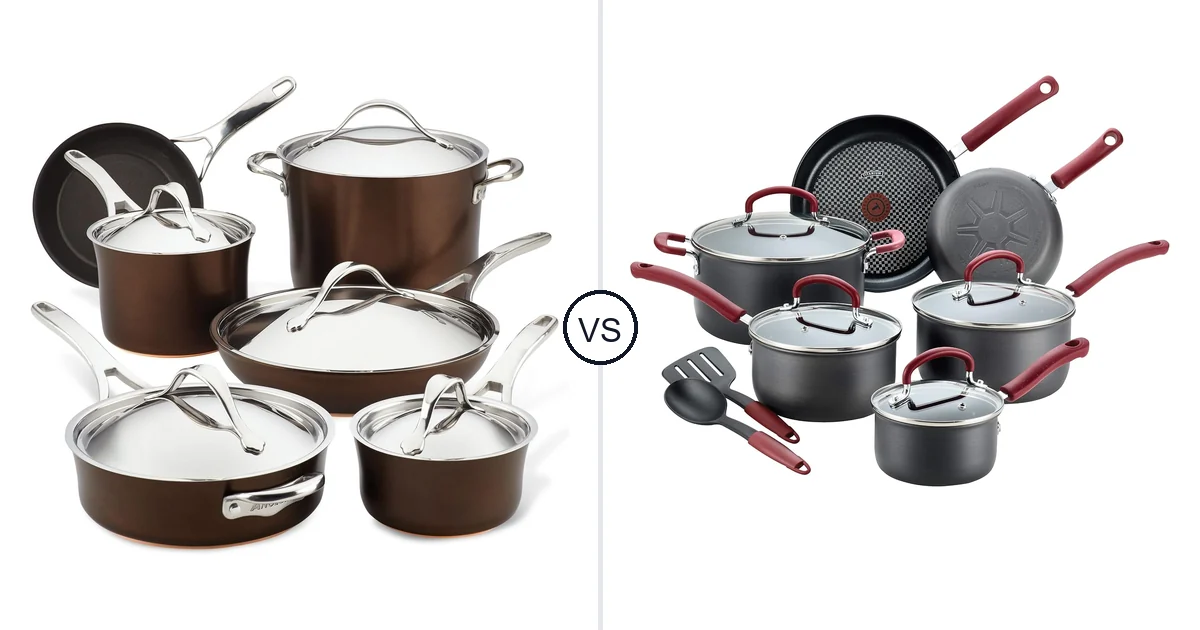
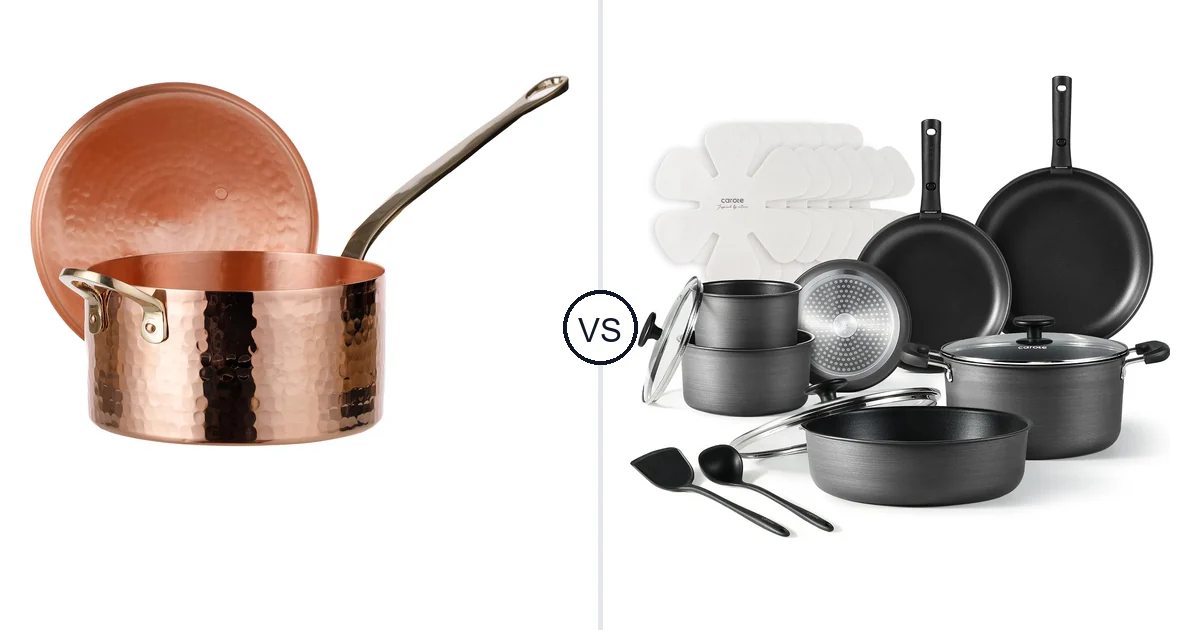
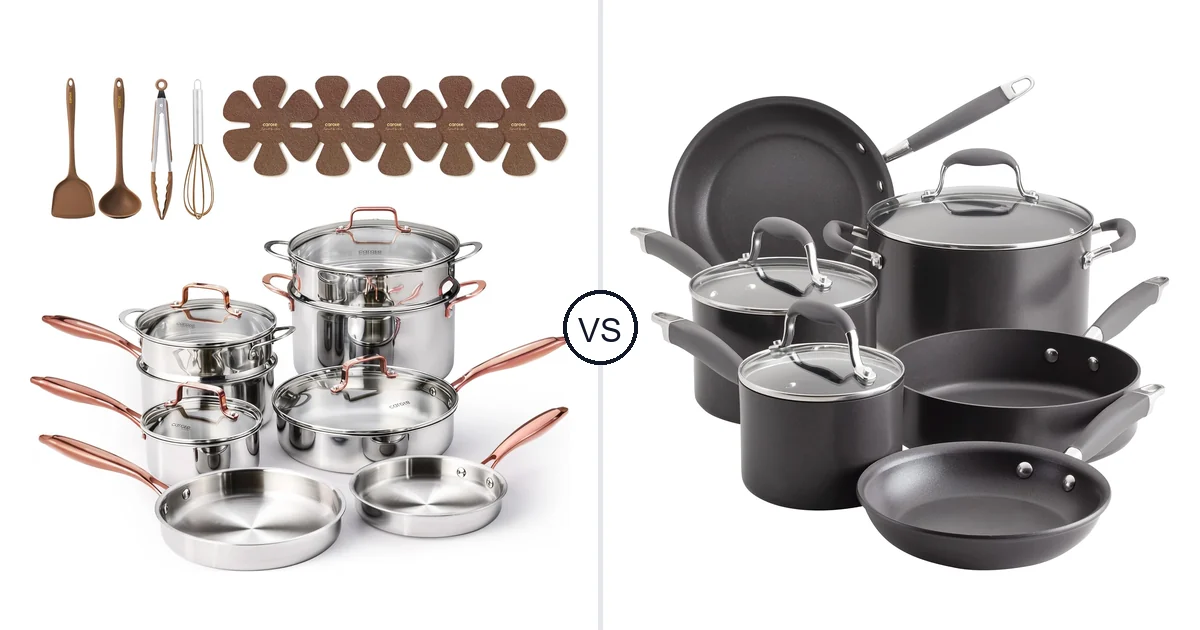
Leave a Reply