
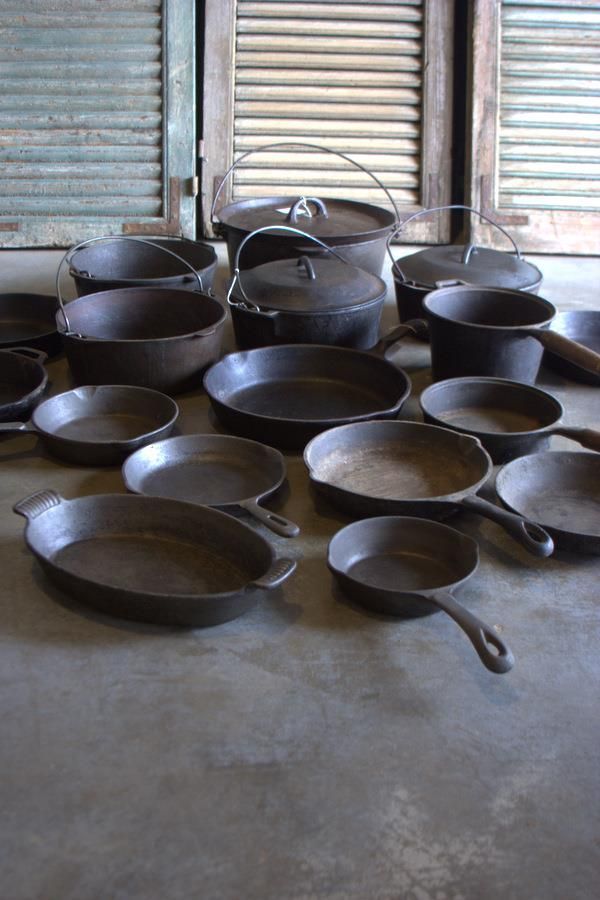
Antique cast iron cookware refers to vintage kitchen items, primarily skillets and Dutch ovens, made from cast iron. These pieces are prized for their durability and excellent heat retention.
Antique cast iron cookware has become a popular choice for both collectors and cooking enthusiasts. Known for its longevity, this cookware often improves with age, developing a natural non-stick surface. Many vintage pieces showcase intricate designs and craftsmanship, adding character to any kitchen.
Cooking with antique cast iron not only enhances flavor but also provides a nostalgic connection to culinary traditions. Collectors appreciate the historical significance and uniqueness of each piece. Whether you’re frying, baking, or simmering, antique cast iron cookware is both functional and a beautiful addition to your kitchen.
The Allure Of Antique Cast Iron Cookware
Antique cast iron cookware captivates many home chefs and collectors. Its rich history adds a unique touch to any kitchen. Each piece tells a story, showcasing craftsmanship from a different era. The blend of functionality and aesthetic charm makes it highly sought after.
Aesthetic And Vintage Charm
Antique cast iron cookware offers a timeless appeal. The rustic look enhances any kitchen decor. Here are some key features:
- Unique Patina: Each piece has a distinct finish.
- Intricate Designs: Handles and edges often feature beautiful patterns.
- Color Variations: Ranges from deep black to vibrant hues.
Display these pieces on shelves or countertops. They serve as conversation starters. Guests often admire their vintage charm and history.
Durability That Withstands The Test Of Time
Antique cast iron cookware is incredibly durable. Many pieces last for generations. Key reasons for their longevity include:
| Feature | Description |
|---|---|
| Material: | Thick iron provides excellent heat retention. |
| Versatile Use: | Suitable for stovetop, oven, and even campfires. |
| Repairable: | Can be re-seasoned and repaired easily. |
Investing in antique cast iron is smart. A well-maintained piece can become a family heirloom. It serves as a reminder of culinary traditions and craftsmanship.
Historical Evolution Of Cast Iron Cookware
Cast iron cookware has a rich history. It has evolved over centuries. From simple beginnings to modern designs, cast iron remains popular. This section explores its historical journey.
Early Beginnings And Craftsmanship
The story of cast iron cookware starts in ancient China. Around 500 BC, artisans created the first cast iron pots. These pots were durable and versatile. They could withstand high heat.
In Europe, the process improved during the Middle Ages. Craftsmen used molds to shape iron. They hand-finished each piece with care. This attention to craftsmanship made early cast iron cookware unique.
- Durability: Cast iron lasts for generations.
- Heat retention: It holds heat well for cooking.
- Versatility: Suitable for stovetop and oven use.
The Golden Era Of Cast Iron
The 19th century marked a golden era for cast iron cookware. Factories sprang up in America and Europe. They mass-produced skillets, Dutch ovens, and more. This made cast iron affordable for everyone.
| Era | Key Developments |
|---|---|
| Early 1800s | Introduction of mass production techniques |
| Mid 1800s | Popularity of enameled cast iron |
| Late 1800s | Rise of household cast iron cookware |
During this time, brands like Wagner and Griswold became famous. They crafted high-quality pieces. These items were not just functional; they became treasured heirlooms.
- Innovative designs emerged.
- Cookware became a symbol of home cooking.
- Cast iron pieces were celebrated in cookbooks.
Identifying Authentic Antique Pieces
Finding genuine antique cast iron cookware can be rewarding. Authentic pieces tell a story. Knowing how to identify them helps collectors and enthusiasts. Here are key points to consider.
Maker’s Marks And Manufacture Dates
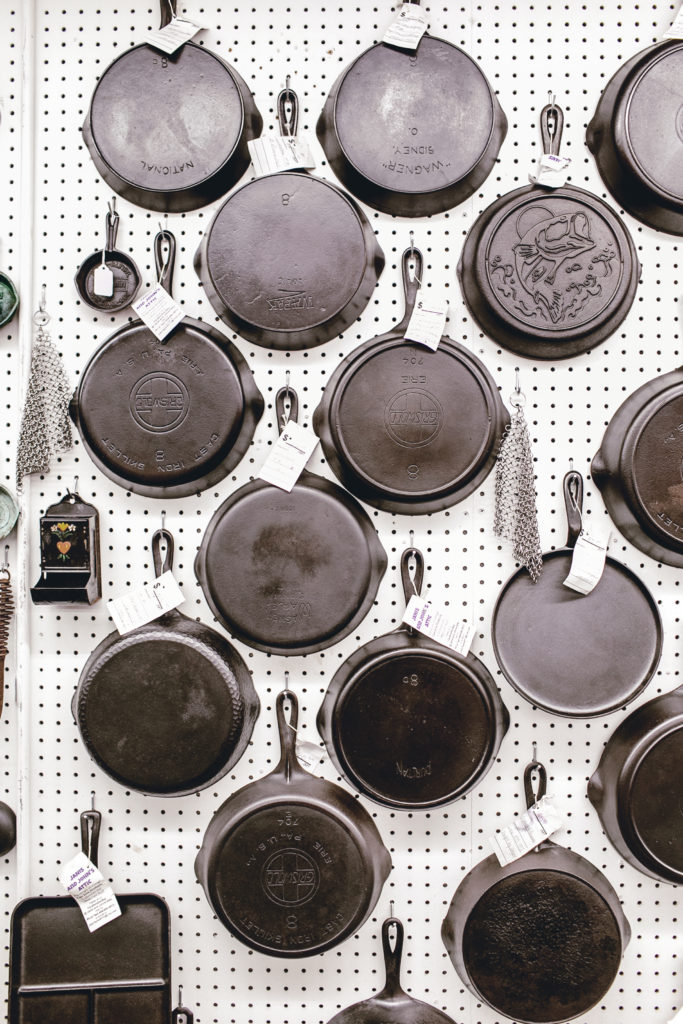
Maker’s marks are crucial for identifying antique cookware. These marks indicate the manufacturer and age. Check the bottom of the cookware for these details.
- Look for raised letters or symbols.
- Common brands include Griswold, Wagner, and Lodge.
- Dates may be stamped or engraved.
Use this table to understand the age of different marks:
| Brand | Earliest Mark | Latest Mark |
|---|---|---|
| Griswold | 1865 | 1957 |
| Wagner | 1891 | 2006 |
| Lodge | 1896 | Present |
Researching these marks enhances your understanding. The right mark can determine value.
Characteristic Features Of Vintage Cast Iron
Authentic antique cast iron has distinct features. These characteristics set them apart from modern pieces.
- Weight: Antique pieces are heavier.
- Surface: Look for a rough texture.
- Color: Dark, often black or dark gray.
- Shape: Unique designs and handles.
Pay attention to these details:
- Check for a smooth cooking surface.
- Inspect for any rust or pitting.
- Examine the overall craftsmanship.
These elements help confirm authenticity. Knowing what to look for makes collecting easier.
Credit: heirloomedblog.com
The Benefits Of Cooking With Cast Iron
Cooking with cast iron offers many advantages. This cookware has stood the test of time. It enhances flavors and adds nutritional value. Here are some key benefits that make cast iron a favorite among chefs and home cooks.
Even Heat Distribution Qualities
Cast iron skillets and pans distribute heat evenly. This ensures food cooks uniformly. No hot spots mean less burning and sticking.
- Perfect for frying and searing.
- Ideal for slow-cooking and baking.
- Great for maintaining consistent temperatures.
Even heat distribution helps achieve the best results. Dishes come out perfectly cooked every time. With cast iron, you can trust the cooking process.
Natural Non-stick Surface Over Time
Cast iron develops a natural non-stick surface with use. Seasoning the pan enhances this feature. Oil and heat create a smooth, slick finish.
- Less oil needed for cooking.
- Food releases easily.
- Healthier cooking options.
With proper care, cast iron can last for generations. This non-stick surface improves with every meal. Cooking becomes easier and more enjoyable.
| Benefit | Description |
|---|---|
| Even Heat Distribution | Consistent cooking without hot spots. |
| Natural Non-Stick | Improves with seasoning over time. |
| Durability | Lasts for generations with proper care. |
Restoring And Seasoning Old Cast Iron
Restoring antique cast iron cookware can be rewarding. This process revives its beauty and functionality. Proper cleaning and seasoning ensure optimal cooking performance. Let’s explore effective methods.
Cleaning And Rust Removal Techniques
Cleaning antique cast iron cookware requires care. Here are some effective techniques:
- Soaking in Water: Submerge your cookware in hot, soapy water. Let it soak for a few hours.
- Scrubbing: Use a stiff brush or steel wool. Remove rust and debris gently.
- Baking Soda Paste: Mix baking soda with water. Apply this paste to stubborn rust spots.
- Vinegar Solution: Combine equal parts vinegar and water. Soak for no more than 30 minutes.
After cleaning, rinse thoroughly and dry completely. Moisture leads to rust.
Seasoning Process For Optimal Performance
Seasoning creates a non-stick surface on cast iron. Follow these steps for best results:
- Preheat Oven: Set your oven to 350°F (175°C).
- Apply Oil: Use vegetable oil or flaxseed oil. Apply a thin layer all over the cookware.
- Bake the Cookware: Place it upside down in the oven. Use a baking sheet to catch drips.
- Cool Down: Let the cookware cool in the oven. This helps the seasoning set.
- Repeat: For best results, repeat the process 2-3 times.
Properly seasoned cookware enhances flavor and prevents sticking. Treat your antique cast iron well for lasting performance.

Credit: www.pinterest.com
Collecting Antique Cast Iron Cookware
Collecting antique cast iron cookware is a rewarding hobby. Each piece tells a story. They offer durability and charm. Many people cherish these vintage items for cooking and display.
Where To Find Vintage Pieces
Finding vintage cast iron cookware can be exciting. Here are some great places to search:
- Local flea markets
- Estate sales
- Thrift stores
- Online auctions
- Antique shops
Online platforms also provide great options. Websites like eBay and Etsy are popular. Social media groups dedicated to collectors are helpful too.
The Value Of Rare And Unique Finds
Not all antique cast iron cookware is the same. Some pieces hold significant value. Consider these factors:
| Factor | Impact on Value |
|---|---|
| Brand | Some brands are more sought after. |
| Condition | Well-preserved pieces fetch higher prices. |
| Age | Older pieces often have higher value. |
| Rarity | Unique designs increase desirability. |
Research helps in understanding value. Rare finds can become treasured family heirlooms. Antique cast iron cookware is both functional and collectible.
Maintenance Tips For Antique Cast Iron
Proper maintenance ensures your antique cast iron cookware lasts for generations. Caring for it keeps the surface smooth and prevents rust. Follow these tips to maintain your precious pieces.
Regular Care And Cleaning Routines
Cleaning antique cast iron requires special attention. Avoid harsh soaps or steel wool. Follow these steps:
- Cool Down: Let the cookware cool before washing.
- Use Water: Rinse with hot water. Use a soft sponge.
- Remove Food Residue: For stuck-on food, scrub gently.
- Dry Immediately: Use a clean cloth to dry thoroughly.
- Oil Lightly: Apply a thin layer of cooking oil.
Regular cleaning prevents rust. Always store your cookware in a dry place.
Storing Solutions To Preserve Quality
Proper storage helps maintain the quality of antique cast iron. Follow these guidelines:
- Avoid Damp Areas: Store in a dry location.
- Use Liners: Place paper towels between stacked pieces.
- Keep Away from Heat: Avoid storing near stoves or ovens.
- Check Regularly: Inspect for rust or moisture.
| Storage Method | Benefits |
|---|---|
| Dry Cloths | Absorb moisture and prevent rust. |
| Stack with Care | Reduces scratches and damages. |
| Cool, Dark Spaces | Prevents oxidation and maintains seasoning. |
Following these tips keeps your antique cast iron in top shape. Enjoy cooking with your treasured cookware!
Integrating Antique Cast Iron Into Modern Kitchens
Antique cast iron cookware brings history and charm into today’s kitchens. Its unique character can enhance any modern design. Integrating these timeless pieces creates a warm and inviting atmosphere. Let’s explore how to blend old with new.
Blending Old With New For A Unique Kitchen Aesthetic
Mixing antique cast iron with modern decor creates a stunning visual appeal. Here are some tips to achieve this blend:
- Display as Decor: Hang skillets on the wall.
- Color Coordination: Choose colors that match your kitchen theme.
- Functional Art: Use antique cookware as both decor and utility.
Consider using a reclaimed wood shelf. This will highlight the beauty of the cast iron. Pair it with sleek, contemporary appliances. The contrast creates a captivating focal point.
Cooking Techniques That Honor Traditional Methods
Using antique cast iron allows you to explore traditional cooking methods. These techniques enhance flavors and textures. Here are some classic methods to try:
- Seasoning: Properly season your cookware to build flavor.
- Searing: Use high heat to lock in juices.
- Slow Cooking: Perfect for stews and casseroles.
These methods not only preserve the integrity of the cookware but also improve your cooking skills. Embrace the nostalgia of preparing meals just like our ancestors did.
| Cooking Technique | Description |
|---|---|
| Seasoning | Coat with oil and bake to create a non-stick surface. |
| Searing | Brown meat quickly for rich flavor. |
| Slow Cooking | Simmer for hours to enhance taste and tenderness. |
Integrating antique cast iron into modern kitchens is easy. Its beauty and functionality will elevate your cooking experience. Enjoy the blend of history and modernity in every meal.
Credit: m.youtube.com
Antique Cast Iron Cookware: An In-Depth Guide
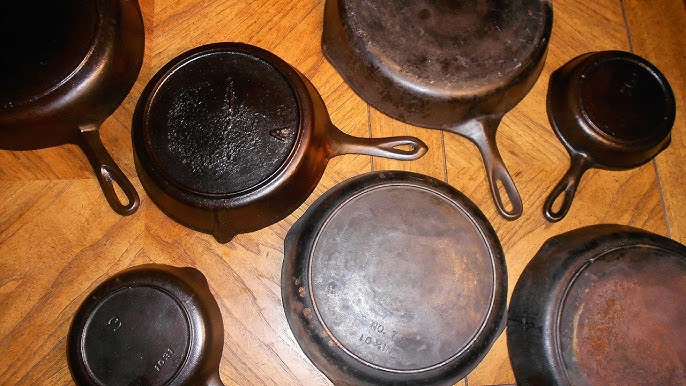
Antique cast iron cookware is highly valued for its exceptional durability, excellent heat retention, and unique cooking qualities. With a rich history spanning centuries, these timeless pieces have become sought-after collectibles while continuing to serve as practical kitchen tools. This guide will delve into the history, features, benefits, care tips, and important considerations for using antique cast iron cookware.
1. History of Antique Cast Iron Cookware
Cast iron cookware has roots that trace back to ancient civilizations in China and Europe, with evidence of its use dating as far back as the 5th century. By the 18th century, cast iron pots and pans gained popularity in American kitchens, particularly following the advent of the cast iron stove. Renowned manufacturers such as Griswold, Wagner, and Lodge built their reputations by producing high-quality cast iron cookware that remains respected to this day.
1.1 Characteristics of Antique Cast Iron Cookware
Antique cast iron cookware is distinguished by several key features:
- Heavy Construction: Generally thicker than modern counterparts, providing superior heat retention.
- Unique Designs: Many antique pieces showcase intricate designs and markings, reflecting the craftsmanship of their era.
- Seasoning: Older cookware typically possesses a well-established seasoning layer that enhances its nonstick properties.
2. Benefits of Antique Cast Iron Cookware
| Benefit | Description |
|---|---|
| Durability | Built to last for generations; resistant to warping and scratching. |
| Heat Retention | Excellent heat retention and distribution, ideal for various cooking methods. |
| Natural Nonstick Surface | When properly seasoned, cast iron provides a natural nonstick surface that improves with use. |
| Versatility | Suitable for stovetop, oven, and outdoor cooking over an open flame. |
| Aesthetic Appeal | Often features beautiful designs that add character to kitchen decor. |
3. Considerations When Using Antique Cast Iron Cookware
While antique cast iron cookware offers numerous advantages, there are some factors to keep in mind:
- Weight: Antique pieces can be heavier than modern alternatives, which may require more effort to handle.
- Condition: Inspect for cracks, chips, or excessive rust, as these issues can impact performance and safety.
- Maintenance: Antique cookware often requires more care to maintain its seasoning and prevent rust.
- Value: Some pieces may hold significant collectible value; exercise caution when deciding to use them for regular cooking.
4. Care and Maintenance Tips for Antique Cast Iron Cookware
To maximize the lifespan of your antique cast iron cookware, adhere to these care tips:
- Cleaning: Avoid soap and harsh detergents. Instead, use a stiff brush and hot water for cleaning. For stubborn residue, coarse salt can serve as an effective abrasive.
- Seasoning: Regularly season your cast iron to preserve its nonstick qualities. Apply a thin layer of vegetable oil or shortening and bake in the oven at a high temperature for about an hour.
- Storage: Keep your cast iron cookware in a dry location. To combat moisture buildup, place a paper towel inside to absorb excess humidity.
- Avoid Sudden Temperature Changes: Prevent thermal shock by gradually heating and cooling the cookware.
Frequently Asked Questions
What Is Antique Cast Iron Cookware?
Antique cast iron cookware refers to items made from cast iron, often dating back to the 19th century. These pieces are prized for their durability and excellent heat retention. Many collectors seek them for their historical value and unique craftsmanship.
They can also enhance cooking flavors over time.
How To Identify Antique Cast Iron Cookware?
To identify antique cast iron cookware, look for markings, such as the manufacturer’s name or logo. Check for a rough, textured surface, which indicates older production methods. Additionally, consider the weight and shape of the piece. Authentic antiques often show signs of wear from years of use and care.
Is Antique Cast Iron Cookware Safe To Use?
Yes, antique cast iron cookware is generally safe to use if properly maintained. Ensure the cookware is free from rust and has been seasoned well. It’s advisable to avoid using pieces with significant cracks or chips. Regular cleaning and seasoning can keep your antique cookware functional and safe.
How To Clean Antique Cast Iron Cookware?
To clean antique cast iron cookware, avoid soap and harsh detergents. Instead, use hot water and a stiff brush to scrub off food residue. For stubborn stains, sprinkle salt and scrub gently. After cleaning, dry thoroughly and apply a thin layer of oil to prevent rust and maintain seasoning.
Conclusion
Antique cast iron cookware offers unmatched durability and charm. Its unique ability to retain heat makes it perfect for various cooking methods. Investing in these timeless pieces not only enhances your culinary experience but also adds character to your kitchen.
Embrace the legacy of antique cast iron and elevate your cooking today.

Leave a Reply