
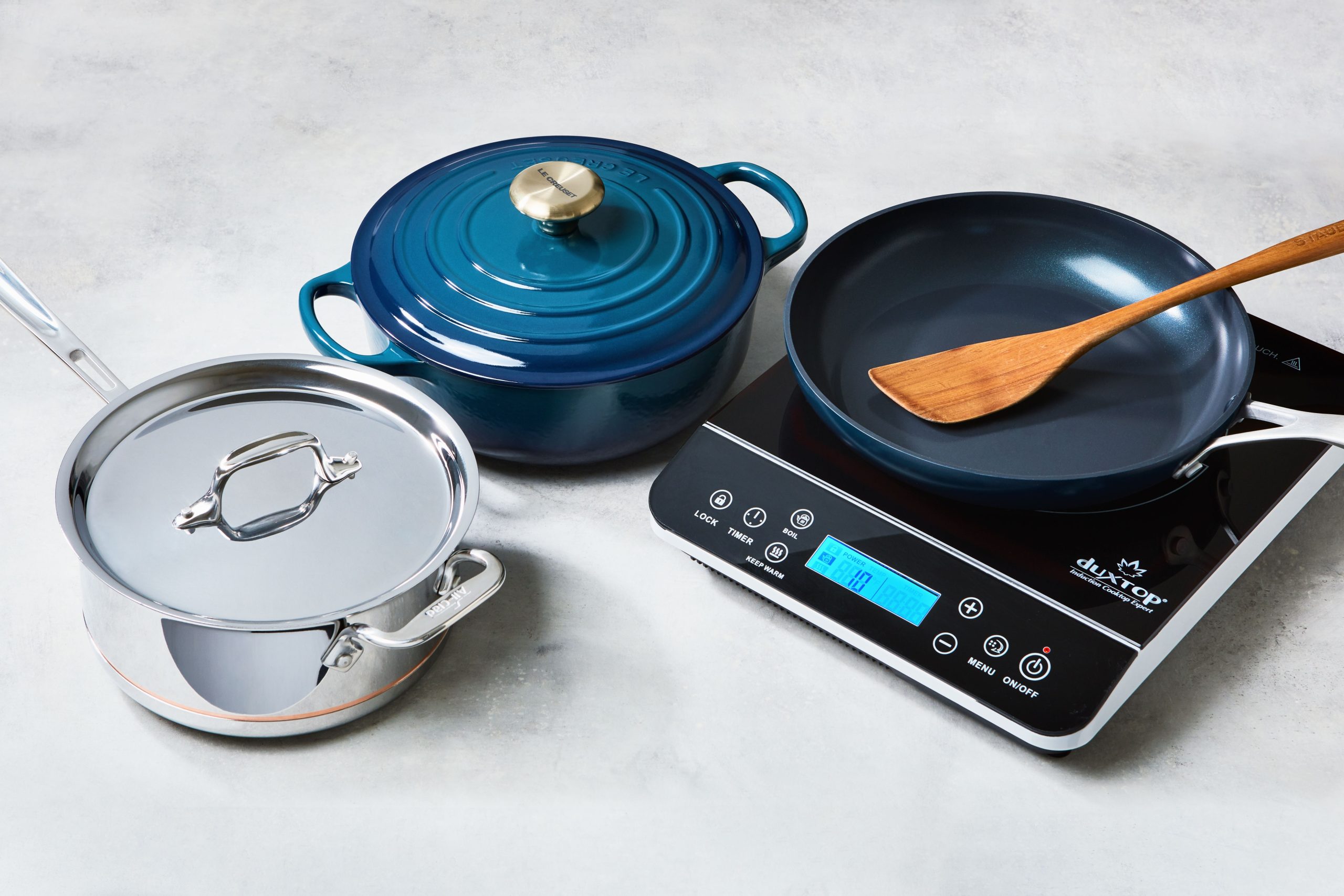
Stainless steel cookware is durable and low maintenance but can be poor at heat distribution. It’s non-reactive with foods yet can be expensive.
Pros And Cons of Using Stainless Steel Cookware:Choosing the right cookware is crucial for any kitchen, and stainless steel options are a popular choice. They offer a sleek, professional appearance that remains resistant to rust and stains, making them a long-lasting kitchen staple. Their non-reactive nature ensures that they won’t alter the taste of acidic foods, which is essential for maintaining the integrity of your recipes.
The durability also stands up to high heat and can transition from stovetop to oven with ease. Despite these advantages, stainless steel cookware often requires a heftier investment upfront. Additionally, these pots and pans might require an added layer of a more conductive metal, such as copper or aluminum, to address their heat distribution shortcomings. This introduction sets the stage for a deeper exploration of the advantages and limitations of stainless steel cookware, guiding consumers to make an informed decision for their culinary needs.
Introduction To Stainless Steel Cookware
Welcome to the world of Stainless Steel Cookware. This kitchen gear shines in homes worldwide. It blends durability with style, making it a top choice for many.
Popularity In Modern Kitchens
Why do people love stainless steel pots and pans? The reasons are clear. They last long and look good. Chefs and home cooks prefer them for their sleek design. They also heat up fast and even. This makes cooking easier and fun.
What Is Stainless Steel?
Stainless steel is a mix of metals. It includes iron, carbon, and chromium. This blend stops rust and keeps the metal shiny. Not all stainless steel is the same. Quality varies based on the mix. Better quality means more chromium. This makes the cookware more rust-resistant.
- Durable: It doesn’t break easily.
- Shiny: Keeps its shine for years.
- Rust-resistant: Chromium fights off rust.
Benefits Of Cooking With Stainless Steel
Stainless steel cookware stands out in modern kitchens. Its sleek look matches its top-notch performance. Chefs and home cooks alike treasure it. Here’s why:
Durability And Longevity
Stainless steel pots and pans last. They withstand drops, scrapes, and dings. Unlike other materials, they don’t chip or crack. This means a single set could be your cooking partner for decades.
Resistant To Corrosion And Stains
Kitchen accidents leave no trace on stainless steel surfaces. They resist rust and discoloration. Acidic foods or high heat won’t spoil the shiny finish. Your cookware stays looking new.
Maintaining Flavor Integrity
With stainless steel, flavors stay pure. The material doesn’t absorb odors or tastes from foods. This ensures each dish tastes exactly as intended, every single time.
Heat Conductivity And Cooking Performance
Stainless steel cookware stands out in kitchens worldwide. Its heat conductivity and cooking performance are crucial. Let’s delve into how it fares in these aspects.
Even Heat Distribution
Stainless steel is renowned for durability and aesthetics. Yet, it’s not the best heat conductor. Manufacturers often bond it with aluminum or copper. This enhances heat distribution. Foods cook more evenly as a result. No more hot spots causing unexpected burns or undercooked meals.
- Layers matter – More layers mean better heat spread.
- Prevents burning – Heat spreads, reducing burn risk.
- Consistent results – Meals turn out great every time.
Suitability For Various Cooking Techniques
Stainless steel’s versatility shines in different cooking techniques. It supports searing, sautéing, and browning. It’s safe for ovens and broilers too.
| Cooking Technique | Suitability |
|---|---|
| Searing | Excellent |
| Sautéing | Very Good |
| Browning | Excellent |
| Oven Use | Yes, up to high temperatures |
Whether you’re a professional chef or a home cook, stainless steel can meet the demands of various cooking methods.
- High-heat tolerance – It withstands intense heat.
- Non-reactive surface – Keeps flavors intact.
- Induction compatible – Works with modern stovetops.
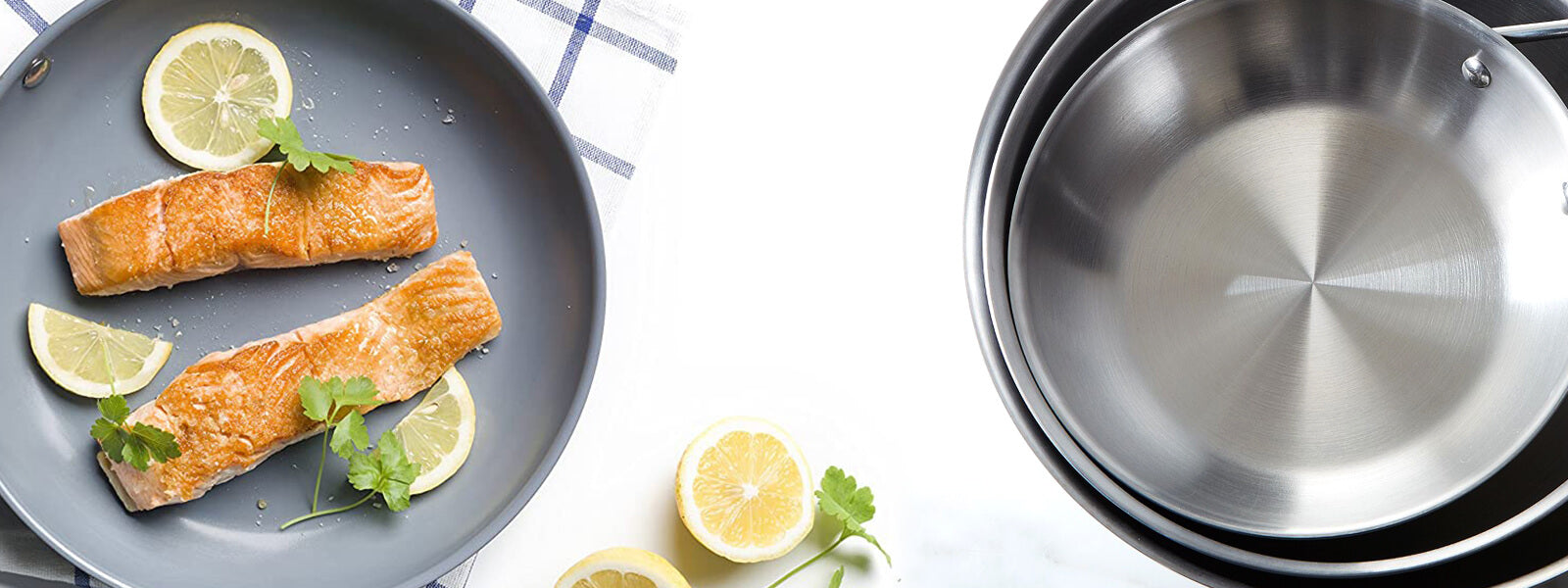
Credit: www.potsandpans.in
Ease Of Maintenance
Ease of Maintenance stands out as a key advantage for stainless steel cookware users. This material’s resilience to wear and tear makes it a top pick in kitchens. Let’s delve into what makes stainless steel cookware a breeze to maintain.
Simple Cleaning Process
Cleaning stainless steel cookware is straightforward. It usually requires just some warm water, soap, and a sponge. For stubborn stains, a baking soda paste does wonders. Rinse thoroughly, and your cookware shines like new.
- Warm water and soap are enough for daily cleaning.
- Use baking soda for tough spots.
- Rinse well to avoid water spots.
Dishwasher Safety
Most stainless steel cookware can handle the dishwasher. This adds convenience and saves time. Always check with the manufacturer to avoid damage. Some pieces may need hand washing to preserve their finish.
| Item | Dishwasher Safe? |
|---|---|
| Pots and Pans | Usually, yes |
| Knives | Best hand washed |
| Specialty Cookware | Check label |
Aesthetics And Design
Stainless steel cookware brings elegance to home kitchens. Its sleek, shiny appearance stands out. Let’s explore the aesthetic benefits and design aspects of stainless steel pots and pans.
Timeless Appeal
Stainless steel’s shine adds class to any kitchen. This material does not fade or discolor over time. Its look remains consistent, proving its long-lasting appeal. Cookware made from stainless steel suits a range of styles, from modern to rustic. It’s a choice that resists trends and lasts through the years.
Versatility In Kitchen Decor
Stainless steel cookware matches any color scheme. It complements other appliances and countertops. This versatility makes stainless steel an ideal choice for kitchen decor. Home chefs can mix and match pieces without worrying about clashes.
| Pros | Cons |
|---|---|
| Enhances kitchen aesthetic | Can show fingerprints and smudges |
| Matches with all decor styles | Requires regular polishing to maintain shine |
| Does not fade over time | Can appear too industrial for some |
- Easy to clean
- Durable and strong
- Non-reactive surface
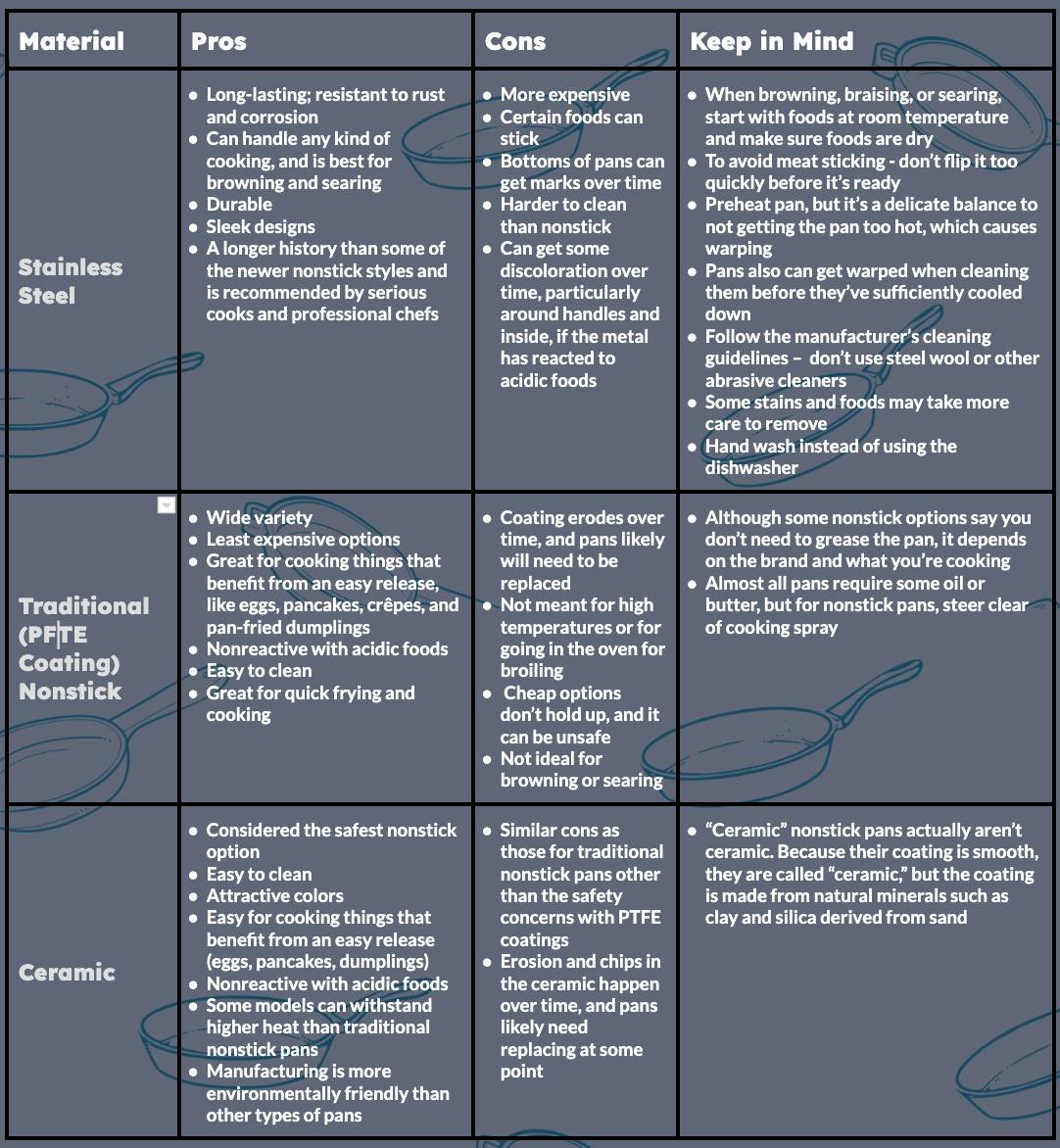
Credit: www.curated.com
Health And Safety Considerations
Thinking about health and safety with cookware is important. Stainless steel cookware is popular in kitchens. Yet, it has pros and cons for health.
Non-reactivity With Foods
One big plus of stainless steel is its non-reactivity. This means it does not change the taste or look of food. Foods, especially acidic ones like tomatoes, can react with other materials. But, with stainless steel, this is not a worry.
- Keeps food’s true flavors
- Does not hold onto food odors or colors
- Safe for cooking all types of dishes
Concerns Over Nickel And Chromium Leaching
Stainless steel contains metals like nickel and chromium. These can sometimes mix into foods. People with allergies to these metals need to be careful.
| Type of Stainless Steel | Nickel Content | Risk of Leaching |
|---|---|---|
| 304 Stainless Steel | High | Medium |
| 316 Stainless Steel | Higher | Low |
| 430 Stainless Steel | None | None |
Using high-quality, food-grade stainless steel reduces these risks. Always check the grade before buying.
The Downside Of Stainless Steel Cookware
While stainless steel cookware offers many benefits, it’s not perfect. Let’s explore some cons.
Higher Cost Investment
Stainless steel cookware requires a bigger budget. Compared to other materials, it’s pricier. This higher initial cost might deter budget-conscious shoppers. Yet, its durability can offer long-term savings.
Potential For Hot Spots And Uneven Cooking
Not all stainless steel cookware is created equal. Lower quality options may cause hot spots. This means food cooks unevenly. To avoid this, opt for higher quality, multi-layered cookware. It distributes heat better but costs more.
- Invest in top-tier stainless steel for even heat distribution.
- Avoid low-quality pieces to prevent uneven cooking.
Environmental Impact And Sustainability
Stainless steel cookware stands out in kitchens worldwide. Yet, its impact on our planet is a hot topic. We must consider both the environmental footprint and sustainability factors. This section dives into the pros and cons from an eco-perspective.
Recyclability Of Stainless Steel
A major plus for stainless steel is its recyclability. Unlike some materials, stainless steel doesn’t lose quality when recycled.
- 100% recyclable: It can be melted down and reused.
- Reduces landfill waste: Old pots can become new products.
- Conserves resources: Recycling lessens the need for new material.
Energy Intensive Production
The production of stainless steel requires a lot of energy. This is a significant downside. High temperatures are needed to melt and mold the steel.
| Aspect | Impact |
|---|---|
| Energy use | High energy consumption during manufacturing |
| Carbon footprint | Production emits CO2 contributing to greenhouse gases |
| Resource depletion | Uses non-renewable resources like coal and natural gas |
Making The Smart Choice
Making the right choice in cookware is vital for good cooking. Stainless steel stands out for its durability and sleek look. Yet, is it the best for your kitchen? Let’s explore its pros and cons compared to other materials. We’ll also consider how it fits your personal cooking style and lifestyle.
Comparing With Other Cookware Materials
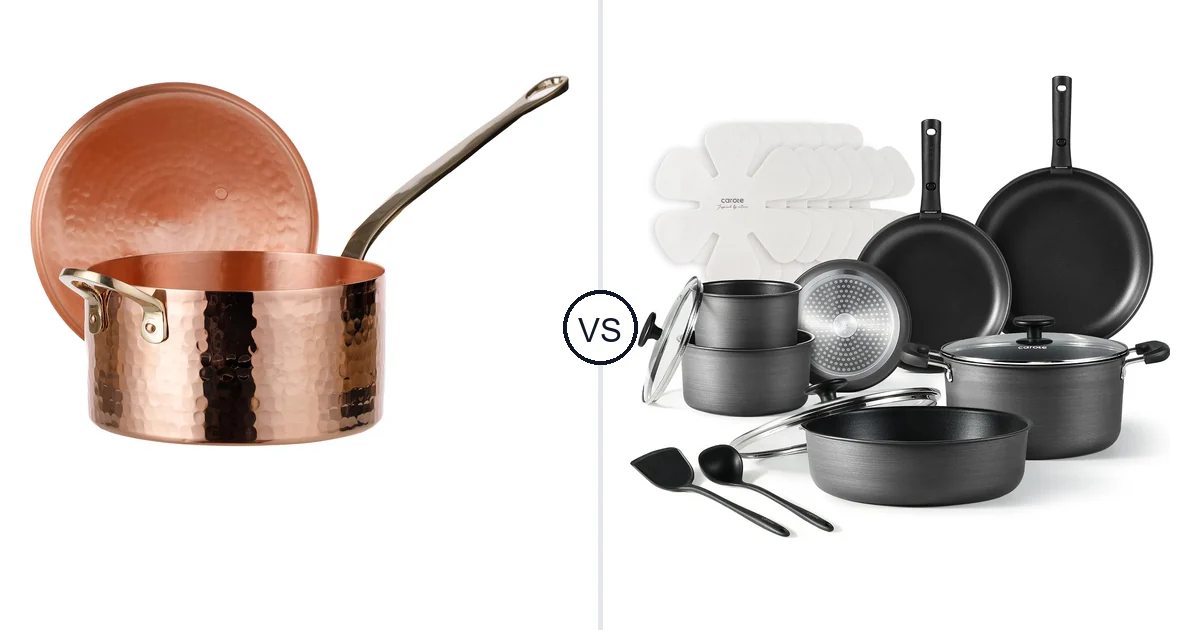
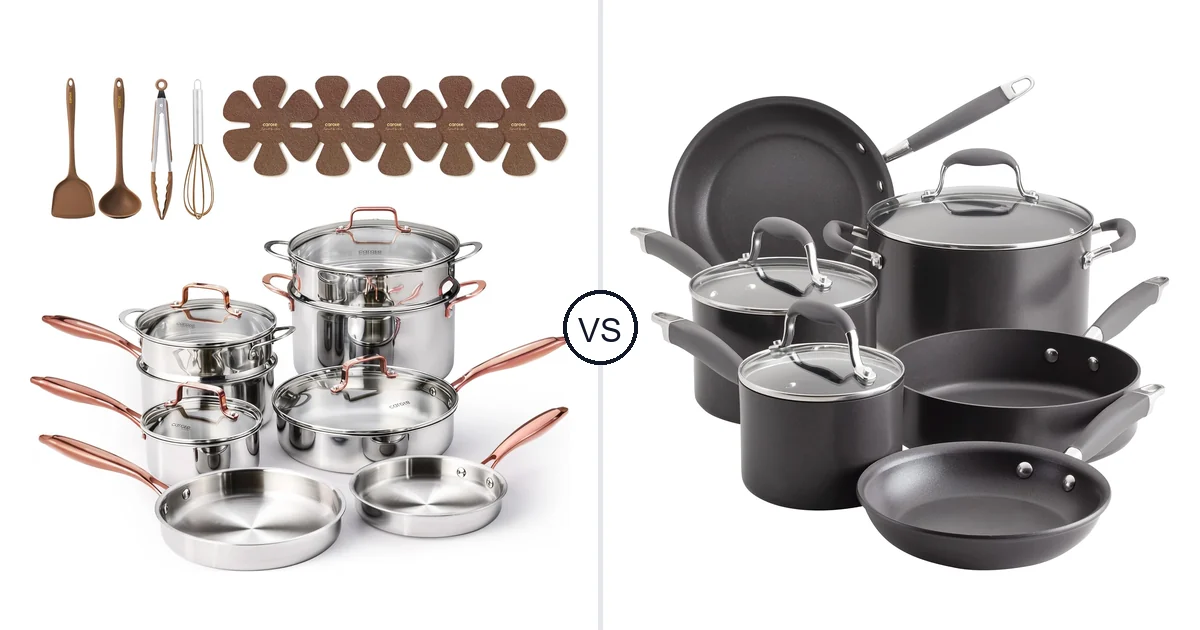
Stainless steel competes with cast iron, non-stick, and copper cookware. Below is a comparison to help you decide:
| Material | Heat Conductivity | Durability | Maintenance |
|---|---|---|---|
| Stainless Steel | Medium | High | Easy |
| Cast Iron | Slow | Very High | Needs seasoning |
| Non-stick | Fast | Low | Very easy |
| Copper | Very Fast | Medium | Difficult |
Personal Cooking Needs And Lifestyle
Your choice in cookware should reflect your cooking habits. Consider these points:
- Versatility: Stainless steel is oven-safe and induction compatible.
- Health: It’s non-reactive and doesn’t leach chemicals.
- Speed: It heats slower than copper but faster than cast iron.
- Cleaning: Easy to clean but can show water spots.
- Price: More affordable than copper, less than non-stick over time.
Think about your daily cooking needs. If you value durability and versatility, stainless steel is a strong contender. For quick, low-maintenance cooking, non-stick might be better. Your choice should serve your cooking style and last for years.

Credit: learn.surlatable.com
Frequently Asked Questions
What Is The Major Disadvantage To Stainless Steel Cookware?
The major disadvantage of stainless steel cookware is its relatively poor heat conductivity compared to other materials.
What Are The Disadvantages Of Stainless Steel?
Stainless steel can be costly, potentially heavy, and may scratch or dent. It’s not the best heat conductor and can show fingerprints or water spots.
Why Not To Use Stainless Steel Cookware?
Stainless steel cookware can leach nickel and chromium into food, especially when cooking acidic dishes. Some people prefer to avoid these metals due to health concerns or allergies.
What Are The Side Effects Of Stainless Steel Cookware?
Stainless steel cookware can cause nickel and chromium leaching at high temperatures, potentially triggering allergic reactions in some individuals.
Conclusion
Wrapping up, stainless steel cookware offers a balanced mix of durability and cooking efficiency. While it has its drawbacks, like potential for leaching, the benefits often outweigh the concerns. Carefully weigh these aspects to decide if it’s the right fit for your culinary needs.
Happy cooking!

Leave a Reply