
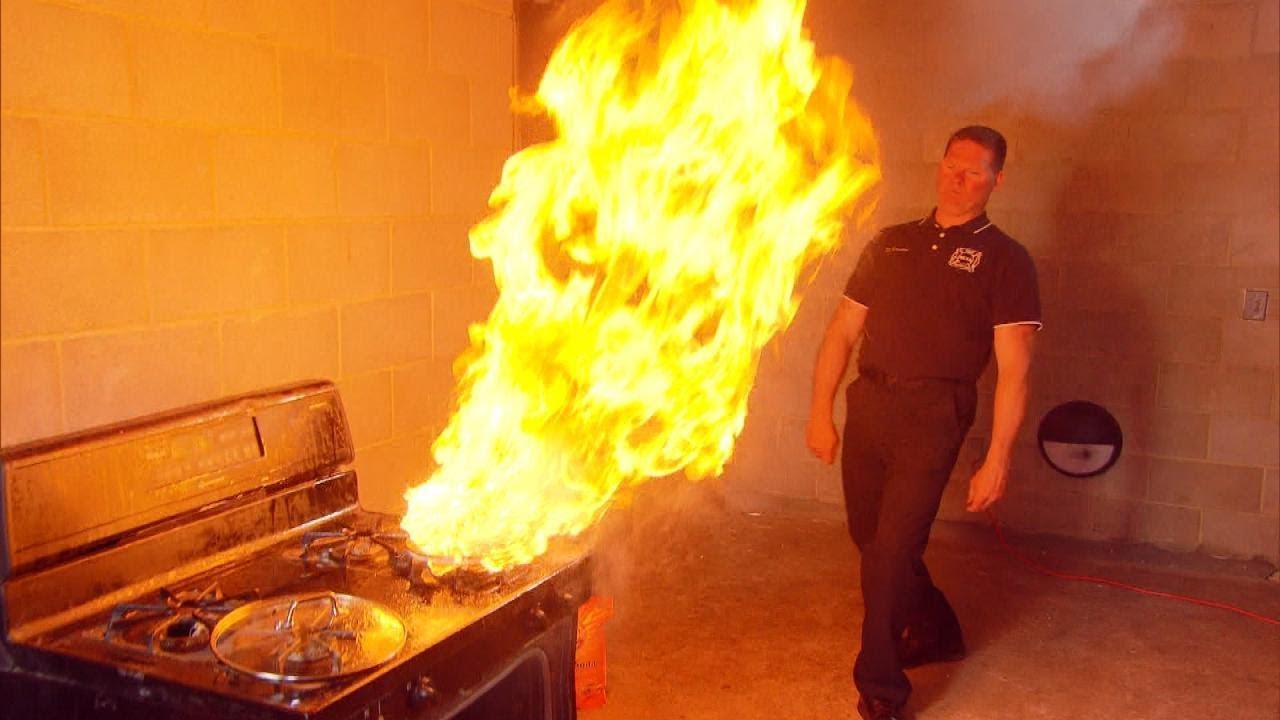
If a pan catches fire, immediately turn off the heat and cover it with a metal lid or cookie sheet. Never use water to extinguish a grease fire as it can cause the flames to spread.
What to Do If a Pan is on Fire:Kitchen safety is a critical topic that concerns everyone from home cooks to professional chefs. A pan on fire presents a serious risk that requires swift and decisive action to ensure personal safety and prevent property damage. Understanding the right steps to take can mean the difference between a minor kitchen mishap and a catastrophic event.
Each year, cooking fires account for a significant number of domestic emergencies, often due to a lack of knowledge on how to respond appropriately. This makes it essential to educate oneself on proper fire safety protocols. By keeping calm and following the correct procedures, you can quickly and effectively handle a pan fire, minimizing the threat to your kitchen and home.
Introduction To Kitchen Fires
Experiencing a pan fire can quickly escalate into a kitchen disaster. This guide provides essential steps to safely extinguish flames and prevent damage.
Kitchen fires can start suddenly and spread quickly.
Knowing the right actions can keep you and your home safe.
This guide covers common causes and initial steps to manage a pan on fire.
Common Causes
Many kitchen fires begin with cooking equipment.
Unattended cooking is a top cause.
Grease buildup and flammable items near the stove also pose risks.
- Leaving food unattended on the stove or in the oven
- Using too much heat when cooking
- Greasy surfaces catching fire
- Combustible materials like towels or curtains too close to the heat
Initial Steps
Act fast if a pan catches fire. Stay calm and follow these steps.
- Turn off the stove if it’s safe to do so.
- Evacuate everyone from the kitchen.
- Use a metal lid or cookie sheet to cover the pan.
- Call 911 for help immediately.
Never use water on a grease fire.
It can cause the fire to spread.
Keep a fire extinguisher within reach for emergencies.
Credit: www.quora.com
Safety First: Before A Fire Starts
Imagine cooking your favorite meal. Now imagine a fire starting in your pan. Scary, right? Keep your kitchen safe with these tips.
Preventive Measures
Never leave cooking unattended. An unwatched pot or pan could spell disaster. Always stay alert while cooking.
Keep flammable items away from the stove. Oven mitts, wooden utensils, and towels can catch fire if too close.
Keep your stove and oven clean. Grease buildup can ignite a fire quickly. Wipe up spills promptly.
Maintain a safe cooking environment. Ensure kids and pets stay clear while cooking.
Emergency Equipment
Equip your kitchen with a fire extinguisher. Know how to use it before a fire starts.
Install a smoke detector near the kitchen. Test it monthly to ensure it works properly.
- Class K extinguisher for kitchen fires
- Baking soda for grease fires
- Metal lid or cookie sheet to smother flames
Prepare an emergency plan. Practice it with your family regularly. Know two ways out of every room.
Identifying A Pan Fire
Kitchen fires can start quickly and unexpectedly.
Identifying a pan fire early is crucial.
Knowing what to look for can prevent a disaster.
Signs To Watch For
- Smoke: A sign that oil or food is too hot.
- Flames: Visible flames from the pan.
- Heat: Excessive heat without visible flames.
- Odor: A burning smell indicates a potential fire.
Types Of Pan Fires
Different pan fires require unique approaches.
| Type | Common Causes | Action Required |
|---|---|---|
| Grease Fire | Overheated oil or grease | Smother with a lid, no water |
| Electric Stove Fire | Food residue on burner | Turn off stove, smother if needed |
| Gas Stove Fire | Leaking gas, unlit burner | Cut off gas supply, evacuate if necessary |

Credit: www.quora.com
Immediate Actions To Take
Experiencing a pan fire can be alarming. Quick and decisive action is crucial. Below are steps to manage this kitchen emergency safely.
Turning Off The Heat
The first step is to cut the heat source. Do this immediately. If it’s safe, reach for the stove knob and turn it off. Avoid moving the pan. Movement can make the fire worse.
Covering The Pan
Next, deprive the fire of oxygen. Use a metal lid or cookie sheet. Place it over the pan carefully. Do not use glass as it can shatter. Avoid dousing the fire with water. This can cause a dangerous flare-up.
- Do not panic
- Act quickly and calmly
- Keep a fire extinguisher nearby
If the fire does not go out, leave the house. Call the fire department from outside.
What Not To Do
Pan fires can be alarming and dangerous. Knowing what not to do is crucial for safety. It can prevent the fire from spreading. Here are critical mistakes to avoid:
Avoiding Water
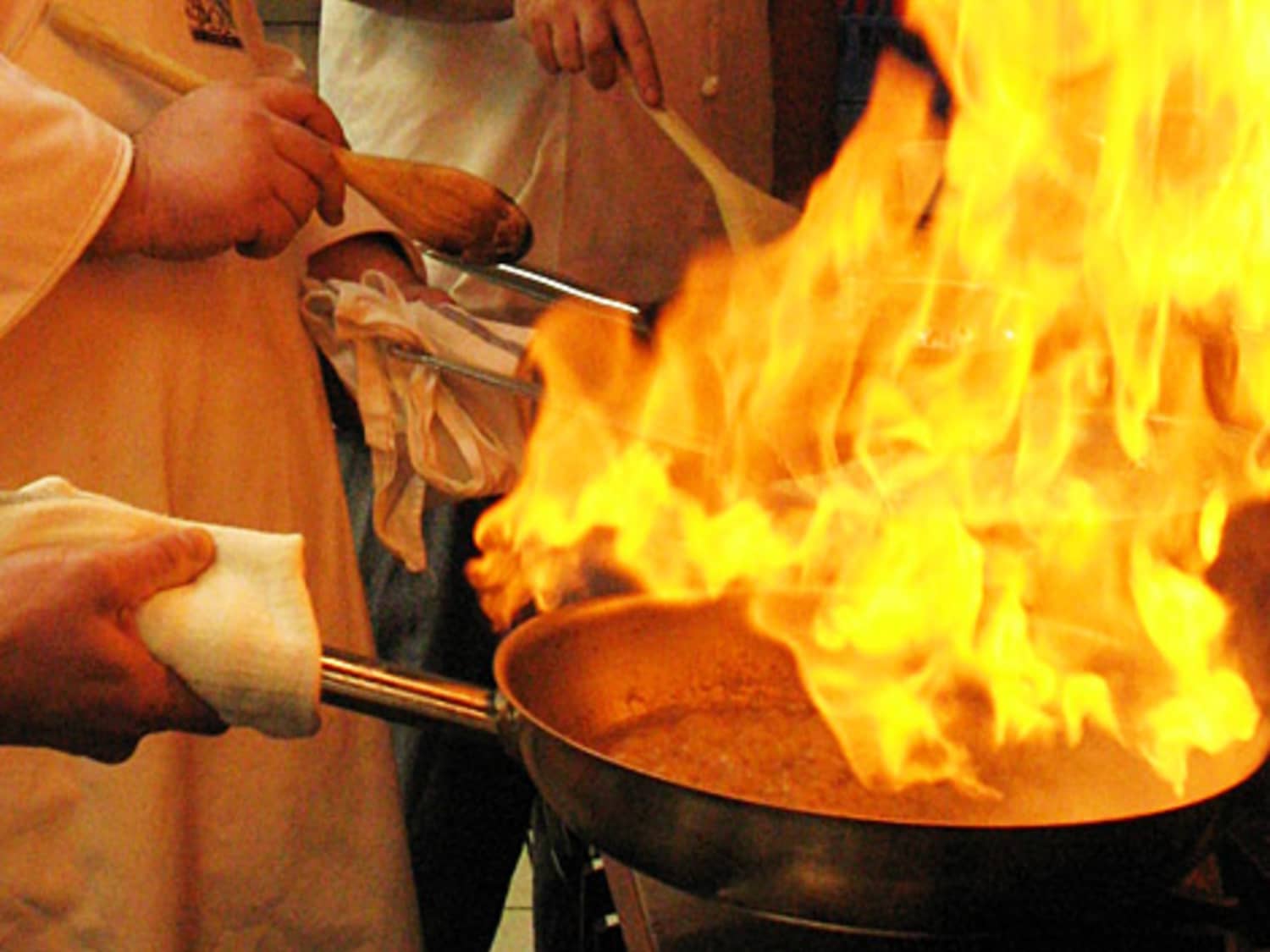
Never pour water on a grease fire. It can cause the fire to splash and spread. Water can make the fire bigger. It’s because water and oil don’t mix. Instead, smother the flames with a lid or a fire blanket.
Not Moving The Pan
Do not try to move a burning pan. It’s risky. The pan is hot and heavy. Moving it can cause burns or spread the fire. Leave the pan where it is. Turn off the heat if you can do it safely. Then, use a lid to cover the pan and cut off the oxygen supply.
Using Fire Extinguishers
When a pan catches fire, quick and safe action is crucial. One effective method to extinguish a fire is using a fire extinguisher. Knowing the right type and usage techniques could save your kitchen and possibly your life.
Types Suitable For Kitchen Fires
Not all extinguishers work for kitchen fires. It is important to use the correct type.
- Class A – For ordinary combustibles like wood and paper.
- Class B – For flammable liquids like grease and oil.
- Class C – For electrical fires.
- Class K – Specifically designed for kitchen fires.
Class ABC extinguishers can handle most home fires. Class K is best for high-heat cooking oils.
Proper Usage Techniques
To use a fire extinguisher correctly, remember the acronym PASS:
- Pull the pin to unlock the lever.
- Aim low, pointing the extinguisher at the fire’s base.
- Squeeze the lever slowly and evenly.
- Sweep the nozzle side to side.
Keep a safe distance from the fire. Start using the extinguisher from several feet away. Move closer as the fire dies down.
After The Fire
Emergencies like a pan fire can be alarming. Once the flames die down, the focus shifts to what comes next. The section “After the Fire” provides crucial steps to ensure your kitchen is safe and determines if professional help is needed.
Assessing Kitchen Safety
Check for damages once the area cools. Look for signs of fire on walls, appliances, and counters. Inspect wiring for any exposure or burns. This could prevent future hazards. Ensure ventilation systems are clear and functional.
When To Call Professionals
If the fire was large or if uncertainty about safety persists, call professionals. They can assess structural integrity and electrical systems. Professional cleaners also handle soot and smoke damage. For peace of mind, have experts evaluate the situation.
Prevention Tips For The Future
After a kitchen fire, it’s crucial to focus on prevention. Understanding how to stop fires before they start keeps your home safe. Let’s explore effective strategies.
Routine Checks
Regular checks on your kitchen equipment are vital. They ensure everything functions correctly. This reduces fire risks significantly.
- Inspect your smoke detectors monthly.
- Check expiration dates on fire extinguishers.
- Ensure no grease buildup on stoves or ovens.
Safe Cooking Practices
Safe cooking habits are key to preventing kitchen fires. Always stay alert and focused when cooking. Follow these tips for a safer kitchen environment.
| Practice | Details |
|---|---|
| Stay Present | Never leave cooking food unattended. |
| Clean Surfaces | Keep cooking areas free of flammable items. |
| Oil Caution | Heat oil slowly, watch for smoke or smell. |
- Use timers to remind you of cooking durations.
- Wear fitting clothes to avoid catching fire.
- Keep kids and pets away from cooking areas.
Credit: www.thekitchn.com
Frequently Asked Questions
What To Do If A Pan Goes On Fire?
Turn off the stove immediately. Cover the pan with a metal lid or cookie sheet to smother the flames. Never use water on a grease fire. For small fires, baking soda can extinguish the flames. Always keep a fire extinguisher nearby and call emergency services if needed.
How Do You Deal With A Frying Pan Fire?
Turn off the stove immediately. Cover the pan with a metal lid to smother the flames. Never use water on a grease fire. Avoid moving the pan. If safe, use a fire extinguisher or baking soda for extinguishment.
How Do You Put Out A Fire Pan?
To put out a fire in a pan, turn off the stove and cover the pan with a metal lid or baking sheet. Never use water, as it can cause splattering and spread the fire. If necessary, use a fire extinguisher designed for grease fires.
Can You Put Out A Pan Fire With Water?
No, never use water to extinguish a pan fire. Water can cause the fire to spread and become more dangerous. Instead, use a fire extinguisher or cover the pan with a lid to smother the flames. Always prioritize safety and call emergency services if needed.
Conclusion
Handling a pan fire safely is key to kitchen safety. Always stay calm and use the correct method to extinguish flames. Remember, water is not a friend to grease fires. Instead, opt for a metal lid or baking soda. Regularly checking your smoke detector also adds a layer of safety.
Be prepared, stay informed, and keep your kitchen safe from fire hazards.

Leave a Reply