
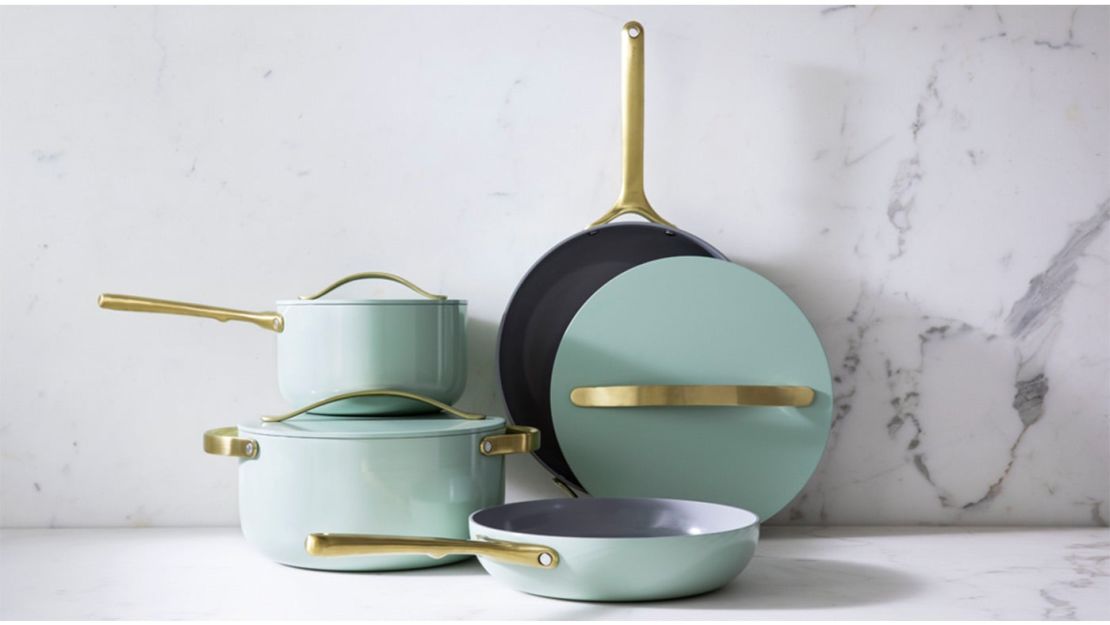
Ceramic cookware is generally safe for cooking. It’s free from harmful chemicals like PFOA and PTFE.
Is Ceramic Cookware Safe:Ceramic cookware has gained popularity for its non-toxic and eco-friendly properties. Many home cooks appreciate its ability to distribute heat evenly, resulting in perfectly cooked meals. Unlike traditional non-stick pans, ceramic options do not release harmful fumes when heated. This makes them an excellent choice for health-conscious individuals.
Furthermore, ceramic surfaces are easy to clean and maintain, adding to their appeal. With various designs and colors available, they can also enhance your kitchen’s aesthetic. Understanding the safety and benefits of ceramic cookware can help you make informed decisions for your cooking needs. Enjoy healthier meals with the right choice in cookware.

Credit: m.youtube.com
Introduction To Ceramic Cookware
Ceramic cookware is a popular choice in many kitchens today. It offers a blend of style and functionality. This type of cookware is made from clay and other natural materials. It is then fired at high temperatures to create a durable surface. Many people prefer ceramic for its non-stick properties and health benefits.
Understanding the safety and quality of ceramic cookware is important. This guide will provide insight into its popularity and types.
Popularity In Modern Kitchens
Ceramic cookware has gained significant popularity in recent years. Here are some reasons for its rise:
- Healthier Cooking: Ceramic is free from harmful chemicals.
- Non-Stick Surface: Food releases easily without extra oil.
- Variety of Colors: It adds a stylish touch to any kitchen.
- Easy to Clean: Most ceramic cookware is dishwasher safe.
Many chefs and home cooks favor ceramic for these reasons. It provides a safe cooking experience without sacrificing flavor.
Types Of Ceramic Cookware
There are several types of ceramic cookware available. Each type serves different cooking needs. Here is a breakdown:
| Type | Description | Best For |
|---|---|---|
| Non-Stick Ceramic Pans | Coated with a ceramic layer for easy food release. | Frying, sautéing, and scrambling eggs. |
| Ceramic Baking Dishes | Ideal for casseroles and baked goods. | Baking and serving directly from the oven. |
| Ceramic Cookware Sets | Includes various pots and pans in one package. | Complete cooking needs for everyday meals. |
| Cast Ceramic Cookware | Heavier, retains heat for slow cooking. | Stews, soups, and braising. |
Choosing the right type of ceramic cookware enhances your cooking experience. Each type offers unique benefits tailored to your cooking style.
Composition Of Ceramic Cookware
The composition of ceramic cookware plays a crucial role in its safety and performance. Understanding the materials and manufacturing process helps consumers make informed choices.
Materials Used
Ceramic cookware is primarily made from the following materials:
- Clay: The base material, sourced from the earth.
- Silica: A key component that provides strength.
- Feldspar: Helps bind materials together.
- Glazes: Used for a smooth, non-stick surface.
Some ceramic cookware may contain additional materials:
- Reinforced materials: For added durability.
- Non-toxic coatings: Ensure safety during cooking.
Manufacturing Process
The manufacturing process of ceramic cookware involves several steps:
- Shaping: Clay is shaped into the desired cookware form.
- Drying: The shaped clay is dried to remove moisture.
- Firing: Dried clay is baked at high temperatures to harden.
- Glazing: A glaze is applied for a smooth finish.
- Final Firing: The glazed cookware is fired again to set the glaze.
This process ensures that the cookware is safe, durable, and effective for cooking.
Benefits Of Using Ceramic Cookware
Ceramic cookware offers many advantages for home cooks. It is safe and effective for daily use. This section highlights key benefits that make ceramic cookware a popular choice.
Non-stick Surface
Ceramic cookware features a natural non-stick surface. This makes cooking easier and healthier. Foods slide off with minimal effort, reducing the need for oils and fats. Here are some benefits of the non-stick surface:
- Less sticking means fewer burnt meals.
- Healthier cooking with less oil.
- Ideal for delicate foods like eggs and fish.
Heat Distribution
Ceramic cookware provides excellent heat distribution. It heats evenly, preventing hot spots. This ensures food cooks uniformly. Here are key points about heat distribution:
| Feature | Benefit |
|---|---|
| Even Heating | No burnt edges or undercooked centers. |
| Quick Heating | Reduces cooking time and energy use. |
Easy To Clean
Cleaning ceramic cookware is simple and quick. Its smooth surface resists stains and odors. Most ceramic cookware is dishwasher safe. Here are some cleaning tips:
- Use mild soap and a soft sponge.
- Avoid abrasive cleaners to preserve the surface.
- For tough stains, soak in warm soapy water.
These features make ceramic cookware a convenient option for busy kitchens.
Credit: m.youtube.com
Safety Concerns With Ceramic Cookware
Ceramic cookware is popular for its non-stick surface and stylish designs. Many people wonder about its safety. Understanding potential risks is crucial. Here, we explore some common safety concerns.
Lead And Cadmium Exposure
Some ceramic cookware may contain harmful substances like lead and cadmium. These heavy metals can leach into food during cooking. Here are key points to consider:
- Lead: A toxic metal that can harm health.
- Cadmium: Linked to kidney damage and bone disease.
- Check for labels stating “Lead-free” or “Cadmium-free”.
Always buy cookware from reputable brands. This ensures safety and compliance with health regulations.
Thermal Shock Risk
Ceramic cookware is sensitive to sudden temperature changes. This condition is known as thermal shock. It can cause cracks or breaks in the cookware. Here are some tips to avoid thermal shock:
- Preheat the oven before placing ceramic dishes inside.
- Avoid placing hot cookware on cold surfaces.
- Let cookware cool down before washing with cold water.
Proper handling helps maintain the integrity of ceramic cookware. Always use caution when cooking.
Comparing Ceramic To Other Cookware Materials
Ceramic cookware is popular for its non-stick properties and aesthetic appeal. Understanding how it stacks up against other materials helps in making the right choice. Below, we compare ceramic with stainless steel, cast iron, and Teflon.
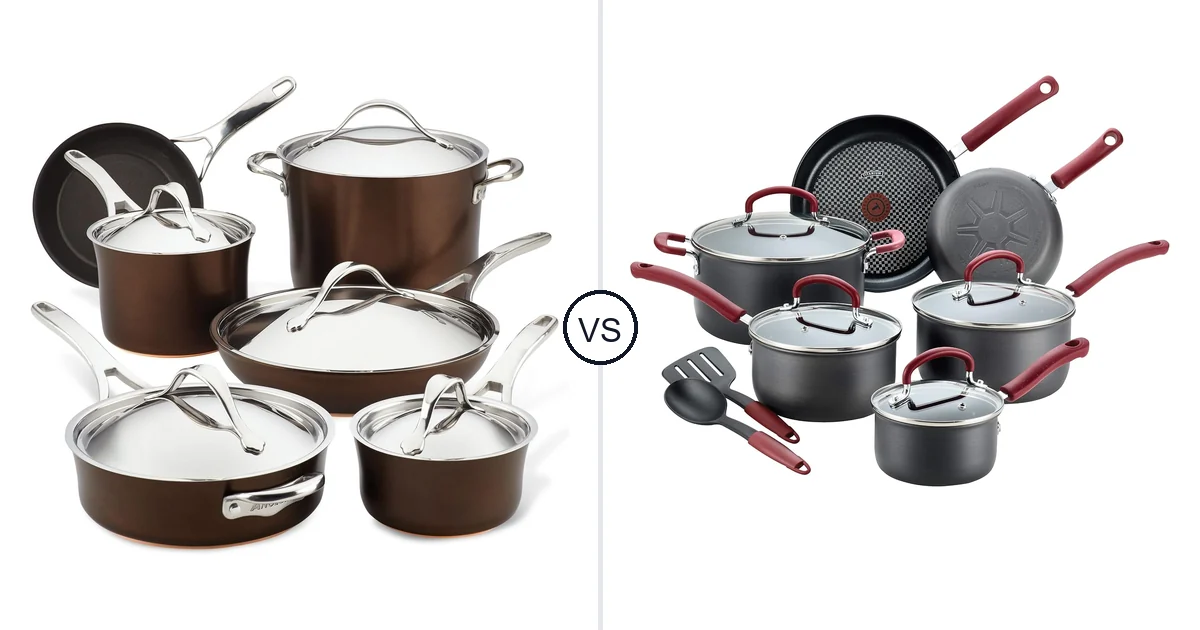
Stainless Steel Vs. Ceramic
Stainless steel and ceramic cookware have distinct features:
| Feature | Stainless Steel | Ceramic |
|---|---|---|
| Durability | Highly durable | Moderately durable |
| Non-stick | Requires oil | Naturally non-stick |
| Heat Distribution | Even heat distribution | Good heat distribution |
| Maintenance | Easy to clean | Requires gentle cleaning |
Stainless steel is more durable. It withstands scratches and dents. Ceramic offers a non-stick surface, ideal for cooking without excess oil.
Cast Iron Vs. Ceramic
Cast iron and ceramic have unique characteristics:
- Heat Retention: Cast iron retains heat well.
- Weight: Cast iron is heavy; ceramic is lighter.
- Seasoning: Cast iron needs seasoning; ceramic does not.
- Reactivity: Cast iron can react with acidic foods; ceramic is non-reactive.
Cast iron excels in heat retention. It works well for slow cooking. Ceramic cookware is lighter and easier to handle.
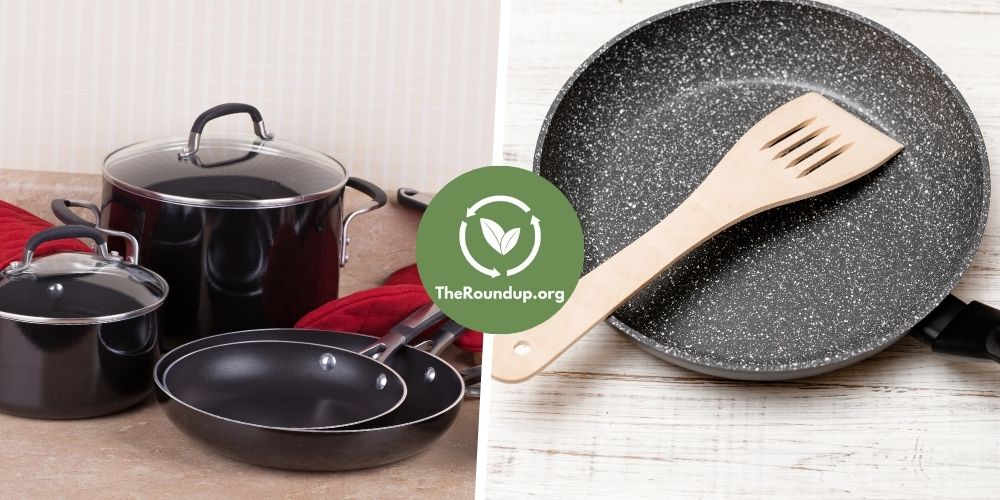
Teflon Vs. Ceramic
Teflon and ceramic are both non-stick, yet different:
- Coating: Teflon is a synthetic coating.
- Temperature Limit: Teflon can degrade at high heat.
- Durability: Teflon can scratch easily.
- Health Concerns: Teflon may release harmful fumes.
Ceramic is a safer alternative. It withstands higher temperatures without releasing toxins. Teflon may require more caution in usage.
Credit: theroundup.org
How To Choose Safe Ceramic Cookware
Choosing safe ceramic cookware is essential for healthy cooking. Quality and safety standards matter. Here’s how to make the best choice.
Certifications To Look For
Check for specific certifications to ensure safety. Here are some key ones:
- PTFE-Free: No harmful chemicals are used.
- Lead-Free: Ensures no toxic substances leach into food.
- Cadmium-Free: Protects against heavy metal exposure.
- FDA Approved: Meets food safety standards.
Brands And Quality
Not all ceramic cookware is created equal. Choose reputable brands known for quality. Here are a few trusted names:
| Brand | Features | Price Range |
|---|---|---|
| GreenPan | PTFE-free, lead-free, durable | $50 – $300 |
| Cuisinart | High-quality, non-toxic coatings | $40 – $200 |
| Scanpan | Eco-friendly, heat resistant | $70 – $250 |
Research customer reviews. Look for feedback on durability and safety. This helps in making an informed choice.
Proper Usage And Care
Taking care of your ceramic cookware ensures its safety and longevity. Proper usage enhances cooking performance. Follow these tips for best results.
Avoiding High Heat
Ceramic cookware performs best at medium temperatures. High heat can damage the coating.
- Use low to medium heat settings.
- Avoid preheating an empty pan.
- Monitor cooking closely to prevent overheating.
Excessive heat can cause chips or cracks. This affects safety and usability.
Cleaning And Maintenance
Proper cleaning maintains the quality of ceramic cookware. Follow these simple steps:
- Allow cookware to cool before washing.
- Use warm, soapy water and a soft sponge.
- Avoid metal utensils to prevent scratches.
- Store cookware carefully to avoid chipping.
For tough stains, soak with a baking soda paste. Rinse well and dry completely.
| Do’s | Don’ts |
|---|---|
| Use wooden or silicone utensils | Use metal utensils |
| Clean with soft sponges | Use abrasive cleaners |
| Store carefully | Stack without protection |
Real User Experiences
Understanding the safety of ceramic cookware involves hearing from real users. Their experiences provide valuable insights. Here, we explore both positive feedback and concerns raised by users.
Positive Feedback
Many users praise ceramic cookware for several reasons:
- Non-toxic materials: Users appreciate that ceramic cookware is free from harmful chemicals.
- Even cooking: Many report that it distributes heat evenly, improving cooking results.
- Easy to clean: A significant number find it simple to wash, even after messy meals.
- Attractive designs: Users enjoy the variety of colors and styles available.
Here is a quick summary of positive user experiences:
| Feature | User Rating |
|---|---|
| Non-toxic | ⭐⭐⭐⭐⭐ |
| Heat distribution | ⭐⭐⭐⭐ |
| Ease of cleaning | ⭐⭐⭐⭐⭐ |
| Design options | ⭐⭐⭐⭐ |
Concerns Raised
Some users share concerns about ceramic cookware:
- Durability: A few have reported chipping or cracking over time.
- Heat resistance: Some worry about using it on high heat settings.
- Weight: A few users find ceramic cookware heavier than alternatives.
Here are common issues noted by users:
- Chipping can occur with rough handling.
- High heat may damage the ceramic coating.
- Weight can be cumbersome for some cooks.
Real user experiences highlight both the benefits and the drawbacks of ceramic cookware. This information helps potential buyers make informed choices.
Frequently Asked Questions
Is Ceramic Cookware Safe For Cooking?
Yes, ceramic cookware is generally safe for cooking. It is made from natural materials and does not leach harmful chemicals. Look for brands that are free from lead and cadmium. Always follow the manufacturer’s care instructions to maintain its safety and performance over time.
Does Ceramic Cookware Contain Harmful Chemicals?
High-quality ceramic cookware does not contain harmful chemicals. It is typically free from PTFE, PFOA, and other toxic materials. Always check the labels to ensure that your cookware meets safety standards. This ensures a healthier cooking experience for you and your family.
Can Ceramic Cookware Chip Or Scratch Easily?
Ceramic cookware can chip or scratch if not handled properly. Avoid using metal utensils to prolong its lifespan. Gentle cleaning methods are recommended to maintain its finish. With proper care, ceramic cookware can last for years without significant damage.
How To Clean Ceramic Cookware Safely?
To clean ceramic cookware, use warm soapy water and a soft sponge. Avoid abrasive cleaners that can scratch the surface. For tough stains, a mixture of baking soda and water works well. Always dry thoroughly to prevent moisture-related issues.
Conclusion
Ceramic cookware is generally safe for everyday use. It offers a non-toxic alternative to traditional options. Proper care can enhance its longevity and performance. Always check for quality certifications to ensure safety. By choosing the right ceramic cookware, you can enjoy healthy cooking without worry.
Embrace this safe choice for your kitchen today!

Leave a Reply