
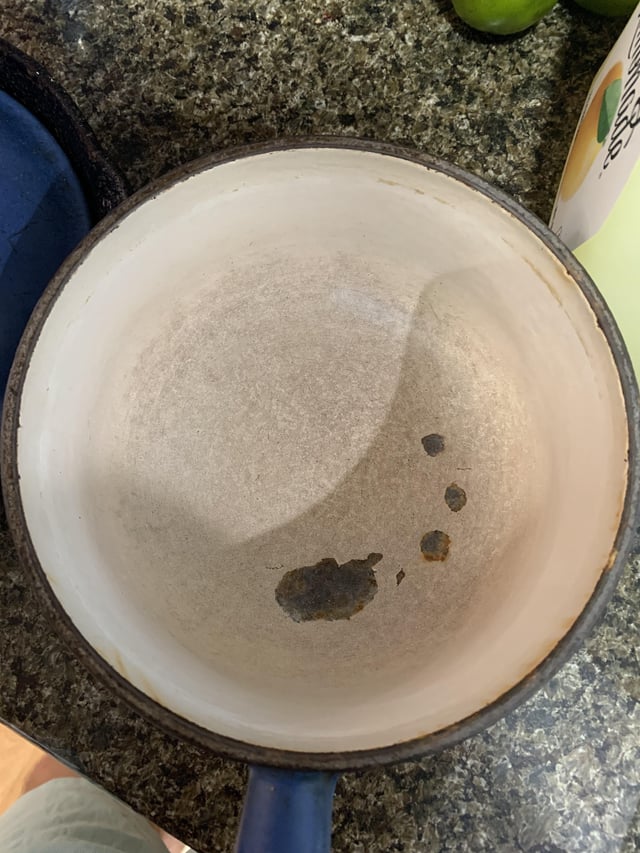
Enamel cookware is generally safe for cooking, provided it is used as intended and remains undamaged. It is crucial to avoid chipping the enamel coating to prevent potential safety issues.
Is It Safe to Use Enamel Cookware:Enamel cookware, a staple in many kitchens, combines durability with a non-stick surface, making it a versatile choice for various cooking methods. Its smooth, hard finish resists stains and does not absorb flavors, ensuring that your meals taste as intended.
Quality enamel cookware can last for years, but it is vital to handle it with care to maintain its safety and effectiveness. Scratches or chips can expose the underlying metal, potentially leading to rust or the leaching of metals into food. By using wooden or silicone utensils and avoiding sudden temperature changes, you can preserve the integrity of your enamel cookware and enjoy its benefits in your culinary endeavors.

Credit: www.reddit.com
The Appeal Of Enamel Cookware
The appeal of enamel cookware spans beyond its vibrant colors and glossy finish. Its combination of beauty and practicality makes it a favorite in many kitchens. Let’s explore the reasons behind its popularity.
Aesthetic And Functional Benefits
Enamel cookware stands out with its sleek design. The lustrous surface catches the eye, turning pots and pans into kitchen decor. But it’s not just about looks. Enamel also provides a non-reactive coating, making it safe for cooking various dishes. Its smooth surface is easy to clean, adding to its functional appeal.
- Non-reactive surface: Keeps flavors intact
- Easy cleanup: Releases food effortlessly
- Durable: Resists chips and cracks
- Heat retention: Cooks food evenly
Popularity In Modern Kitchens
Modern cooks love enamel for its versatility. It transitions from stove to oven to table with ease. The range of sizes and shapes available makes it a fit for any recipe. Its enduring material means it can become a family heirloom. Enamel’s timeless style ensures it never goes out of fashion.
| Feature | Benefit |
|---|---|
| Versatile use | Perfect for all cooking needs |
| Timeless design | Always in style |
| Heirloom quality | Lasts for generations |
Composition Of Enamel Cookware
Let’s dive into the Composition of Enamel Cookware. This cookware is popular for its durability and vibrant colors. But what goes into making these kitchen favorites? Understanding the materials and process can help us gauge its safety.
Materials Used In Manufacturing
Enamel cookware starts with a base, typically made from:
- Cast Iron – Known for its excellent heat retention.
- Steel – Makes the cookware lighter and heats up faster.
- Aluminum – Offers quick heating with lesser weight.
These materials are strong and can last a long time.
Enamel Coating Process
The magic of enamel cookware comes from its coating process. Here’s how it happens:
- The base material is cleaned to remove any dirt or oils.
- A powdered glass mixture, known as frit, is applied on the base.
- The cookware is then heated to high temperatures. This makes the frit melt and form a smooth, durable coating.
This coating is what gives enamel cookware its non-stick surface and vibrant look.
Safety Concerns With Enamel Cookware
Many kitchens feature enamel cookware for its durability and style. Yet, safety is a top priority for cooks and families. Let’s explore the safety of enamel pots and pans.
Potential Health Risks
Enamel cookware is generally safe, but there are some risks. The enamel coating can crack or wear over time. This may expose food to the metal beneath. Certain metals like aluminum or copper can leach into food.
- Lead and cadmium sometimes appear in enamel glazes.
- These substances can be toxic if ingested.
- High-quality enamel cookware often avoids these risks.
Always choose cookware free from harmful chemicals.
Chipping And Exposure To Base Materials
Chipping is a concern with enamel cookware. The colorful enamel surface can chip if dropped or banged. This exposes the base material, often cast iron or steel.
Exposed materials can rust or react with acidic foods. Use enamel cookware with care to prevent chipping. Replace any cookware that shows significant chipping.
| Enamel Condition | Action Required |
|---|---|
| Minor scratches | Continue use, but monitor |
| Major chipping | Replace the cookware |
| Base material exposure | Stop using immediately |
Regular checks ensure the cookware’s safety.
Credit: www.reddit.com
Comparing Enamel To Other Cookware Materials
When choosing cookware, safety and performance are key. Enamel cookware stands out for its non-reactive surface and aesthetic appeal. But how does it stack up against other materials? Let’s dive into the pros and cons of non-enamel options and explore enamel’s performance and durability.
Pros And Cons Of Non-enamel Options
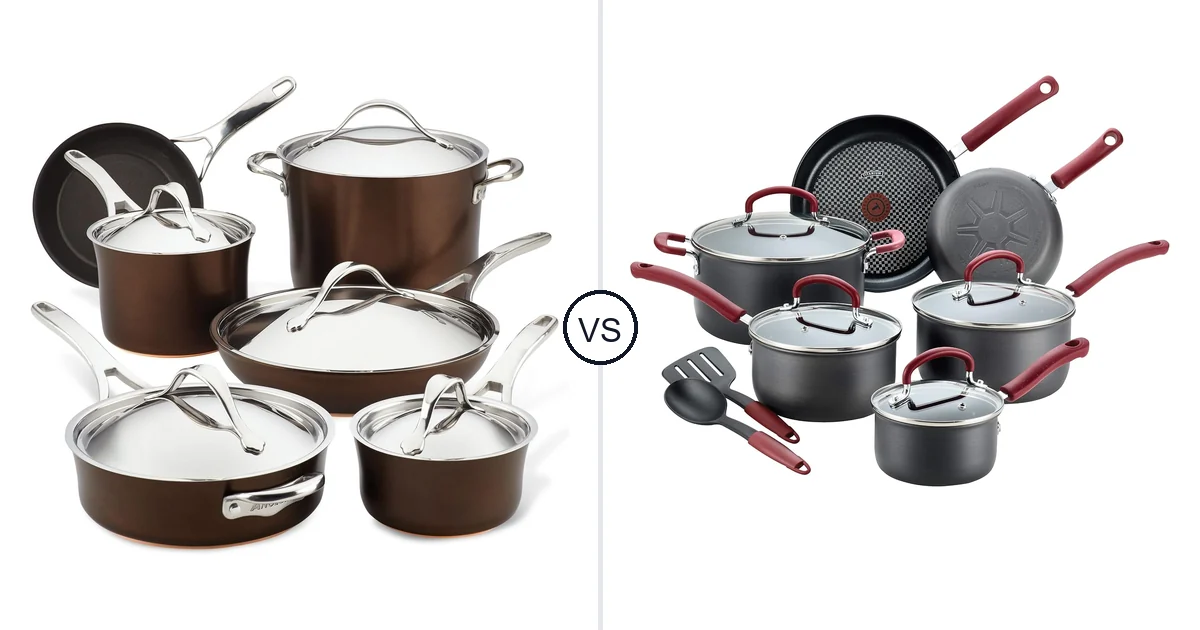
Stainless steel, cast iron, and non-stick are common cookware choices. Each comes with its benefits and drawbacks.
- Stainless Steel: Durable and versatile, but can alter flavors.
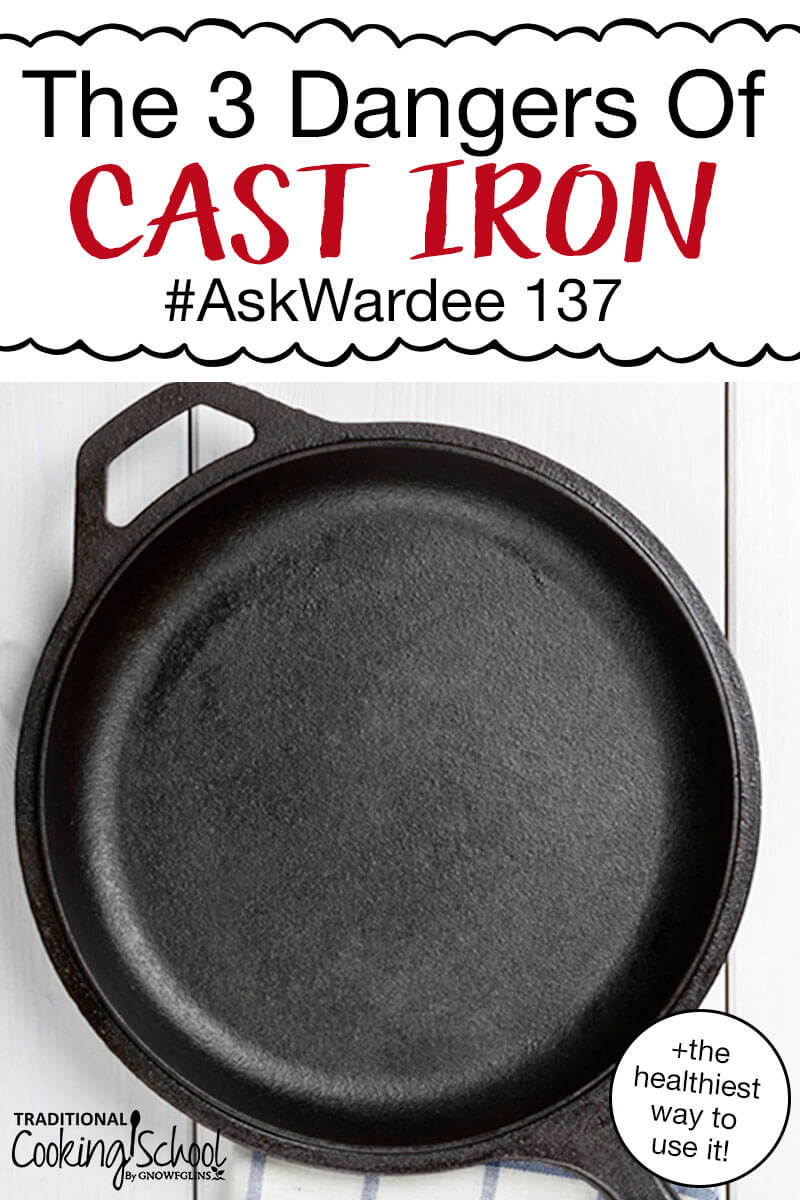
- Cast Iron: Excellent heat retention, requires seasoning.
- Non-Stick: Easy to clean, but potentially harmful fumes if overheated.
Performance And Durability Considerations
Enamel cookware is known for its durability and longevity. It resists staining and doesn’t absorb flavors. Here’s how it compares:
| Material | Heat Distribution | Maintenance | Lifespan |
|---|---|---|---|
| Enamel | Good | Low | High |
| Stainless Steel | Excellent | Medium | High |
| Cast Iron | Excellent | High | High |
| Non-Stick | Good | Low | Medium |
Proper Usage And Maintenance
Proper Usage and Maintenance of enamel cookware ensures safety and longevity. This section covers key practices and care tips. Understanding these will help keep your cookware in top shape.
Best Practices For Longevity
- Use wooden or silicone utensils to avoid scratches.
- Low to medium heat prevents enamel damage.
- Avoid rapid temperature changes to prevent cracking.
- Store carefully to avoid chips.
Cleaning And Care Tips
Proper cleaning extends the life of your enamel cookware.
- Cool before washing to prevent thermal shock.
- Hand wash with mild detergent for best results.
- Use baking soda for tough stains.
- Dry thoroughly before storing to avoid rust.
| Do’s | Don’ts |
|---|---|
| Hand wash gently | Use steel wool |
| Use wood utensils | Drop from height |
| Store carefully | Cook on high heat |
By following these simple steps, you can enjoy your enamel cookware for years. It keeps cooking safe and fun.
Credit: traditionalcookingschool.com
Regulations And Standards For Enamel Cookware
When choosing cookware, safety is a top priority. Enamel cookware is popular for its durability and ease of cleaning. But, is it safe? Let’s explore the regulations and standards that govern enamel cookware.
Industry Safety Guidelines
Manufacturers must follow strict guidelines. These ensure cookware safety for everyday use. Here are key points:
- Material Composition: Enamel coatings should be non-toxic.
- Temperature Resistance: Cookware must withstand high heat without damage.
- Stability: Enamel should not chip easily, preventing ingestion.
Certifications And Quality Control
Certifications confirm cookware meets safety standards. Look for these marks:
| Certification | Description |
|---|---|
| LFGB | German standard for food safety |
| SGS | Global benchmark for quality and integrity |
| FDA Approval | U.S. standard for food contact substances |
Quality control tests are run. These tests check for lead, cadmium, and other harmful substances. Only safe cookware passes. It then reaches store shelves.
Myths And Misconceptions
The world of cookware is full of myths and misconceptions. One hot topic is enamel cookware. Is it safe? Let’s explore and bust some myths.
Debunking Common Fears
Many people worry about using enamel cookware. Let’s clear up the confusion.
- Chemicals leaching into food is a big fear. Modern enamel cookware is safe and follows strict health standards.
- Chipping of the enamel is another concern. While it can happen, it’s rare and usually harmless if ingested in small amounts.
- Heating issues are also misunderstood. Enamel cookware can handle most cooking temperatures without releasing harmful substances.
Understanding Real Versus Perceived Dangers
It’s important to know what’s actually dangerous and what’s just a myth.
| Myth | Fact |
|---|---|
| Enamel cookware is toxic. | High-quality enamel is non-toxic and safe for cooking. |
| It’s unsafe for certain foods. | Enamel cookware can be used for almost all types of cooking. |
| All enamel cookware chips easily. | Proper care prevents chipping in most cases. |
Understanding the difference between real and perceived dangers helps make informed choices. Choose high-quality enamel cookware and use it correctly for the best experience.
Expert Opinions And Research Findings
When it comes to kitchen essentials, safety stands paramount. The use of enamel cookware often raises eyebrows. Let’s delve into expert opinions and research findings on this topic.
Studies On Enamel Cookware Safety
Recent studies shed light on enamel cookware’s safety. Researchers test these products for harmful chemicals. Key findings highlight the absence of lead and cadmium in high-quality enamel cookware. This is crucial, as these substances can be toxic when ingested.
Enamel coating acts as a barrier. It prevents metals from leaching into food. Quality enamel cookware undergoes rigorous testing. This ensures adherence to international safety standards.
Recommendations From Health Professionals
- Choose reputable brands: Experts emphasize the importance of selecting cookware from trusted manufacturers.
- Inspect for chips: Health professionals advise checking for any chips in the enamel. Chipped cookware can harbor bacteria and may release metal traces into food.
- Avoid extreme temperatures: Sudden temperature changes can cause damage. It is best to avoid using enamel cookware under a broiler or on very high heat.
Doctors also recommend moderate use of any cookware type. Diversifying materials can minimize potential risks.
Consumer Experiences With Enamel Cookware
Many home cooks wonder about enamel cookware safety. They read reviews and stories. They seek real-life experiences. Let’s explore what consumers say.
User Reviews And Feedback
- Heat Distribution: Users often note even cooking. Enamel spreads heat well.
- Durability: Feedback shows enamel lasts. Chipping can occur, but it’s rare with care.
- Easy Cleaning: Many love the simple cleanup. Enamel resists sticking, making washing easy.
- Stylish Looks: Cooks praise enamel’s beauty. It shines in kitchens, old and new.
Case Studies Of Long-term Use
| User | Years Used | Condition |
|---|---|---|
| Alice M. | 10 | Minor wear, still performs. |
| John B. | 5 | Like new, no chips. |
| Sarah T. | 15 | Small chips, uses with care. |
These cases reveal truths. Enamel can last for years. Careful use is key. Some see minor chipping, but many do not.
Making An Informed Decision
Making the right choice in kitchenware is key to safe cooking. Enamel cookware is popular. But is it safe? Let’s look closer.
Assessing Personal Needs And Preferences
Enamel cookware comes in various styles. Consider your cooking habits first. Prioritize features that match your daily routine. Do you need non-stick surfaces? Do you prefer easy cleanup? List your must-haves.
- Heat Conductivity: Some enamel pots heat quickly, save energy.
- Durability: Quality enamel lasts longer, resisting chips.
- Chemical Reactions: True enamel does not react with foods.
- Maintenance: Consider if dishwasher-safe options suit you.
Selecting The Right Cookware For Your Home
Choose cookware that fits your kitchen’s needs. Safety and functionality are crucial. Look for reputable brands that guarantee safety standards.
| Type of Cookware | Pros | Cons |
|---|---|---|
| Heavy Enamel | Durable, even heating | Heavier, pricier |
| Light Enamel | Lightweight, cheaper | Less durable, uneven heating |
Check reviews. Seek lead-free, cadmium-free options. Safety certifications are important. Ensure you’re getting the safest cookware.
Remember, good enamel cookware is a balance. It meets your needs, keeps food safe, and lasts. Make a choice that brings peace of mind to your kitchen.
Frequently Asked Questions
Is Enamel Cookware Safe For Health?
Enamel cookware is generally safe for health as it has a non-toxic, non-stick surface that resists leaching into food. Ensure it’s free of chips to prevent enamel flakes in meals.
Is Scratched Enamel Cookware Safe?
Scratched enamel cookware can release harmful chemicals and may harbor bacteria. It’s best to replace it to ensure food safety.
Is Enamel Cookware Good To Cook With?
Enamel cookware is excellent for cooking as it heats evenly and is easy to clean. It’s durable, non-reactive, and suitable for most stovetops.
Is Enamelware Safe To Eat From?
Yes, enamelware is generally safe for eating, as it is non-toxic and resists bacteria growth when properly maintained. Avoid using damaged pieces with chipped enamel to prevent potential exposure to the metal underneath.
Conclusion
Navigating the safety of enamel cookware doesn’t have to be daunting. With proper use and maintenance, the benefits can be enjoyed without compromising health. Embrace the vibrant colors and timeless style, all while cooking with confidence. Remember, a well-informed choice is the best recipe for peace of mind in the kitchen.

Leave a Reply