
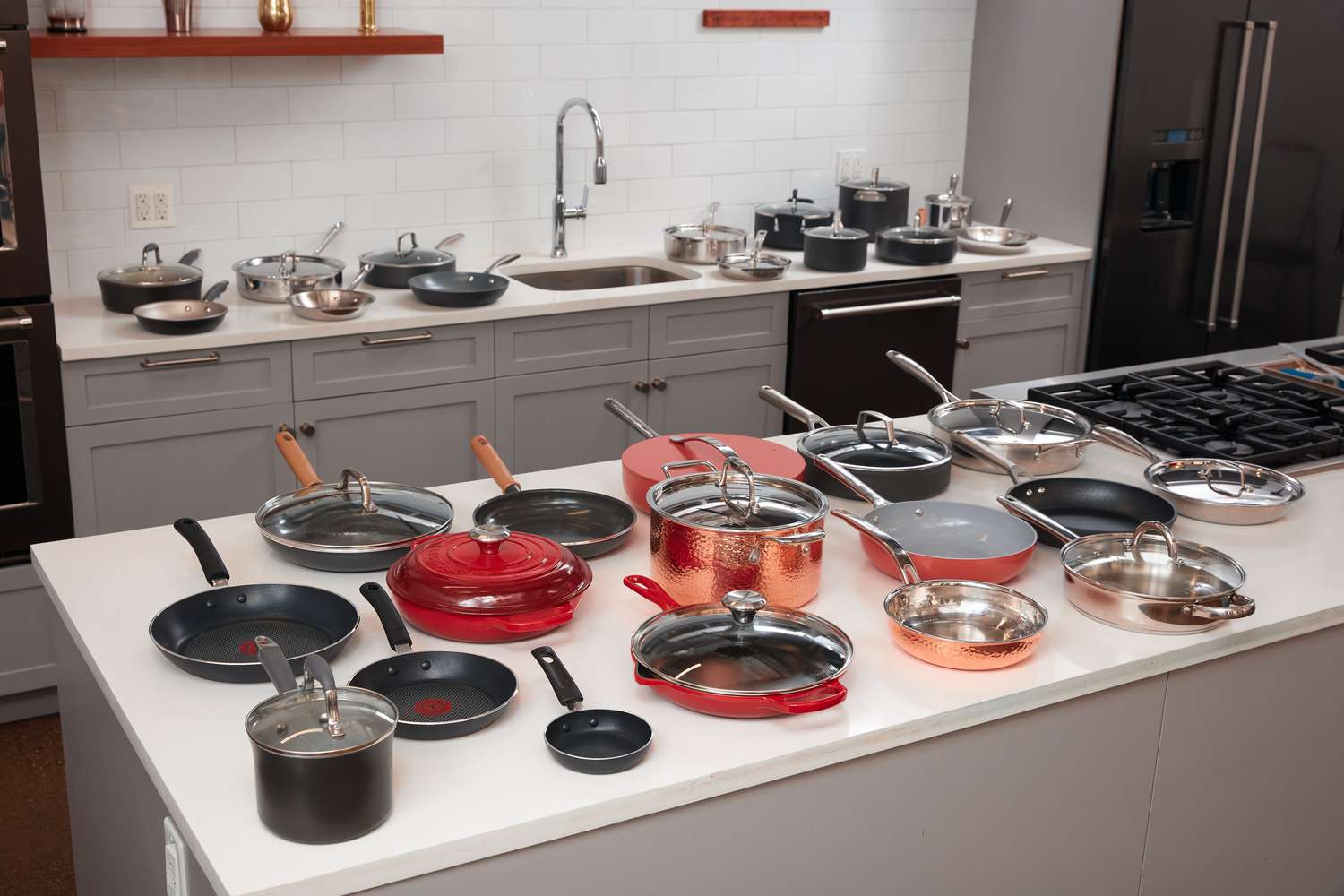
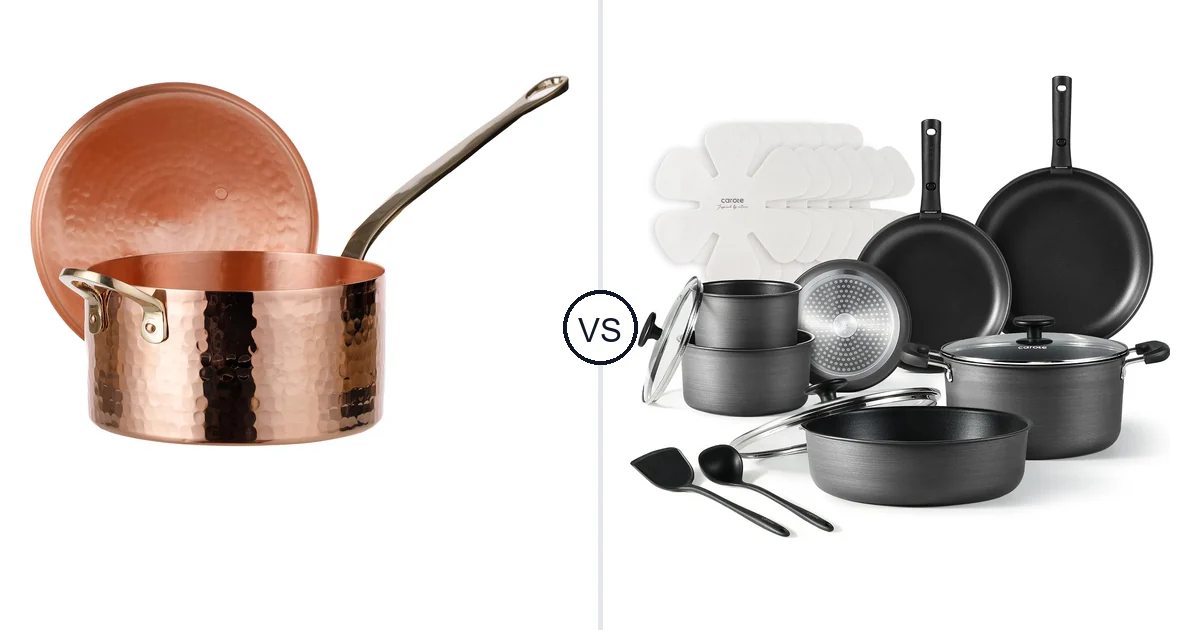
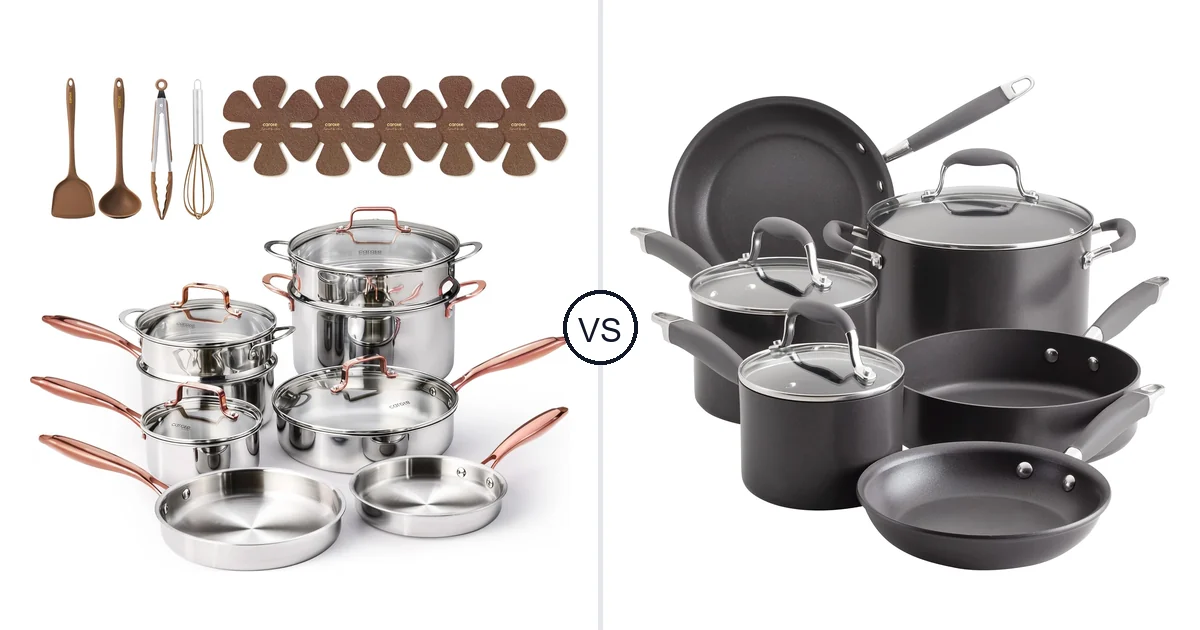
Stainless steel and non-stick cookware offer distinct cooking experiences. Cast iron provides durability, while copper ensures quick heat conduction.
Compare Cookware:Choosing the right cookware is crucial for any kitchen, whether you’re a professional chef or a home cooking enthusiast. The cookware you select can significantly impact the taste, texture, and nutritional value of your food. Stainless steel cookware is known for its longevity and resistance to rust and corrosion.
It’s ideal for browning and searing due to its excellent heat retention. Non-stick pans, on the other hand, are perfect for low-fat cooking and offer easy food release and cleanup. Cast iron, revered for its heat retention, is perfect for slow cooking and frying. Copper cookware, albeit pricey, provides rapid, even heating, and precise temperature control, making it a favorite among gourmet cooks. Your choice will ultimately depend on your cooking style, the types of dishes you frequently prepare, and your maintenance preferences.
Introduction To Cookware Essentials
Kitchen adventures start with the right tools. Essential cookware pieces form the foundation of culinary creations. From simmering stews to baking bread, the tools used directly impact the outcome. Understanding cookware essentials is crucial for delicious results.
Choosing The Right Materials
Different materials cater to specific cooking needs. Stainless steel offers durability and ease of maintenance. Cast iron provides superior heat retention. Non-stick surfaces promise easy food release and quick clean-up.
- Stainless steel: Versatile, non-reactive, long-lasting
- Cast iron: Heats evenly, ideal for searing and frying
- Non-stick: Requires less oil, simplifies cleaning
Importance For Home Chefs
Quality cookware transforms home cooking. It ensures even cooking, flavor preservation, and longevity of pots and pans. Home chefs need reliable tools to explore recipes and hone skills.
- Even heat distribution prevents burning
- Preserves food’s natural flavors
- Investment in quality saves money over time
Choose wisely, cook brilliantly, and savor each meal.
Stainless Steel Staples
Stainless Steel Staples shine in modern kitchens. These pots and pans offer excellent cooking performance. Stainless steel is loved by chefs worldwide. Let’s dive into why these pieces are must-haves.
Pros And Cons
Stainless steel cookware has a range of benefits:
- Durable: They resist dents and scratches.
- Non-reactive: Foods keep their true flavors.
- Easy to clean: They are dishwasher safe.
Yet, there are a few downsides:
- Can be pricey
- Food may stick without oil
- Heat distribution varies by quality
Top Picks For Durability
Selecting durable stainless steel cookware is vital. Here are top picks:
| Brand | Features | Price Range |
|---|---|---|
| All-Clad | Tri-ply construction, even heating | $$$ |
| Calphalon | Impact-bonded aluminum base | $$ |
| Cuisinart | Multi-layer system, oven-safe | $ |
Cast Iron Classics
Cast iron cookware brings tradition to modern kitchens. These time-tested pieces are beloved for their durability and versatility. From searing steaks to baking bread, cast iron pans excel in countless cooking tasks.
Maintenance Tips
Keeping cast iron in top condition requires some care. Here’s how to maintain them:
- Wash by hand with mild soap and warm water.
- Immediately dry to prevent rust.
- Apply a thin layer of vegetable oil after each wash.
- Store in a dry place to avoid moisture.
Best For Even Cooking
Cast iron skillets provide consistent heat across the surface. This ensures food cooks evenly every time. They are ideal for:
| Task | Benefit |
|---|---|
| Baking | Even heat for perfect crusts |
| Searing | High heat for a golden-brown crust |
| Sautéing | Steady heat for soft, tender veggies |
Non-stick Necessities
When it’s time to cook, non-stick pans are a top choice. They make cooking and cleaning simple. Food slides off, and scrubbing is minimal. This section delves into the non-stick world, focusing on health and top brands.
Health Considerations
Non-stick cookware is popular for its convenience. Yet, health is key. Older non-stick coatings often contained PFOA, a concerning chemical. Today’s options are safer. They feature improved coatings without harmful chemicals. Always check for PFOA-free labels before purchasing.
- Choose PTFE-coated pans for safety and performance.
- Consider ceramic options for a chemical-free choice.
- Look for third-party certifications on health safety.
Recommended Brands
| Brand | Type | Price Range |
|---|---|---|
| T-fal | PTFE-coated | $$ |
| GreenPan | Ceramic | $$$ |
| Calphalon | Hard-Anodized | $$$ |
Selecting a brand involves balancing cost with quality. T-fal offers affordable, durable non-stick pans. GreenPan is a leader in ceramic, non-toxic cookware. Calphalon is known for hard-anodized non-stick surfaces that last. Choose based on your cooking needs and budget.
Copper Cookware
Imagine cooking with a gleam of copper in your kitchen. Copper cookware is a chef’s delight. It heats quickly and cooks evenly. Let’s explore the many wonders of copper in the kitchen.
Benefits Of Copper
Copper pots and pans offer superior heat conductivity. They allow precise temperature control. This metal is durable. It lasts for generations with proper care. Copper’s beauty enhances any kitchen decor. Its natural antibacterial properties keep surfaces cleaner.
- Even heat distribution prevents hot spots
- Quick temperature adjustment for perfect cooking
- Long-lasting with a timeless look
- Antibacterial for a hygienic kitchen
Selecting High-quality Pieces
Quality matters when choosing copper cookware. Look for heavy-gauge copper. This ensures durability and better heat control. Check the lining. Stainless steel or tin are the best. They protect the food from reacting with copper. Solid handles secure the cookware. They make handling easier. A reputable brand often means better quality and warranty.
| Feature | Why It Matters |
|---|---|
| Gauge | Thicker copper for durability |
| Lining | Prevents chemical reaction with food |
| Handles | For safe and easy transport |
| Brand | Indicates quality and warranty |
Ceramic Options
Ceramic cookware brings a blend of style and function to the kitchen. Its popularity has surged due to its non-toxic and non-stick properties. Users love the versatility of ceramic. It suits a variety of cooking techniques.
Eco-friendly Choices
Choosing ceramic cookware is a step towards a greener kitchen. Ceramics are often made without harmful chemicals like PTFE and PFOA. This means safer meals and less environmental impact. Plus, their durability leads to less waste over time.
- No lead or cadmium
- Less CO2 emissions in production
- Long-lasting with proper care
When To Use Ceramic
Ceramic cookware excels in various scenarios. It’s perfect for slow-cooking and simmering. The cookware’s even heat distribution ensures your dishes cook consistently. For baking, ceramics can go from oven to table beautifully.
| Cooking Method | Recommended |
|---|---|
| Sautéing | Yes |
| Slow-Cooking | Yes |
| Baking | Yes |
| High-Heat Frying | No |
Specialty Cookware
Every kitchen needs the right tools. Specialty cookware elevates cooking to an art form. These unique pieces become a chef’s secret weapon. They bring out the best in every dish. From cast iron skillets to clay baking pots, specialty cookware makes a difference.
Unique Finds For Gourmet Cooking
Exploring the world of gourmet cooking requires special tools. Specialty cookware includes items not found in typical kitchens. Think tagines for Moroccan dishes or paella pans for Spanish feasts. These items add authenticity and flavor to international cuisine.
- Bamboo steamers for perfect dim sum
- Crepes pans for delicate French pancakes
- Pizzelle makers for Italian cookies
Investing In Quality
Quality cookware is a smart investment. It lasts longer and performs better. High-quality materials like stainless steel and copper distribute heat evenly. They prevent burning and sticking. A well-equipped kitchen needs these durable pieces.
| Material | Benefits |
|---|---|
| Cast Iron | Heats evenly, retains heat |
| Copper | Quick heating, precise temperature control |
| Ceramic | Non-reactive, easy to clean |
Remember, investing in quality means fewer replacements. It ensures every meal is a potential masterpiece. Choose cookware that chefs love. Your taste buds will thank you.
:max_bytes(150000):strip_icc()/cookware-set-group-shot-nick-kova-00015-37c3f2f73ad84f11a4c6d8c0118786e2.jpg)
Credit: www.thespruceeats.com
Price Vs. Performance
Understanding the balance between price and performance is crucial when shopping for cookware. This guide helps you navigate through the options. Whether you’re on a budget or ready to invest, find the best cookware that matches your cooking needs and wallet.
Budget-friendly Picks
Quality cookware doesn’t always mean high prices. Discover pots and pans that deliver without draining your bank account.
- Aluminum: Lightweight and heats quickly.
- Non-stick coatings: Easy to clean and great for low-fat cooking.
- Ceramic: A healthy choice with a variety of designs.
These options prove that you can start cooking with gear that’s both affordable and reliable.
When To Splurge
Sometimes, spending more upfront saves money in the long run. Here’s when higher-priced cookware makes sense:
- Stainless Steel: Durable and versatile, excels with high heat.
- Cast Iron: Offers superior heat retention and can last generations.
- Copper: Best for precise temperature control, ideal for delicate dishes.
Consider these splurges as investments. They bring performance and longevity to your kitchen.
Care And Maintenance
Caring for your cookware ensures it lasts longer and performs better. Proper maintenance can make a big difference. Let’s explore some essential tips and hacks for keeping your cookware in top shape.
Longevity Tips
- Use cookware according to manufacturer’s guidelines.
- Avoid high heat to prevent warping and damage.
- Store pieces separately or use protectors to avoid scratches.
Cleaning Hacks
Keeping your cookware clean doesn’t have to be a chore. Here are some tricks:
- Soak in warm, soapy water to loosen food bits.
- Use baking soda for tough stains on stainless steel.
- Avoid abrasive cleaners on non-stick surfaces.
Remember, gentle care and proper cleaning will keep your cookware looking new.
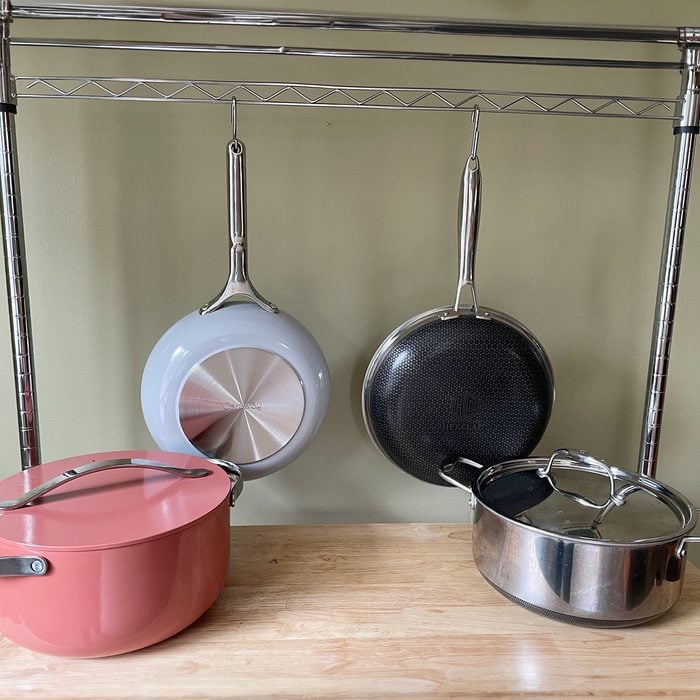
Credit: www.tasteofhome.com
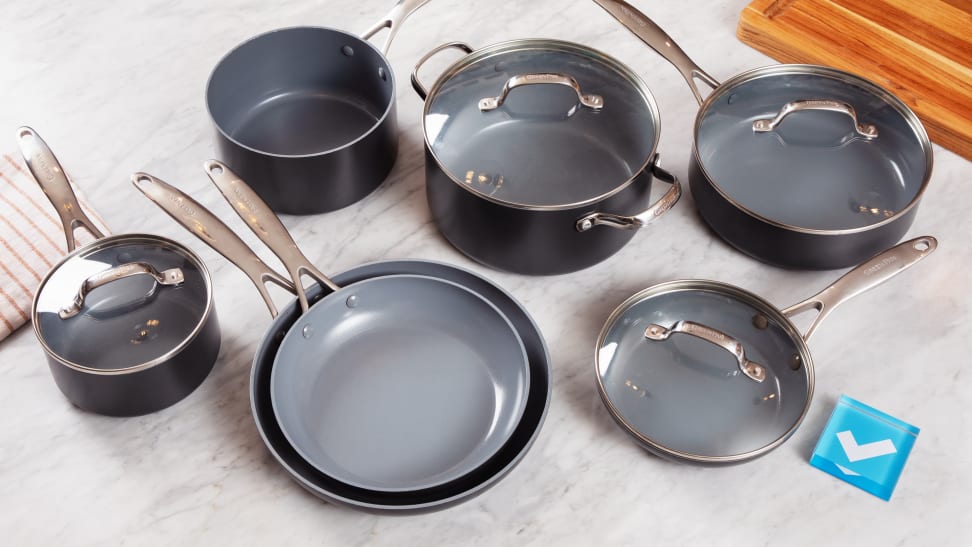
Credit: reviewed.usatoday.com
Frequently Asked Questions
What Is The #1 Rated Cookware?
The #1 rated cookware often varies based on expert reviews and consumer preferences. Currently, All-Clad’s stainless steel sets are highly recommended for their durability, even heat distribution, and versatility in the kitchen. Always check the latest reviews for the most up-to-date recommendations.
What Cookware Do Most Chefs Prefer?
Most chefs prefer using high-quality stainless steel, cast iron, and non-stick cookware for its durability, heat distribution, and versatility in the kitchen.
What Is The Best Brand For Kitchen Cookware?
The best brand for kitchen cookware varies by preference, but All-Clad, Calphalon, and Le Creuset are top picks for quality and durability.
What Type Of Home Cookware Is Best?
The best type of home cookware depends on your cooking needs. Stainless steel offers durability and versatility. Non-stick pans are great for low-fat cooking. Cast iron provides excellent heat retention. Consider your cooking style and maintenance preferences when choosing.
Conclusion
Choosing the right cookware is essential for any kitchen. This guide aimed to simplify that decision by comparing various options. Remember, the best choice depends on your cooking habits and preferences. By understanding the differences, you can select cookware that enhances your culinary adventures.
Happy cooking!

Leave a Reply