

Pots and pans often can’t go in the dishwasher due to potential damage to their materials and coatings. Dishwashing can degrade non-stick surfaces and cause corrosion in certain metals.
Why Can’t Pots and Pans Go in the Dishwasher:Ensuring the longevity of your cookware involves understanding the do’s and don’ts of cleaning. While modern conveniences like dishwashers save time, they can be harsh on kitchenware. The high heat and potent detergents used in the dishwashing process can strip away the protective layers on non-stick pans or lead to rusting of cast iron and other metals.
Many pots and pans are crafted with materials or finishes that require gentle, hand washing to maintain their functionality and appearance. Manufacturers often provide specific care instructions to preserve the quality of their products. Knowing these guidelines will not only keep your cookware in prime condition but will also prevent the disappointment of prematurely damaged kitchen essentials.
Introduction To Dishwasher Dilemmas
Dishwashers promise sparkling dishes with zero hassle. Yet, not all kitchenware is dishwasher-safe. Understanding the reasons can save your pots and pans, and prevent kitchen disappointments.
Common Misconceptions About Dishwashing
Many believe everything can withstand the dishwasher’s fury. This isn’t true. Certain materials and coatings on cookware can be damaged by dishwasher detergents and high temperatures.
- Not all metals are dishwasher-safe.
- Non-stick coatings might peel off.
- Wooden handles can warp or crack.
The Allure Of Convenience
The dishwasher’s charm lies in its simplicity and time-saving benefits. Who doesn’t love the idea of skipping the sink after a long day? But this convenience doesn’t extend to all kitchen items.
| Safe for Dishwasher | Not Safe for Dishwasher |
|---|---|
| Stainless steel cutlery | Cast iron pans |
| Ceramic plates | Copper cookware |
| Glass bowls | Aluminum pots |
The Material Matters
Dishwashers offer convenience and hygiene benefits. Yet, they’re not suitable for all cookware. Material is key. Some materials can get damaged. Others can even damage your dishwasher. Let’s explore why certain pots and pans should stay out of this appliance.
Aluminum: A Risky Choice
Aluminum cookware is popular. It’s lightweight and conducts heat well. But the dishwasher is a bad idea for these reasons:
- Dishwasher chemicals can cause corrosion.
- They can leave dark stains on aluminum.
- Shiny finishes can become dull.
Hand washing aluminum pots and pans is best. It keeps them looking good and lasting longer.
Cast Iron: The Seasoning Factor
Cast iron is known for its durability. Its non-stick surface improves with use. This is called seasoning. Here’s why dishwashers are harmful:
- Water and detergents strip the seasoning off.
- They can lead to rust.
- Dishwasher heat can warp cast iron.
Preserve cast iron by cleaning it with a brush and hot water. Then, dry it right away. Oil it lightly to maintain the non-stick surface.
Coating Concerns
Coating Concerns often arise when discussing the dishwasher safety of pots and pans. The durability and integrity of cookware coatings can be at risk. It’s crucial to understand why certain materials can’t withstand the dishwasher’s environment.
Non-stick Surfaces Under Scrutiny
Non-stick coatings provide easy food release and cleaning. But, they need careful handling. Dishwashers use high temperatures and harsh detergents. These can break down non-stick surfaces. Over time, this can lead to the coating peeling or flaking off.
Once damaged, non-stick pans lose their effectiveness. They may also release harmful chemicals into food. To maintain these pans, hand washing is the best practice. Use warm water and a soft sponge to clean non-stick surfaces gently.
Ceramic Coatings: Vulnerable To Heat And Detergents
Ceramic-coated cookware is known for its non-toxic, non-stick properties. High heat and strong detergents in dishwashers can harm these coatings. Ceramic is less durable than other materials under such conditions.
- Abrasive detergents can wear down the smooth surface.
- Extreme heat can cause the ceramic to crack or chip.
- Dishwasher cycles may dull the glossy finish of ceramic cookware.
To keep ceramic pots and pans in top shape, opt for hand washing. Use a gentle detergent and avoid abrasive scrubbers. This will extend the life of your cookware.
The Heat And Harshness Of Dishwashing
Many wonder why their beloved pots and pans can’t join the plates in the dishwasher. The answer lies in the intense environment created within this kitchen staple. The combination of high temperatures and harsh detergents can wreak havoc on your cookware. This section explores these damaging factors in detail.
How High Temperatures Affect Cookware
Dishwashers are known for their heat, which can be damaging:
- Warping: Sudden changes in temperature may warp metal.
- Non-stick Coating: High heat can peel off the non-stick layer.
- Wooden Handles: Heat can crack and dry out wood.
Detergents: A Double-edged Sword
Dishwasher detergents are tough cleaners but can be too harsh:
- Corrosion: Strong chemicals can corrode metal surfaces.
- Discoloration: Brightly colored pots may fade over time.
- Residue: Detergents can leave white spots or residue.
In sum, the dishwasher environment is not safe for most pots and pans. The heat and chemicals can damage them beyond repair. Always check manufacturer guidelines before dishwashing cookware.
Wear And Tear Over Time
Understanding the impact of dishwasher use on pots and pans is crucial. Over time, these kitchen essentials can suffer from wear and tear. This affects both their appearance and functionality.
Scratches And Dents: The Inevitable Damage
Dishwashers can cause harm to your cookware. The high-pressure water and detergent can be tough on surfaces. Scratches and dents may appear after multiple washes. This damage can lead to uneven heating and reduced non-stick qualities. Here’s how:
- Harsh detergents corrode surfaces.
- Water jets can cause pots and pans to knock together.
- High temperatures can warp metal over time.
Longevity Of Cookware: Hand Wash Vs Dishwasher
Hand washing can extend the life of your pots and pans. The gentle cleaning preserves both the material and the coating. Consider the following benefits of hand washing:
| Hand Washing | Dishwasher |
|---|---|
| Prevents scratches | May cause scratches |
| Controls water temperature | Uses high heat |
| Avoids harsh chemicals | Often uses strong detergents |
Choosing to hand wash your cookware protects your investment. It keeps pots and pans in prime condition for years to come.
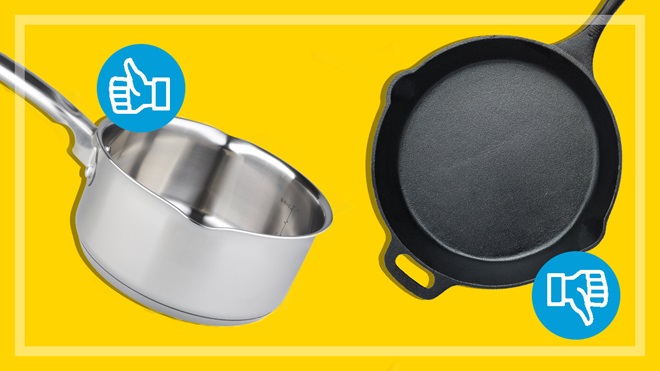
Credit: www.choice.com.au
Exceptions To The Rule
Not all pots and pans fear the dishwasher. Some can handle it. Let’s explore those exceptions.
Stainless Steel: A Safer Bet
Stainless steel cookware stands out. It’s durable and resistant to dishwasher risks. Most stainless steel items survive the heat and water pressure inside a dishwasher. This makes them a safe choice for easy cleaning.
- Check for heat-resistant handles.
- Ensure no wooden accents are present.
- Look for a dishwasher-safe label.
Analyzing Manufacturer’s Guidelines
Manufacturers know their products best. Always review the care instructions before washing. They offer the final say on dishwasher safety.
| Material | Dishwasher Safe | Notes |
|---|---|---|
| Stainless Steel | Usually | Confirm handle material. |
| Nonstick | Sometimes | Check coating durability. |
| Cast Iron | Rarely | Hand wash to maintain seasoning. |
Read the manual. It provides specific cleaning instructions. Keep your cookware in top shape with proper care.
Hand Washing: Tips And Techniques
Many wonder why pots and pans often can’t go in the dishwasher. The reasons are varied. Some materials may suffer damage. Others could lose their non-stick coating. Hand washing ensures longevity. Let’s dive into the best hand washing practices for your cookware.
The Right Way To Hand Wash
- Fill your sink with warm, soapy water.
- Soak pots and pans for a few minutes.
- Use a soft sponge to clean the surfaces gently.
- Rinse thoroughly with clean water.
- Dry immediately with a soft cloth to prevent water spots.
Maintaining Your Cookware’s Sparkle
Regular care keeps cookware looking new. Use non-abrasive cleaners. Dry cookware right after washing. Store carefully to avoid scratches. Follow these tips for a lasting shine.
| Material | Cleaning Agent | Care Tip |
|---|---|---|
| Stainless Steel | Vinegar | Polish with a soft cloth |
| Cast Iron | Salt Paste | Oil after drying |
| Non-Stick | Baking Soda | Avoid metal utensils |
| Copper | Lemon and Salt | Wash quickly after use |

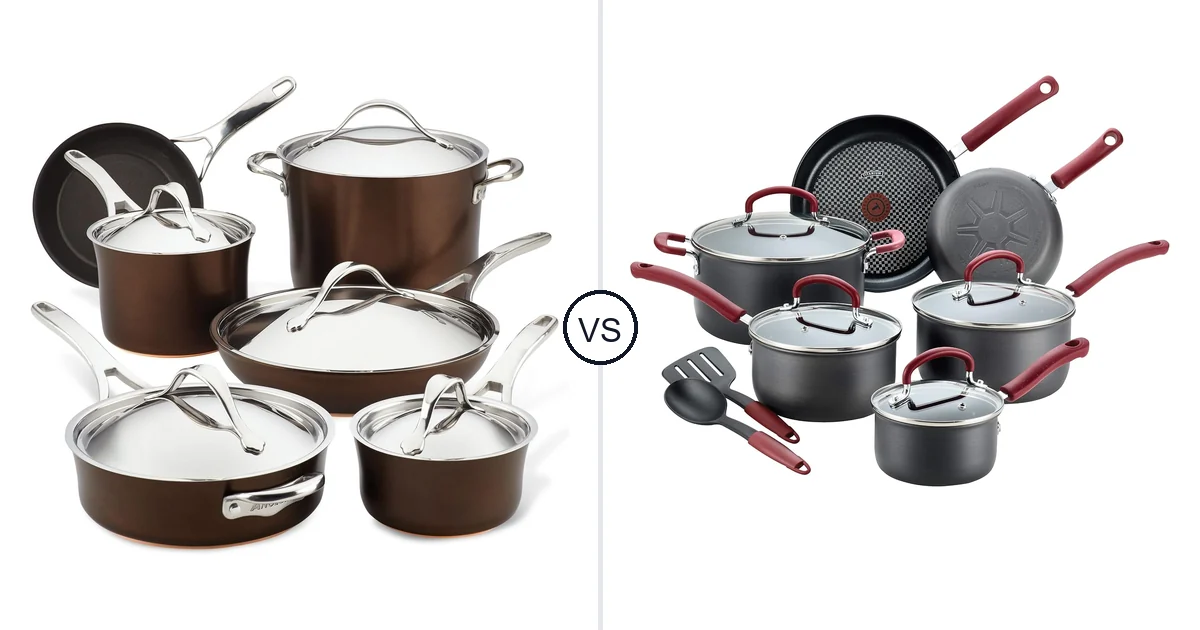
Credit: www.amazon.com
Concluding Thoughts
Understanding why pots and pans may need a break from the dishwasher is key. Let’s wrap up what we’ve learned about keeping your cookware in top shape.
The Balance Between Convenience And Care
Clean dishes with ease or ensure longevity? This is the balance every kitchen faces. Not all cookware can withstand the harsh environment of a dishwasher. High temperatures, potent detergents, and intense water pressure can damage pots and pans. Metals may tarnish, non-stick coatings can peel, and wooden handles might warp. Boldly choose to wash certain items by hand to maintain their condition.
Making Informed Choices For Your Kitchen
Your kitchen, your rules. Yet, informed choices lead to better care for your cookware. Know which materials are dishwasher-safe and which are not. Stainless steel and some plastics can usually cope, while cast iron, copper, and aluminum often cannot. Check labels before your first wash. Smart decisions protect your investment and keep cookware performing for years.
- Check manufacturer’s guidelines – Always a smart move.
- Hand wash sensitive items – Better safe than sorry.
- Use gentle detergents – For those hand-wash only pots.
- Dry thoroughly – Avoid rust and water spots.
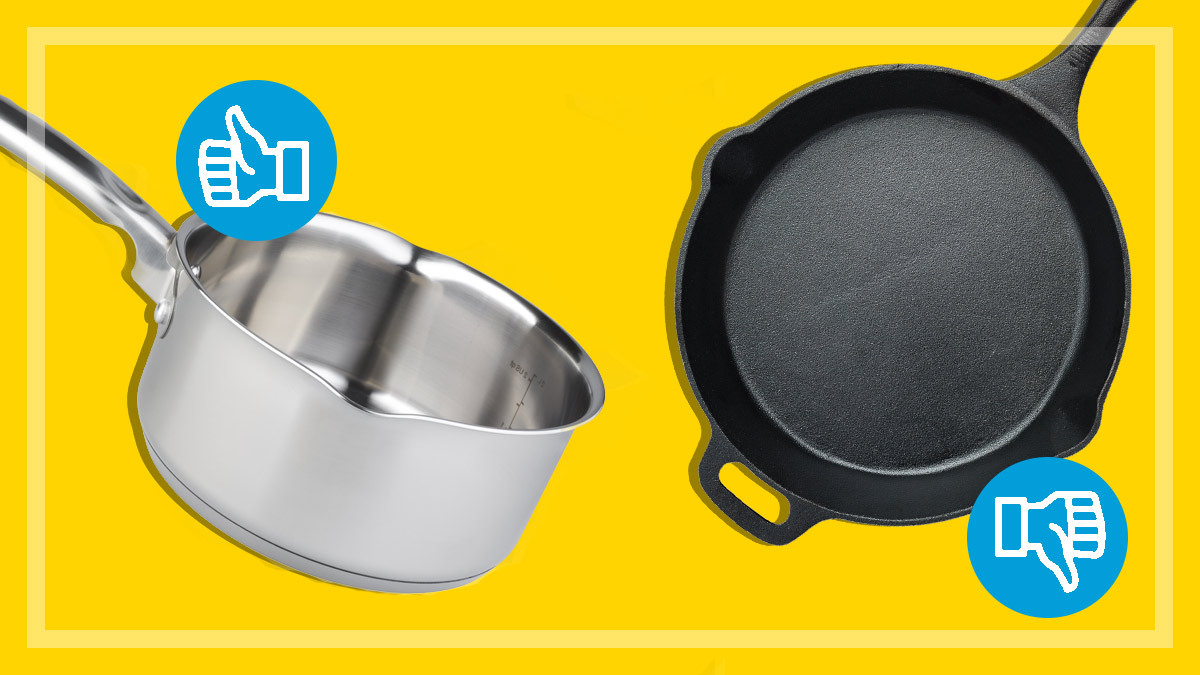
Credit: www.choice.com.au
Frequently Asked Questions
What Happens If You Put Pots And Pans In The Dishwasher?
Putting pots and pans in the dishwasher can damage them. Non-stick coatings may degrade, and cast iron can rust. Hand washing is recommended for longevity. Dishwasher detergents can also dull sharp edges on knives. Always check manufacturer guidelines before dishwasher use.
Why Are Pots Not Dishwasher Safe?
Some pots are not dishwasher safe due to their materials, which can warp or degrade. Coatings might peel, and extreme heat can damage handles. Always check manufacturer guidelines to ensure longevity.
Why Do Pans Get Ruined In The Dishwasher?
Pans can get ruined in the dishwasher due to harsh detergents and high heat causing non-stick coatings to deteriorate and metals to corrode.
How Do I Know If My Pots And Pans Are Dishwasher Safe?
Check the manufacturer’s label or user manual for dishwasher-safe symbols. Examine the bottom of pots and pans for this icon. Opt for materials like stainless steel and avoid non-stick coatings unless specified as dishwasher-safe.
Conclusion
Understanding why certain pots and pans shouldn’t visit the dishwasher is crucial for their longevity. It’s about protecting your kitchen investments and ensuring they perform their best. Always check manufacturer guidelines to keep your cookware in top shape. Embrace manual cleaning for those special items, and enjoy their lasting utility and shine.

Leave a Reply