
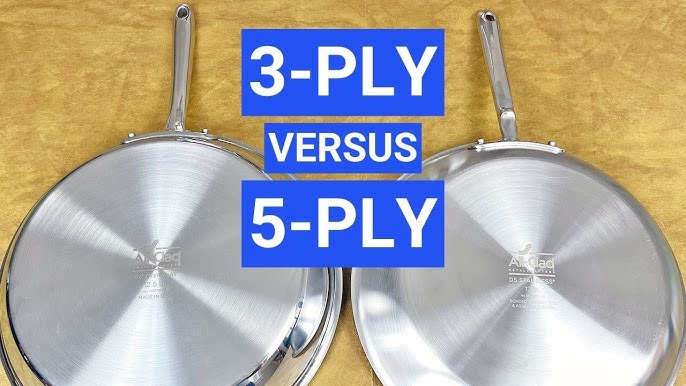
3-ply cookware features three layers, typically stainless steel and aluminum, providing excellent heat distribution. In contrast, 5-ply cookware has five layers, enhancing durability and heat retention.
Choosing between 3-ply and 5-ply cookware can significantly impact your cooking experience. Both options offer distinct advantages in heat conduction and cooking performance. 3-ply cookware, with its three layers, strikes a balance between affordability and efficiency, making it ideal for everyday cooking.
On the other hand, 5-ply cookware boasts superior heat retention and even cooking, perfect for professional chefs and home cooks seeking precision. Understanding these differences helps you make an informed decision based on your cooking style and budget. This guide will delve deeper into the benefits of each type, aiding your selection process.
Introduction To Multi-ply Cookware
Multi-ply cookware has transformed how we cook. It offers better heat distribution and durability. Understanding the differences between 3-ply and 5-ply cookware helps in making informed choices.
Evolution From Single Layer Pans
Cooking has come a long way since single-layer pans. Early cookware often featured just one layer of material. This limited heat retention and distribution.
Chefs sought better performance. They introduced multi-layer designs. These innovations improved cooking results significantly.
- Single-layer pans: Simple and easy to use.
- Multi-layer pans: Enhanced heat distribution.
- Modern cookware: Versatile and efficient.
The Basics Of Ply Technology In Kitchenware
Ply technology involves layering different materials. This enhances strength and performance. Here’s a brief overview of 3-ply and 5-ply cookware:
| Type | Layers | Benefits |
|---|---|---|
| 3-Ply | 3 |
|
| 5-Ply | 5 |
|
3-ply cookware usually consists of a core layer sandwiched between two other materials. This provides even heating and prevents warping. 5-ply cookware adds more layers for enhanced performance.
Choosing the right ply can elevate your cooking experience. Consider your cooking style and preferences before making a purchase.

Credit: prudentreviews.com
Analyzing 3-ply Cookware
3-Ply cookware is popular among home cooks and professionals. It offers durability and great cooking results. Understanding its composition and performance can help you make better choices.
Composition And Construction
3-Ply cookware consists of three layers:
- Stainless Steel: The outer layer is often stainless steel. It provides a sleek look and resists rust.
- Aluminum or Copper: The middle layer is aluminum or copper. These metals enhance heat conductivity.
- Stainless Steel: The inner layer is also stainless steel. It ensures food safety and easy cleaning.
This combination creates a strong and efficient cooking surface. The design allows for even heat distribution. Food cooks evenly without hot spots.
Heat Distribution And Cooking Performance
3-Ply cookware excels in heat distribution. Here are key points:
| Feature | 3-Ply Cookware |
|---|---|
| Heat Distribution | Even across the surface |
| Cooking Performance | Consistent results |
| Temperature Control | Responsive to heat changes |
3-Ply cookware heats up quickly. It retains heat well, making it great for searing. Cooks enjoy better results with less effort.
Whether frying, sautéing, or simmering, 3-Ply cookware delivers. It meets various cooking needs effectively.
Pros And Cons Of 3-ply Pots And Pans
3-ply cookware is popular among home cooks. It combines different materials for better cooking performance. Understanding its pros and cons helps in making informed choices.
Benefits Of Using 3-ply
- Even Heat Distribution: 3-ply cookware heats evenly. No hot spots occur during cooking.
- Durability: Made from stainless steel, it’s strong and long-lasting.
- Versatility: Suitable for all stovetops, including induction.
- Non-Reactive: Stainless steel won’t react with acidic foods.
- Easy to Clean: Most pieces are dishwasher safe.
Limitations And Considerations
- Price: 3-ply cookware can be more expensive.
- Weight: It tends to be heavier than single-ply options.
- Requires Care: Proper maintenance is needed to prevent scratching.
- Heat Conductivity: Not as conductive as copper or aluminum.
| Feature | 3-Ply Cookware |
|---|---|
| Heat Distribution | Excellent |
| Durability | High |
| Weight | Moderate to Heavy |
| Reactivity | Non-Reactive |
| Price | Higher than Single-Ply |
Delving Into 5-ply Cookware
5-Ply cookware is a game-changer in the kitchen. It offers superior performance compared to 3-Ply options. Understanding the unique design and benefits is essential for home chefs.
Understanding The 5-ply Design
The 5-Ply design consists of five layers of materials. Each layer has a specific function, enhancing cooking efficiency. Here’s a breakdown of the layers:
| Layer | Material | Function |
|---|---|---|
| 1 | Stainless Steel | Durability and non-reactivity |
| 2 | Aluminum | Even heat distribution |
| 3 | Stainless Steel | Strength and stability |
| 4 | Aluminum | Quick heating |
| 5 | Stainless Steel | Non-reactive cooking surface |
This multi-layer construction results in several key benefits. Heat retention is excellent, which minimizes cooking time. The cookware is also resistant to warping, ensuring longevity.
How 5-ply Transforms Cooking
5-Ply cookware changes the cooking experience significantly. Here are some advantages:
- Even Heating: No hot spots during cooking.
- Versatility: Suitable for various cooking methods.
- Energy Efficient: Cooks food faster, saving energy.
- Easy Maintenance: Dishwasher safe and easy to clean.
Chefs love the responsiveness of 5-Ply cookware. It allows precise temperature control. This quality is crucial for delicate dishes.
Investing in 5-Ply cookware enhances your culinary skills. It provides professional-level results at home. Enjoy the benefits of this advanced cooking technology.
Pros And Cons Of 5-ply Kitchenware
5-ply kitchenware offers unique benefits and some drawbacks. Understanding these can help you choose the best cookware for your needs.
Advantages Over Fewer Ply Options
5-ply cookware stands out for several reasons:
- Even Heat Distribution: Multiple layers ensure heat spreads evenly.
- Durability: Stronger construction resists warping and scratches.
- Better Heat Retention: Keeps food warm longer after cooking.
- Versatility: Suitable for various cooking methods, including induction.
- Healthier Cooking: Less need for oils and fats due to non-reactive surfaces.
Potential Drawbacks To Keep In Mind
Despite its advantages, 5-ply cookware has some downsides:
- Higher Cost: More layers mean a higher price point.
- Weight: Heavier than 3-ply options, making it less easy to handle.
- Longer Heating Time: Takes more time to heat up due to the thickness.
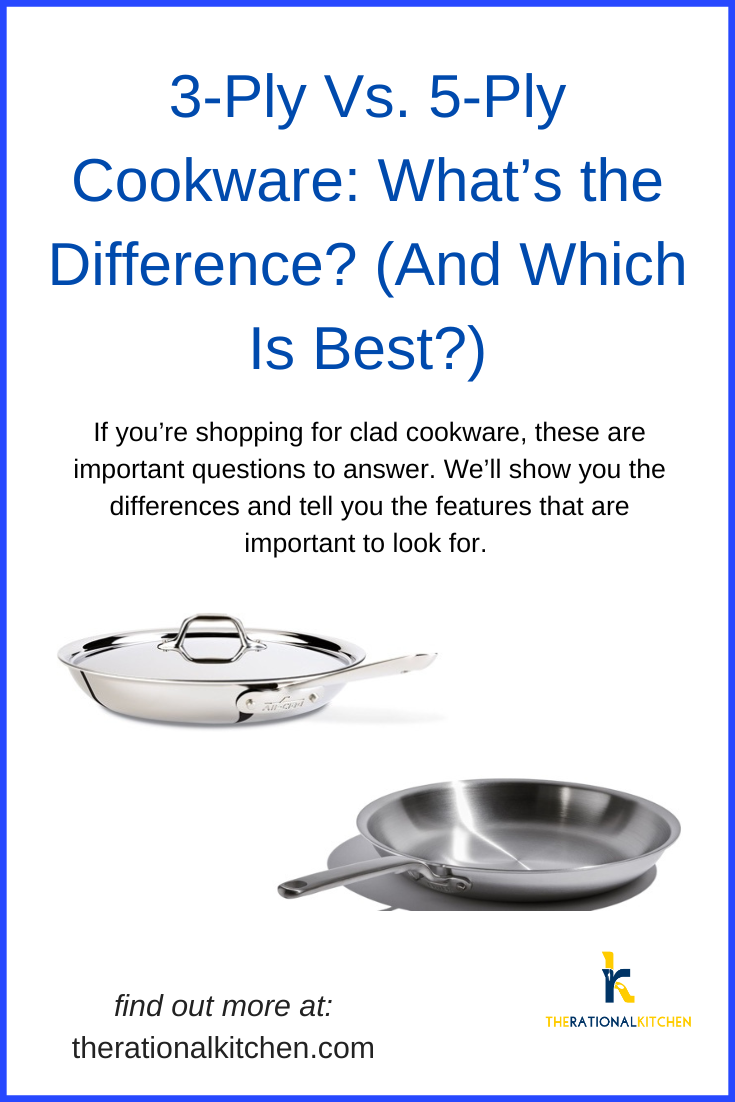
| Feature | 5-Ply Cookware | 3-Ply Cookware |
|---|---|---|
| Heat Distribution | Excellent | Good |
| Durability | Very High | Moderate |
| Price | Higher | Lower |
| Weight | Heavier | Lighter |
Credit: therationalkitchen.com
Cost Comparison: 3-ply Vs 5-ply
Understanding the cost differences between 3-ply and 5-ply cookware can help you make an informed choice. Each type has its unique price points and long-term value. Let’s explore these factors in detail.
Price Points: Upfront And Long-term
Price varies significantly between 3-ply and 5-ply cookware. Here’s a breakdown:
| Cookware Type | Upfront Cost | Long-Term Cost |
|---|---|---|
| 3-Ply Cookware | $100 – $300 | Moderate (replacement needed every 5-10 years) |
| 5-Ply Cookware | $200 – $600 | Low (lasts 10-20 years) |
3-ply cookware is generally less expensive. It offers good value for occasional cooks. In contrast, 5-ply cookware has a higher price tag. This type is ideal for serious home chefs.
Investment Value: Durability And Lifespan
Consider durability and lifespan when comparing these two types:
- 3-Ply Cookware
- Made of three layers of metal.
- Durable, but not as long-lasting.
- Best for everyday cooking.
- 5-Ply Cookware
- Consists of five layers of metal.
- Highly durable and resistant to warping.
- Perfect for professional-grade cooking.
3-ply cookware may need replacement sooner. 5-ply cookware can be a better long-term investment. It withstands heavy use and retains performance.
Consider your cooking style and budget. Choose the cookware that fits your needs best.
Culinary Experiences With Multi-ply Cookware
Multi-ply cookware enhances cooking experiences for both chefs and home cooks. The layers in 3-ply and 5-ply cookware create even heat distribution. This results in better flavor and texture in dishes. Let’s explore testimonials and case studies to see how these cookware types perform.
Chef And Home Cook Testimonials
Many chefs and home cooks share their experiences with multi-ply cookware. Here are some highlighted testimonials:
- Chef Maria: “Using 5-ply cookware has transformed my cooking. It holds heat better and cooks evenly.”
- Home Cook John: “I love my 3-ply saucepan. It’s lightweight and easy to handle.”
- Chef Lisa: “The precision of multi-ply cookware is unmatched. Dishes come out perfect every time.”
These testimonials reflect the strong preference for multi-ply cookware. Chefs appreciate the professional quality, while home cooks enjoy the ease of use.
Case Studies: Recipe Performance
Let’s analyze how 3-ply and 5-ply cookware performs with various recipes. Here’s a comparison of key dishes:
| Recipe | 3-Ply Performance | 5-Ply Performance |
|---|---|---|
| Seared Salmon | Good sear, even cooking | Excellent sear, perfect internal temperature |
| Vegetable Stir-Fry | Quick cooking, slight unevenness | Fast cooking, consistent results |
| Risotto | Even heat, requires stirring | Stable heat, less stirring needed |
3-ply cookware offers decent results in most recipes. 5-ply cookware excels in heat retention and precision. Many cooks find the investment in 5-ply worth it for the quality.
Multi-ply cookware significantly enhances culinary experiences. The testimonials and case studies show clear advantages. Every dish can taste better with the right cookware.
Choosing The Right Ply For Your Kitchen
Choosing the right ply for your cookware can elevate your cooking. Cookware options vary between 3-ply and 5-ply. Each type offers unique benefits. Understanding these differences helps you make the best choice.
Matching Cookware To Cooking Style
Your cooking style plays a major role in selecting the right ply. Here are some factors to consider:
- Heat Distribution: 5-ply cookware heats evenly. 3-ply may have hot spots.
- Cooking Techniques: For sautéing, 3-ply is often sufficient. For searing or browning, 5-ply excels.
- Durability: 5-ply cookware lasts longer. It withstands high heat better.
- Weight: 3-ply is lighter. This can be easier to handle.
Making An Informed Purchase Decision
Understanding your needs aids in making the right purchase. Here’s a quick comparison:
| Feature | 3-Ply Cookware | 5-Ply Cookware |
|---|---|---|
| Heat Retention | Good | Excellent |
| Price | More Affordable | Higher Price |
| Weight | Lighter | Heavier |
| Cooking Versatility | Versatile | Highly Versatile |
Consider these tips for your decision:
- Assess your cooking frequency.
- Evaluate the types of dishes you cook.
- Set a budget for your cookware.
- Read reviews and ratings from other cooks.
Choosing the right ply enhances your cooking experience. Select the cookware that matches your style and needs.
Care And Maintenance For Longevity
Proper care and maintenance extend the life of your cookware. Both 3-ply and 5-ply options require specific attention. Knowing the best practices helps keep your pots and pans in top shape. Protect your investment with the right techniques.
Best Practices For 3-ply And 5-ply
- Use Low to Medium Heat: High temperatures can warp cookware. Stick to low or medium settings.
- Avoid Abrasive Cleaners: These can scratch the surface. Use soft sponges or cloths instead.
- Hand Wash: Though some are dishwasher safe, hand washing is gentler. It helps maintain the shine.
- Dry Immediately: Water spots can form. Wipe your cookware dry right after washing.
- Use the Right Utensils: Wooden or silicone utensils prevent scratches. Avoid metal utensils.
Common Mistakes To Avoid
- Cooking on High Heat: It can damage the layers. Always cook on low or medium.
- Ignoring Stains: Clean stains right away. It prevents permanent marks.
- Overcrowding the Pan: This can lead to uneven cooking. Give food space to cook properly.
- Storing with Other Cookware: Nesting can scratch surfaces. Use protective liners when stacking.
- Using Metal Scrubbers: These can ruin the finish. Stick to soft cleaning tools.
The Future Of Cookware Technology
Cookware technology is evolving rapidly. New materials and designs are improving cooking experiences. 3-ply and 5-ply cookware offer excellent options. Innovations in cookware aim to enhance durability and performance. Let’s explore what lies ahead.
Innovations On The Horizon
Cookware manufacturers are embracing new technologies. Here are some exciting trends:
- Smart Cookware: Integrated sensors monitor temperature and cooking times.
- Non-Stick Advancements: New coatings are healthier and more durable.
- Lightweight Materials: Innovations reduce weight without sacrificing strength.
- Heat Distribution: Improved designs ensure even heating for better results.
These innovations promise to make cooking easier and more enjoyable. Chefs of all levels will benefit from these advancements.
The Sustainable Cookware Movement
Sustainability is a key focus in cookware development. Many brands aim to reduce environmental impact. Here are some ways they are achieving this:
| Initiative | Description |
|---|---|
| Recycled Materials | Using recycled metals to create new cookware. |
| Eco-Friendly Coatings | Developing coatings free from harmful chemicals. |
| Energy Efficiency | Designs that require less energy to heat up. |
| Longevity | Creating durable products that last longer. |
Consumers are increasingly choosing sustainable options. This trend is reshaping the cookware industry.

Credit: m.youtube.com
Frequently Asked Questions
What Is 3-ply Cookware?
3-ply cookware consists of three layers: stainless steel, aluminum, and stainless steel. This design promotes even heat distribution and durability. It’s ideal for various cooking methods, including sautéing and boiling. Many home cooks prefer it for its balance of performance and affordability.
What Is 5-ply Cookware?
5-ply cookware features five layers, typically combining stainless steel and aluminum. This construction enhances heat retention and responsiveness. It offers superior durability and is excellent for professional cooking. Home chefs appreciate its ability to maintain consistent temperatures for precision cooking.
Is 5-ply Cookware Worth The Investment?
Yes, 5-ply cookware is often worth the investment. Its advanced construction provides superior heat distribution and durability. This means better cooking results and a longer lifespan. For serious cooks or those who frequently use high heat, it can be a valuable addition to your kitchen.
How Does 3-ply Compare To 5-ply?
3-ply cookware is generally less expensive and suitable for everyday cooking. In contrast, 5-ply cookware offers enhanced performance and durability. The choice depends on your cooking needs and budget. For more serious culinary tasks, 5-ply may be the better option.
Conclusion
Choosing between 3-ply and 5-ply cookware depends on your cooking needs and preferences. Both options offer unique benefits. A 5-ply design provides superior heat distribution and durability, while 3-ply cookware is often lighter and easier to handle. Assess your cooking style to make the best choice for your kitchen.
Happy cooking!



Leave a Reply